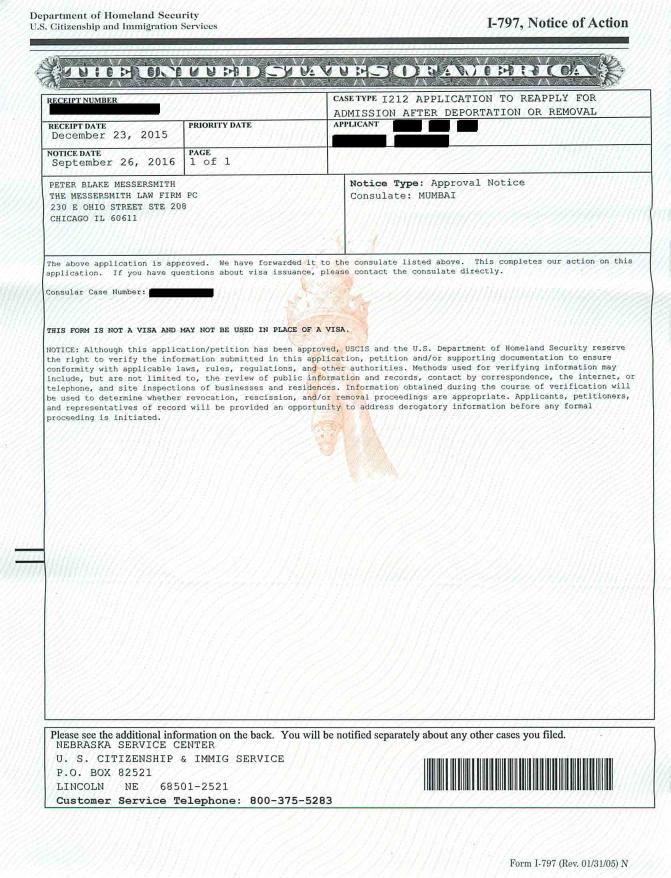
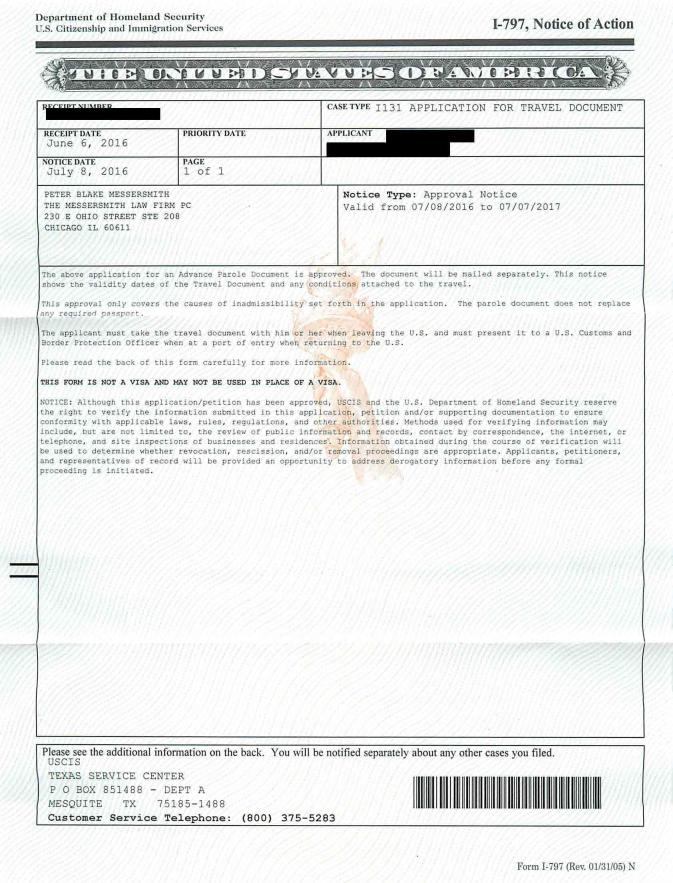
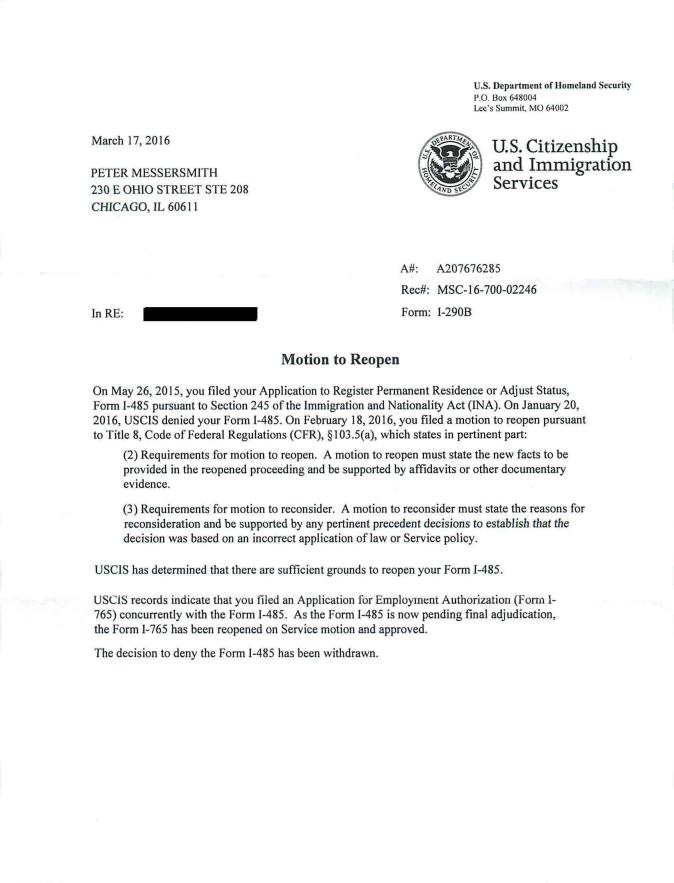
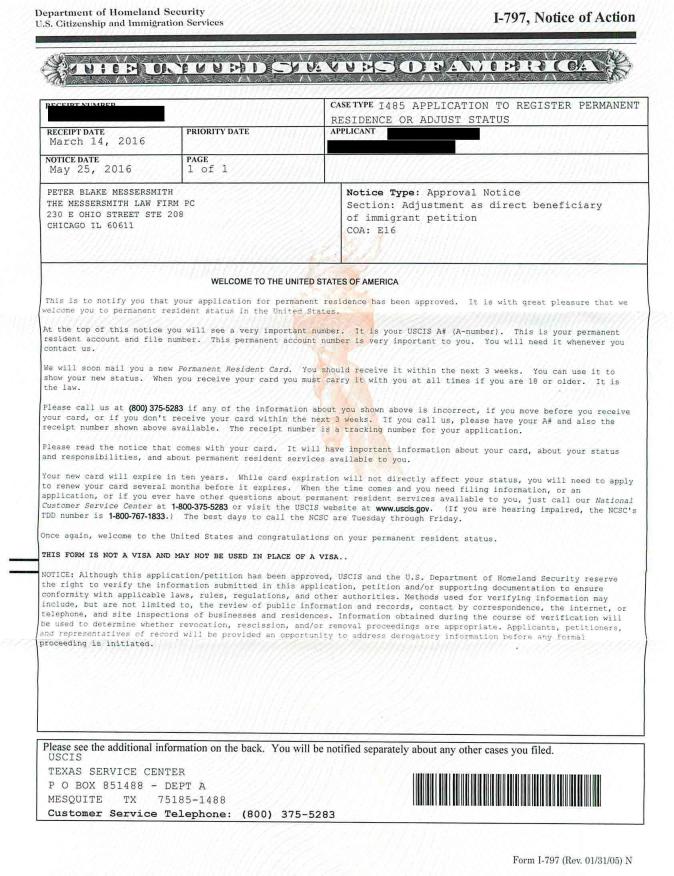
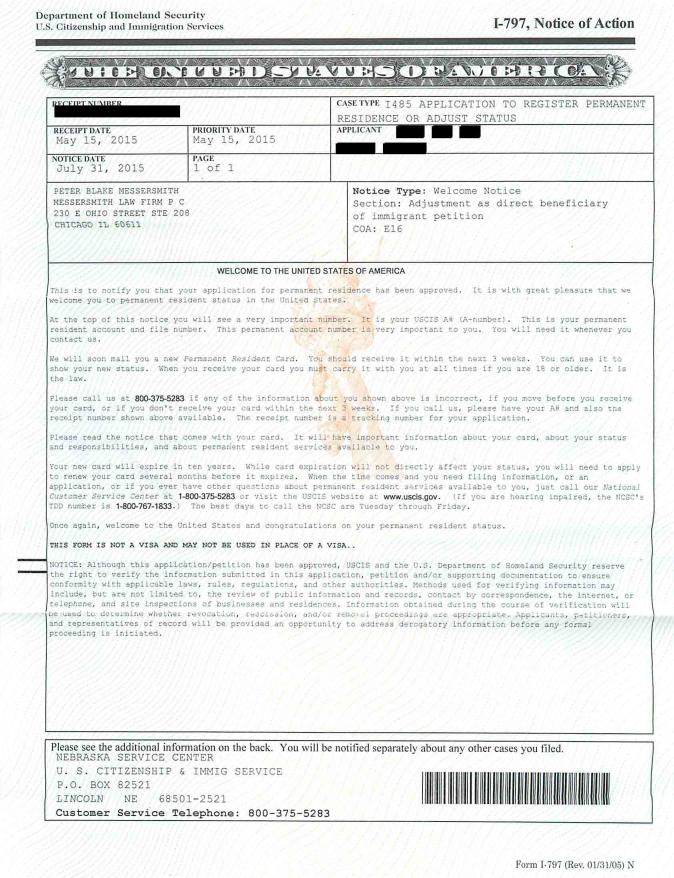
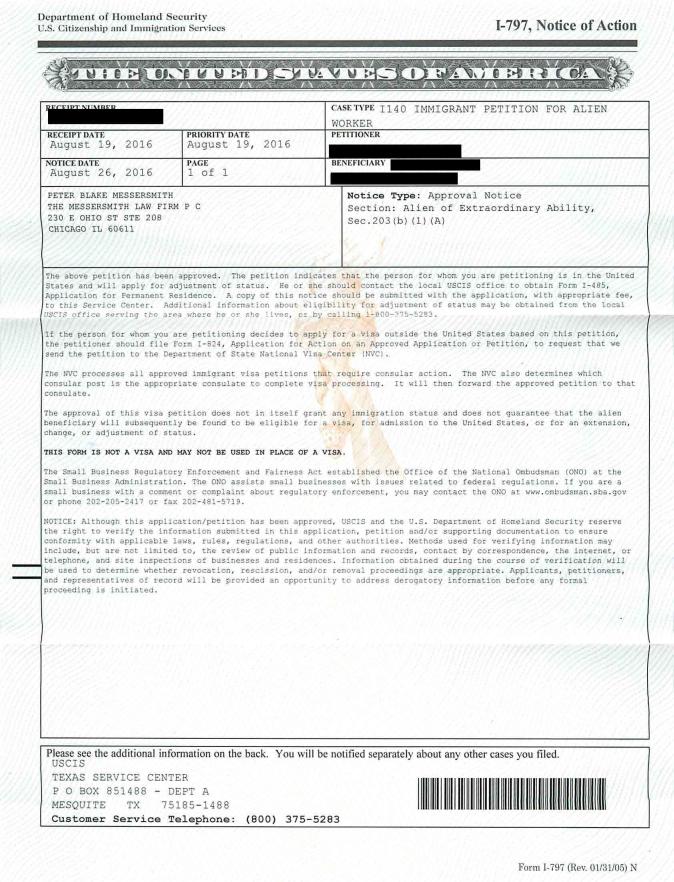
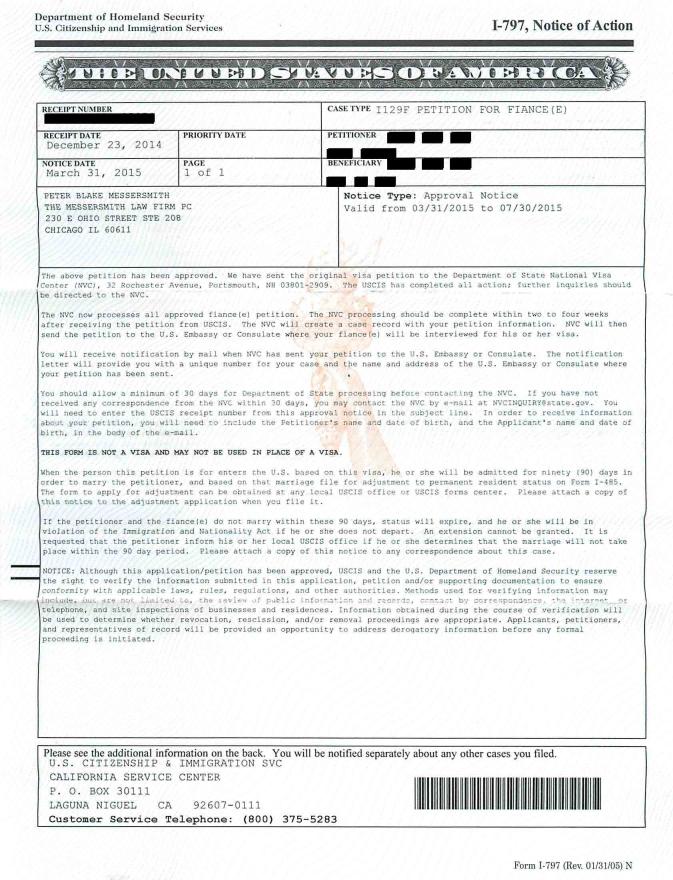
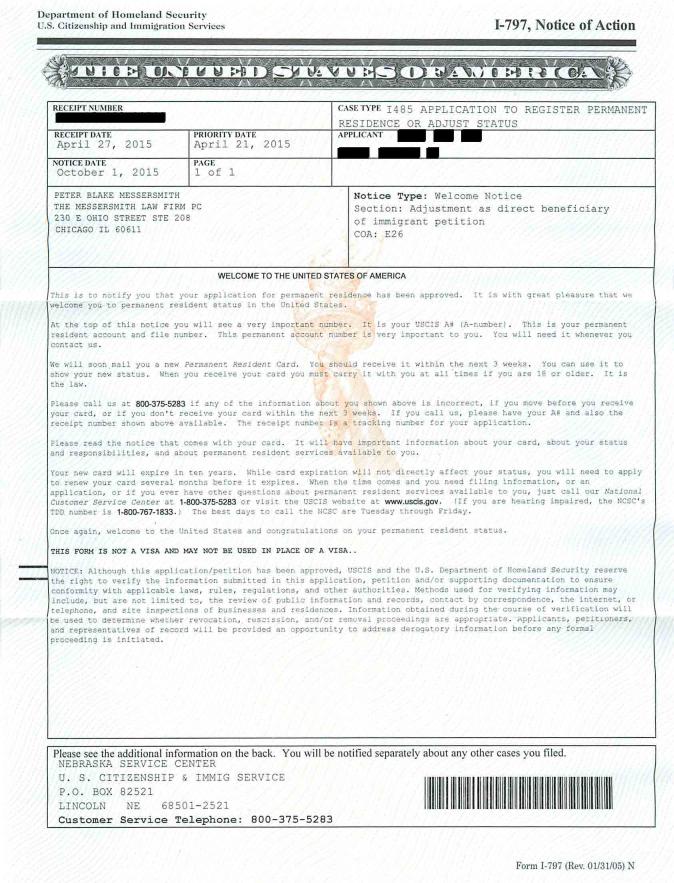
People often inquire about this issue as I-212 waiver, Form I-212, permission to reapply after deportation, permission to reapply after removal, or inadmissible under 212(a)(9)(A) or 212(a)(9)(C). Form I-212 is the USCIS application used in many cases to request permission to reapply for admission to the United States after a prior removal or deportation, and it is often paired with other waivers depending on the person’s immigration history.

Form I-212 — Permission to Reapply After Removal (212(a)(9)(A) and 212(a)(9)(C))
Form I-212 — Permission to Reapply After Removal (212(a)(9)(A) and 212(a)(9)(C))

I-212 Details
A foreign national who is inadmissible under INA 212(a)(9)(A) may file an I-212 if are inadmissible under INA section 212(a)(9)(A) if he or she was previously removed from the United States or departed on their own after being ordered removed and were previously convicted of an aggravated felonyand have not completed the 5/10/20 year removal bar to reentry.
A foreign national who is inadmissible under INA 212(a)(9)(C) may file an I-212 if he or she is outside of the United States and has been so for more than 10 years since the date of their last departure.

For Whom Is an I-212 Appropriate?
If a foreign national is inadmissible under INA 212(a)(9)(A) INA 212(a)(9)(C), an I-212 will allow them to obtain “consent to reapply for admission” that is required before the alien can lawfully return to the United States.

I-212 Requirements
A foreign national who is inadmissible under INA 212(a)(9)(A) should generally file an I-212 after they have departed the United States. Any I-212 approved while in the United States is conditional and may be revoked.
A foreign national who is inadmissible under INA 212(a)(9)(C) can only file an I-212 when he or she is outside of the United States and only after 10 years since their last departure.
Who needs Form I-212 (permission to reapply)?
Form I-212 is most commonly used when a person is inadmissible because of a prior removal history and needs permission to reapply for admission.
Common situations include:
- Prior removal or deportation that triggers inadmissibility under INA 212(a)(9)(A) (often discussed as the 5-year, 10-year, or 20-year bars depending on the case)
- Prior expedited removal at the airport/border or after an encounter with CBP
- Reinstatement of a prior removal order (complex cases that require careful analysis)
- Cases where a person is dealing with “unlawful reentry after removal” issues under INA 212(a)(9)(C) (often called the permanent bar), where timing rules may be very strict
Because the correct strategy depends on the exact type of removal and timeline, the first step is obtaining the removal records and building a clean entry/exit and removal timeline.
I-212 vs I-601 vs I-601A (which waiver do you need?)
These forms are commonly confused, and choosing the wrong path can waste months.
- I-212 (permission to reapply): commonly used after certain removal or deportation histories tied to INA 212(a)(9)(A), and in some cases analyzed alongside 212(a)(9)(C) issues.
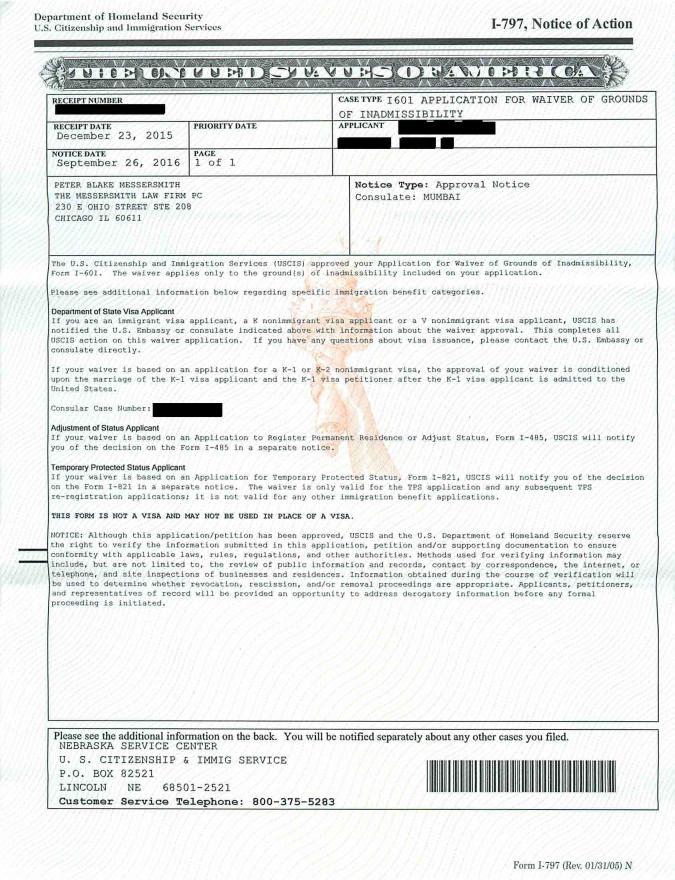
- I-601 (waiver of inadmissibility): used to request a waiver of certain inadmissibility grounds, often based on extreme hardship to a qualifying relative, depending on the ground and posture.
- I-601A (provisional unlawful presence waiver): primarily used for unlawful presence (212(a)(9)(B)) in certain consular immigrant visa cases before the applicant leaves the U.S.
Some cases require more than one filing (for example, an I-212 for a prior removal issue and an I-601 for a separate inadmissibility ground). The correct strategy depends on the exact INA code(s) cited and whether the case is consular processing or adjustment of status.
Evidence that helps an I-212 request (what to include)
I-212 decisions are discretionary and are often evaluated using the person’s overall immigration and equities record. Strong I-212 packets are organized, timeline-driven, and supported with evidence.
Common helpful evidence includes:
- Proof of qualifying family ties in the U.S. (spouse, children, parents) and the impact of continued separation
- Evidence of stable employment, community ties, and positive contributions
- Proof of rehabilitation and positive factors if there is any criminal or negative history
- A clear explanation of the removal history and what has changed since the removal
- A complete timeline of entries, exits, and immigration filings with supporting records
- Any hardship-related evidence that supports the discretionary request (even when “extreme hardship” is not the legal standard for I-212)
Because the filing is discretionary, the goal is to present a clear narrative, strong positive equities, and organized documentation addressing the prior removal history directly.
Frequently asked questions about Form I-212 (permission to reapply)
What is Form I-212?
Form I-212 is the USCIS application used in many cases to request permission to reapply for admission to the United States after a prior removal or deportation.
What inadmissibility grounds are commonly tied to I-212?
I-212 is commonly associated with INA 212(a)(9)(A) (prior removal/deportation bars) and can be involved in complex cases that also raise 212(a)(9)(C) issues.
Do I-212 cases involve a waiting period (5 years, 10 years, 20 years)?
Some prior removal bars are discussed as 5-year, 10-year, or 20-year bars depending on the case. Strategy depends on the type of removal and the timeline.
What is the difference between I-212 and I-601?
I-212 is permission to reapply after certain removal histories. I-601 is a waiver of certain inadmissibility grounds often based on extreme hardship, depending on the ground and posture.
What is the difference between I-212 and I-601A?
I-601A is a provisional waiver for unlawful presence (212(a)(9)(B)) in certain consular cases. I-212 addresses permission to reapply after certain removal histories.
What evidence helps an I-212?
A clean immigration timeline, proof of positive equities (family, work, community ties), and a well-organized narrative addressing the removal history are commonly important.
Can I need both I-212 and I-601?
Yes. Some cases involve more than one inadmissibility issue and require multiple filings depending on the INA codes involved.
What is the first step in an I-212 case?
Obtain the removal records, build a clean entry/exit timeline, identify the exact inadmissibility code(s), and then choose the correct waiver strategy based on the case posture.
USCIS Memo Relating to I-212
| Date | Title | Description |
|---|---|---|
| November 30, 2012 | Filing of Form I-601 at International USCIS Offices. | This policy memorandum provides guidance and procedures regarding the circumstances when it is permissible for international USCIS managers to allow the filing of a Form I-601 and any associated Form I-212. |