H-1B Visa — Specialty Occupation, Cap Lottery, LCA/Wage Levels, Transfers, and RFEs

H-1B Visa — Specialty Occupation, Cap Lottery, LCA/Wage Levels, Transfers, and RFEs

H-1B Visa — Specialty Occupation, Cap Lottery, LCA/Wage Levels, Transfers, and RFEs

People often search for this issue as H-1B visa, H1B visa, specialty occupation visa, H-1B cap lottery, H-1B registration, H-1B transfer, H-1B RFE, or H-1B wage level / LCA (Labor Condition Application). The H-1B is for specialty occupation jobs that normally require at least a bachelor’s degree (or equivalent) in a specific field related to the job duties. The most common H-1B problems involve specialty occupation RFEs, wage level and worksite issues on the LCA, cap-season timing, and job-title/degree mismatches.

FY 2027 H-1B cap registration opens March 4, 2026 at noon ET and closes March 19, 2026 at noon ET

H1B Visa Details

The H1B visa is for workers who will perform in a specialty occupation. A specialty occupation requires theoretical and practical application of a body of specialized knowledge along with at least a bachelor’s degree or its equivalent. For example, architecture, engineering, mathematics, physical sciences, social sciences, medicine and health, education, business specialties, accounting, law, theology, and the arts are specialty occupations.

If the applicant has a college degree or work experience and the job requires a college degree, then the applicant should be able to obtain an H1B visa.

Spouses and children of H1B visa holders may enter and remain in the US in H4 status. H4 visa holders may attend school in the US but cannot accept employment.

For Whom Is an H1B Visa Appropriate?

Foreign professionals with specialized knowledge, such as scientists, engineers, programmers, research analysts, management consultants, journalists, accountants, and others with a Bachelor’s or equivalent degree.

H1B Visa Requirements

H1B visa classification may be granted to an alien who:

  1. Will perform services in a specialty occupation which requires theoretical and practical application of a body of highly specialized knowledge and attainment of a baccalaureate or higher degree or its equivalent as a minimum requirement for entry into the occupation in the United States, and who is qualified to perform services in the specialty occupation because he or she has attained a baccalaureate or higher degree or its equivalent in the specialty occupation;
  2. Based on reciprocity, will perform services of an exceptional nature requiring exceptional merit and ability relating to a DOD cooperative research and development project or a coproduction project provided for under a Government-to-Government agreement administered by the Secretary of Defense;
  3. Will perform services in the field of fashion modeling and who is of distinguished merit and ability.

Common H-1B specialty occupation job titles (examples that often qualify)

A top search is “what jobs qualify for an H-1B?” The H-1B is for specialty occupations—roles that normally require at least a bachelor’s degree (or equivalent) in a specific field related to the job duties. The title alone is not enough. USCIS and consular officers focus on the actual duties, the degree requirement, and whether the worker’s education matches the role.

Below are common job titles that frequently appear in H-1B filings when the duties and degree match.

Software, IT, and cybersecurity

  • Software Engineer / Software Developer
  • Backend Engineer / Frontend Engineer / Full Stack Engineer
  • Mobile App Developer (iOS/Android)
  • DevOps Engineer / Site Reliability Engineer (SRE)
  • Cloud Engineer / Platform Engineer
  • Systems Engineer / Infrastructure Engineer
  • Network Engineer
  • Security Engineer / Information Security Analyst / SOC Analyst
  • Penetration Tester (degree-linked cybersecurity)
  • QA Engineer / Test Automation Engineer
  • Database Administrator / Database Engineer
  • ERP Consultant (SAP/Oracle) / Systems Implementation Consultant
  • Technical Support Engineer (specialized, degree-linked roles)

Data, analytics, and AI

  • Data Analyst (degree-linked analytics role)
  • Business Intelligence (BI) Analyst / BI Developer
  • Data Engineer
  • Data Scientist
  • Machine Learning Engineer
  • Applied Scientist / Research Scientist (industry R&D)
  • Statistician / Biostatistician
  • Quantitative Analyst (degree-linked “quant” roles)
  • Analytics Engineer

Engineering (traditional)

  • Mechanical Engineer
  • Electrical Engineer / Electronics Engineer
  • Civil Engineer
  • Structural Engineer
  • Chemical Engineer
  • Industrial Engineer
  • Manufacturing Engineer / Process Engineer
  • Quality Engineer / Supplier Quality Engineer
  • Reliability Engineer
  • Environmental Engineer
  • Biomedical Engineer

Product, program, and project roles (commonly searched)

(These can be strong H-1B roles when the duties are specialized and degree-linked.)

  • Product Manager (technical)
  • Technical Program Manager
  • Program Manager (engineering/program delivery)
  • Project Manager (technical projects)
  • Scrum Master (when tied to specialized technical delivery)
  • Business Systems Analyst / Systems Analyst
  • Solutions Architect / Sales Engineer (technical)

Finance, accounting, and business specialties

  • Financial Analyst / FP&A Analyst
  • Investment Analyst / Research Analyst (finance)
  • Risk Analyst / Compliance Analyst (degree-linked roles)
  • Internal Auditor / External Auditor
  • Tax Analyst / Tax Associate
  • Accountant (degree-based professional role)
  • Management Consultant (specialized consulting)
  • Supply Chain Analyst / Operations Analyst
  • Market Research Analyst

Healthcare, life sciences, and research

  • Clinical Research Associate (CRA)
  • Clinical Research Coordinator
  • Research Associate / Research Scientist
  • Regulatory Affairs Specialist
  • Quality Assurance Specialist (life sciences)
  • Pharmacovigilance Specialist
  • Public Health Analyst (degree-linked)
  • Medical Laboratory Scientist (credential/licensing-dependent)

Architecture, design, and construction (degree-linked roles)

  • Architect (license-eligible/degree-based)
  • Architectural Designer
  • Civil/Construction Engineer (engineering role)
  • Construction Project Manager (specialized technical duties)
  • CAD Designer / BIM Specialist (degree-linked roles)
  • Industrial Designer / Product Designer (degree-based)

Education and academia (common cap-exempt areas)

  • University Lecturer / Instructor (post-secondary)
  • Research Fellow / Postdoctoral Researcher
  • Academic Program Coordinator (specialized, degree-linked)

Common “borderline” titles (how to make them H-1B-strong)

These titles often receive RFEs unless the job is clearly degree-specific:

  • Product Manager / Project Manager (must show specialized duties and degree linkage)
  • Business Analyst (must show technical/specialized duties)
  • Marketing Manager (must show specialized analytics/strategy tied to degree)
  • Operations Manager (must show specialized, degree-based responsibilities)
  • “Manager” titles in general (must show specialized role, not generic supervision)

What makes these H-1B job-title examples work in real cases

Strong H-1B filings usually include:

  • A detailed job description showing complex, specialized duties
  • Proof the role normally requires a bachelor’s degree in a specific field
  • Evidence the worker’s degree (or evaluated equivalent) matches the duties
  • A properly prepared LCA with correct wage level and worksite location(s)
  • Consistency across the offer letter, support letter, and any prior filings

How our firm helps H-1B employers and workers

We help by:

  • Refining job descriptions to clearly qualify as specialty occupations
  • Addressing degree mismatch issues (including degree evaluations when appropriate)
  • Reviewing LCA wage level and worksite strategy (including remote/hybrid planning)
  • Preparing strong RFE responses for specialty occupation and wage/worksite issues
  • Planning transfers and cap-season timelines to reduce work authorization gaps

Common H-1B employment scenarios (the situations people search)

Most H-1B problems are not about the title—they are about the employment setup. Below are the most common “real life” scenarios that trigger RFEs, denials, or compliance issues.

H-1B cap season vs cap-exempt H-1B

  •  Cap-subject H-1B: most private employers must go through the annual cap registration/lottery and then file the petition if selected.
  • Cap-exempt H-1B: certain universities, nonprofit entities affiliated with universities, and some research organizations may be cap-exempt. These cases often have different timing and can be filed without the annual cap lottery.

H-1B transfer / change of employer (portability)
“H-1B transfer” is one of the biggest search terms. In many cases, a worker can move to a new employer when the new petition is filed, but timing and status history matter. Common issues include:

  • gaps in employment or status
  • travel during a transfer
  •  starting work before the correct filing posture is confirmed
  • multiple concurrent petitions (second H-1B)

Remote work, hybrid work, and multiple worksites

Remote work is a major RFE trigger because the LCA must match where work is performed. Common pitfalls include:

  • working from a different city/state than listed on the LCA
  • adding a new client site without updating the LCA strategy
  • “it’s just a short visit” assumptions that create compliance exposure

Staffing/consulting and third-party client worksites

This is one of the most scrutinized H-1B setups. USCIS often focuses on:

  • whether the employer-employee relationship is valid
  • whether the employer controls the worker’s day-to-day work
  • whether there is non-speculative work available for the requested period

Strong cases usually rely on a clean documentation set (contracts, work orders/SOWs, itinerary of worksites, detailed role description, and evidence of control).

Startups and small companies sponsoring H-1B

Startups can file H-1Bs, but they often receive extra scrutiny on:

  • ability to pay the offered wage
  • whether the role is truly specialty occupation
  • whether there is a real business need and operational structure
  • who supervises the worker, especially if the worker has ownership
  • Owner/employee cases require careful corporate governance documentation.

Degree mismatch and “specialty occupation” RFEs

A very common RFE argument is that the job does not require a specific degree or that the worker’s degree is not related. Strong responses typically focus on:

  • detailed duties tied to specialized knowledge
  • industry norms for the occupation
  • why the company specifically requires a degree in a related field
  • evidence of the worker’s education/experience alignment (and evaluations where appropriate)

Wage level and “level 1” issues

Wage level concerns often appear when the wage level seems inconsistent with duties, experience, or location. A strong strategy aligns:

  • title and duties
  • experience level and supervision
  • location and prevailing wage
  • internal leveling and organizational charts

Common “can I…?” questions people search

  • Can I work for two employers on H-1B? (concurrent H-1B planning)
  • Can I change job titles or duties after approval? (material change analysis)
  • Can I travel while an H-1B petition is pending? (timing and stamping strategy)
  • Can my spouse work? (H-4 and H-4 EAD eligibility planning)

How our firm helps with these common H-1B scenarios

We help clients by:

  • Designing an LCA/worksite strategy that matches real work patterns (remote/hybrid/multi-site)
  • Building strong documentation sets for staffing/third-party placements
  • Structuring startup and owner/employee cases with credible governance and wage support
  • Preparing specialty occupation and degree-relatedness arguments proactively (and in RFEs)
  • Managing transfer timing, travel, and portability risk

Frequently asked questions about the H-1B visa

What is an H-1B visa?

The H-1B is a U.S. work visa for specialty occupation jobs that normally require at least a bachelor’s degree (or equivalent) in a specific field related to the job duties.

What is a “specialty occupation” for H-1B?

A specialty occupation is a role where the normal minimum entry requirement is a bachelor’s degree (or higher) in a specific specialty that directly relates to the job duties.

What documents does an employer need for an H-1B case?

Most cases include a detailed job description, an offer letter/support letter, the worker’s degree evidence (and evaluations if needed), and a properly prepared and certified LCA.

What is the LCA (Labor Condition Application) and why is it required?

The LCA is a Department of Labor filing tied to the wage, worksite location(s), and employer obligations for the H-1B position. LCA mismatches are a common reason for RFEs and compliance issues.

What is “prevailing wage” and why do wage levels matter?

The H-1B wage must meet required wage rules for the occupation and location. Wage level selection should match the role’s complexity, experience expectations, and supervision structure.

What is the H-1B cap and lottery?

Most private employers are subject to the annual H-1B cap and must register during the H-1B electronic registration period. If selected, the employer can file the petition during the filing window.

What is a cap-exempt H-1B?

Some employers such as certain universities, nonprofit entities affiliated with universities, and research organizations may be cap-exempt. Cap-exempt cases often have different timing than cap-subject cases.

What is an H-1B transfer (change of employer)?
“H-1B transfer” typically refers to a new employer filing an H-1B petition for a worker already in H-1B status. Timing and status history matter for when employment can begin.

Can I start working for a new employer as soon as the transfer is filed?

In many situations, portability rules may allow work to begin after a properly filed petition, but this is fact-specific and depends on maintaining status and the petition posture. Travel and gaps can change the analysis.
Can I have two H-1B jobs at the same time?

Some workers pursue concurrent H-1B employment with two employers. Each employer must file its own petition, and the work arrangement must be consistent and well documented.

Can an H-1B worker work remotely?

Remote work is possible, but the LCA and worksite strategy must match where work is actually performed. Remote/hybrid setups commonly trigger RFEs if the worksite details are unclear.

What if my worksite changes after approval?

Some worksite or duty changes can be “material changes” and may require an amended petition and/or updated LCA strategy. Moving to a new geographic area can be especially sensitive.

Are staffing/consulting H-1B cases harder?

They are often scrutinized more. USCIS frequently focuses on employer-employee relationship, control, and whether there is non-speculative work for the requested period. Strong documentation is critical.

Can startups sponsor H-1B workers?

Yes, but startups often face more questions about specialty occupation need, ability to pay, company operations, and supervision—especially if the worker has ownership.

What is an H-1B RFE and what are common RFE topics?

An RFE is a Request for Evidence. Common H-1B RFE topics include specialty occupation, degree-relatedness, employer-employee relationship, third-party placement evidence, wage level issues, and worksite/remote work problems.
What if my degree does not exactly match the job title?

Degree mismatch issues are common. The focus is whether the education is related to the job duties and whether the role normally requires a specific specialty. Some cases use evaluations and detailed duty/skill mapping.

How long is H-1B status valid and can it be extended?

H-1B is commonly granted in periods (often up to three years at a time) with a general maximum time limit. Some workers extend beyond normal limits in green-card-related situations, depending on eligibility.

Do I need a visa stamp to travel on H-1B?

A visa stamp is typically needed for reentry after international travel if you are not visa-exempt. Travel strategy depends on whether a petition is pending, approved, or being changed.

Can my spouse work?

Many H-1B spouses hold H-4 status. Some H-4 spouses may qualify for an H-4 EAD depending on the H-1B worker’s green card process posture.

What is the first step for an H-1B case?

Confirm whether the case is cap-subject or cap-exempt, confirm the role is a specialty occupation, then build the LCA/worksite strategy and job-duty evidence so everything is consistent before filing.
USCIS Memo Relating to H1B VISA
DateTitleDetails
January 4, 2017Matter of T-O-S-UUSCIS defines a “physician of national or international renown” for H1B visa purposes.
July 21, 2015Guidance on When to File an Amended or New H-1B PetitionAn H-1B employer must file an amended or new H-1B petition when a new Labor Condition Application for Nonimmigrant Workers (LCA) is required due to a change in the H-1B worker’s place of employment.
February 18, 2015Adjudication of H-1B Petitions for Nursing OccupationsThis policy memorandum provides guidance on the adjudication of H1B visa petitions for
nursing positions.

Top Notch Immigration Services

You will receive top notch immigration services at The Messersmith Law Firm. We guarantee personalized legal services, a high rate of success, and very reasonable fees. At The Messersmith Law Firm, you will always get more than what you pay for. While the majority of our clients are referred to our law firm, we are open to take new cases if we feel we can help you achieve your goals. We have no doubt that you will refer everyone you know to us once your case is approved! Our goal is to get your case approved in the shortest amount of time possible yet strive to keep our fees reasonable!

Thousands of Approved Cases

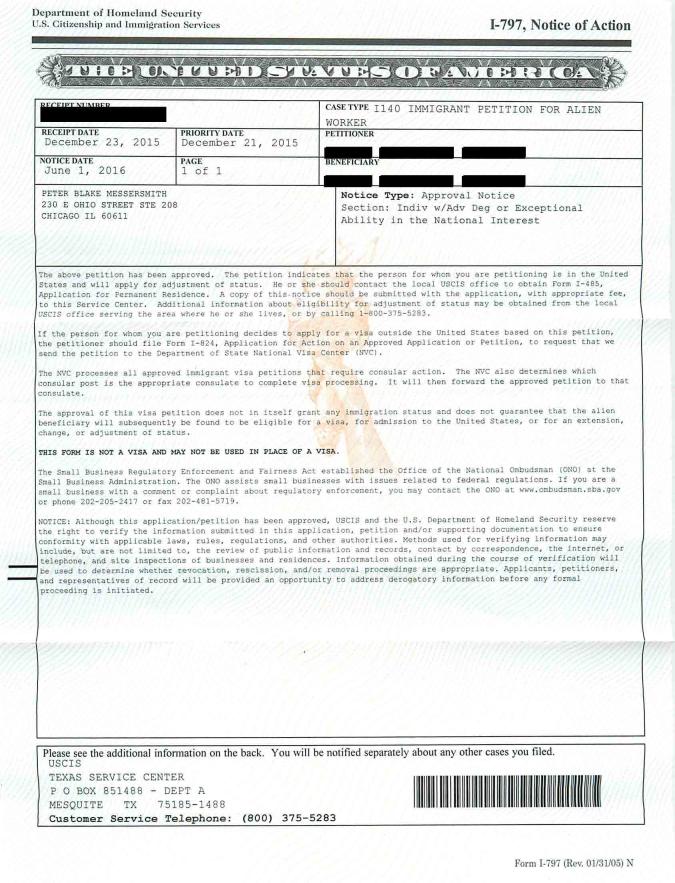
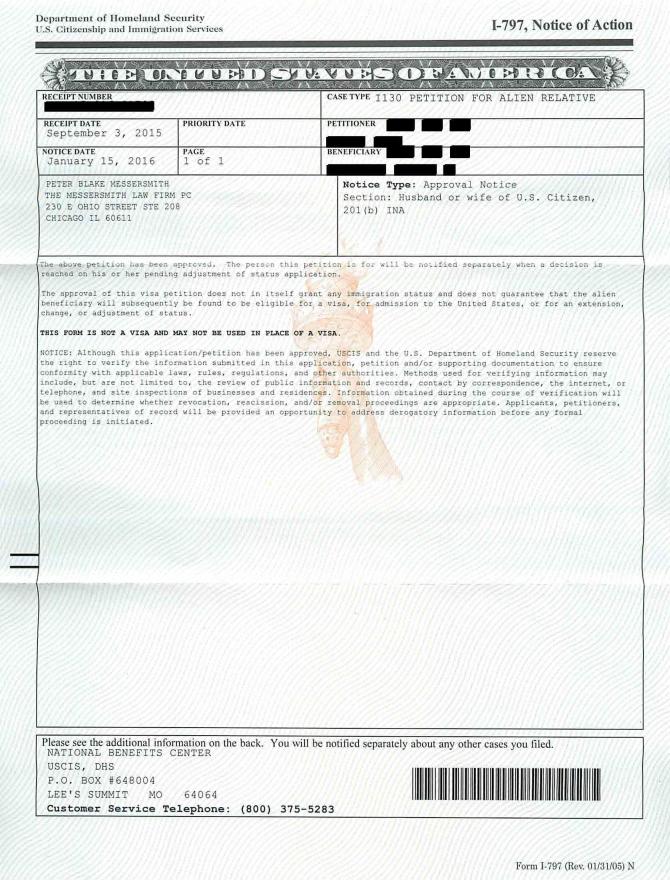
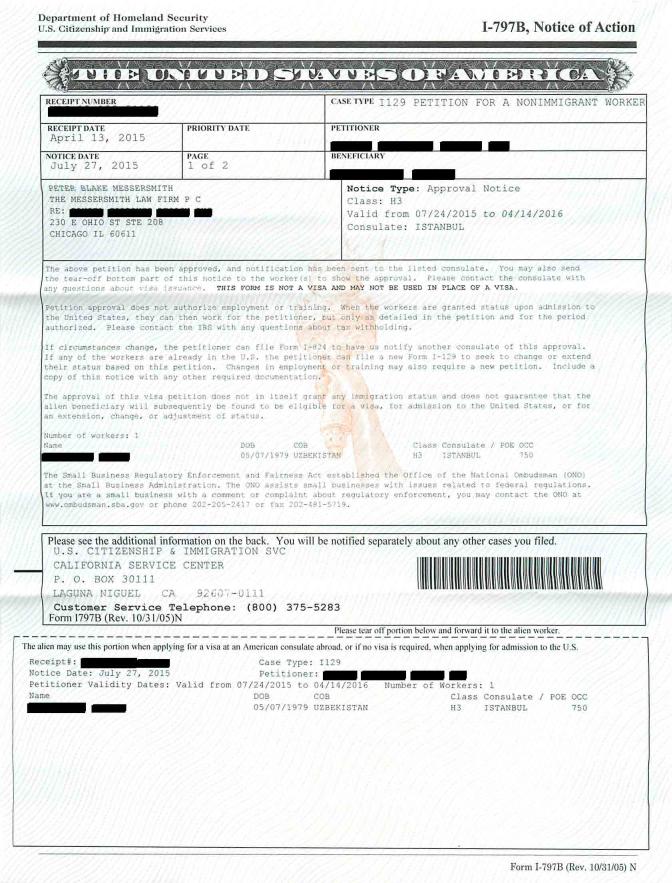
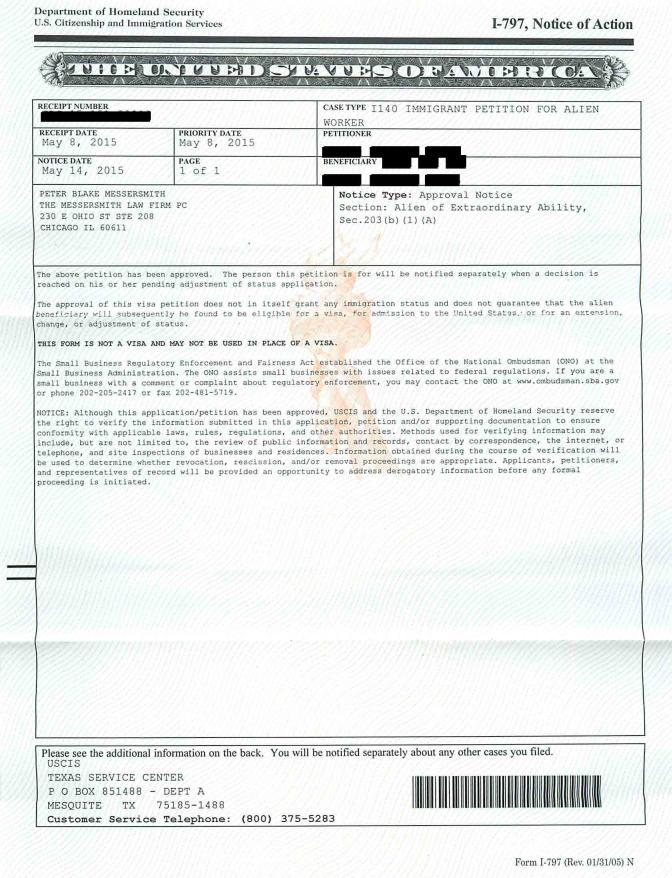
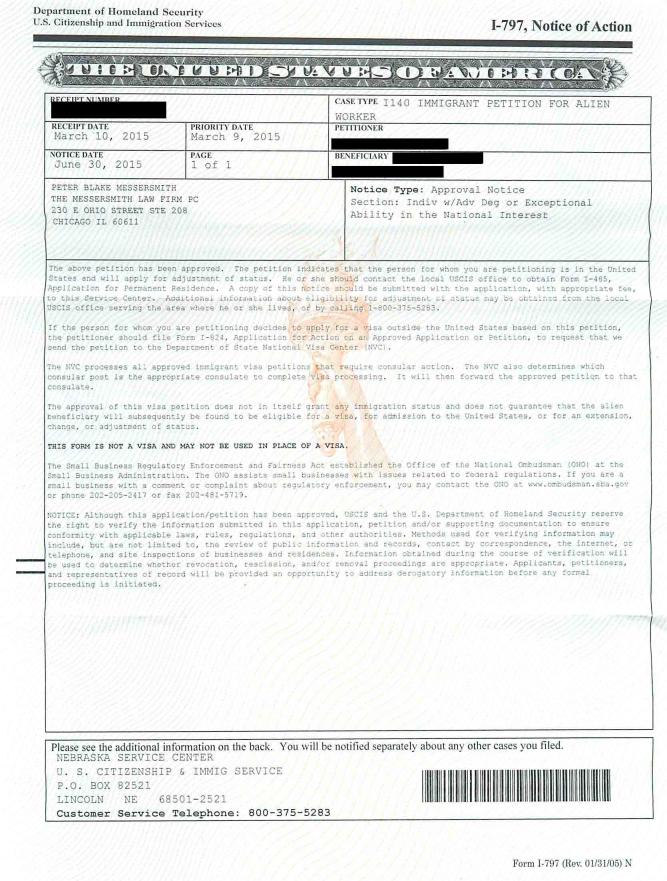
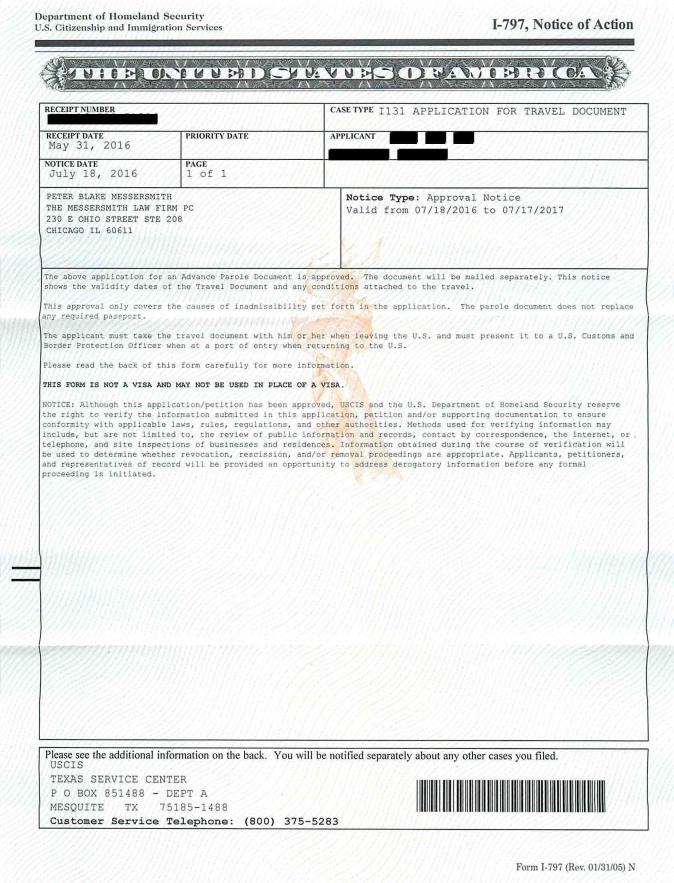
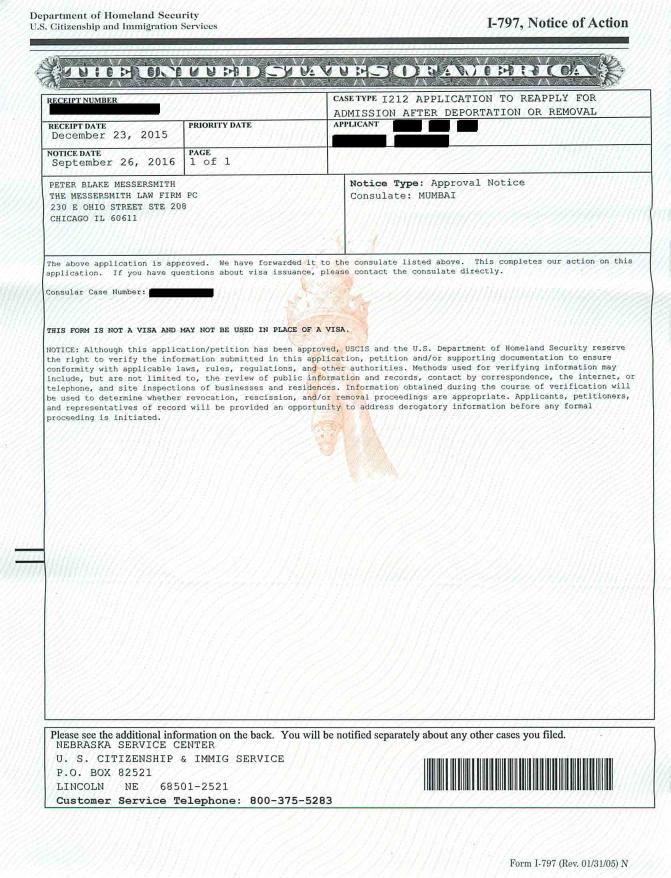
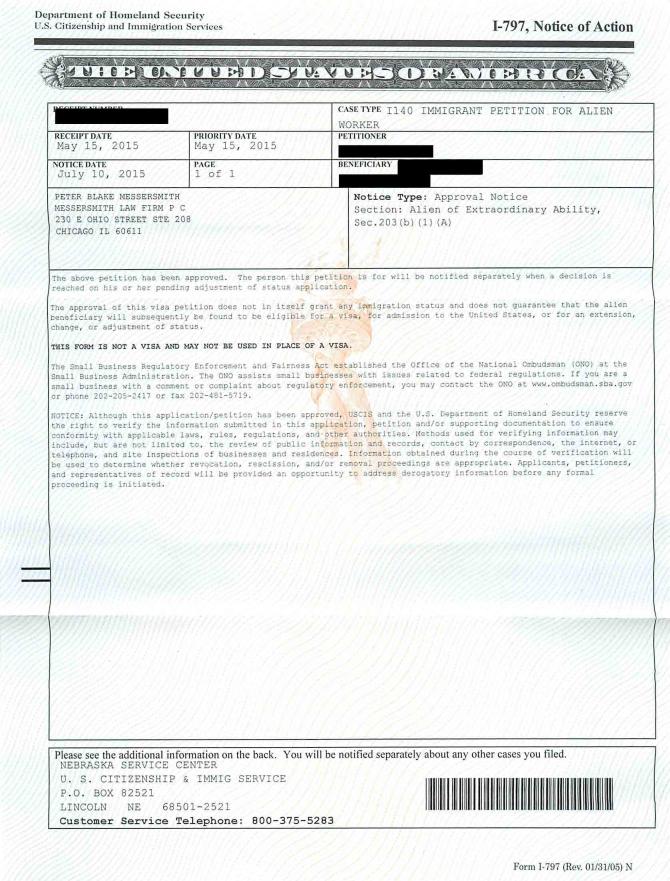
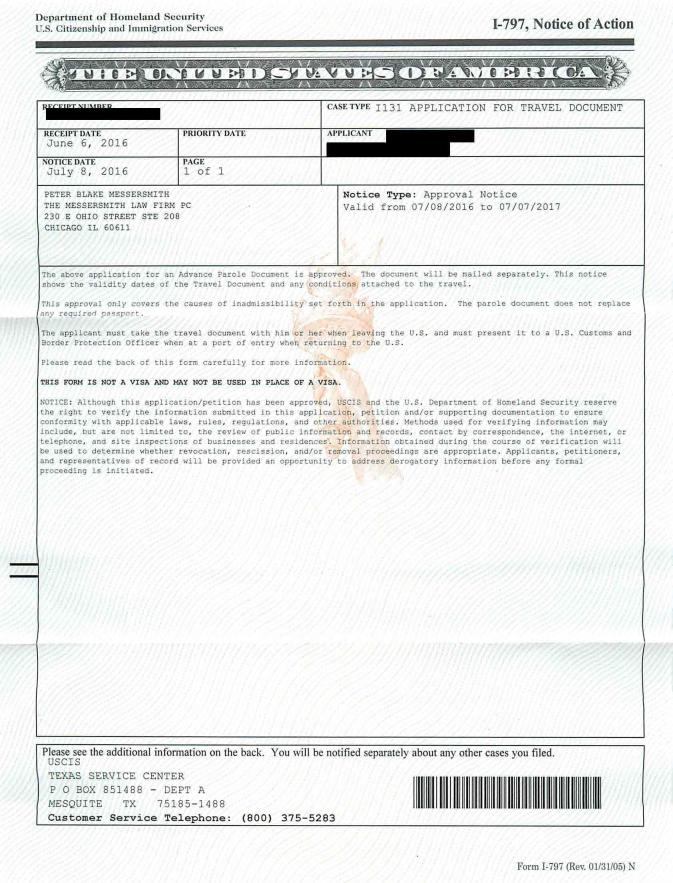
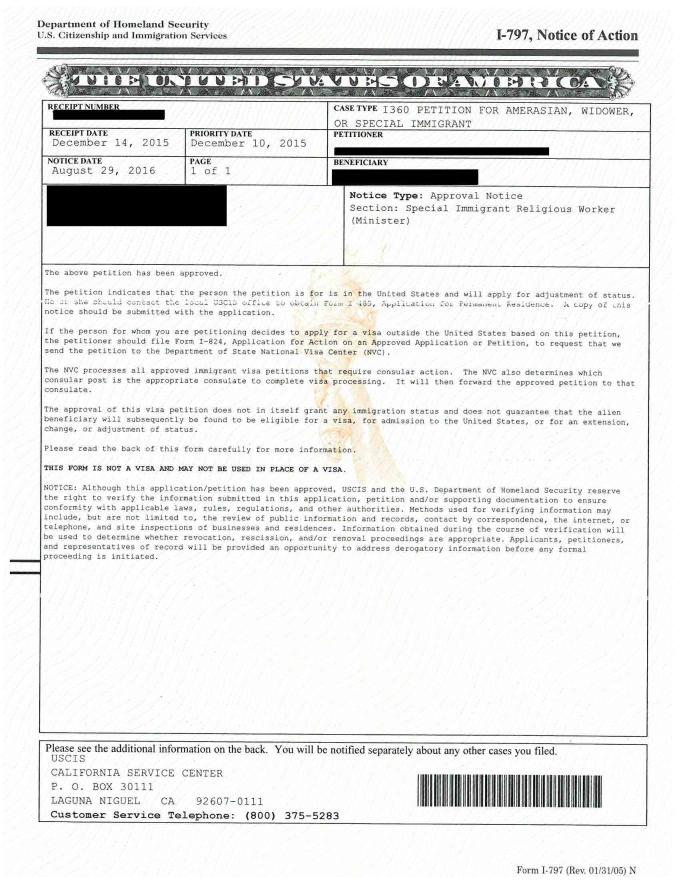
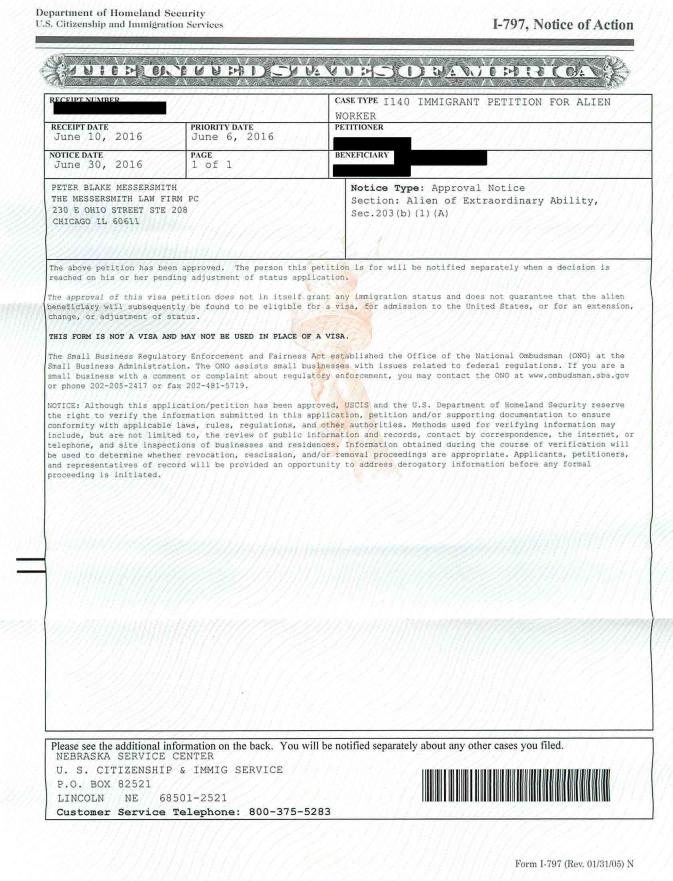
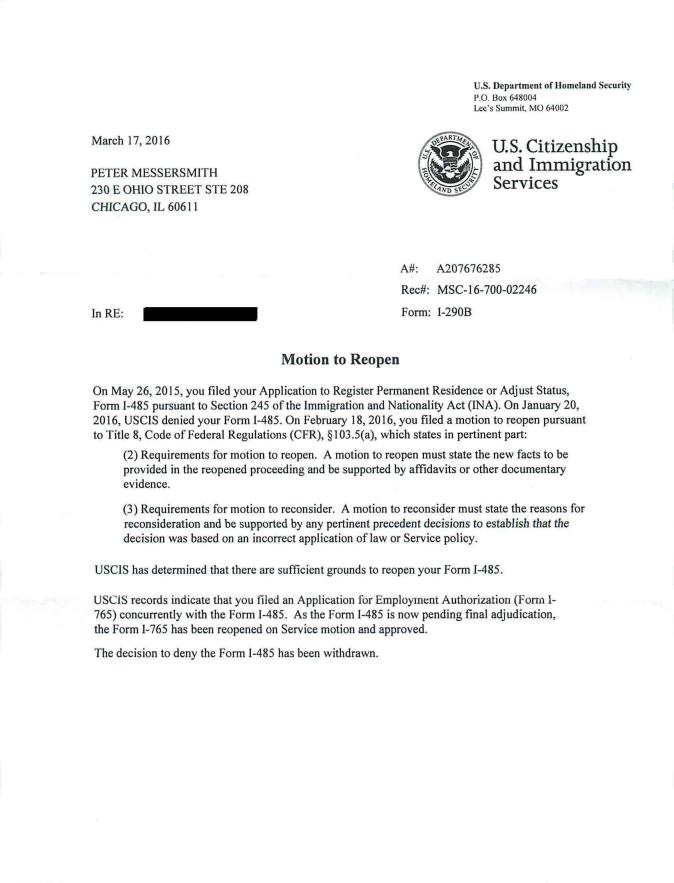
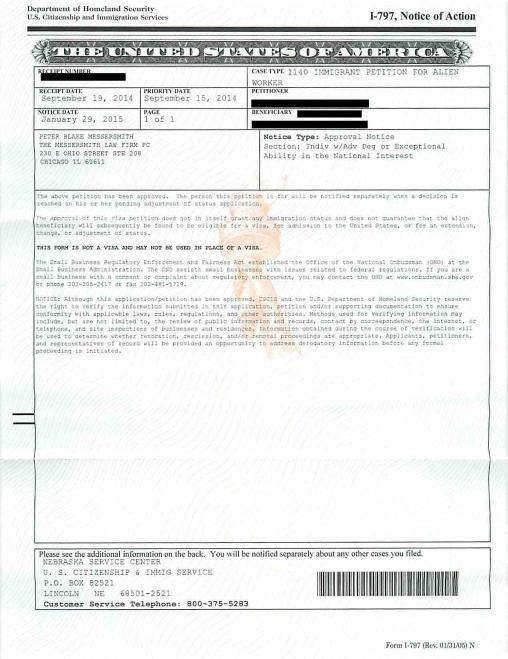
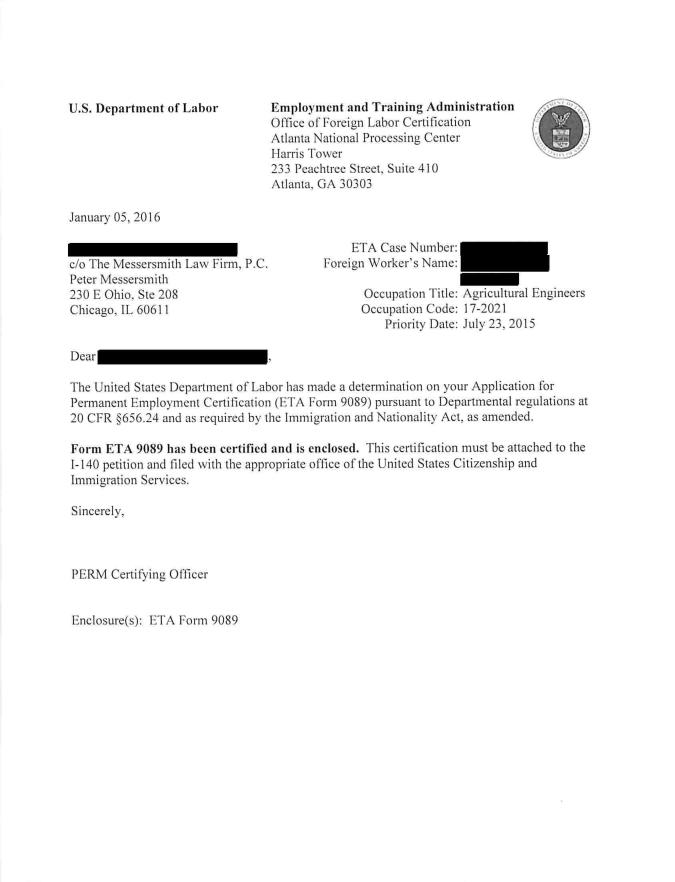
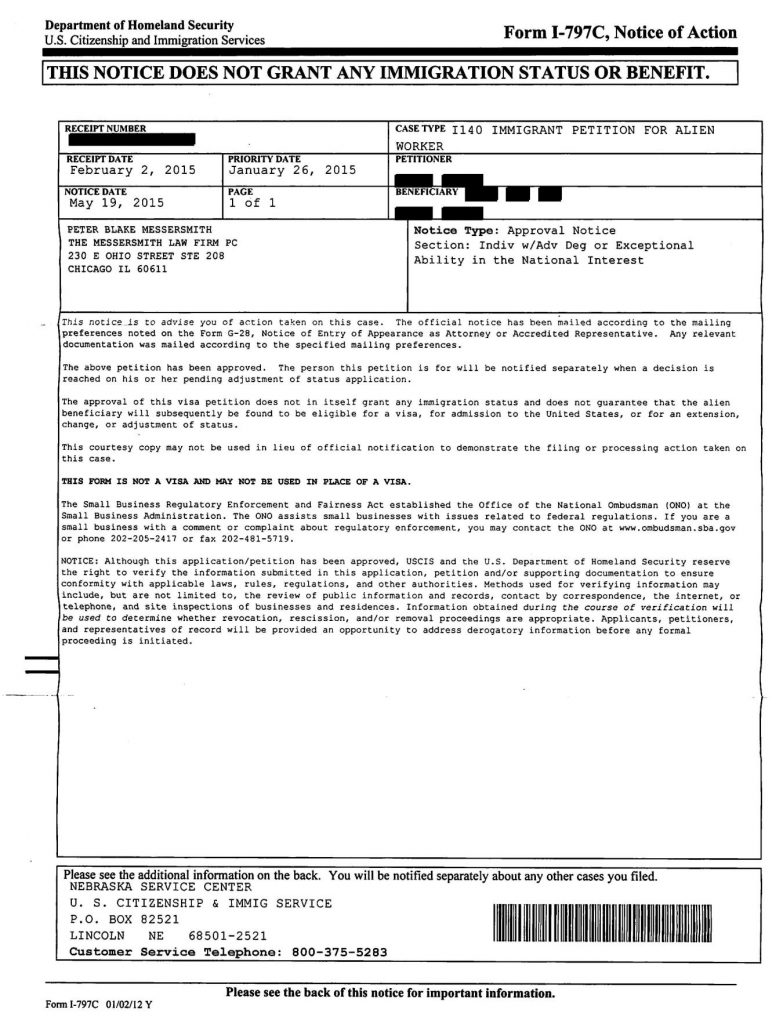
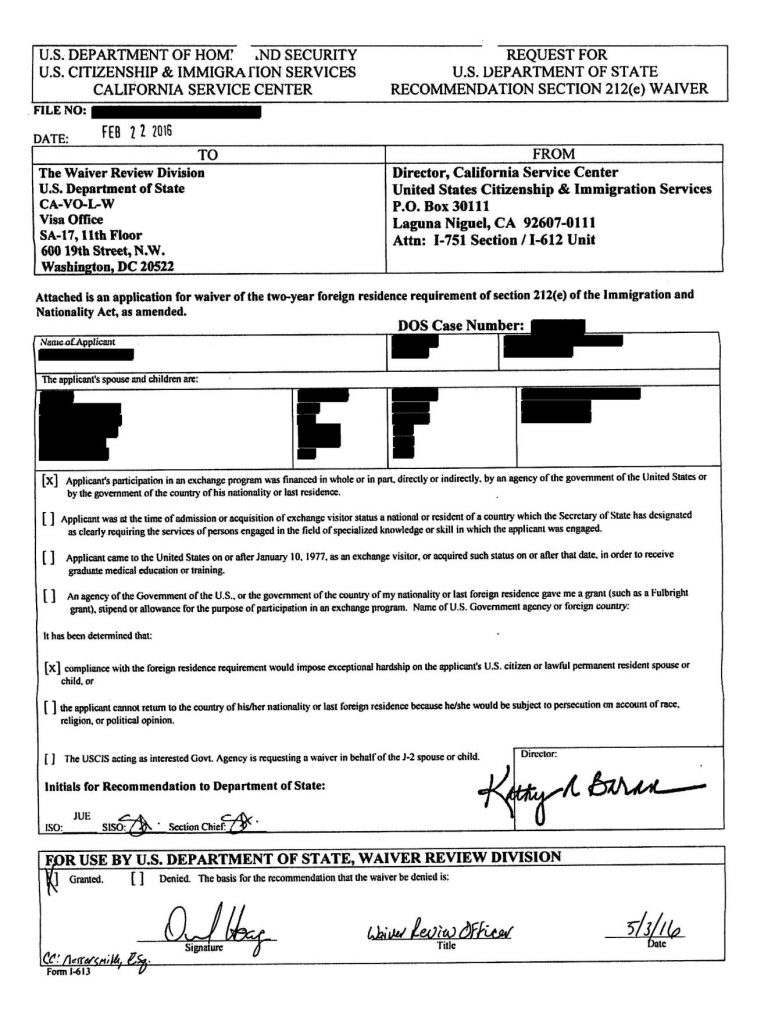
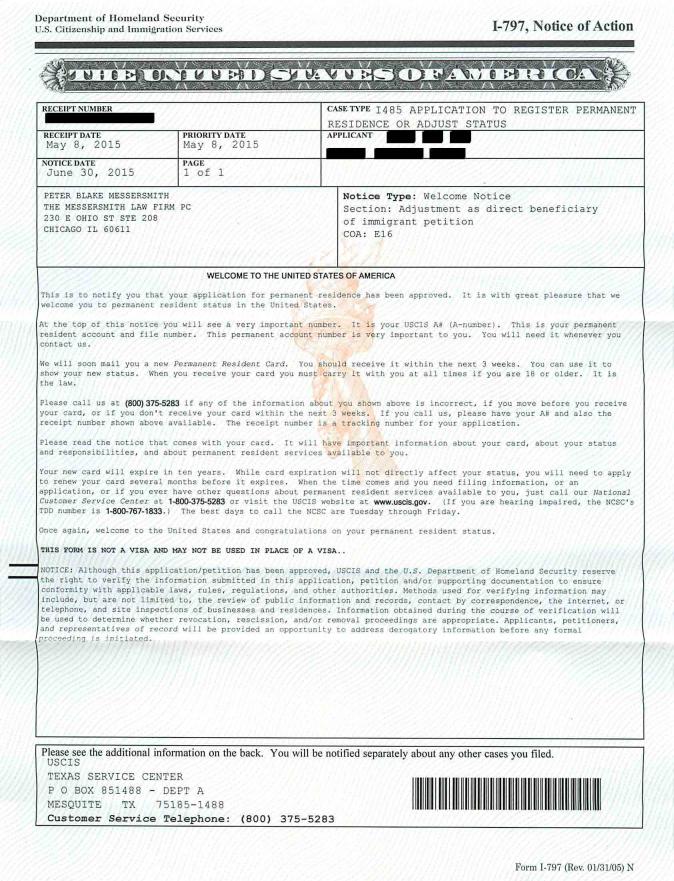
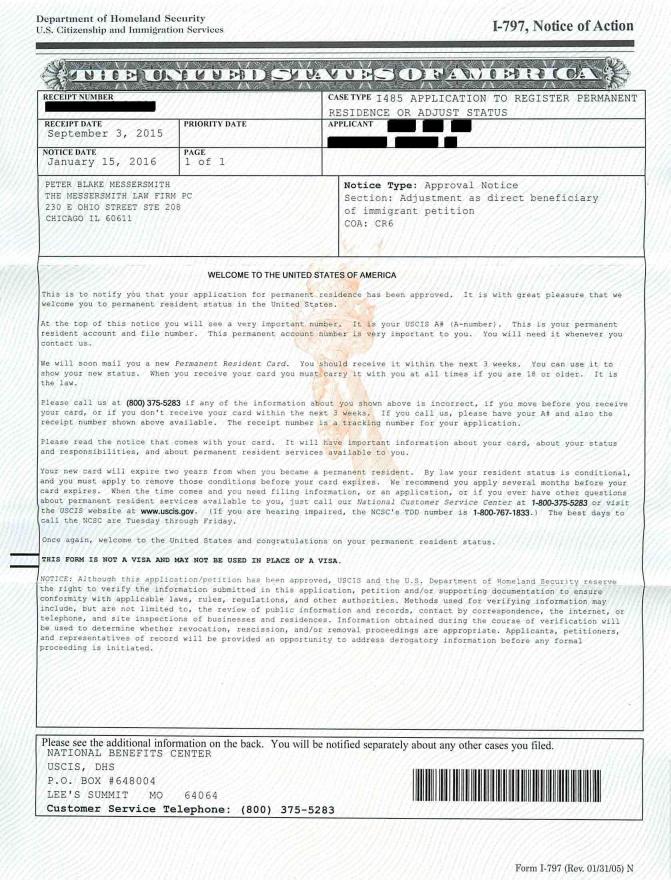
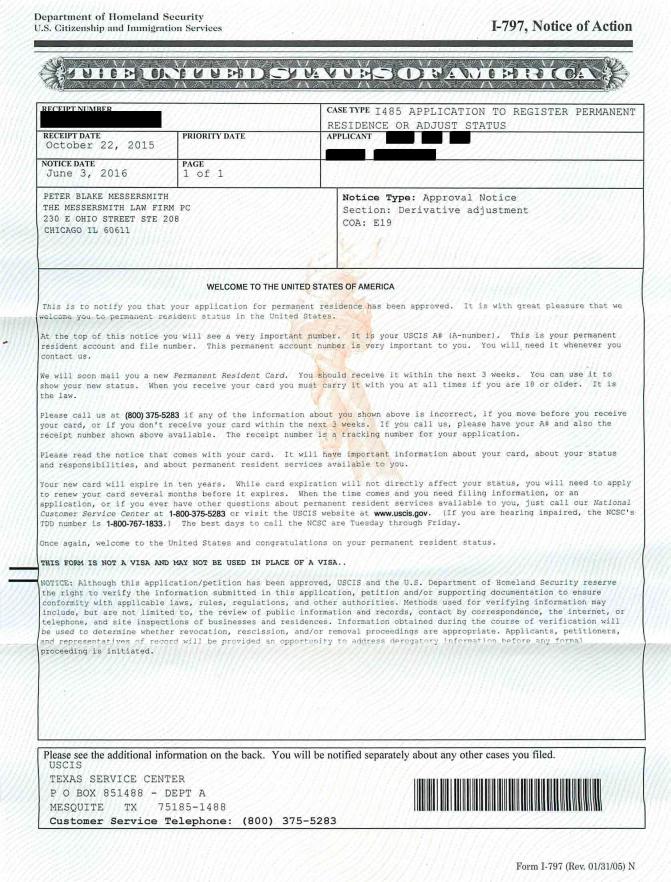
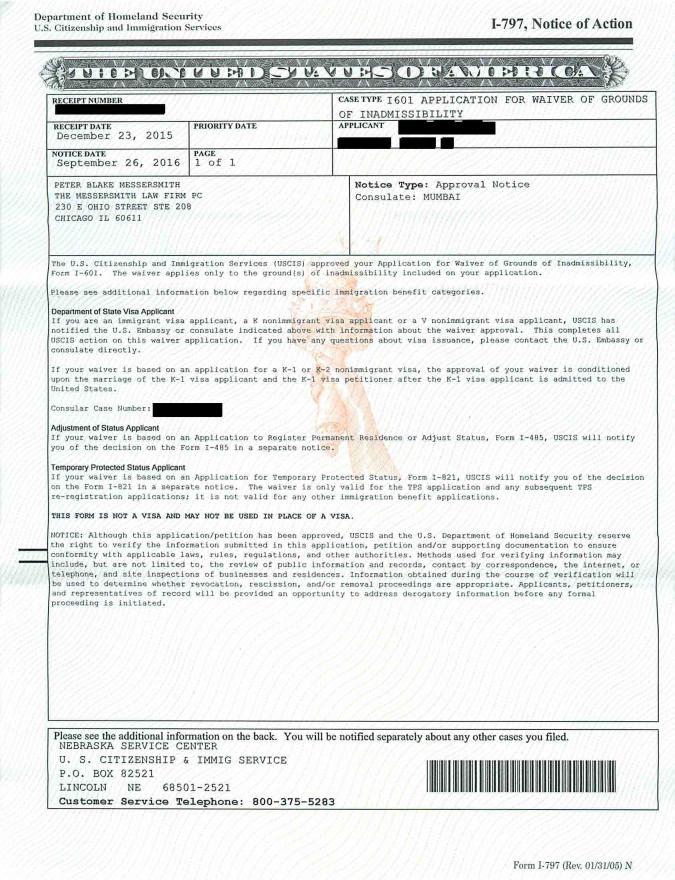
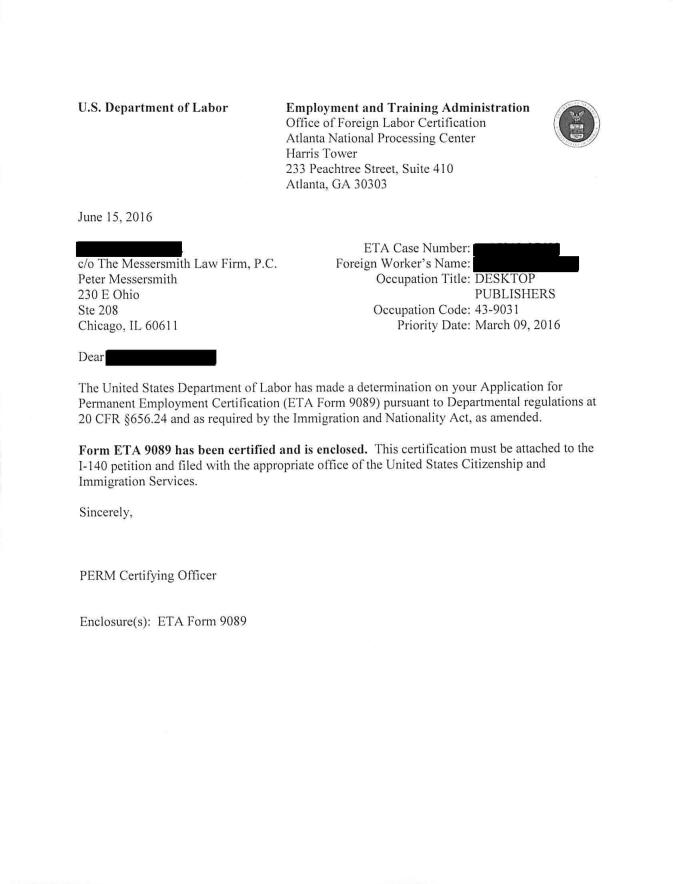
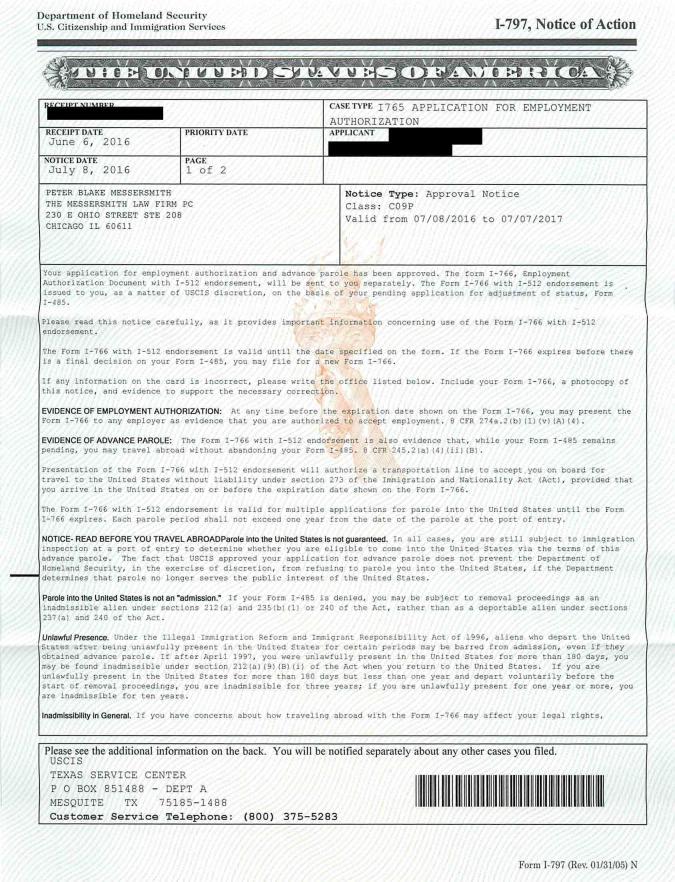
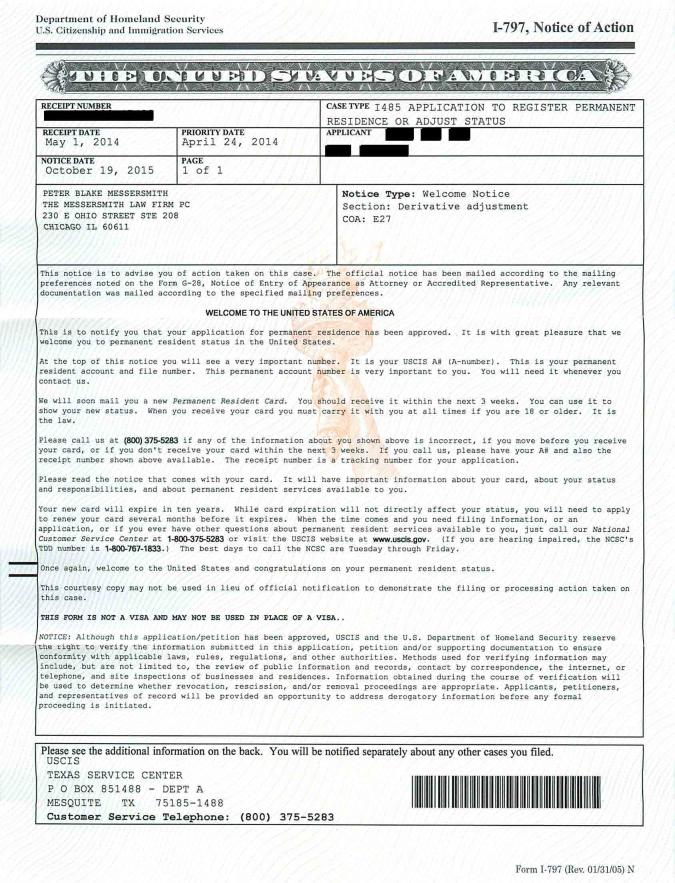
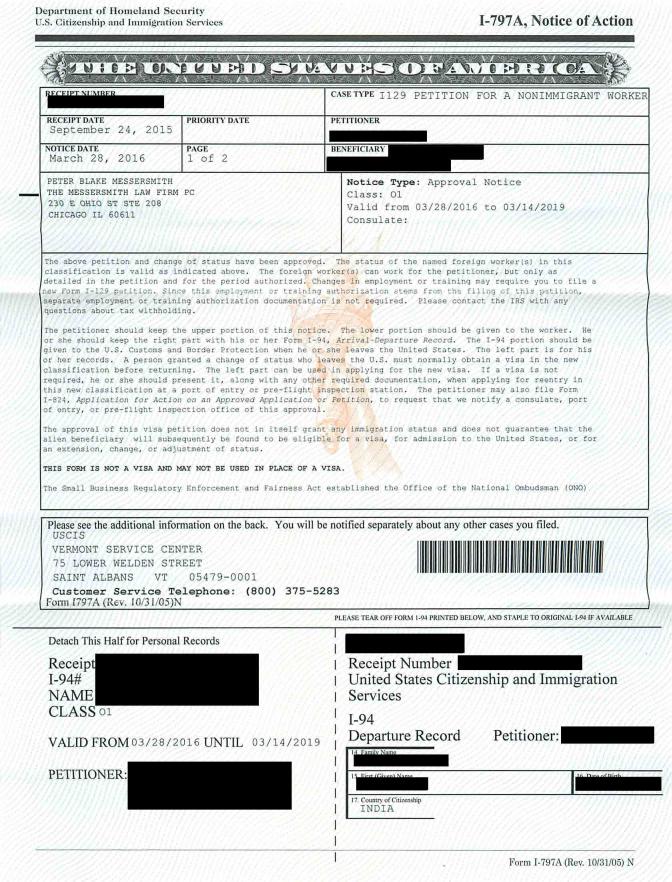
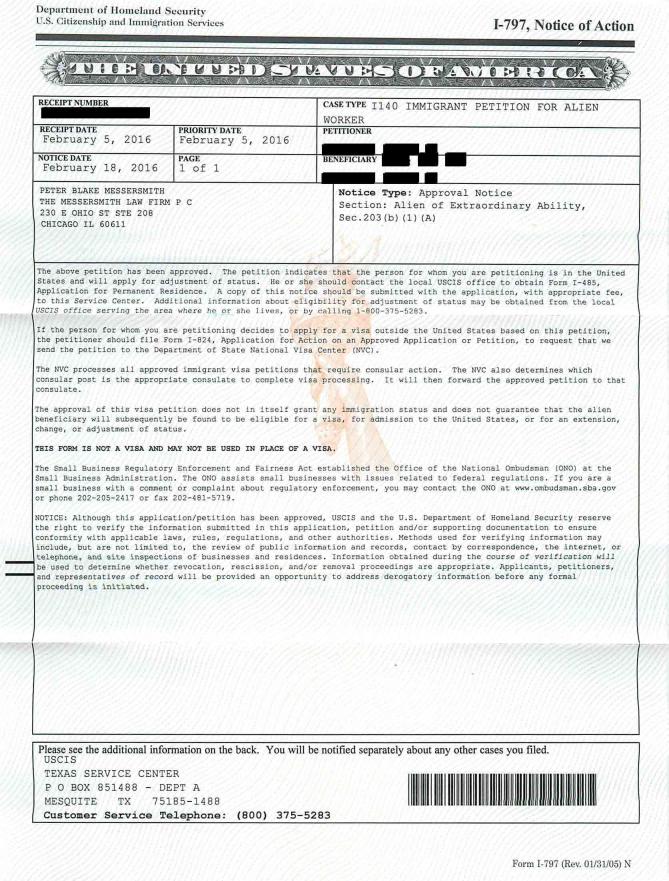
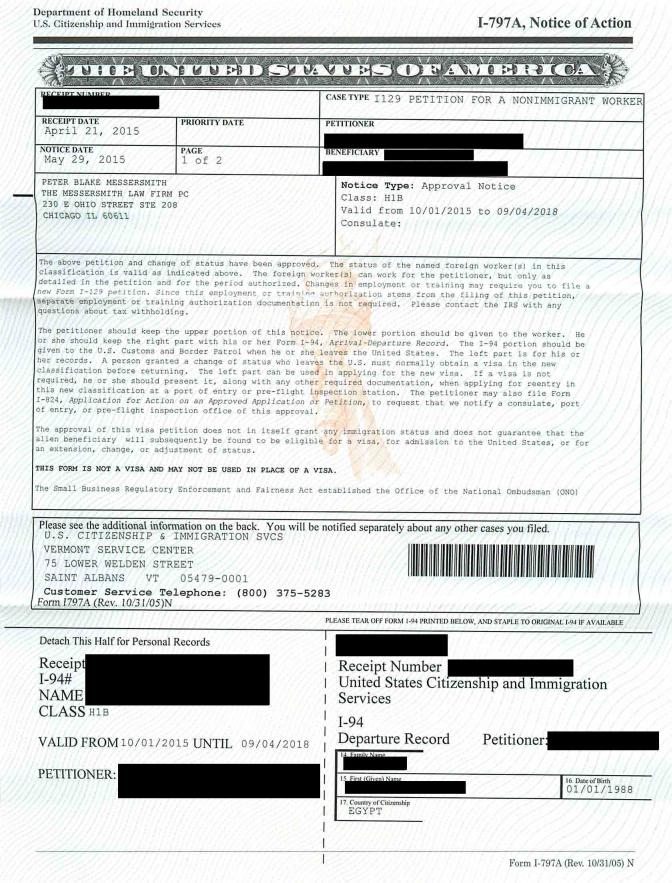
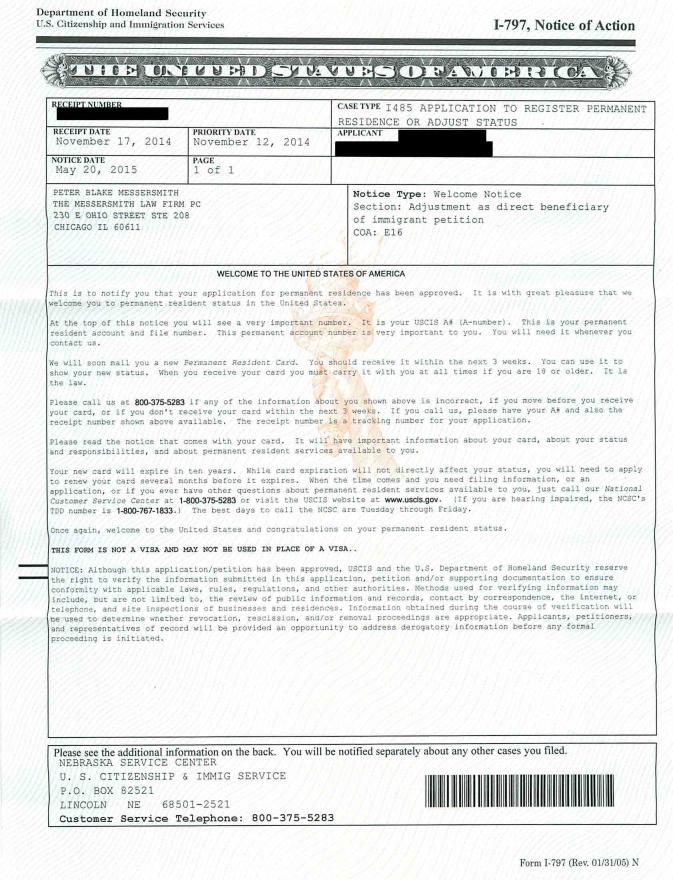
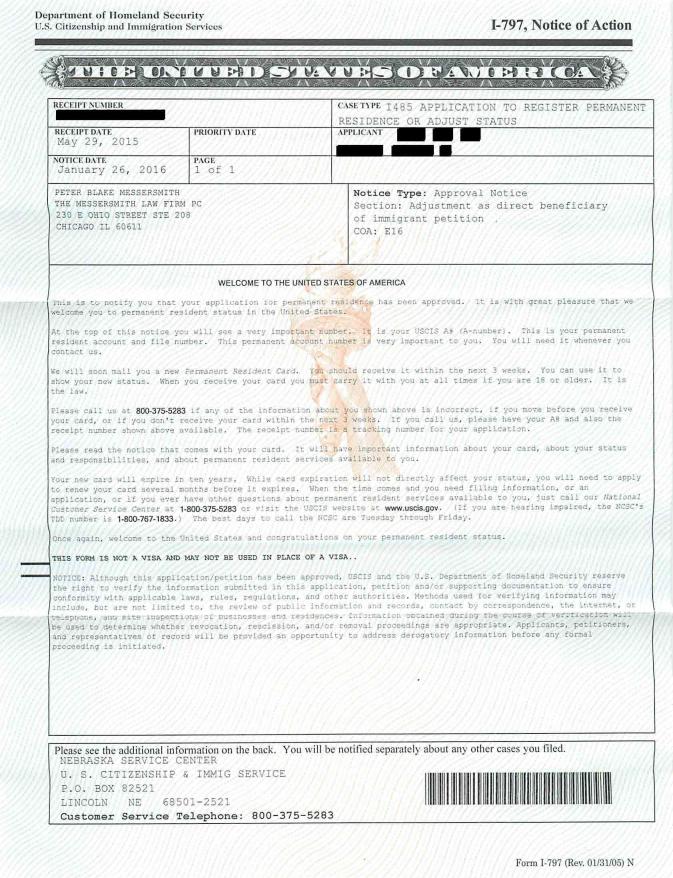
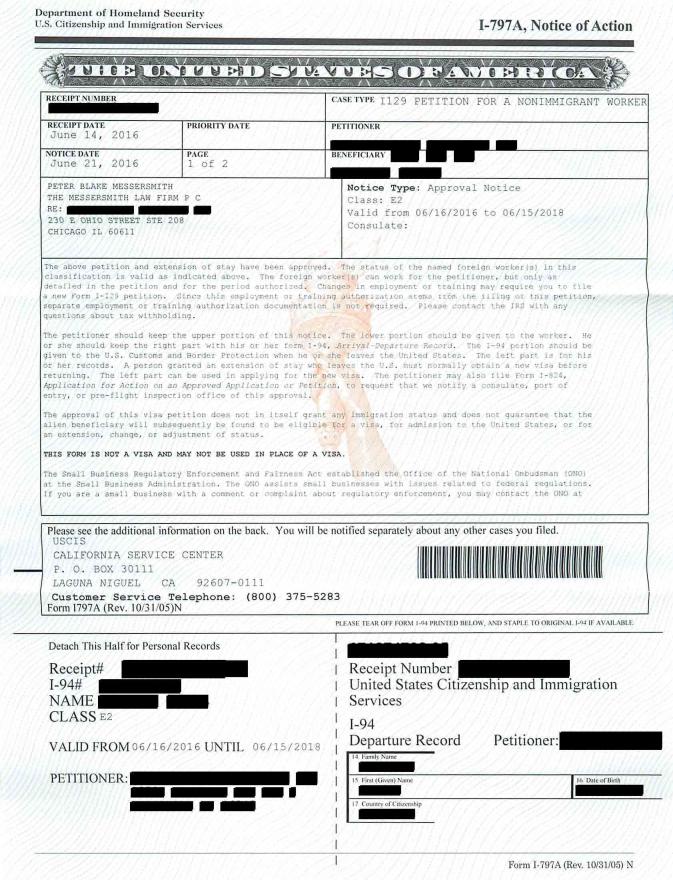
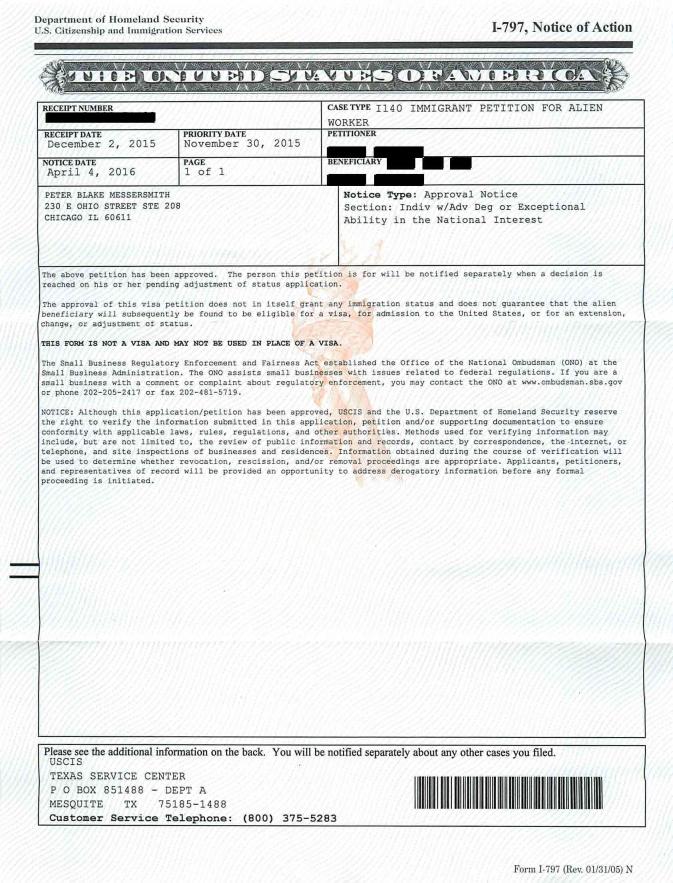
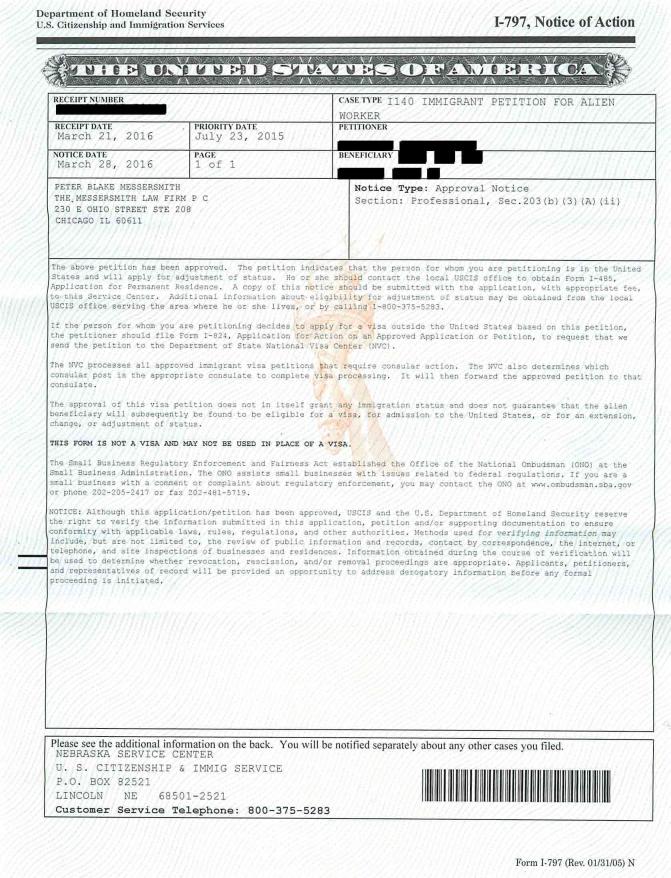
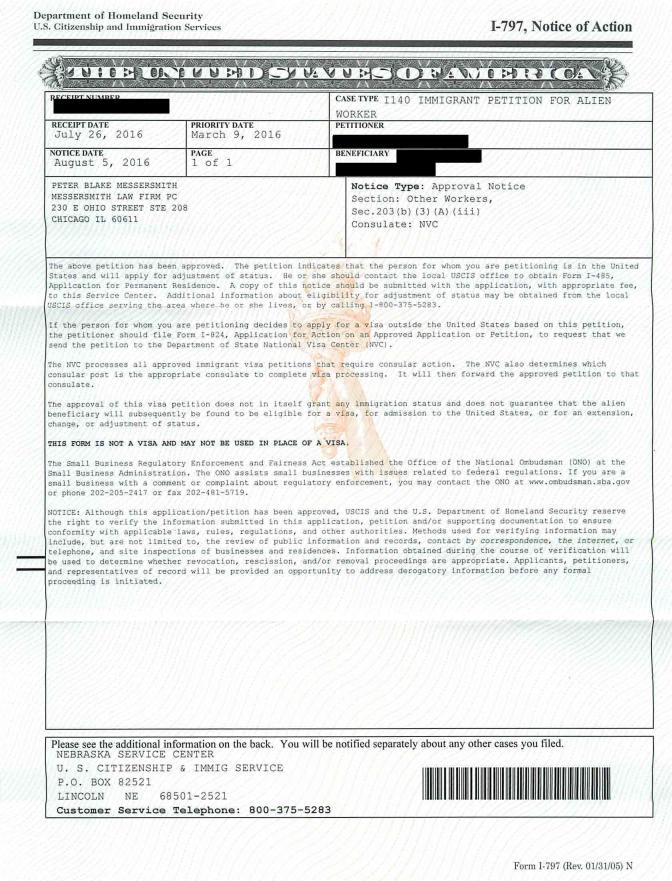
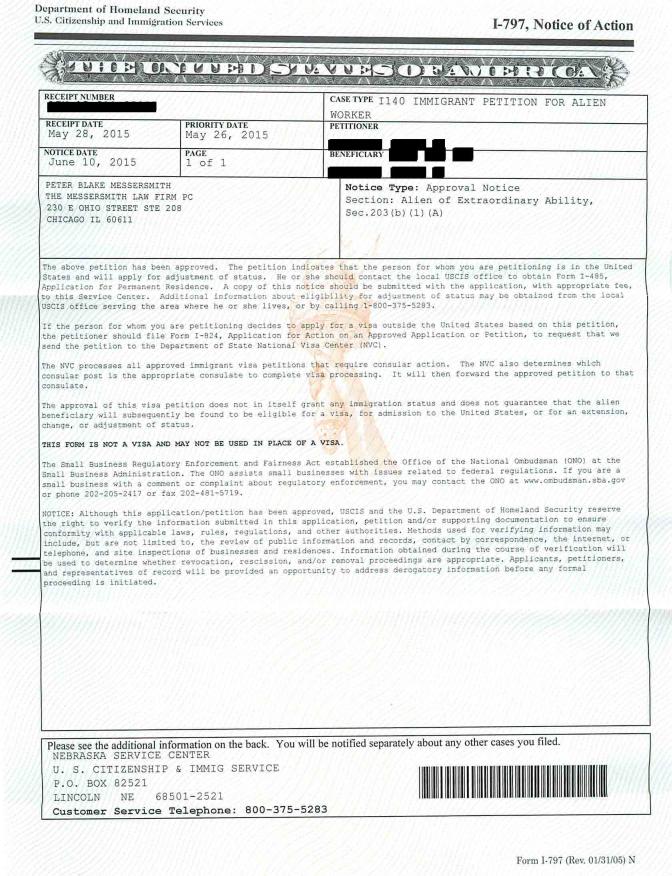
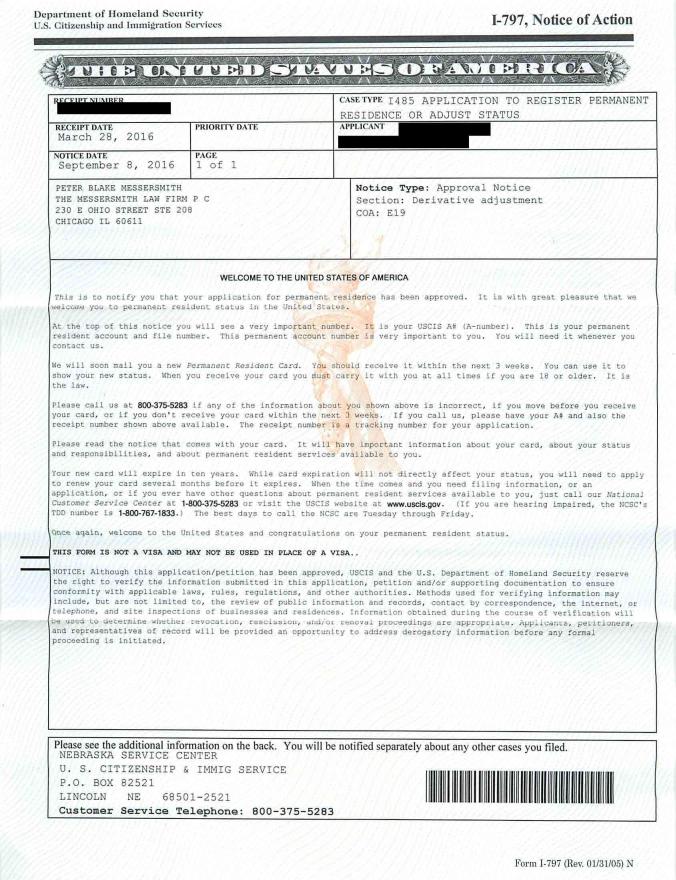
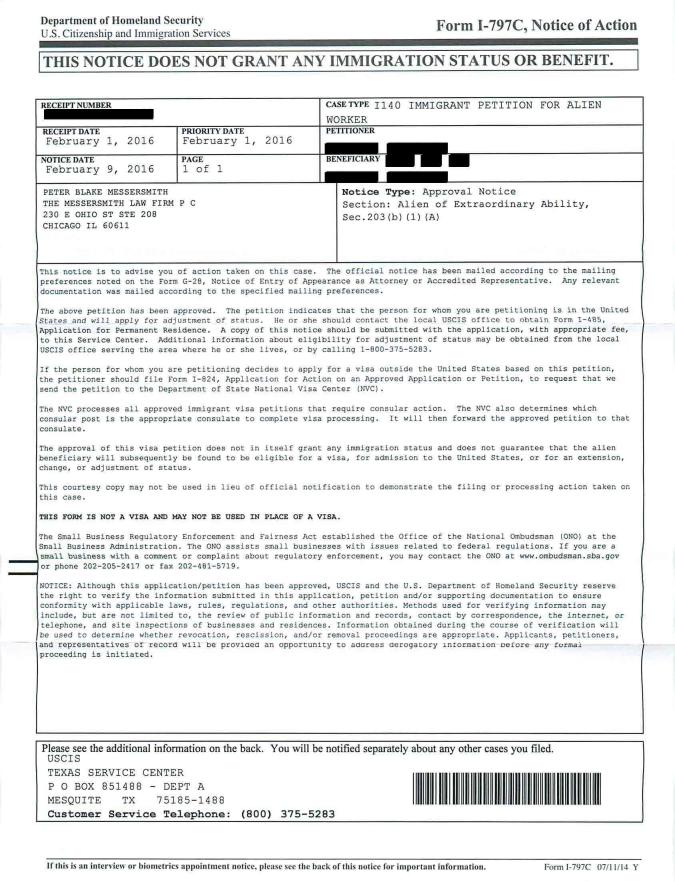
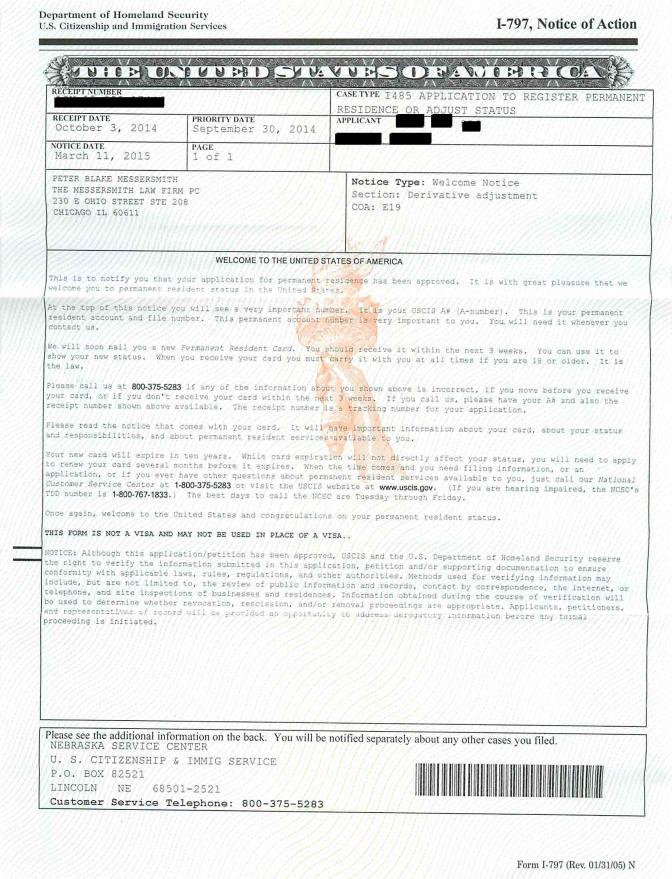
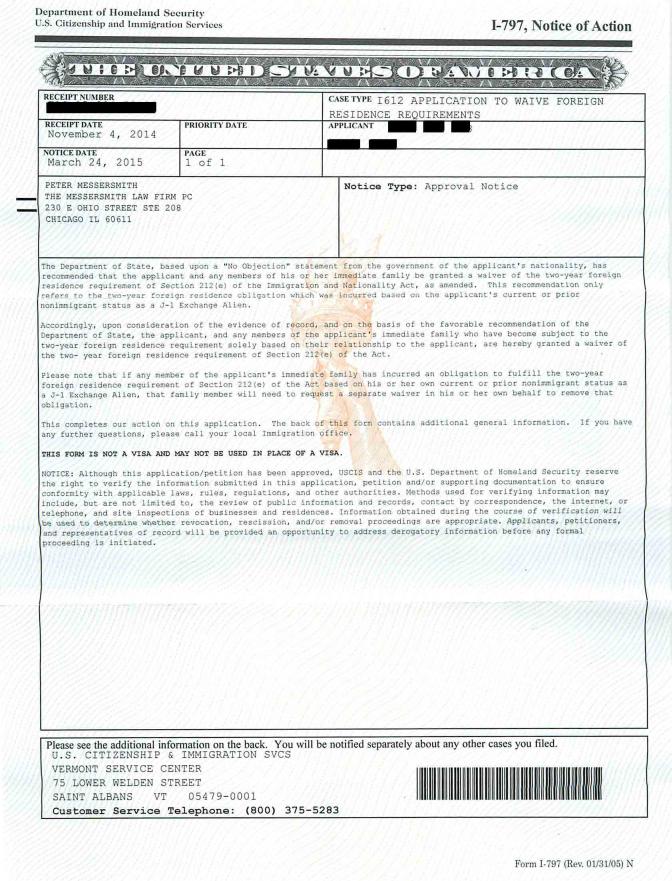
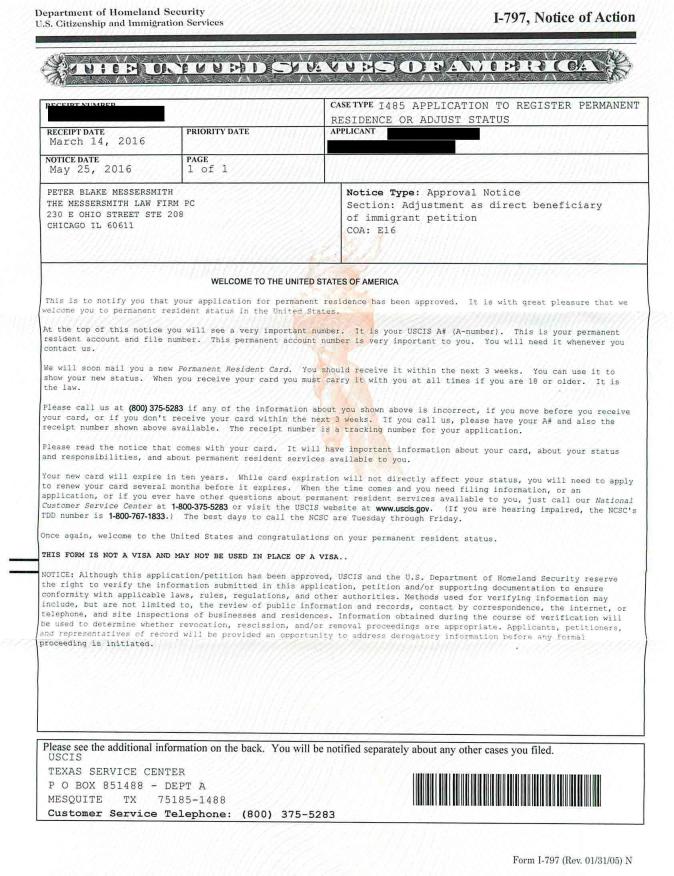
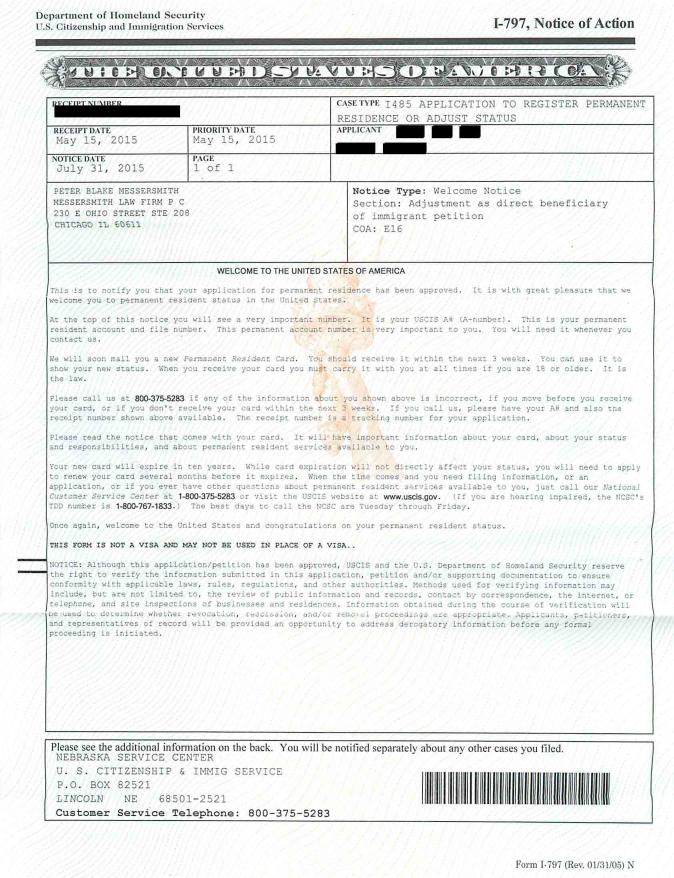
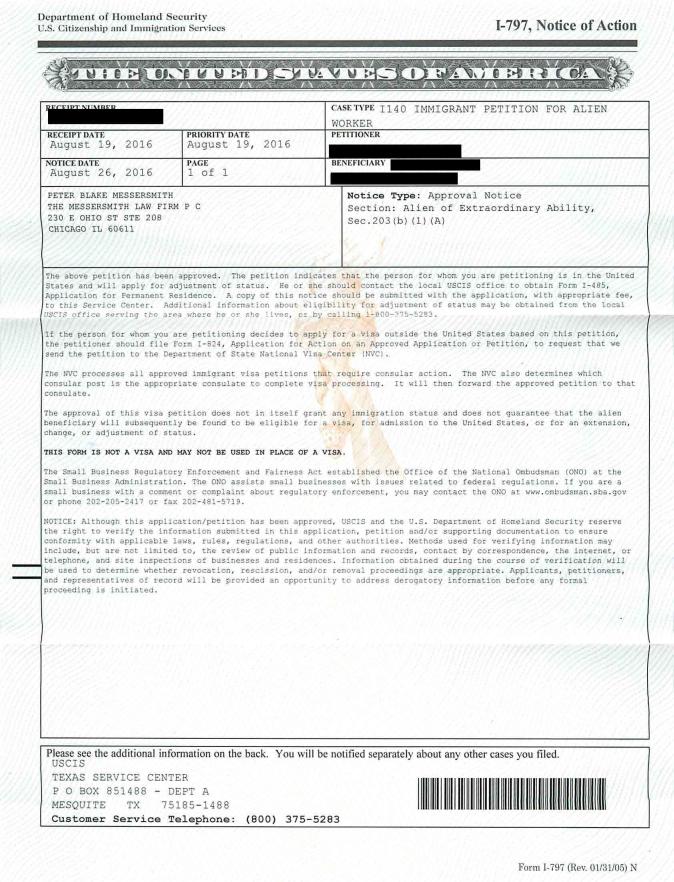
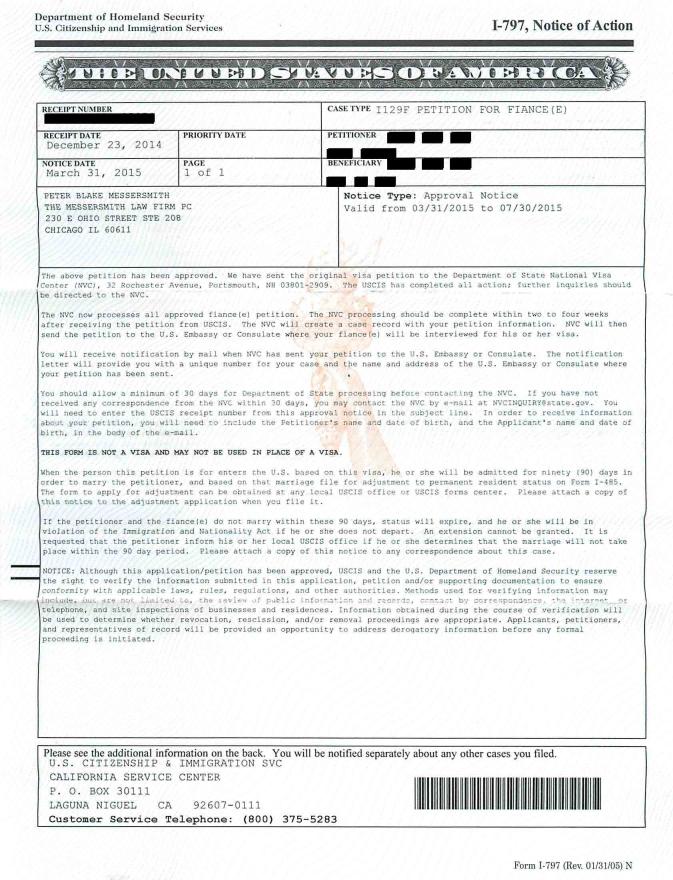
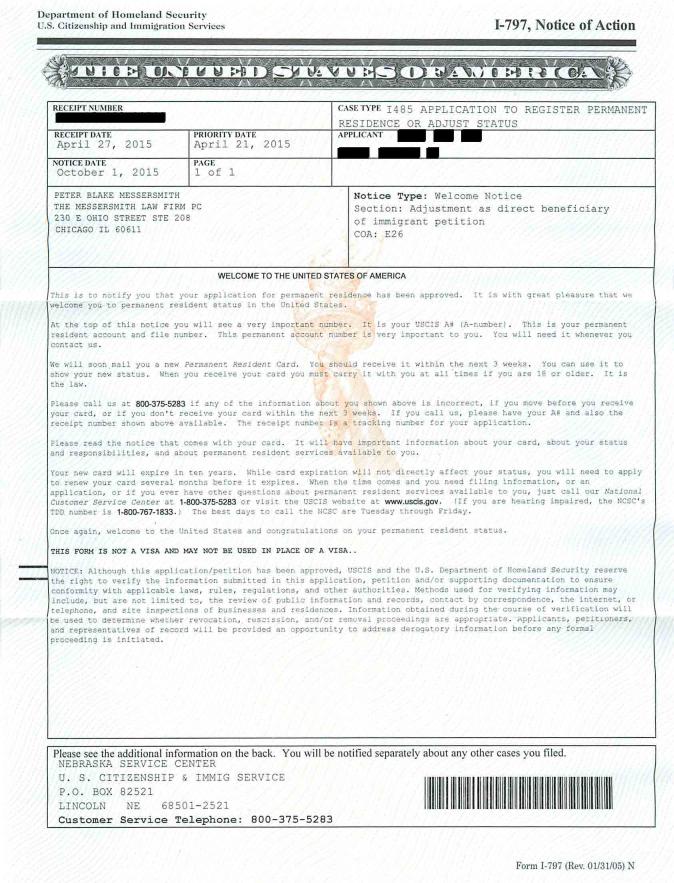
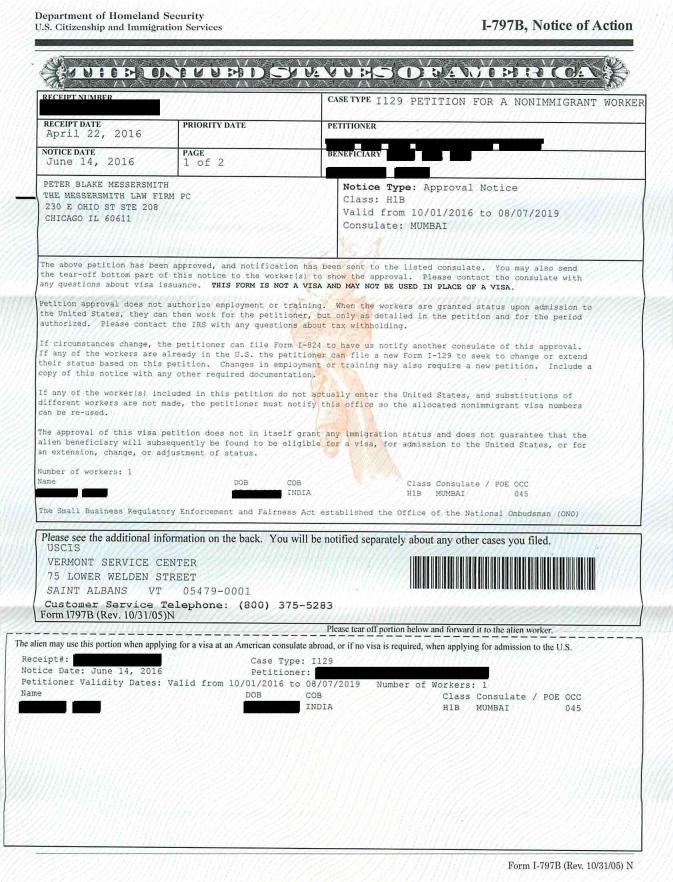
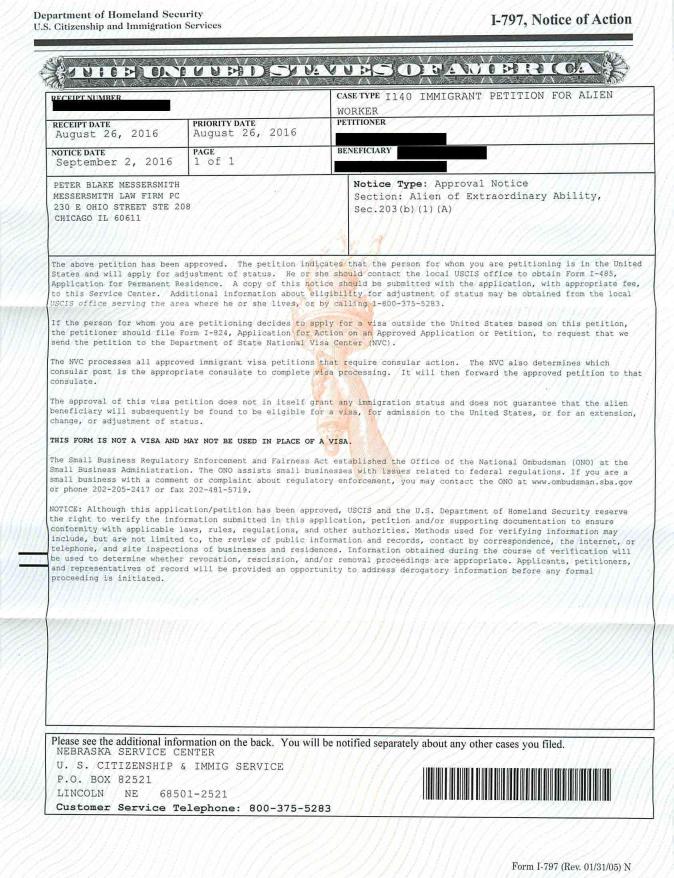
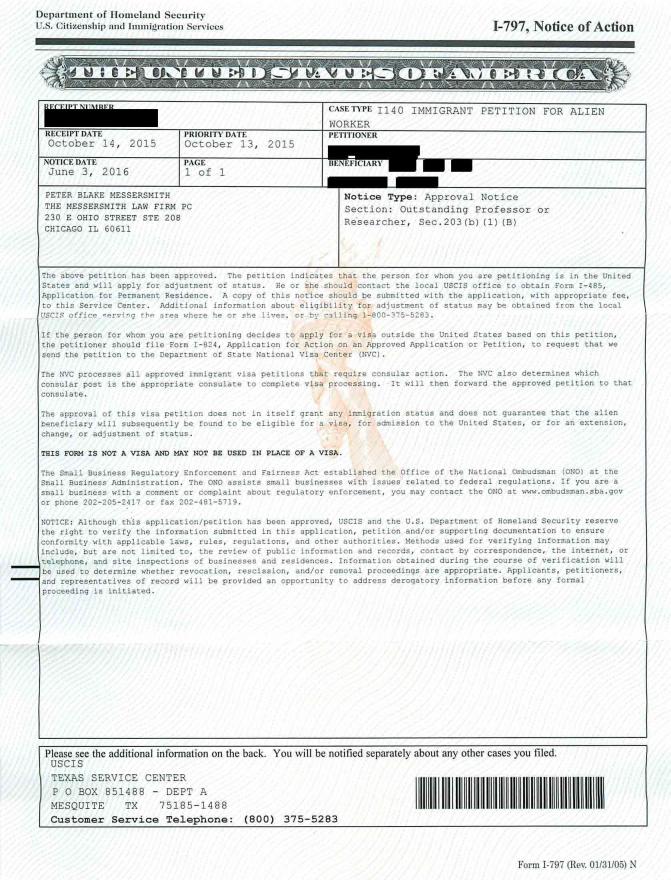
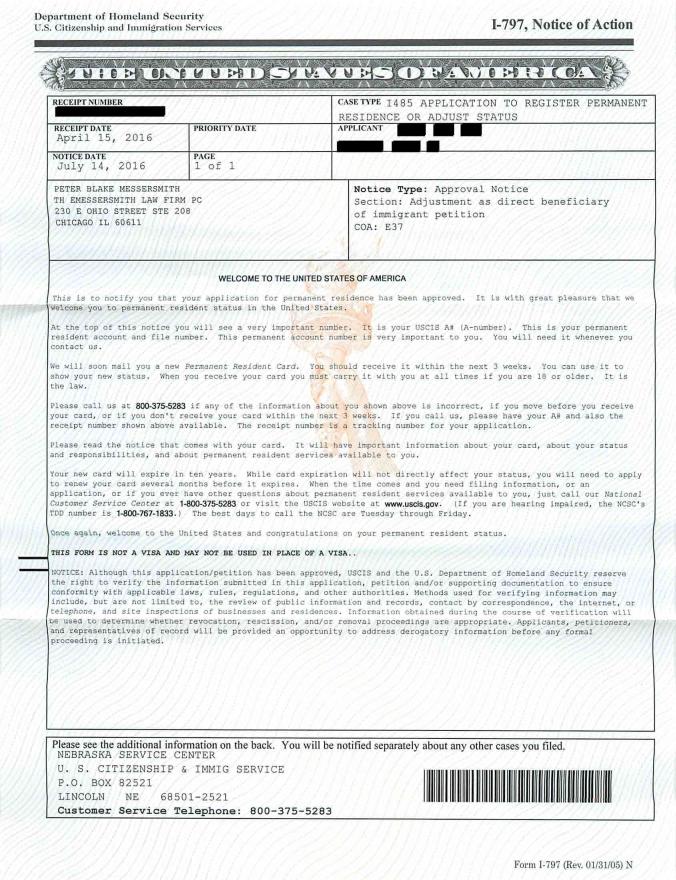
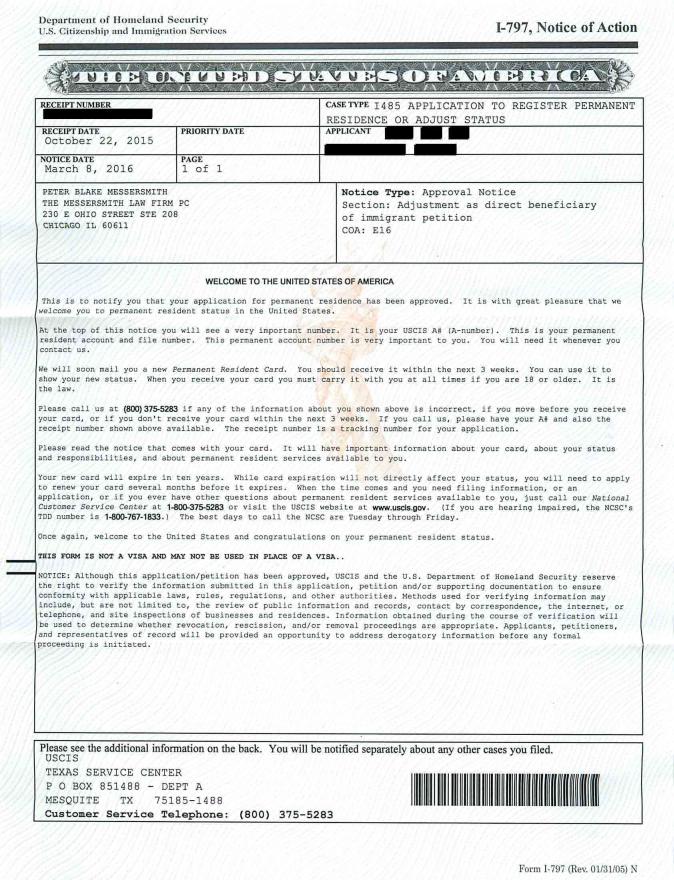
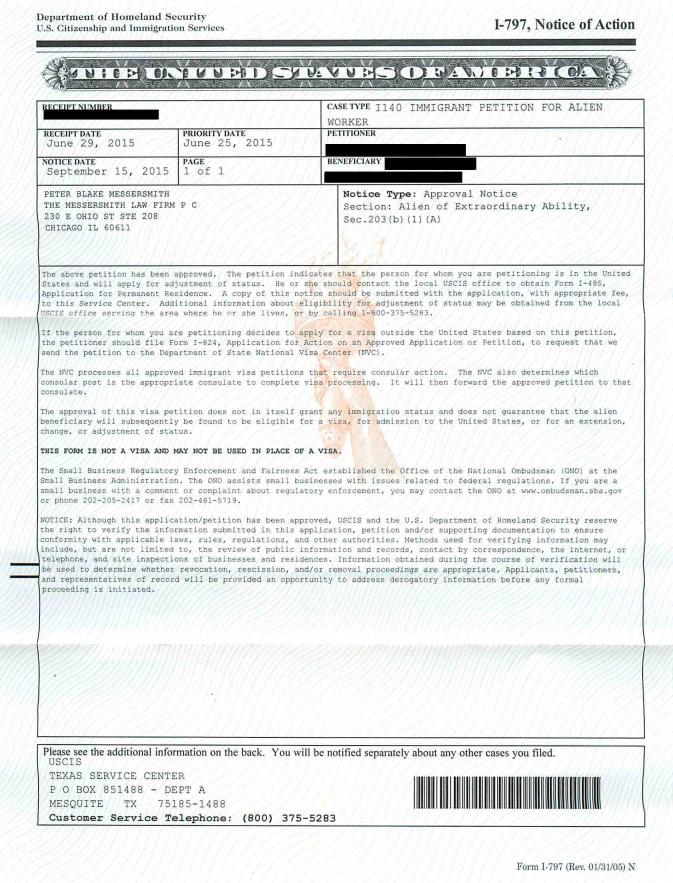
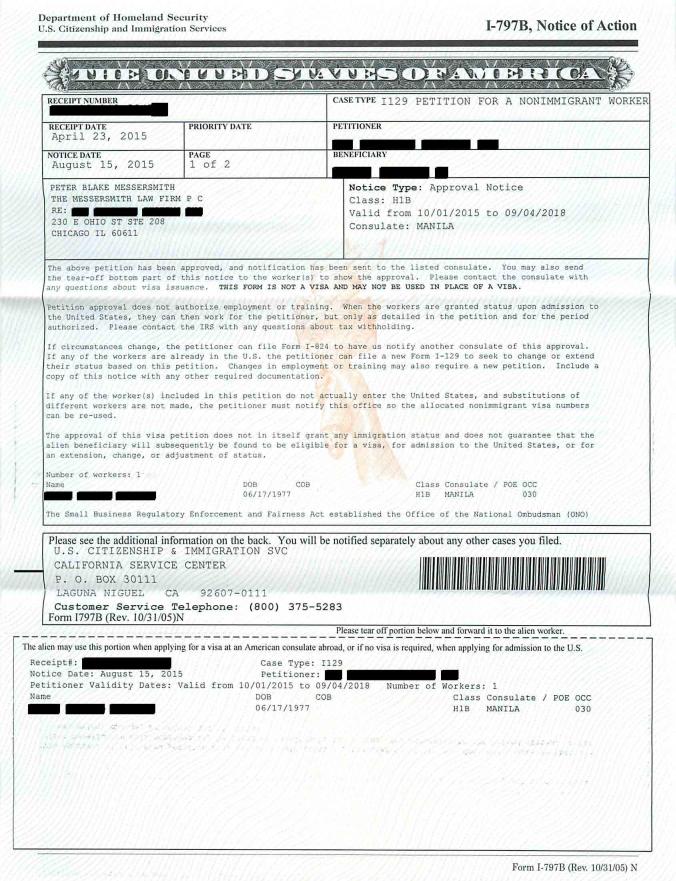
Scroll through fifty recent approval notices below or click here to view thousands.

Customer Testimonials

Real Testimonials from Past Clients