People often inquire about this issue as INA 212a10E, 212a10E, Section 212a10E, or renounced citizenship to avoid taxes. These are shorthand references to INA § 212(a)(10)(E), which can make a former U.S. citizen inadmissible if the government determines the person renounced U.S. citizenship for the purpose of avoiding taxation by the United States.

INA 212a10E (INA 212(a)(10)(E)) — Renounced U.S. Citizenship to Avoid Taxes
INA 212a10E (INA 212(a)(10)(E)) — Renounced U.S. Citizenship to Avoid Taxes

What is a ground of inadmissibility?
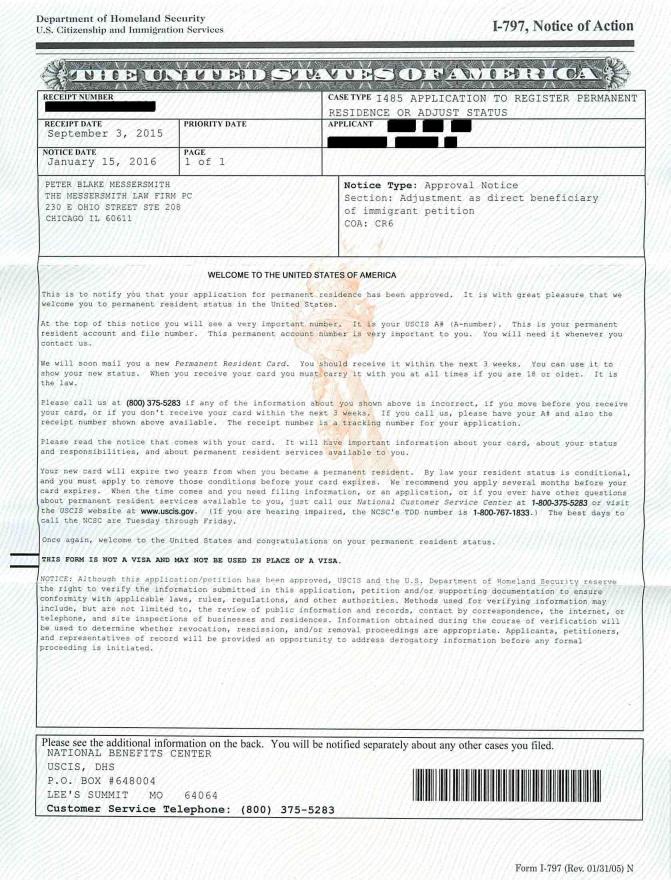
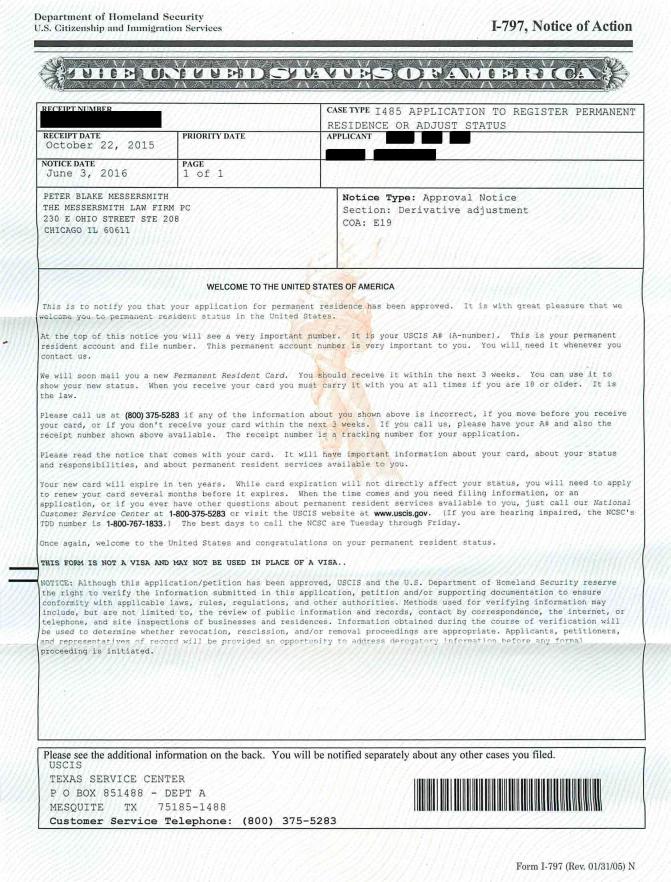
In order for a foreign national to be admitted to the United States, he or she must be admissible. A foreign national can be deemed inadmissible to the United States by USCIS, CBP and a Consulate. If the foreign national is deemed inadmissible to the United States, he or she cannot enter without a waiver of inadmissibility or a determination that the inadmissibility charge was made in error.

212(a)(10)(E) Inadmissibility due to Former Citizen Who Renounced Citizenship to Avoid Taxes
Any foreign national who renounced their US citizenship to avoid paying US taxes is inadmissible.
Any alien who is a former citizen of the United States who officially renounces United States citizenship and who is determined by the Attorney General to have renounced United States citizenship for the purpose of avoiding taxation by the United States is excludable.

How to obtain a determination that the 212(a)(10)(E) ground of inadmissibility was incorrectly made.
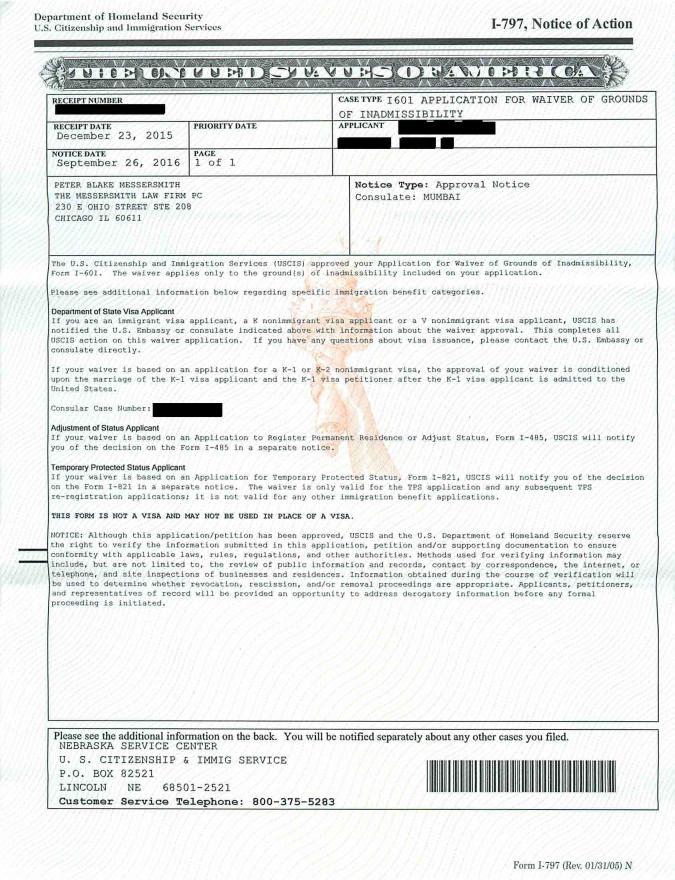
No matter which US government agency made the inadmissibility determination, each provides a method to dispute the determination, though each has drastically different processing times. We have achieved successful outcomes by petitioning the US Department of State where the determination was made by the Consulate in as little as 2 weeks. CBP quotes turnaround times of as little as 30 days and USCIS will not offer a time frame. In our experience, the more difficult the situation, the longer it will take to get resolved.
Common examples of INA 212a10E issues (how it comes up in real cases)
Common fact patterns include:
- A former U.S. citizen applying for a visa after renunciation and the case is reviewed for tax-related inadmissibility concerns
- Records or statements suggesting the renunciation was motivated by tax avoidance
- Inconsistencies between the person’s stated reasons for renunciation and other documentation in the record
- Cases where the government relies on information in government systems or prior filings to assess purpose
Because this ground is intent-driven, the key is what the government record suggests about the purpose of renunciation. A clear timeline and consistent documentation addressing the stated reason for renunciation can be important in responding to concerns.
Frequently asked questions about INA 212a10E (212(a)(10)(E)) renunciation to avoid taxes
What is INA 212a10E?
INA 212a10E (INA 212(a)(10)(E)) is an inadmissibility ground that can apply to a former U.S. citizen if the government determines the person renounced U.S. citizenship for the purpose of avoiding U.S. taxation.
Does this apply to all people who renounce U.S. citizenship?
No. The statute is focused on a renunciation for the purpose of avoiding taxation. The analysis is fact-specific and depends on what the record shows about intent.
How do 212(a)(10)(E) issues come up?
These issues most often arise during consular processing when a former U.S. citizen applies for a visa or seeks admission and the record is reviewed for tax-avoidance-related concerns.
What evidence matters most?
The case is record-driven and often turns on documentation and statements about why the person renounced citizenship, along with what government records reflect.
Can INA 212a10E be overcome?
Strategy is fact-specific and often focuses on clarifying the record and addressing the intent element directly with consistent documentation.
Is there a waiver for INA 212(a)(10)(E)?
People often search for a waiver, but options can be limited and posture-dependent. The first step is usually confirming the basis being alleged and what record supports it.
News Related to INA § 212(a)(10)(E)
| Date | Title | Details | ||
|---|---|---|---|---|
| January 24, 2025 | USCIS Policy Manual | U.S. Citizenship and Immigration Services (USCIS) updated its Policy Manual to provide detailed guidance on the inadmissibility of former U.S. citizens who have renounced their citizenship to avoid taxation. | ||
| July 8, 2024 | Department of State's Foreign Affairs Manual (FAM) | The Department of State's FAM offers guidance to consular officers on the inadmissibility of former U.S. citizens who have renounced their citizenship to avoid taxation. |