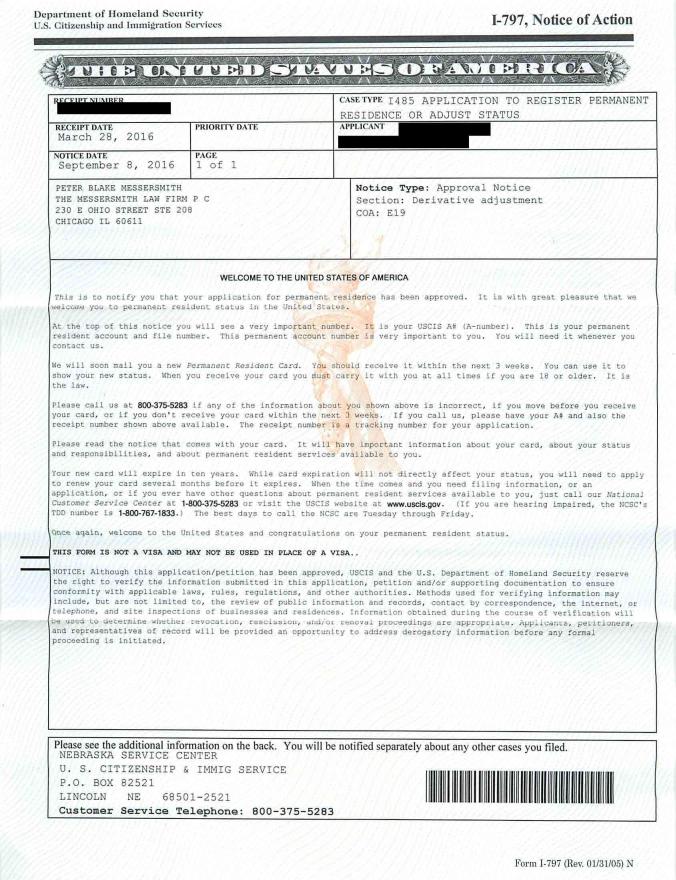
People often inquire about this issue as INA 212a1Aiii, 212a1Aiii, or Section 212a1Aiii. These are shorthand references to INA § 212(a)(1)(A)(iii), a health-related ground that can make a person inadmissible based on a physical or mental disorder with associated harmful behavior, or a history of harmful behavior that is likely to recur, often identified during the immigration medical exam (I-693 civil surgeon process for adjustment of status or panel physician exam for immigrant visas).

INA 212a1Aiii (INA 212(a)(1)(A)(iii)) — Physical or Mental Disorder and Harmful Behavior
INA 212a1Aiii (INA 212(a)(1)(A)(iii)) — Physical or Mental Disorder and Harmful Behavior

What is a ground of inadmissibility?
In order for a foreign national to be admitted to the United States, he or she must be admissible. A foreign national can be deemed inadmissible to the United States by USCIS, CBP and a Consulate. If the foreign national is deemed inadmissible to the United States, he or she cannot enter without a waiver of inadmissibility or a determination that the inadmissibility charge was made in error.

212(a)(1)(A)(iii) Inadmissibility due to Physical or Mental Disorder
Foreign nationals may be inadmissible due to health related grounds. This includes people who are diagnosed with a physical or mental disorder which may pose a threat to the property, safety, or welfare of the alien or others.
Any alien who is determined (in accordance with regulations prescribed by the Secretary of Health and Human Services in consultation with the Attorney General) to have a physical or mental disorder and behavior associated with the disorder that may pose, or has posed, a threat to the property, safety, or welfare of the alien or others, or
to have had a physical or mental disorder and a history of behavior associated with the disorder, which behavior has posed a threat to the property, safety, or welfare of the alien or others and which behavior is likely to recur or to lead to other harmful behavior is inadmissible.

How to obtain a determination that the 212(a)(1)(A)(iii) ground of inadmissibility was incorrectly made.
No matter which US government agency made the inadmissibility determination, each provides a method to dispute the determination, though each has drastically different processing times. We have achieved successful outcomes by petitioning the US Department of State where the determination was made by the Consulate in as little as 2 weeks. CBP quotes turnaround times of as little as 30 days and USCIS will not offer a time frame. In our experience, the more difficult the situation, the longer it will take to get resolved.
What can trigger a Class A finding under INA 212a1Aiii?
INA 212a1Aiii focuses on the combination of (1) a physical or mental disorder and (2) associated harmful behavior (or a history of harmful behavior likely to recur). The issue is not the diagnosis label by itself—it is whether there was harmful behavior and whether it is likely to recur.
Common fact patterns that lead to questions or a Class A classification during the immigration medical exam include:
- Recent harmful behavior tied to a mental health condition (self-harm, threats of self-harm, suicide attempt, or behavior creating a risk of injury)
- Behavior that created a risk of harm to others (violence, threats, severe impairment episodes, or documented dangerous incidents)
- Substance-related disorders where harmful behavior is documented (for example, alcohol-related disorder with recent dangerous behavior)
- DUI-related concerns when the medical record suggests an underlying alcohol-use disorder and there is recent harmful behavior
- Psychiatric hospitalization or emergency intervention where the record reflects recent harmful behavior or risk
If the medical classification is based on harmful behavior that is not current or is not likely to recur, documentation and timeline clarity can be critical.
What to do if the immigration medical exam raises INA 212a1Aiii concerns
Most INA 212a1Aiii issues are driven by how the medical exam classifies the condition and whether the record supports harmful behavior that is current or likely to recur. If your civil surgeon or panel physician raises concerns:
- Ask what medical classification is being assigned (for example, Class A vs Class B) and what facts the classification is based on.
- Gather records that clarify the timeline (treatment history, discharge summaries, compliance, stability, and any documentation showing no current harmful behavior).
- If the issue is substance-related, documentation of treatment, sobriety, and ongoing management can be important.
- If USCIS issues an RFE related to the I-693, follow the RFE instructions and deadline and submit the updated medical documentation requested.
- For consular cases, follow the panel physician and consular post instructions for any re-exam, supplemental reports, or updated medical submission.
Because this ground is highly fact-specific, the goal is usually to document stability, show that harmful behavior is not current or not likely to recur, and ensure the medical report is properly updated for USCIS or the consulate.
Frequently asked questions about INA 212a1Aiii (212(a)(1)(A)(iii))
What is INA 212a1Aiii?
INA 212a1Aiii (INA 212(a)(1)(A)(iii)) is a health-related ground of inadmissibility based on a physical or mental disorder with associated harmful behavior, or a history of harmful behavior likely to recur, often identified during the immigration medical exam.
Does a mental health diagnosis automatically make someone inadmissible?
Not necessarily. The focus is on associated harmful behavior (or a history of harmful behavior likely to recur), not the diagnosis label alone. The medical classification and the facts in the record matter.
What is “harmful behavior” in the immigration medical exam context?
Harmful behavior generally refers to behavior that may pose a threat to the safety or welfare of the person or others. The timeline, severity, and likelihood of recurrence are key factors.
Can INA 212a1Aiii be waived?
In some situations, a health-related waiver may be available depending on the immigration posture and the medical findings. Waiver eligibility is fact-specific.
What should I do if USCIS issues an RFE related to INA 212a1Aiii?
Follow the RFE instructions and deadline and submit the updated medical documentation requested. In many cases that means working with a civil surgeon to ensure the medical report is complete, consistent, and properly prepared for USCIS.
News Related to INA 212(a)(1)(a)(iii)
| Date | Title | Details | ||
|---|---|---|---|---|
| January 20, 2025 | Presidential Executive Order | Protecting the US from foreign terrorists and other national security and public safety threats. | ||
| January 1, 2025 | Overcoming INA 212(a)(1)(A)(iii): Waivers and Challenging Determinations | Options to address an INA 212(a)(1)(A)(iii) inadmissibility issue. | ||
| July 26, 2023 | Proclamation 10043 | Suspension of Entry as Nonimmigrants of Certain Students and Researchers From the People’s Republic of China | ||
| April 14, 2019 | USCIS Policy Manual | The USCIS Policy Manual provides guidance on health-related grounds of inadmissibility, including physical or mental disorders with associated harmful behavior. |