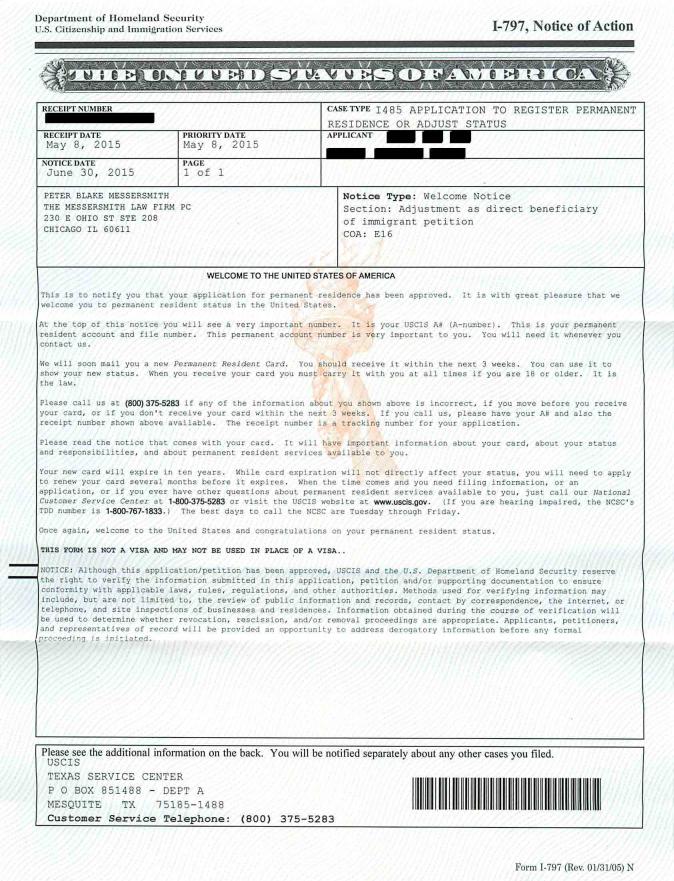
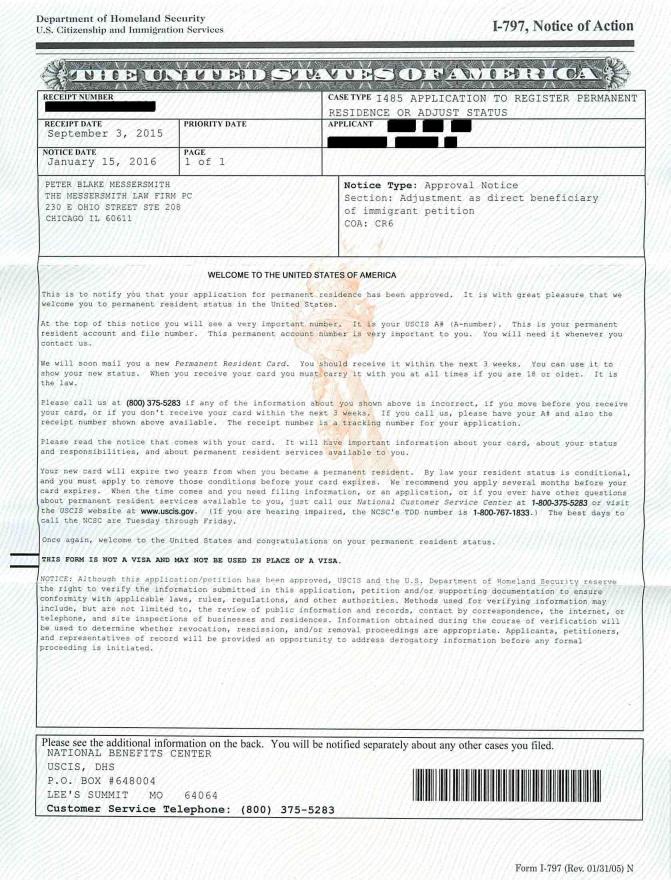
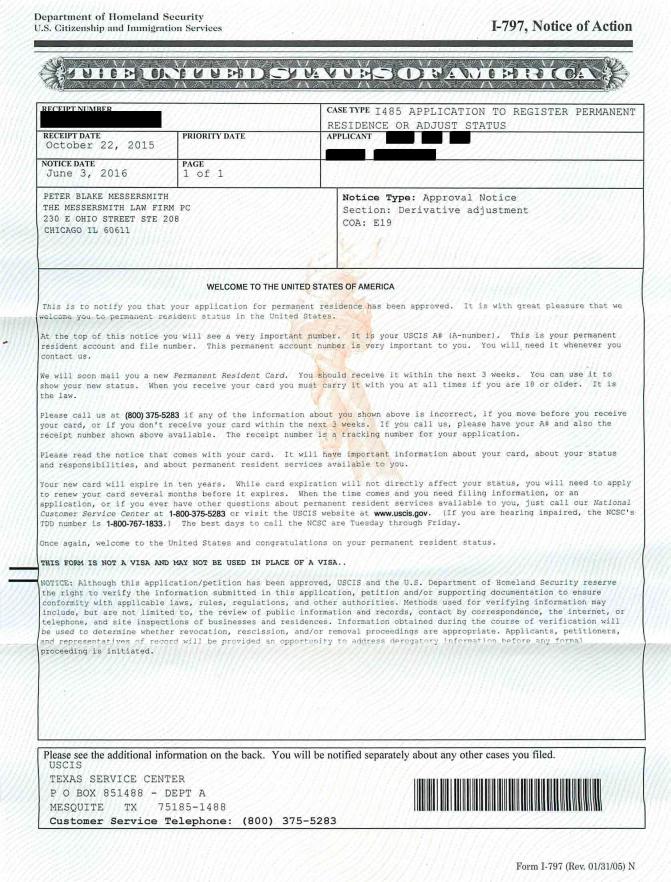
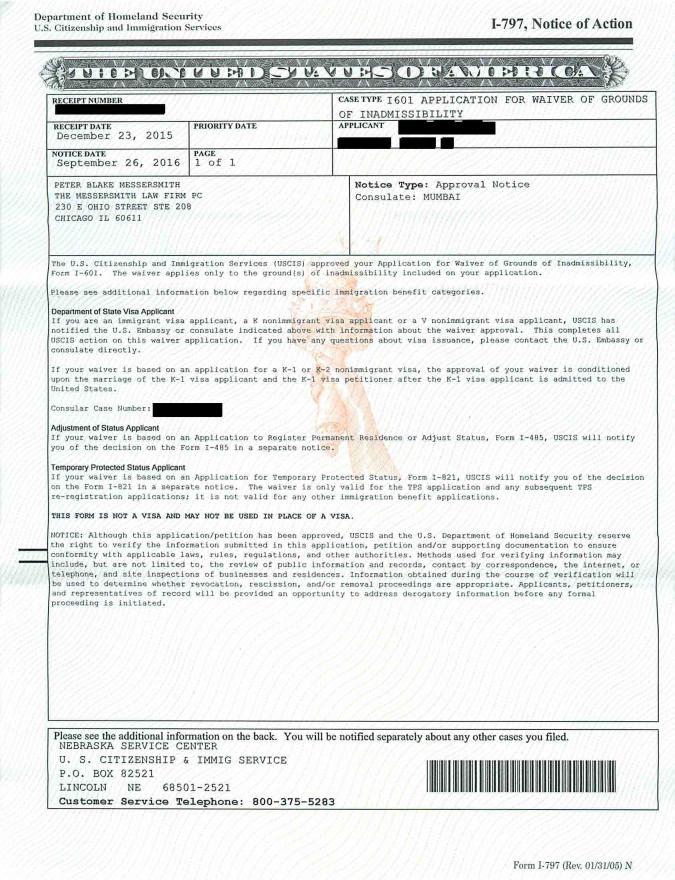
People often inquire about this issue as INA 212a2Aiii, 212a2Aiii, or Section 212a2Aiii. These are shorthand references to INA § 212(a)(2)(A)(i)(II), which can make a person inadmissible for a conviction (or in some cases a legally valid admission) relating to a controlled substance.

INA 212a2Aiii (INA 212(a)(2)(A)(i)(II)) — Controlled Substance Violation Inadmissibility
INA 212a2Aiii (INA 212(a)(2)(A)(i)(II)) — Controlled Substance Violation Inadmissibility

What is a ground of inadmissibility?
In order for a foreign national to be admitted to the United States, he or she must be admissible. A foreign national can be deemed inadmissible to the United States by USCIS, CBP and a Consulate. If the foreign national is deemed inadmissible to the United States, he or she cannot enter without a waiver of inadmissibility or a determination that the inadmissibility charge was made in error.

212(a)(2)(A)(i)(II) Inadmissibility due to Controlled Substance Violations (Drug Crimes)
Foreign nationals may be inadmissible due to the commission of a crime involving drug possession. A violation, conspiracy to violate or simply an attempt to violate any US State, federal or any foreign government controlled substance violation renders a foreign national inadmissible to the US.
Any alien convicted of, or who admits having committed, or who admits committing acts which constitute the essential elements of a violation of (or a conspiracy or attempt to violate) any law or regulation of a State, the United States, or a foreign country relating to a controlled substance (as defined in section 102 of the Controlled Substances Act (21 U.S.C. 802)), is inadmissible.

How to obtain a determination that the 212(a)(2)(A)(i)(II) ground of inadmissibility was incorrectly made.
No matter which US government agency made the inadmissibility determination, each provides a method to dispute the determination, though each has drastically different processing times. We have achieved successful outcomes by petitioning the US Department of State where the determination was made by the Consulate in as little as 2 weeks. CBP quotes turnaround times of as little as 30 days and USCIS will not offer a time frame. In our experience, the more difficult the situation, the longer it will take to get resolved.
The “30 grams or less of marijuana” exception
People often ask about the “30 grams or less of marijuana” in the immigration context because it can matter for waiver analysis in certain cases. A single offense of simple possession of 30 grams or less of marijuana is treated differently than other controlled substance violations in many immigration analyses.
Whether this concept helps in a specific case depends on the exact statute of conviction (or admission), the record of conviction, and the type of immigration benefit being sought. If the record suggests any intent to distribute, multiple offenses, or a substance other than marijuana, the analysis is usually very different.
Because this is highly record-dependent, the safest first step is to obtain certified court records and confirm (1) the substance, (2) the quantity, (3) whether it was simple possession, and (4) whether there were multiple incidents.
Waivers and options for INA 212a2Aiii (controlled substance violations)
Controlled substance inadmissibility is one of the most difficult criminal grounds because waiver options can be limited and fact-specific. The first step is confirming the exact controlled substance statute, the record of conviction (or admission), and whether the case involves a single simple possession offense or something more serious.
In some cases, a waiver may be analyzed under INA 212(h), but eligibility depends on the person’s immigration posture and the statutory requirements. Because waiver analysis can turn on technical details in the record, a careful review of certified court documents and the full immigration history is critical before choosing a strategy.
Common examples of controlled substance issues that trigger INA 212a2Aiii
INA 212a2Aiii issues most often arise from a conviction or a legally valid admission relating to a controlled substance. Common scenarios people ask about:
- Marijuana possession convictions (including older cases and cases in states where marijuana is now legal)
- Drug paraphernalia convictions (statute-specific; often analyzed as “relating to” a controlled substance)
- Controlled substance possession cases resolved through diversion or deferred adjudication (immigration consequences depend on how the disposition is treated)
- Expunged or sealed drug convictions (often still count for immigration purposes depending on the disposition)
- Dismissed charges vs convictions (the record and disposition language matter)
- “Medical marijuana” use and documentation (state legality does not automatically eliminate immigration issues)
- Possession of prescription medication without a valid prescription
- Multiple incidents or multiple substances (changes waiver/strategy analysis significantly)
Because this ground is record-driven, the best first step is obtaining certified court records (charging document, plea/judgment, and sentencing order) and confirming the exact substance and disposition.
Frequently asked questions about INA 212a2Aiii (212(a)(2)(A)(i)(II))
What is INA 212a2Aiii?
INA 212a2Aiii (INA 212(a)(2)(A)(i)(II)) is the controlled substance violation ground of inadmissibility. It can apply when a person has a conviction (or in some cases a legally valid admission) relating to a controlled substance.
Does a controlled substance charge make me inadmissible?
A charge alone is not the same as a conviction. However, immigration consequences depend on the final disposition and the record of conviction. Certified court records are essential to determine the impact.
Does marijuana legalization remove immigration consequences?
Not necessarily. Immigration law is federal, and state legalization does not automatically eliminate controlled substance inadmissibility issues. The statute of conviction and the record still control the analysis.
What is the “30 grams or less of marijuana” issue people talk about?
People often reference “30 grams or less” because a single simple possession offense involving 30 grams or less of marijuana can affect waiver analysis in certain cases. Whether it helps depends on the record of conviction and the exact offense.
Is drug paraphernalia a controlled substance violation for immigration purposes?
Often it can be treated as “relating to” a controlled substance, but outcomes vary by statute and record. The exact elements and record language matter.
Do diversion or deferred adjudication programs count as convictions?
It depends on how the disposition is structured and how it is treated under immigration law. The safest approach is to review the exact court disposition, plea terms, and any admission of facts.
Can expungement or sealing fix a controlled substance inadmissibility problem?
Not necessarily. Many expungements do not eliminate immigration consequences. The analysis depends on the underlying disposition and the immigration definition of “conviction.”
Can INA 212a2Aiii be waived?
Waiver options can be limited and fact-specific. In some cases a waiver may be analyzed under INA 212(h), but eligibility depends on the person’s immigration posture, criminal history, and statutory requirements. A careful review of records is essential before choosing a strategy.
News Related to INA § 212(a)(2)(A)(i)(II)
| Date | Title | Details | ||
|---|---|---|---|---|
| June 11, 2024 | Department of State's Foreign Affairs Manual (FAM) | The Department of State updated its FAM to provide detailed guidance on determining visa ineligibilities due to controlled substance violations. | ||
| February 1, 2023 | USCIS Policy Manual | U.S. Citizenship and Immigration Services (USCIS) updated its guidance on the applicability of inadmissibility grounds for refugees adjusting status. The update specifies that crime-related grounds, including controlled substance violations. |