People often inquire about this issue as INA 212a2E, 212a2E, or Section 212a2E. These are shorthand references to INA § 212(a)(2)(E), which can make a person inadmissible if the person committed serious criminal activity and then asserted immunity from prosecution (for example, through diplomatic or similar immunity) so the person was not prosecuted.

INA 212a2E (INA 212(a)(2)(E)) — Asserted Immunity from Prosecution
INA 212a2E (INA 212(a)(2)(E)) — Asserted Immunity from Prosecution

What is a ground of inadmissibility?
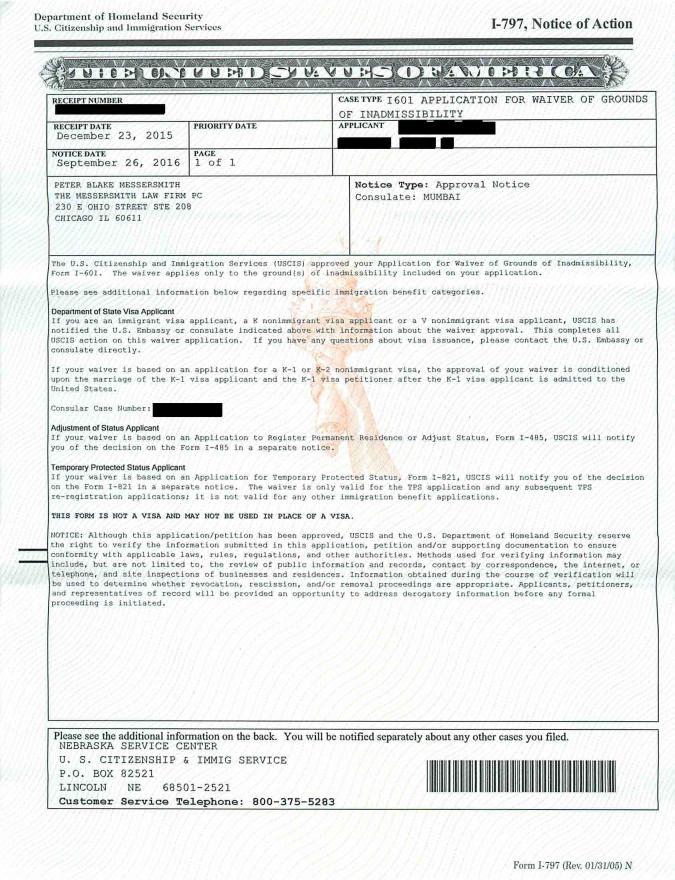
In order for a foreign national to be admitted to the United States, he or she must be admissible. A foreign national can be deemed inadmissible to the United States by USCIS, CBP and a Consulate. If the foreign national is deemed inadmissible to the United States, he or she cannot enter without a waiver of inadmissibility or a determination that the inadmissibility charge was made in error.

212(a)(2)(E) Inadmissibility due to Asserted Immunity from Prosecution
Foreign nationals may be inadmissible due to their involvement in serious criminal activity if they have asserted immunity from prosecution.
Any alien who has committed in the United States at any time a serious criminal offense (as defined in section 101(h)), for whom immunity from criminal jurisdiction was exercised with respect to that offense, who as a consequence of the offense and exercise of immunity has departed from the United States, and who has not subsequently submitted fully to the jurisdiction of the court in the United States having jurisdiction with respect to that offense, is inadmissible.

How to obtain a determination that the 212(a)(2)(E) ground of inadmissibility was incorrectly made.
No matter which US government agency made the inadmissibility determination, each provides a method to dispute the determination, though each has drastically different processing times. We have achieved successful outcomes by petitioning the US Department of State where the determination was made by the Consulate in as little as 2 weeks. CBP quotes turnaround times of as little as 30 days and USCIS will not offer a time frame. In our experience, the more difficult the situation, the longer it will take to get resolved.
Common examples of INA 212a2E issues (asserted immunity from prosecution)
INA 212a2E cases are uncommon, but when they arise, they usually involve a record showing alleged serious criminal conduct and a claim of immunity that prevented prosecution. Common fact patterns include:
- A foreign diplomat, consular employee, or family member who asserted diplomatic or consular immunity after an alleged serious offense
- A person covered by a status-based immunity arrangement (for example, certain official-duty or mission-related immunity) where prosecution did not occur
- Cases where a report or investigation exists, but local authorities declined prosecution because immunity was asserted
- Consular processing cases where the post relies on government records indicating immunity was asserted in connection with serious criminal activity
- Situations where the government focuses on the underlying conduct even though there was no criminal conviction due to immunity
Because this ground is record-driven, the key step is identifying what conduct the government is relying on and what documentation exists showing immunity was asserted and prosecution was avoided.
Options and next steps for INA 212a2E
INA 212a2E is a record-driven ground that focuses on alleged serious criminal conduct and a claim of immunity that prevented prosecution. Strategy depends heavily on what the government record says, which agency raised the issue, and what documentation exists.
Practical next steps typically include:
- Identifying which agency made the inadmissibility determination (consulate, CBP, or USCIS) and what subsection/wording was cited
- Requesting or collecting records that show what conduct is alleged and whether immunity was actually asserted
- Clarifying the record and correcting inaccuracies where the file overstates conduct or incorrectly describes the immunity context
- Presenting a clear timeline with supporting documentation that addresses the officer’s stated concerns
Because this ground is uncommon, the first step is usually to understand exactly what information the government is relying on before selecting a response strategy.
Frequently asked questions about INA 212a2E (212(a)(2)(E))
What is INA 212a2E?
INA 212a2E (INA 212(a)(2)(E)) is the “asserted immunity from prosecution” ground of inadmissibility. It can apply when the government concludes a person committed serious criminal activity and then asserted immunity from prosecution so the person was not prosecuted.
Does INA 212a2E require a conviction?
Not necessarily. This ground often arises specifically because prosecution did not occur due to asserted immunity. The record and the government’s evidence are central.
What types of immunity are relevant?
Cases often involve diplomatic or consular immunity or other status-based immunity arrangements. The key issue is whether immunity was asserted in connection with serious criminal activity and whether that prevented prosecution.
How do consulates apply INA 212(a)(2)(E)?
Consular officers may apply this ground based on available government records. Where a refusal occurs, next steps are usually fact-specific and depend on what information the officer relied on.
Can INA 212a2E be overcome?
Strategy is fact-specific and often focuses on clarifying or correcting the record, addressing inaccuracies about the underlying conduct, and presenting a clear timeline with supporting documentation.
News Related to INA § 212(a)(2)(E)
| Date | Title | Details | ||
|---|---|---|---|---|
| May 27, 2016 | Matter of H. Estrada | This decision clarified the scope of offenses considered under this inadmissibility ground. |