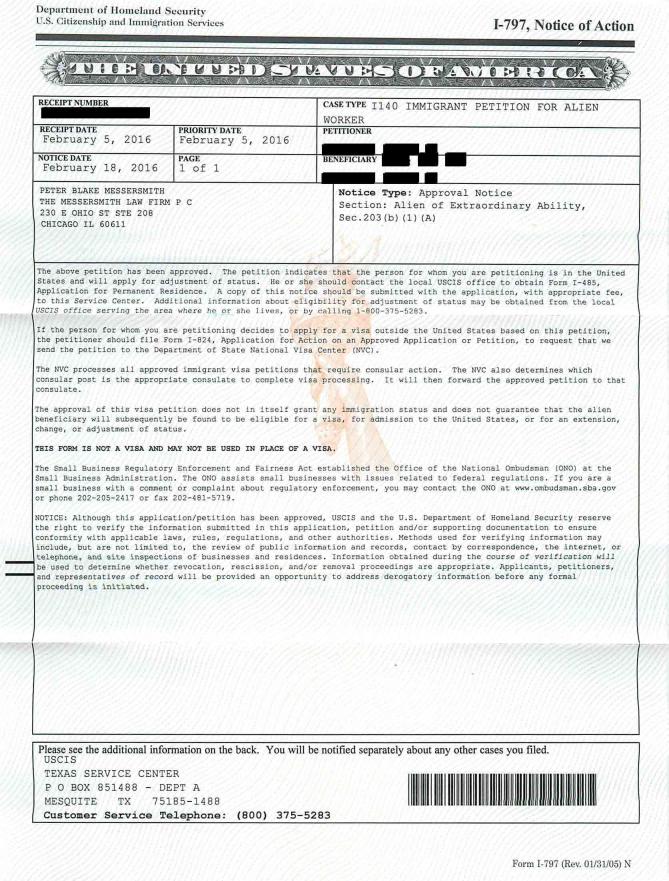
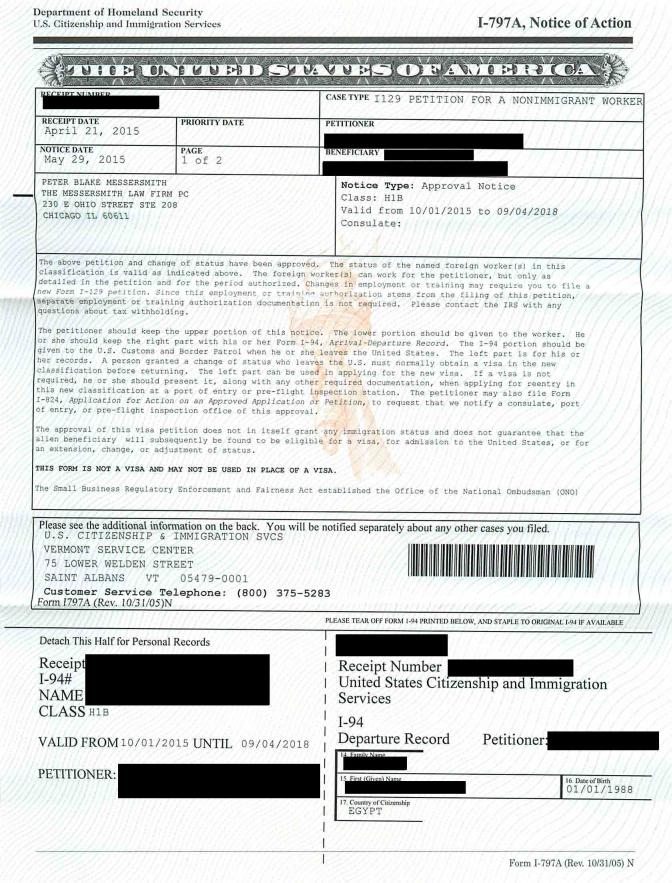
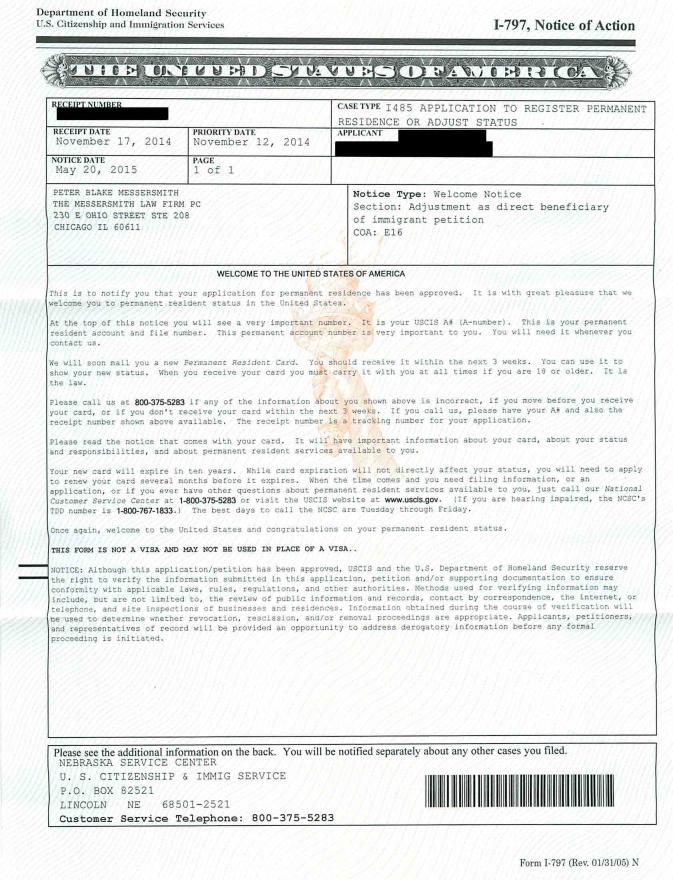
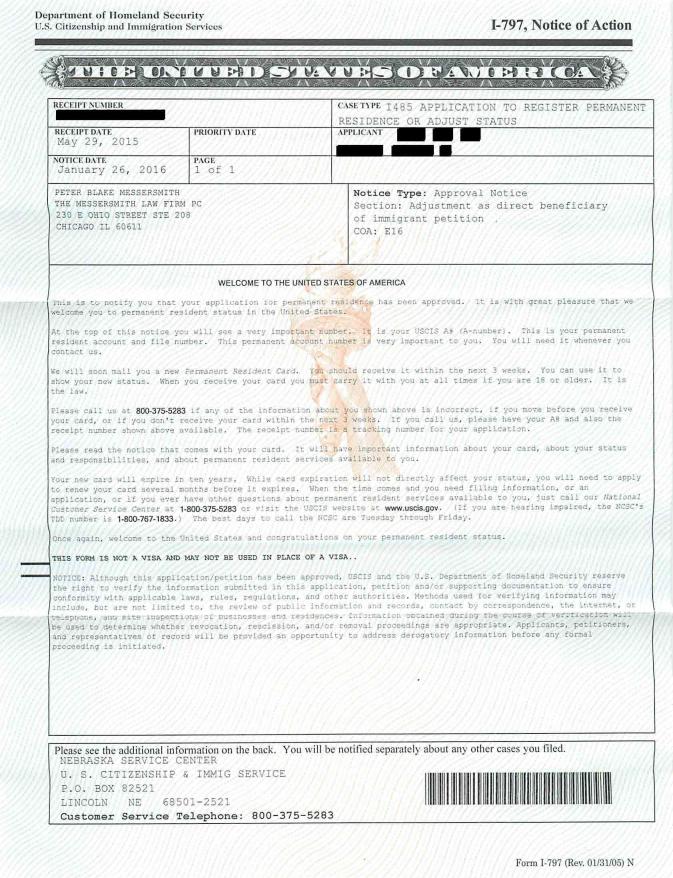
People often inquire about this issue as INA 212a3C, 212a3C, or Section 212a3C. These are shorthand references to INA § 212(a)(3)(C), which can make a person inadmissible on foreign policy grounds when the government believes the person’s entry or proposed activities could have potentially serious adverse foreign policy consequences for the United States.

INA 212a3C (INA 212(a)(3)(C)) — Foreign Policy Grounds of Inadmissibility
INA 212a3C (INA 212(a)(3)(C)) — Foreign Policy Grounds of Inadmissibility

What is a ground of inadmissibility?
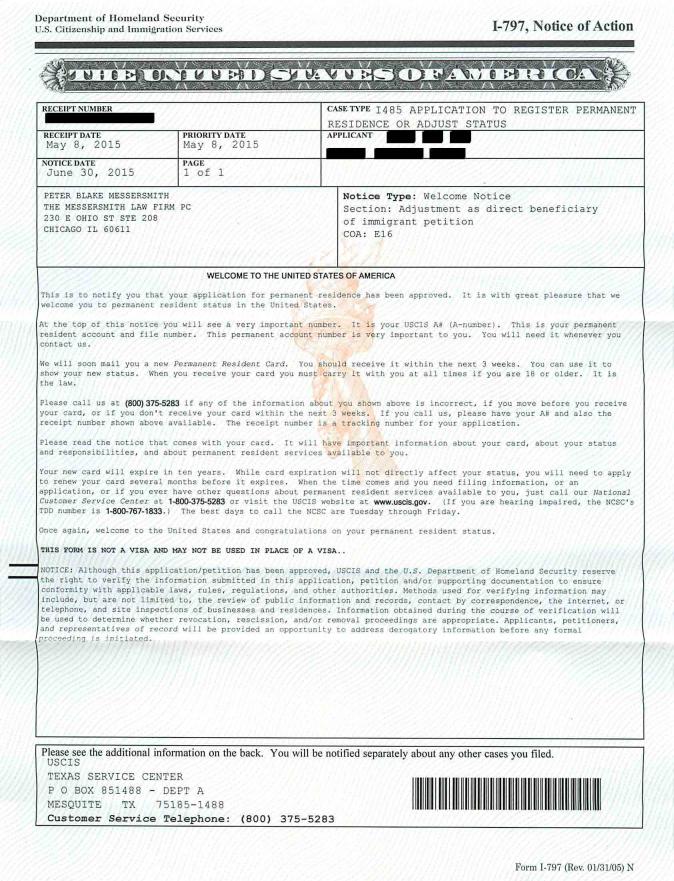
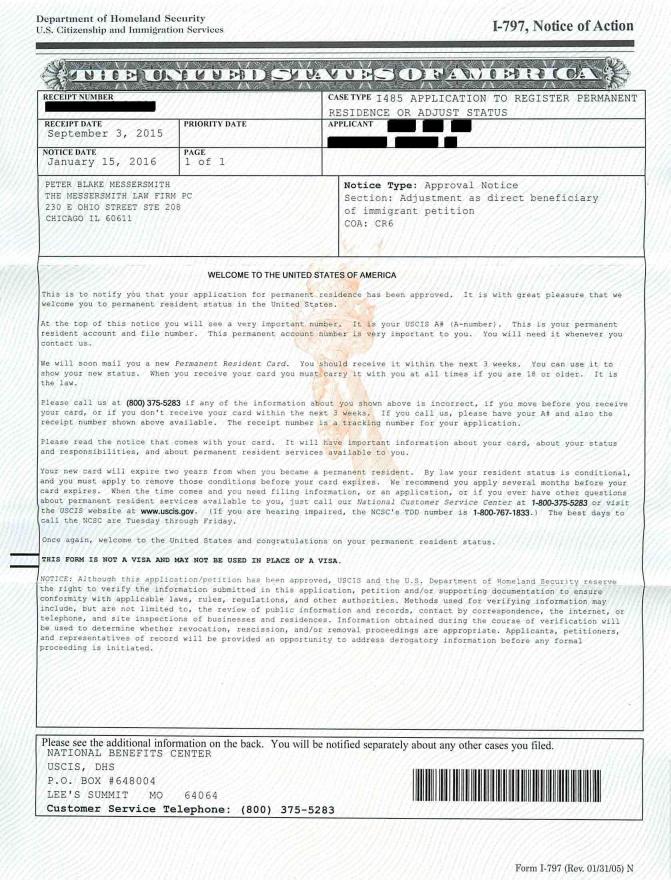
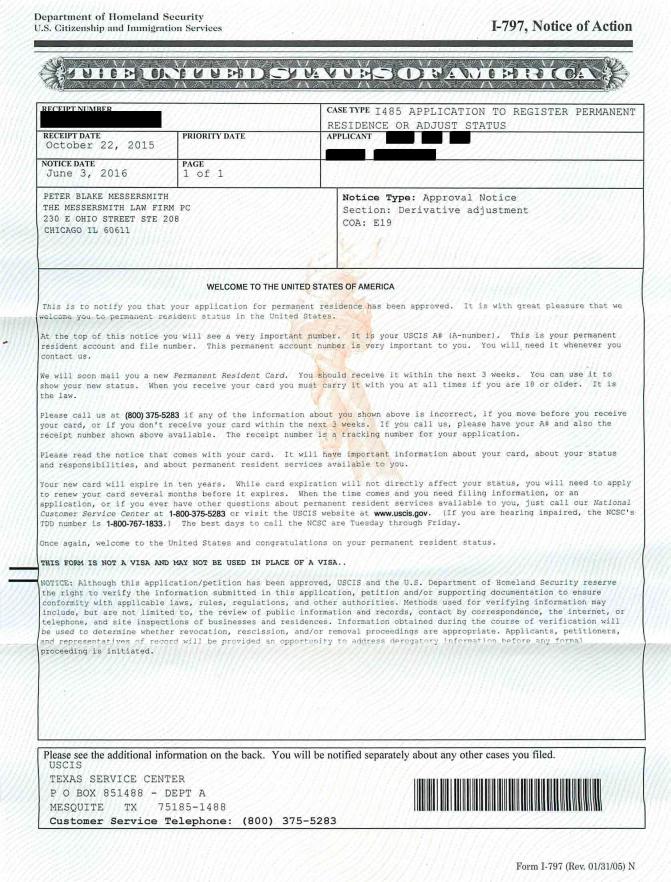
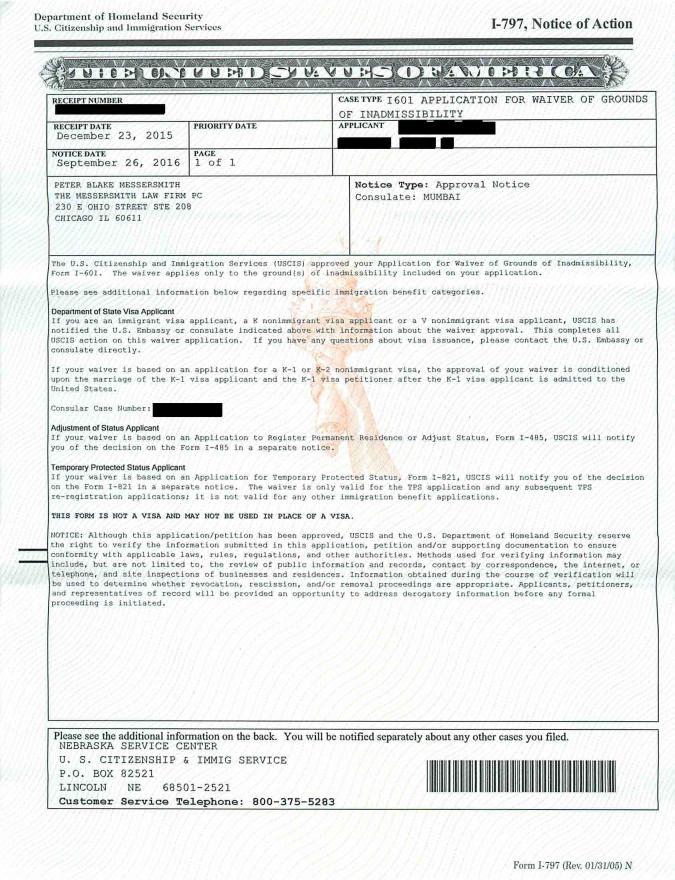
In order for a foreign national to be admitted to the United States, he or she must be admissible. A foreign national can be deemed inadmissible to the United States by USCIS, CBP and a Consulate. If the foreign national is deemed inadmissible to the United States, he or she cannot enter without a waiver of inadmissibility or a determination that the inadmissibility charge was made in error.

212(a)(3)(C) Inadmissibility due to Foreign Policy
Foreign nationals may be inadmissible if granting the foreign national a visa would cause potentially serious adverse foreign policy consequences for the US.
An alien whose entry or proposed activities in the United States the Secretary of State has reasonable ground to believe would have potentially serious adverse foreign policy consequences for the United States is inadmissible.
This section shall not apply to an alien who is an official of a foreign government or a purported government, or who is a candidate for election to a foreign government office during the period immediately preceding the election for that office, shall not be excludable or subject to restrictions or conditions on entry into the United States solely because of the alien’s past, current, or expected beliefs, statements, or associations, if such beliefs, statements, or associations would be lawful within the United States.
This section shall not apply to an alien because of the alien’s past, current, or expected beliefs, statements, or associations, if such beliefs, statements, or associations would be lawful within the United States, unless the Secretary of State personally determines that the alien’s admission would compromise a compelling United States foreign policy interest.

How to obtain a determination that the 212(a)(3)(C) ground of inadmissibility was incorrectly made.
No matter which US government agency made the inadmissibility determination, each provides a method to dispute the determination, though each has drastically different processing times. We have achieved successful outcomes by petitioning the US Department of State where the determination was made by the Consulate in as little as 2 weeks. CBP quotes turnaround times of as little as 30 days and USCIS will not offer a time frame. In our experience, the more difficult the situation, the longer it will take to get resolved.
How INA 212a3C (foreign policy) refusals happen (consulate vs CBP vs USCIS)
INA 212a3C is most commonly encountered as a refusal during consular processing, but it can also arise at the border or during a USCIS filing depending on the case.
- US consulate (visa processing abroad): A consular officer may refuse a visa under INA 212a3C based on government records or determinations that the applicant’s entry could have potentially serious adverse foreign policy consequences. These cases are often opaque because the underlying basis may not be fully disclosed.
- CBP (ports of entry / airports / border): CBP may raise foreign policy-related inadmissibility at inspection based on information in government systems and the person’s stated purpose of travel.
- USCIS (benefit applications inside the U.S.): Less common, but USCIS can encounter foreign policy-related inadmissibility in certain benefit contexts when reviewing the record.
Because 212a3C determinations are record-driven and often not fully explained, the first step is identifying the exact refusal basis, the agency involved, and what information the government appears to be relying on.
Options and next steps for INA 212a3C
INA 212a3C cases are highly fact-specific and often depend on information not fully disclosed to the applicant. Strategy depends on where the issue arose (consulate, CBP, or USCIS) and what the record appears to show.
Practical next steps typically include:
- Confirming the exact citation used (INA 212(a)(3)(C)) and which agency made the determination
- Preparing a clean, consistent record of the purpose of travel or benefit sought, with supporting documentation
- Addressing inconsistencies directly and correcting factual errors in the record where possible
- If the issue arose at a consulate, pursuing the appropriate post/DOS process to clarify the basis and submit clarifying documentation
- If the issue arose at CBP or USCIS, focusing on the correct procedural path for that agency and building a record that addresses the stated concerns
Because foreign policy grounds can be opaque, the goal is usually to clarify the record, correct errors, and present consistent evidence that addresses the government’s concerns.
Frequently asked questions about INA 212a3C (212(a)(3)(C))
What is INA 212a3C?
INA 212a3C (INA 212(a)(3)(C)) is the foreign policy ground of inadmissibility. It can apply when the government believes a person’s entry or proposed activities could have potentially serious adverse foreign policy consequences for the United States.
Does INA 212a3C require a criminal conviction?
No. This is not a conviction-based ground. It is typically applied based on government records and determinations.
How do consulates apply INA 212(a)(3)(C)?
Consular officers may refuse a visa under INA 212(a)(3)(C) based on government information. These refusals can be difficult to understand because the underlying basis may not be fully disclosed.
How does CBP apply INA 212(a)(3)(C)?
CBP may raise foreign policy-related inadmissibility at a port of entry based on information in government systems and the person’s stated purpose of travel.
Can INA 212a3C be overcome?
Strategy is fact-specific. In many cases, the practical path focuses on clarifying the record, correcting inaccuracies, and providing consistent documentation addressing the stated concerns through the appropriate agency process.
What evidence helps in 212(a)(3)(C) cases?
Helpful evidence often includes a clear and consistent purpose of travel or benefit sought, a clean timeline, supporting documentation, and explanations addressing any inconsistencies or misunderstandings in the record.
News Related to INA § 212(a)(3)(C)
| Date | Title | Details | ||
|---|---|---|---|---|
| July 17, 2024 | Department of State's Foreign Affairs Manual (FAM) | This section provides guidance on the application of INA 212(a)(3)(C), detailing the grounds and application procedures for determining visa ineligibilities based on potential adverse foreign policy consequences. | ||
| February 1, 2023 | USCIS Policy Manual | This chapter outlines various grounds of inadmissibility, including those related to adverse foreign policy impacts under INA 212(a)(3)(C), and discusses the availability of waivers for certain inadmissibility grounds. |