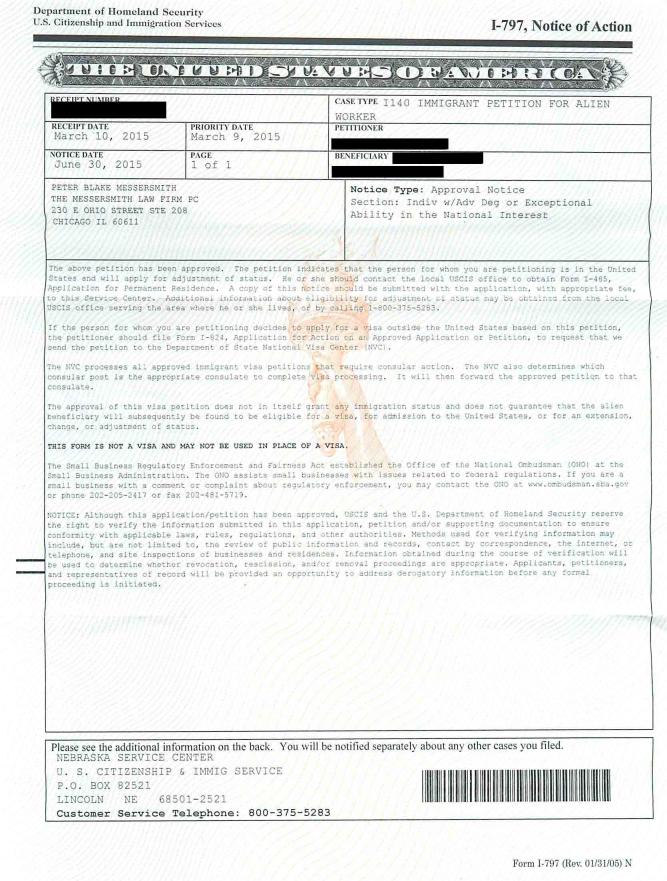
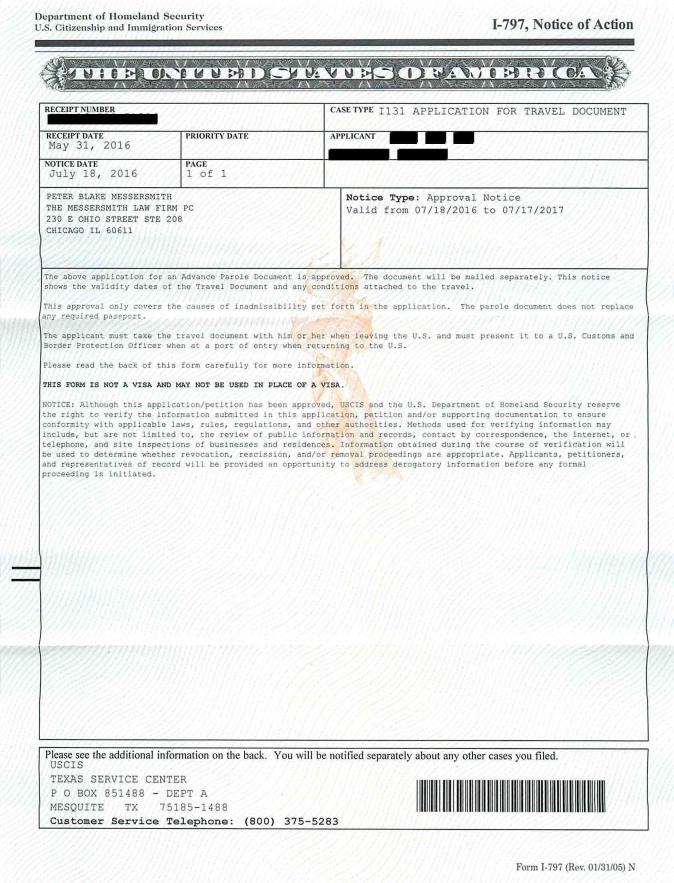
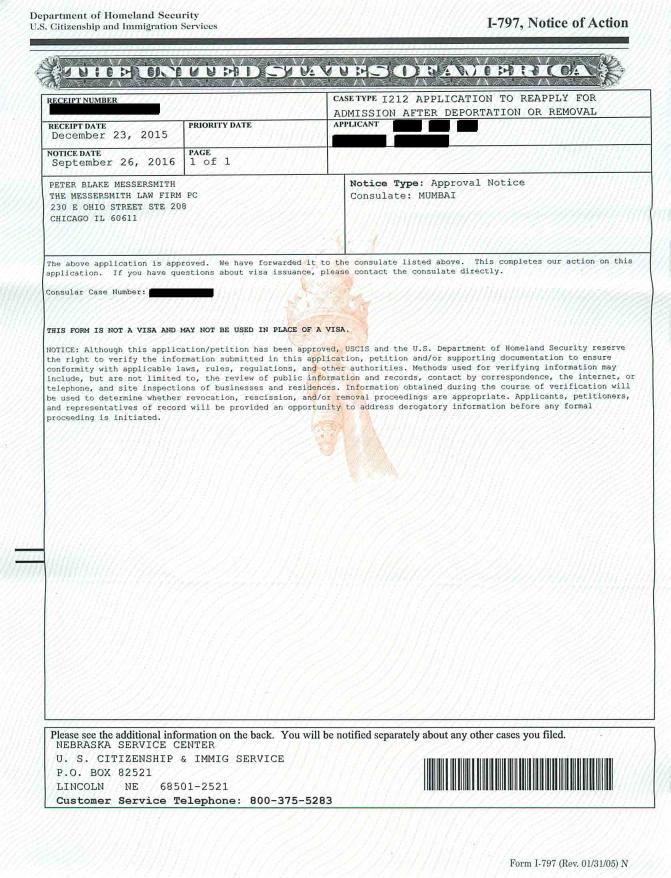
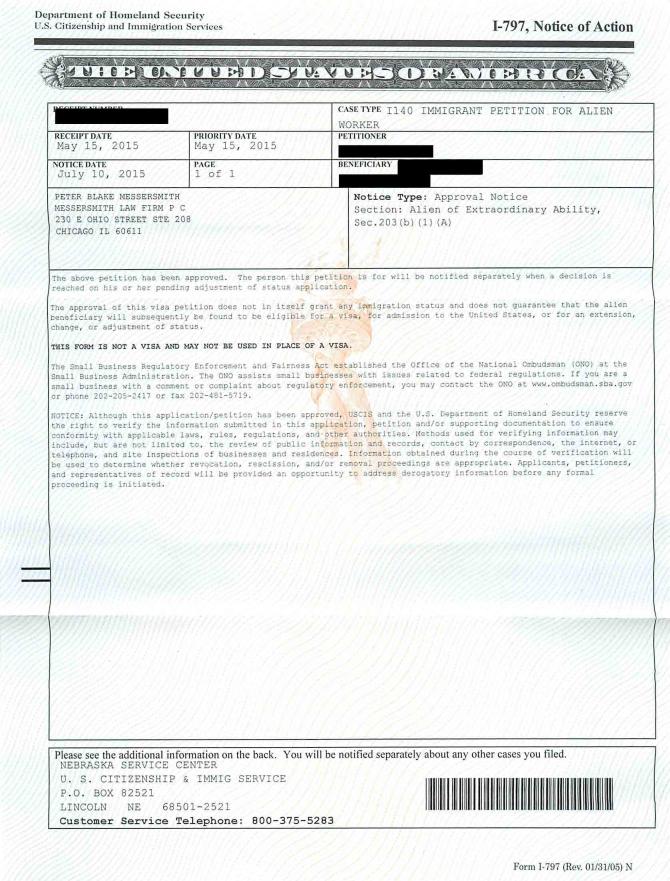
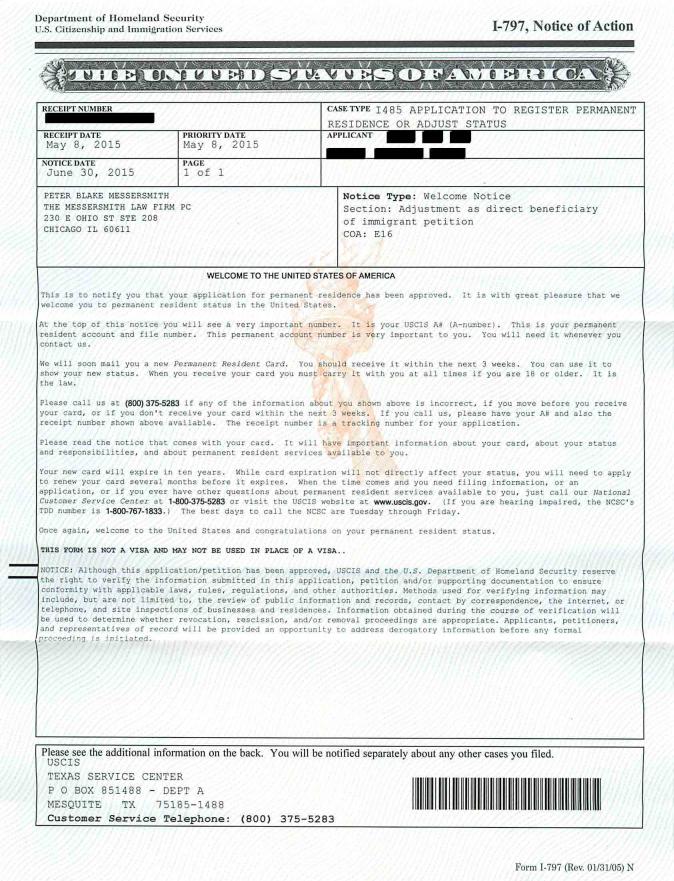
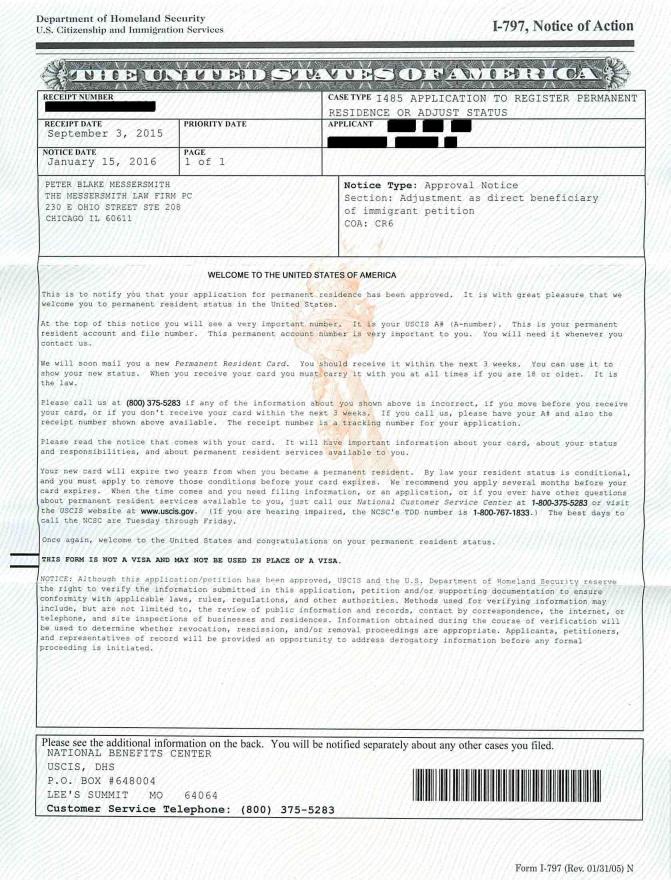
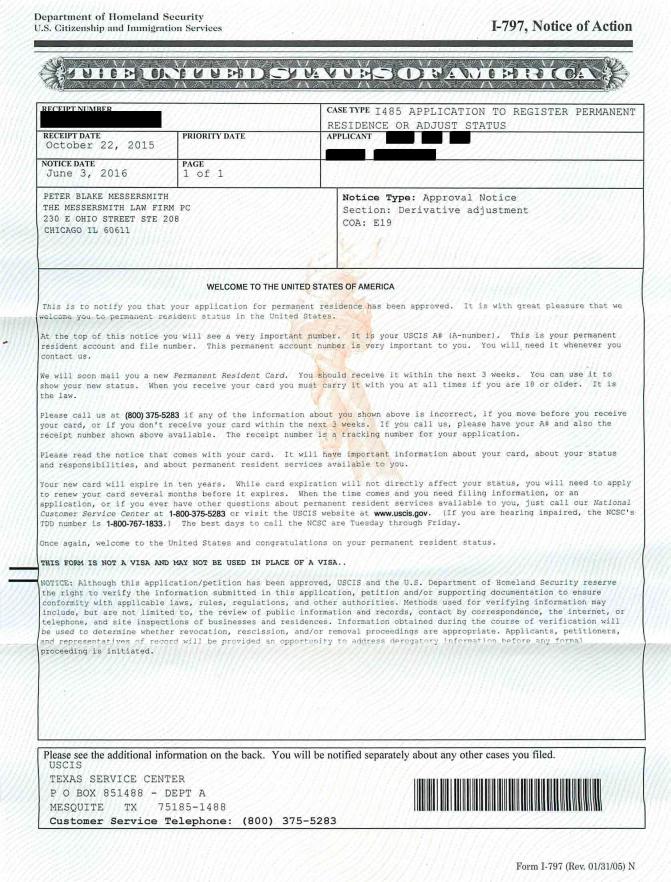
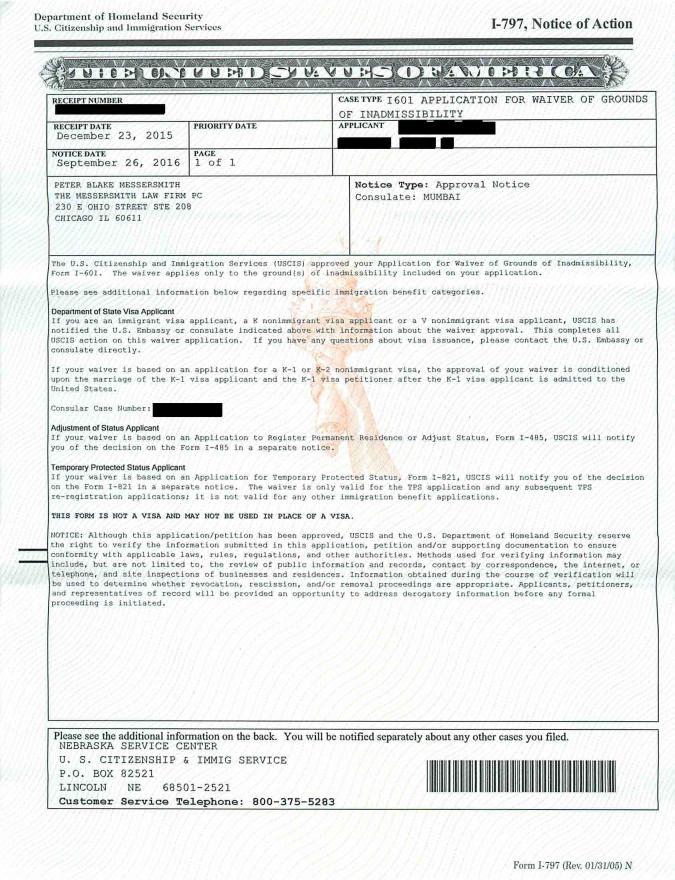
People often inquire about this issue as INA 212a6b, 212a6b, Section 212a6b, missed immigration court hearing, or in absentia removal. These are shorthand references to INA § 212(a)(6)(B), which can make a person inadmissible for five years if the person fails to attend (or remain in attendance at) removal proceedings after being served with a Notice to Appear, unless the person can show “reasonable cause” for the failure to appear.

INA 212a6b (INA 212(a)(6)(B)) — Failure to Appear (Missed Immigration Court Hearing) 5-Year Bar
INA 212a6b (INA 212(a)(6)(B)) — Failure to Appear (Missed Immigration Court Hearing) 5-Year Bar

What is a ground of inadmissibility?
In order for a foreign national to be admitted to the United States, he or she must be admissible. A foreign national can be deemed inadmissible to the United States by USCIS, CBP and a Consulate. If the foreign national is deemed inadmissible to the United States, he or she cannot enter without a waiver of inadmissibility or a determination that the inadmissibility charge was made in error.

212(a)(6)(B) Inadmissibility due to Failure to Attend Removal Proceedings
Foreign nationals may be inadmissible if he or she was served with a notice to appear and failed to attend removal proceedings.
Any alien who without reasonable cause fails or refuses to attend or remain in attendance at a proceeding to determine the alien’s inadmissibility or deportability and who seeks admission to the United States within 5 years of such alien’s subsequent departure or removal is inadmissible.

How to obtain a determination that the 212(a)(6)(B) ground of inadmissibility was incorrectly made.
No matter which US government agency made the inadmissibility determination, each provides a method to dispute the determination, though each has drastically different processing times. We have achieved successful outcomes by petitioning the US Department of State where the determination was made by the Consulate in as little as 2 weeks. CBP quotes turnaround times of as little as 30 days and USCIS will not offer a time frame. In our experience, the more difficult the situation, the longer it will take to get resolved.
What counts as “reasonable cause” for missing immigration court under INA 212a6b?
INA 212a6b has a key exception: the 5-year inadmissibility consequence does not apply if the person can show “reasonable cause” for failing to appear or remain in attendance. These cases are highly fact-specific and depend on the evidence.
Common examples that may support a “reasonable cause” argument include:
- Serious medical emergency or hospitalization on or immediately before the hearing date
- Documented crisis or emergency (for example, death or critical illness of an immediate family member)
- Being in custody or otherwise physically unable to attend (with supporting records)
- Transportation disruptions that can be documented (for example, major weather/flight cancellations) combined with prompt efforts to notify the court
- Other exceptional circumstances where the person can show they acted in good faith and could not reasonably appear
The strongest “reasonable cause” submissions typically include a clear timeline, supporting documents (medical records, police/custody records, travel disruption records), and evidence of prompt efforts to address the missed hearing once the person was able.
How INA 212a6b is triggered (and when the 5-year period applies)
INA 212a6b is tied to failure to attend (or remain in attendance at) removal proceedings after a person has been served with a Notice to Appear (NTA). If the ground is triggered, it generally creates a 5-year inadmissibility period that is commonly analyzed in connection with departure or removal.
In practice, cases often turn on:
- Whether the person was properly served with an NTA and had a scheduled proceeding
- Whether the person failed to appear or left before the proceeding concluded
- Whether the person can document “reasonable cause” for the failure to appear
- What the immigration timeline shows before and after the missed court date
Because this ground is timeline-driven, the most effective approach is usually to build a clear hearing timeline (NTA service, hearing notice(s), the missed date, and what happened afterward) and match it to the evidence.
Frequently asked questions about INA 212a6b (212(a)(6)(B))
What is INA 212a6b?
INA 212a6b (INA 212(a)(6)(B)) is the inadmissibility ground for failure to attend (or remain in attendance at) removal proceedings after being served with a Notice to Appear. It can trigger a 5-year inadmissibility consequence unless the person shows reasonable cause.
Is INA 212(a)(6)(B) the same as an in absentia order?
People often encounter 212(a)(6)(B) after a missed hearing, including cases that involve an in absentia removal order. The legal analysis depends on the court history and the record, but missed-hearing scenarios commonly overlap with “in absentia” terminology.
What does “reasonable cause” mean for missing immigration court?
“Reasonable cause” is a fact-specific showing that explains why the person could not appear or remain in attendance. Strong evidence and a clear timeline are important.
What evidence helps prove reasonable cause?
Medical records, hospitalization documentation, custody records, documented emergencies, and records of serious travel disruptions can help, especially when combined with prompt efforts to address the missed hearing.
How long is the 5-year bar under 212(a)(6)(B)?
The statute provides a 5-year inadmissibility period. Timeline details matter, so the specific dates should be reviewed carefully.
Can INA 212a6b be overcome?
In many cases, the main pathway is showing reasonable cause for the failure to appear. The best first step is to obtain the court timeline and supporting records and address the specific missed-hearing facts directly.
News Related to INA § 212(a)(6)(B)
| Date | Title | Details | ||
|---|---|---|---|---|
| May 31, 2024 | Department of State's Foreign Affairs Manual (FAM) | The Department of State updated its FAM to provide detailed guidance on determining visa ineligibilities due to failure to attend removal proceedings. |