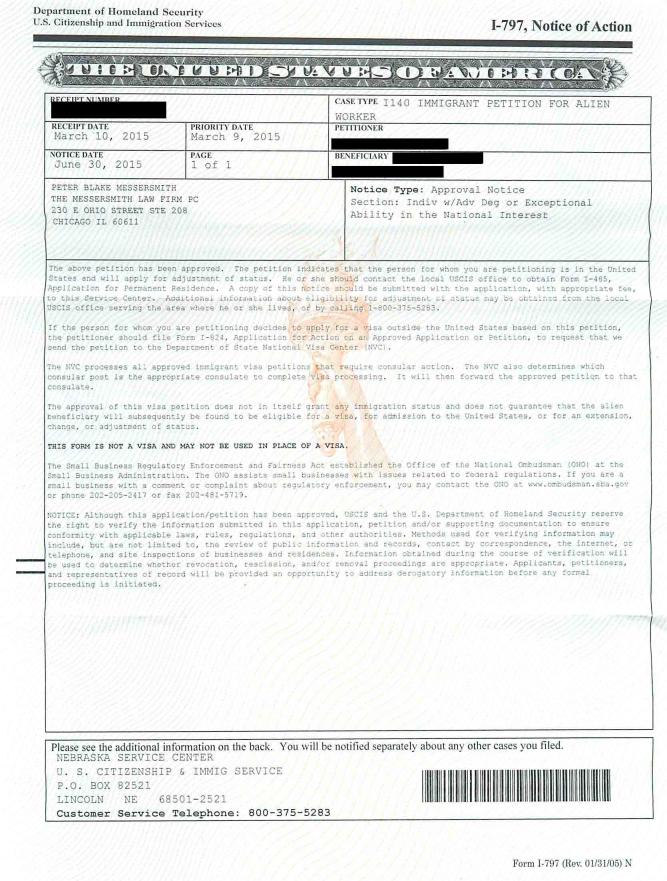
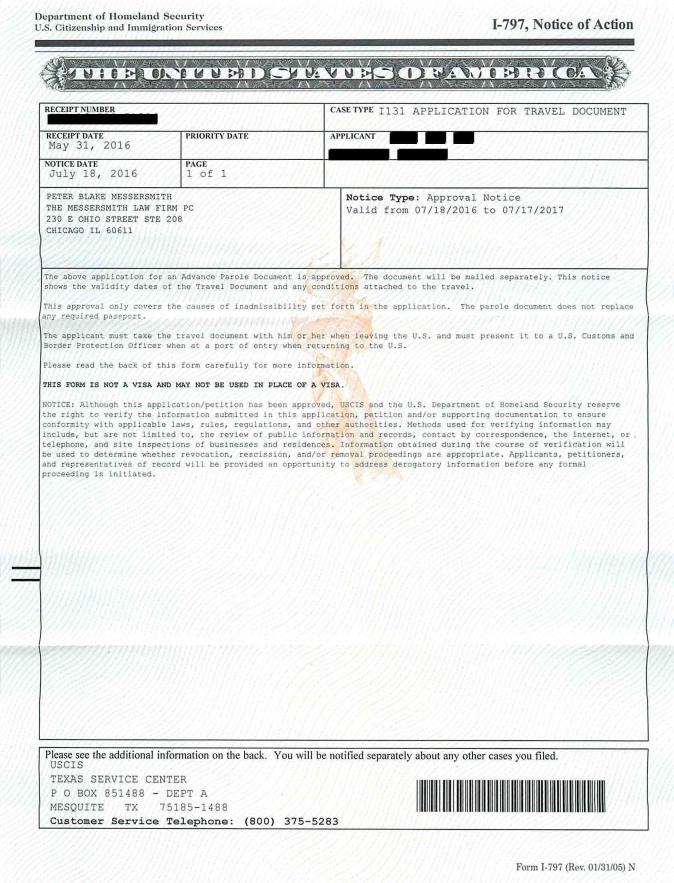
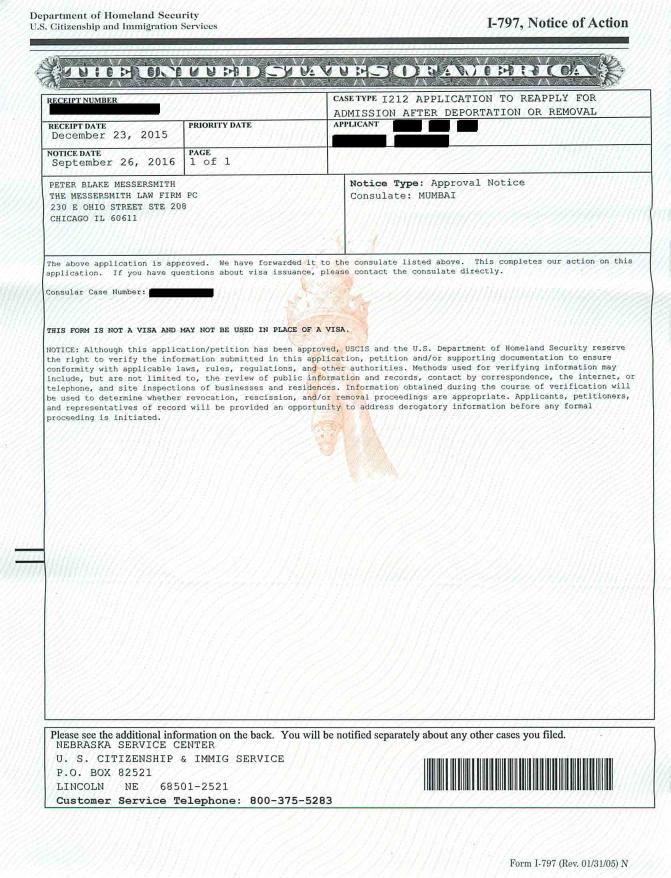
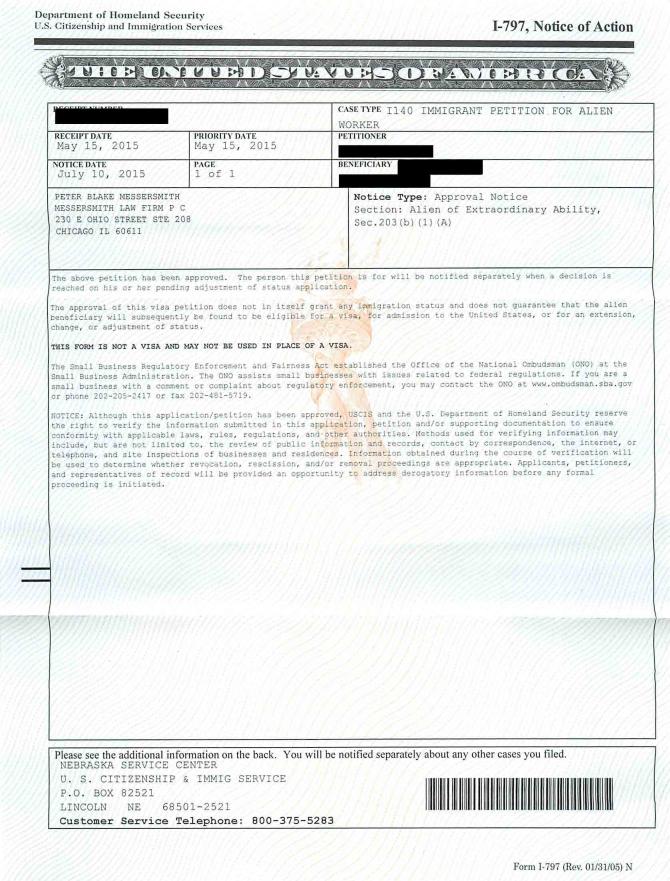
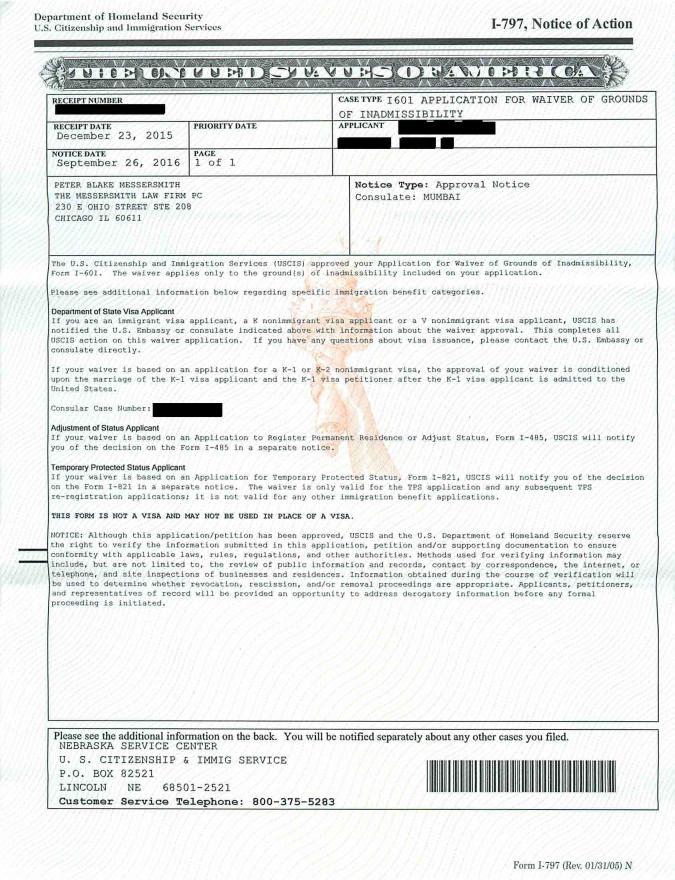
Many people also inquire about a “212(i) waiver” because it is the primary immigrant waiver associated with INA 212(a)(6)(C)(i) in cases involving qualifying relatives and an extreme hardship showing.

INA 212a6Ci (INA 212(a)(6)(C)(i)) — Misrepresentation Inadmissibility and 212(i) Waiver
INA 212a6Ci (INA 212(a)(6)(C)(i)) — Misrepresentation Inadmissibility and 212(i) Waiver

What is a ground of inadmissibility?
To be admitted to the United States, a foreign national must be admissible. A foreign national can be found inadmissible by USCIS, CBP, or a US consulate. If the foreign national is deemed inadmissible to the United States, they generally cannot obtain a visa or be admitted unless (1) the inadmissibility finding is corrected or shown to be incorrect, or (2) an applicable waiver of inadmissibility is granted.

What is INA 212a6Ci? (Plain English)
INA 212a6Ci, 212a6Ci, or Section 212a6Ci can apply when a person lies or intentionally leaves out important information to try to obtain a visa, admission to the United States, or another immigration benefit. A key part of this law is that the misrepresentation must involve a material fact, meaning it could affect the government’s decision. Because the facts and evidence matter, a careful analysis of what was said, what was omitted, and why it mattered is essential.

212(a)(6)(C)(i) inadmissibility due to misrepresentation
A foreign national may be inadmissible under INA 212a6Ci / 212(a)(6)(C)(i) if they made a false representation (or withheld material information) to obtain an immigration benefit.
What the government must prove under 212(a)(6)(C)(i)
A Section 212a6Ci inadmissibility finding is generally based on four core ideas:
- A false statement or omission (something untrue was said, or important information was left out)
- Made knowingly/willfully (not a simple misunderstanding; and “fraud” generally involves intent to deceive)
- About a material fact (the fact could have influenced the officer’s decision)
- To obtain a visa, admission, or another immigration benefit (the statement/omission is connected to getting an immigration benefit)
Not every mistake is fraud or willful misrepresentation. The strongest analysis focuses on intent, the materiality of the information, and the context of the application or interview.
How INA 212a6Ci findings happen (USCIS vs consulate vs CBP)
A 212a6Ci finding can arise in different settings, and the process often depends on the agency involved:
- USCIS (benefit applications inside the US): USCIS may raise concerns based on statements in filings, interview testimony, inconsistencies with prior records, or omitted information.
- US consulate (visa processing abroad): A consular officer may make a Section 212a6Ci determination during a visa interview based on the application, documents, and the applicant’s answers.
- CBP (ports of entry / airports / border): CBP can reach a misrepresentation conclusion during inspection when a person seeks admission, based on statements, documentation, and travel/immigration history.
How to obtain a determination that the 212(a)(6)(C)(i) ground of inadmissibility was incorrectly made
No matter which US government agency made the inadmissibility determination, each provides a method to dispute the determination, though processing times can differ drastically. We have achieved successful outcomes by petitioning the US Department of State where the determination was made by the consulate in as little as two weeks. CBP may quote turnaround times as short as 30 days, and USCIS often does not provide a firm timeframe. In our experience, the more difficult the situation, the longer it may take to resolve.
Challenge paths by agency (overview)
- Consular findings (Department of State): Often involves clarifying the record, correcting misunderstandings, and presenting evidence addressing intent and materiality.
- CBP findings: Often focuses on what occurred during inspection and whether the conclusion accurately reflects the facts and the law.
- USCIS findings: Often raised through case procedures (responses to RFE/NOID, motions, or related filings), with evidence organized around intent, materiality, and eligibility.
Common examples of 212a6Ci misrepresentation findings
INA 212a6Ci issues often come up when a visa application, immigration form, or interview answer is inconsistent with prior records or omits a fact the government considers important. Common fact patterns include:
- DS-160 or DS-260 answers that conflict with prior visa applications, refusals, or prior entries
- Not disclosing a prior visa denial or refusal
- Not disclosing a prior removal, deportation, expedited removal, or a voluntary return
- Misstating marital status (single/married/divorced) or omitting a spouse
- Misstating the purpose of travel (for example, saying “tourism” when the record suggests work or another purpose)
- Misstating employment history, job title, employer, or dates of employment
- Misstating education history, degrees, or schools attended
- Misstating immigration history (prior overstays, prior status violations, prior unlawful presence)
- Omitting arrests, charges, or convictions (or answering “no” to criminal history questions when the record shows otherwise)
- Using or submitting documents the government believes are false or altered
- Misstating prior names, dates of birth, or identity-related information
- Inconsistencies between what is written on forms and what is said during an interview (consulate, CBP, or USCIS)
Not every inconsistency is willful misrepresentation. The most important issues are intent (was it knowing), materiality (did it matter to eligibility), and whether the record supports a conclusion that the statement or omission was made to obtain a visa, admission, or another immigration benefit.
What makes a misrepresentation “material” under Section 212a6Ci?
A misrepresentation is generally treated as “material” when it had the tendency to influence (or could have influenced) the government’s decision. In practical terms, a fact is more likely to be treated as material if it relates to eligibility, admissibility, identity, prior immigration history, prior refusals, removals, criminal history, marital status, or other issues that could change whether the person qualifies for a visa, admission, or another immigration benefit.
Materiality is often decided by looking at the specific question asked on the form or in the interview and whether a truthful answer would have led to further inquiry or a different outcome. Because materiality is context-dependent, the best analysis ties the allegedly false statement or omission to the exact eligibility rule the officer was applying.
How to obtain a 212(a)(6)(C)(i) waiver
There are two types of waivers that apply to each ground of inadmissibility: one for immigrants and one for nonimmigrants. Immigrants are foreign nationals who are trying to obtain an immigrant visa or green card. Nonimmigrants are foreign nationals who are trying to obtain or enter with a temporary visa such as a B2 tourist visa, F1 student visa or H1B work visa, among others. Some grounds of inadmissibility allow both immigrant and nonimmigrant waivers, some allow one and some offer no waiver at all.
Many people who are faced with an inadmissibility determination believe that they will never be able to obtain a waiver or enter the US again. This is simply not true. For almost all types of inadmissibility classes, a waiver is available and there is always an option to challenge the determination. We have successfully helped many clients who were determined to be inadmissible and we can assist you. We believe that with the right approach, there is always a hope to win your case.
Frequently asked questions about INA 212a6Ci
What is INA 212a6Ci?
INA 212a6Ci (also written as INA § 212(a)(6)(C)(i)) is the immigration law section that can make a person inadmissible for fraud or willful misrepresentation of a material fact in order to obtain a visa, admission to the United States, or another immigration benefit. In plain terms, it applies when the government concludes that a person intentionally provided false information (or intentionally omitted key information) that mattered to the decision.
Is 212a6Ci a lifetime ban?
A finding under Section 212a6Ci is often described as “permanent” because it does not automatically expire with time. However, that does not mean a person can never return to the United States. Depending on the person’s situation and the type of visa or benefit sought, there may be ways to challenge the finding and/or seek a waiver where a waiver is legally available.
What makes a misrepresentation “material” under Section 212a6Ci?
A misrepresentation is generally “material” if it could have influenced the government’s decision, meaning it had the potential to affect eligibility or the outcome. In practical terms, information is more likely to be treated as material if it relates to an applicant’s identity, prior immigration history, prior refusals, removals, criminal history, marital status, employment, or other facts that could change whether the person qualifies for a visa or admission.
Does an honest mistake trigger 212(a)(6)(C)(i)?
Not every mistake triggers 212(a)(6)(C)(i). This ground typically requires **willfulness** (a knowing, intentional misstatement or omission), and “fraud” generally involves intent to deceive. A genuine misunderstanding, poor translation, clerical error, or confusion can sometimes be addressed by showing that the statement was not willful and/or not material. The outcome is highly fact specific, and the record (forms, interview notes, prior filings, and evidence) matters.
Can Section 212a6Ci be waived?
Sometimes but it depends on what the person is applying for and whether they qualify for a waiver. Common waiver pathways that may apply in certain cases include:
- Nonimmigrant waiver (INA 212(d)(3)) for certain temporary visas, which is discretionary and depends heavily on the facts, purpose of travel, and risk assessment.
- Immigrant waiver (INA 212(i)) in certain cases where the applicant has a qualifying US citizen or lawful permanent resident relative and can show extreme hardship to that qualifying relative if the waiver is denied.
- INA 237(a)(1)(H) may be available in certain situations as a separate form of relief, depending on the person’s posture and immigration history.
Whether a waiver is available and which one is a legal determination that depends on the applicant’s facts and eligibility.
How does USCIS evaluate fraud vs willful misrepresentation?
USCIS generally separates these concepts as follows:
Fraud: typically involves an intent to deceive the government to obtain an immigration benefit.
Willful misrepresentation: typically involves a knowing, deliberate false statement or omission of a material fact, even if the government does not always have to prove a separate intent to deceive to the same extent as “fraud.”
USCIS also focuses on whether the statement/omission was material and whether it was made to obtain a visa, admission, or another benefit. In real cases, USCIS often relies on inconsistencies across filings, interview testimony, and records from prior applications.
How do consulates apply INA 212(a)(6)(C)(i)?
Consular officers evaluate 212(a)(6)(C)(i) based on the visa application, supporting documents, the applicant’s interview answers, and information available in government systems. Consular findings often arise when officers identify inconsistencies, missing information, or credibility concerns tied to eligibility. In many cases, the most effective approach is to clarify the record, submit consistent documentation, and address intent and materiality directly, with a clean timeline and supporting evidence.
What’s the difference between 212a6Ci and 212a6Cii?
212a6Ci involves fraud or willful misrepresentation of a material fact to obtain an immigration benefit.
212a6Cii involves a false claim to US citizenship, which is treated differently and can be even more difficult to overcome.
Learn more here.
News Related to INA § 212(a)(6)(C)(i)
| Date | Title | Details | ||
|---|---|---|---|---|
| December 11, 2025 | Can I Fix 212(a)(6)(C)(i)? The Complete Guide to Overcoming a Willful Misrepresentation Bar | A Comprehensive 212a6Ci Guide | ||
| December 6, 2025 | INA 212(a)(6)(C)(i): How We Assist Applicants Overcome Misrepresentation Findings | Real Successful Case Examples | ||
| May 31, 2024 | Department of State's Foreign Affairs Manual (FAM) | This section provides detailed information on the distinctions between fraud and willful misrepresentation, emphasizing that both require the intent to deceive a U.S. government official to gain an immigration benefit. | ||
| February 1, 2023 | USCIS Policy Manual | This chapter offers an in-depth analysis of the legal standards for fraud and willful misrepresentation, including definitions, evidentiary requirements, and the process for determining inadmissibility |