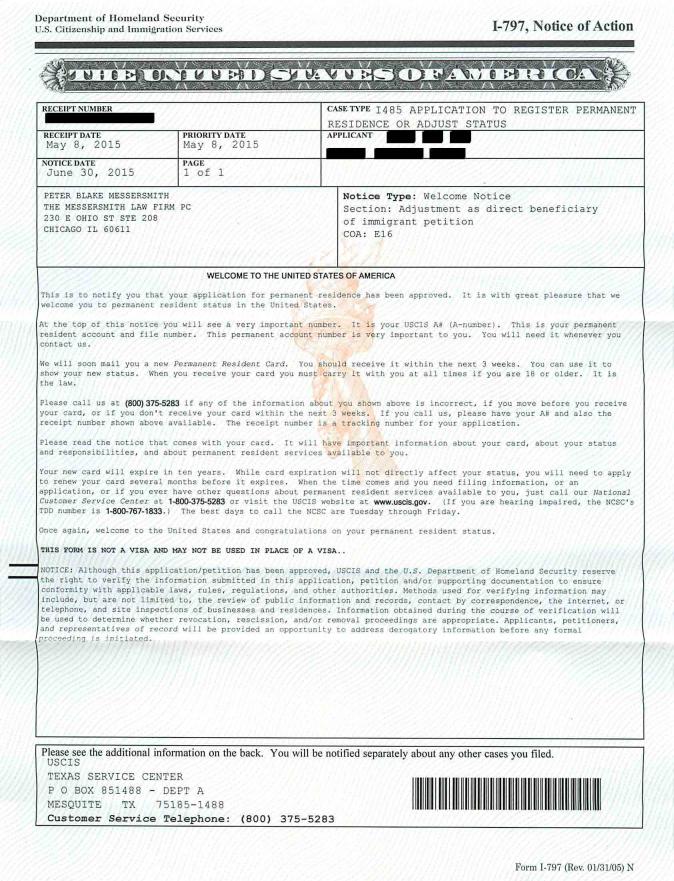
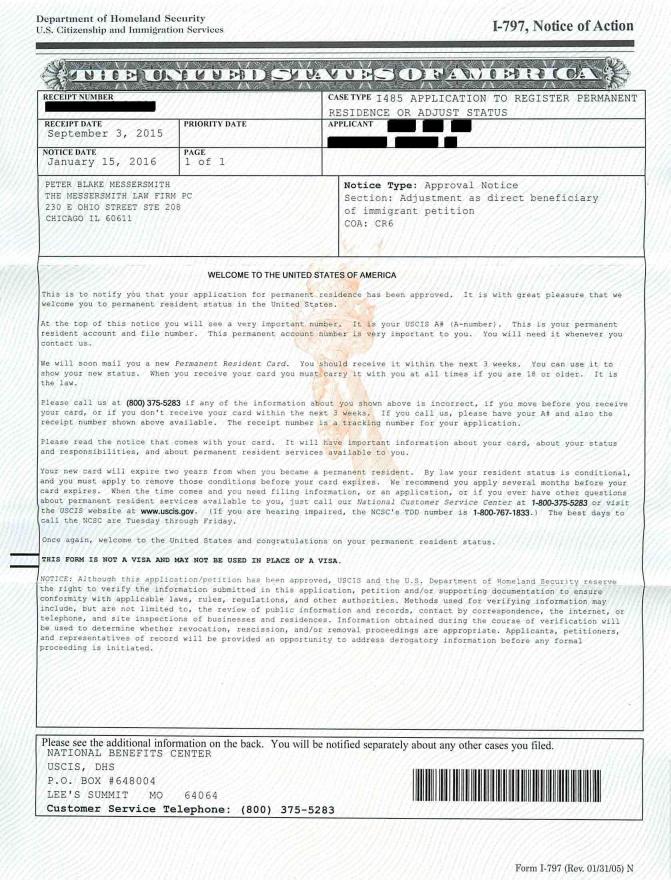
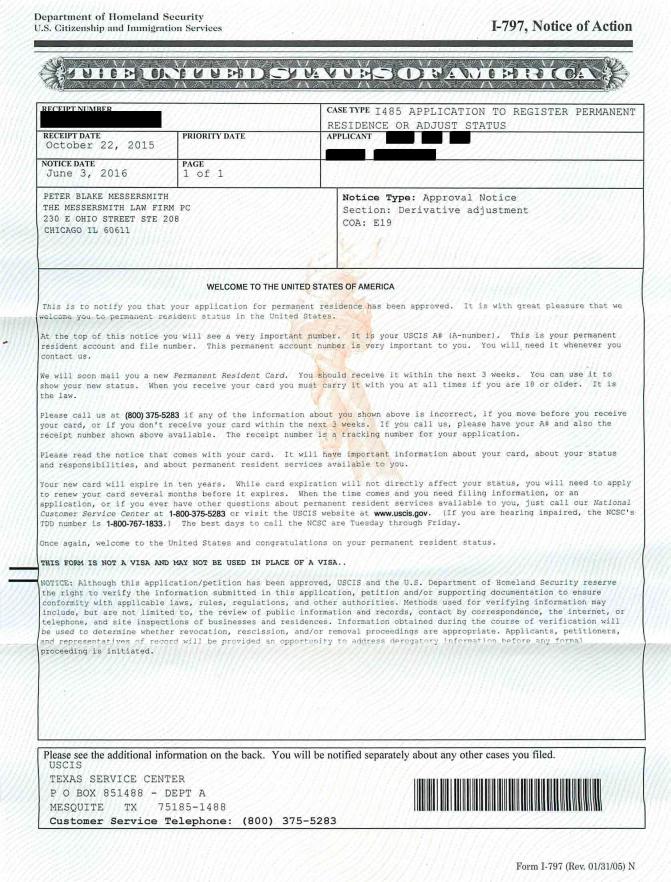
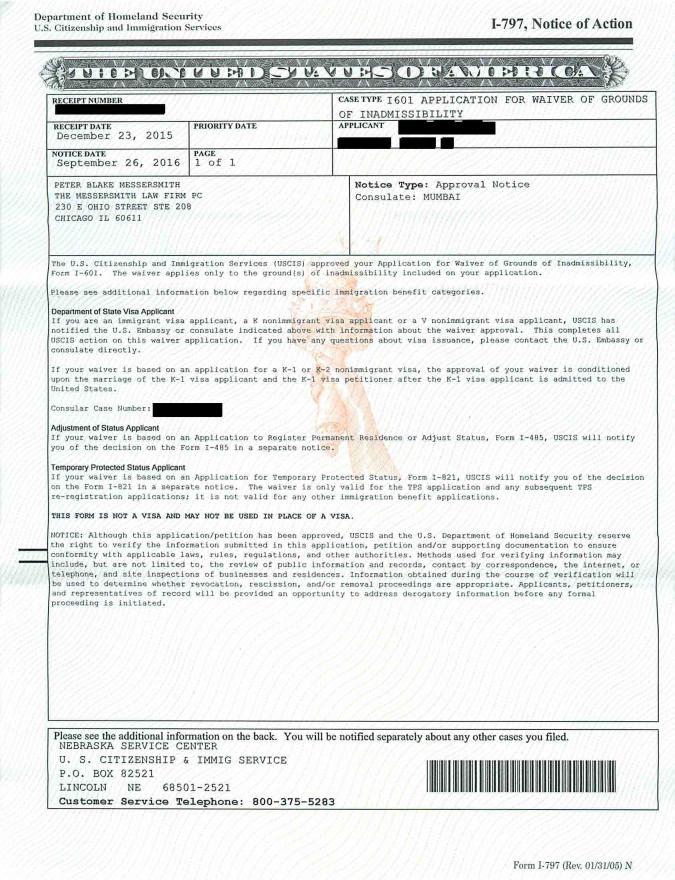
People often inquire about this issue as INA 212a6Cii, 212a6Cii, or Section 212a6Cii. These are shorthand references to INA § 212(a)(6)(C)(ii), which can make a person inadmissible for a false claim to U.S. citizenship made for any purpose or benefit under federal or state law.

INA 212a6Cii (INA 212(a)(6)(C)(ii)) — False Claim to U.S. Citizenship
212(a)(6)(C)(ii) False Claim to US Citizenship

What is a ground of inadmissibility?
In order for a foreign national to be admitted to the United States, he or she must be admissible. A foreign national can be deemed inadmissible to the United States by USCIS, CBP and a Consulate. If the foreign national is deemed inadmissible to the United States, he or she cannot enter without a waiver of inadmissibility or a determination that the inadmissibility charge was made in error.

212(a)(6)(C)(ii) Inadmissibility due to False Claim to US Citizenship
Foreign nationals may be inadmissible if he or she made a falsely represented that he or she is a US Citizen.
Any alien who falsely represents, or has falsely represented, himself or herself to be a citizen of the United States for any purpose or benefit under this Act or any other Federal or State law is inadmissible.
This section shall not apply to an alien making a representation, if each natural parent of the alien (or, in the case of an adopted alien, each adoptive parent of the alien) is or was a citizen (whether by birth or naturalization), the alien permanently resided in the United States prior to attaining the age of 16, and the alien reasonably believed at the time of making such representation that he or she was a citizen, the alien shall not be considered to be inadmissible under any provision of this subsection based on such representation.

How to obtain a determination that the 212(a)(6)(C)(ii) ground of inadmissibility was incorrectly made.
No matter which US government agency made the inadmissibility determination, each provides a method to dispute the determination, though each has drastically different processing times. We have achieved successful outcomes by petitioning the US Department of State where the determination was made by the Consulate in as little as 2 weeks. CBP quotes turnaround times of as little as 30 days and USCIS will not offer a time frame. In our experience, the more difficult the situation, the longer it will take to get resolved.
Waivers and exceptions for INA 212a6Cii
INA 212a6Cii is a false-claim-to-U.S.-citizenship ground that often has no general waiver. The main paths forward are (1) proving the finding was incorrect (no false claim, no “purpose or benefit,” or insufficient evidence) and (2) fitting the narrow statutory exception (parents were U.S. citizens, U.S. residence before age 16, and reasonable belief of citizenship at the time).
Common examples of “212a6Cii” false claim to U.S. citizenship findings
INA 212a6Cii issues often come up when someone is alleged to have claimed U.S. citizenship to obtain a benefit under federal or state law. Common fact patterns include:
- Completing Form I-9 for employment and checking the “U.S. citizen” box (or an employer record reflecting a citizenship claim)
- Voter registration where the person selected “U.S. citizen” (including DMV or other agency registration workflows)
- Voting in a federal, state, or local election as a noncitizen
- Applying for a U.S. passport (or presenting a passport application/renewal that implies U.S. citizenship)
- Claiming U.S. citizenship to a CBP officer at a port of entry or during secondary inspection
- Claiming U.S. citizenship on a DS-160/DS-260 or in a visa interview (including answering “yes” to citizenship questions)
- Claiming U.S. citizenship to obtain a driver’s license, state ID, or other state benefit where citizenship status is requested
- Using another person’s U.S. birth certificate, U.S. passport, or other citizenship document as one’s own
- Signing a form or affidavit stating “U.S. citizen” to obtain a benefit (school tuition classification, certain jobs, or other programs)
- Social Security / benefits applications where the record reflects a citizenship claim
These cases are highly fact-specific. The strongest analysis focuses on what exactly was said or checked, whether it was tied to a “purpose or benefit” under law, and whether the evidence supports that a U.S. citizenship claim was actually made.
I-9 false claim to U.S. citizenship (employment)
One of the most common 212a6Cii scenarios is an employment I-9 where a person checked “U.S. citizen” (or where an employer record reflects a citizenship claim). Because INA 212(a)(6)(C)(ii) requires that the claim be made for a “purpose or benefit” under federal or state law, the employment context is frequently analyzed as meeting that requirement.
These cases are highly record-driven. The key questions are what was actually checked or stated, whether the record reliably shows a U.S. citizenship claim, and whether the claim was tied to obtaining employment or another legal benefit. Where the evidence is unclear or the record is wrong, the strategy often starts with identifying and correcting the source document(s) and building a clean timeline.
Voter registration / voting as a noncitizen (false claim to U.S. citizenship)
A common 212a6Cii scenario involves voter registration or voting where the record reflects a U.S. citizenship claim. This can arise when someone registers to vote through a DMV workflow, a voter registration form, or another process that asks the applicant to attest to U.S. citizenship.
These cases are highly fact-specific and often turn on what the person actually selected or signed, what the underlying record shows, and whether the citizenship claim was made to obtain a “purpose or benefit” under federal or state law. The strongest approach is usually to gather the actual registration record (and any related correspondence), build a clean timeline, and address any inaccuracies or misunderstandings in the file directly.
Frequently asked questions about INA 212a6Cii (212(a)(6)(C)(ii))
What is INA 212a6Cii?
INA 212a6Cii (INA 212(a)(6)(C)(ii)) is the inadmissibility ground for a false claim to U.S. citizenship made for any purpose or benefit under federal or state law.
Is 212a6Cii a lifetime ban?
It is often treated as permanent because it does not automatically expire with time. Whether there is any path forward depends on the facts, the evidence, and whether the person fits a narrow statutory exception or can show the finding was incorrect.
What counts as a “false claim to U.S. citizenship” under Section 212a6Cii?
It can include oral or written claims of U.S. citizenship (or checking “U.S. citizen” on a form) when tied to a purpose or benefit under federal or state law. The exact statement, context, and records matter.
Does an honest mistake trigger 212a6Cii?
Not every mistake should result in a 212a6Cii finding. The analysis often focuses on what was actually claimed, whether it was false, whether it was connected to a purpose or benefit under law, and whether the evidence supports the conclusion.
What is the statutory exception to INA 212(a)(6)(C)(ii)?
There is a narrow statutory exception that may apply in limited situations, including where the person’s parents were U.S. citizens, the person permanently resided in the U.S. before age 16, and the person reasonably believed they were a U.S. citizen at the time of the claim.
What’s the difference between 212a6Ci and 212a6Cii?
212a6Ci involves fraud or willful misrepresentation of a material fact to obtain an immigration benefit. 212a6Cii involves a false claim to U.S. citizenship and is treated differently. Learn more at: https://messersmithlaw.com/ina-212a6ci/
News Related to INA § 212(a)(6)(C)(ii)
| Date | Title | Details | ||
|---|---|---|---|---|
| January 24, 2025 | USCIS Policy Manual | The Department of State's FAM offers guidance to consular officers on determining visa ineligibilities due to falsely claiming U.S. citizenship. | ||
| May 31, 2024 | Department of State's Foreign Affairs Manual (FAM) | U.S. Citizenship and Immigration Services (USCIS) updated its Policy Manual to provide detailed guidance on falsely claiming U.S. citizenship. |