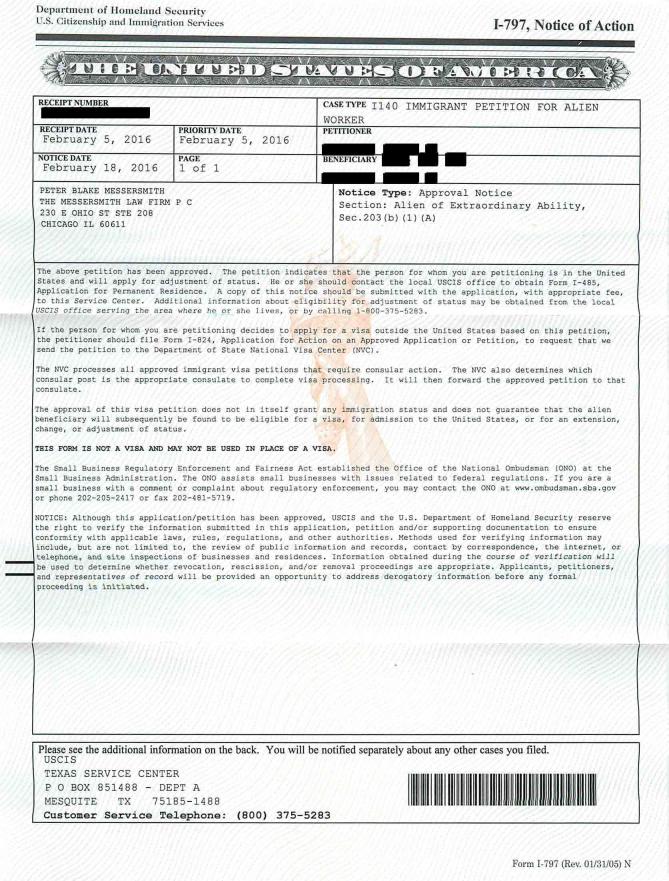
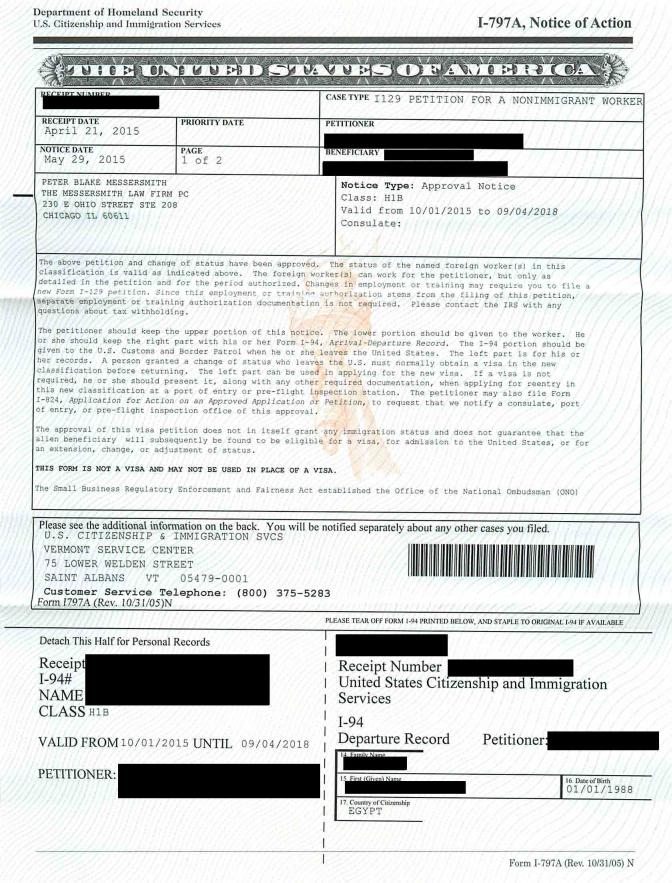
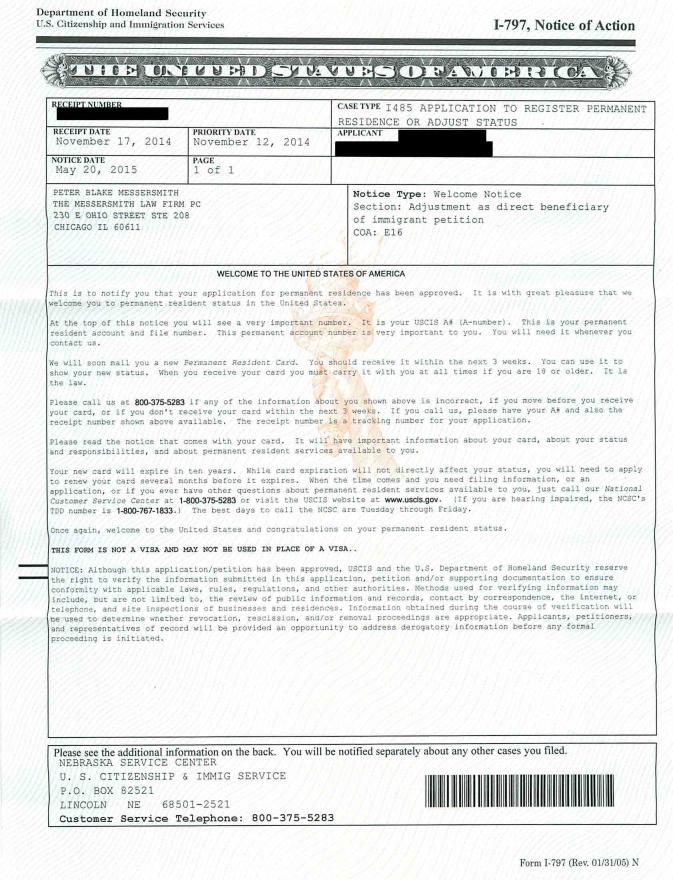
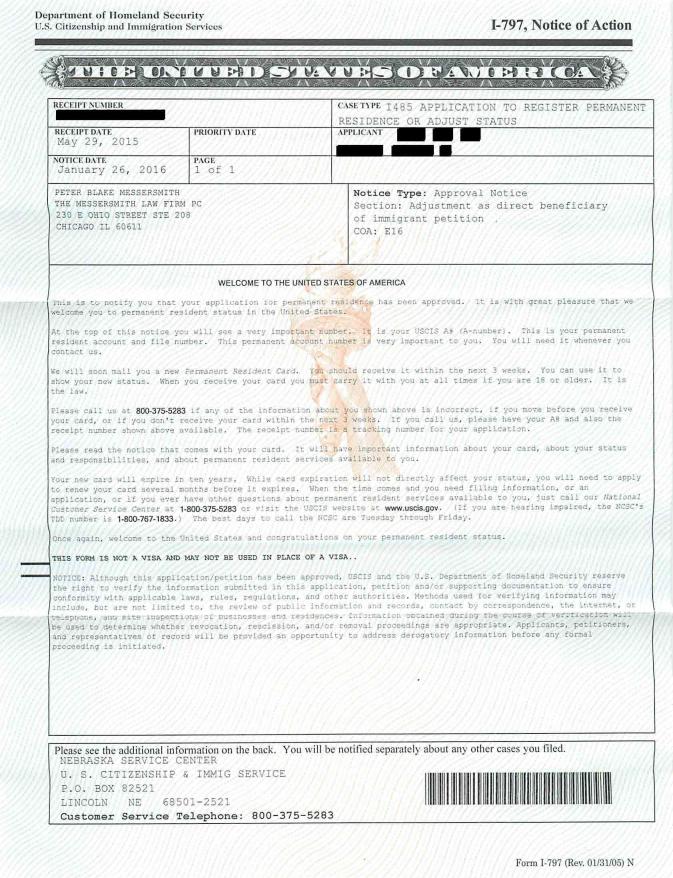
People often inquire about this issue as INA 212a6F, 212a6F, Section 212a6F, or 274C civil penalty. These are shorthand references to INA § 212(a)(6)(F), which can make a person inadmissible if the person is the subject of a final order for a civil penalty under INA 274C for document fraud.

INA 212a6F (INA 212(a)(6)(F)) — 274C Civil Penalty (Document Fraud) Inadmissibility
INA 212a6F (INA 212(a)(6)(F)) — 274C Civil Penalty (Document Fraud) Inadmissibility

What is a ground of inadmissibility?
In order for a foreign national to be admitted to the United States, he or she must be admissible. A foreign national can be deemed inadmissible to the United States by USCIS, CBP and a Consulate. If the foreign national is deemed inadmissible to the United States, he or she cannot enter without a waiver of inadmissibility or a determination that the inadmissibility charge was made in error.

212(a)(6)(F) Inadmissibility due to Civil Penalty under INA 274C
Foreign nationals may be inadmissible if he or she is subject to a final order for violation of 274C (civil penalties for document fraud).
An alien who is the subject of a final order for violation of section 274C is inadmissible.

How to obtain a determination that the 212(a)(6)(F) ground of inadmissibility was incorrectly made.
No matter which US government agency made the inadmissibility determination, each provides a method to dispute the determination, though each has drastically different processing times. We have achieved successful outcomes by petitioning the US Department of State where the determination was made by the Consulate in as little as 2 weeks. CBP quotes turnaround times of as little as 30 days and USCIS will not offer a time frame. In our experience, the more difficult the situation, the longer it will take to get resolved.
How INA 274C civil penalties happen (and why it triggers INA 212a6F)
INA 212a6F is tied to a “final order” imposing a civil penalty under INA 274C. In practice, these cases often follow an administrative process that may include:
- A notice or allegation that document fraud occurred (for example, use, creation, or provision of certain false documents)
- An opportunity to respond through the administrative process
- A final order imposing a civil penalty under INA 274C
Because INA 212a6F is triggered by the existence of a final order (not just an allegation), the key first step is to confirm what order exists, what it says, and whether it is final.
Frequently asked questions about INA 212a6F (212(a)(6)(F)) and INA 274C
What is INA 212a6F?
INA 212a6F (INA 212(a)(6)(F)) is the inadmissibility ground tied to a final order imposing a civil penalty under INA 274C for document fraud.
What is an INA 274C civil penalty?
INA 274C is a civil penalty framework related to document fraud allegations handled through an administrative process. INA 212a6F focuses on whether there is a final order imposing a civil penalty.
Does INA 212(a)(6)(F) require a criminal conviction?
No. This ground is tied to a civil penalty final order under INA 274C, not necessarily a criminal conviction.
What is the difference between a 274C allegation and a final order?
A final order is an official administrative determination imposing a civil penalty. An allegation or notice is not the same as a final order. Because INA 212a6F is triggered by a final order, confirming whether an order is final is a key step.
How do INA 212a6F issues come up in immigration cases?
They often arise when USCIS, a consulate, or CBP identifies a record showing a final 274C civil penalty order and treats it as an inadmissibility issue under INA 212a6F.
What is the first step if you think 212(a)(6)(F) applies?
Obtain and review the underlying 274C records and confirm what order exists, what it says, and whether it is final, then determine the appropriate strategy based on the facts and posture.
News Related to INA § 212(a)(6)(F)
| Date | Title | Details | ||
|---|---|---|---|---|
| January 24, 2025 | USCIS Policy Manual | U.S. Citizenship and Immigration Services (USCIS) updated its Policy Manual to provide detailed guidance on individuals who are subject to a final order for violating section 274C of the Immigration and Nationality Act (INA), which pertains to civil penalties for document fraud. | ||
| May 31, 2024 | Department of State's Foreign Affairs Manual (FAM) | The Department of State's FAM offers guidance to consular officers on individuals who are subject to a final order for violating section 274C of the Immigration and Nationality Act (INA), which pertains to civil penalties for document fraud. |