People often search for this issue as INA 212(f), 212(f), Section 212(f), 212(f) travel ban, presidential proclamation, or 212(f) waiver. INA 212(f) gives the President authority to suspend or restrict the entry of foreign nationals by proclamation when their entry is determined to be detrimental to the interests of the United States, and many modern “travel ban” policies are implemented through 212(f) proclamations.

INA 212(f) (Travel Ban / Presidential Proclamation) — Entry Suspension and Waivers
INA 212(f) (Travel Ban / Presidential Proclamation) — Entry Suspension and Waivers

What is a ground of inadmissibility?
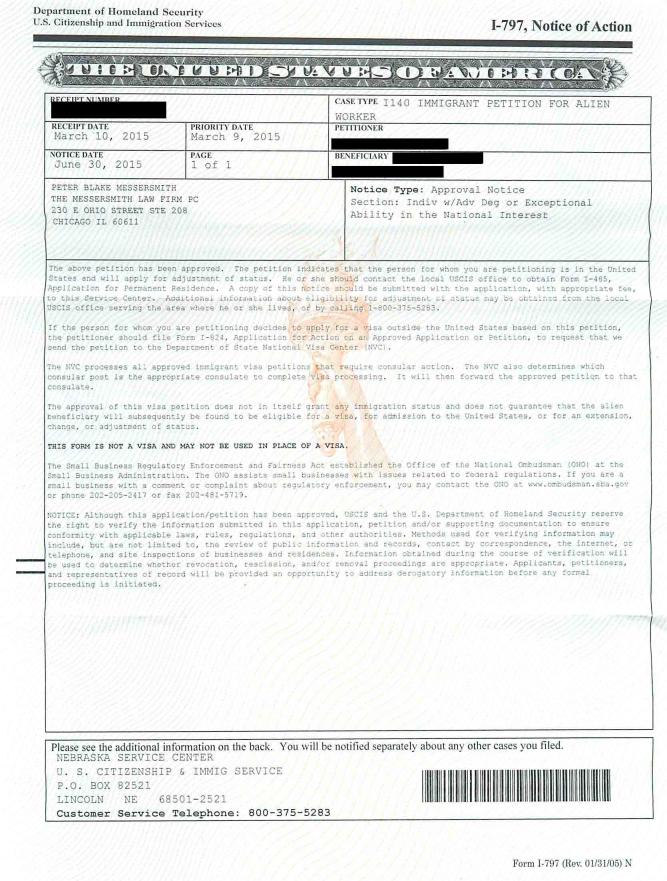
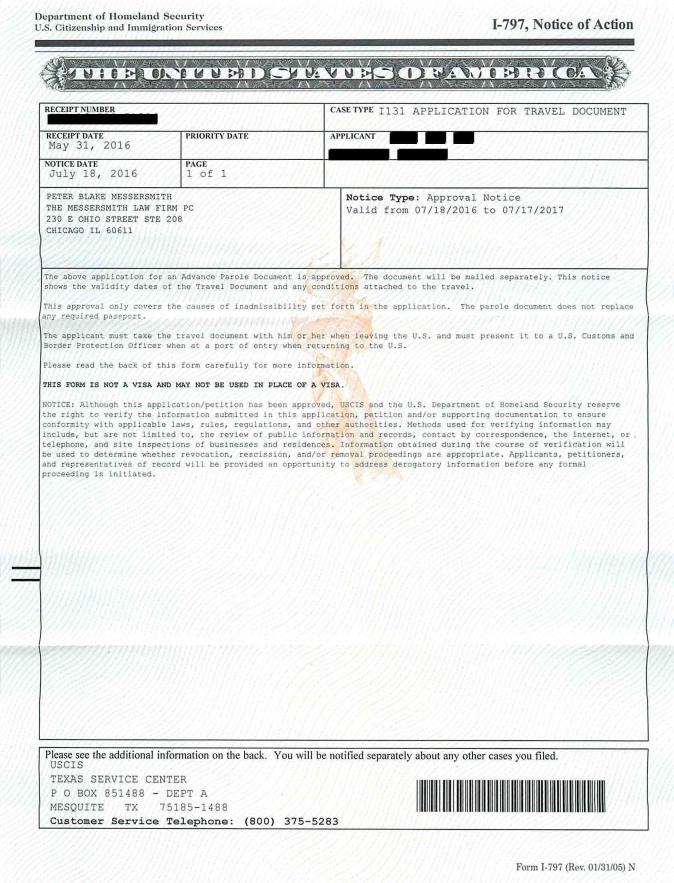
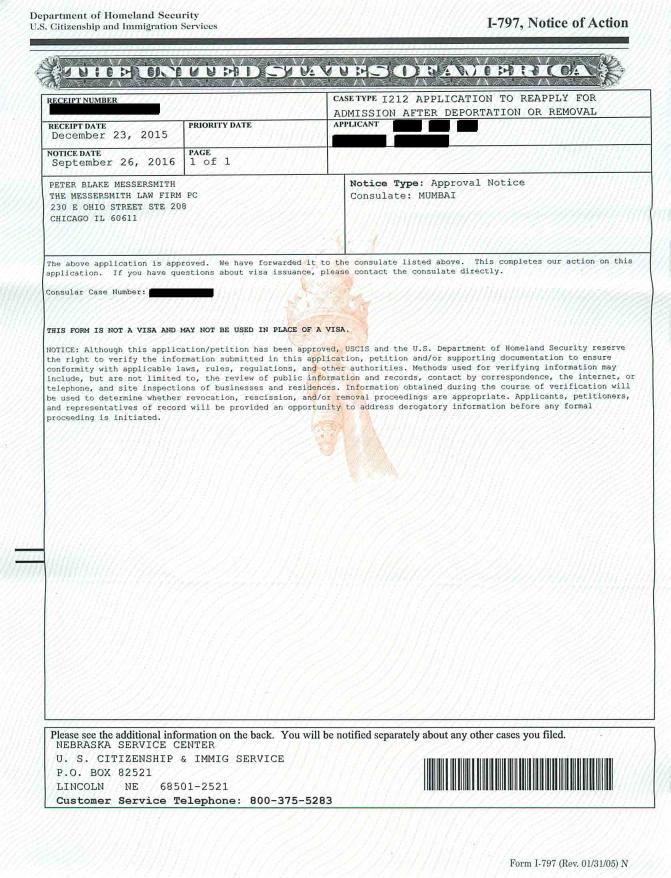
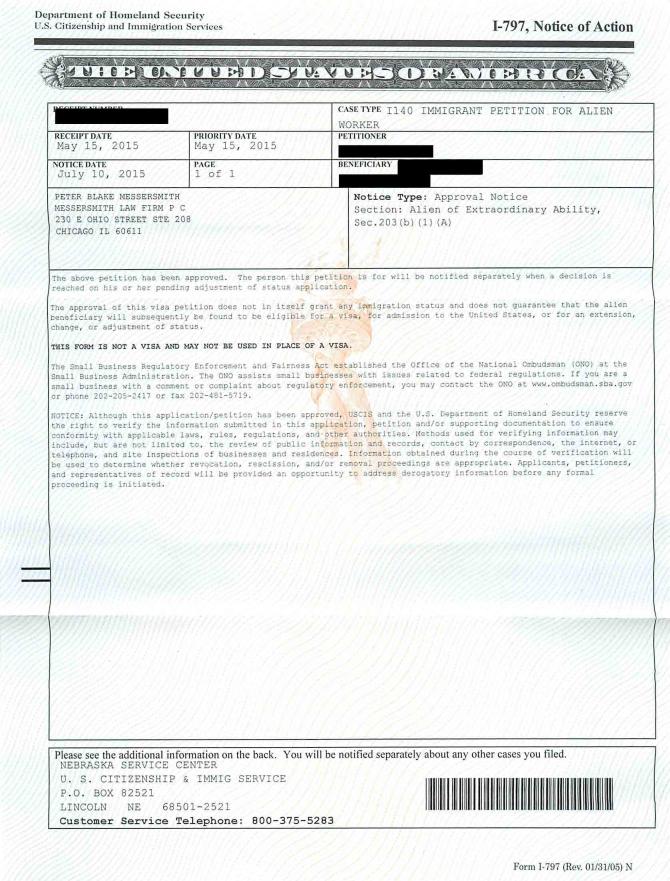
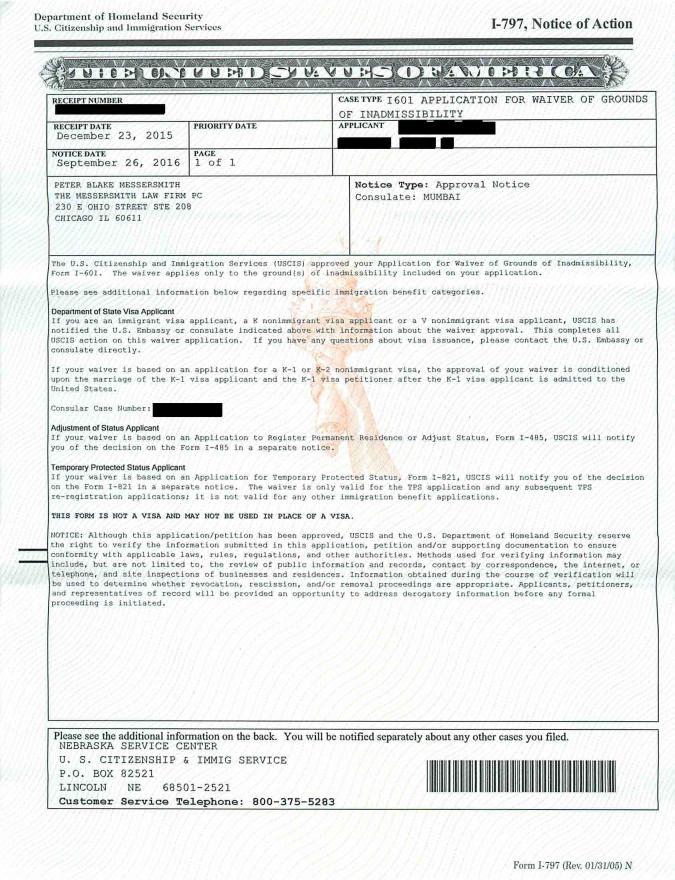
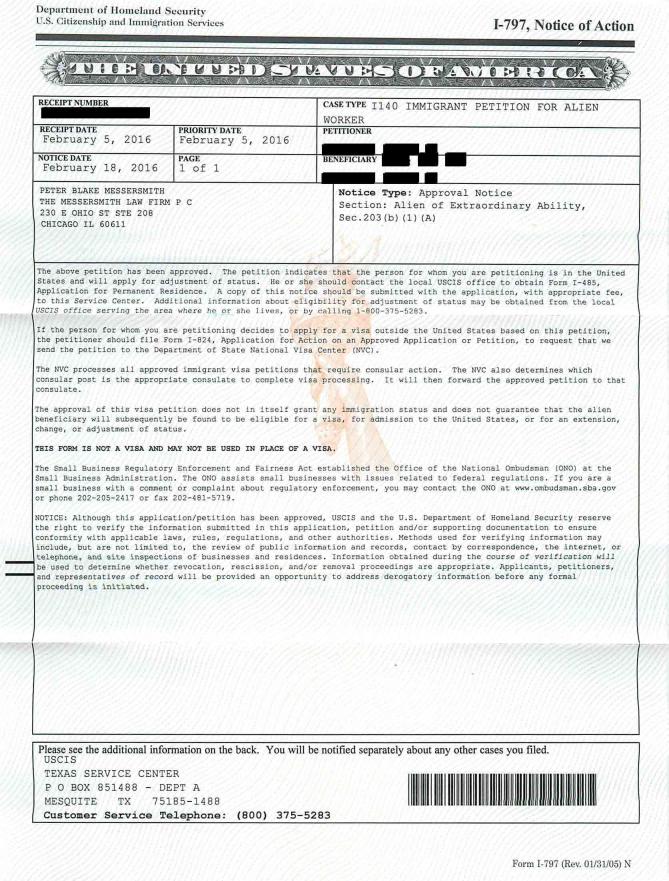
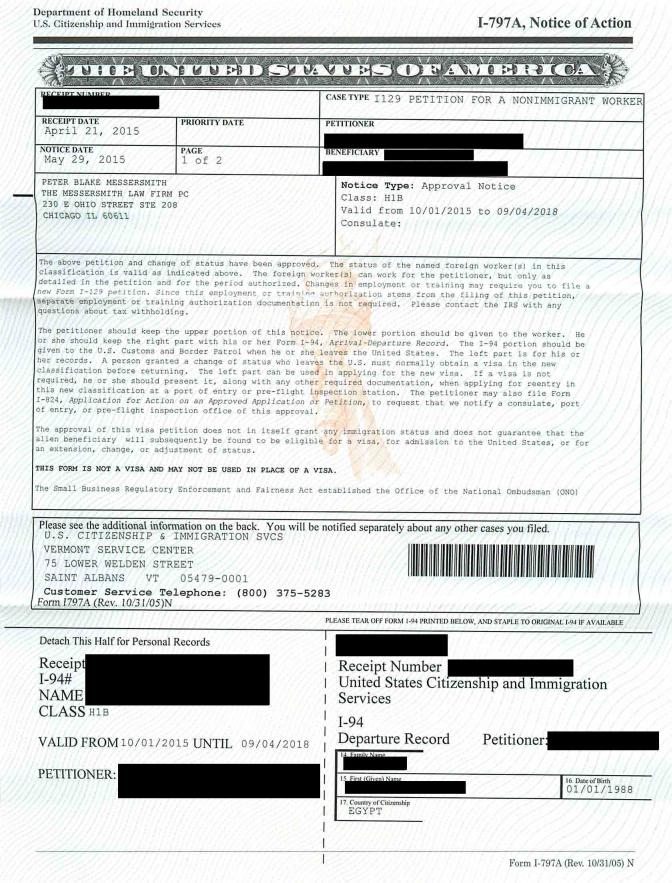
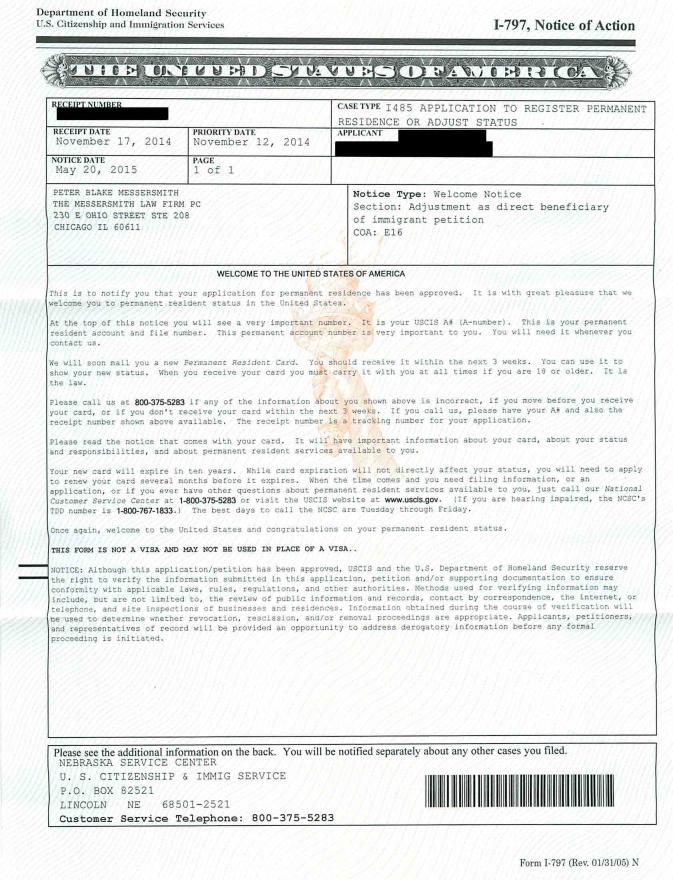
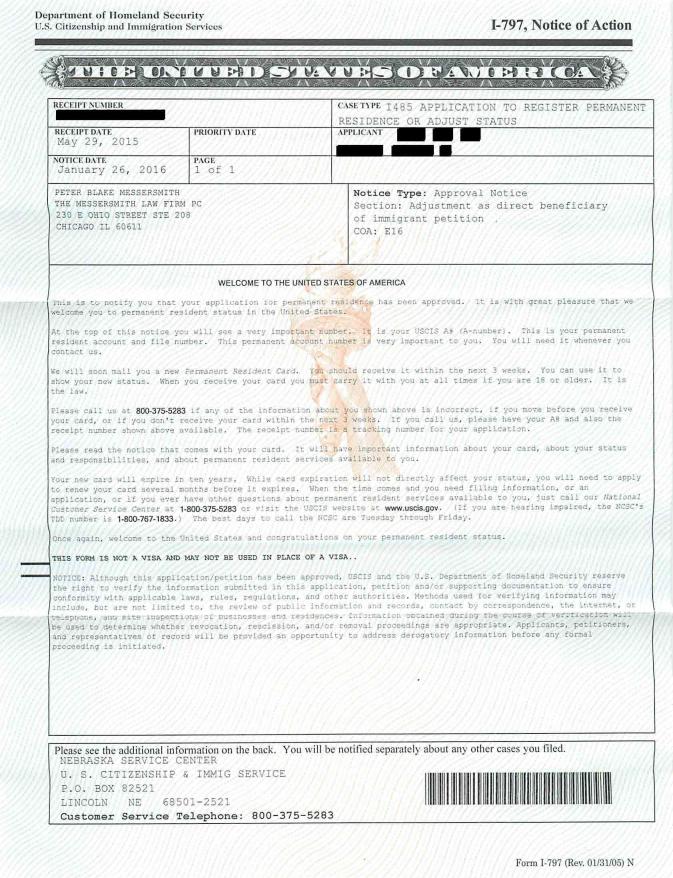
In order for a foreign national to be admitted to the United States, he or she must be admissible. A foreign national can be deemed inadmissible to the United States by USCIS, CBP and a Consulate. If the foreign national is deemed inadmissible to the United States, he or she cannot enter without a waiver of inadmissibility or a determination that the inadmissibility charge was made in error.

212(f) Inadmissibility due to Individual Who is Detrimental to US Interests
212(f) allows the President to prohibit entry into the US of any foreign national he deems would be detrimental to US interests.
Whenever the President finds that the entry of any aliens or of any class of aliens into the United States would be detrimental to the interests of the United States, he may by proclamation, and for such period as he shall deem necessary, suspend the entry of all aliens or any class of aliens as immigrants or nonimmigrants, or impose on the entry of aliens any restrictions he may deem to be appropriate. Whenever the Attorney General finds that a commercial airline has failed to comply with regulations of the Attorney General relating to requirements of airlines for the detection of fraudulent documents used by passengers traveling to the United States (including the training of personnel in such detection), the Attorney General may suspend the entry of some or all aliens transported to the United States by such airline.

How to obtain a determination that the 212(f) ground of inadmissibility was incorrectly made.
No matter which US government agency made the inadmissibility determination, each provides a method to dispute the determination, though each has drastically different processing times. We have achieved successful outcomes by petitioning the US Department of State where the determination was made by the Consulate in as little as 2 weeks. CBP quotes turnaround times of as little as 30 days and USCIS will not offer a time frame. In our experience, the more difficult the situation, the longer it will take to get resolved.
Major INA 212(f) presidential proclamations (travel bans and entry suspensions)
INA 212(f) is most often encountered through presidential proclamations that suspend or limit entry (and, as a practical matter, often lead to visa issuance restrictions).
Key modern proclamations and implementations include:
- Proclamation 10998 (Dec 16, 2025) — “Restricting and Limiting the Entry of Foreign Nationals to Protect the Security of the United States.” Effective January 1, 2026, the Department of State announced visa issuance was fully suspended for nationals of 19 countries (and for individuals traveling on travel documents issued or endorsed by the Palestinian Authority), and partially suspended for nationals of 19 additional countries for certain visa categories, with limited exceptions.
- Proclamation 10949 (Jun 4, 2025) — “Restricting the Entry of Foreign Nationals to Protect the United States From Foreign Terrorists and Other National Security and Public Safety Threats.” The Department of State also issued implementation guidance about full/partial suspension of entry/visa issuance for nationals of certain countries.
- Trump v. Hawaii (2018) — Supreme Court decision upholding a 212(f) travel-ban proclamation (Proclamation 9645) as within the President’s statutory authority. This case is frequently cited in modern 212(f) litigation and policy discussions.
Because proclamation rules change over time, the first step in any 212(f) case is identifying the exact proclamation being applied, the effective dates, the nationality/document category involved, and any listed exceptions or waiver pathways.
Common examples of INA 212(f) travel ban / proclamation issues
INA 212(f) issues most often show up when a visa is refused or entry is denied based on a presidential proclamation that suspends or limits entry for certain foreign nationals. Common real-world scenarios include:
- A consular officer refuses an immigrant or nonimmigrant visa and cites a presidential proclamation under INA 212(f)
- A case is placed into administrative processing while the consulate applies proclamation rules, exceptions, or waiver guidance
- A person is eligible for a visa category on paper, but the proclamation restricts entry or visa issuance for the person’s nationality (or travel document category)
- Confusion about whether the proclamation applies to the traveler’s visa type, purpose of travel, or travel document
- “Country list” or “category” issues where the traveler’s nationality, dual nationality, or travel document causes different treatment under the proclamation
- Attempting to travel with a visa already issued, but entry is restricted under the proclamation and CBP applies the entry suspension at the port of entry
- Family-based immigrant cases delayed because the proclamation restricts certain immigrant visa issuance, even when the underlying petition is approved
- Waiver or exception questions, including whether the person fits an exception category or whether a discretionary waiver request can be made
Because proclamations change and are applied differently depending on the category, the key first step is identifying the exact proclamation being applied, the effective date, the specific restriction (full vs partial), and whether an exception or waiver path is available.
212(f) waivers and exceptions (how waivers are evaluated)
Most 212(f) proclamations include (1) defined exceptions (categories of people the proclamation does not apply to), and (2) a discretionary waiver process in limited circumstances. Whether an exception or waiver is available depends on the specific proclamation and the person’s facts.
In practice, strong waiver requests typically focus on:
- Identifying the exact proclamation and the exact clause that allows exceptions/waiversExplaining why the person qualifies for an exception (if applicable), with clean supporting documentation
- If requesting a discretionary waiver, clearly explaining the purpose of travel, the humanitarian or public-interest factors, and why granting entry would not undermine the proclamation’s stated goals
- Providing a concise, consistent timeline and documentary support (family ties, medical documentation, urgent needs, employment/public-interest support letters where relevant)
Because 212(f) waivers are highly discretionary and proclamation-specific, the most important first step is confirming which proclamation is being applied and whether the case fits an exception category before preparing a waiver request.
Frequently asked questions about INA 212(f) travel bans and waivers
What is INA 212(f)?
INA 212(f) is a provision that allows the President to suspend or restrict entry of foreign nationals by proclamation when their entry is determined to be detrimental to the interests of the United States.
What is a 212(f) travel ban?
A “212(f) travel ban” is a presidential proclamation that restricts entry (and often visa issuance) for certain categories of foreign nationals, commonly based on nationality, travel document type, or other criteria.
Why was my visa refused under 212(f)?
A 212(f) refusal usually means a proclamation restriction was applied to the applicant’s category. The next step is identifying the specific proclamation and whether an exception or waiver is available.
Is 212(f) a lifetime ban?
Not necessarily. Many 212(f) proclamations are time-limited, can be amended, or can change. The applicable rules depend on the proclamation in effect and the applicant’s category.
What is a 212(f) waiver?
Many proclamations allow discretionary waivers in limited circumstances. Waivers are proclamation-specific and highly fact-dependent.
What evidence helps a 212(f) waiver request?
Clear proof of eligibility for an exception (if applicable), strong humanitarian/public-interest documentation (if seeking a waiver), and a clean timeline with consistent supporting records can help.
Do 212(f) proclamations apply at the consulate or at the airport?
They can be applied at both. Consulates often apply proclamation restrictions during visa adjudication, and CBP can apply entry suspensions at the port of entry.
How do I find out which proclamation applies to my case?
The refusal sheet or consular notes may reference the proclamation. If not, the case can often be narrowed by the timing, nationality/document category, and the consulate’s implementation guidance.
Can a person with an approved immigrant petition still be blocked by 212(f)?
Yes. Approval of an immigrant petition does not guarantee visa issuance if a 212(f) proclamation restricts issuance or entry for the applicant’s category.
Does 212(f) override the Immigration and Nationality Act?
212(f) is part of the INA. Its scope and limits have been litigated, and modern travel-ban proclamations often cite 212(f) as the authority for entry suspensions.
News Related to INA § 212(f)
| Date | Title | Details | ||
|---|---|---|---|---|
| January 1, 2026 | State Department implementation of Proclamation 10998 | Suspension of Visa Issuance to Foreign Nationals to Protect the Security of the United States | ||
| December 15, 2025 | Proclamation 10998 | RESTRICTING AND LIMITING THE ENTRY OF FOREIGN NATIONALS TO PROTECT THE SECURITY OF THE UNITED STATES | ||
| June 4, 2025 | Proclamation 10949 | RESTRICTING THE ENTRY OF FOREIGN NATIONALS TO PROTECT THE UNITED STATES FROM FOREIGN TERRORISTS AND OTHER NATIONAL SECURITY AND PUBLIC SAFETY THREATS | ||
| February 5, 2025 | Department of State's Foreign Affairs Manual (FAM) | For a comprehensive understanding of INA § 212(f) and its applications, you can refer to the U.S. Department of State's Foreign Affairs Manual, specifically 9 FAM 302.14, which provides guidance on ineligibility based on sanctioned activities. | ||
| January 24, 2025 | USCIS Policy Manual | he U.S. Citizenship and Immigration Services (USCIS) Policy Manual serves as the agency's centralized repository for immigration policies and procedures. It provides comprehensive guidance on various aspects of U.S. immigration law, including grounds of inadmissibility under INA § 212(f). | ||
| June 26, 2018 | Trump v. Hawaii | Supreme Court opinion discussing Proclamation 9645 and 212(f) authority). |