Naturalization (Form N-400) — Apply for U.S. Citizenship

Naturalization (Form N-400) — Apply for U.S. Citizenship

Naturalization (Form N-400) — Apply for U.S. Citizenship

People often search for this issue as naturalization, apply for U.S. citizenship, Form N-400, or N-400 application. Naturalization is the process of becoming a U.S. citizen after holding a green card and meeting eligibility requirements such as continuous residence, physical presence, and good moral character, followed by the citizenship interview and test and the oath ceremony.

Naturalization is the process of becoming a U.S. citizen through Form N-400. People often search for help because they are worried about delays or denials based on travel outside the United States (including long trips), continuous residence or physical presence issues, prior arrests or charges (including DUI), taxes and IRS payment plans, selective service registration, past immigration violations, prior removal or deportation history, prior misrepresentation, or problems in a prior green card case. Others are concerned about the citizenship interview and test, English or civics exemptions, name changes, missing documents, and whether filing could trigger questions about good moral character. If any of these issues apply, the best approach is to identify the risk early, build a clean timeline, and submit a complete N-400 package that addresses the concern directly.

Naturalization Details

Naturalization is the process where an alien becomes a US citizen. In order for an individual to go through the naturalization process, the alien has to meet certain requirements.

An individual can become a US citizen in the following situations:

  • A permanent resident who has lived in the US for five years;
  • Spouses of US citizens who have lived in the US as a permanent resident for three years;
  • Asylees who have lived in the US as permanent residents for four years; and
  • Permanent residents with three years of US military service.

For Whom Is Naturalization Appropriate?

Foreign nationals living in the US as lawful permanent residents for the statutory time period.

Naturalization Requirements

With some exceptions, naturalization applicants must meet the following requirements:

  • Applicants must be at least 18 years old;
  • An applicant must have been lawfully admitted to the United States for permanent residence;
  • Generally, an applicant must show that he or she has been a person of good moral character for the statutory period;
  • An applicant must show that he or she is attached to the principles of the Constitution of the United States;
  • Applicants for naturalization must be able to read, write, speak, and understand words in ordinary usage in the English language;
  • An applicant for naturalization must demonstrate a knowledge and understanding of the fundamentals of the history and of the principles and form of government of the United States; and
  • An applicant must take the oath of allegiance.

Naturalization requirements (3-year rule vs 5-year rule)

Most naturalization applicants qualify under either the 5-year rule (based on five years as a lawful permanent resident) or the 3-year rule (based on marriage to and living with a U.S. citizen spouse and meeting additional requirements).

Common eligibility requirements include:

  • Continuous residence in the United States for the required period
  • Physical presence in the United States for the required period
  • Good moral character during the statutory period
  • Ability to read, write, and speak basic English (unless an exemption applies)
  • Passing the civics test (unless an exemption applies)

Because eligibility is timeline-driven, the first step is usually confirming the correct rule (3-year vs 5-year) and building a clean travel and residence timeline.

Naturalization interview, citizenship test, and oath ceremony

Most N-400 cases involve a USCIS interview where the officer reviews the application, verifies identity and eligibility, and administers the English and civics tests (unless an exemption applies). Many denials and delays come from incomplete documentation, travel/residence issues, or “good moral character” concerns that are not addressed clearly in the filing.

If the case is approved, the final step is the oath ceremony where the applicant becomes a U.S. citizen. Some applicants receive a same-day oath or a scheduled ceremony date depending on the field office and case posture.

Frequently asked questions about naturalization (Form N-400)

What is naturalization?

Naturalization is the process of becoming a U.S. citizen after meeting eligibility requirements as a lawful permanent resident and completing the N-400 interview, test, and oath ceremony.

What is Form N-400?

Form N-400 is the USCIS application used to apply for U.S. citizenship through naturalization.

What is the difference between the 3-year rule and the 5-year rule?

Many applicants qualify under the 5-year rule based on five years as a green card holder. Some qualify under the 3-year rule based on marriage to and living with a U.S. citizen spouse and meeting additional requirements.

What is continuous residence for naturalization?

Continuous residence is a requirement that you maintain your residence in the United States for the statutory period, and certain long trips can disrupt it.

What is physical presence for naturalization?

Physical presence is the minimum amount of time you must be physically inside the United States during the statutory period.

How can long trips outside the U.S. affect N-400?

Extended trips can raise continuous residence and physical presence issues and may lead to extra questions or evidence requests.

How long can I travel outside the U.S. and still naturalize?

The impact depends on trip length, frequency, and documentation. A travel timeline review is usually the first step.

What is good moral character (GMC)?

Good moral character is a legal standard USCIS reviews during the statutory period and sometimes beyond, depending on the issue.

Can a DUI affect naturalization?

A DUI can trigger additional review and may affect good moral character depending on the facts, history, and timing.

Can arrests or charges affect naturalization even if the case was dismissed?

Yes. USCIS often reviews arrests and charges and may require certified court dispositions even when charges were dropped.

Do I need certified court records for arrests or tickets?

For many criminal or court-related issues, USCIS expects certified dispositions and records showing the final outcome.

Can unpaid taxes affect naturalization?

Tax issues can raise good moral character concerns. Filing compliance and any payment plans should be documented carefully.
Can an IRS payment plan affect N-400?

A payment plan can be manageable if you are compliant and can document the agreement and payments.

Can failure to register for Selective Service affect naturalization?

It can, depending on age, timing, and facts. USCIS may ask for documentation and an explanation.

What if I never registered for Selective Service but I should have?

The correct approach depends on age and circumstances. Many cases require a documented explanation and supporting evidence.

Can prior immigration violations affect naturalization?

Yes. Prior status violations, misrepresentation concerns, or issues in earlier filings can lead to additional review.

Can a prior removal or deportation affect naturalization?

Yes. Removal history is a major issue and requires careful analysis of the record before filing.

Can filing N-400 trigger USCIS to review my old green card case?

Yes. USCIS can review the underlying permanent residence history and prior filings for consistency.
What if I have a past misrepresentation issue?

Misrepresentation history can be serious and should be analyzed carefully before filing, with a strategy tailored to the record.
What if I have a lot of travel and I can’t remember all dates?

USCIS expects a good-faith, accurate travel history. You can often reconstruct travel using passports, CBP/I-94 history, and other records.

Can I apply for naturalization with a pending divorce?

It depends on whether you are applying under the 3-year marriage-based rule or the 5-year rule and the timing of the divorce.

Can I apply under the 3-year rule if I am separated?

Separation can affect eligibility under the 3-year rule. The facts and timing matter.

What happens at the naturalization interview?

USCIS reviews the N-400, verifies identity and eligibility, and administers the English and civics tests unless an exemption applies.

Can I get an English or civics exemption?

Some applicants qualify for age/time-as-LPR exemptions or medical disability exemptions. Documentation requirements are strict.

What is the N-648 medical disability exemption?

N-648 is a medical certification used to request an exemption from the English and/or civics requirements based on a qualifying medical condition.

Can I request a name change through naturalization?

Often, yes. Name change handling depends on the court/field office process and may affect ceremony timing.

What if I have missing documents for my N-400?

USCIS may issue an RFE if key documents are missing. A complete, organized filing helps avoid delays.

What if USCIS issues an RFE for N-400?

An RFE requests specific evidence by a deadline. Responding with complete, well-organized documentation is critical.

What if USCIS denies my N-400?

A denial may have options depending on the reason, including administrative review in some cases. The strategy depends on the notice.

How long does naturalization take?

Processing times vary by field office and case complexity. Addressing red flags early can reduce delays.

What is the oath ceremony?

The oath ceremony is the final step where the applicant takes the Oath of Allegiance and becomes a U.S. citizen.

Top Notch Immigration Services

You will receive top notch immigration services at The Messersmith Law Firm. We guarantee personalized legal services, a high rate of success, and very reasonable fees. At The Messersmith Law Firm, you will always get more than what you pay for. While the majority of our clients are referred to our law firm, we are open to take new cases if we feel we can help you achieve your goals. We have no doubt that you will refer everyone you know to us once your case is approved! Our goal is to get your case approved in the shortest amount of time possible yet strive to keep our fees reasonable!

Thousands of Approved Cases

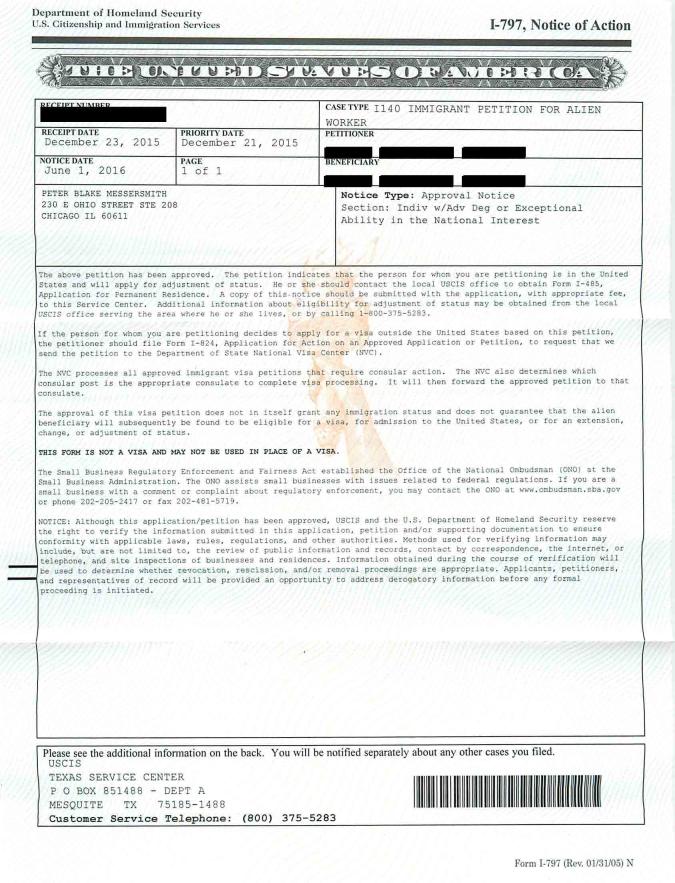
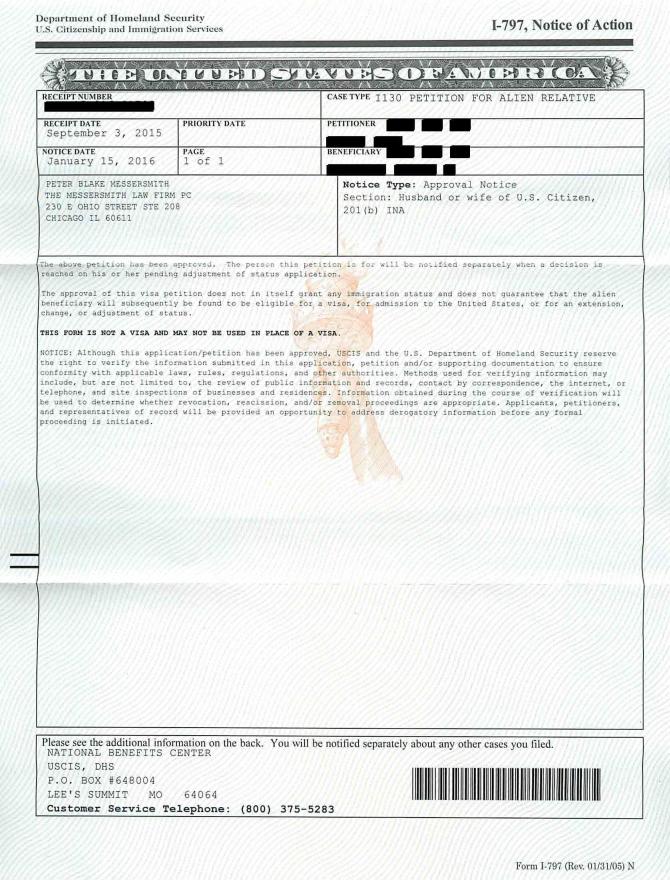
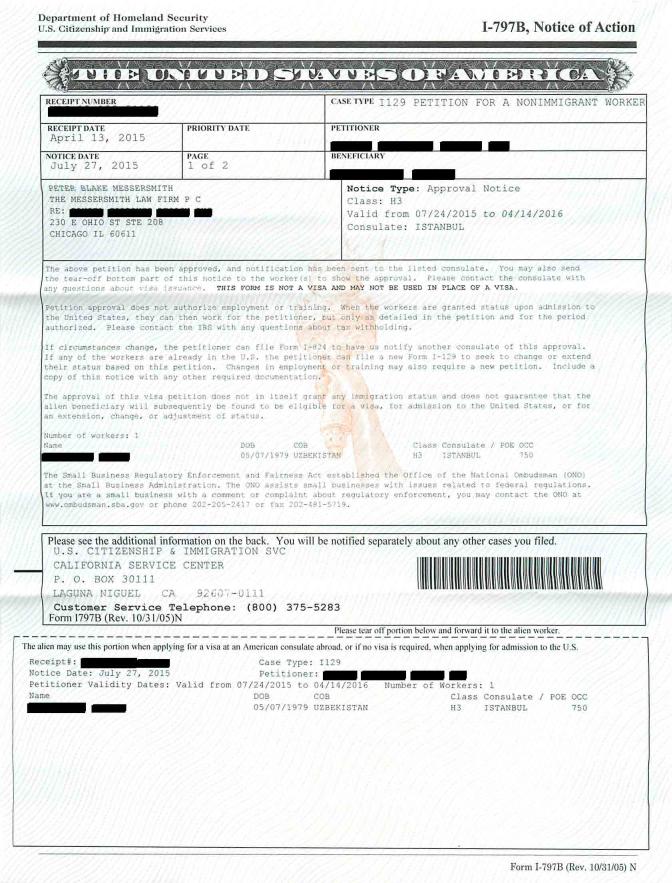
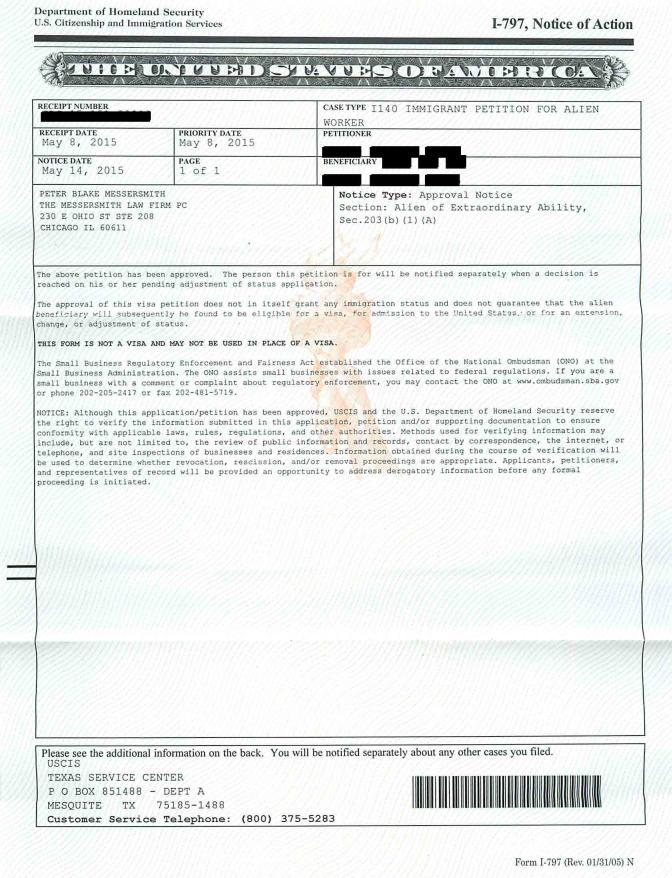
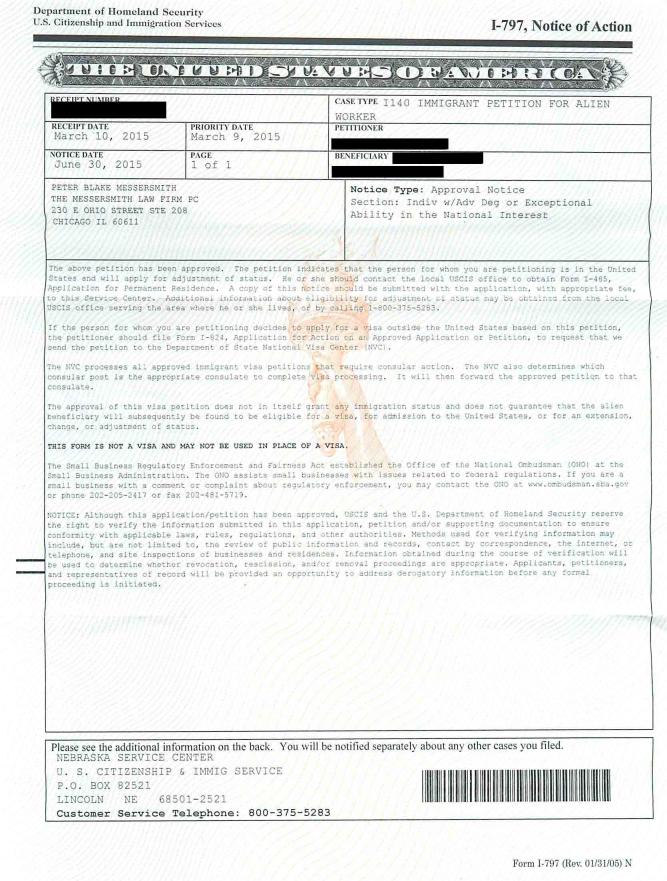
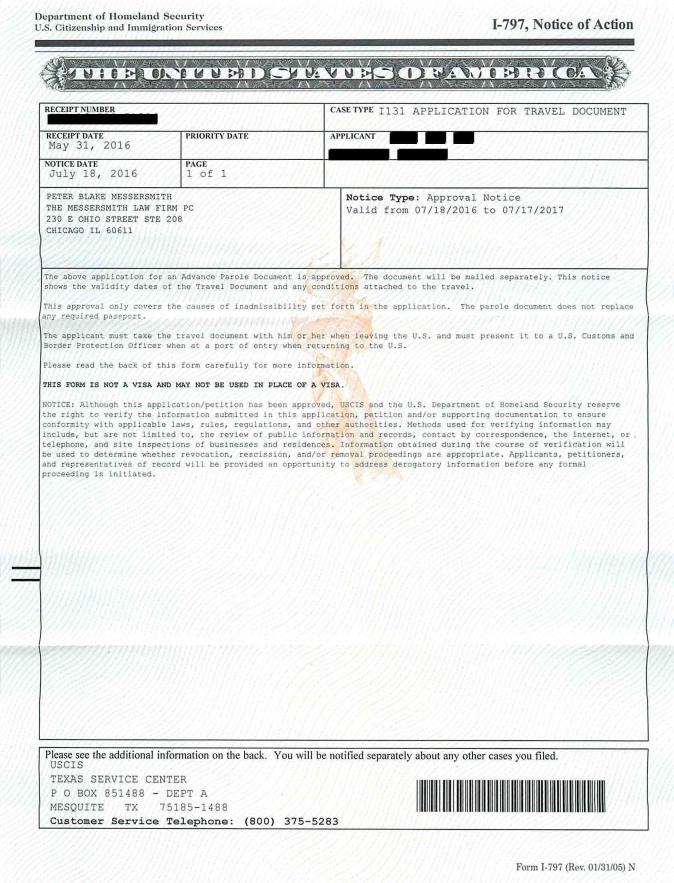
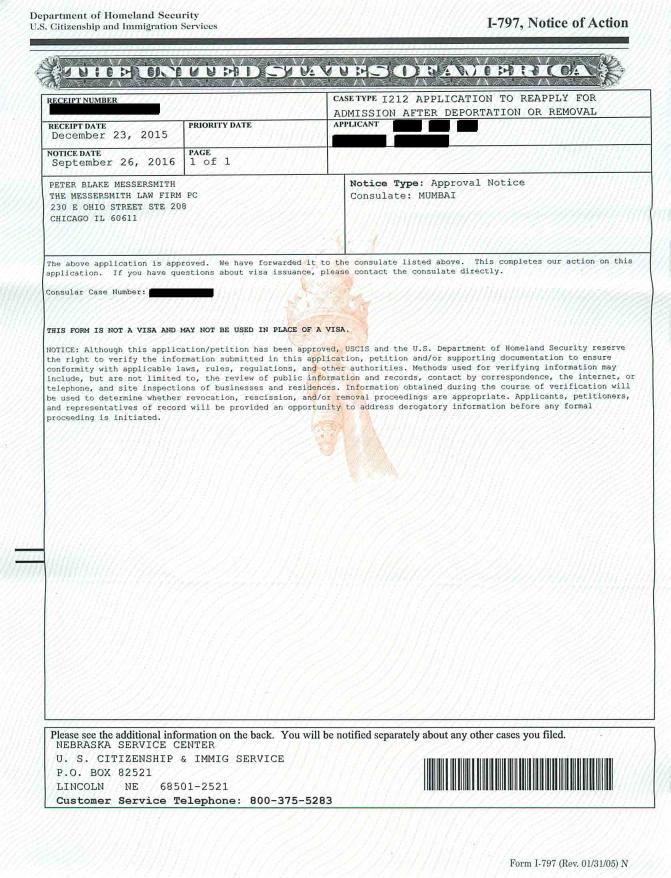
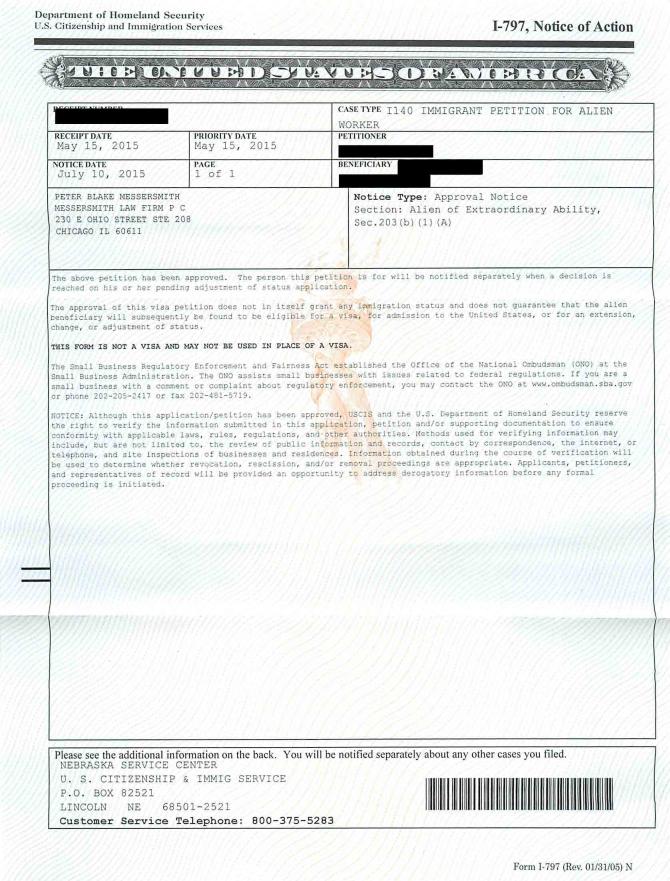
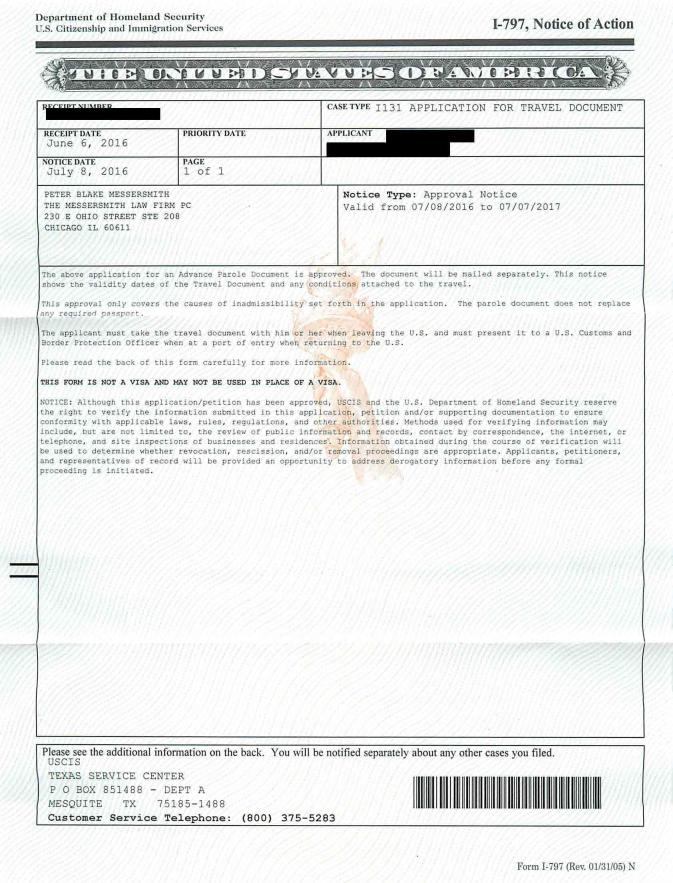
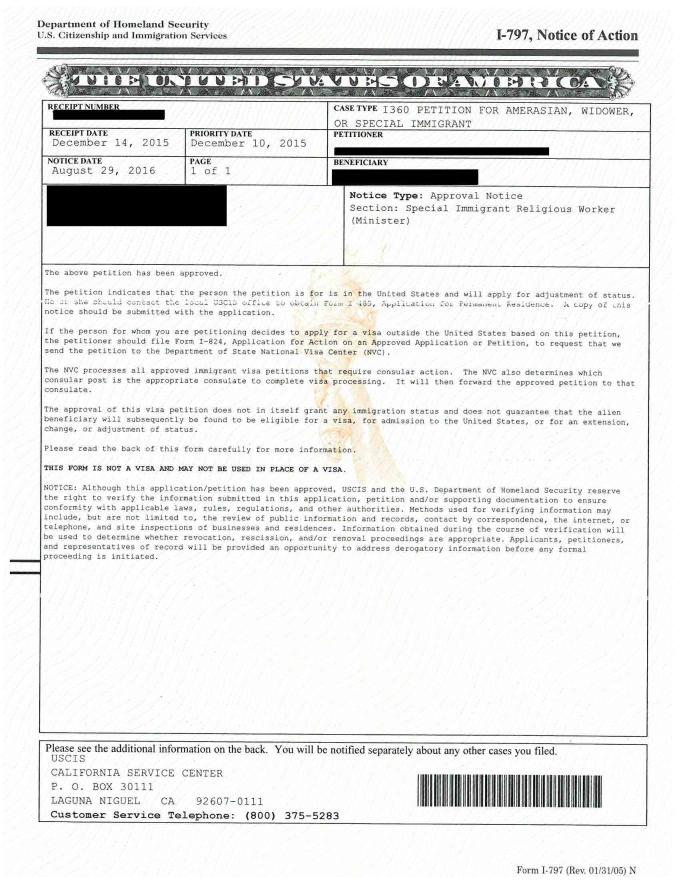
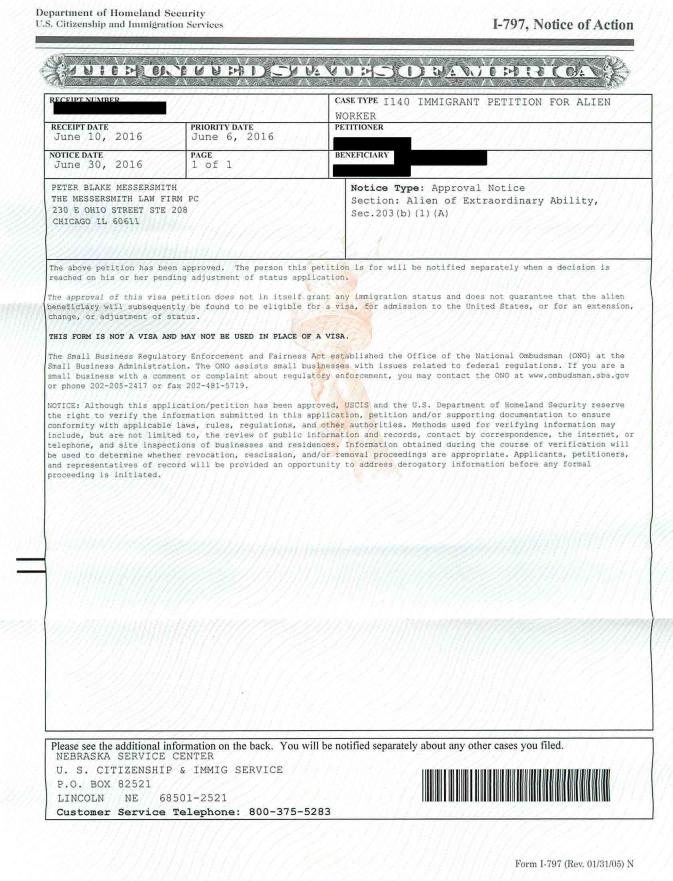
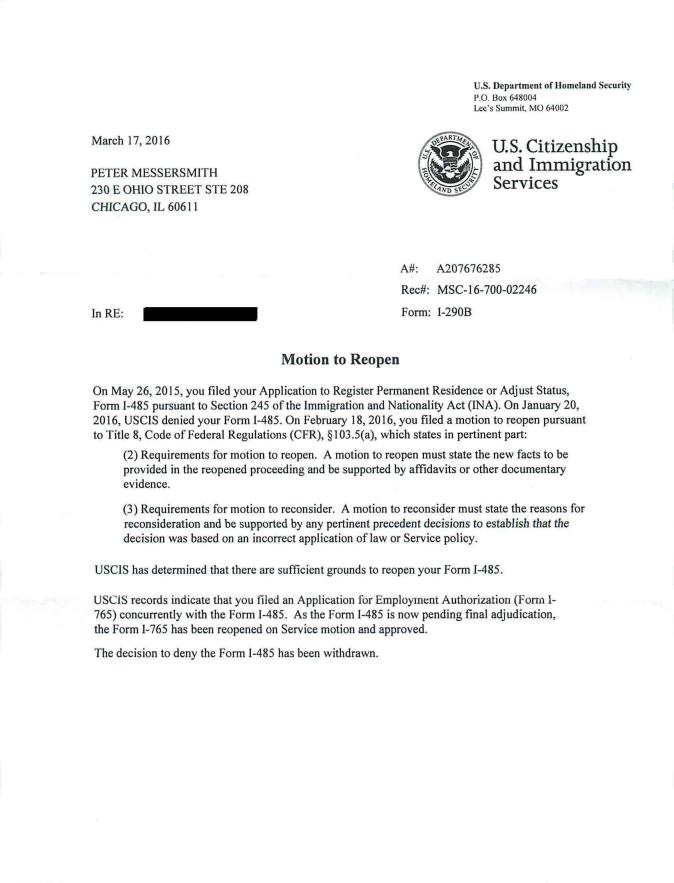
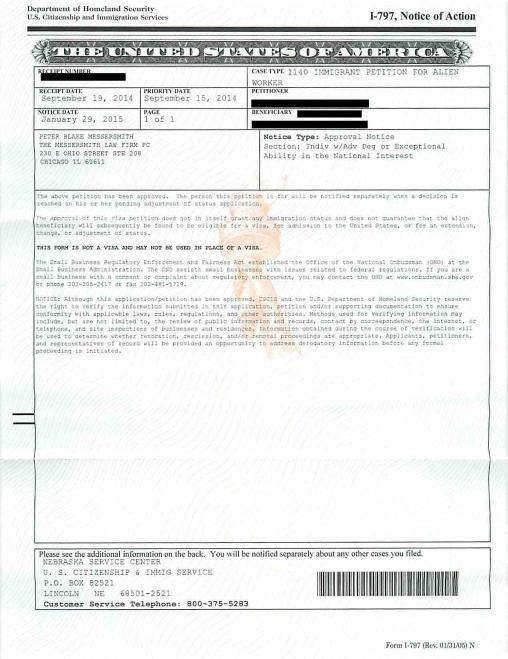
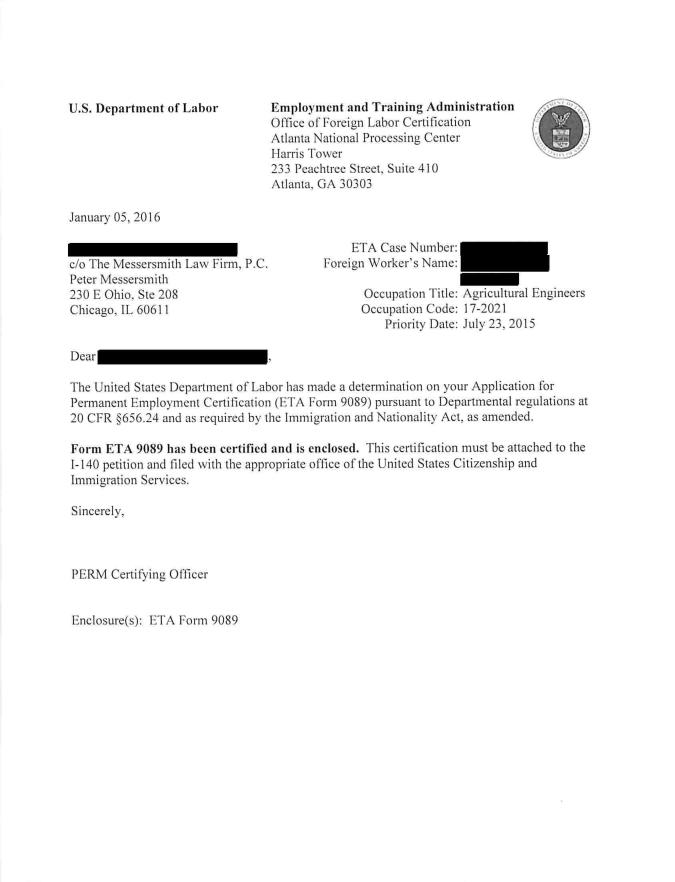
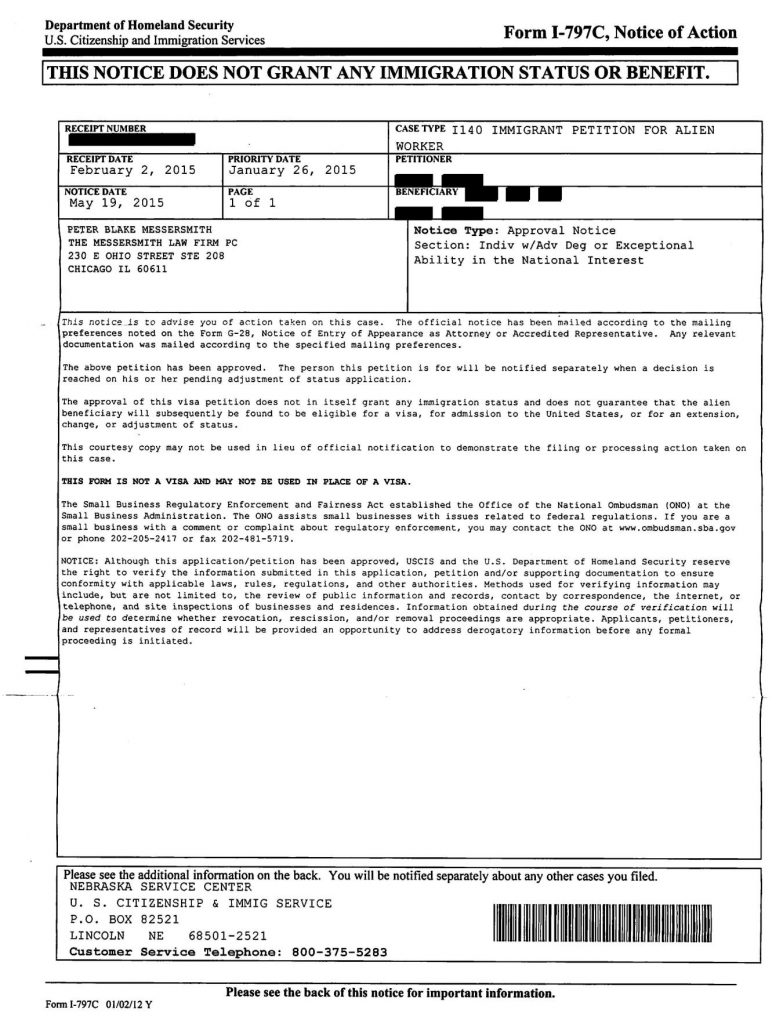
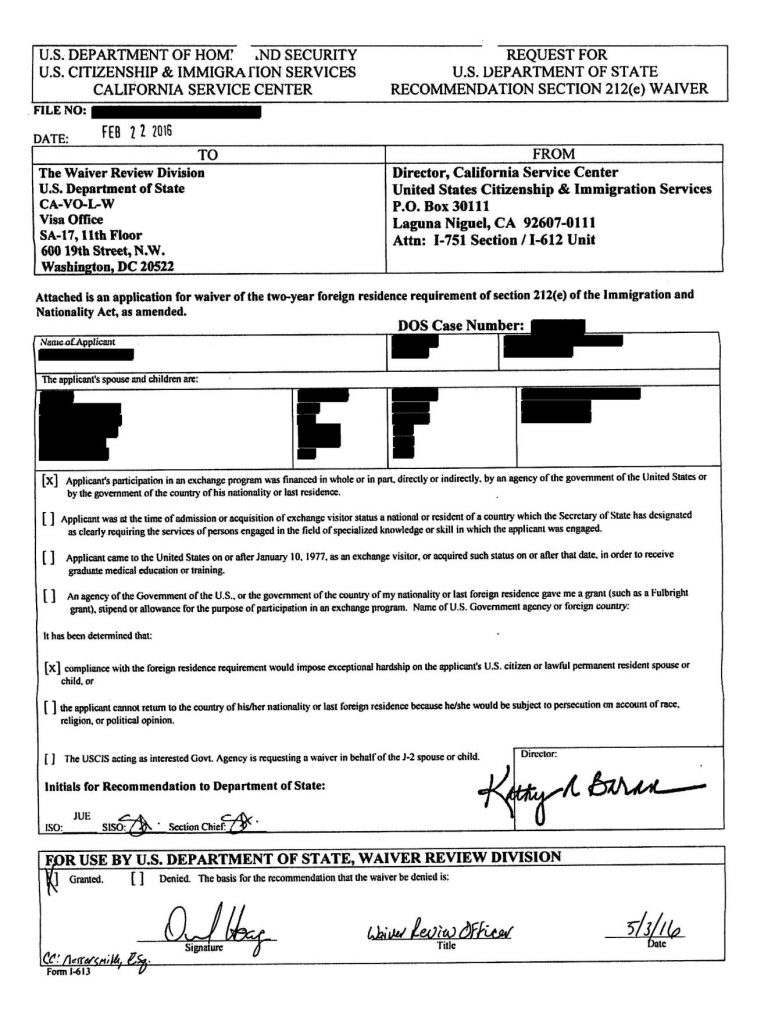
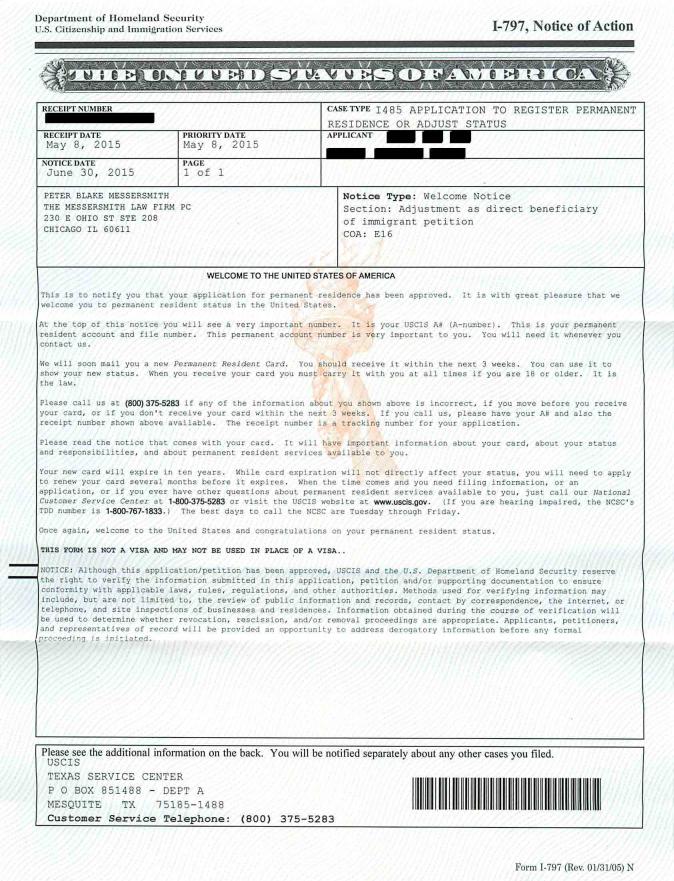
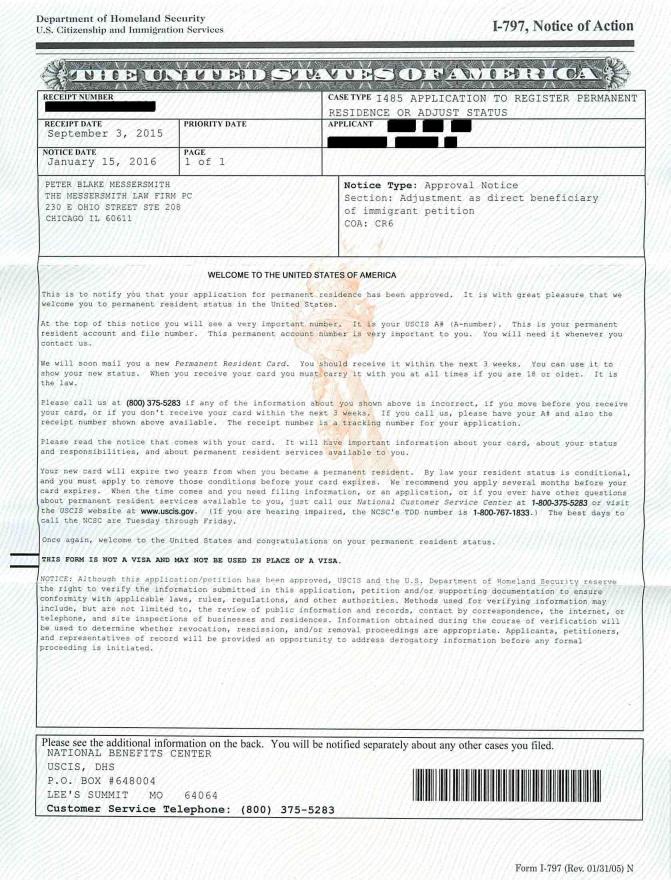
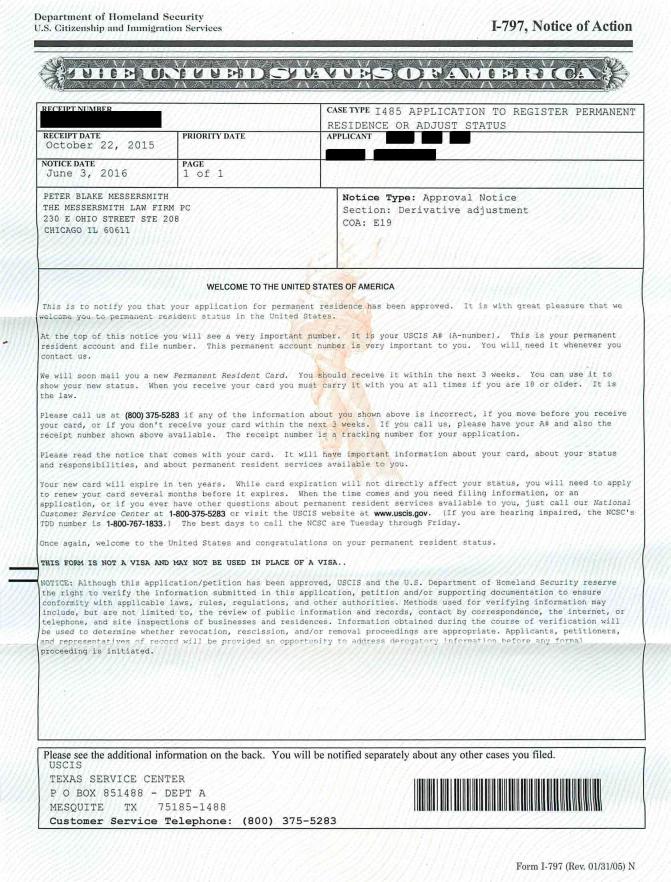
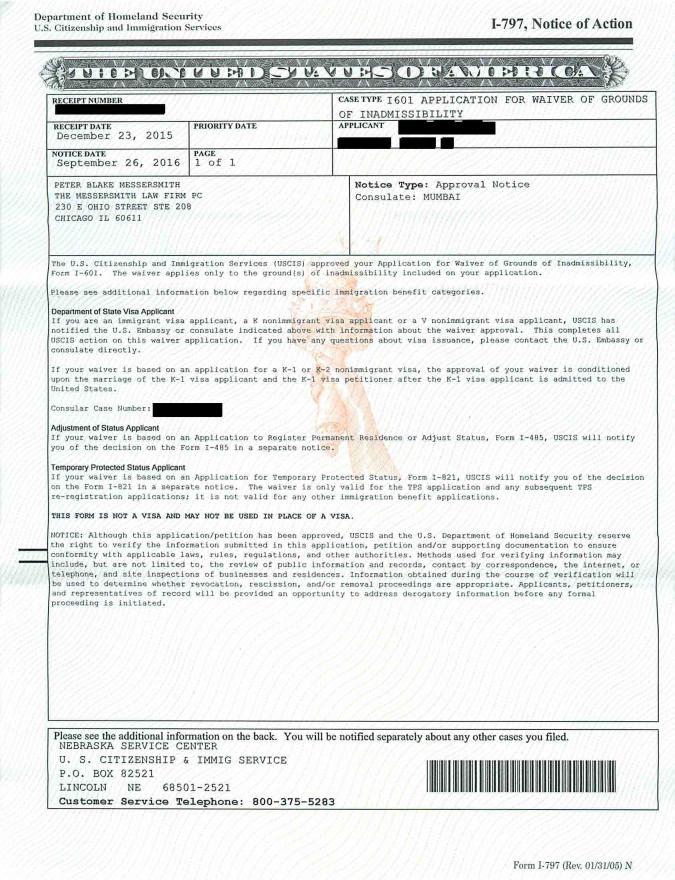
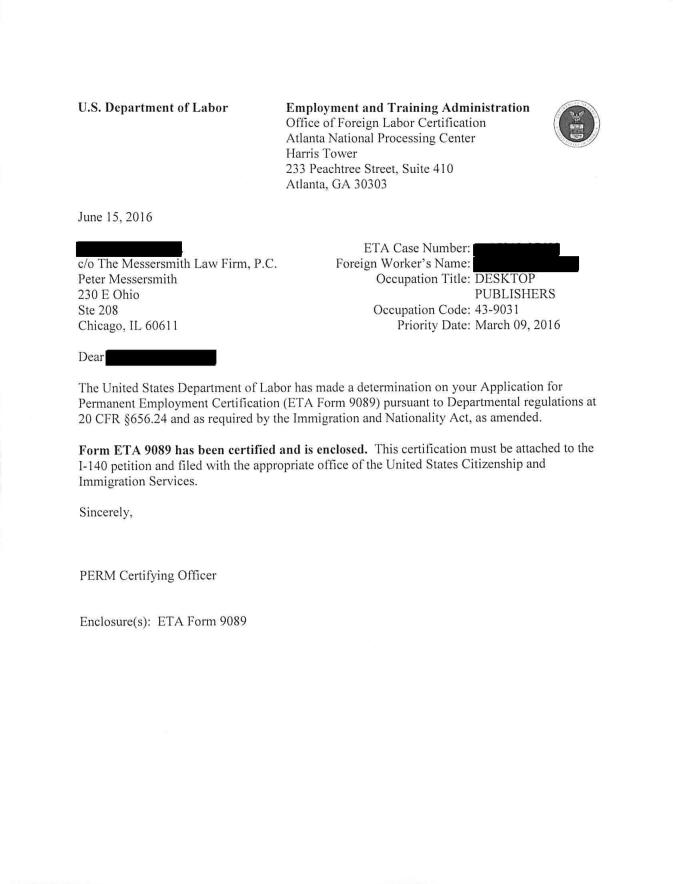
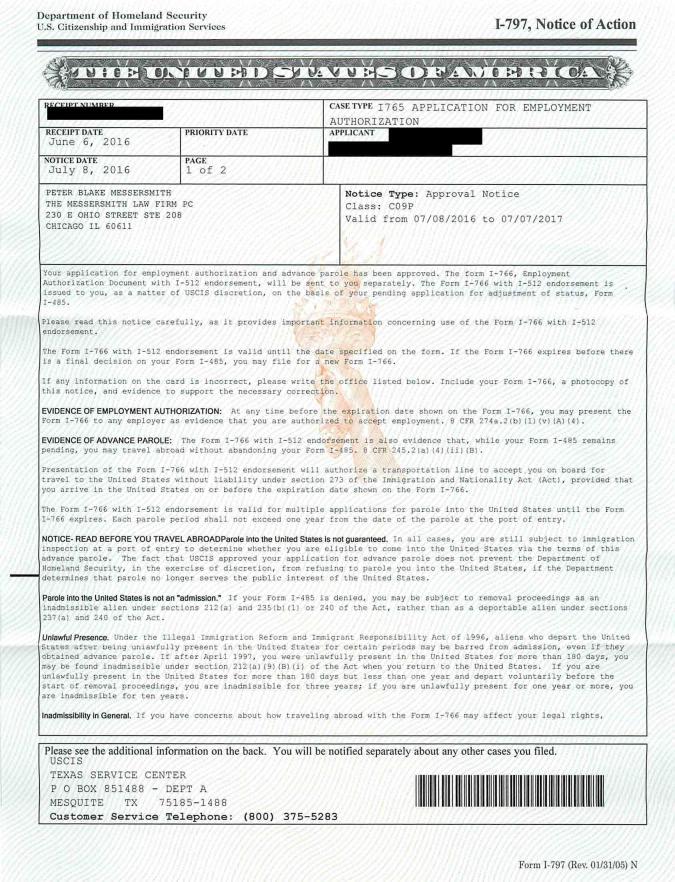
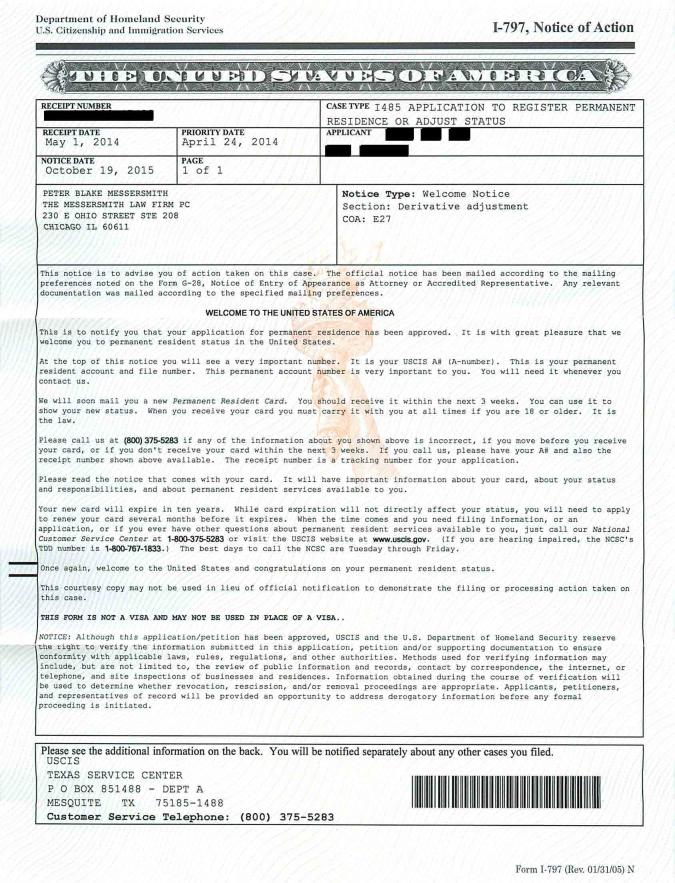
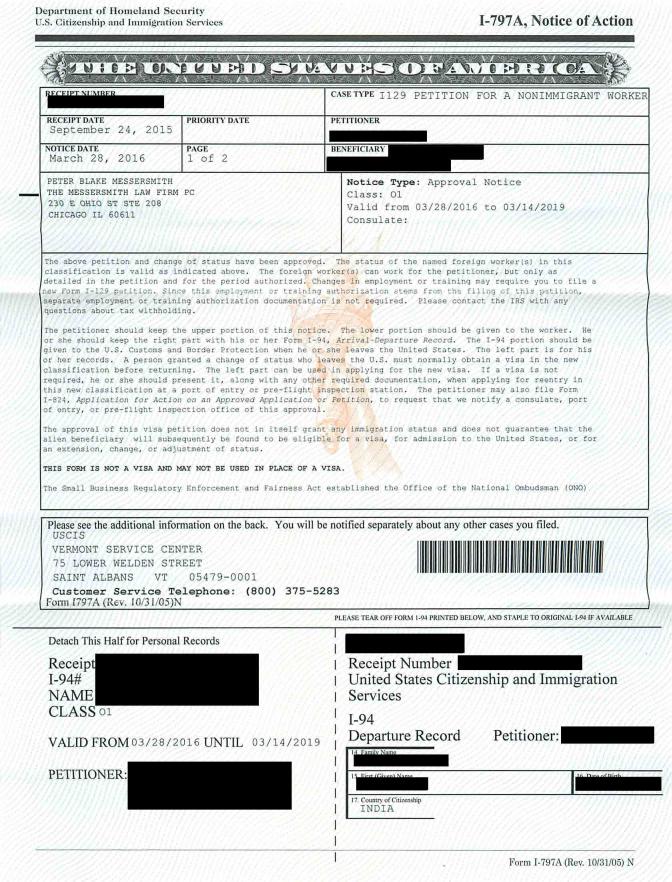
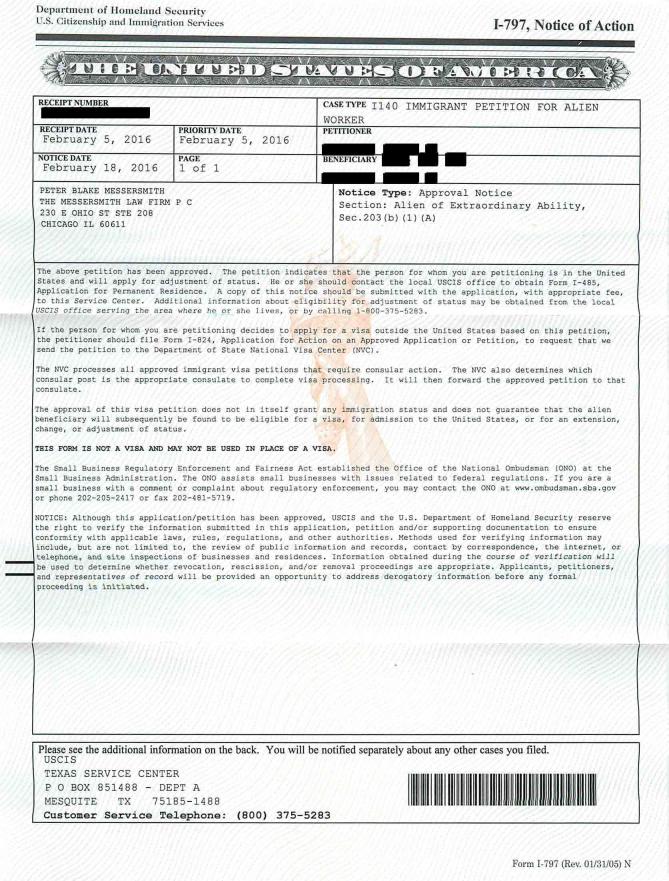
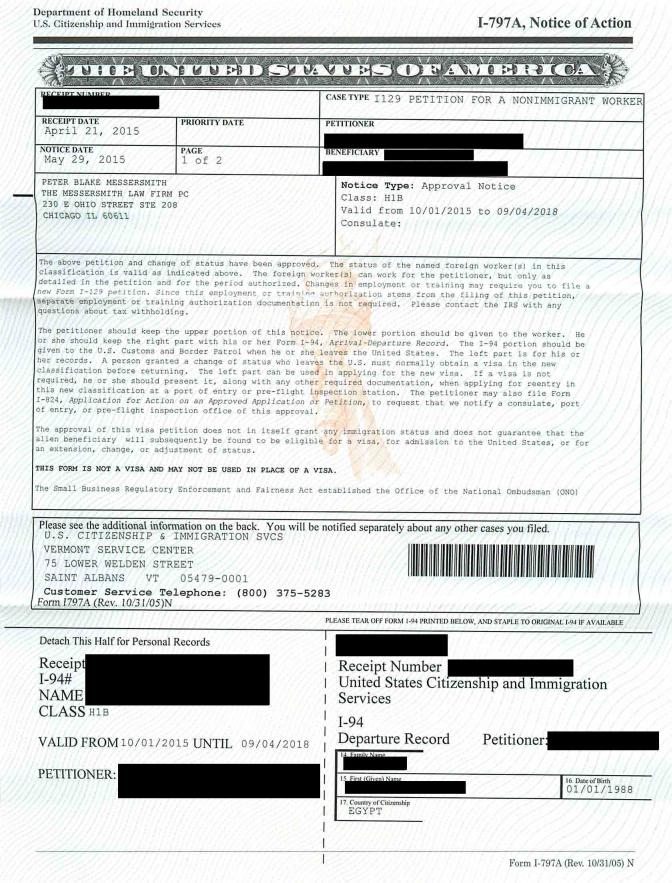
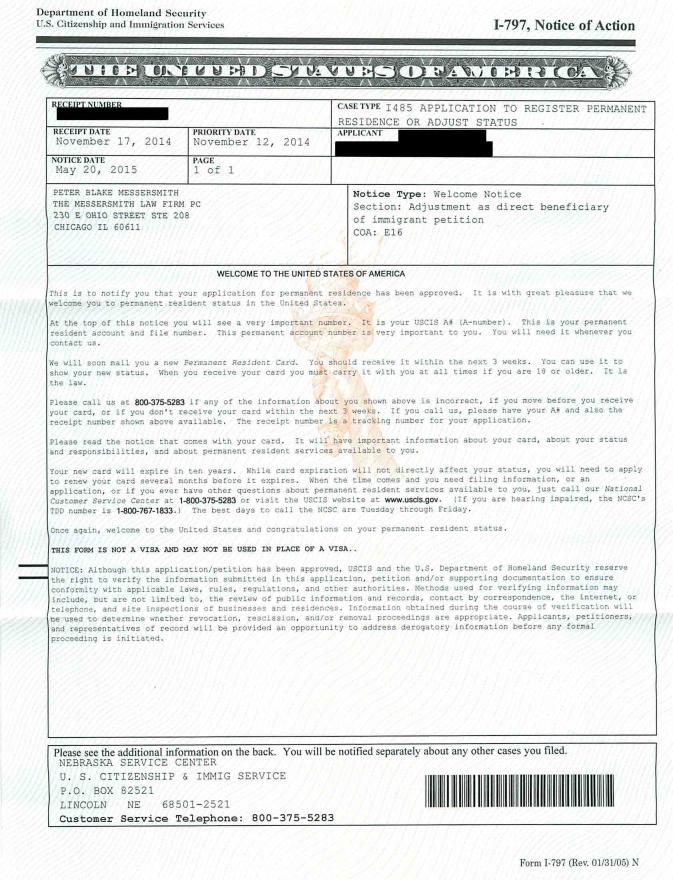
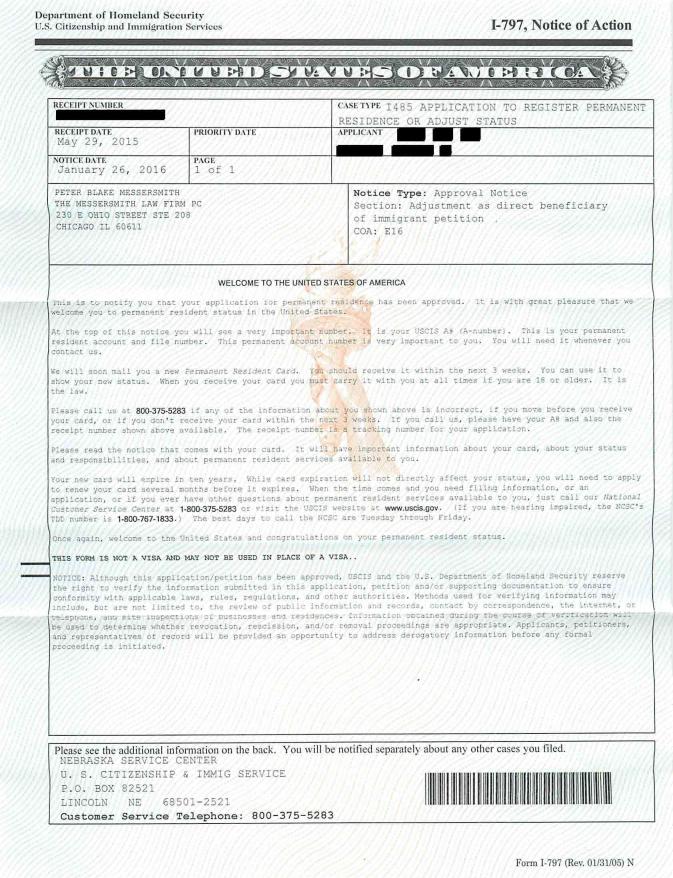
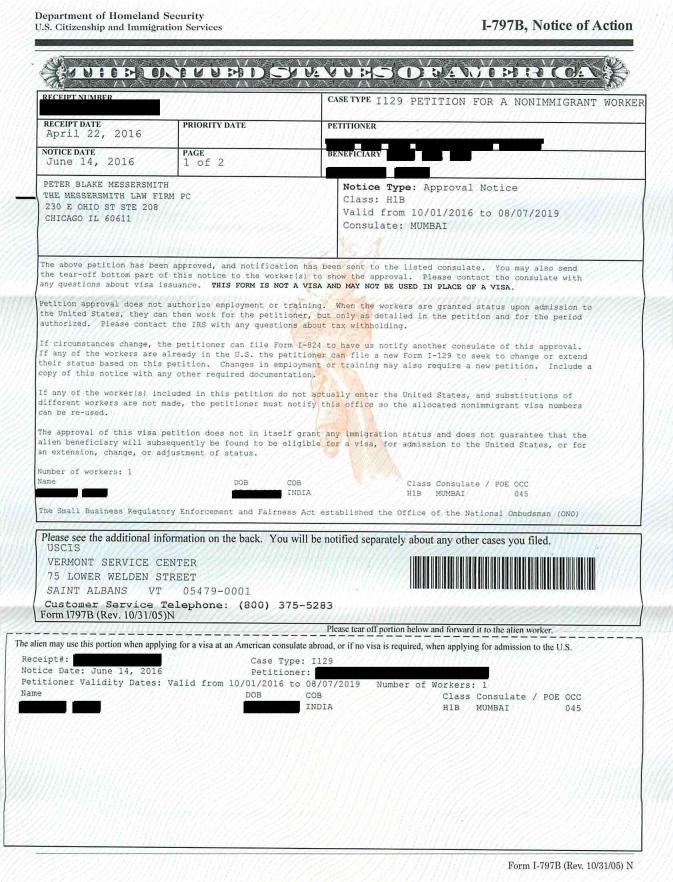
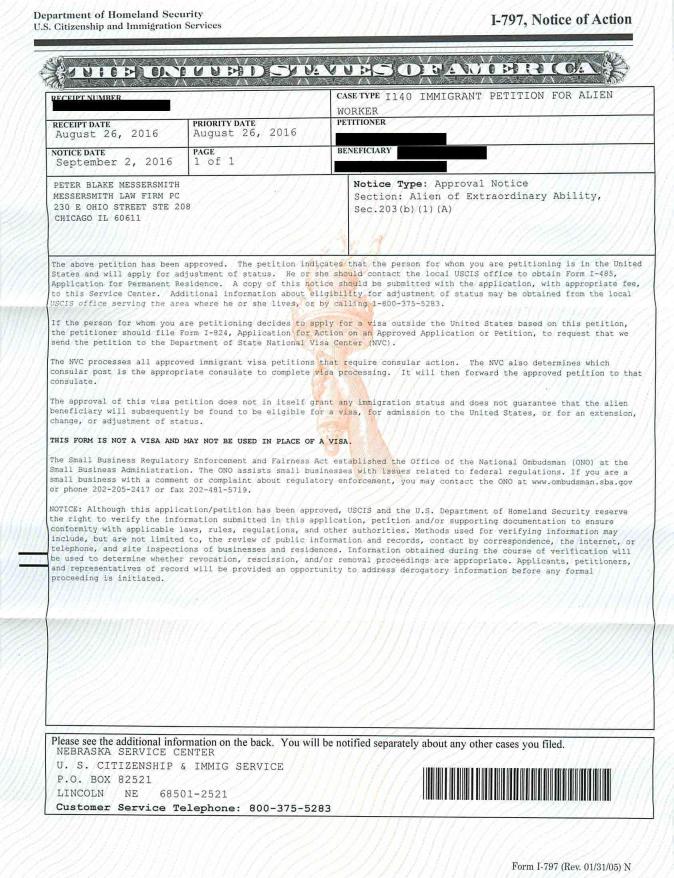
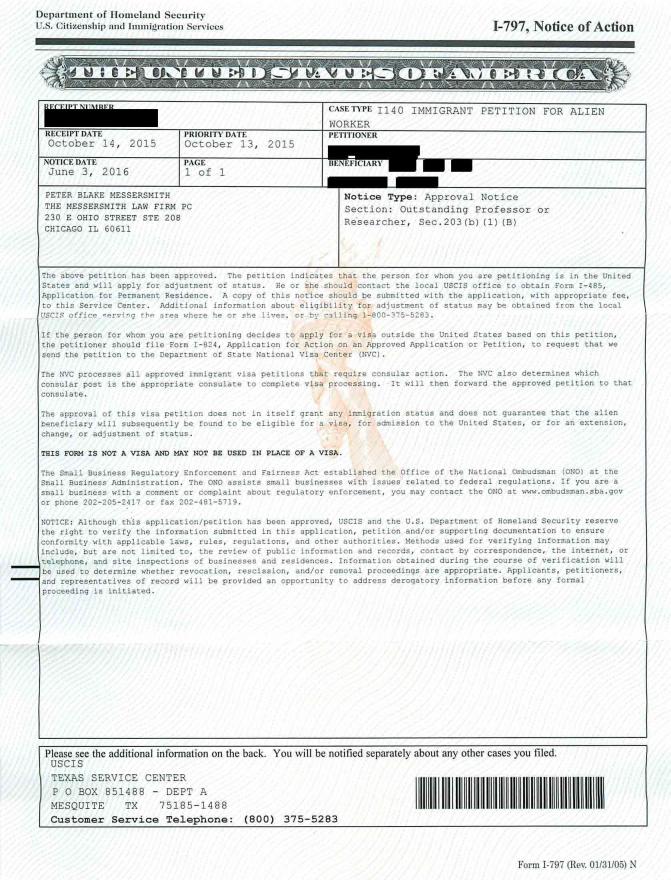
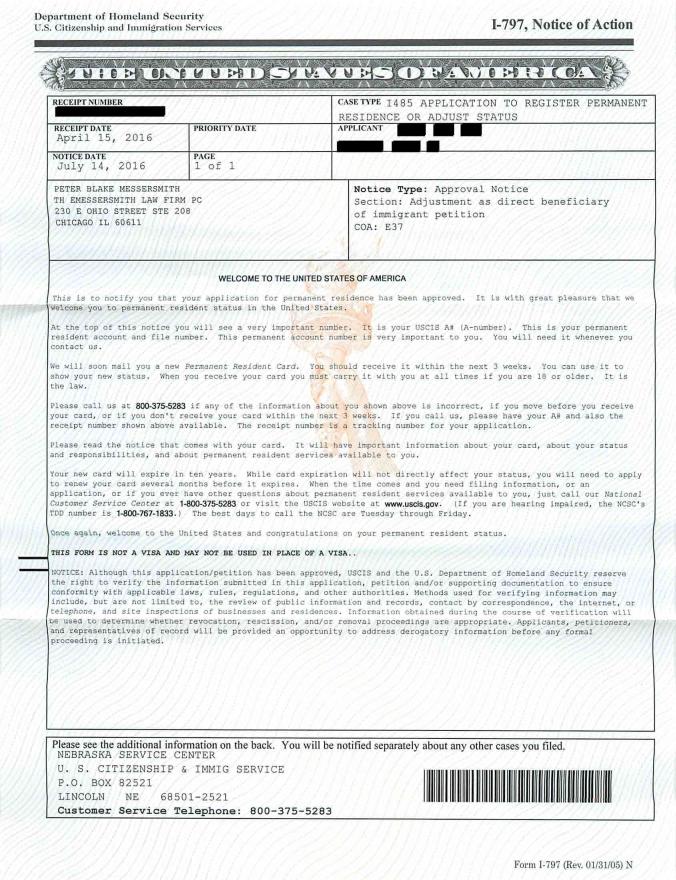
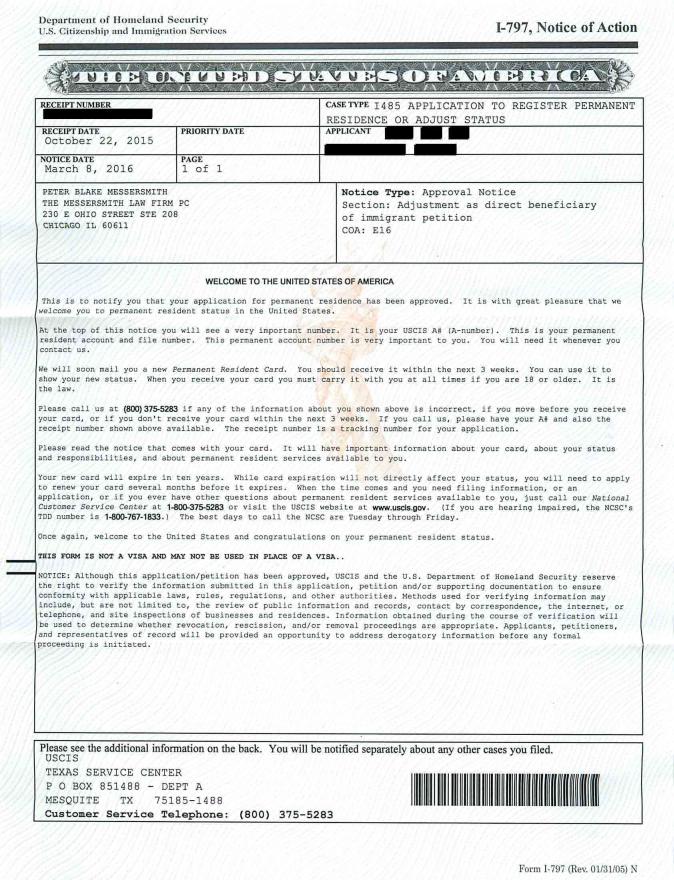
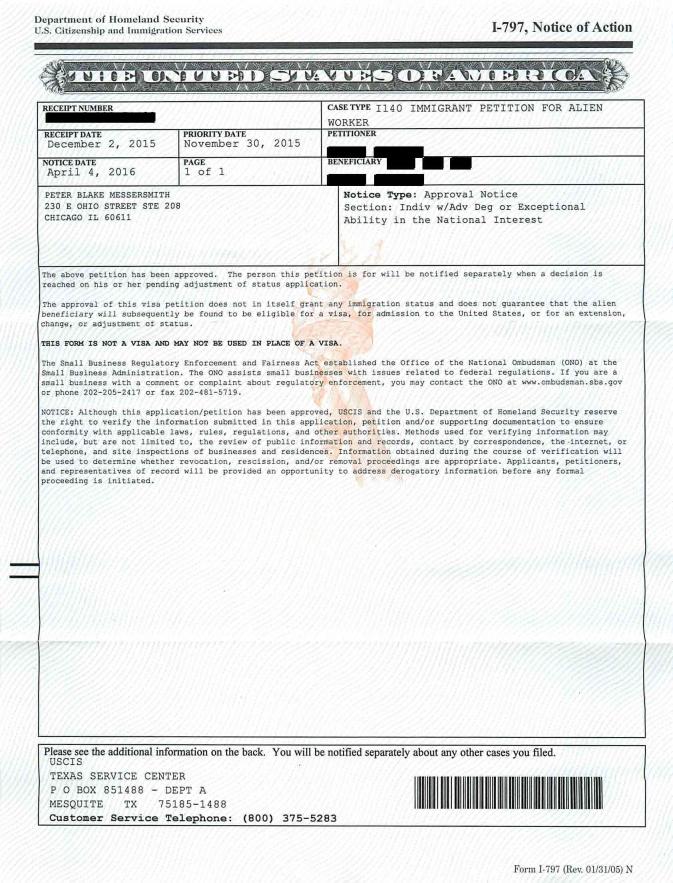
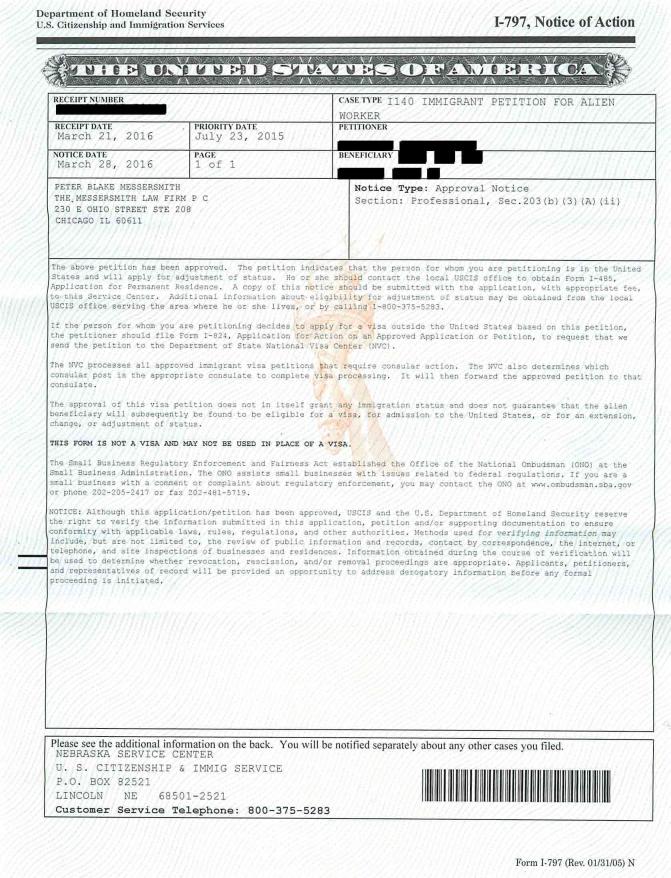
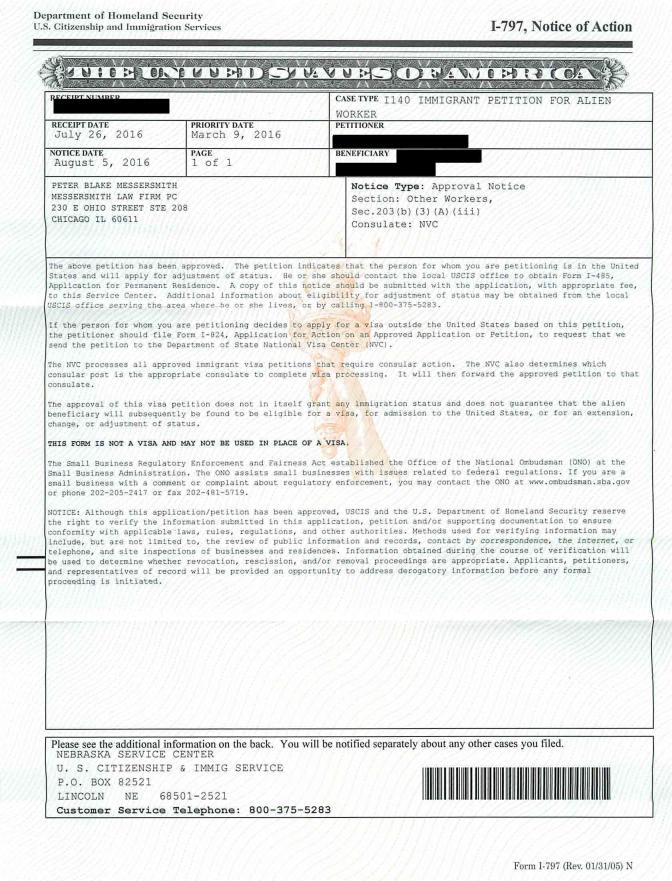
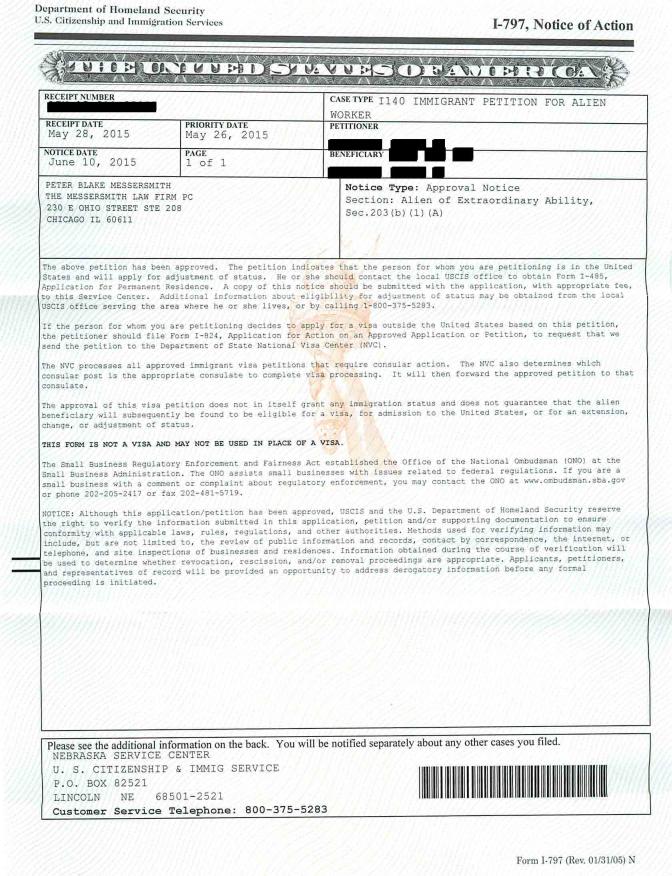
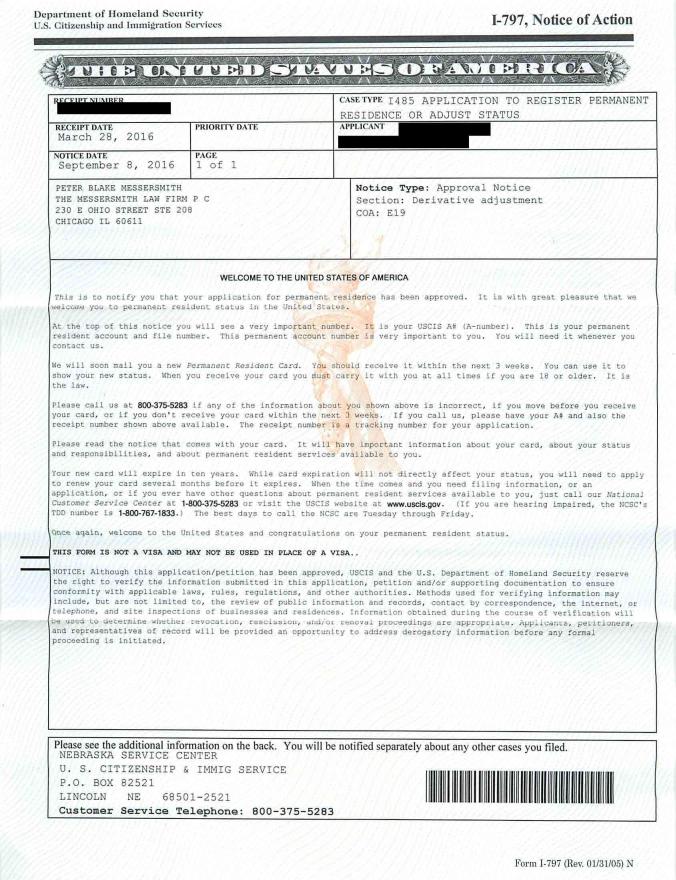
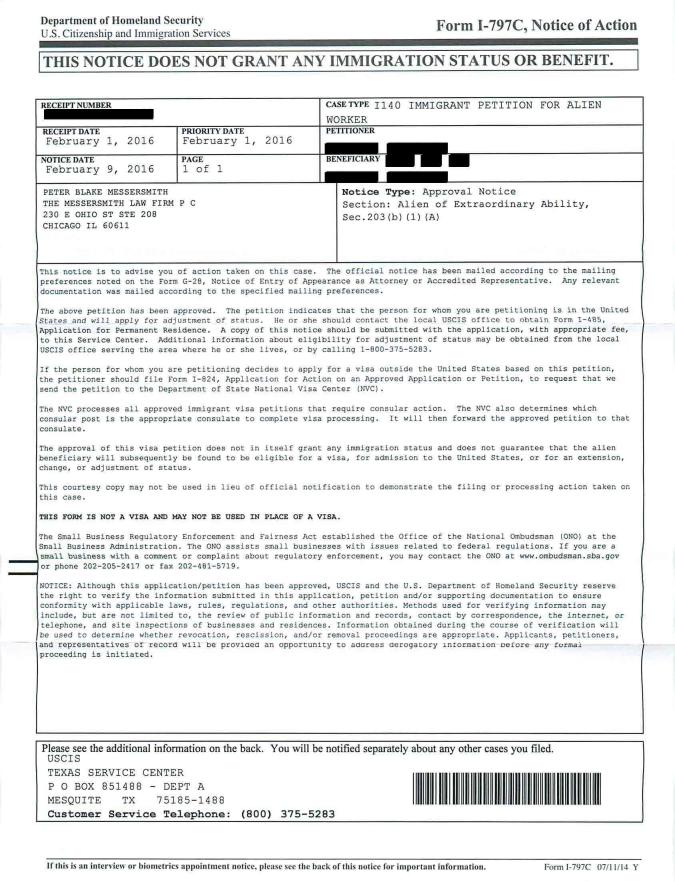
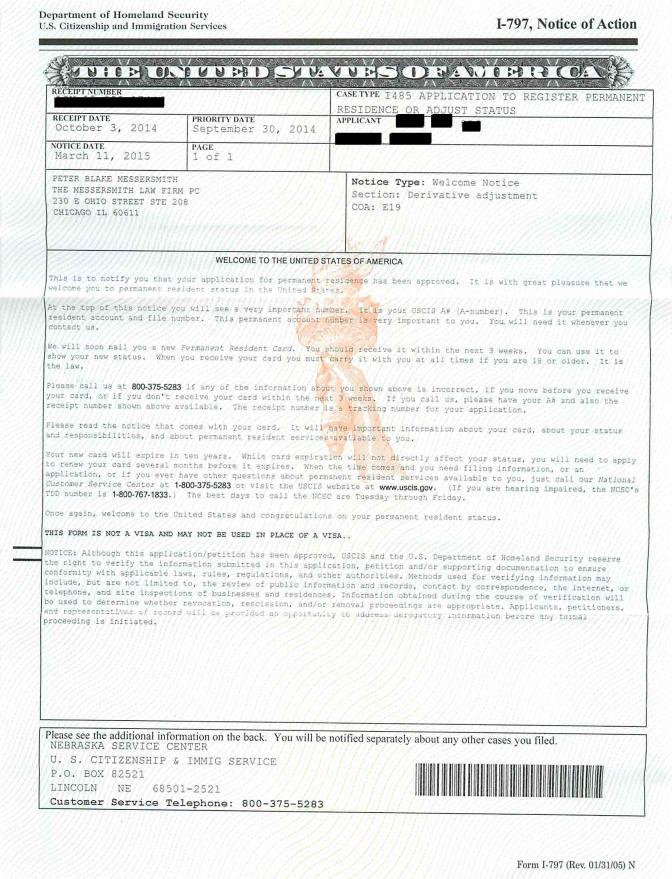
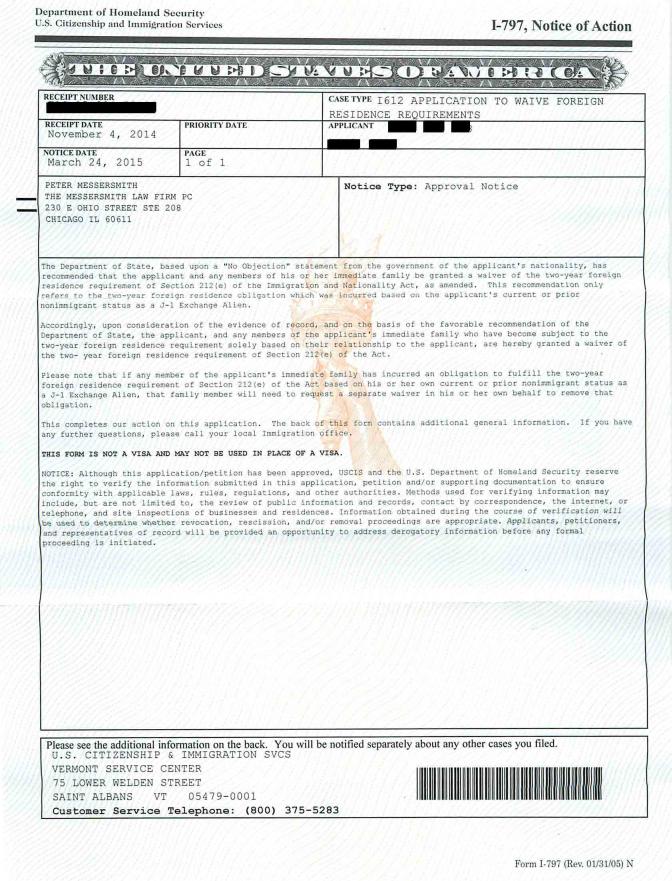
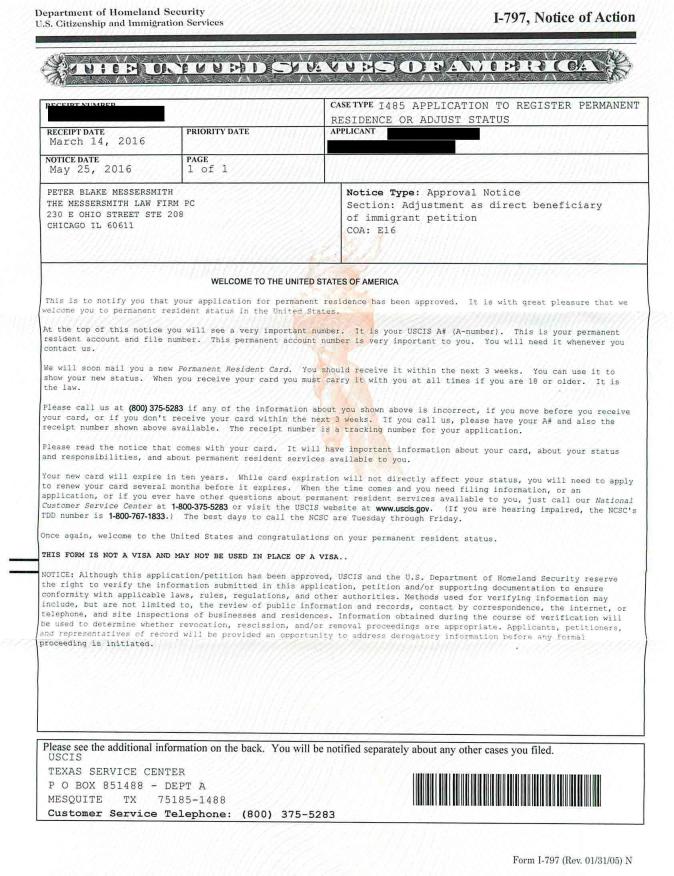
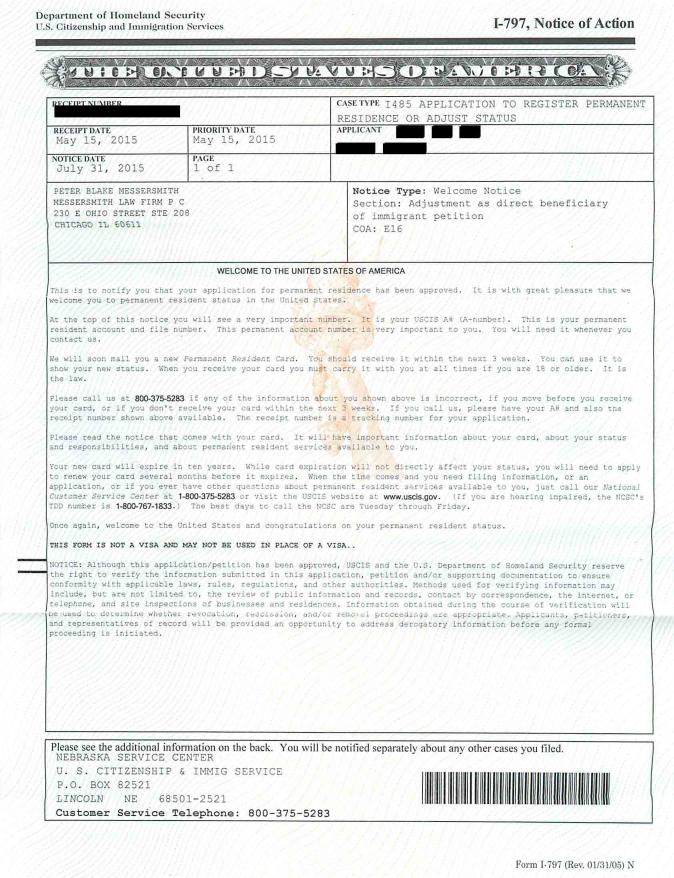
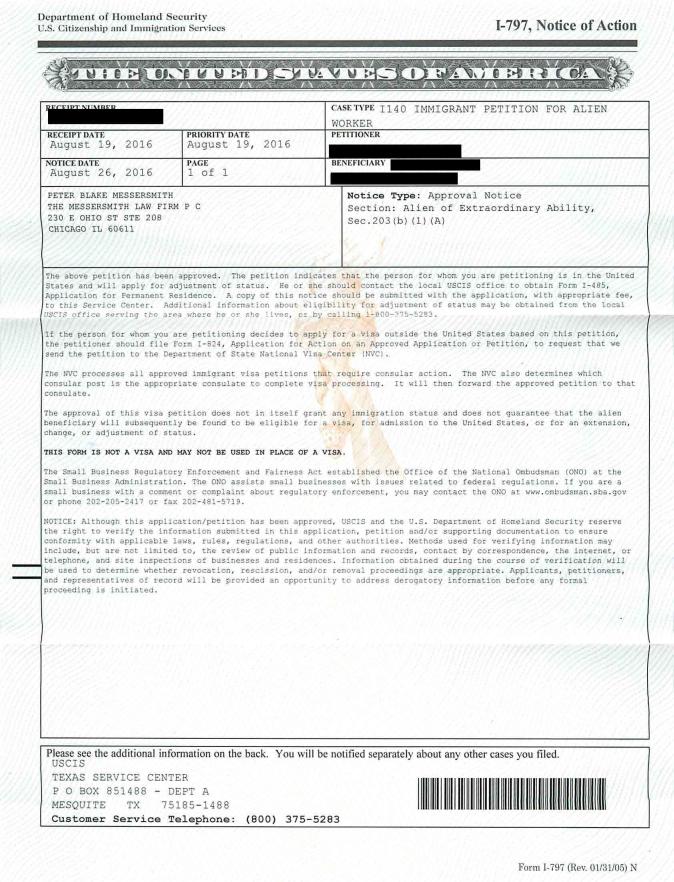
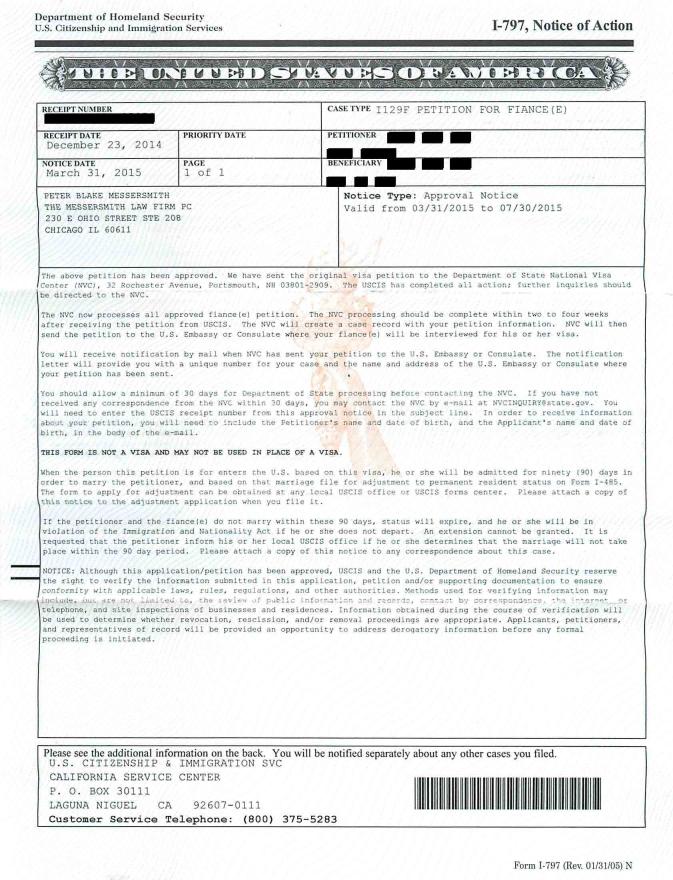
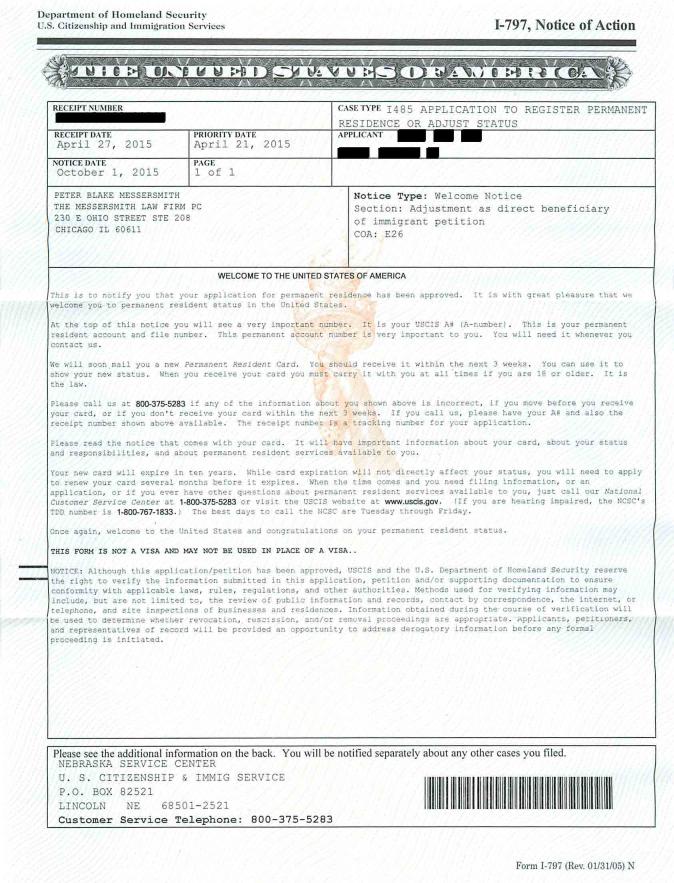
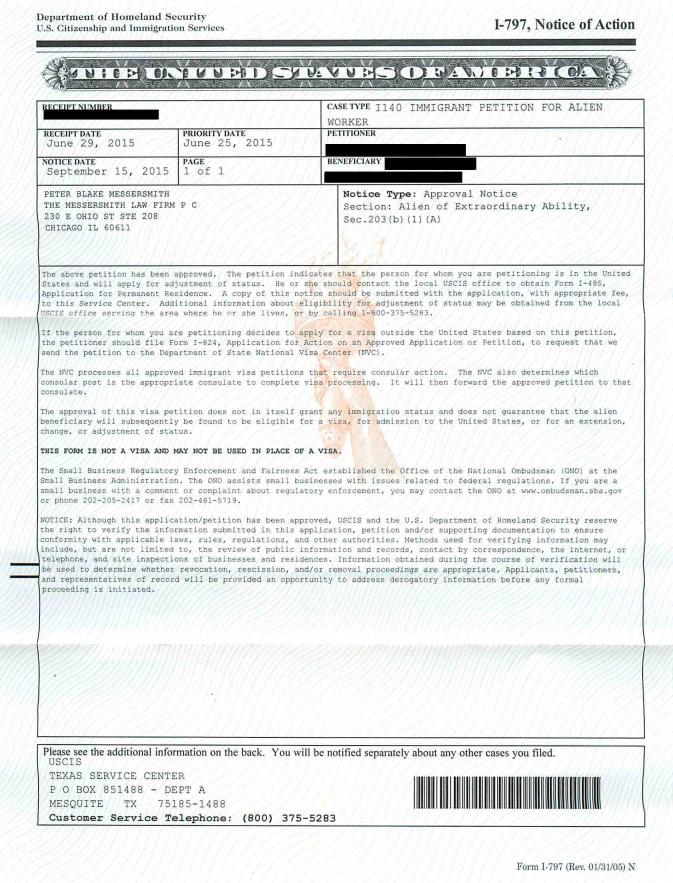
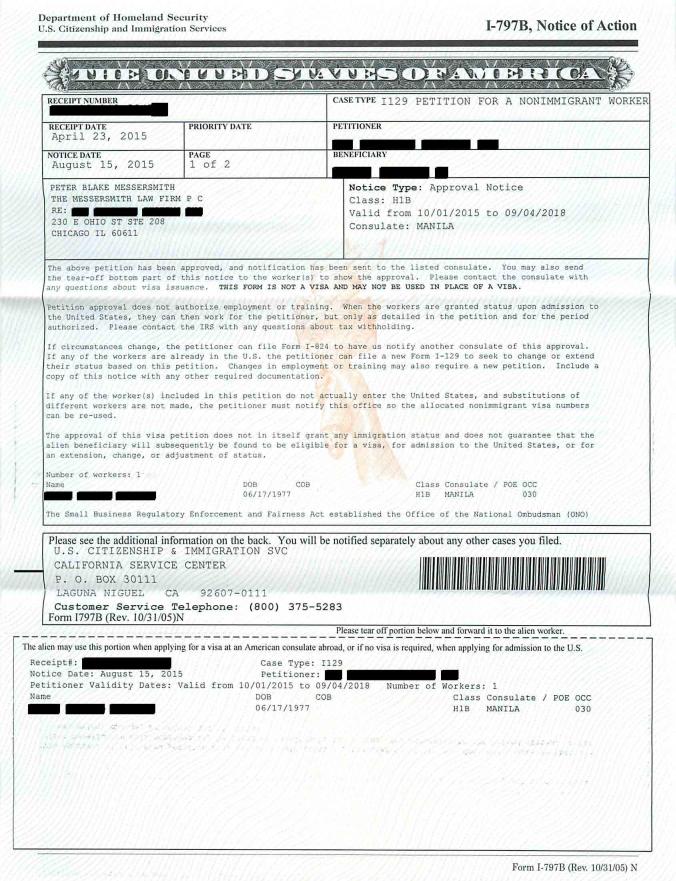
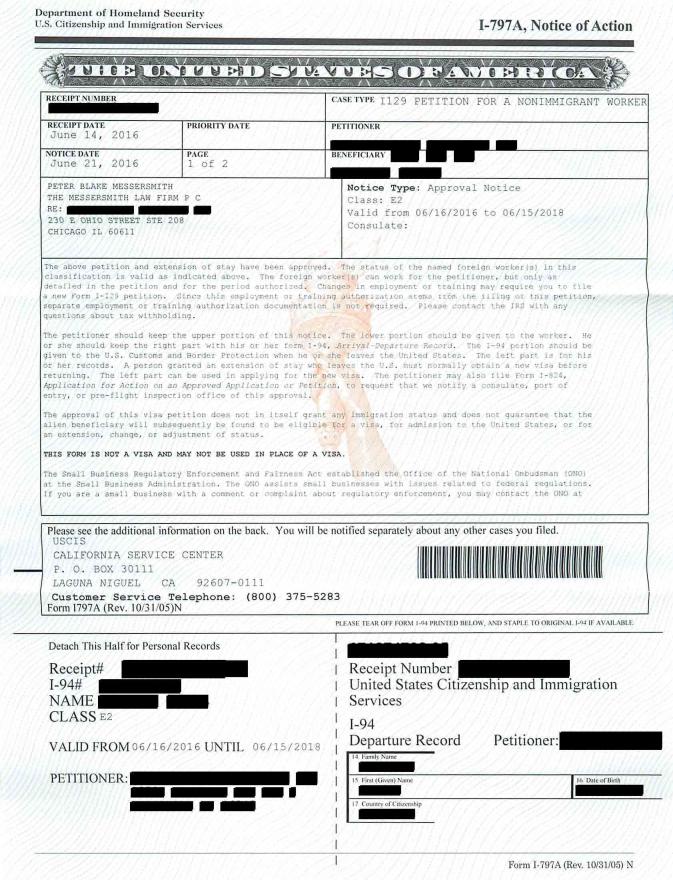
Scroll through fifty recent approval notices below or click here to view thousands.

Customer Testimonials

Real Testimonials from Past Clients