One of the most common PERM questions is whether the case is strong enough to file without creating avoidable problems later. Many employers and workers want to know whether the job requirements are supportable, whether the prevailing wage and recruitment strategy are aligned, whether the worker clearly meets the minimum requirements, and whether the case is likely to face audit issues, delay, or denial. A strong PERM filing depends on the full structure of the case, not just the desire to sponsor the worker.
A strong PERM case starts with the job itself
The offered position should be clearly defined from the beginning. A strong filing should make it easy to understand the title, duties, worksite, minimum education, experience, training, and skill requirements. If the position is vague or inconsistent, the rest of the case becomes harder to defend.
Job requirements should be realistic and supportable
A common weakness in PERM cases is a job description or requirement structure that looks inflated, inconsistent, or disconnected from the employer’s real hiring need. A strong filing should use requirements that fit the actual role and can be supported if questioned later.
The worker should clearly meet the minimum requirements
A strong PERM case should show that the sponsored worker meets the listed minimum requirements through clear documentation. Degrees, transcripts, experience letters, licenses, certifications, and other records should line up with the requirements listed in the case.
Consistency is one of the most important parts of PERM
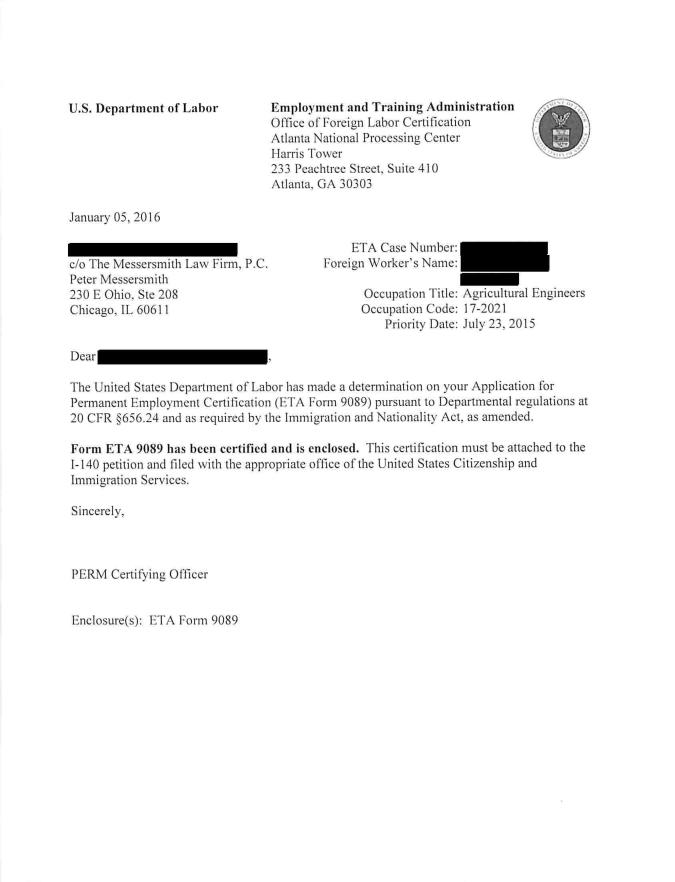
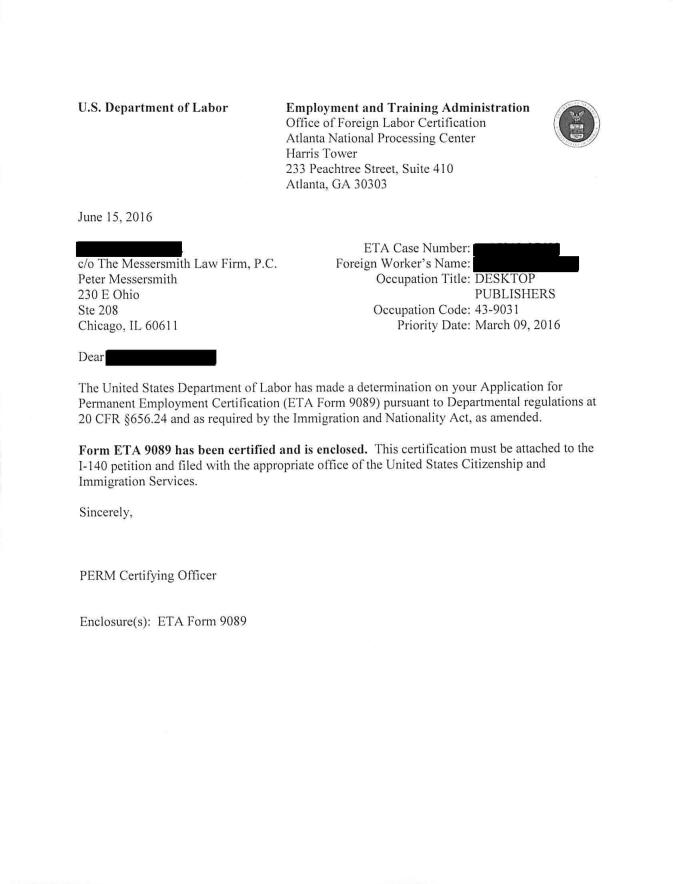
The prevailing wage request, the recruitment materials, the ETA Form 9089 filing, the job requirements, and the worker’s qualification documents should all point in the same direction. A strong case should read as one consistent employer-sponsored position from start to finish.
Timeline concerns are common in PERM cases
Many applicants are concerned with the PERM timeline, PERM processing time, and how long PERM takes. Timing is one of the biggest practical concerns in employer-sponsored green card cases. Delays can be affected by the prevailing wage stage, recruitment timing, government processing, audit issues, and later immigrant petition steps.
Audit risk should be taken seriously
A strong PERM filing should be prepared as if it might be reviewed closely. The employer should be able to explain the job requirements, the recruitment process, the business need, and the worker’s qualifications clearly and consistently if questions arise.
Denial risk often comes from avoidable problems
Many PERM problems come from issues that could have been addressed earlier, such as inconsistent job requirements, unclear recruitment records, unsupported minimum qualifications, or mismatches between the ETA Form 9089 and the rest of the case. A strong filing should reduce those risks from the start.
PERM should be built with the green card category in mind
A strong PERM case should not treat labor certification as an isolated step. The filing should be planned with the later EB2 or EB3 strategy in mind so that the labor certification structure supports the category the employer intends to use.
Stronger PERM cases usually show a clear employer-side story
A strong filing usually makes it easy to understand:
- who the employer is
- what the permanent position is
- why the minimum requirements make sense
- how the recruitment matches the job
- how the worker meets the listed requirements
- how the PERM strategy fits the later green card process
Common strength and timing questions
Common questions include:
- Is my PERM case strong enough?
- How long does the PERM process take?
- What causes a PERM audit?
- What causes a PERM denial?
- How important is the prevailing wage in PERM?
- How important is the recruitment record in PERM?
- Does the worker need to meet every listed minimum requirement exactly?
- How does PERM strategy affect EB2 or EB3 later?
Common patterns in stronger PERM cases
Stronger PERM cases often involve:
- a clearly defined permanent full-time position
- supportable minimum requirements
- a worker who clearly meets those requirements
- recruitment that matches the actual job
- a consistent ETA Form 9089 record
- a filing structure that fits the later EB2 or EB3 case cleanly