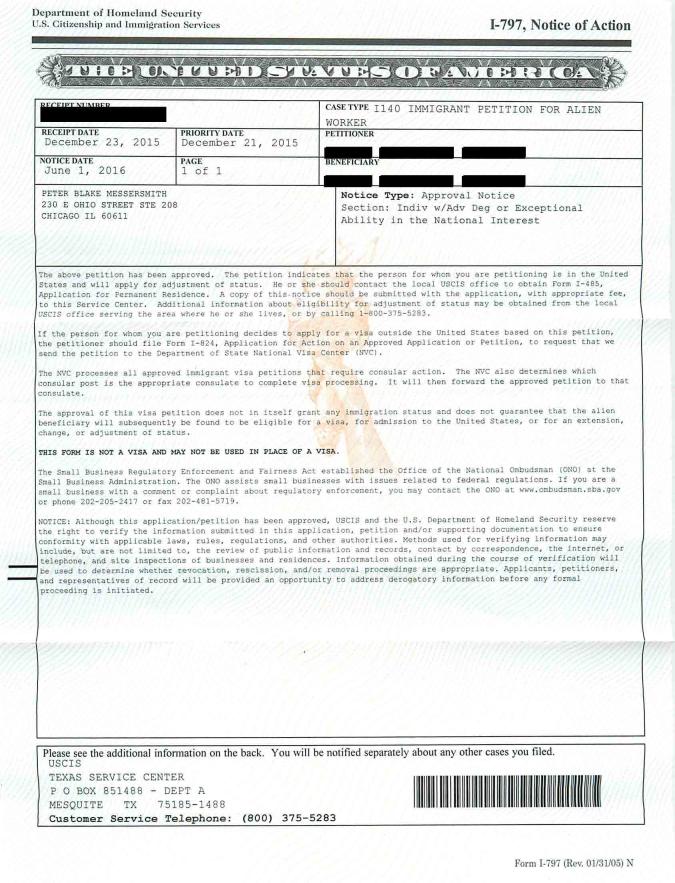
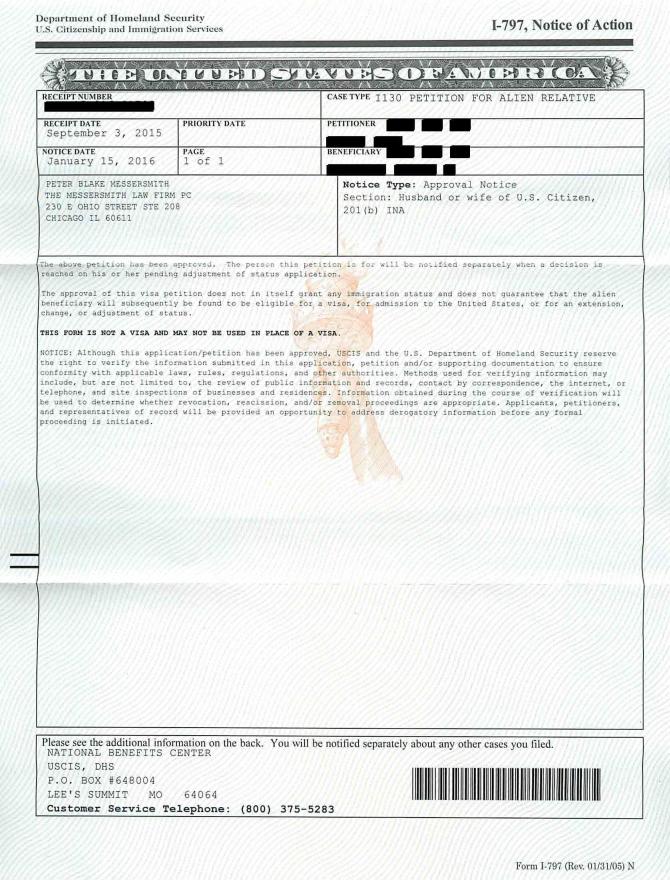
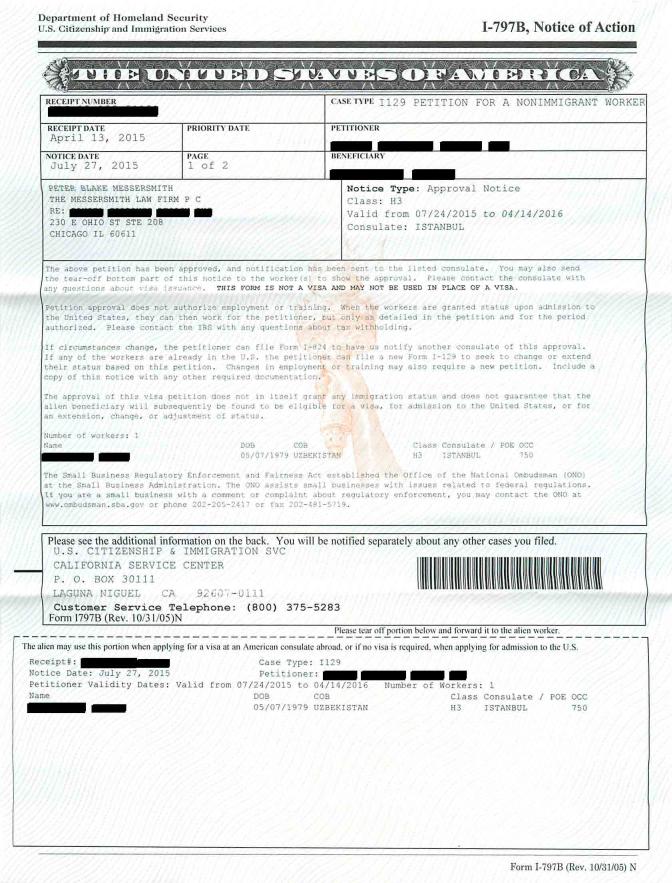
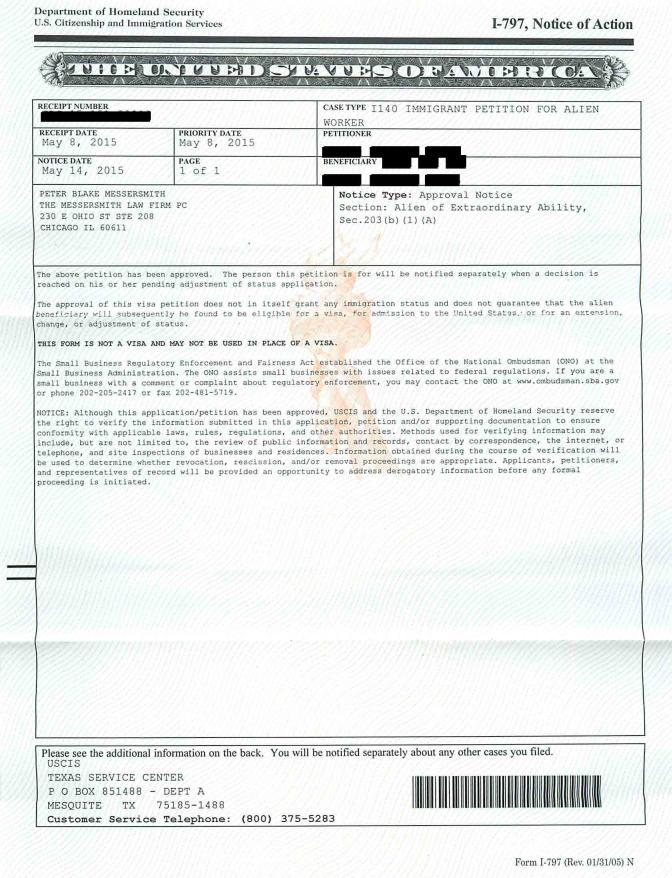
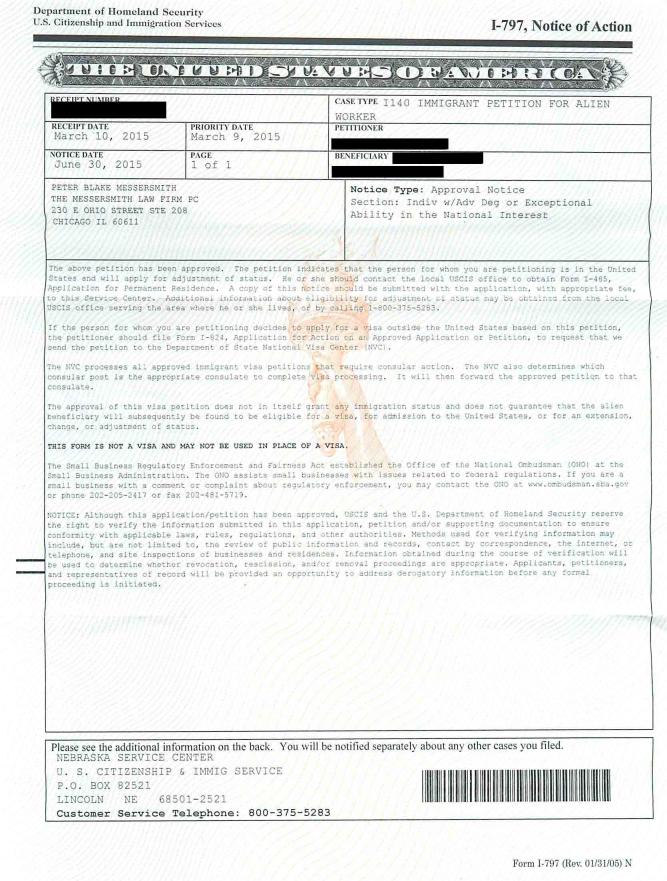
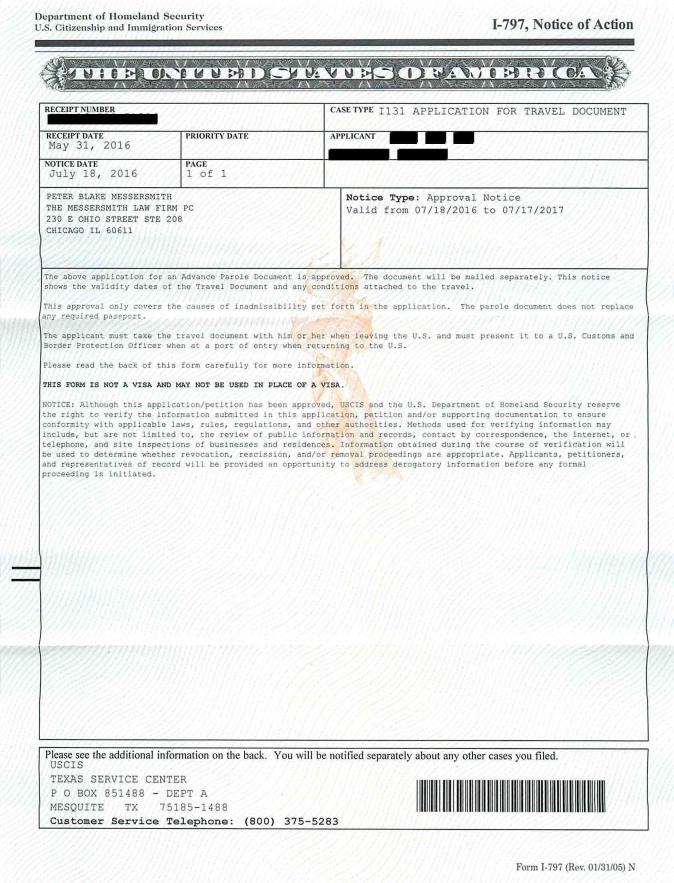
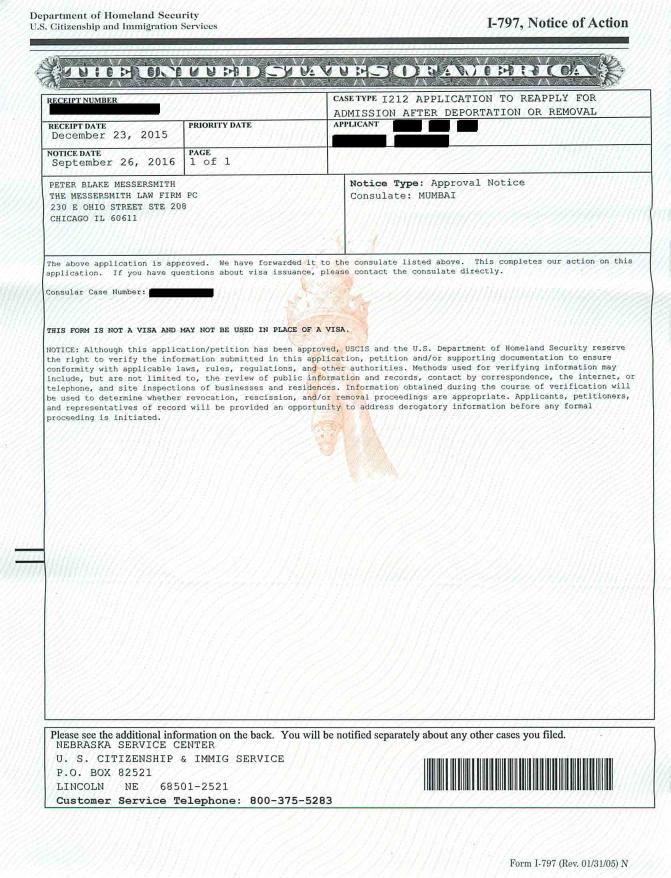
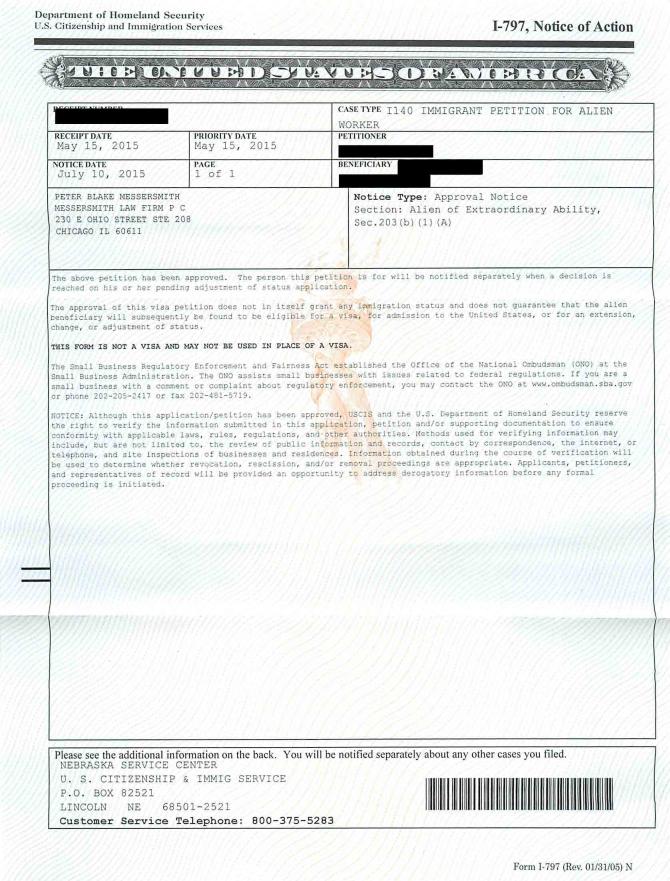
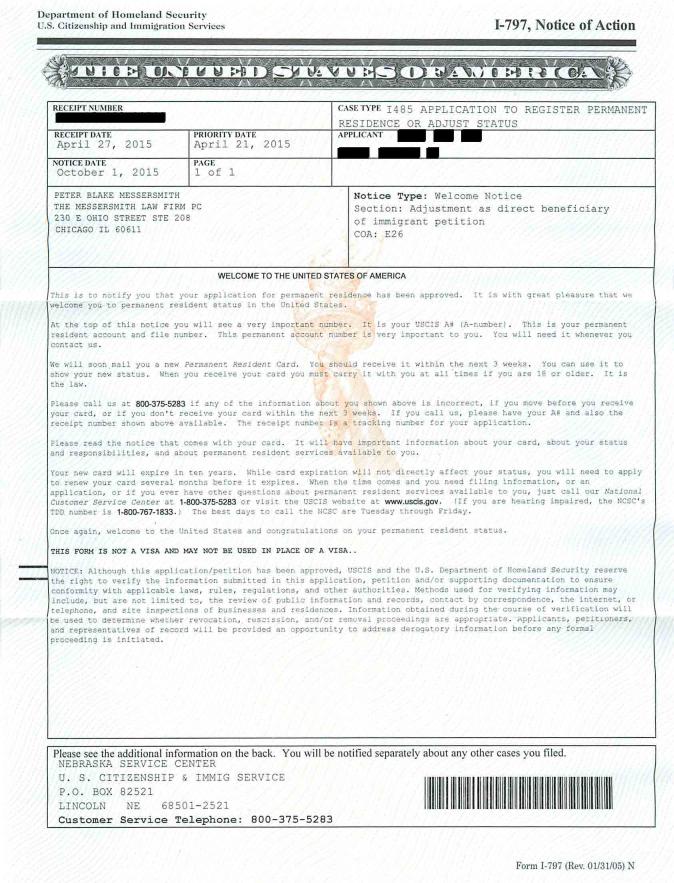
If you received a USCIS RFE (Request for Evidence), the clock is already running. An RFE is not a denial. It means USCIS needs additional evidence or clarification before it can decide your case. This page explains what an RFE is, common reasons USCIS issues an RFE, and how to prepare a strong RFE response that addresses every point in the notice.

USCIS RFE (Request for Evidence): How to Respond to an RFE
Request for Evidence (RFE)
How we help you respond to a USCIS RFE
If you received a USCIS RFE (Request for Evidence), we help you build a response that is organized, evidence driven, and tailored to the exact issues USCIS raised. Our RFE response process typically includes:
- RFE review and strategy: We review the RFE line-by-line, identify what USCIS is really requesting, and map each issue to the legal standard and eligibility elements for your case type.
- Evidence plan: We tell you exactly what documents to gather, which items matter most, and what is optional vs required to directly satisfy the request.
- Drafting and organization: We prepare a structured cover letter that answers each RFE point-by-point, with a table of contents, exhibit list, and clear references to supporting evidence.
- Consistency and credibility check: We identify inconsistencies across prior filings and records and help you correct or explain them with documentation so the record is consistent.
- Final packet and filing guidance: We assemble a clean submission package (tabs/exhibits/index) and provide filing instructions so your response is submitted on time with proof of delivery.
If you want help responding to your RFE, contact us as soon as possible. RFE deadlines are strict, and starting early gives you the best chance to submit a complete response.

Request for Evidence (RFE) Details
A request for evidence or RFE is a formal request from USCIS to provide further documentation for a pending application for an immigration benefit. Failure to file a timely and complete response can result in a denial of the application.

Does receiving an RFE mean the application will be denied?
Not necessarily. An RFE means USCIS needs additional evidence or clarification before it can make a decision. Many cases are approved after an RFE when the response is complete, well organized, and directly addresses each point USCIS raised. Outcomes still depend on the facts and whether the required eligibility elements are proven.

How much time is given to respond to the RFE?
USCIS sets the response deadline on the RFE notice. Response periods can be short, so it is important to start immediately, work backward from the deadline, and plan for delivery time. Keep proof of delivery and a complete copy of everything you submit.

After the response is filed, when will the USCIS issue a decision?
Timing varies by case type, workload, and whether USCIS needs additional review. Some cases move quickly after an RFE response is submitted, while others take longer. The most important steps are submitting a complete response by the deadline and keeping proof of delivery and a full copy of what you filed.
Frequently asked questions about USCIS RFE (Request for Evidence)
What is a USCIS RFE?
A USCIS RFE (Request for Evidence) is a notice asking for additional documents or clarification before USCIS can decide your case. An RFE is not a denial—it means USCIS needs more information to determine whether the eligibility requirements are met.
Does an RFE mean I will be denied?
Not necessarily. Many cases are approved after an RFE when the response is complete, well organized, and directly addresses each item USCIS requested. Outcomes depend on the facts, the evidence, and whether the response proves the required eligibility elements.
How long do I have to respond to an RFE?
USCIS sets the response deadline on the RFE notice. Follow the due date listed on your notice, start immediately, and plan for delivery time. Keep proof of delivery and a complete copy of everything you submit.
What happens if I miss the RFE deadline?
If you do not respond by the deadline, USCIS can decide the case based on the existing record, which commonly results in a denial. If you need help, the safest approach is to begin preparation as soon as the RFE is received.
What should a strong RFE response include?
A strong RFE response is point-by-point and evidence-driven. It typically includes a cover letter that tracks each RFE request, primary supporting documents, clear explanations for any inconsistencies, and a tabbed exhibit packet with a table of contents and index.
How long after an RFE response will USCIS make a decision?
Timing varies by case type and workload. Some cases move quickly after a response is submitted, while others take longer. The most important steps are submitting a complete response by the deadline and keeping proof of delivery and a full copy of what you filed.
USCIS Memo Relating to RFE
| Date | Title | Details |
|---|---|---|
| June 3, 2013 | Requests for Evidence and Notices of Intent to Deny | The purpose of this policy memorandum is to clarify the role of Requests for Evidence (RFEs) and Notices of Intent to Deny (NOIDs) in the adjudication of petitions, applications, and other requests. |