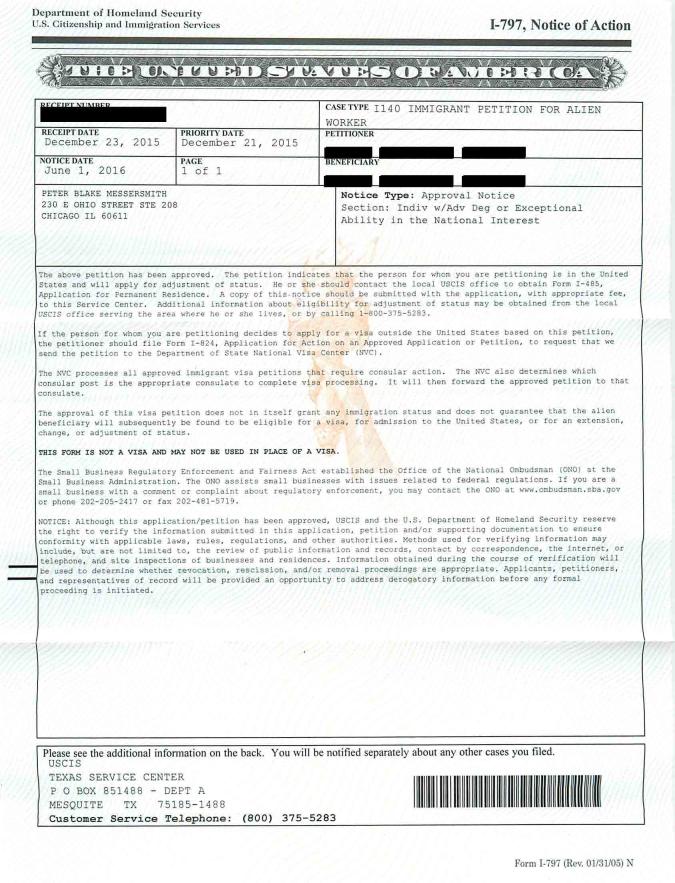
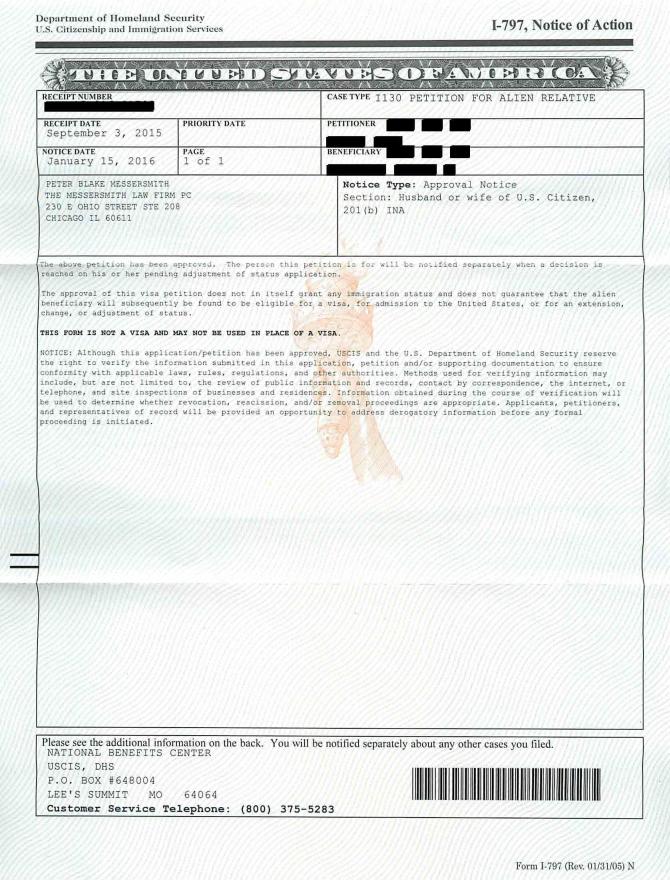
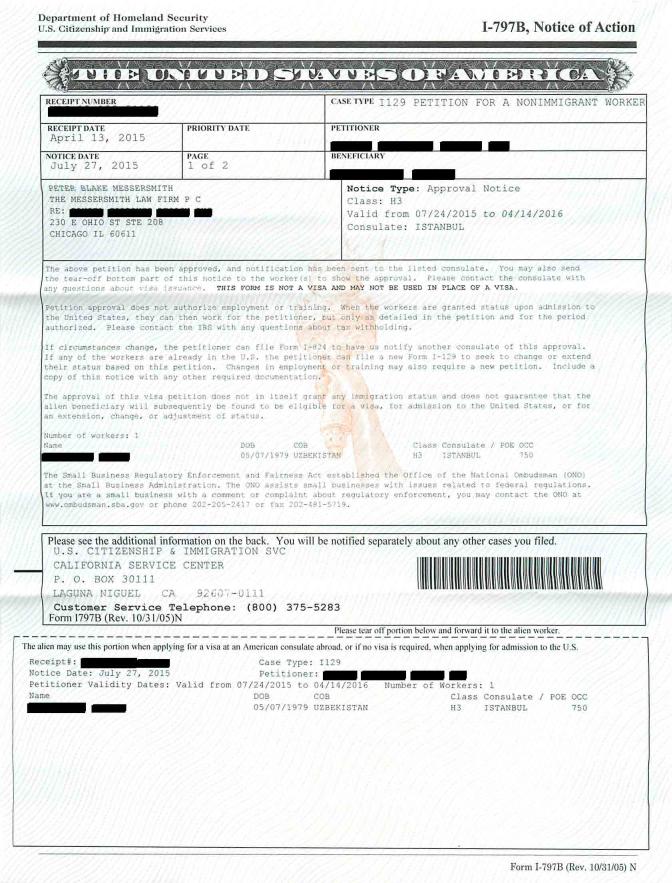
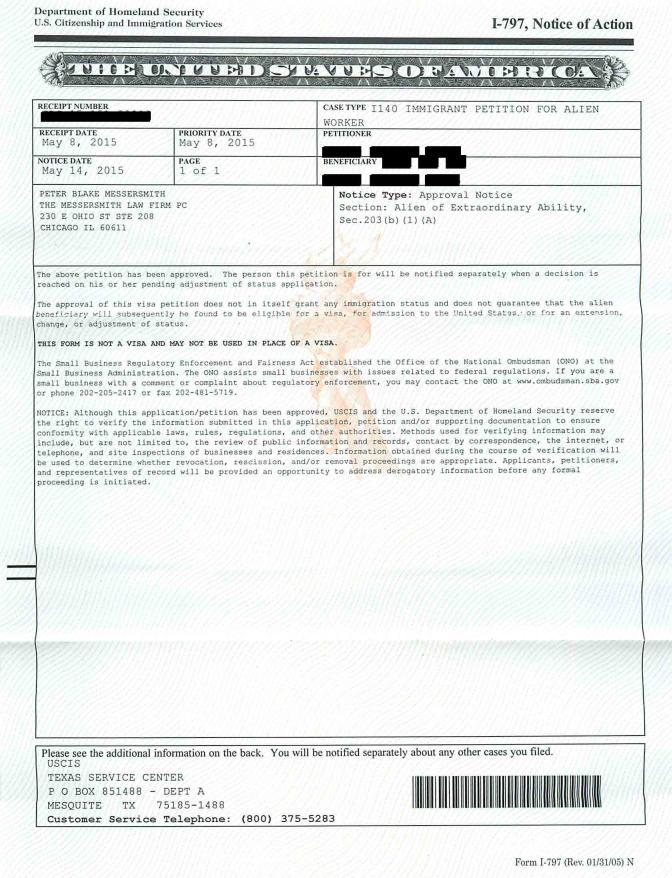
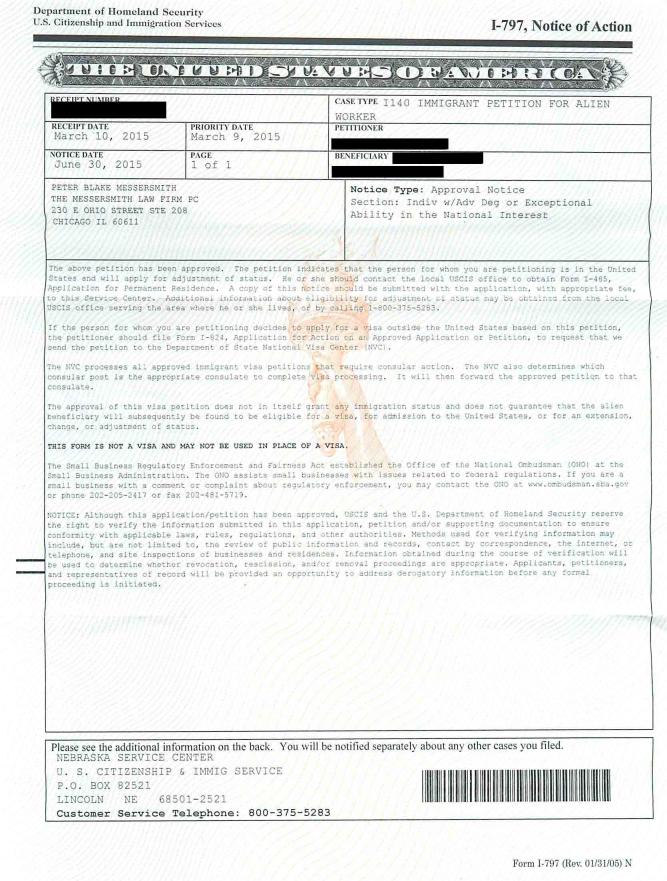
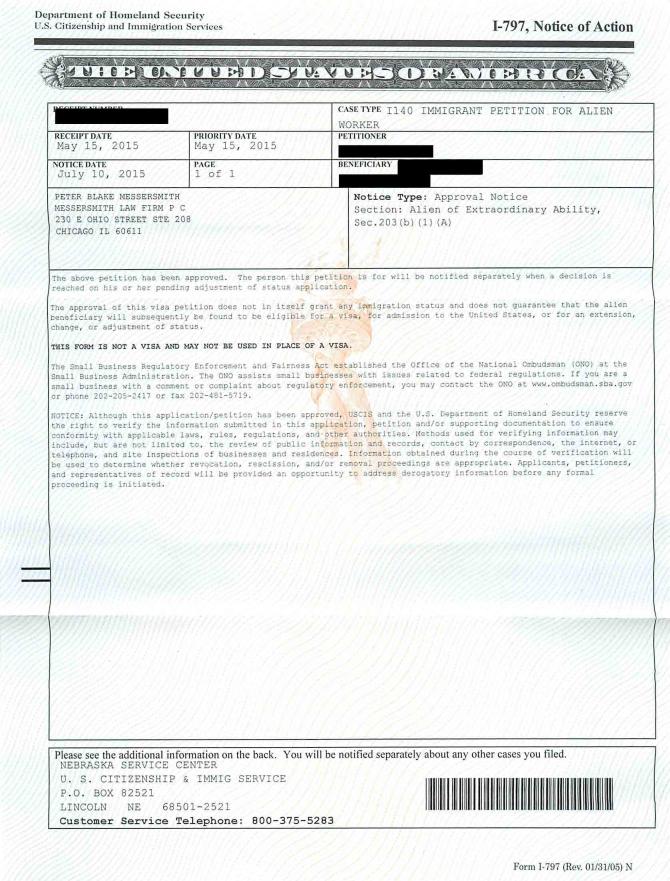
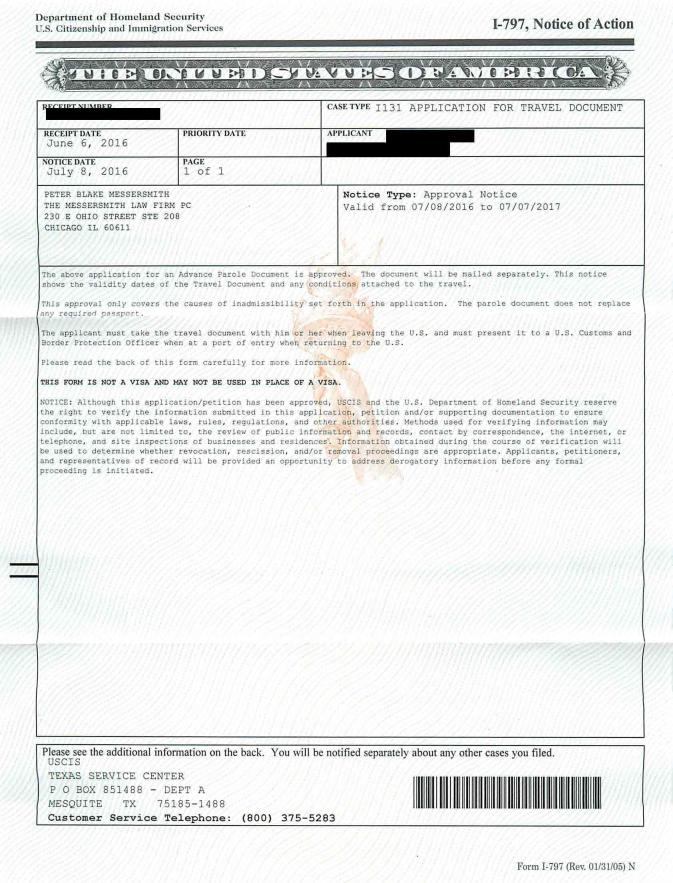
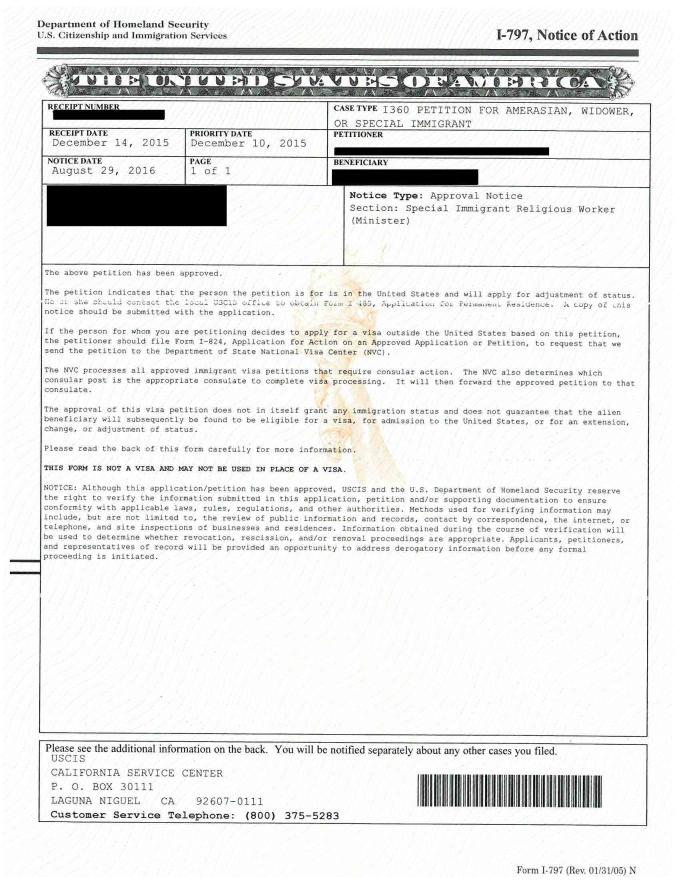
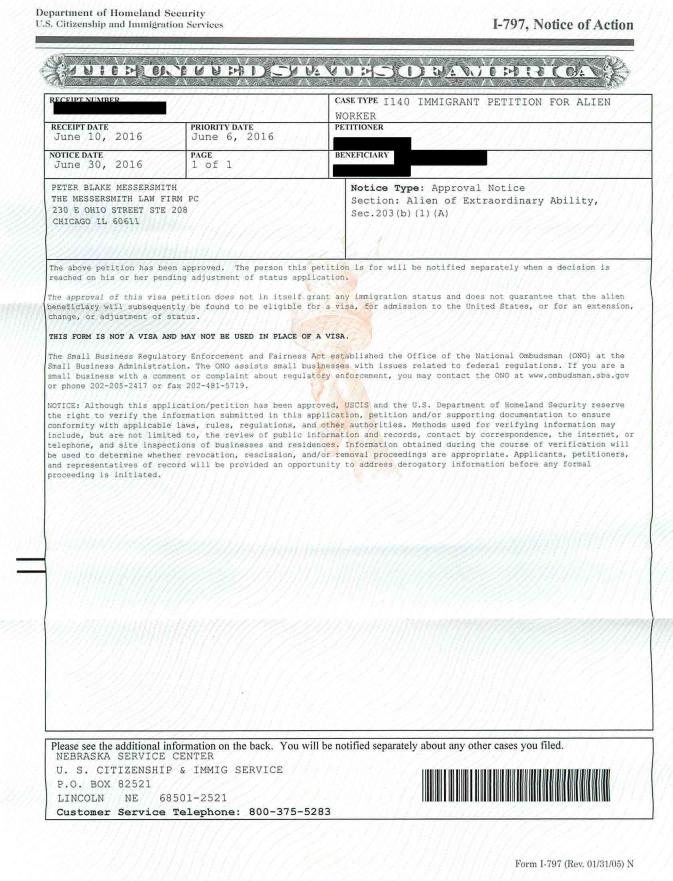
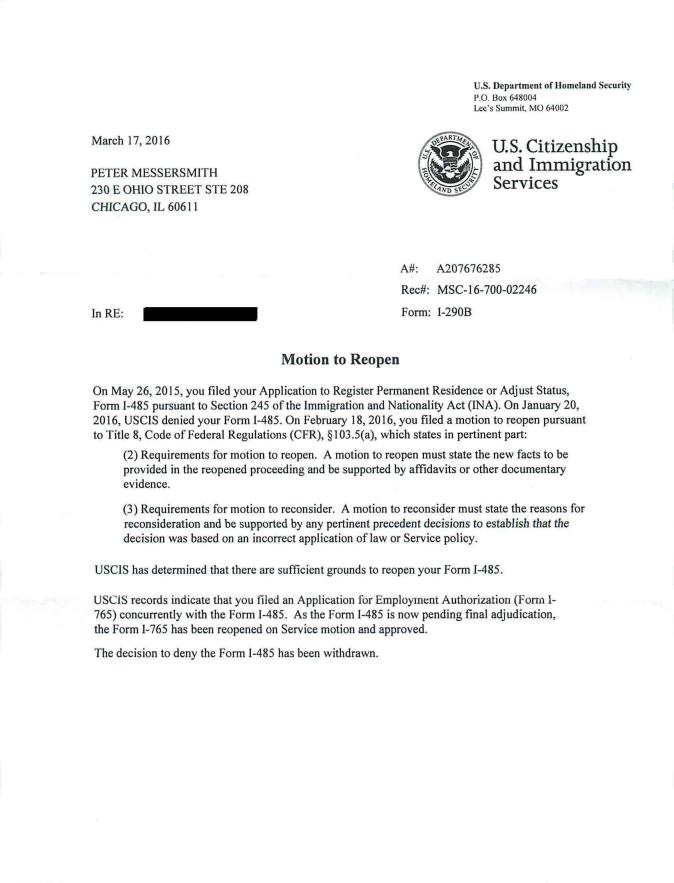
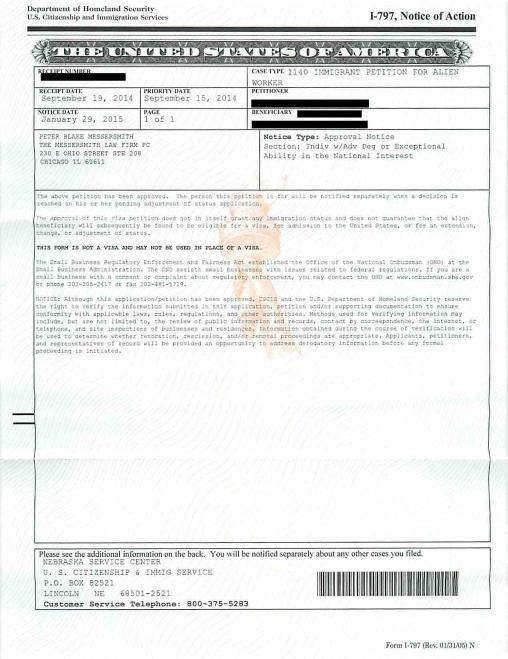
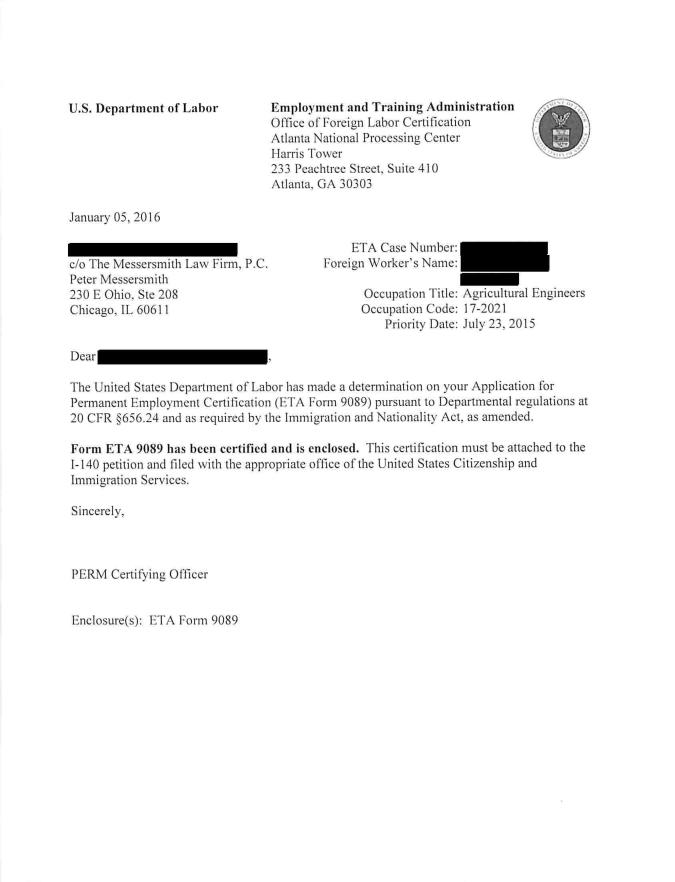
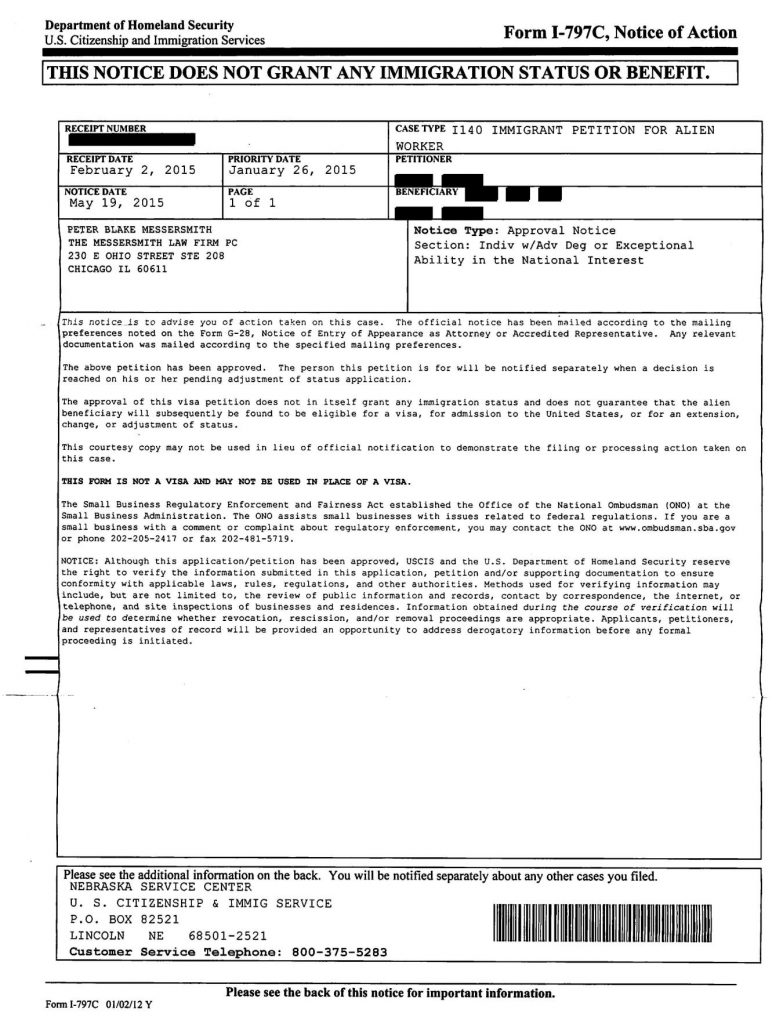
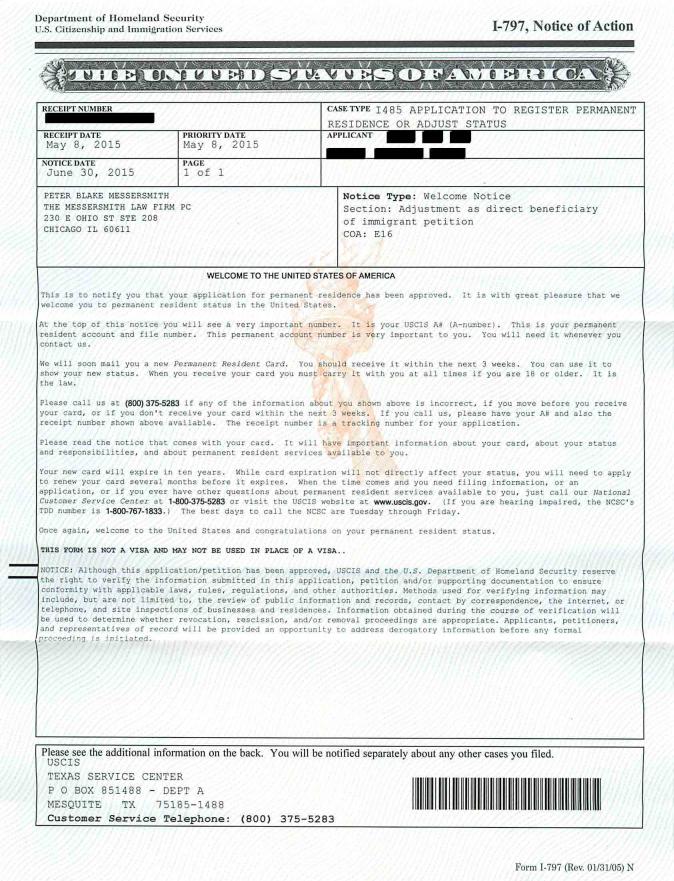
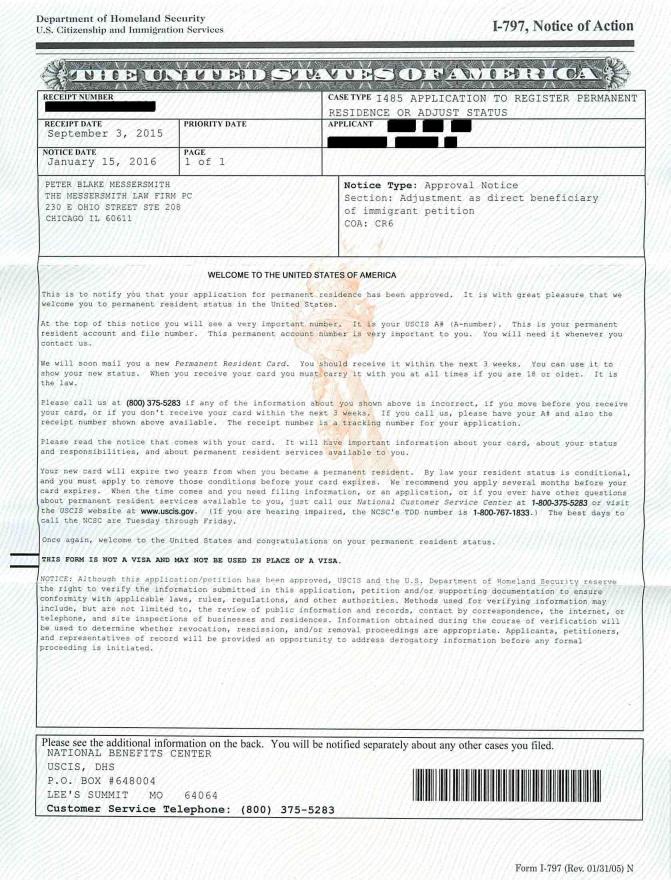
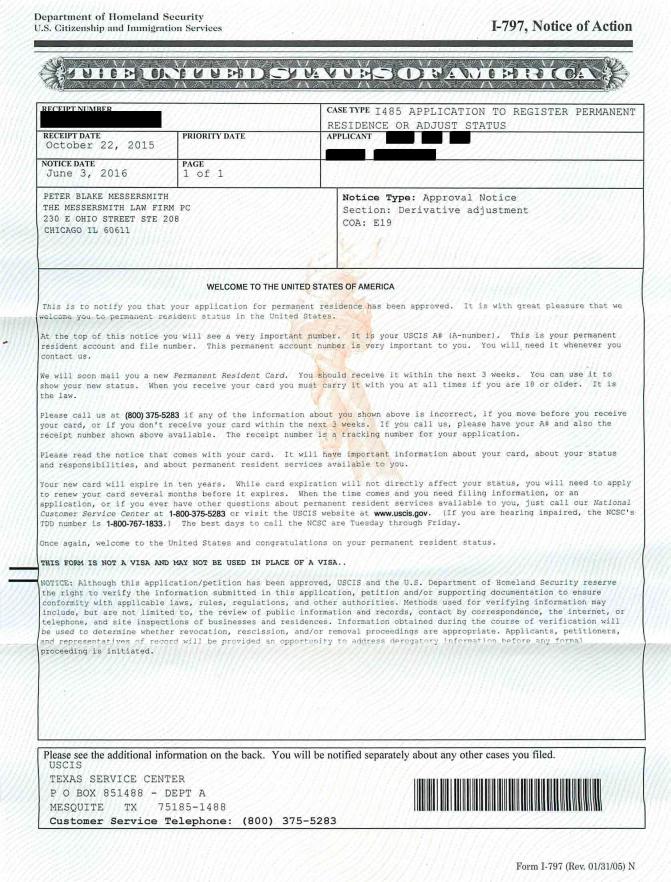
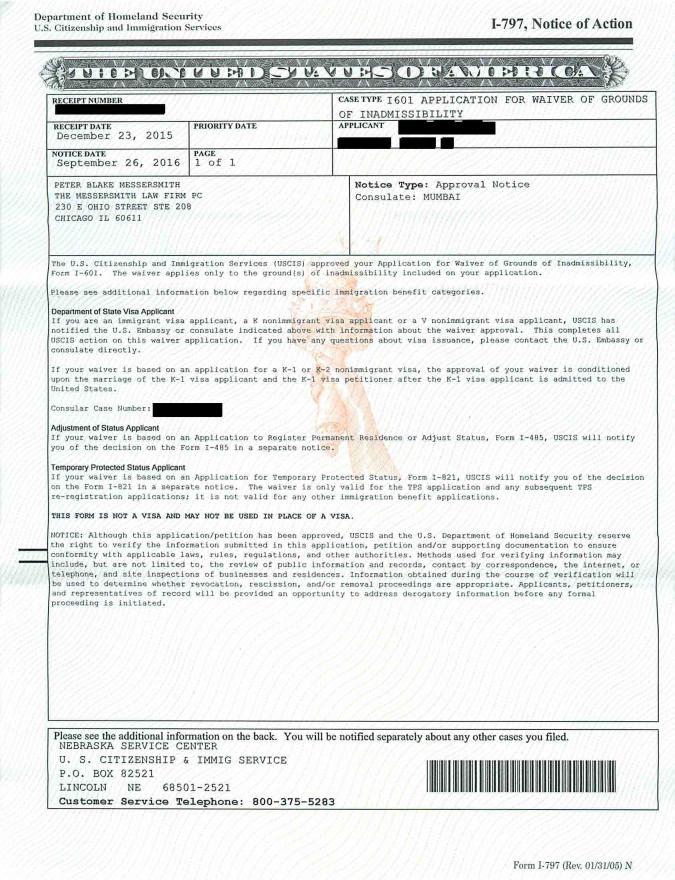
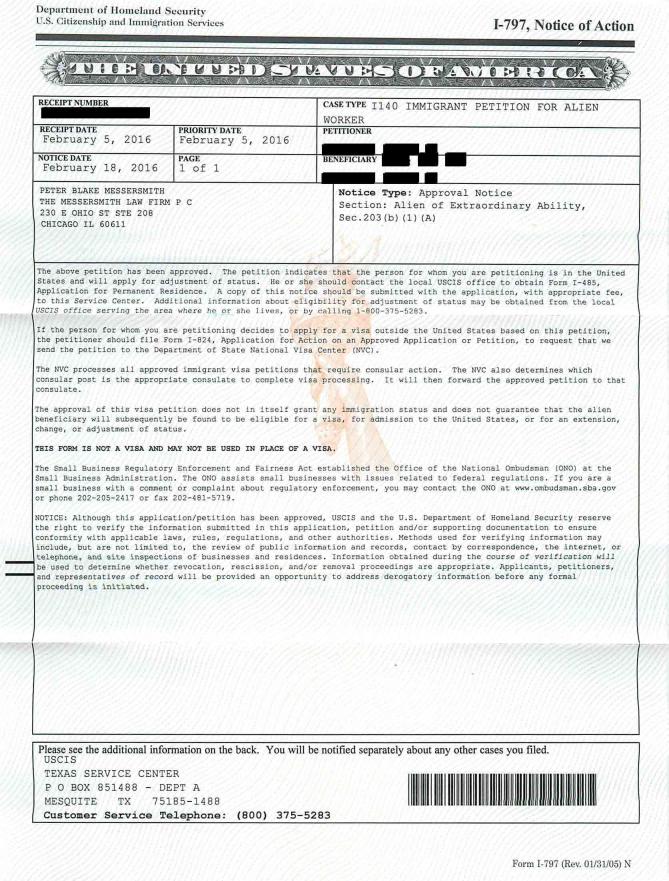
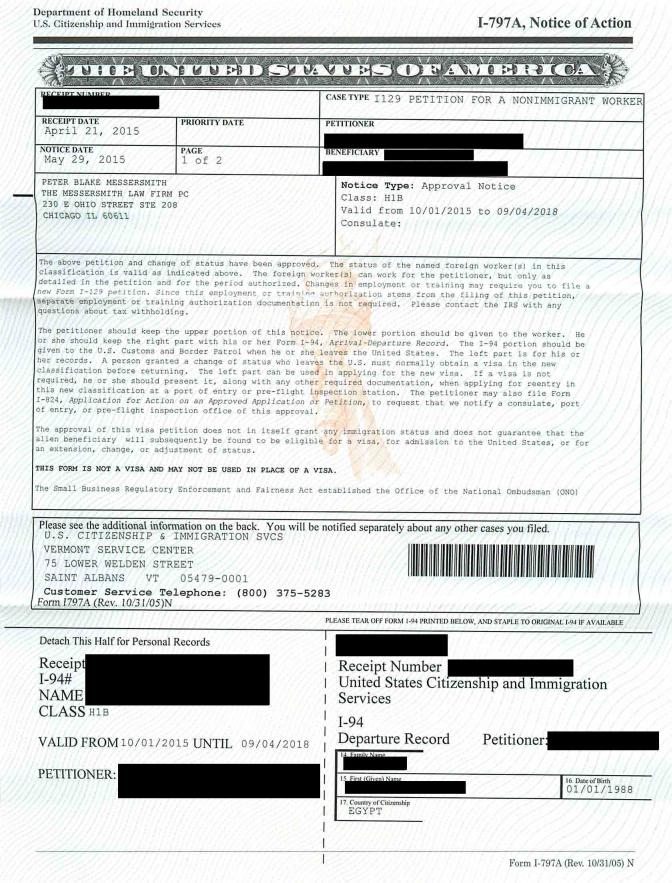
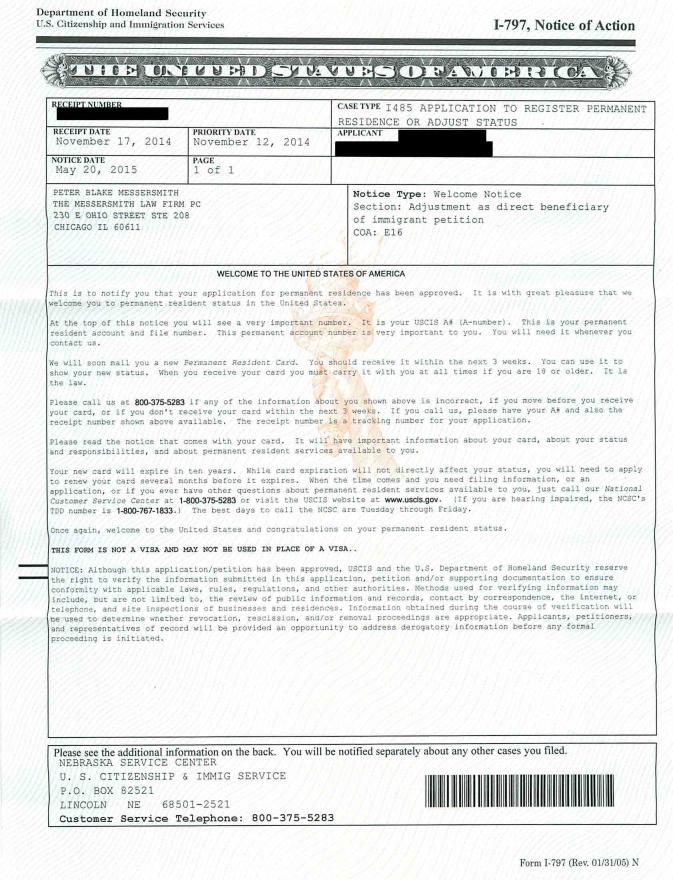
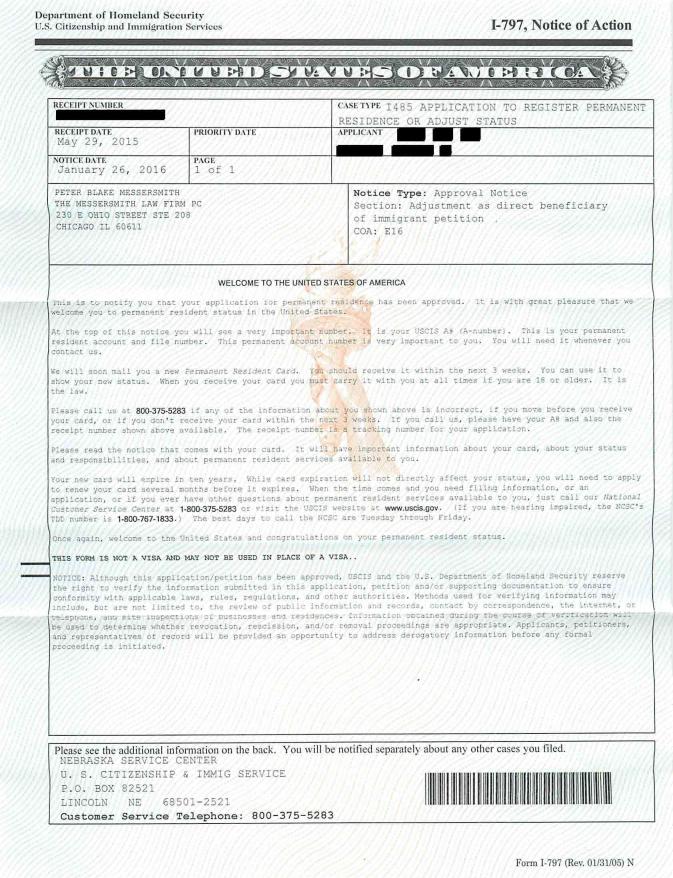
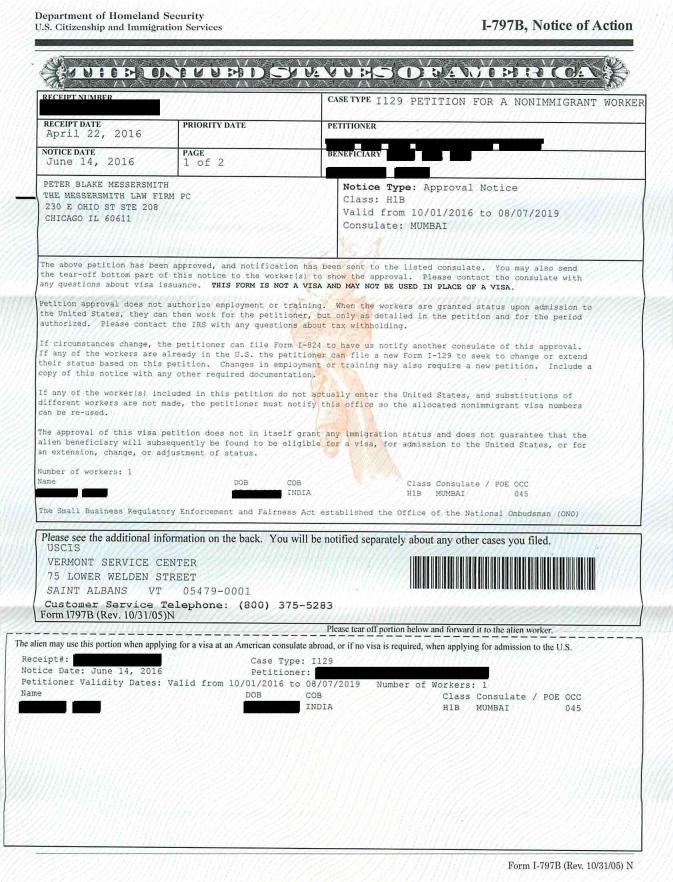
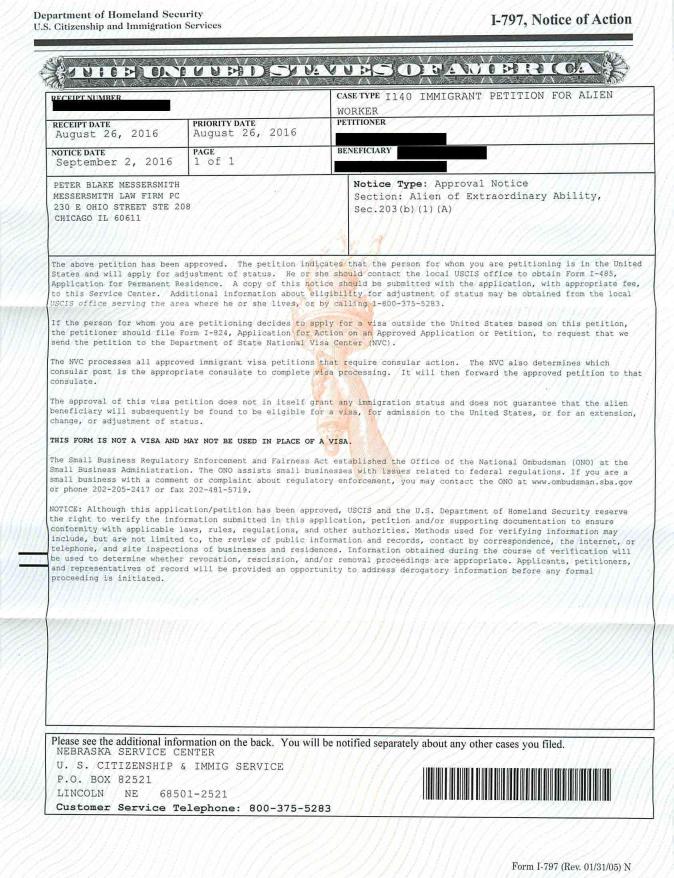
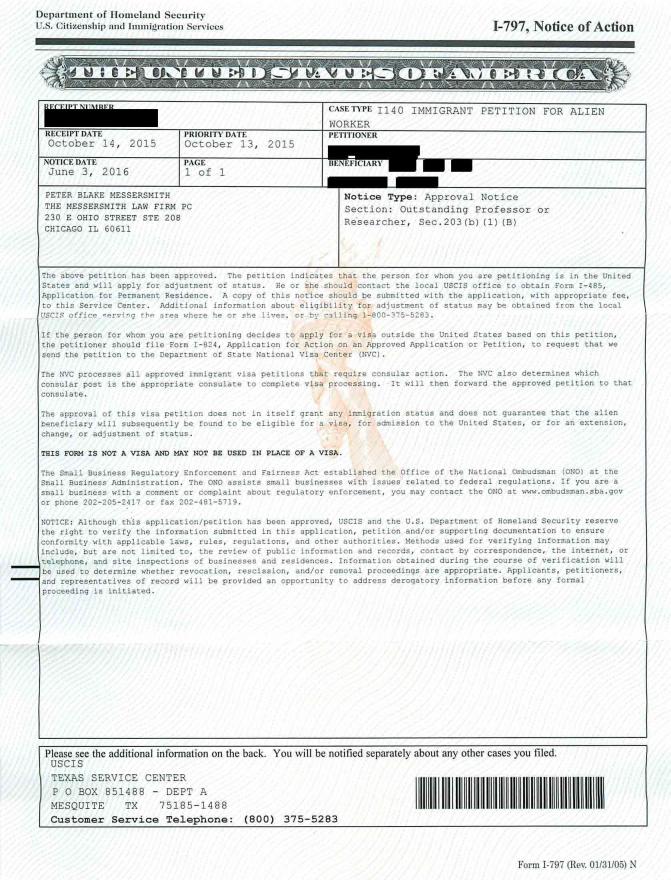
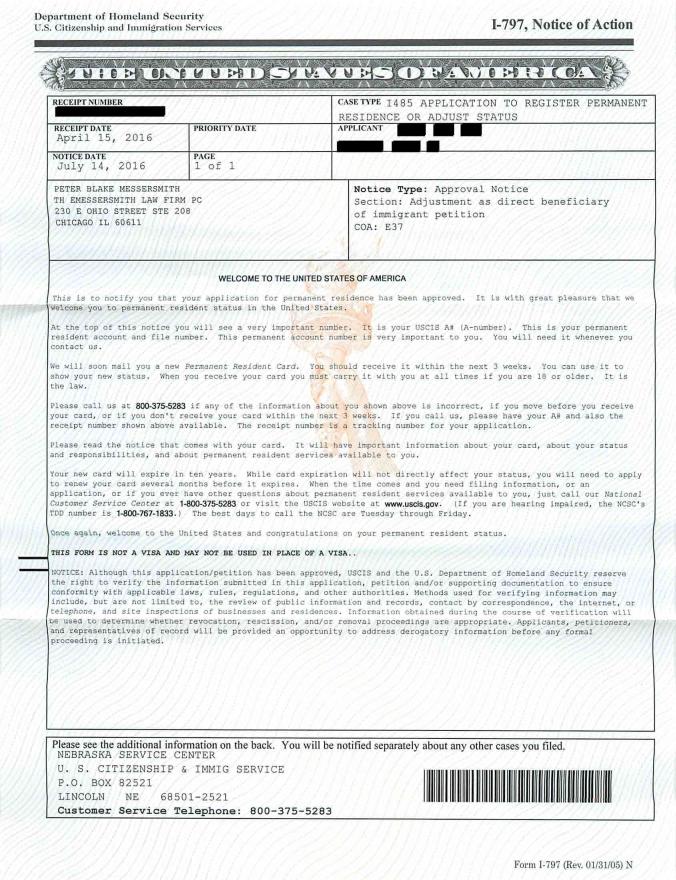
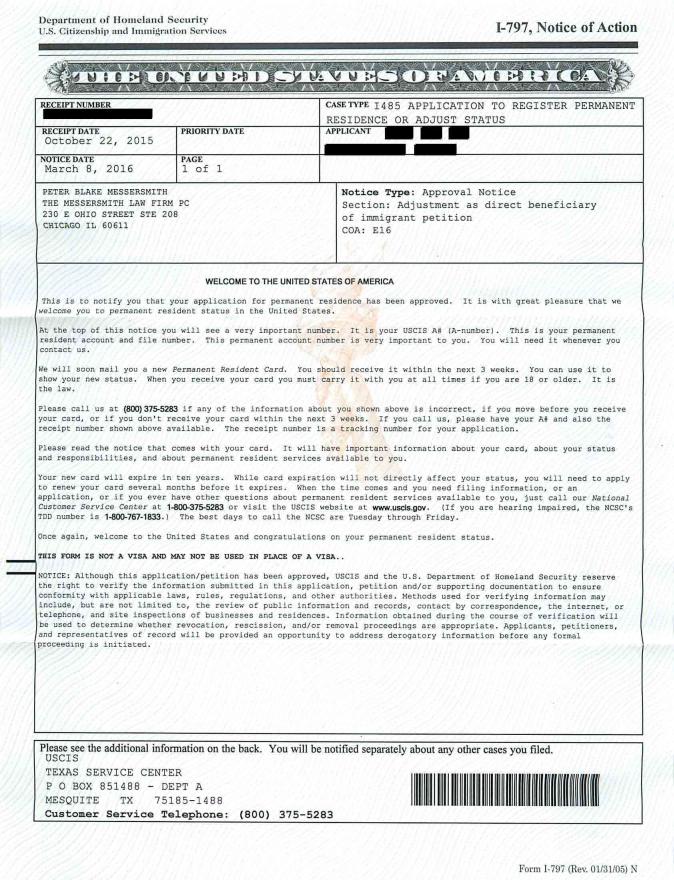
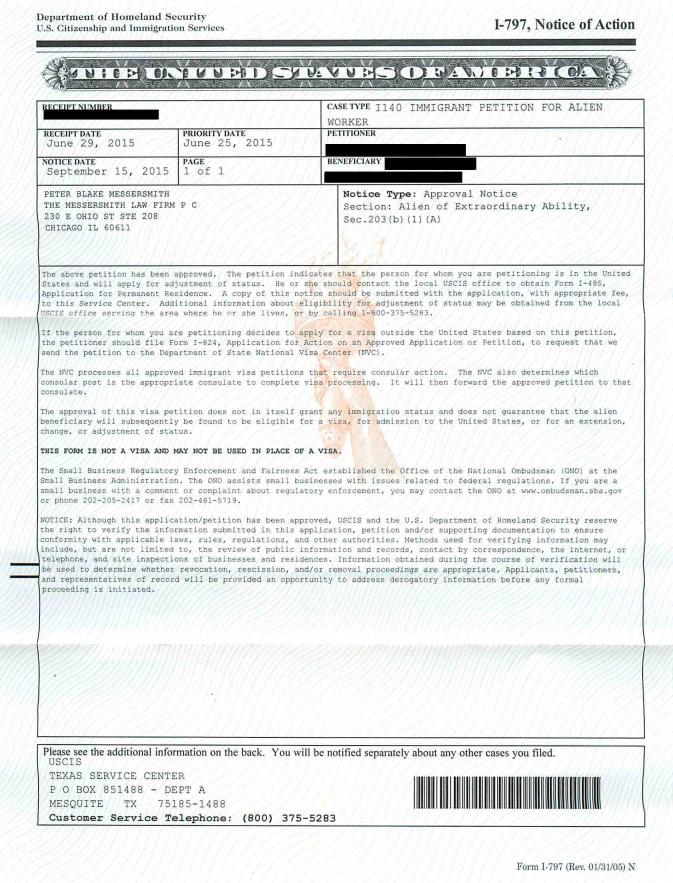
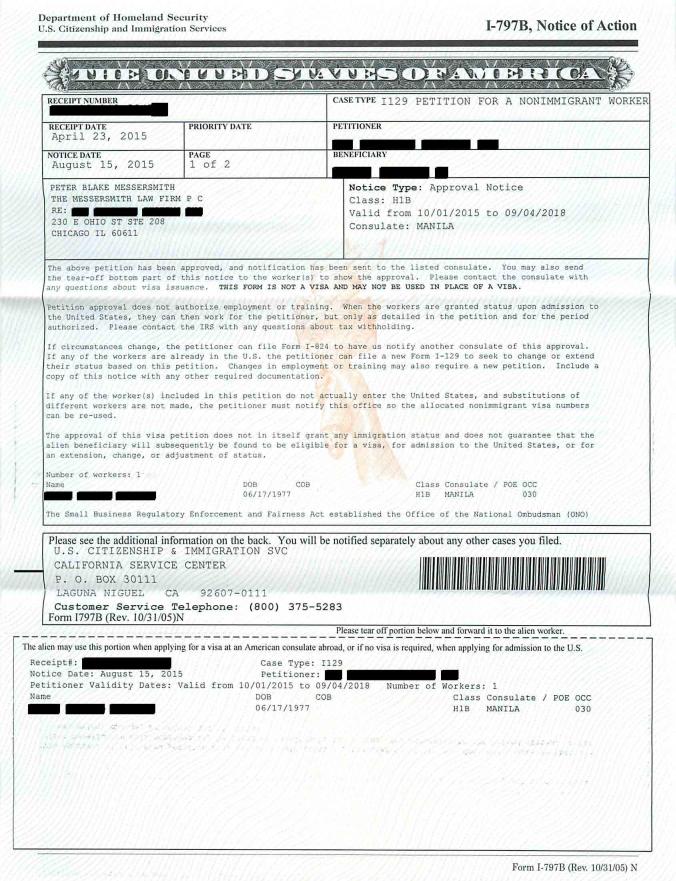
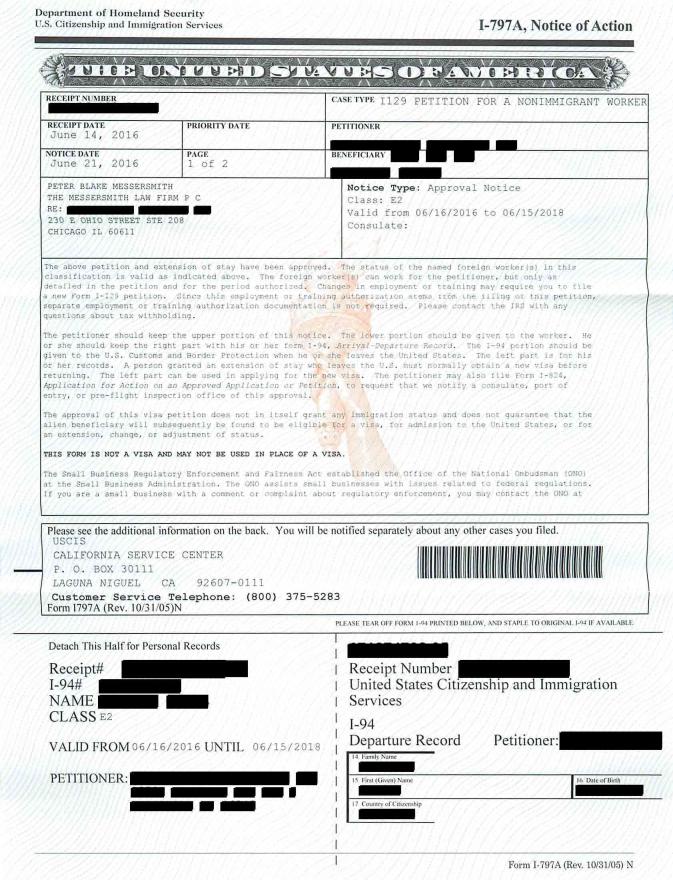
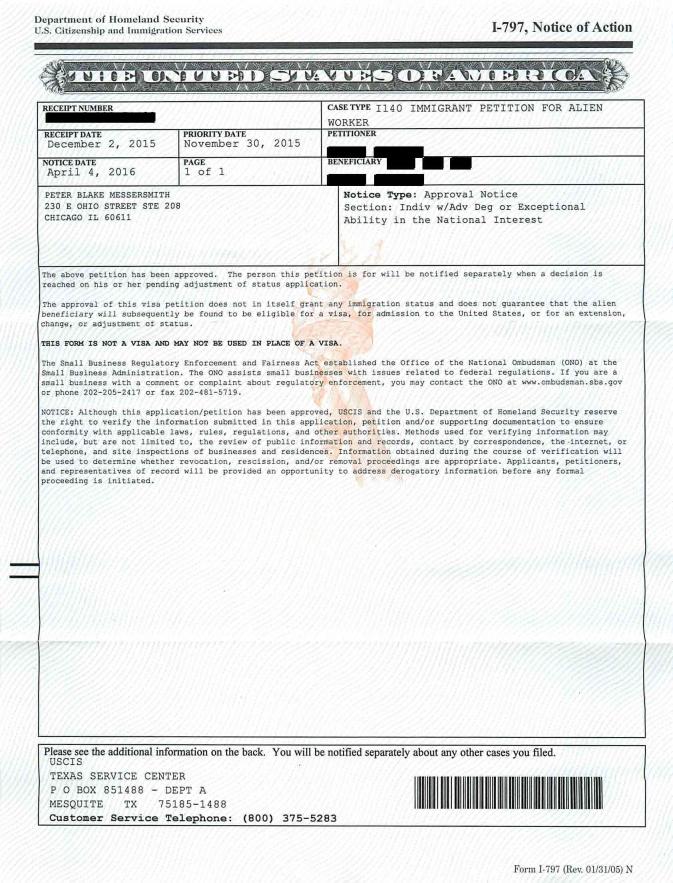
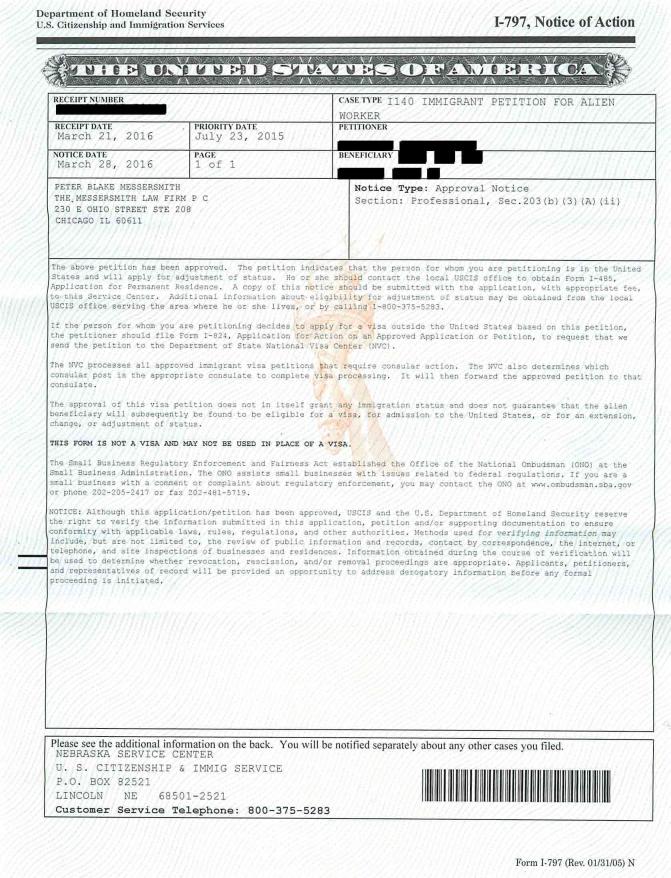
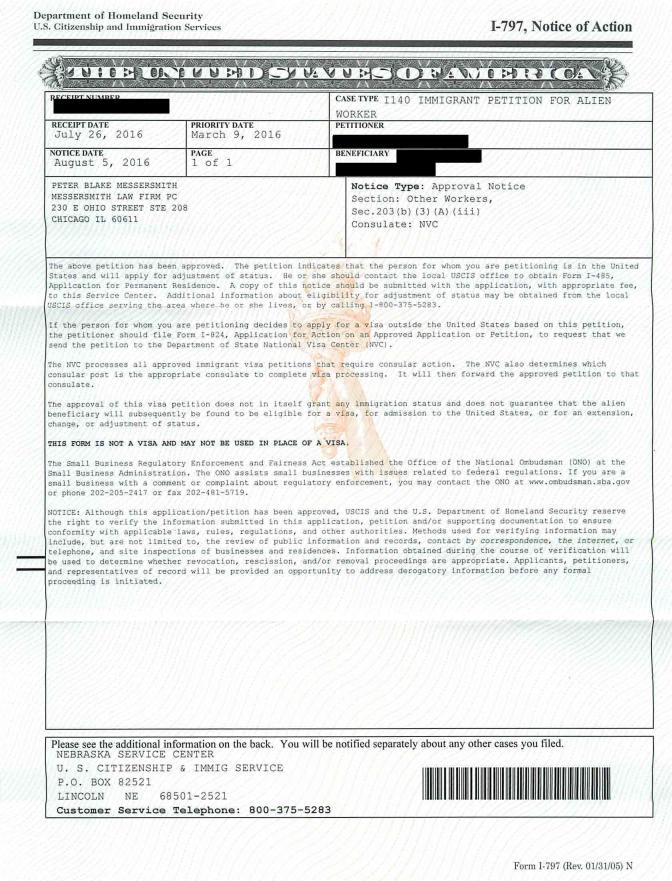
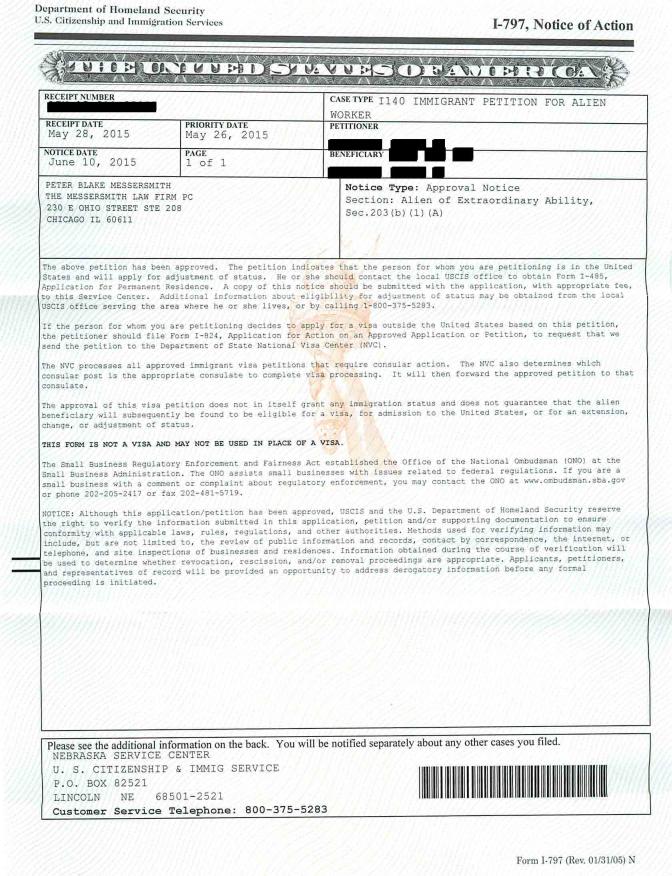
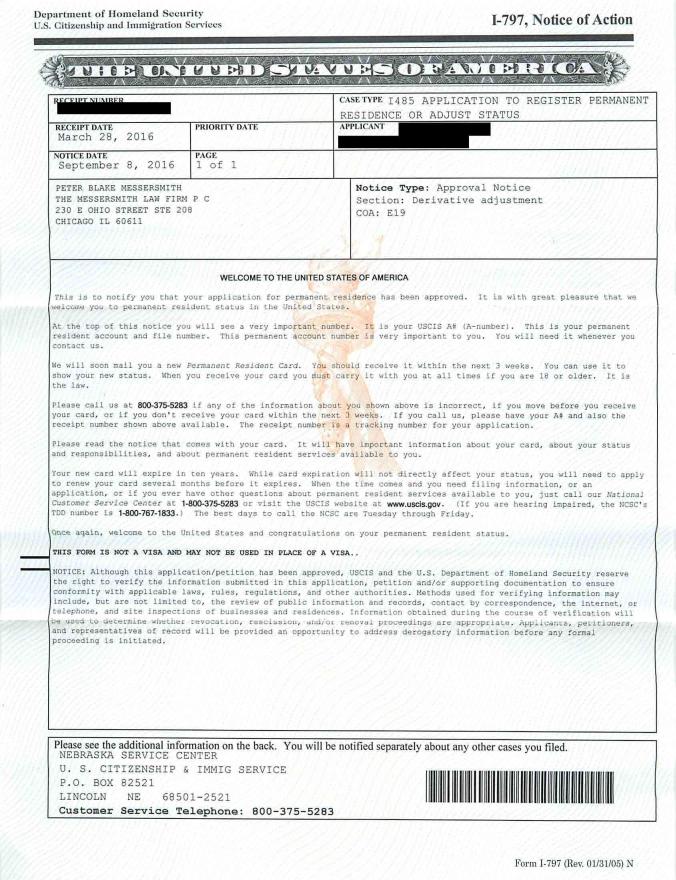
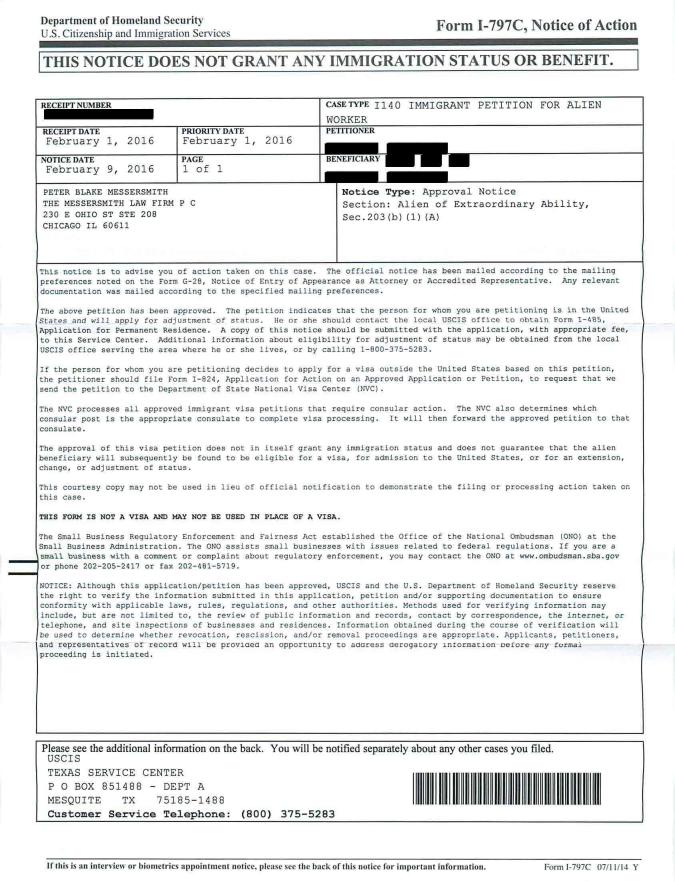
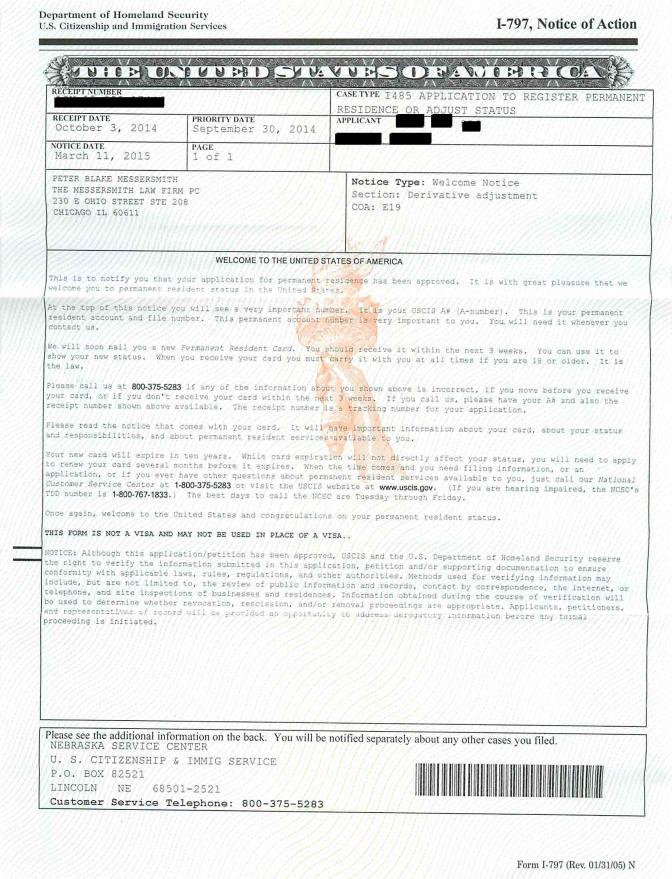
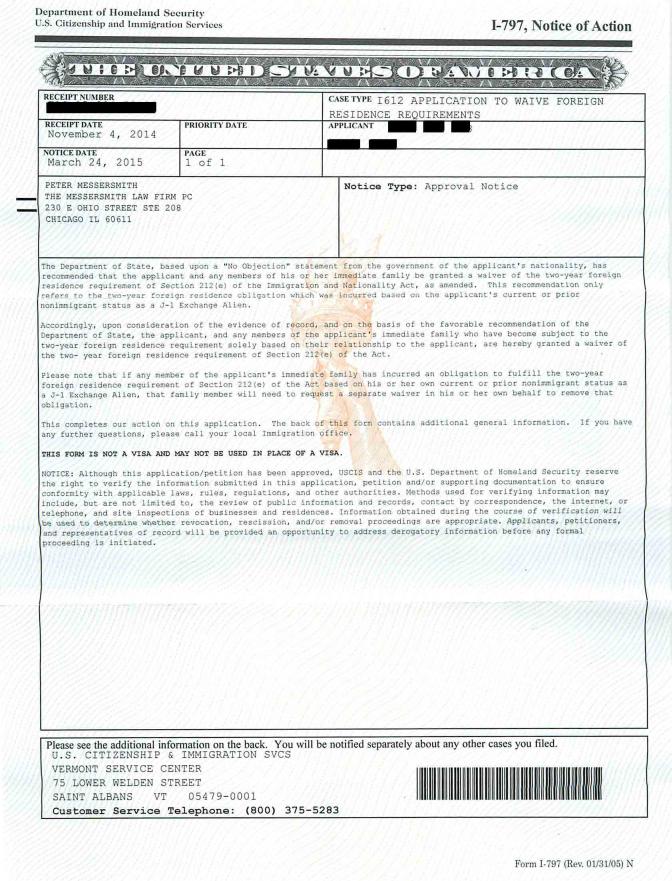
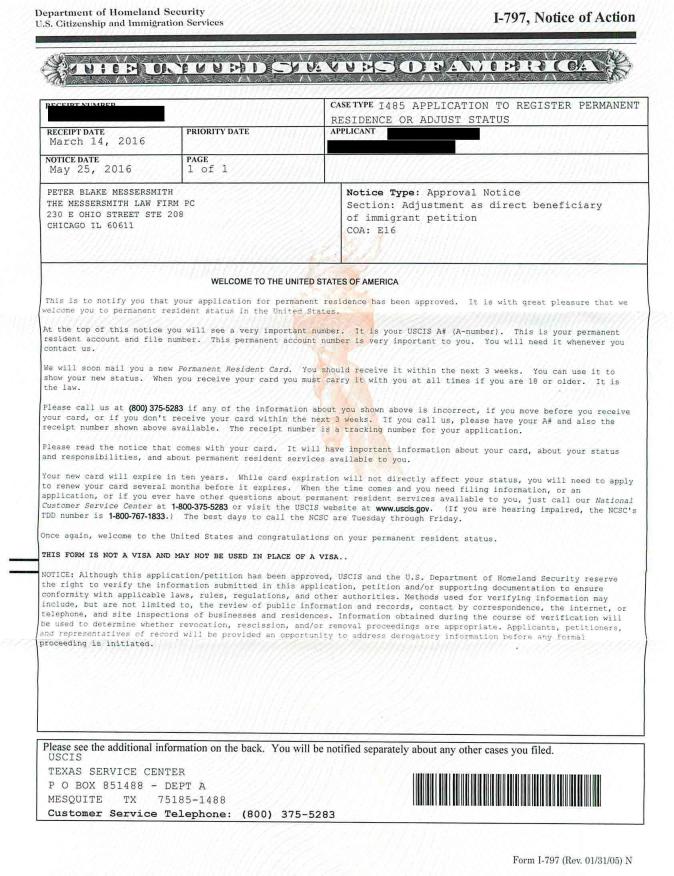
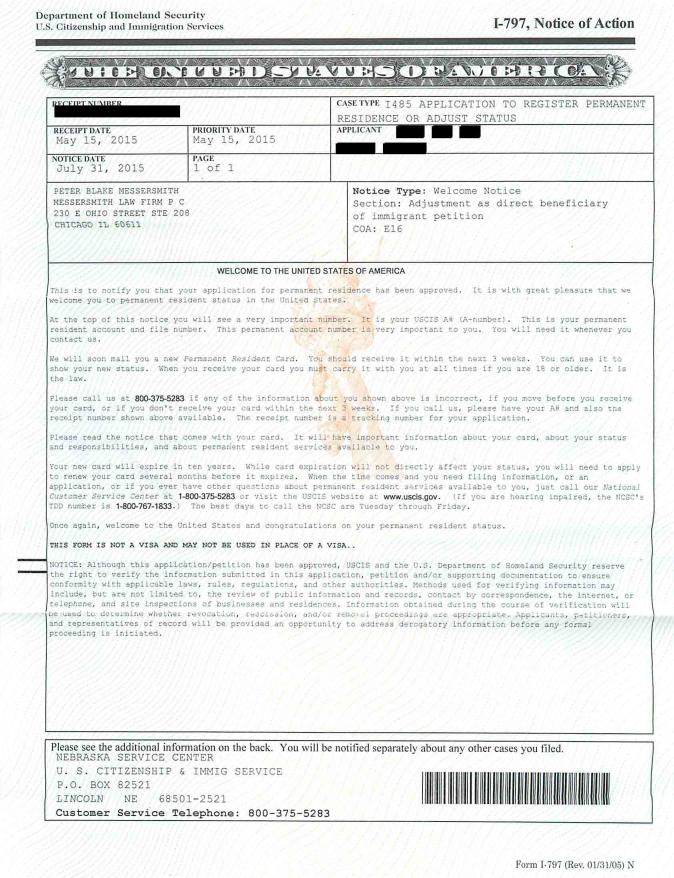
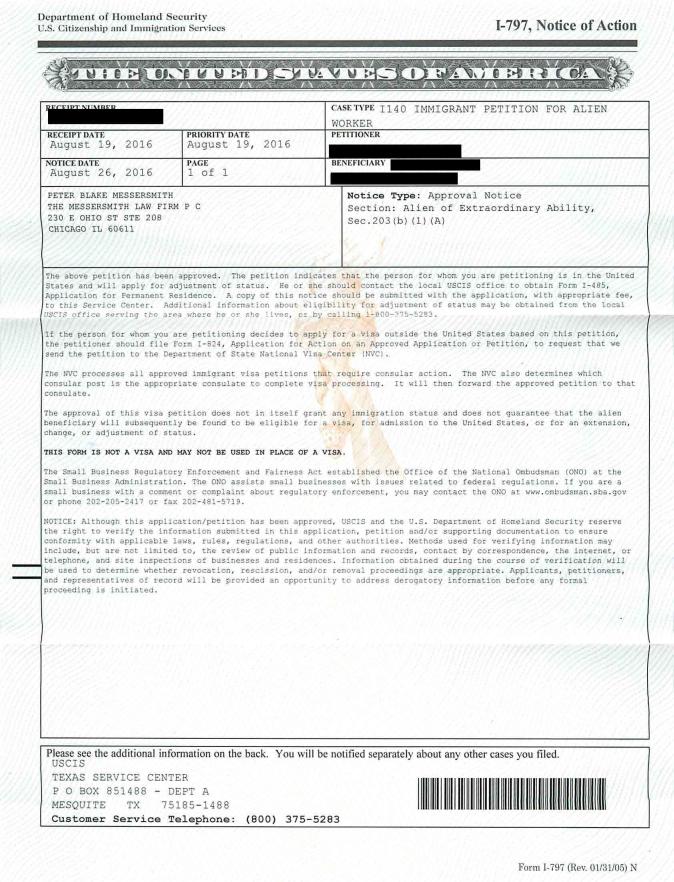
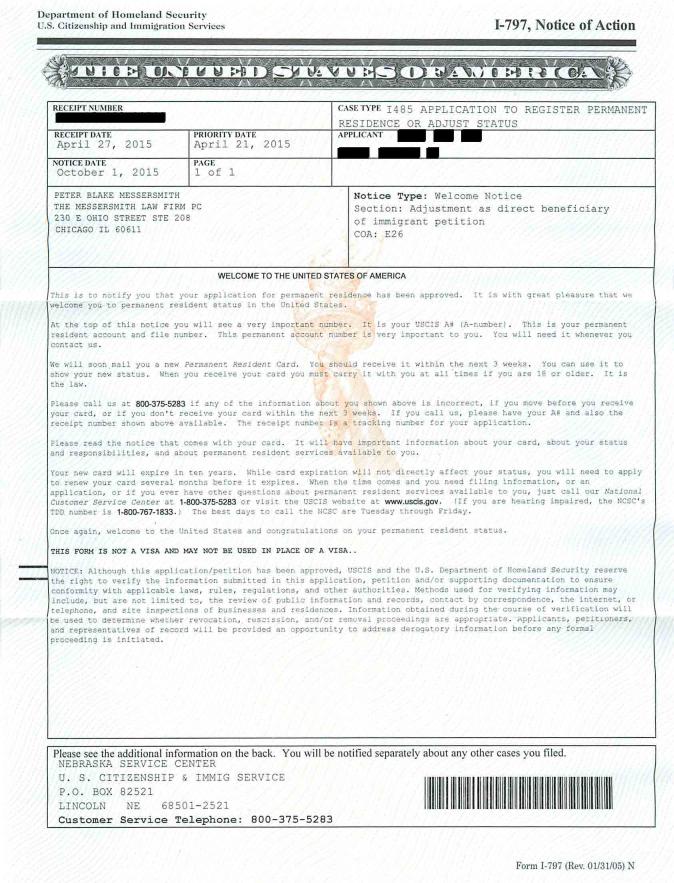
People often inquire about this issue as INA 245(i), 245i, 245(i) amnesty, or 245(i) grandfathered. INA 245(i) is a special rule that can allow certain people to apply for adjustment of status in the United States even if they would normally be barred (such as entry without inspection, certain overstays, or unauthorized work), if a qualifying immigrant visa petition or labor certification was properly filed on or before April 30, 2001 and the person qualifies under the grandfathering rules. Many cases also involve filing Form I-485 Supplement A and paying the $1,000 penalty fee as part of the 245(i) process.

INA 245(i) (245i) — Grandfathered Adjustment of Status (“245(i) Amnesty”)
INA 245(i) (245i) — Grandfathered Adjustment of Status (“245(i) Amnesty”)

245(i) Details
The LIFE Act, which made benefits under INA 245(i) possible, was enacted on December 21, 2000. 245(i) now makes it possible for certain foreign nationals currently in the US to apply for adjustment of status even if they normally do not qualify because they entered without inspection, fell out of status or otherwise violated the terms of their non immigrant status. 245(i) does not, by itself, allow a person to apply for permanent residence, it only allows some past immigration violations to be forgiven.

For Whom Is 245(i) Appropriate?
Any foreign national in the US who wishes to apply for permanent residence but ordinarily cannot due to past immigration violations.

245(i) Requirements
Most 245(i) cases turn on a small set of legal requirements and deadlines. In general, a person may be able to use 245(i) if:
- A qualifying immigrant visa petition (such as a family- or employment-based petition) or a labor certification was properly filed on or before April 30, 2001
- The qualifying filing was “approvable when filed” (meaning it was properly filed and non-frivolous)
- If the qualifying filing was made after January 14, 1998, the applicant generally must show physical presence in the United States on December 21, 2000
When 245(i) is used to adjust status, the process commonly includes filing Form I-485 Supplement A and paying the $1,000 penalty fee (in addition to the standard filing fees), where required.
Common examples of INA 245(i) “amnesty” cases
INA 245(i) is most often used when a person wants to apply for a green card (adjustment of status) inside the United States but would normally be barred because of how they entered or because of status problems. Common fact patterns include:
- Entered the U.S. without inspection (EWI) and later seeks a green card through a family-based petition, using a prior 245(i)-qualifying filing to adjust in the U.S.
- Overstayed a visa and later seeks adjustment of status, using 245(i) to overcome bars that would otherwise require consular processing
- Worked without authorization and later seeks adjustment of status, using 245(i) as the mechanism to adjust despite that issue
- Has an approved modern petition today, but relies on an older petition or labor certification filed on or before April 30, 2001 to claim “grandfathered” 245(i) eligibility
- Was listed as a derivative beneficiary on a qualifying petition filed by the April 30, 2001 deadline and later seeks to use 245(i) based on that earlier filing
- Needs to prove the “physical presence on December 21, 2000” requirement for certain filings made after January 14, 1998
- USCIS questions whether the old petition or labor certification was “approvable when filed,” and the case turns on showing it was properly filed and non-frivolous
- Missing documentation of the original qualifying filing (old I-130/I-140 or labor certification) and needs to reconstruct the record to prove eligibility
Because 245(i) cases are record-driven, the strongest approach is to build a clean timeline and collect proof of the original qualifying filing (and key dates), then align the current green card strategy with the grandfathering rules.
Documents that prove 245(i) eligibility (what USCIS usually looks for)
245(i) cases are evidence-driven. USCIS typically wants to see proof of the original qualifying filing and proof that it was timely and approvable when filed.
Commonly helpful documents include:
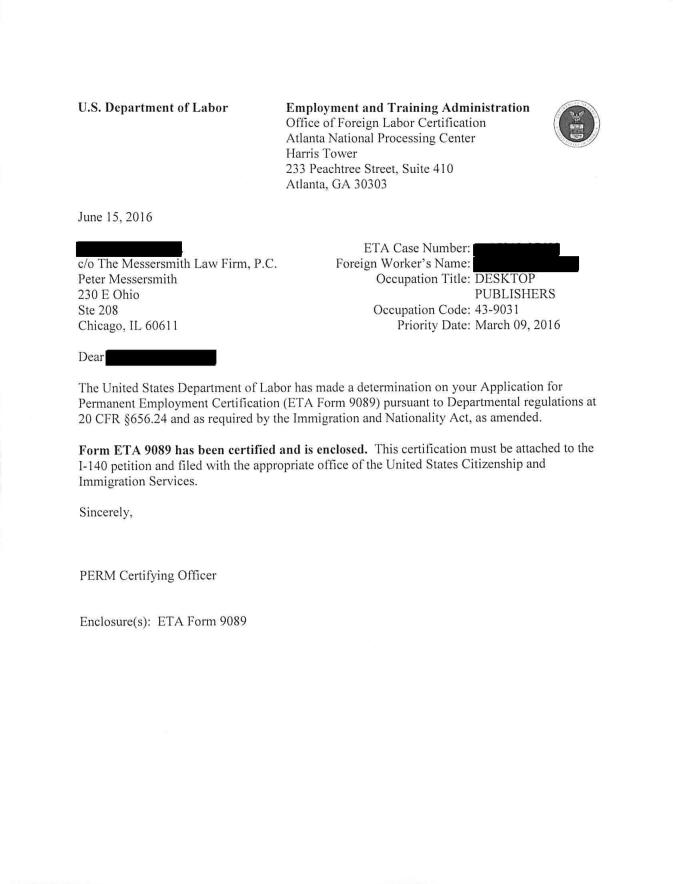
- A copy of the original petition or labor certification (for example, the I-130/I-140 filing or the labor certification ETA form), including the filing date
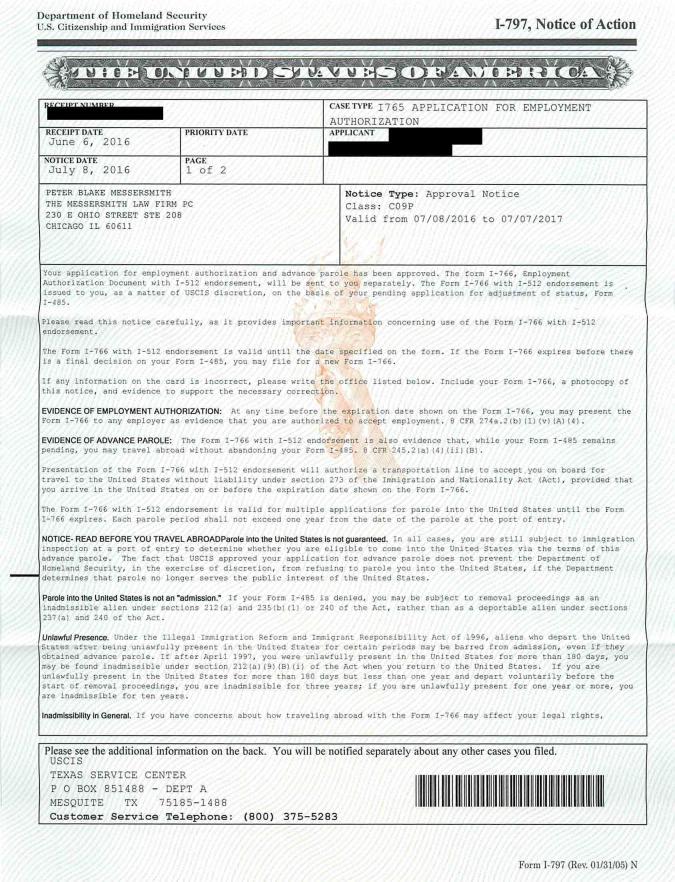
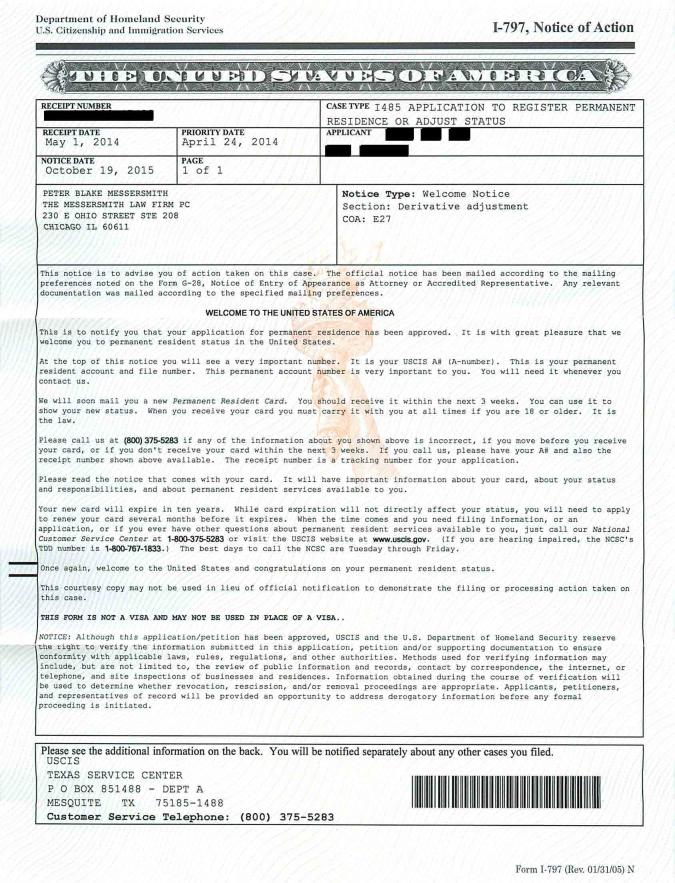
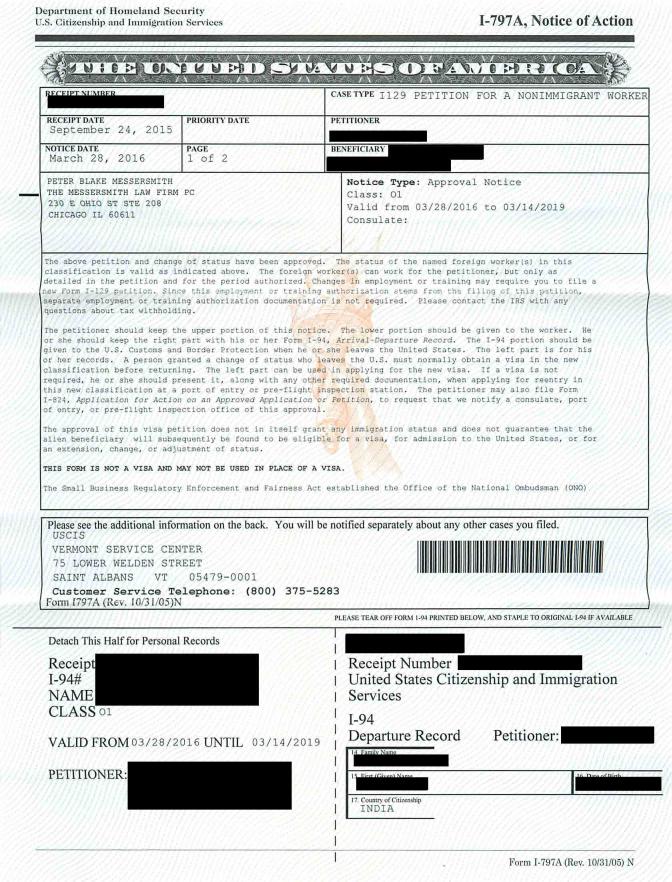
- Receipt notices, approval notices, or other proof the petition/labor certification was properly filed
- Evidence showing the filing was “approvable when filed” (properly filed and non-frivolous), including supporting documents from the original case
- If the qualifying filing was after January 14, 1998: evidence of physical presence in the U.S. on December 21, 2000 (for example, dated records showing the person was in the U.S. on that date)
- For adjustment cases using 245(i): Form I-485 Supplement A and proof of the $1,000 penalty fee payment where required
- A clear timeline showing how the applicant claims grandfathered status today and which current petition is being used for the green card
If documents are old or missing, the strategy often starts with reconstructing the record (through prior counsel files, petitioner records, or agency record requests) and then presenting a clean, organized 245(i) timeline.
Frequently asked questions about INA 245(i) (245i amnesty)
What is INA 245(i)?
INA 245(i) is a special rule that can allow certain people to apply for adjustment of status (a green card) in the United States even if they would normally be barred due to entry without inspection, certain overstays, or unauthorized work.
What does “245(i) grandfathered” mean?
“245(i) grandfathered” usually means a qualifying immigrant petition or labor certification was properly filed on or before April 30, 2001 and can be used to support 245(i) eligibility under the grandfathering rules, even if the person adjusts through a different petition later.
What is the April 30, 2001 deadline?
In general, the qualifying petition or labor certification must have been filed on or before April 30, 2001 for 245(i) eligibility.
What is the December 21, 2000 physical presence requirement?
If the qualifying filing was made after January 14, 1998, the applicant generally must show physical presence in the United States on December 21, 2000.
What does “approvable when filed” mean?
It generally means the qualifying petition or labor certification was properly filed, non-frivolous, and based on a real qualifying relationship or job at the time it was filed.
Can I use 245(i) if I entered without inspection (EWI)?
Sometimes. 245(i) is often used by people who entered without inspection and later want to adjust status in the U.S., if they are grandfathered through a qualifying filing by the deadline.
Can 245(i) help if I overstayed or worked without authorization?
Sometimes. Many 245(i) cases involve overstays and/or unauthorized work, but eligibility depends on the grandfathering record and the current green card path.
What forms are used for 245(i) adjustment of status?
Adjustment cases typically involve Form I-485, and 245(i) cases often require Form I-485 Supplement A.
What is the $1,000 penalty fee?
Many 245(i) adjustment cases involve a $1,000 penalty fee in addition to standard filing fees, where required for the case.
What documents prove 245(i) eligibility?
USCIS typically wants proof of the original qualifying filing (petition or labor certification), proof it was timely and approvable when filed, and (when applicable) proof of physical presence on December 21, 2000.
What is the first step in a 245(i) case?
Identify the original qualifying filing, confirm the key dates and “approvable when filed” evidence, and build a clear timeline showing how the applicant is claiming grandfathered eligibility today.