To qualify for asylum, the case must show that the applicant cannot or will not return to the home country because of persecution or a well-founded fear of persecution on a qualifying legal basis. Asylum cases can move through different paths depending on the applicant’s situation. Some cases are filed affirmatively, while others are raised defensively in immigration court. In addition to the legal basis for the asylum claim, many applicants are concerned about the one-year filing deadline, the ability to work legally while the case is pending, and the long-term path to permanent residence after asylum is granted.
Form I-589
A strong asylum case usually begins with Form I-589. The filing should clearly explain the asylum claim, the background facts, and the legal basis for relief.
Persecution or well-founded fear of persecution
A strong filing should clearly explain what happened in the past or what the applicant fears will happen in the future. The case should make the harm and the risk easy to understand in practical terms.
Qualifying legal basis
A strong asylum case should clearly explain the legal basis for the claim and how the persecution or feared persecution connects to that protected ground.
One-year filing deadline
One of the most important issues in many asylum cases is the one-year filing deadline. In many cases, an asylum application should be filed within one year of arrival in the United States. When the filing is outside that period, the case may need to address whether a legal exception applies.
Filing deadline exceptions
Some asylum applicants may still pursue asylum even if the application was not filed within one year. These cases often depend on the facts, the timing, and whether the applicant can show that an exception to the deadline applies. The timeline of entry, events in the United States, and changes in circumstances can become very important in these cases.
Affirmative asylum
Affirmative asylum generally refers to an asylum application filed with USCIS by a person who is physically present in the United States and is not presenting the claim as a defense in removal proceedings. These cases are commonly filed through Form I-589 and usually involve an asylum interview as part of the process.
Defensive asylum
Defensive asylum generally refers to an asylum claim raised in immigration court as a defense against removal from the United States. These cases follow a different procedural path from affirmative asylum cases and often involve hearings before an immigration judge.
Evidence matters
A strong asylum case should include clear evidence supporting the claim where available. The filing should organize the evidence in a way that supports the applicant’s account and the legal theory of the case.
Credibility matters
Asylum cases often depend heavily on credibility. The written application, the personal declaration, the supporting documents, and later testimony should fit together clearly and consistently. Dates, events, and explanations should be accurate and easy to follow.
Country-condition evidence
Country-condition evidence can be an important part of an asylum case. These materials may help show the broader situation in the home country and may support the applicant’s account of past harm, future risk, or inability to return safely.
Personal declaration and supporting evidence
A detailed personal declaration is often one of the most important parts of an asylum filing. It should explain the applicant’s background, the events that caused the fear of return, the timeline of what happened, and the reasons the applicant is seeking protection. Supporting evidence should be organized so that it reinforces the declaration and the legal theory of the case.
Work authorization
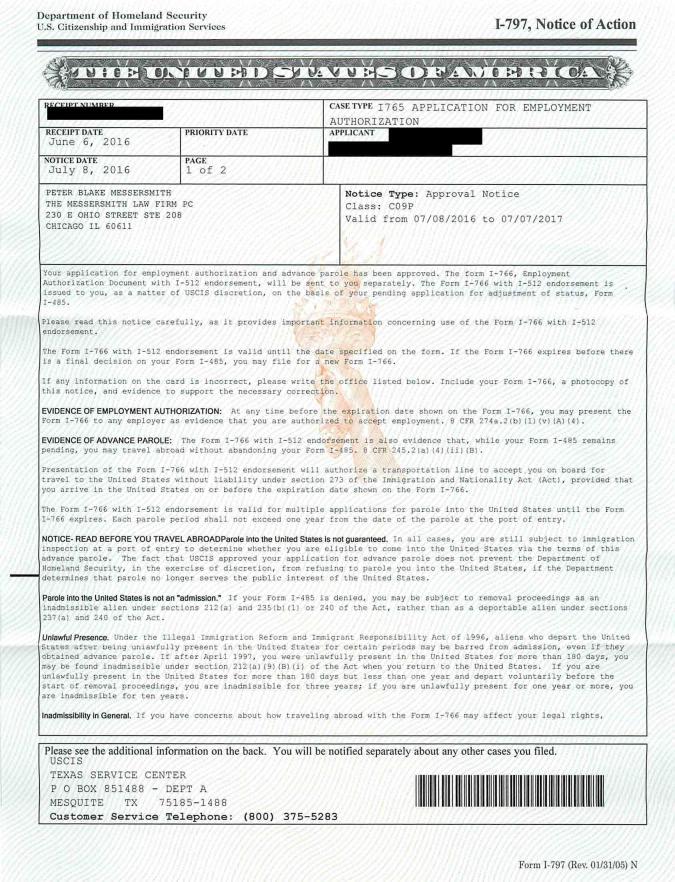
The ability to work legally in the United States is one of the most important practical concerns during a pending case. Work authorization is a separate issue from the asylum decision itself, and it is often one of the most important practical concerns during a pending case. Timing, procedure, and the history of the asylum filing can affect how this issue is handled. Because of that, work authorization should be understood as part of the broader asylum process rather than as an automatic result of filing.
Asylum interview and immigration court preparation
Many applicants are also concerned about the next stage of the case, including the asylum interview or immigration court proceedings. The case should be prepared with those later stages in mind so that the declaration, supporting evidence, and overall timeline are already clear before the applicant reaches the next step.
Green card planning after asylum
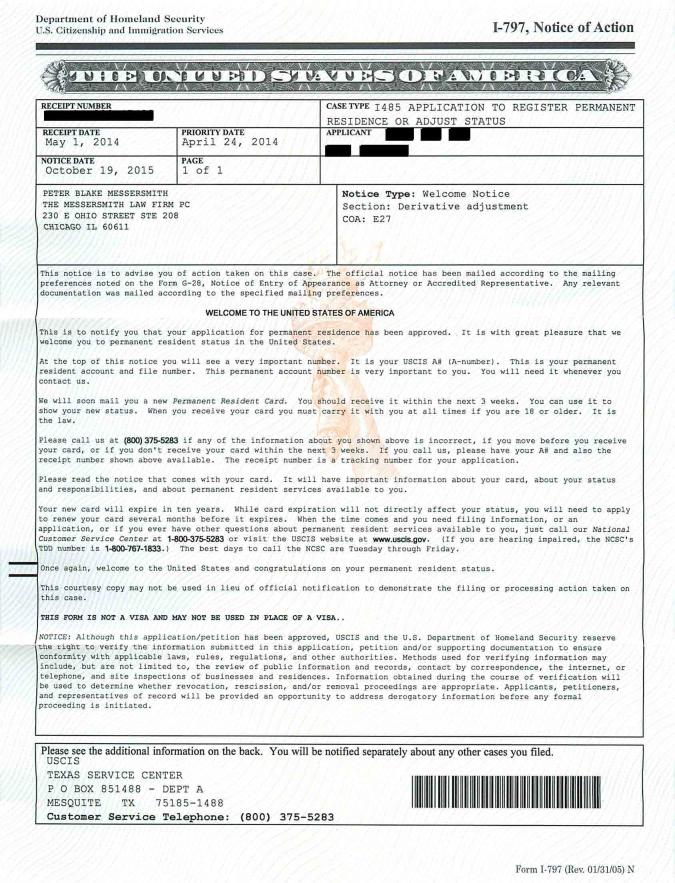
Asylum can lead to a later path to permanent residence, and long-term immigration planning is often an important part of the overall strategy. The asylum case is often the first stage of a longer process that may later include permanent residence and other immigration benefits. For that reason, it is important to think not only about winning asylum, but also about what steps may follow after approval.
Common evidence in asylum cases
Strong filings often include:
- personal declarations
- identity and civil records
- country-condition evidence
- witness or support letters where relevant
- records describing past harm
- documents supporting timeline and background facts
- records tied to the Form I-589 filing
- documents tied to later immigration strategy where relevant
Common asylum case types
Asylum cases often involve:
- affirmative asylum filings
- defensive asylum cases
- one-year deadline issues
- work authorization questions
- asylum interview preparation
- green card planning after asylum