EB1A Green Card — Extraordinary Ability in Business, Arts, Education, and Athletics

EB1A Green Card — Extraordinary Ability in Business, Arts, Education, and Athletics

EB1A Green Card — Extraordinary Ability in Business, Arts, Education, and Athletics

People often inquire about this issue as EB1A, EB1A green card, extraordinary ability green card, EB1A requirements, EB1A criteria, EB1A self-petition, EB1A no job offer, or EB1A no labor certification. The EB1A green card is for individuals with extraordinary ability in business, arts, education, or athletics who can show sustained national or international acclaim and who plan to continue working in their field of expertise in the United States. A strong EB1A case is often attractive because it does not require a permanent job offer or labor certification and may be filed as a self-petition when the legal standard is met.

EB1A cases in these fields often involve entrepreneurs, startup founders, executives, artists, musicians, actors, designers, athletes, coaches, and other high-achieving professionals whose record can be documented through strong evidence of extraordinary ability.

EB1A Details

The EB1A green card is for aliens of extraordinary ability engaged in the arts, sciences, business, education or athletics. No job offer or labor certification is required. An EB1A petition may be filed simultaneously with another green card application. One petition may be approved faster than the other and can offer additional protection if one petition should be denied while another is approved.

In order to qualify for the EB1A, the applicant must have won a Nobel Prize OR show documentation in three of the following areas:

  • Receipt of lesser nationally or internationally recognized prizes or awards for excellence;
  • Membership in associations in the field that demand outstanding achievement of their members, as judged by recognized national or international experts;
  • Published material about the alien in professional or major trade publications;
  • Evidence that the alien is a judge of the work of others in the field;
  • Evidence of the alien’s original contributions of major significance to the field;
  • Authorship of scholarly articles;
  • Display of the alien’s work at artistic exhibitions or showcases;
  • Evidence the alien has performed in a leading or critical role for organizations that have a distinguished reputation;
  • Evidence that the alien commands a high salary in relation to others in the field; or
  • Evidence of commercial success in the performing arts.

For Whom Is an EB1A Green Card Appropriate?

Foreign nationals who have received national or international acclaim for outstanding achievements in Arts, Sciences, Education, Business or Athletics and their immediate family members.

EB1A Green Card Requirements

Extraordinary ability means a level of expertise indicating that the individual is one of that small percentage who has risen to the top of his or her field of endeavor. To be considered as an alien with extraordinary ability, the alien must have sustained national or international acclaim in the field of science, art, education, business or athletics, which must be recognized in the form of extensive documentation. The alien must be seeking to enter the United States to continue work in the field, and the entry of such alien must substantially benefit prospectively the United States.

Although no offer of employment (including labor certification) is required, for aliens with extraordinary ability the alien must include with the petition convincing evidence that he or she is coming to continue work in the area of expertise.

EB1A requirements

To qualify for an EB1A green card, the applicant must show extraordinary ability in the sciences, arts, education, business, or athletics and must intend to continue working in that area of expertise in the United States. A strong EB1A case usually focuses on the evidentiary criteria, the overall strength of the record, and whether the applicant can show sustained national or international acclaim.

Extraordinary ability

EB1A is reserved for individuals who have risen to the top of their field. The petition should explain the field clearly, define the applicant’s area of expertise, and show why the applicant stands out through a record of high-level achievement.

Sustained national or international acclaim

A strong EB1A filing should show that the applicant’s recognition is not isolated or short-term. The petition should present evidence showing a sustained record of recognition, influence, and achievement over time.

Continue work in the field of expertise

The applicant must intend to continue work in the area of extraordinary ability in the United States. The filing should explain the future work plans and connect them to the same field in which the applicant has already achieved distinction.

No job offer required

One of the most important features of EB1A is that a permanent job offer is not required. The filing should still explain what the applicant plans to do in the United States, but the case does not need an employer sponsor in the same way many other employment-based green card categories do.

No labor certification required

EB1A does not require PERM labor certification. That makes EB1A different from many other employment-based green card categories and is one of the main reasons applicants seek out this option.

Self-petition

EB1A may be filed as a self-petition. The applicant does not need a permanent employer sponsor to file the immigrant petition, although the case still needs strong evidence, a clear field of expertise, and a credible plan to continue work in that field in the United States.

One-time major award or evidentiary criteria

An EB1A case may be based on a one-time major internationally recognized award, or it may be built through the regulatory criteria. Most filings rely on the criteria-based approach and present multiple types of evidence that work together to show extraordinary ability.

Final merits review

Meeting the basic criteria is not enough by itself. The filing should also present the evidence in a way that shows the applicant truly belongs among the small percentage at the top of the field. The overall quality, consistency, and significance of the evidence matter.

Field-specific strategy

The strongest EB1A strategy often depends on the applicant’s field. Researcher and scientist cases are usually built differently from business, arts, or athletics cases. That is why many applicants benefit from a field-specific EB1A evidence strategy.

EB1A for entrepreneurs, artists, athletes, and other non-research fields

The EB1A green card can be a strong option for applicants outside the researcher and scientist context when the record shows extraordinary ability and sustained national or international acclaim. These cases are often built around awards, major media coverage, leading or critical roles, judging, memberships requiring outstanding achievement, high salary or remuneration, commercial success, major public recognition, and other evidence showing that the applicant has risen to the top of the field.

EB1A for entrepreneurs and business professionals

Business and entrepreneurship cases often focus on major leadership roles, original contributions to an industry, significant business impact, media recognition, high compensation, selective memberships, awards, speaking engagements, judging, and other evidence showing that the applicant has achieved distinction in business. The petition should explain the applicant’s field clearly and show why the work stands above ordinary commercial success.

EB1A for startup founders and executives

Some EB1A cases involve startup founders, business owners, executives, and innovation-focused professionals. These filings should explain the applicant’s leadership, the importance of the business or venture, market recognition, industry influence, growth metrics where relevant, and the applicant’s role in building or leading the work that created that impact.

EB1A for artists and creative professionals

Arts cases often depend on awards, critical reviews, published material, exhibitions, showcases, leading roles, commercial success, and comparable evidence tied to the applicant’s artistic field. The petition should define the field carefully and explain why the applicant’s recognition rises above ordinary participation in the arts.

EB1A for musicians, actors, performers, and entertainers

Many non-research EB1A cases involve musicians, singers, actors, filmmakers, dancers, performers, and other entertainment professionals. A strong filing should explain the applicant’s recognition, major performances or productions, media attention, awards, leading roles, commercial success, and the significance of the applicant’s work in the field.

EB1A for athletes and sports professionals

Athletics cases often focus on rankings, major competitions, awards, championships, contracts, endorsements, media recognition, judging, coaching influence, and other proof that the applicant has reached a high level in the sport. The filing should explain the field clearly and connect the evidence to extraordinary ability rather than routine professional success.

EB1A for educators outside the research context

Some education-based cases are not built on a research profile. These may involve outstanding teaching, national recognition, influential leadership, major awards, judging, published material, or other evidence showing that the applicant has achieved distinction in the educational field. The petition should clearly define the educator’s field and explain why the record supports extraordinary ability.

Original contributions outside research

Original contributions of major significance are not limited to science or academia. In business, arts, athletics, education, and other fields, the filing should explain what the applicant created, changed, led, improved, or influenced, and why that contribution had major significance in the field.

Comparable evidence

Some non-research EB1A cases make strong use of comparable evidence. This can be especially important in fields where the standard criteria do not map neatly onto the way excellence is recognized. The petition should explain why the evidence is comparable and why it shows extraordinary ability in the field.

Strong non-research EB1A cases usually show a combination of evidence

A strong filing often includes several different forms of evidence working together, such as:

  • awards or honors
  • media coverage
  • leading or critical roles
  • judging
  • memberships requiring outstanding achievement
  • high salary or remuneration
  • commercial success
  • original contributions
  • artistic showcases or exhibitions
  • strong comparable evidence where appropriate

The field definition matters

One of the most important issues in non-research EB1A cases is defining the field correctly. The petition should not make the field so broad that the applicant seems ordinary within it, and it should not make the field so narrow that the claim becomes artificial. A clear and credible field definition helps the evidence make sense.

How strong should an EB1A profile be in non-research fields?

One of the most common EB1A questions is whether a non-research applicant has a strong enough profile to file. Many people want to know whether their awards, media coverage, salary, leadership roles, judging experience, artistic recognition, business success, or athletic record are strong enough for EB1A. There is no fixed formula. A strong case depends on the total record and whether the evidence shows extraordinary ability and sustained national or international acclaim.

There is no fixed minimum number of awards, articles, or achievements

EB1A does not require a specific number of awards, press articles, memberships, judging roles, or other accomplishments. A case is not automatically strong just because it includes many exhibits, and it is not automatically weak because the evidence is smaller in number. The filing should explain what the evidence means in the context of the field and why the overall record shows extraordinary ability.

Strong cases usually show a combination of evidence

A strong non-research EB1A filing often includes several forms of evidence working together, such as:

  • awards or honors
  • published material about the applicant
  • judging the work of others
  • leading or critical roles
  • memberships requiring outstanding achievement
  • high salary or remuneration
  • commercial success
  • artistic showcases or exhibitions
  • original contributions of major significance
  • comparable evidence where appropriate

The strongest cases usually do not rely on only one achievement. They present a broader record showing recognition, influence, and distinction.

Quality matters more than just quantity

The filing should not just list accomplishments. It should explain why they matter. A smaller number of high-value achievements can be stronger than a longer list of routine accomplishments if the evidence is presented clearly and supported well.

Media coverage should be explained carefully

Published material can be helpful, but the petition should explain the importance of the publication, the focus of the coverage, the applicant’s role, and why the coverage reflects recognition in the field rather than simple publicity.

Leading roles and critical roles can be very important

Many strong non-research cases depend on showing that the applicant played a leading or critical role for a distinguished organization, company, production, team, institution, or project. The filing should explain both the significance of the organization and the significance of the applicant’s role within it.

High salary and commercial success should be put in context

Compensation and commercial success can be strong evidence, but they should be explained carefully. The filing should show why the salary, revenue, contracts, ticket sales, market impact, or other business indicators are significant in the field rather than just presenting raw numbers.

Comparable evidence may be essential in some fields

Some fields do not fit neatly into every listed EB1A criterion. In those cases, comparable evidence may be important. The filing should explain why the evidence is comparable and how it demonstrates extraordinary ability in the applicant’s specific field.

Career stage matters

A strong profile should be evaluated in the context of the applicant’s field and career stage. A founder, executive, artist, athlete, performer, educator, or creative professional may present a different type of record from someone in another field. The petition should explain why the applicant’s achievements are exceptional for that field and level.

Final merits matters more than any single exhibit

Even if the applicant appears to satisfy multiple criteria, the case still needs to show that the person belongs among the small percentage at the top of the field. The evidence should work together to tell one clear story of distinction, influence, and sustained recognition.

Common profile-strength questions

Common questions include:

  • Is my EB1A profile strong enough?
  • Do I have enough media coverage for EB1A?
  • Is my salary high enough for EB1A?
  • Are my awards strong enough for EB1A?
  • Can I qualify for EB1A without publications?
  • What does an approved EB1A profile look like in business, arts, or athletics?

Can you get EB1A without publications or citations?

Yes. A non-research EB1A case may still be strong without publications or citations if the applicant has other evidence showing extraordinary ability and sustained national or international acclaim. Many business, arts, athletics, entertainment, and leadership cases are built around awards, media coverage, critical roles, high salary, commercial success, memberships requiring outstanding achievement, judging, artistic showcases, and other comparable evidence rather than academic-style publication metrics.

EB1A without publications

Publications are not required in every EB1A case. In many non-research fields, the strongest evidence may come from major press, awards, exhibitions, performances, business impact, leadership roles, high compensation, or industry recognition instead of scholarly articles.
EB1A without citations

Citations are not required in every EB1A case. Citation-based evidence is often more common in academic and scientific filings, but non-research applicants may qualify through other forms of recognition and impact that are more natural to their field.

EB1A for software engineers, computer scientists, and technology professionals

Some applicants search by technical or business-adjacent job title, such as software engineer, computer scientist, product leader, or technology executive. These cases should be framed around the applicant’s actual field of extraordinary ability, such as business, technology leadership, innovation, product impact, entrepreneurship, or another clearly defined area. The petition should explain the field carefully and present evidence that fits the way top achievement is recognized in that field.

EB1A for entrepreneurs, founders, and executives

Entrepreneur and executive cases are often built around leading or critical roles, media recognition, high compensation, original contributions to an industry, major business impact, selective memberships, judging, speaking roles, and other evidence showing that the applicant stands at the top of the field.

EB1A for artists, performers, and creative professionals

Artists, performers, designers, filmmakers, chefs, and other creative professionals may qualify without publications or citations if the record shows distinction through awards, press, leading roles, artistic showcases, commercial success, judging, and other strong field-specific evidence.

Does working at a major company help an EB1A case?

Working at a major company can help if the petition shows why the role was leading, critical, selective, or otherwise significant. A famous employer name by itself is not enough. The filing should explain the importance of the applicant’s specific role, the level of responsibility, the impact of the work, and why that role shows extraordinary ability.

Company names like Google, Meta, Apple, Amazon, or similar employers

Some applicants want to know whether experience at a major company improves an EB1A case. It can help when it supports a stronger argument about leading roles, critical contributions, high compensation, selective hiring, important projects, or industry recognition. The employer’s name alone is not the key issue. The petition should focus on the applicant’s accomplishments and significance within the field.

What does an approved non-research EB1A profile look like?

There is no single approved profile. Strong non-research EB1A cases can look very different depending on the field. One strong case may focus on awards and media. Another may focus on leadership and salary. Another may rely on artistic recognition, judging, or commercial success. The strongest filings explain how the evidence fits the field and why the total record shows extraordinary ability.

Approved-profile questions people often ask

Common questions include:

  • Can I qualify for EB1A without publications?
  • Can I qualify for EB1A without citations?
  • Does working at Google, Meta, Apple, or Amazon help an EB1A case?
  • What does an approved EB1A profile look like for an entrepreneur?
  • What does an approved EB1A profile look like for an artist?
  • Can a software engineer or computer scientist qualify for EB1A?
  • Is my EB1A profile strong enough without academic-style evidence?

Frequently asked questions about EB1A for business, arts, education, and athletics

What is the EB1A green card?

EB1A is an employment-based green card category for individuals with extraordinary ability in business, arts, education, or athletics who can show sustained national or international acclaim and who plan to continue working in their field in the United States.

Does EB1A require a job offer?

No. EB1A does not require a permanent job offer.

Does EB1A require labor certification?

No. EB1A does not require PERM labor certification.

Who qualifies for EB1A in non-research fields?

Applicants in business, arts, education, athletics, entertainment, design, media, hospitality, and other non-research fields may qualify if they can show extraordinary ability and sustained national or international acclaim.

What does extraordinary ability mean for EB1A?

Extraordinary ability means the applicant has risen to the top of the field and belongs among the small percentage at that level.

What kinds of evidence are common in non-research EB1A cases?

Common evidence includes awards, media coverage, judging, leading or critical roles, memberships requiring outstanding achievement, high salary or remuneration, commercial success, artistic showcases, original contributions, and comparable evidence where appropriate.

Can I qualify for EB1A without academic-style evidence?

Yes. Many non-research applicants qualify through field-appropriate evidence rather than academic publications, citation records, or research metrics.

Can software engineers qualify for EB1A?

Yes, depending on the facts. The case should define the field clearly and present strong evidence of extraordinary ability through innovation, leadership, impact, recognition, critical roles, compensation, or other category-appropriate evidence.

Can computer scientists qualify for EB1A?

Yes, depending on the facts. The petition should explain whether the case is being framed through technology leadership, innovation, product impact, business impact, or another clearly defined field of extraordinary ability.

Can entrepreneurs and startup founders qualify for EB1A?

Yes. Entrepreneur and founder cases may be built around major business impact, leadership roles, media recognition, awards, high compensation, industry influence, judging, or other evidence showing extraordinary ability in business.

Can executives and business professionals qualify for EB1A?

Yes. Executive and business cases often rely on leading roles, critical contributions, industry recognition, compensation, media attention, judging, memberships, and evidence showing high-level influence in the field.

Can artists qualify for EB1A?

Yes. Artist cases may rely on awards, published material, exhibitions, artistic showcases, leading roles, critical reviews, commercial success, judging, and other evidence showing distinction in the field.

Can musicians, actors, and performers qualify for EB1A?

Yes. These cases often depend on awards, press coverage, major productions, leading roles, performances, commercial success, judging, and strong field-specific recognition.

Can athletes and sports professionals qualify for EB1A?

Yes. Athletic cases may rely on rankings, major competitions, awards, championships, endorsements, contracts, media recognition, judging, coaching influence, or other proof of extraordinary ability.

Does working at a major company help an EB1A case?

It can help if the petition shows that the applicant held a leading or critical role, made important contributions, received high compensation, or achieved recognition at a high level. A famous employer name by itself is not enough.

Does working at Google, Meta, Apple, Amazon, or a similar company guarantee EB1A approval?

No. A major company name alone does not guarantee anything. The case must still show extraordinary ability through the applicant’s own accomplishments, recognition, and impact.

What does original contributions of major significance mean for EB1A outside research?

It means the applicant created, changed, led, improved, or influenced something in the field in a way that had major significance. The petition should explain why the contribution matters and how others recognized or relied on it.

What is comparable evidence in an EB1A case?

Comparable evidence is evidence used when the listed criteria do not neatly fit the way excellence is recognized in the applicant’s field. It should still show extraordinary ability in a clear and credible way.

Is there a minimum salary required for EB1A?

No. There is no fixed salary threshold. Salary evidence can help when it shows that the applicant is paid at a level that reflects distinction in the field.

What does an approved EB1A profile look like?

There is no single approved profile. Strong cases can look very different depending on the field. The most important issue is whether the full record shows extraordinary ability and sustained national or international acclaim.

Do people get approved for EB1A without awards?

Sometimes yes. A case may still be strong without major awards if the overall record shows extraordinary ability through other criteria and the evidence works together well.

How do I know if my EB1A profile is strong enough?

The best way to evaluate profile strength is to look at the total record, the field, the quality of the evidence, and how well the case can show extraordinary ability and sustained recognition rather than relying on a single metric.

Top Notch Immigration Services

You will receive top notch immigration services at The Messersmith Law Firm. We guarantee personalized legal services, a high rate of success, and very reasonable fees. At The Messersmith Law Firm, you will always get more than what you pay for. While the majority of our clients are referred to our law firm, we are open to take new cases if we feel we can help you achieve your goals. We have no doubt that you will refer everyone you know to us once your case is approved! Our goal is to get your case approved in the shortest amount of time possible yet strive to keep our fees reasonable!

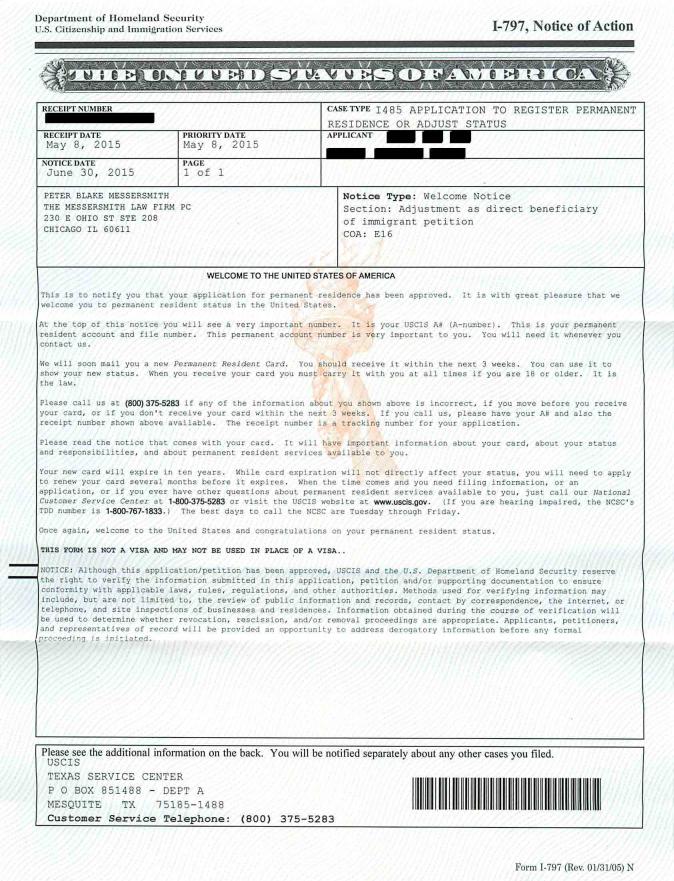
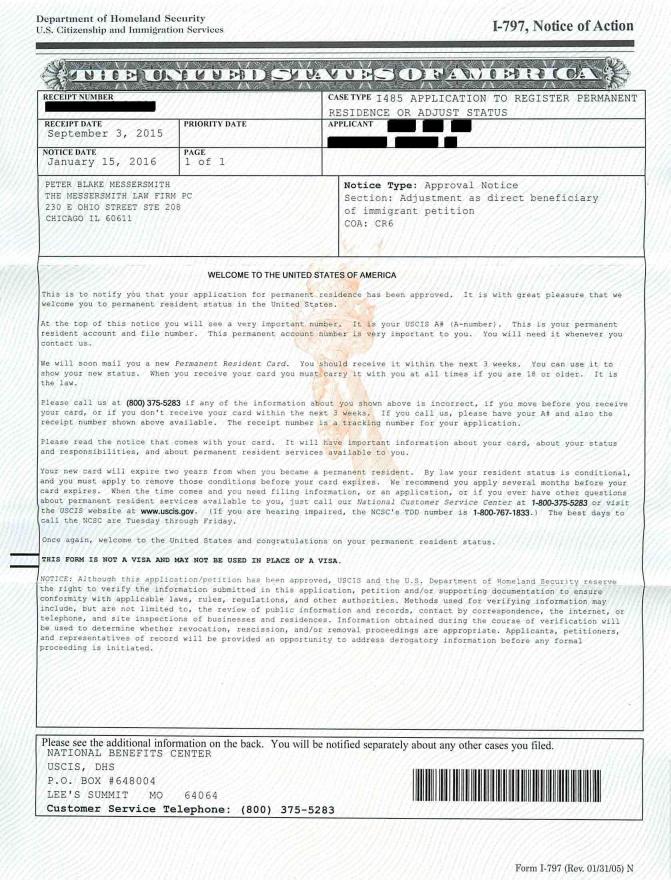
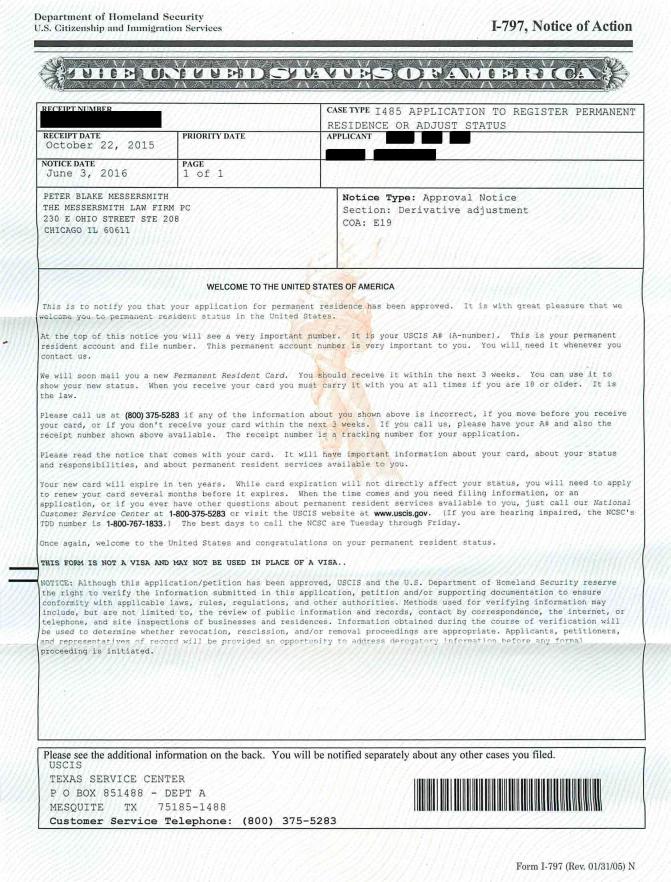
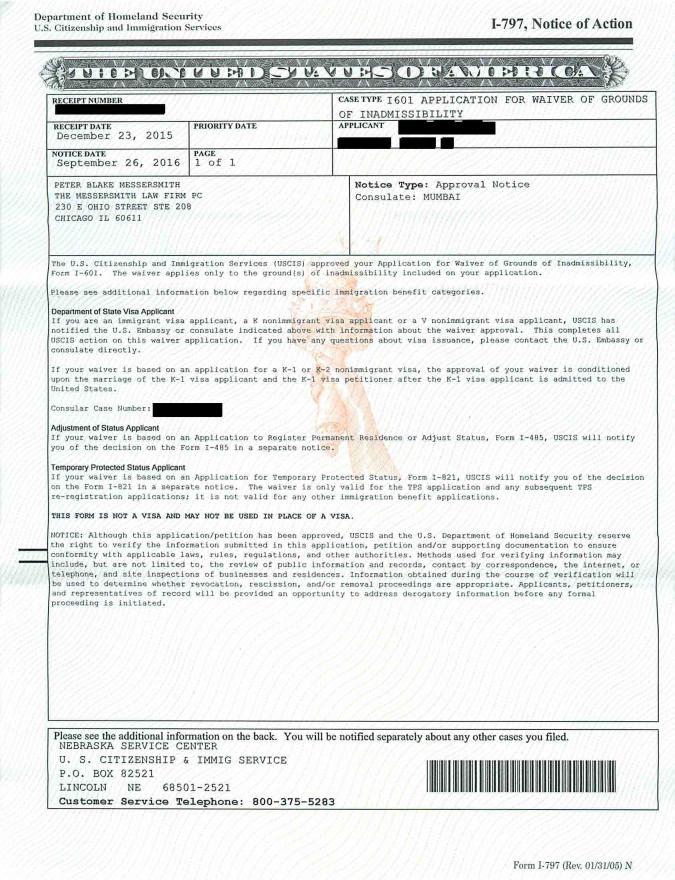
Thousands of Approved Cases

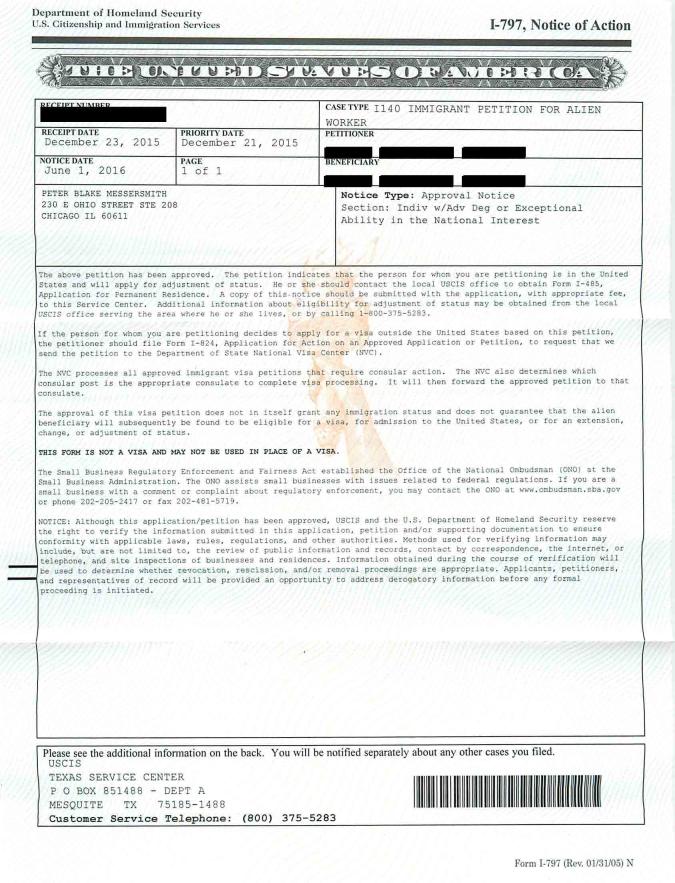
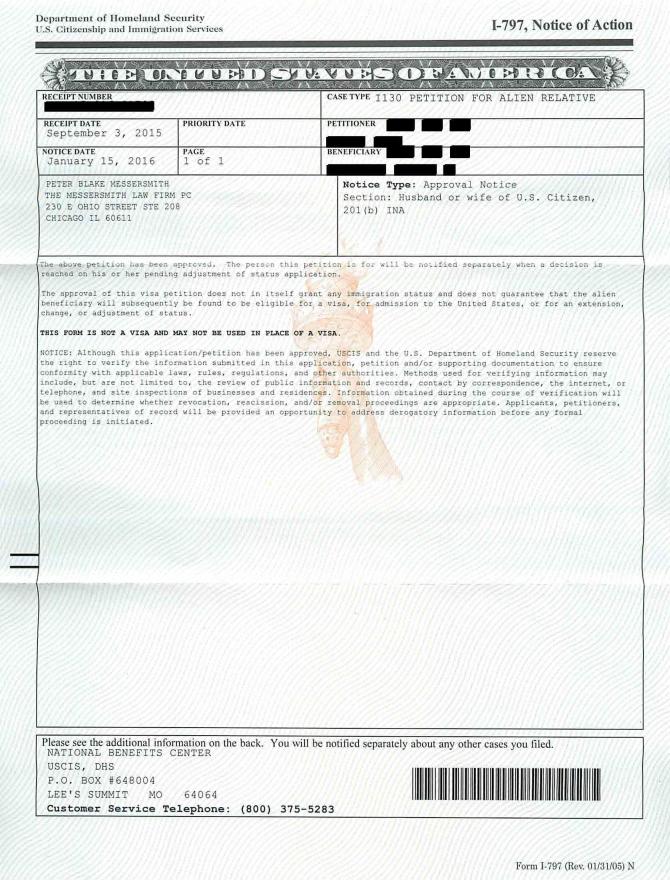
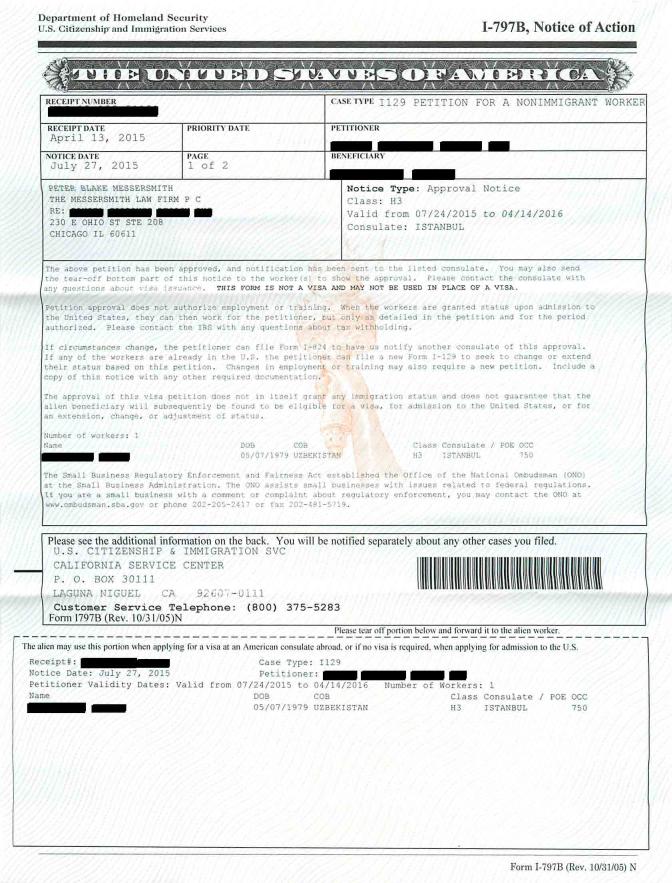
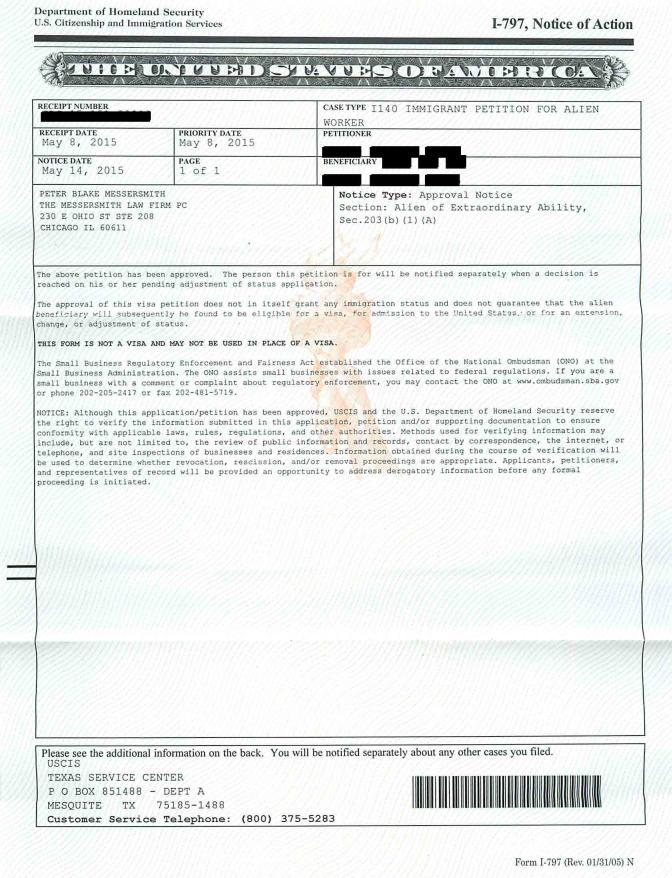
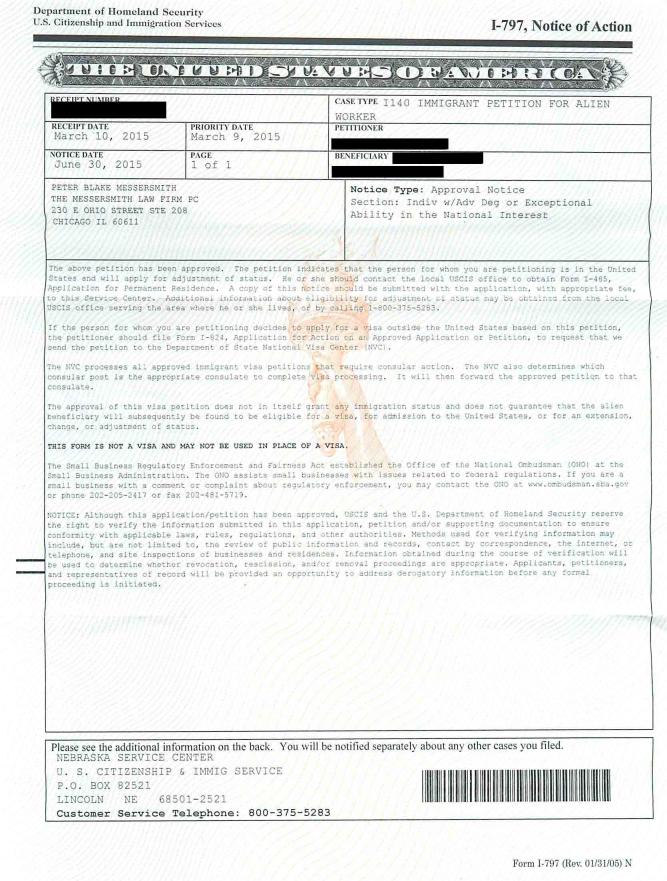
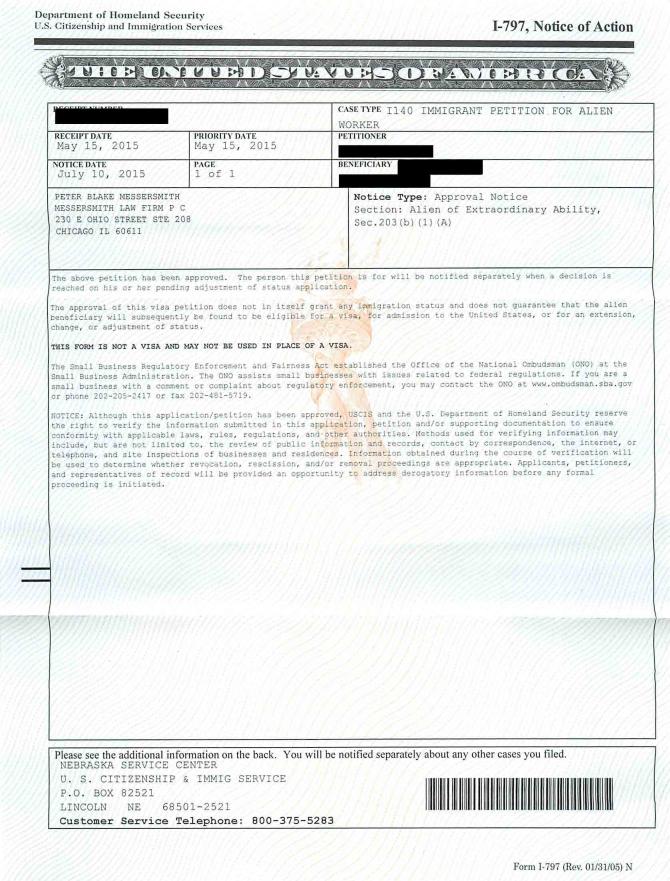
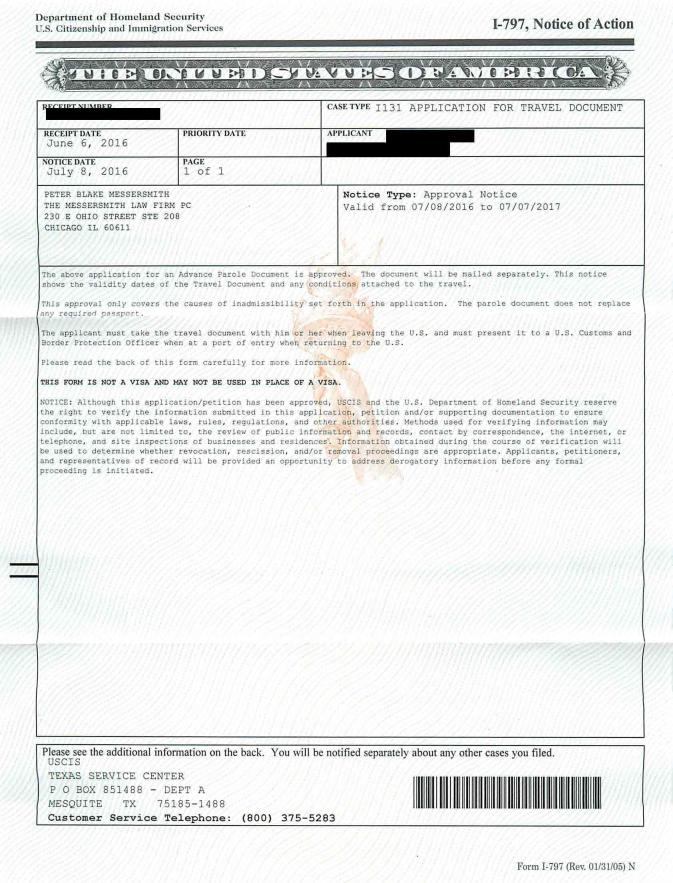
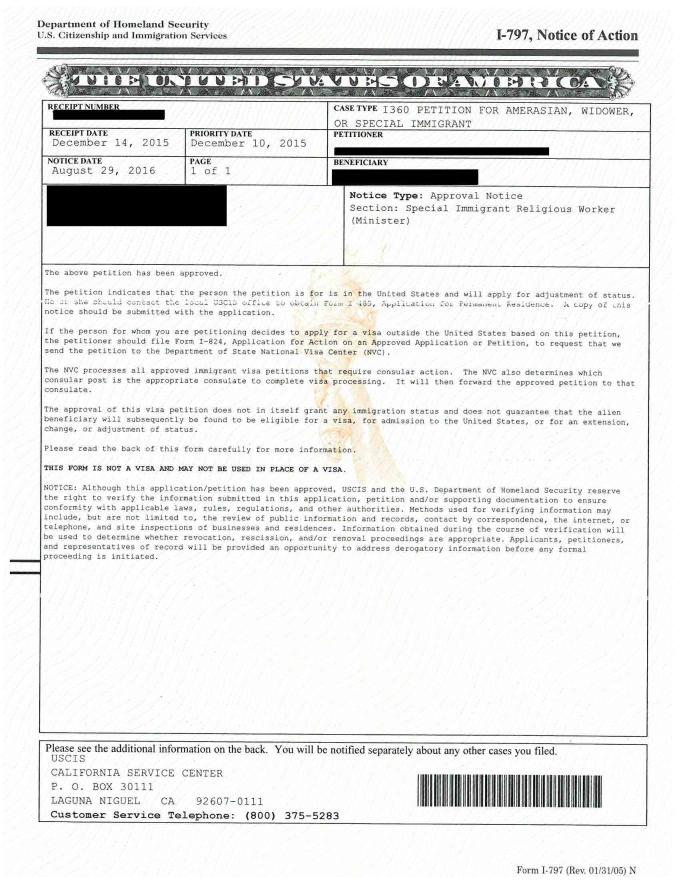
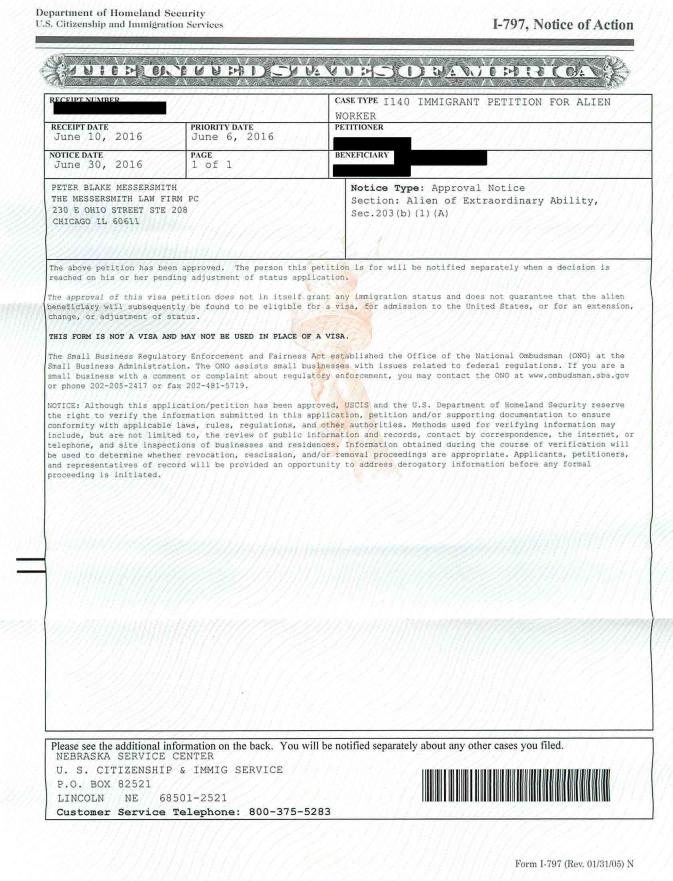
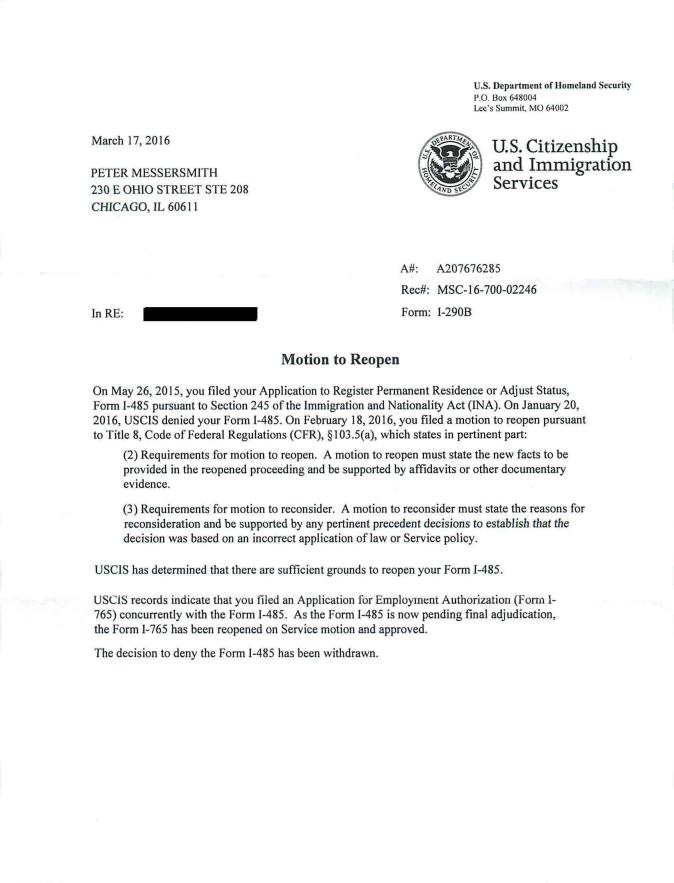
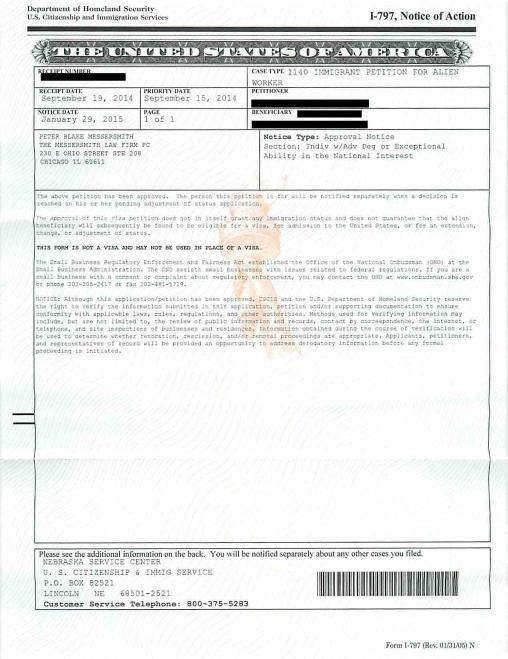
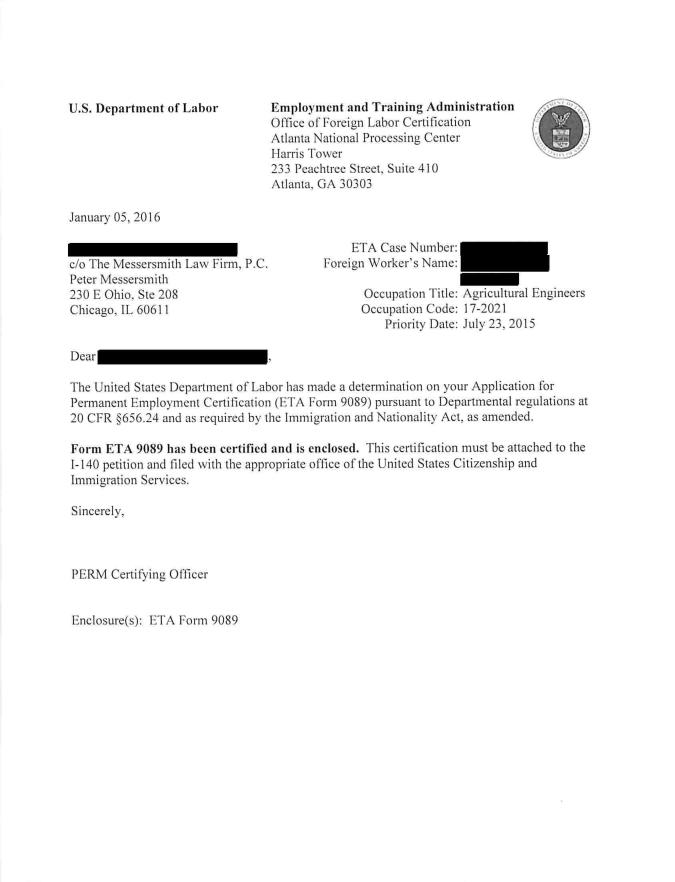
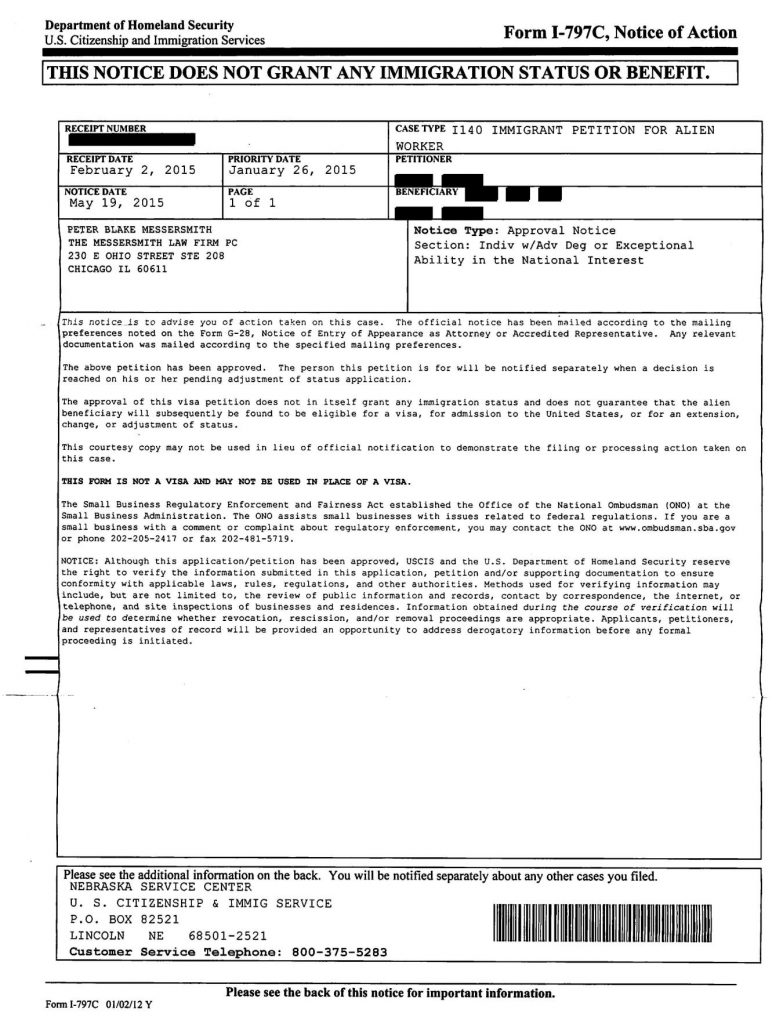
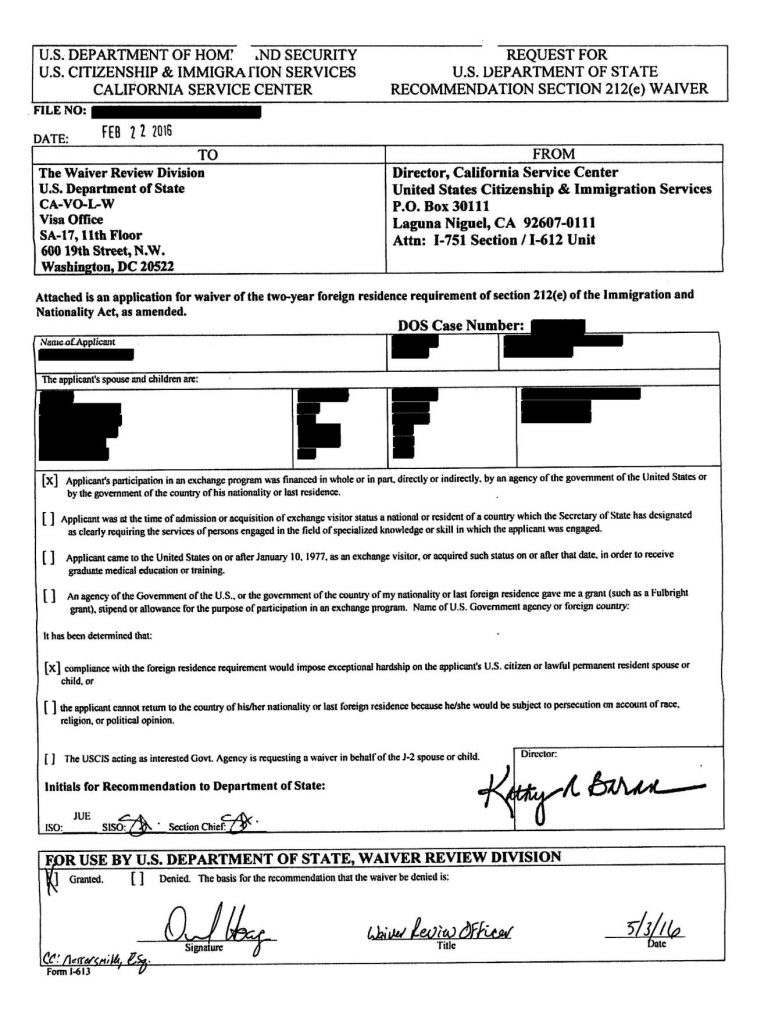
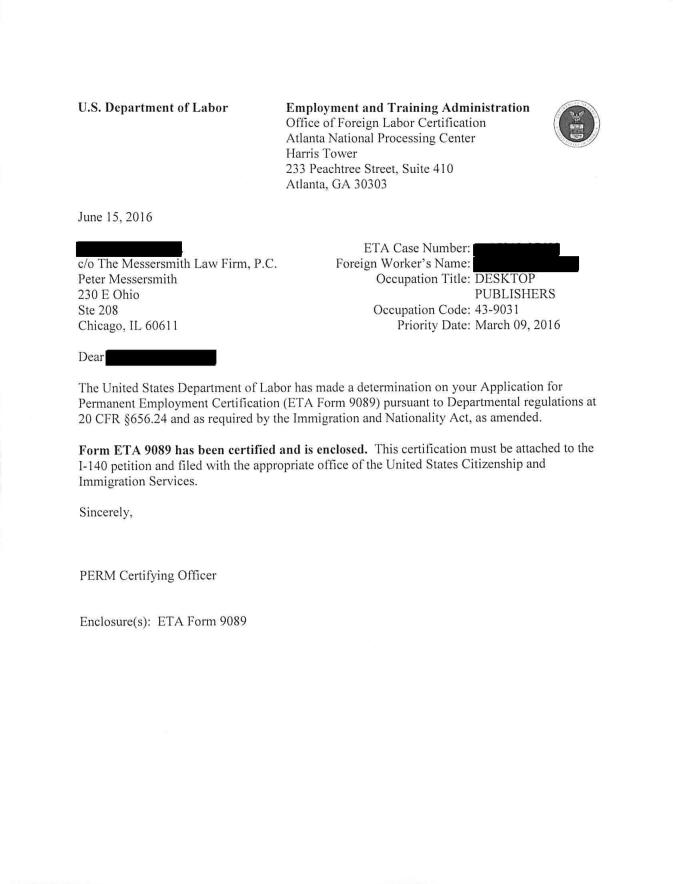
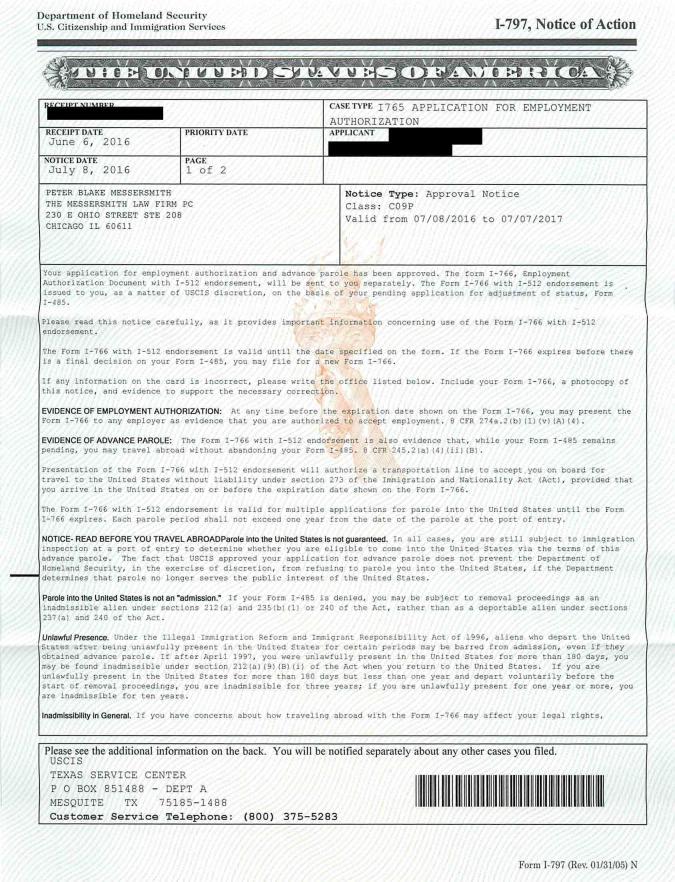
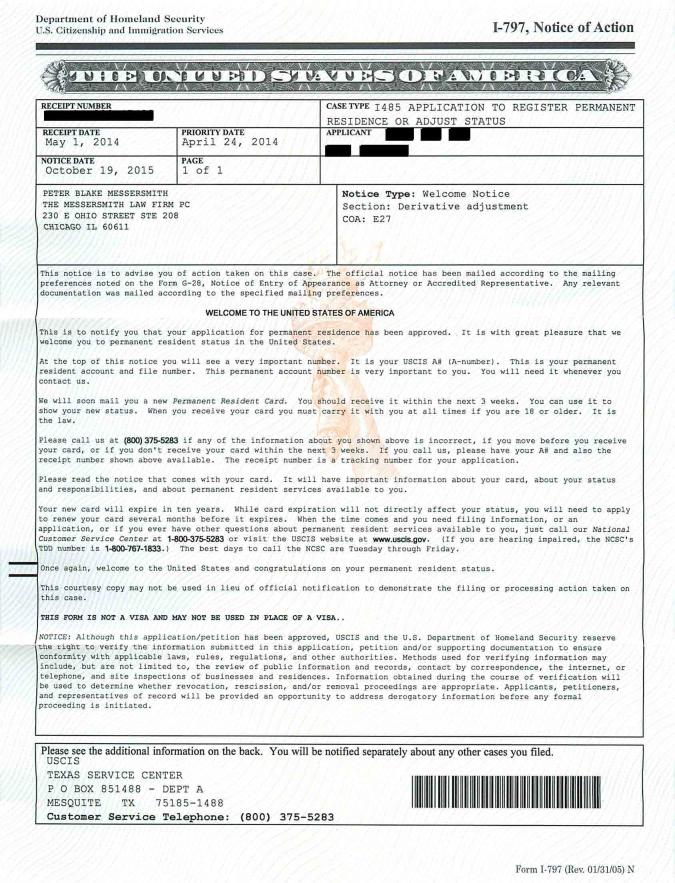
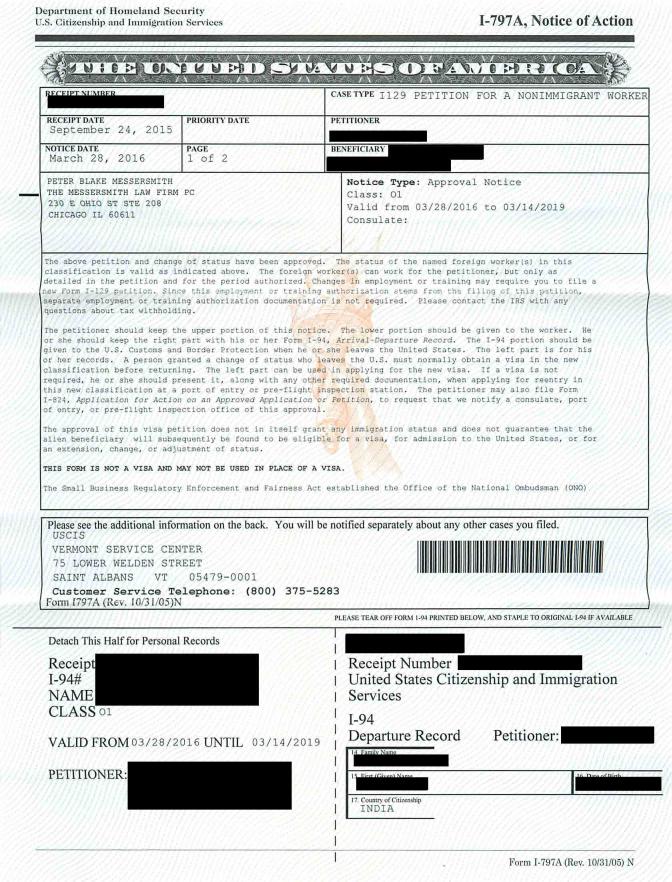
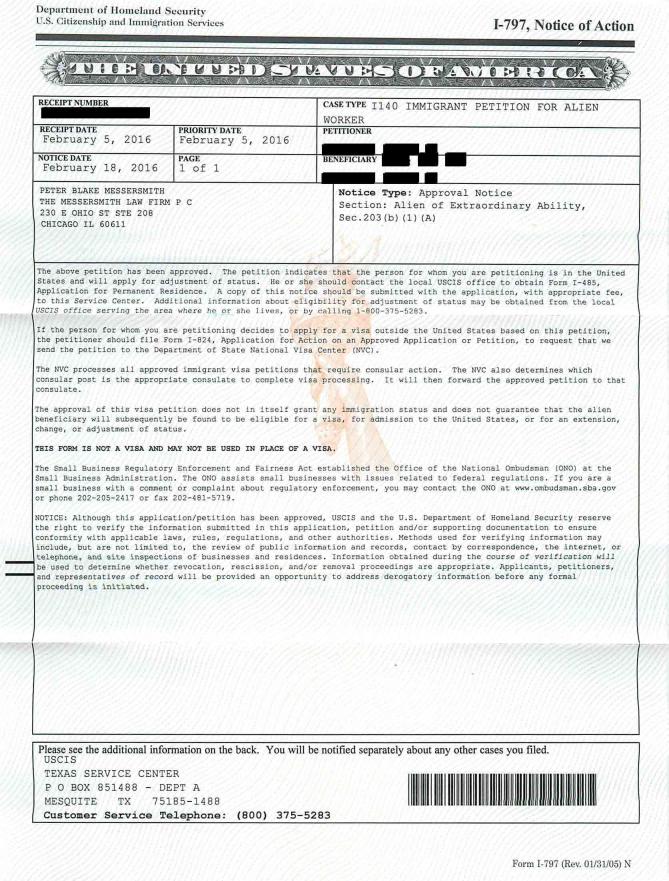
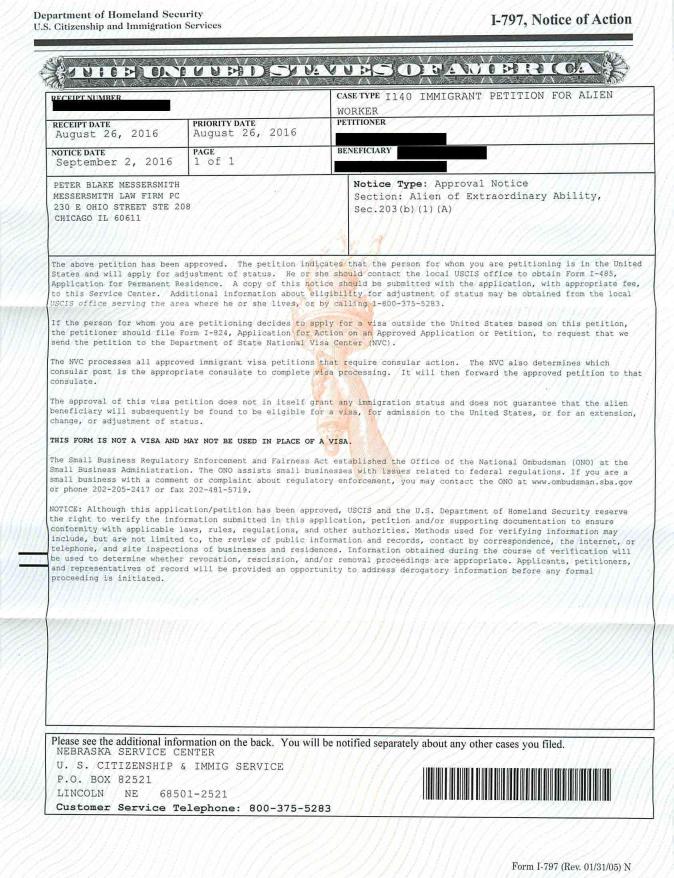
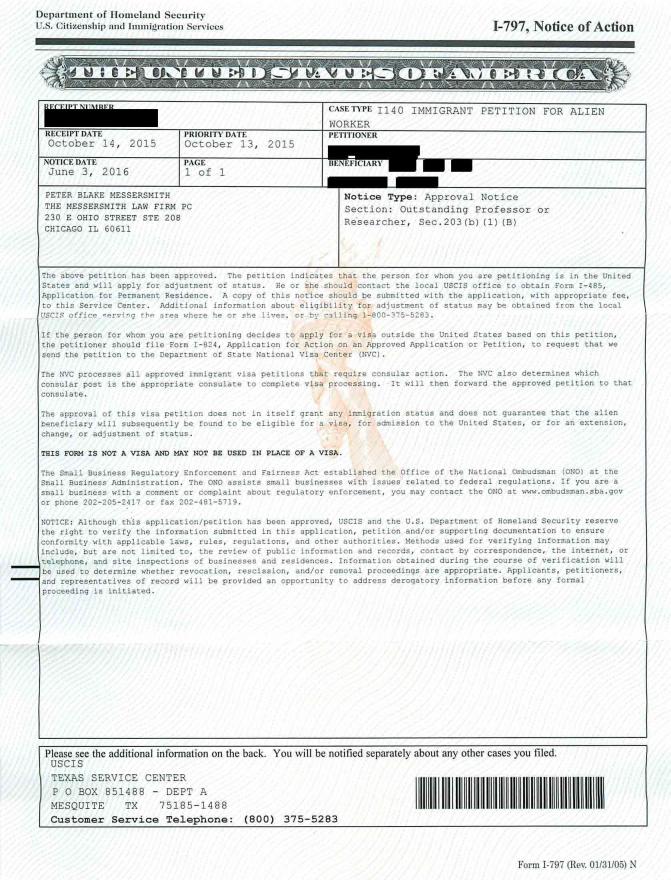
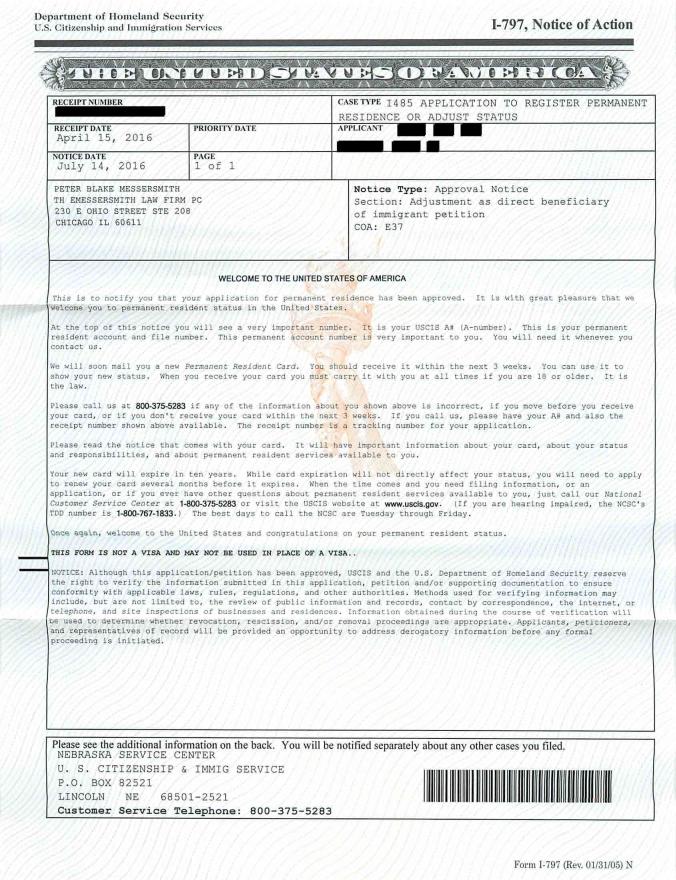
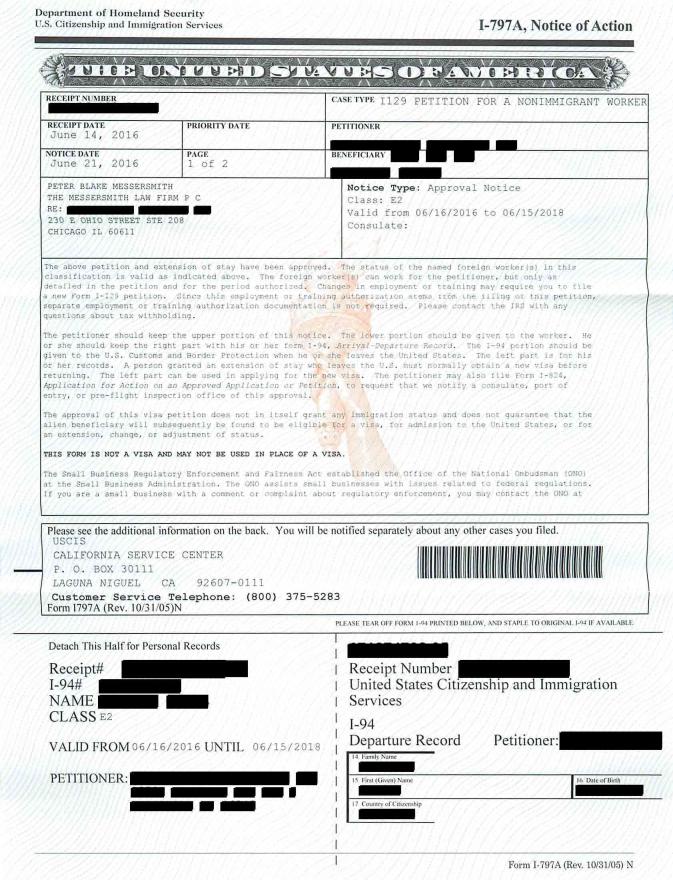
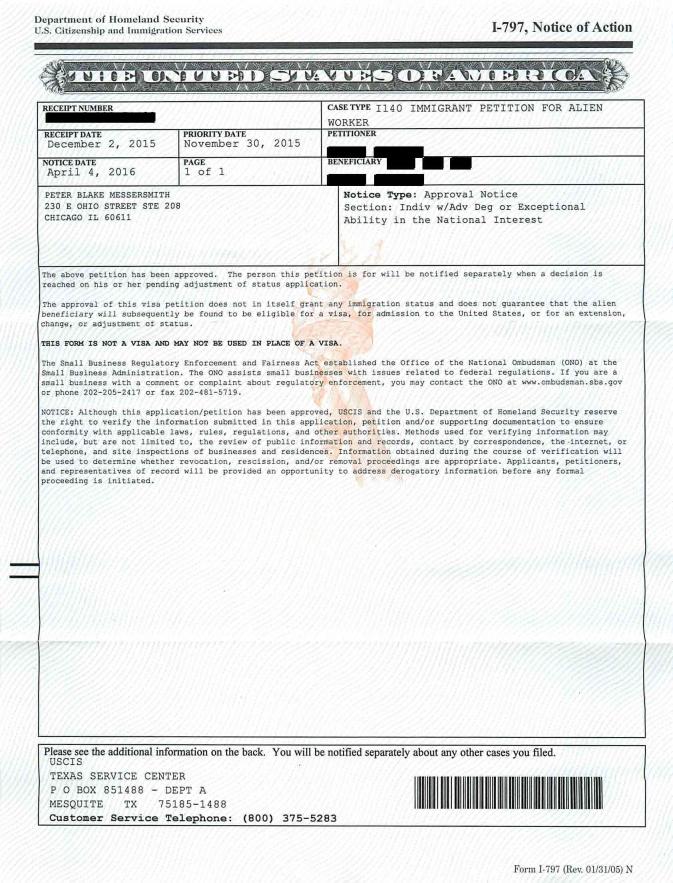
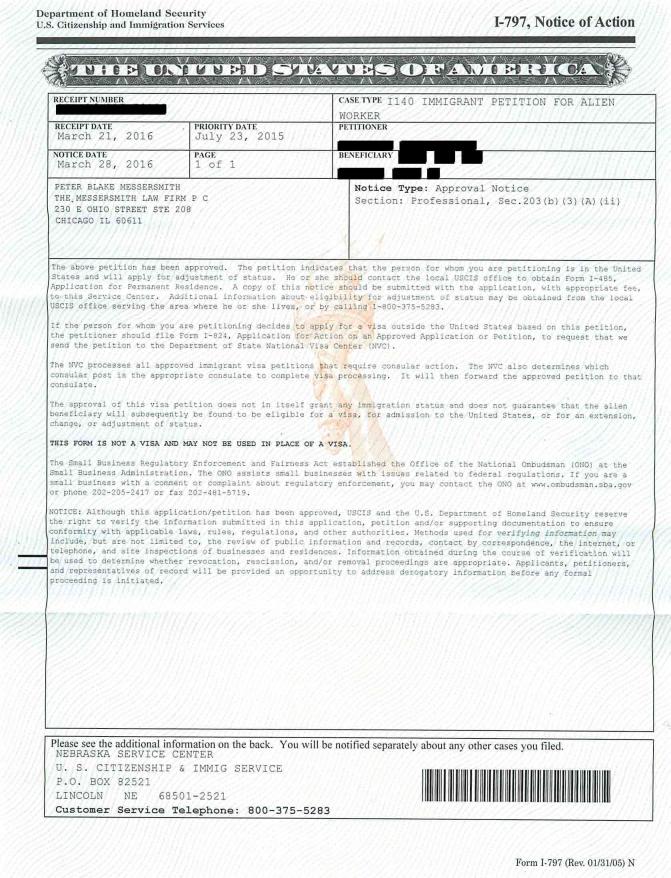
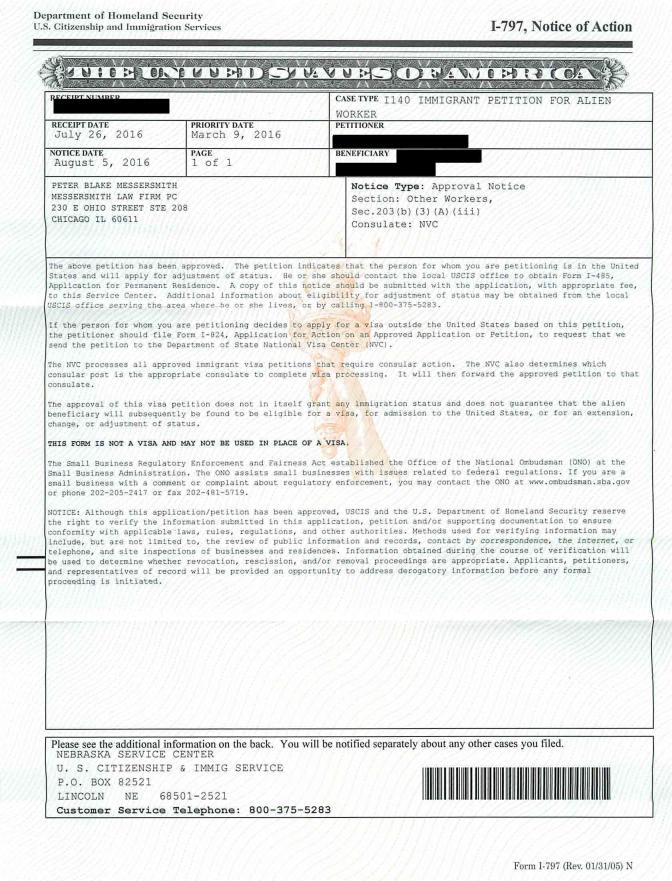
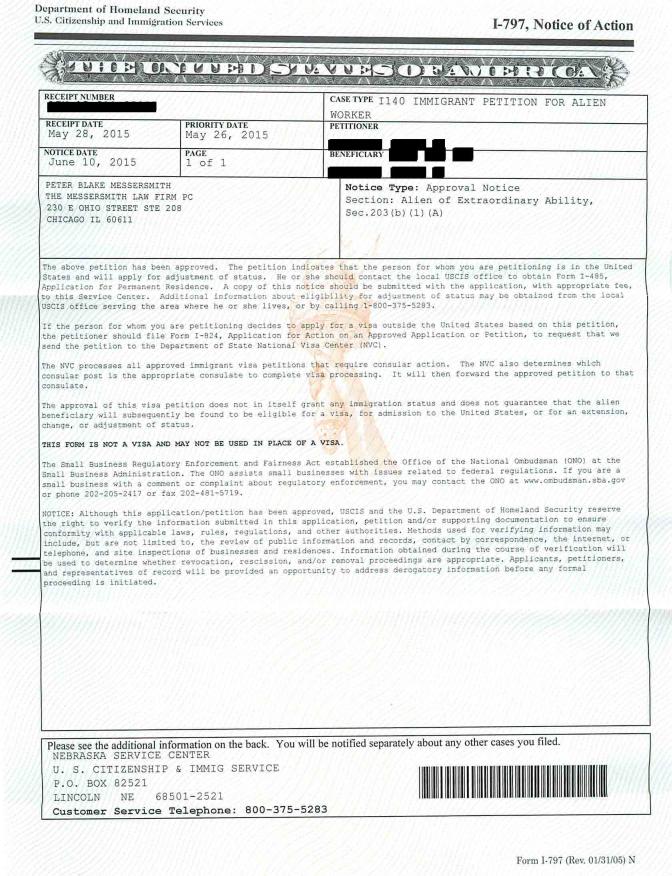
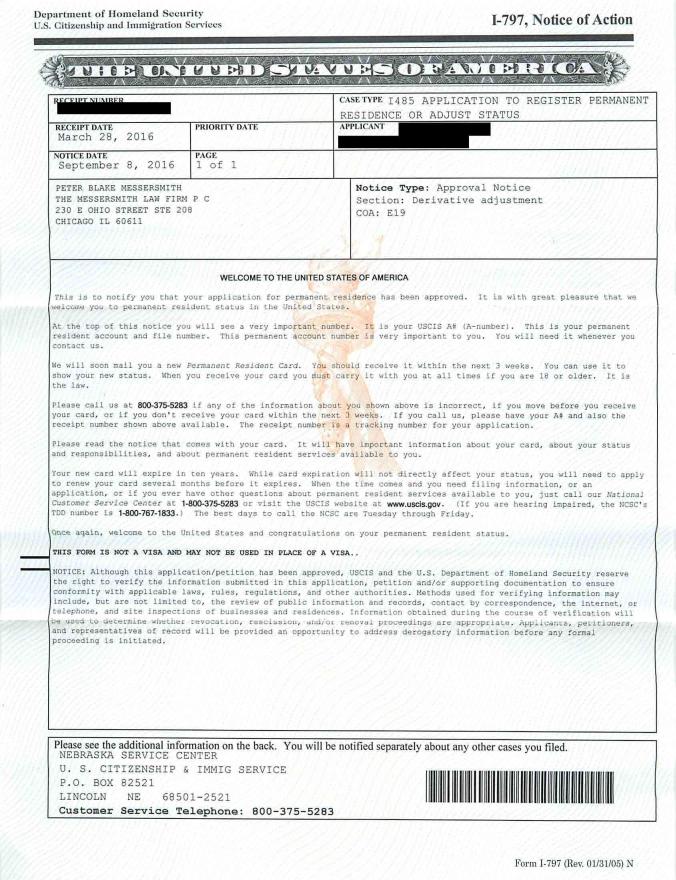
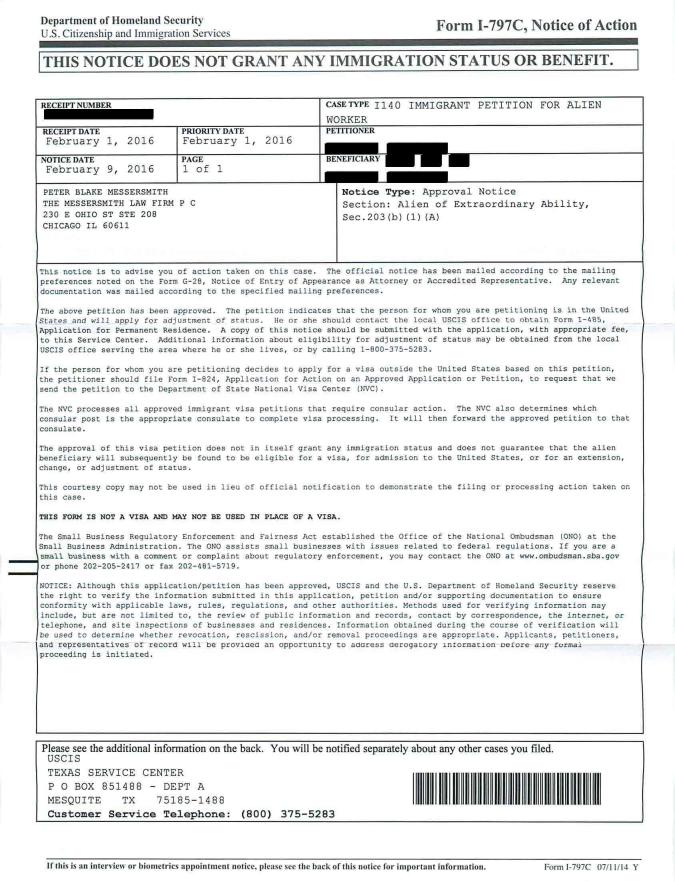
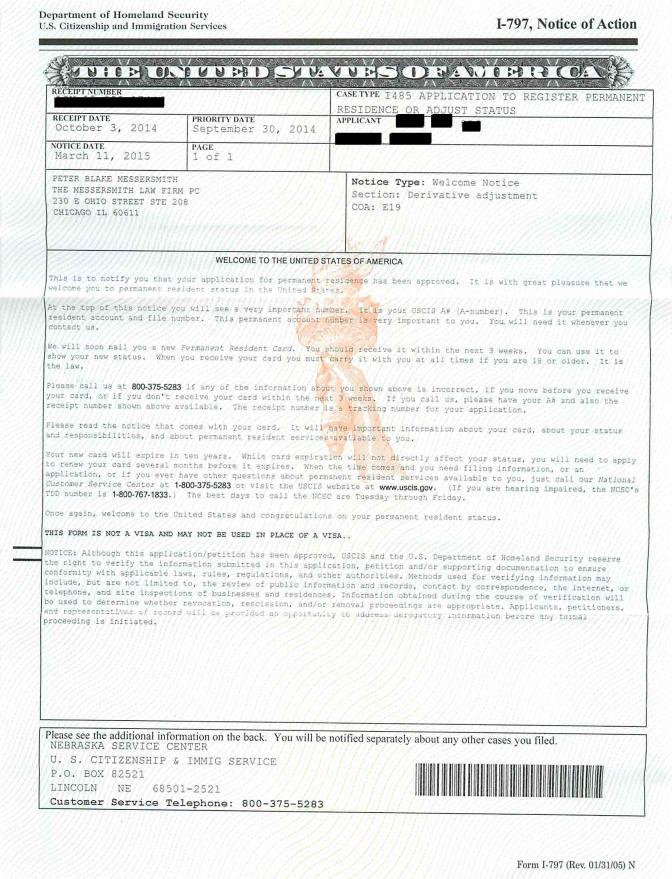
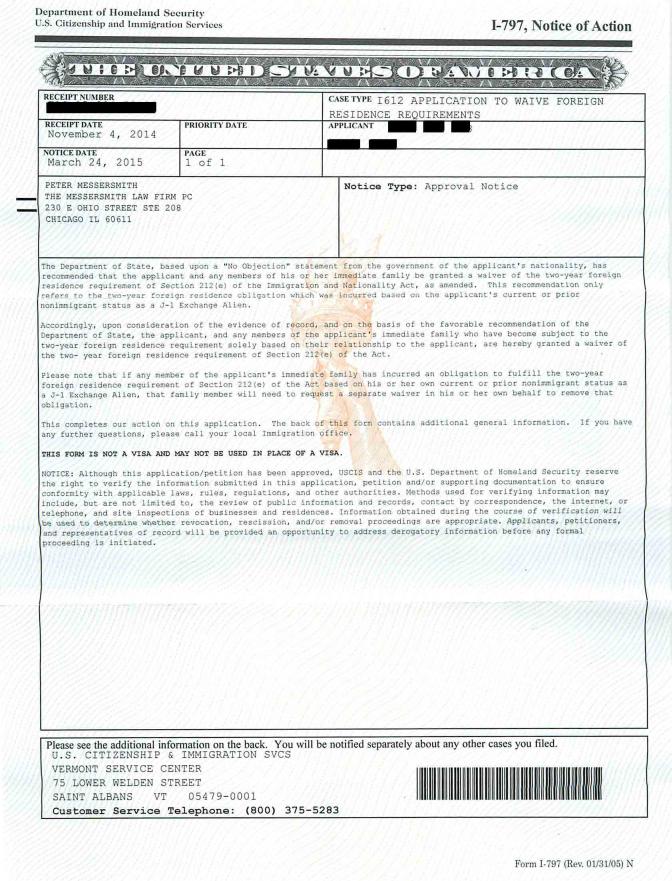
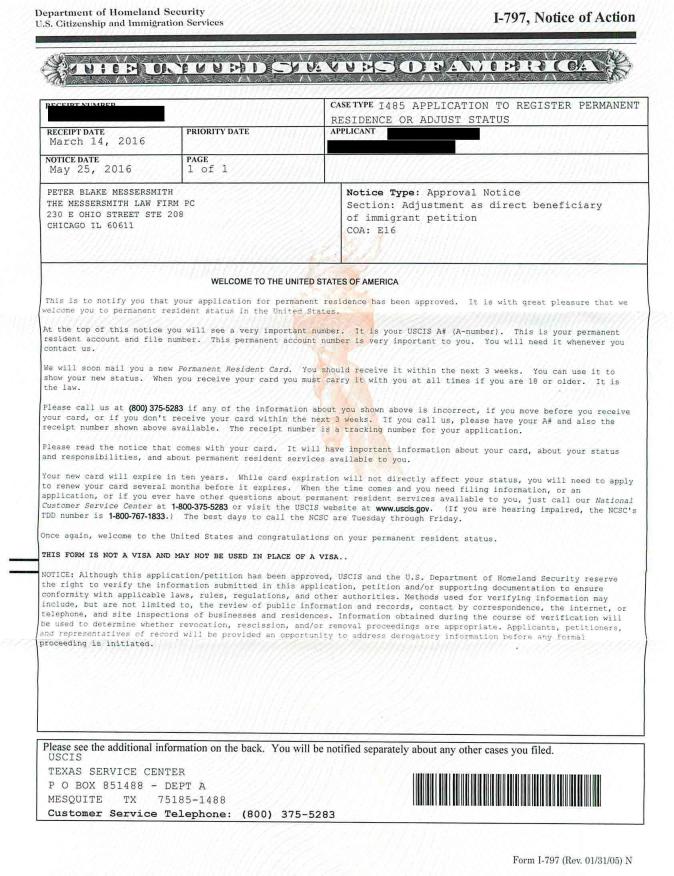
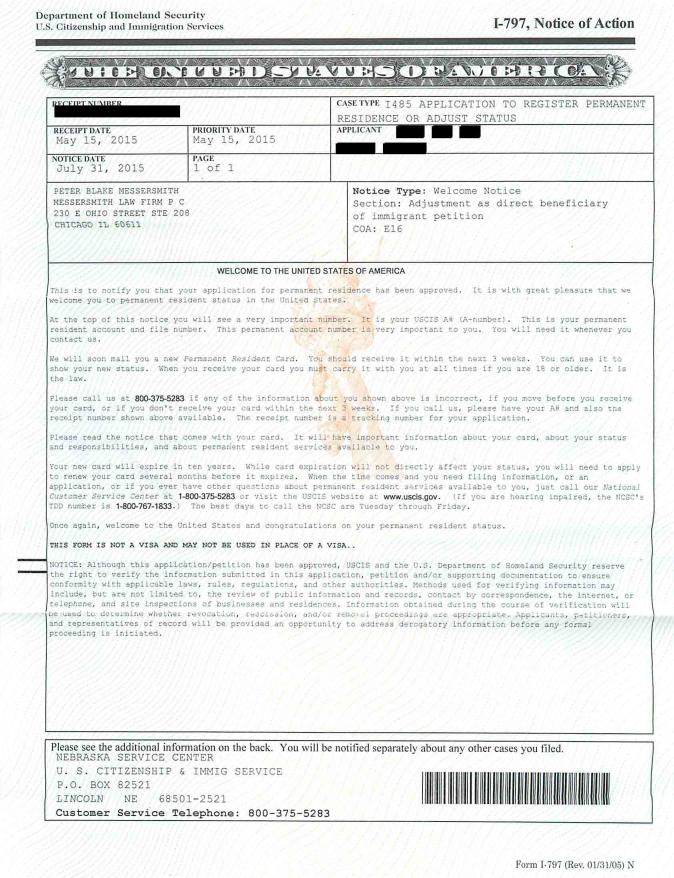
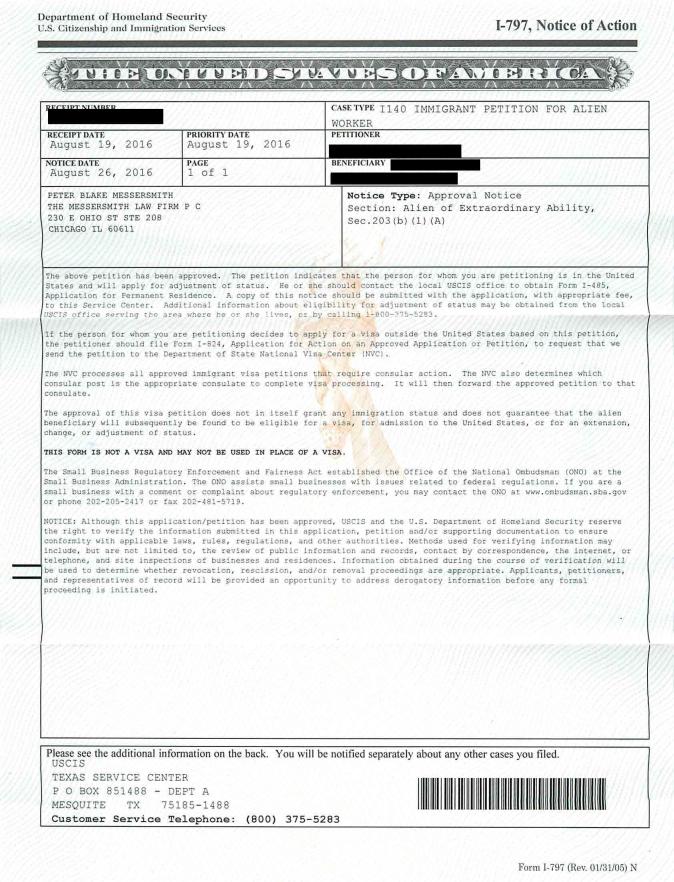
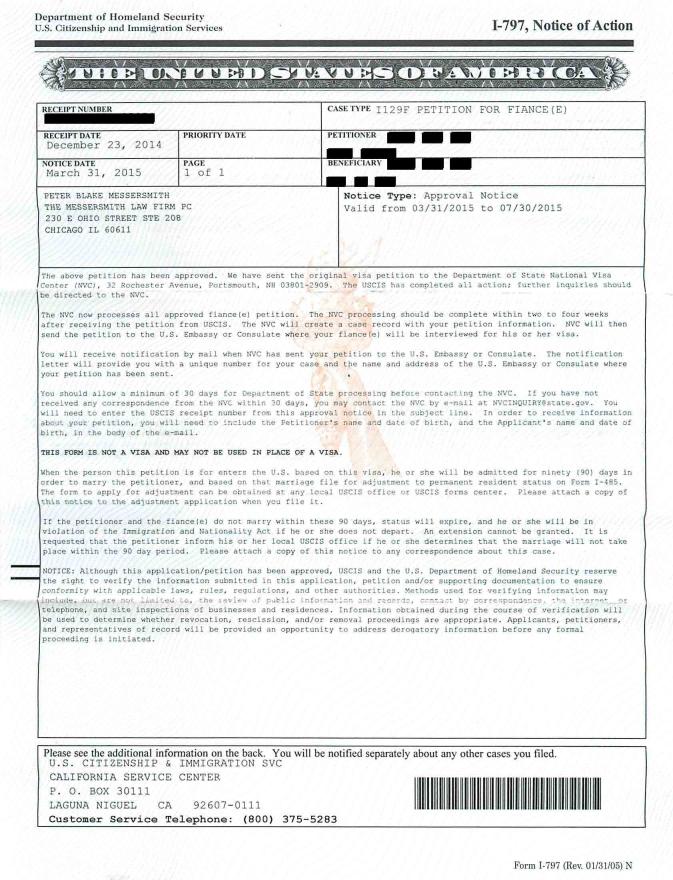
Scroll through fifty recent approval notices below or click here to view thousands.

Customer Testimonials

Real Testimonials from Past Clients