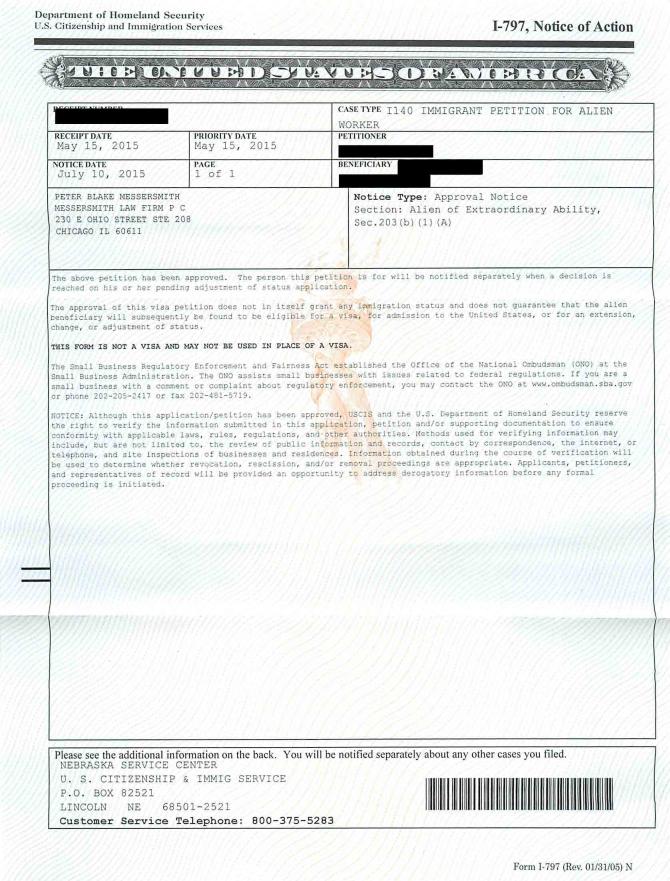
The EB1A green card is often a strong option for researchers and scientists whose work shows sustained national or international acclaim. These cases are usually built around research impact, original scientific contributions, scholarly publications, citations, judging or peer review, awards, critical roles, and other evidence showing that the applicant has risen to the top of the field.
EB1A for researchers
Researcher cases often focus on the applicant’s body of work, the influence of that work on the field, and the applicant’s role in advancing knowledge or solving important problems. A strong petition should explain the research area clearly and show why the applicant’s work stands out within that field.
EB1A for scientists
Scientist cases often depend on showing a record of original scientific contributions, peer-reviewed publications, citations, reviewing the work of others, research leadership, invited presentations, or other evidence that demonstrates scientific distinction. The petition should connect the evidence to a clear scientific field and explain the importance of the applicant’s work in language that is understandable to an immigration officer.
Original contributions of major significance
This is one of the most important EB1A issues for researchers and scientists. The petition should not just describe the applicant’s projects or publications. It should explain why the work matters, what changed because of the work, and how other researchers, institutions, industries, or practitioners have relied on it.
Scholarly articles and publication record
Many researcher and scientist cases include a strong record of scholarly articles. The filing should present the publication record clearly, identify the applicant’s role in the work, and explain why the publication history supports extraordinary ability rather than just ordinary academic participation.
Citations and research impact
Citation evidence can be very useful in researcher and scientist cases, but the filing should do more than list numbers. A strong case explains what the citations mean in context, how the applicant compares within the field, and how the cited work influenced later research, policy, practice, technology, or clinical understanding.
Judging the work of others
Many scientists and researchers serve as peer reviewers, journal reviewers, conference reviewers, editorial board members, or grant reviewers. The petition should explain the level of trust involved in that work and how it shows recognition by the field.
Awards, honors, and recognition
Researcher and scientist cases may also include awards, honors, invited talks, invited panels, featured media, or other recognition showing that the applicant is respected at a high level. The filing should explain the meaning of each honor rather than simply listing it.
Leading or critical roles
A strong EB1A case may include evidence that the applicant served in a leading or critical role for a distinguished organization, research project, laboratory, institute, company, or collaborative initiative. The petition should explain both the importance of the organization and the applicant’s specific role in its success.
Memberships and professional standing
Some cases include memberships, fellowships, or appointments that reflect outstanding achievement. If this type of evidence is used, the filing should explain the selection criteria and why the membership shows recognition beyond ordinary professional participation.
Future work in the United States
The applicant must intend to continue work in the same field of expertise in the United States. A strong filing should describe the future research, scientific, academic, technical, or innovation-based work the applicant plans to pursue and connect it to the record of extraordinary ability already established in the petition.
Common evidence in researcher and scientist EB1A cases
Strong filings often include:
- publication lists
- citation records
- peer review evidence
- conference presentations
- invited talks
- research awards
- expert letters
- evidence of original contributions
- proof of leading or critical roles
- media or professional recognition where available