Many people inquire about H-1B amendment, H-1B worksite change, H-1B material change, H-1B third-party placement, or H-1B employer-employee relationship when a job changes after approval. These are some of the most important H-1B compliance topics because a case that was approvable at filing can still create problems later if the duties, worksite, reporting structure, or placement model changes in a way that is not handled correctly. USCIS guidance continues to treat material changes and worksite moves as core amendment issues.
What is an H-1B amendment?
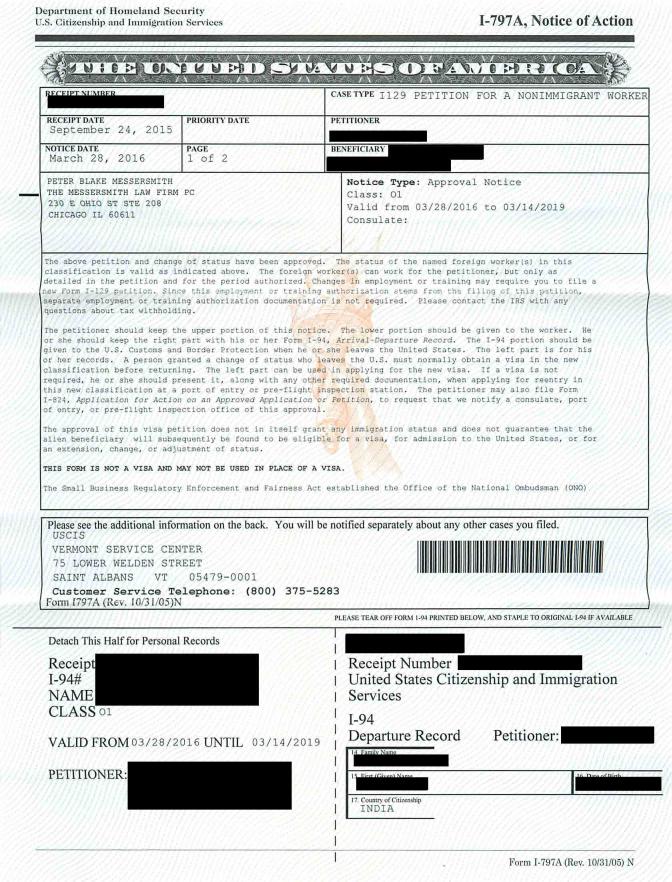
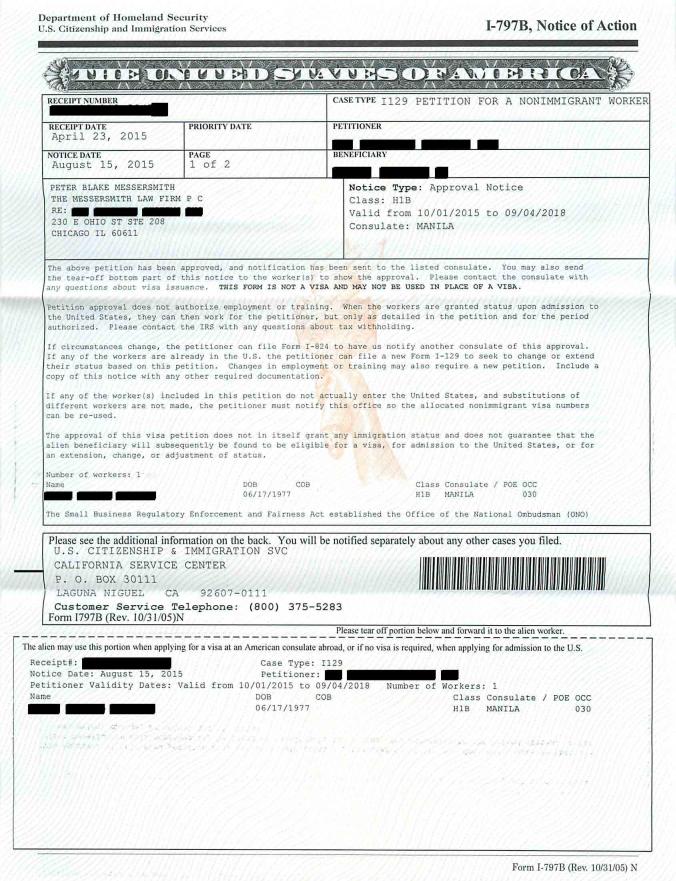
An H-1B amendment is typically used when there is a material change in the previously approved employment. A common example is a change in the place of employment, but other significant changes in duties or employment structure can also matter. USCIS’s current Form I-129 still includes amended petitions for a change in previously approved employment, and USCIS guidance on H-1B amendments specifically addresses worksite changes outside the original area of intended employment.
When does a worksite change matter?
A worksite change is one of the biggest H-1B topics because the LCA and petition strategy must match where the work is actually performed. A move to a new worksite location can trigger amendment analysis, especially when it falls outside the original area of intended employment. This is why remote work, hybrid work, and multiple worksites create so many H-1B questions.
What is a material change in an H-1B case?
A material change usually means a meaningful change in the approved terms and conditions of employment. Common examples people worry about include:
- a new worksite in a different geographic area
- major changes in job duties
- a shift from in-house work to third-party placement
- a meaningful change in supervision or control
- restructuring after a merger or acquisition
- significant changes in pay structure or reporting setup
H-1B remote work, hybrid work, and multiple worksites
Remote and hybrid work remain major H-1B compliance issues because employers often assume a home office or temporary location does not matter. But H-1B strategy still turns heavily on where the work is performed and whether the LCA and petition remain accurate.
H-1B third-party placement and employer-employee relationship
USCIS has long treated employer-employee relationship as a major H-1B issue, especially in consulting, staffing, and client-site cases. The key concern is whether the petitioning employer truly has the right to control the worker’s employment, not just whether the worker is placed at a third-party site.
Common third-party placement issues include:
- who supervises the worker day to day
- whether the end-client role is clearly documented
- whether there is non-speculative work for the requested period
- whether contracts, SOWs, or work orders match the petition narrative
- whether the LCA and worksite details are consistent with the placement model
H-1B amendment vs H-1B transfer
In general, a transfer usually involves a new employer, while an amendment usually involves a change in the approved employment with the same employer.
Common H-1B amendment problems
Common issues include:
- assuming a remote-work change does not matter
- moving a worker before the filing strategy is confirmed
- changing duties without checking specialty-occupation impact
- weak documentation in staffing or client-site cases
- inconsistencies between the LCA, support letter, and actual work arrangement
How our firm helps with H-1B amendments and worksite changes
We help by:
- analyzing whether a change is material
- aligning the LCA and worksite strategy with actual work patterns
- reviewing third-party placement documentation
- addressing employer-employee relationship issues proactively
- reducing risk when duties, location, or reporting structure change