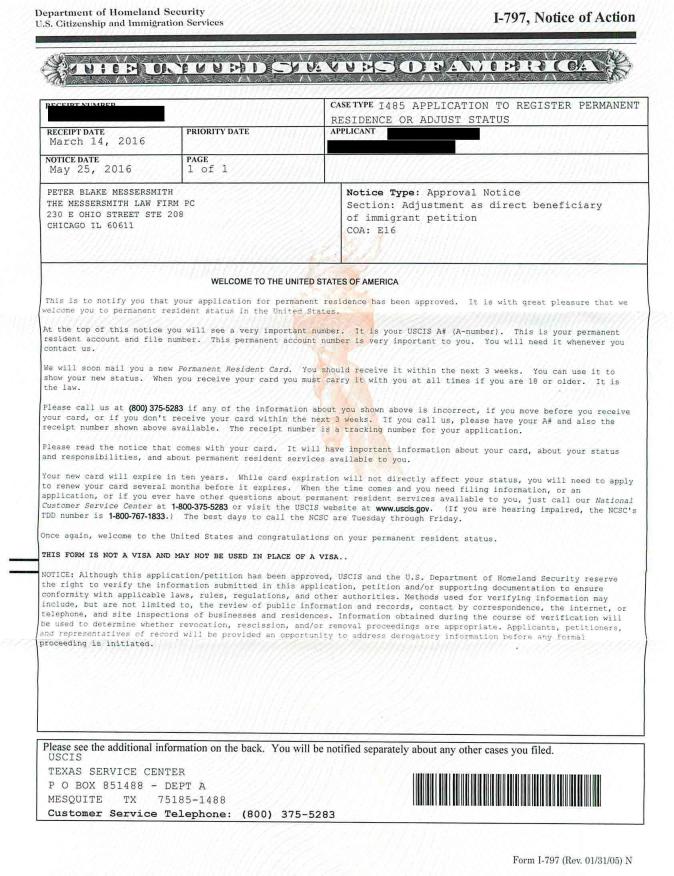
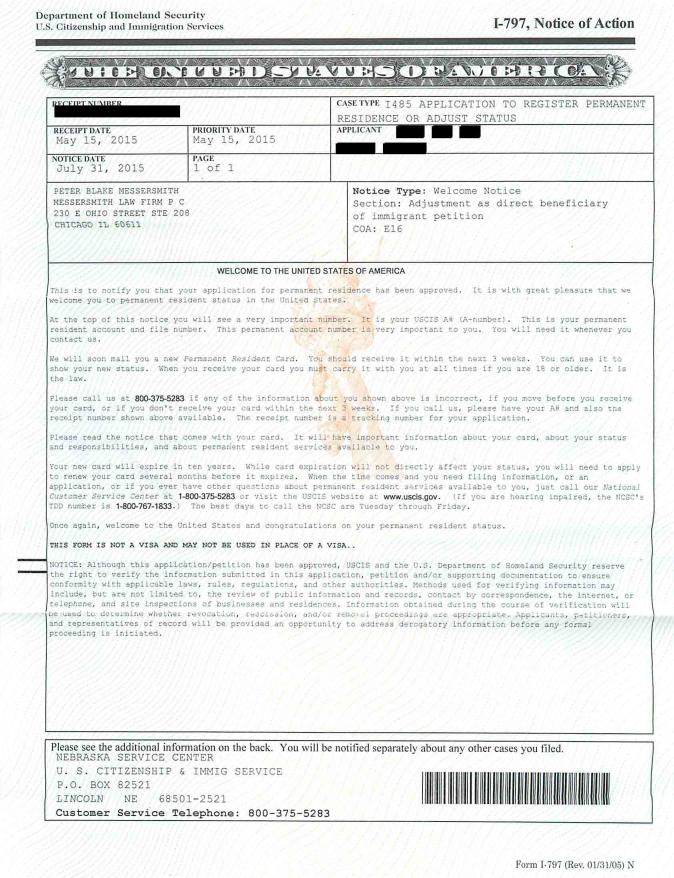
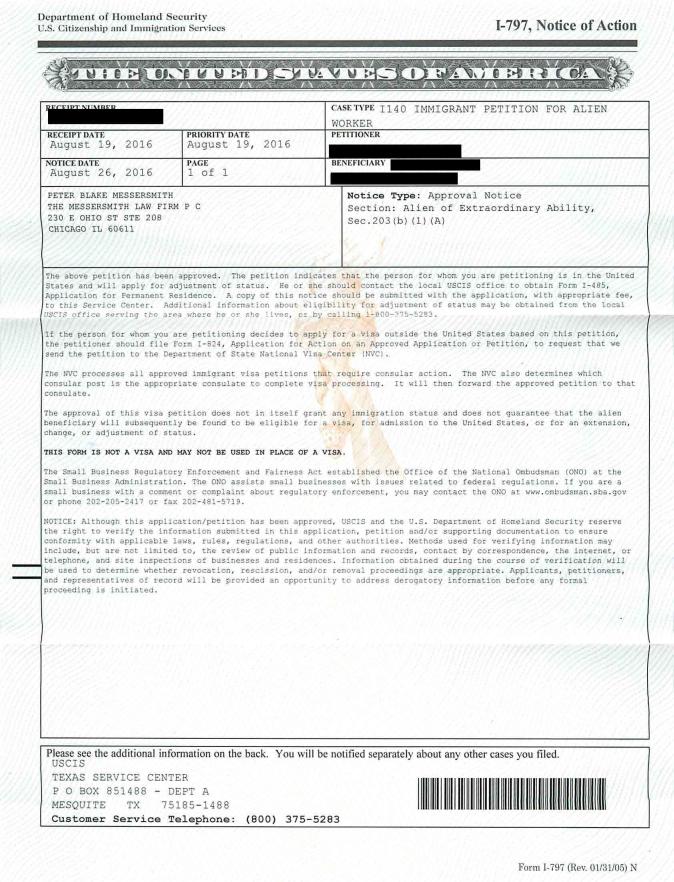
One of the most common EB2 questions is whether the case is strong enough to file in the EB2 category instead of EB3 or another path. Many applicants and employers want to know whether the degree is high enough, whether the experience is progressive enough, whether the job really requires an advanced degree, and whether the worker qualifies through advanced degree or exceptional ability. A strong EB2 case depends on the full structure of the job, the worker’s credentials, and the consistency of the filing.
The job matters as much as the worker
A strong EB2 case is not based only on the worker having a master’s degree or strong experience. The offered position itself should support EB2 classification. The filing should clearly explain why the job requires an advanced degree, a bachelor’s degree plus 5 years of progressive experience, or exceptional-ability level qualifications.
A master’s degree does not automatically make a case EB2
Having a master’s degree can help, but it does not automatically make every case an EB2 case. The job requirements, employer sponsorship, and labor certification structure should all line up with the EB2 standard.
Bachelor’s degree plus 5 years should be documented carefully
Many EB2 cases rely on a bachelor’s degree plus 5 years of progressive post-baccalaureate experience. A strong filing should clearly document the degree, the dates of employment, the nature of the experience, and why the work was progressive rather than routine.
Progressive experience should be explained clearly
Progressive experience should show increasing responsibility, complexity, skill, or seniority over time. The filing should not just list years of work. It should explain how the experience developed and why it supports EB2-level classification.
Exceptional ability cases should not be treated like ordinary experience cases
If the case is based on exceptional ability, the petition should explain why the applicant’s record rises significantly above the ordinary level in the field. The filing should not rely on vague praise or general competence. It should present concrete evidence of higher-level ability and recognition.
EB2 and EB3 should be separated from the beginning
A common weakness in green card cases is trying to force an EB2 case where the position really fits EB3. A strong filing should make the EB2 theory clear from the beginning and should avoid mixed signals about the job requirements or the worker’s qualifications.
Consistency across the case is very important
The job description, employer letter, labor certification strategy, degree requirements, and experience evidence should all point in the same direction. A strong EB2 case should read as one consistent story rather than a collection of unrelated documents.
Common strength and qualification questions
Common questions include:
- Do I qualify for EB2 or EB3?
- Is a master’s degree enough for EB2?
- Is a bachelor’s degree plus 5 years enough for EB2?
- What counts as progressive experience for EB2?
- Can my job qualify for EB2 if I have strong credentials?
- Is my exceptional ability evidence strong enough for EB2?
Common patterns in stronger EB2 cases
Stronger EB2 cases often involve:
- positions that clearly require advanced qualifications
- well-documented progressive experience
- consistent labor certification strategy
- employer support letters that match the legal theory
- a clean fit between the worker’s background and the offered role
- clear separation between standard EB2 and NIW strategy