EB3 Green Card — Skilled Workers, Professionals, and Other Workers

EB3 Green Card — Skilled Workers, Professionals, and Other Workers

EB3 Green Card — Skilled Workers, Professionals, and Other Workers

People often search for this issue as EB3, EB3 green card, skilled worker green card, professional green card, other worker green card, EB3 requirements, EB3 labor certification, EB3 PERM, EB3 job offer, or EB3 priority date. The EB3 green card is an employment-based immigrant category for skilled workers, professionals, and other workers who have a permanent full-time job offer in the United States and whose employer is willing to sponsor them through the required immigration process. A strong EB3 case usually depends on the worker’s subcategory, the permanent job offer, the labor certification structure, and the consistency of the employer-sponsored filing.

EB3 cases often involve skilled trades, professional roles requiring a bachelor’s degree, and other permanent non-seasonal jobs where a U.S. employer is sponsoring the worker for permanent residence.

This page focuses on standard EB3 green card cases for skilled workers, professionals, and other workers, including labor certification, employer sponsorship, and priority-date issues.

EB3 Green Card Details

The EB3 employment based green card is for professionals who hold a US baccalaureate degree or foreign equivalent degree that is normally required for the profession. Education and experience may not be substituted for the degree.

The EB3 employment based green card is also for skilled workers and other workers who are not seasonal or temporary and require at least two years of experience or training as well as other workers are those who are capable of performing unskilled labor, not of a temporary or seasonal nature, for which qualified workers are not available in the US.

In order to obtain permanent residency through the EB3 category, the applicant must have an employer willing to sponsor him or her through PERM labor certification. The applicant does not have to be employed when labor certification/PERM is filed. A job offer is sufficient. Labor certification/PERM is the process whereby, the US government determines whether qualified US workers can fill the open position. Once the labor certification is approved, the employer may sponsor the applicant for permanent residency.

The EB3 process is as follows:

For Whom Is an EB3 Green Card Appropriate?

Professional, skilled and other workers who have a job offer from a US company and their immediate family members.

EB3 Green Card Requirements

Professionals: defined as a member of the professions who holds a baccalaureate degree. Members of the professions include, but are not limited to architects, engineers, lawyers, physicians, surgeons, and teachers in elementary or secondary schools, colleges, academies, or seminaries. It also includes any occupation for which a US baccalaureate degree (or foreign equivalent) is the minimum requirement for entry into the occupation.

Skilled workers: defined as a person, who at the time of petitioning, is capable of performing skilled labor, requiring at least 2 years training or experience, not of a temporary or seasonal nature, and for which there are no qualified workers available in the United States. Relevant post-secondary education may be considered as training for the purposes of this provision.

Other Workers: defined as a person who is to perform unskilled labor, requiring less than two years training, not of a temporary or seasonal nature, for which qualified workers are not available in the United States.

EB3 requirements

To qualify for an EB3 green card, the petition must show that the applicant fits one of the three main EB3 paths: skilled worker, professional, or other worker. A strong EB3 case also usually depends on employer sponsorship, a permanent full-time job offer, and labor certification.

EB3 for skilled workers

An EB3 case may qualify as a skilled worker case if the position requires at least 2 years of training, experience, or education. The filing should explain the job requirements clearly and show how the applicant meets that standard.

EB3 for professionals

An EB3 case may qualify as a professional case if the position requires at least a U.S. bachelor’s degree or a foreign equivalent degree and the applicant has that degree. The filing should explain the degree requirement clearly and show how the applicant’s education matches the role.

EB3 for other workers

An EB3 case may qualify as an other worker case if the position requires less than 2 years of training or experience and the job is permanent and non-seasonal. The filing should explain the role clearly and show why it fits the other worker subcategory.

Permanent full-time job offer

A standard EB3 case usually requires a permanent full-time job offer from a sponsoring employer. The filing should clearly explain the offered position, the employer, the job duties, and which EB3 subcategory the role fits.

Labor certification and PERM

Most standard EB3 cases require PERM labor certification. The filing should match the labor certification process to the offered job and should show that the position and the applicant’s background fit the chosen EB3 subcategory.

Employer sponsorship

EB3 is usually an employer-sponsored green card category. A strong filing should make it easy to understand:

  • who the sponsoring employer is
  • what the offered job is
  • why the position fits the EB3 subcategory
  • how the applicant meets the required qualifications

Skilled worker requirements should match the position

If the case is based on the skilled worker path, the filing should explain why the position requires at least 2 years of training, education, or experience and how the applicant satisfies that requirement.

Professional requirements should match the position

If the case is based on the professional path, the filing should explain why the position normally requires a bachelor’s degree and why the applicant’s degree qualifies.

Other worker requirements should be explained carefully

If the case is based on the other worker path, the filing should explain the permanent nature of the job and why the role is not temporary or seasonal. The petition should also make the job requirements clear so the case fits the correct category.

Common evidence in EB3 cases

Strong EB3 filings often include:

  • academic degrees and transcripts
  • experience letters
  • job descriptions
  • employer support letters
  • labor certification records
  • licenses or certifications where relevant
  • payroll or employment records where relevant
  • documents supporting the worker’s qualifications for the offered job

Common EB3 case types

EB3 cases often involve:

  • skilled trades
  • healthcare roles
  • IT and technical roles
  • professional positions requiring a bachelor’s degree
  • permanent entry-level or lower-training roles fitting the other worker category
  • other employer-sponsored permanent positions

EB3 process, PERM labor certification, and employer sponsorship

The EB3 green card is most often used in employer-sponsored cases where the worker fits the skilled worker, professional, or other worker category and has a permanent full-time job offer in the United States. A strong EB3 case depends not only on the worker’s credentials, but also on the structure of the offered position, the employer sponsorship, and the labor certification process when required.

Employer-sponsored EB3 cases

Most standard EB3 cases are employer-sponsored. The petition should clearly explain the sponsoring employer, the offered position, the minimum job requirements, and why the role fits the correct EB3 subcategory.

PERM labor certification

Many EB3 cases require PERM labor certification before the immigrant petition is filed. The job requirements, education requirements, and experience requirements should be consistent throughout the labor certification and petition process.

Job requirements matter in EB3

A strong EB3 case should show that the position itself supports the selected EB3 category. The filing should explain why the job fits the skilled worker, professional, or other worker standard and should avoid treating EB3 as if it depends only on the worker’s personal credentials.

Skilled worker cases

In skilled worker cases, the filing should clearly explain why the position requires at least 2 years of training, education, or experience and how the worker satisfies that requirement with properly documented background evidence.

Professional cases

In professional cases, the filing should clearly explain why the position normally requires a bachelor’s degree and how the worker’s degree fits the offered role. The case should not assume that any degree automatically supports the professional category unless it matches the position.

Other worker cases

In other worker cases, the filing should clearly explain that the role is permanent and non-seasonal even though it requires less than 2 years of training or experience. The position should be described carefully so the case fits the category from the start.

EB3 vs EB2

Many applicants and employers compare EB3 and EB2. The key issue is usually whether the position and the worker’s background support EB2-level requirements or whether EB3 is the better fit. A strong filing should match the job structure and the worker’s qualifications to the correct category from the beginning.

EB3 priority date

Priority date is an important practical issue in many EB3 cases. The timing of the case can depend on visa availability, country of chargeability, and the overall green card process. The page should mention EB3 priority date because many users search for it even when they are first trying to understand eligibility.

Standard EB3 should be separated from other categories

A standard EB3 case usually depends on employer sponsorship and PERM labor certification. The page should stay focused on the skilled worker, professional, and other worker paths rather than blending in too much detail from other employment-based green card categories.

Common employer-side questions in EB3 cases

Common questions include:

  • Does EB3 require a job offer?
  • Does EB3 require PERM labor certification?
  • What is the difference between EB3 skilled worker and EB3 other worker?
  • What is the difference between EB3 and EB2?
  • Can the position qualify for EB3 if the worker has strong credentials?
  • How does the employer choose the right EB3 subcategory?

Common documents in stronger EB3 cases

Strong filings often include:

  • employer support letters
  • job descriptions
  • academic records
  • experience letters
  • labor certification records
  • licenses or certifications
  • payroll or employment records where relevant
  • documents supporting the worker’s qualifications and the EB3-level nature of the role

How strong should an EB3 case be?

One of the most common EB3 questions is whether the case fits the right EB3 subcategory and whether it is strong enough to file. Many applicants and employers want to know whether the position is really a skilled worker case, a professional case, or an other worker case, whether the worker’s degree or experience is enough, and whether the job might fit EB2 instead. A strong EB3 case depends on the full structure of the job, the worker’s qualifications, and the consistency of the filing.

The job matters as much as the worker

A strong EB3 case is not based only on the worker having experience or a degree. The offered position itself should support the selected EB3 category. The filing should clearly explain why the job fits the skilled worker, professional, or other worker path.

Skilled worker cases should be documented carefully

If the case is filed as a skilled worker case, the petition should show that the position really requires at least 2 years of training, education, or experience. The filing should also show that the worker meets that requirement with properly documented background evidence.

Professional cases should be tied to the degree requirement

If the case is filed as a professional case, the petition should show that the position normally requires at least a bachelor’s degree and that the worker has the required degree. The filing should explain the degree requirement clearly and avoid treating any unrelated degree as automatically enough.

Other worker cases should be explained clearly

If the case is filed as an other worker case, the petition should explain why the role requires less than 2 years of training or experience and why the position is still permanent and non-seasonal. A strong filing should make the role easy to classify from the start.
A strong EB3 case should not send mixed signals

A common weakness in employer-sponsored cases is inconsistency. The job description, employer letter, labor certification strategy, degree requirements, and experience evidence should all point to the same EB3 subcategory.

EB3 and EB2 should be separated from the beginning

A common issue is trying to fit a case into EB3 when the job is really structured as EB2, or trying to force EB2 when the job more naturally fits EB3. A strong filing should make the category fit clear from the beginning and should avoid mixed signals about job requirements or worker qualifications.

Stronger cases usually show a clean fit between the worker and the role
A strong EB3 case usually involves:

  • a clear permanent full-time position
  • a job description that fits the selected EB3 category
  • well-documented degrees or experience
  • labor certification strategy that matches the role
  • employer support that is consistent throughout the case
  • a clean fit between the worker’s background and the offered job

Common qualification questions

Common questions include:

  • Do I qualify for EB3 or EB2?
  • Is this a skilled worker case or an other worker case?
  • Is a bachelor’s degree enough for EB3 professional?
  • Is my experience enough for EB3 skilled worker?
  • Can my job qualify for EB3 if I have strong credentials?
  • How does the employer choose the right EB3 category?

Common patterns in stronger EB3 cases

Stronger EB3 cases often involve:

  • positions that clearly fit one EB3 subcategory
  • well-documented experience or degree requirements
  • consistent labor certification strategy
  • employer support letters that match the legal theory
  • a clean fit between the worker’s background and the offered role
Frequently asked questions about the EB3 green card

What is the EB3 green card?

The EB3 green card is an employment-based immigrant category for skilled workers, professionals, and other workers.

Who qualifies for EB3?

A qualifying EB3 case must fit one of the three main EB3 paths: skilled worker, professional, or other worker. In a standard EB3 case, employer sponsorship and labor certification are usually required.

What is the difference between EB3 skilled worker, professional, and other worker?

EB3 skilled worker cases usually involve positions requiring at least 2 years of training, education, or experience. EB3 professional cases usually involve positions requiring at least a bachelor’s degree. EB3 other worker cases involve permanent non-seasonal jobs requiring less than 2 years of training or experience.

Does EB3 require a job offer?

Yes. A standard EB3 case usually requires a permanent full-time job offer from a sponsoring employer.

Does EB3 require labor certification?

Yes. Most standard EB3 cases require labor certification.

Yes. Most standard EB3 cases require labor certification.

PERM is the labor certification process commonly used in employer-sponsored EB3 cases before the immigrant petition is filed.

Can I self-petition for EB3?

No. A standard EB3 case is usually employer-sponsored.

What is the difference between EB3 and EB2?

EB3 generally applies to skilled workers, professionals, and other workers, while EB2 generally applies to advanced degree professionals or persons of exceptional ability. The correct fit depends on the position and the worker’s qualifications.

What is a skilled worker for EB3?

A skilled worker for EB3 is usually a worker whose position requires at least 2 years of training, education, or experience.

What is a professional for EB3?

A professional for EB3 is usually a worker whose position requires at least a U.S. bachelor’s degree or a foreign equivalent degree.

What is an other worker for EB3?

An other worker for EB3 is usually a worker in a permanent non-seasonal job requiring less than 2 years of training or experience.

Does a bachelor’s degree automatically make a case EB3 professional?

Not automatically. The offered position should normally require a bachelor’s degree, and the worker’s degree should fit the role.

Is 2 years of experience enough for EB3 skilled worker?

It can be, if the filing clearly shows that the position requires at least 2 years of training, education, or experience and that the worker meets that requirement.

Can unskilled workers qualify for EB3?

Some workers may qualify under the EB3 other worker path if the job is permanent, non-seasonal, and requires less than 2 years of training or experience.

What kinds of employers file EB3 cases?

EB3 cases are commonly filed by employers offering permanent positions that fit the skilled worker, professional, or other worker categories.

What documents are common in an EB3 case?

Common documents include degrees, transcripts, experience letters, job descriptions, employer support letters, labor certification records, licenses or certifications where relevant, and documents showing that the worker meets the EB3 standard.

How important is the job description in an EB3 case?

It is very important. The job description should support the selected EB3 category and should line up with the education, experience, and sponsorship structure used in the case.

Can healthcare workers qualify for EB3?

Yes. Some healthcare workers may qualify through the skilled worker or professional path if the position and the worker’s background fit the EB3 standard.

Can IT professionals qualify for EB3?

Yes. IT and technical professionals may qualify when the offered role and the worker’s qualifications fit the EB3 category.
Can trades workers qualify for EB3?

Yes. Many skilled trades positions can fit the EB3 skilled worker category if the job requires at least 2 years of training or experience.

What is an EB3 priority date?

The priority date is a key timing point in the green card process and can affect when a person may move forward depending on visa availability and category backlogs.

How long does the EB3 process take?

Timing can vary depending on labor certification, petition processing, visa availability, country of chargeability, and overall case strategy.

Is EB3 better than EB2?

They are different categories, and the better fit depends on the position, the worker’s qualifications, and the structure of the sponsorship case.

Can a case start in EB3 and later be moved to EB2?

Sometimes that may be possible depending on the facts, but the offered position, job requirements, and the worker’s qualifications should support the chosen category clearly.

How do I know if my EB3 case is strong enough?

The best way to evaluate EB3 strength is to look at the offered position, the worker’s degree or experience, the labor certification strategy, and how consistently the whole case supports the selected EB3 category.
Top Notch Immigration Services

You will receive top notch immigration services at The Messersmith Law Firm. We guarantee personalized legal services, a high rate of success, and very reasonable fees. At The Messersmith Law Firm, you will always get more than what you pay for. While the majority of our clients are referred to our law firm, we are open to take new cases if we feel we can help you achieve your goals. We have no doubt that you will refer everyone you know to us once your case is approved! Our goal is to get your case approved in the shortest amount of time possible yet strive to keep our fees reasonable!
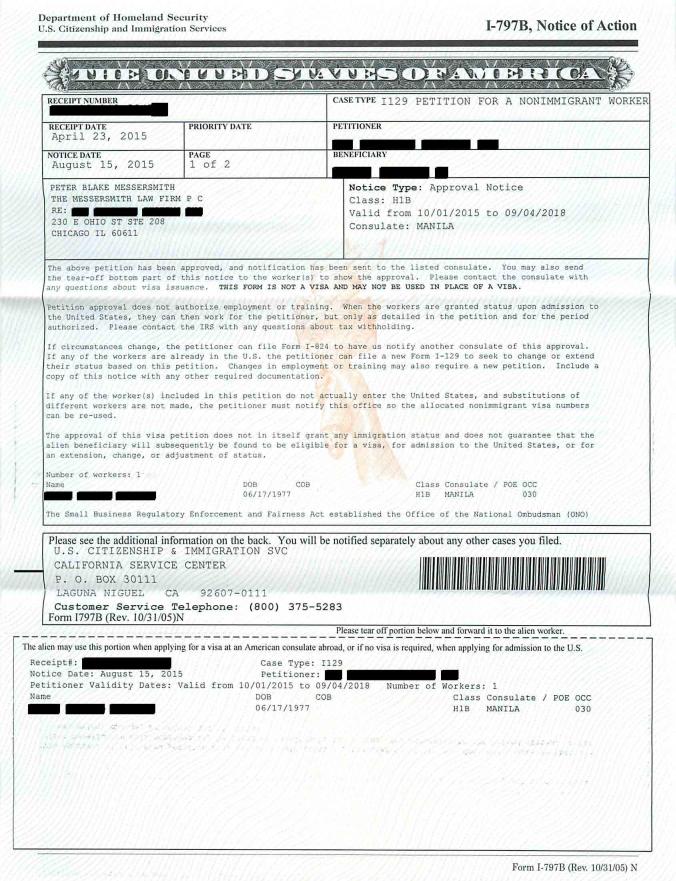
Thousands of Approved Cases

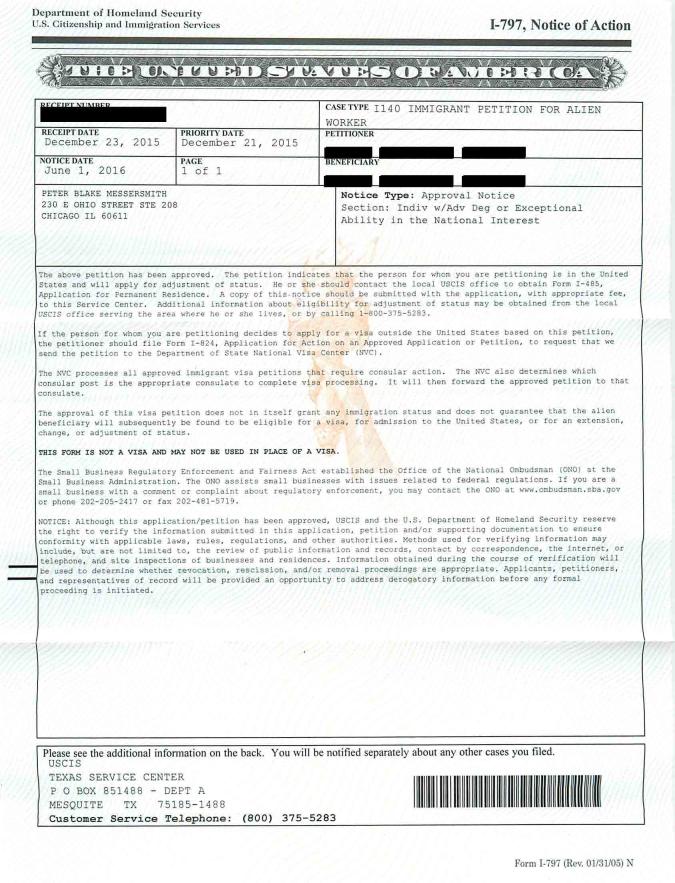
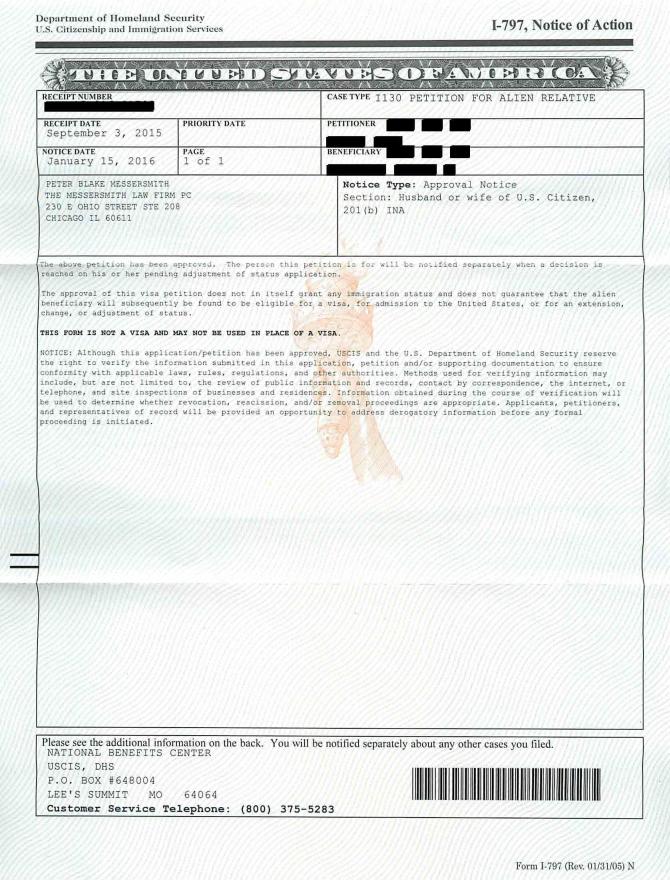
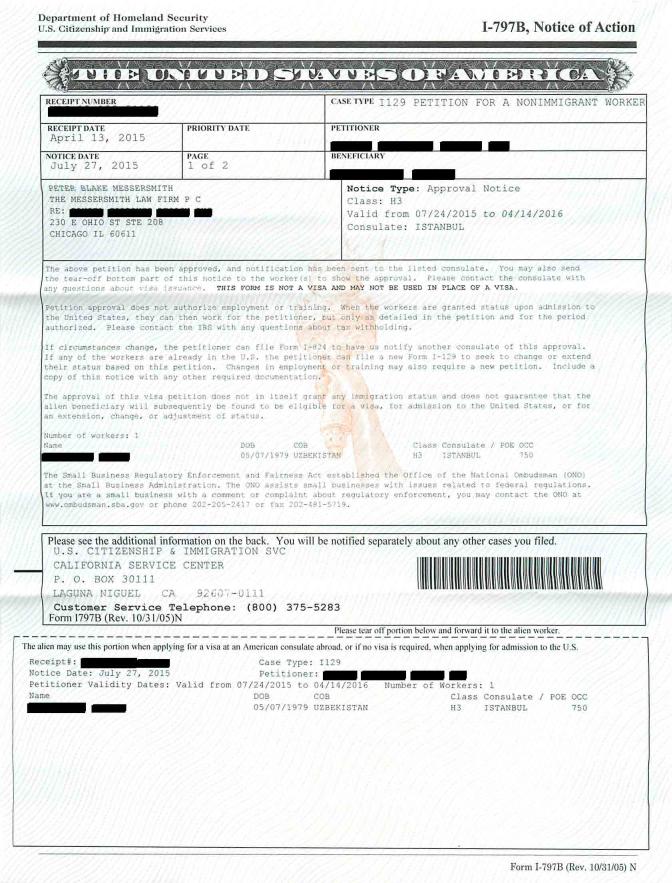
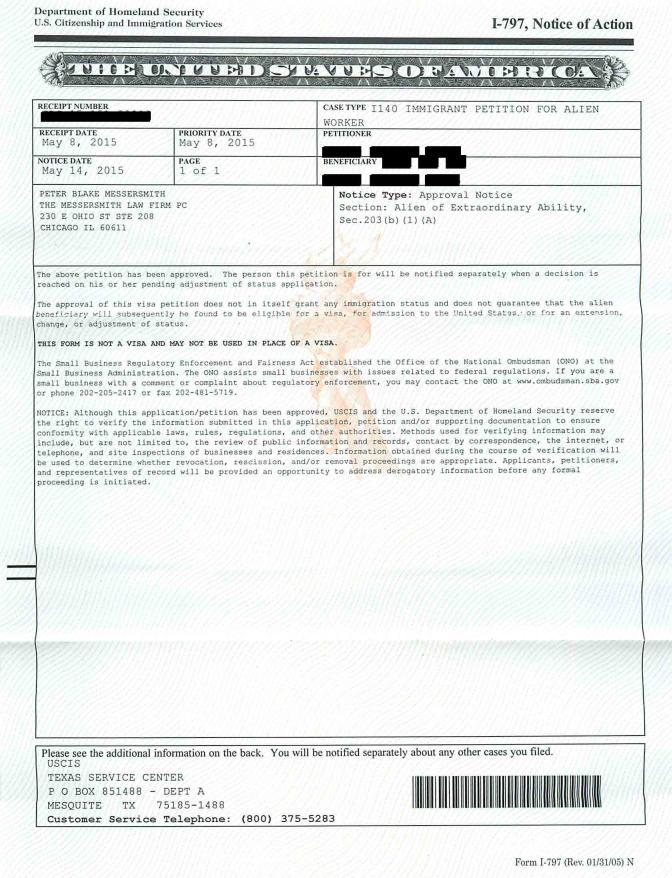
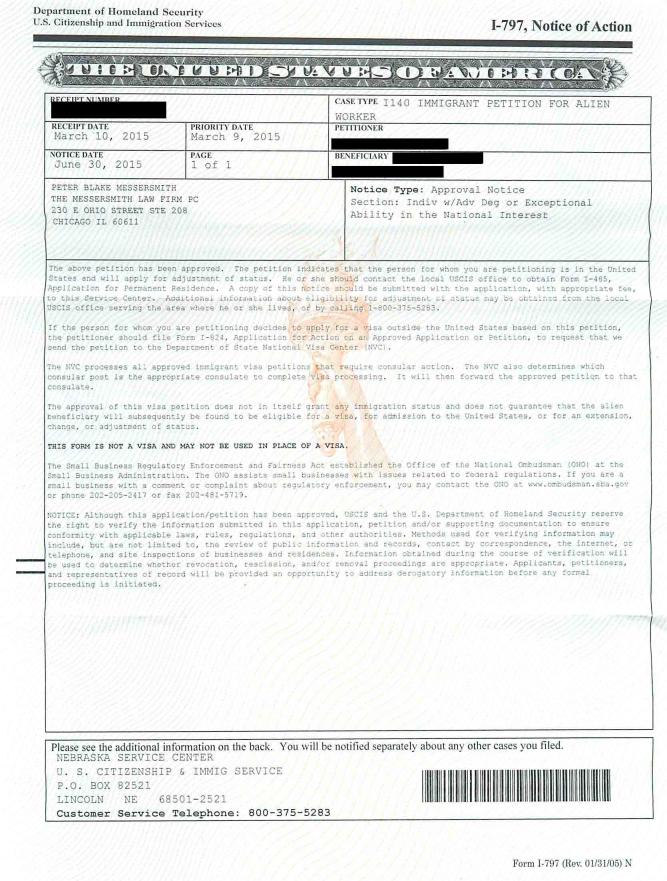
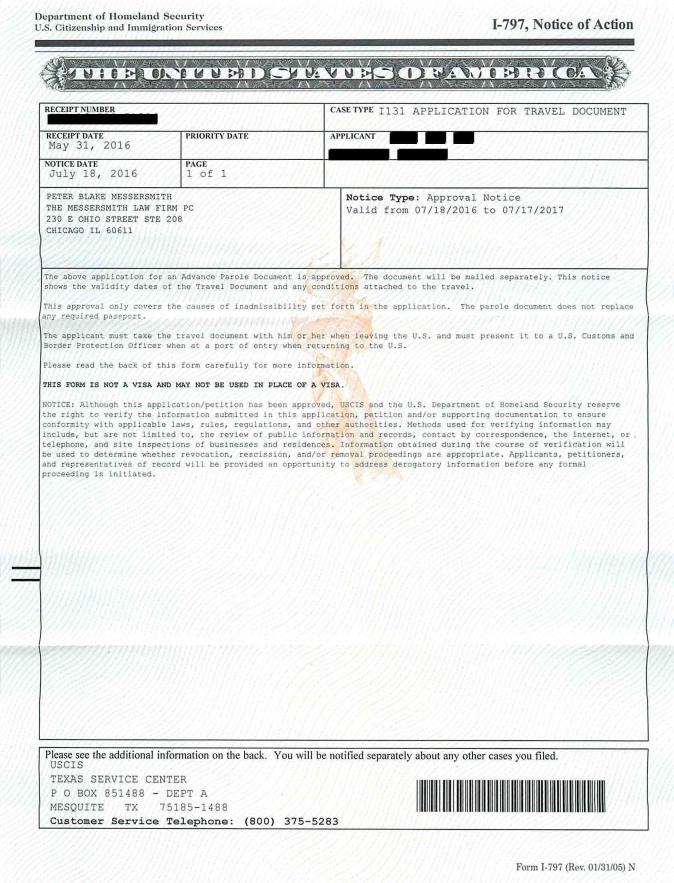
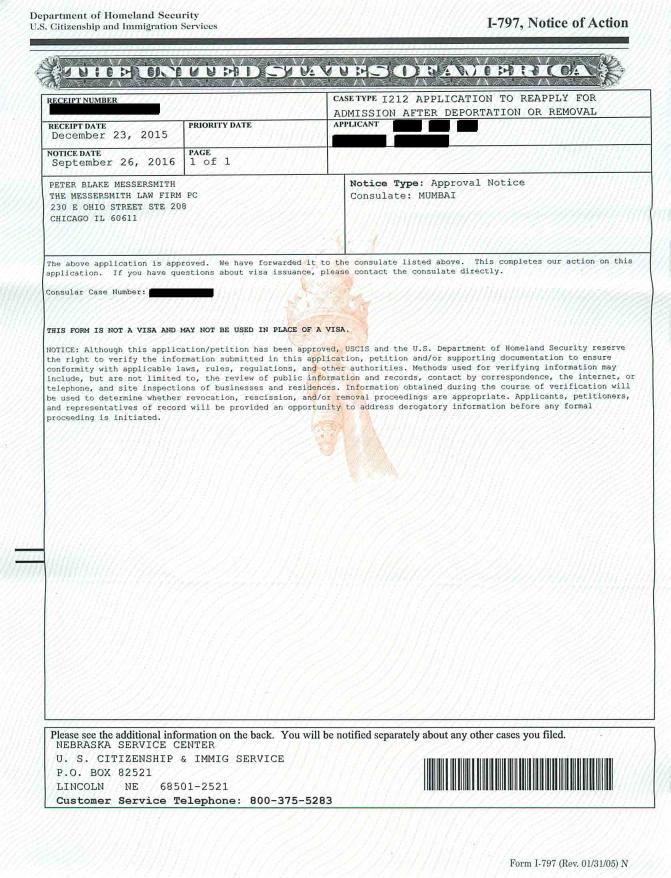
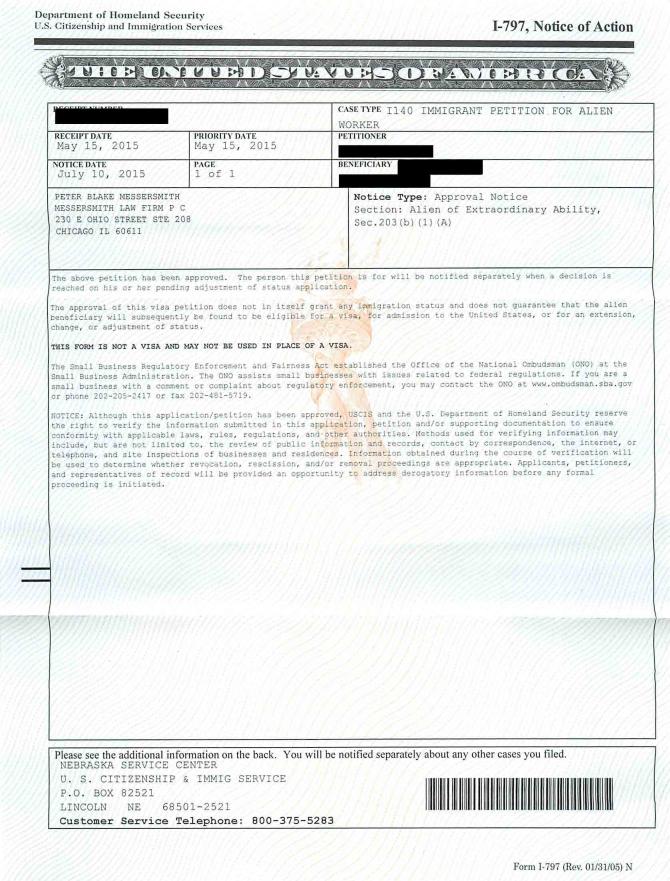
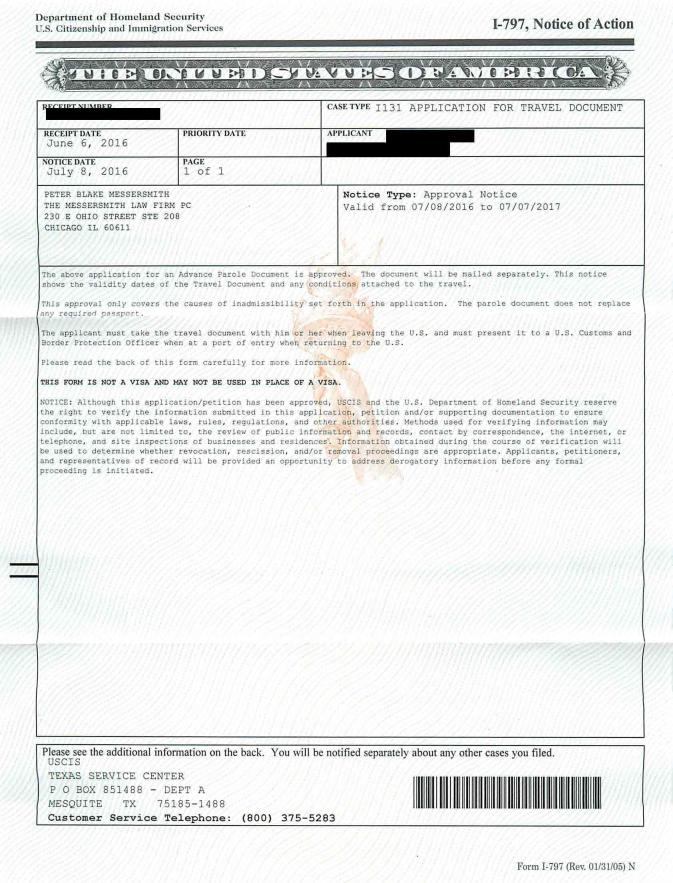
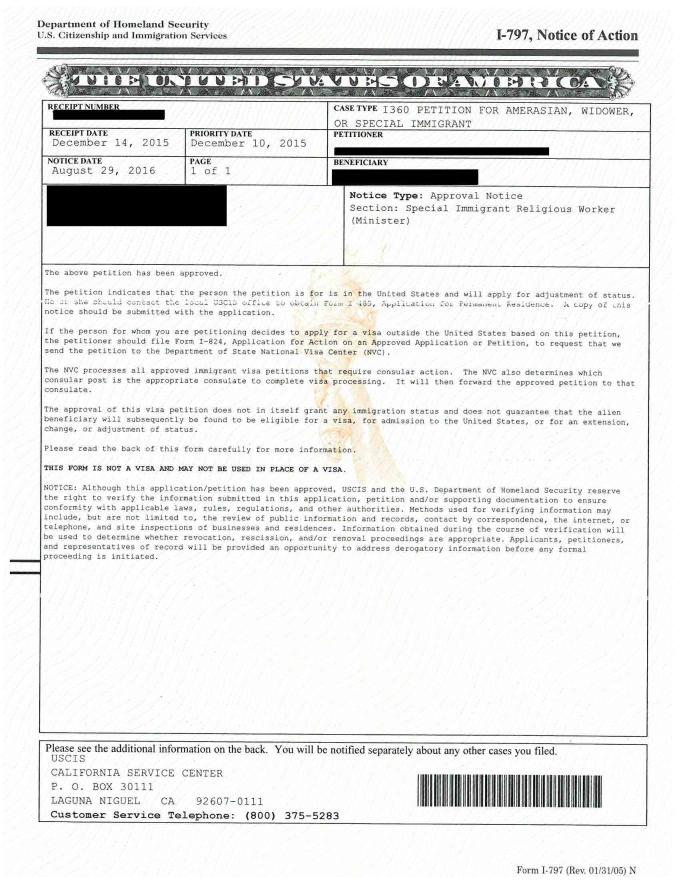
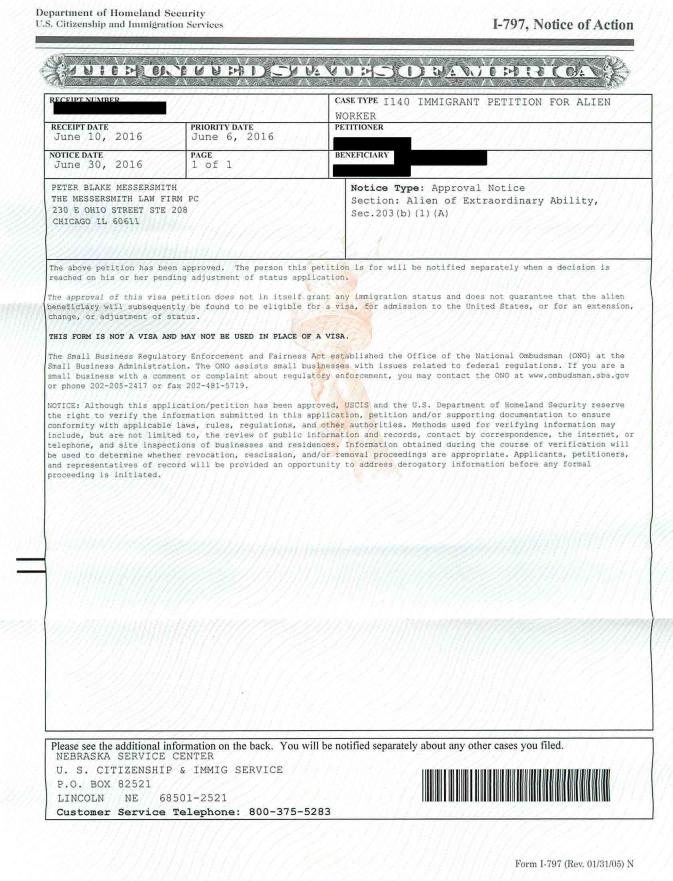
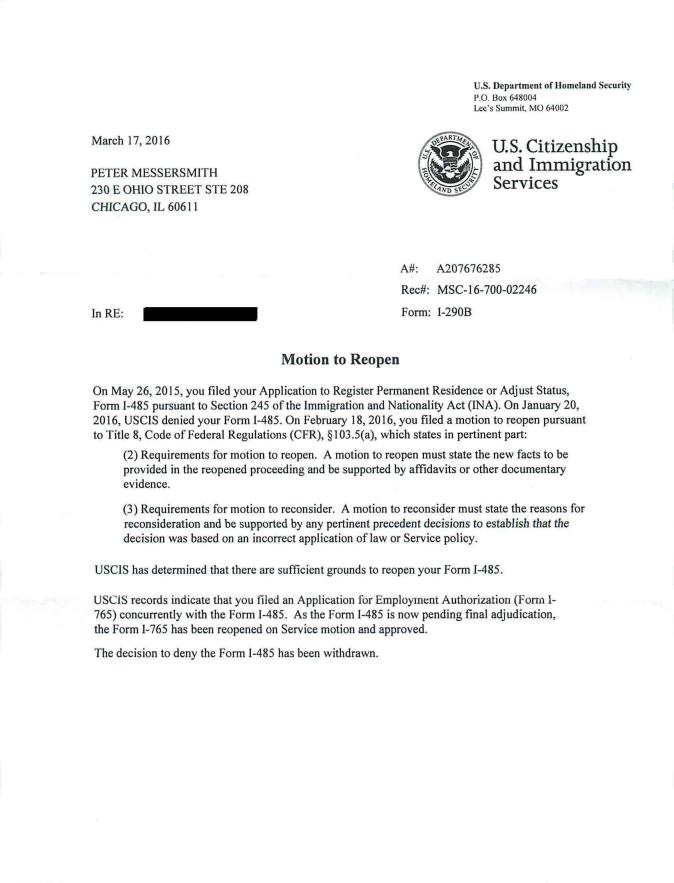
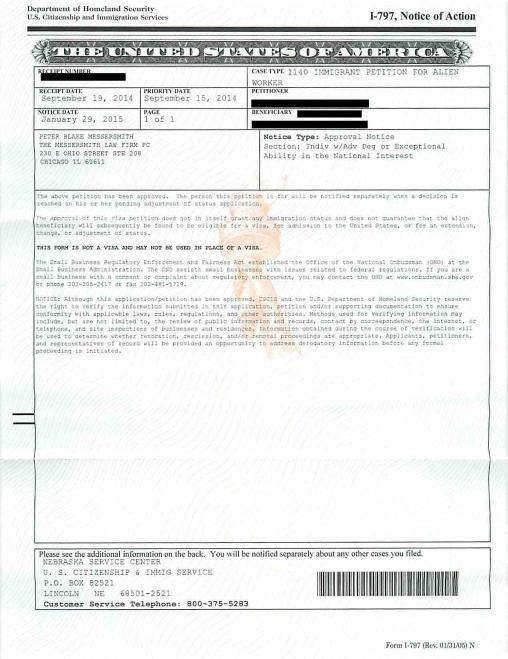
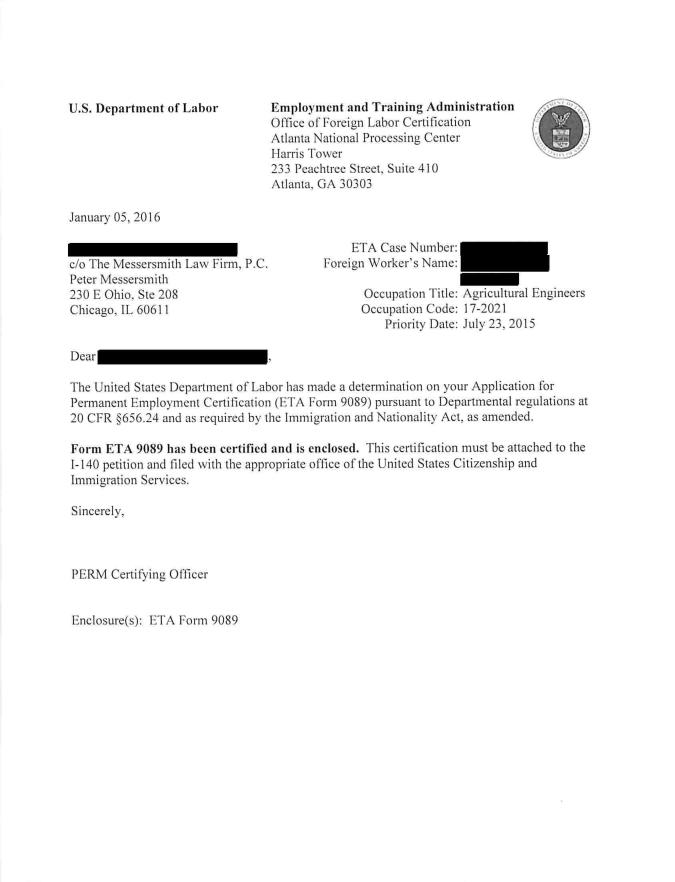
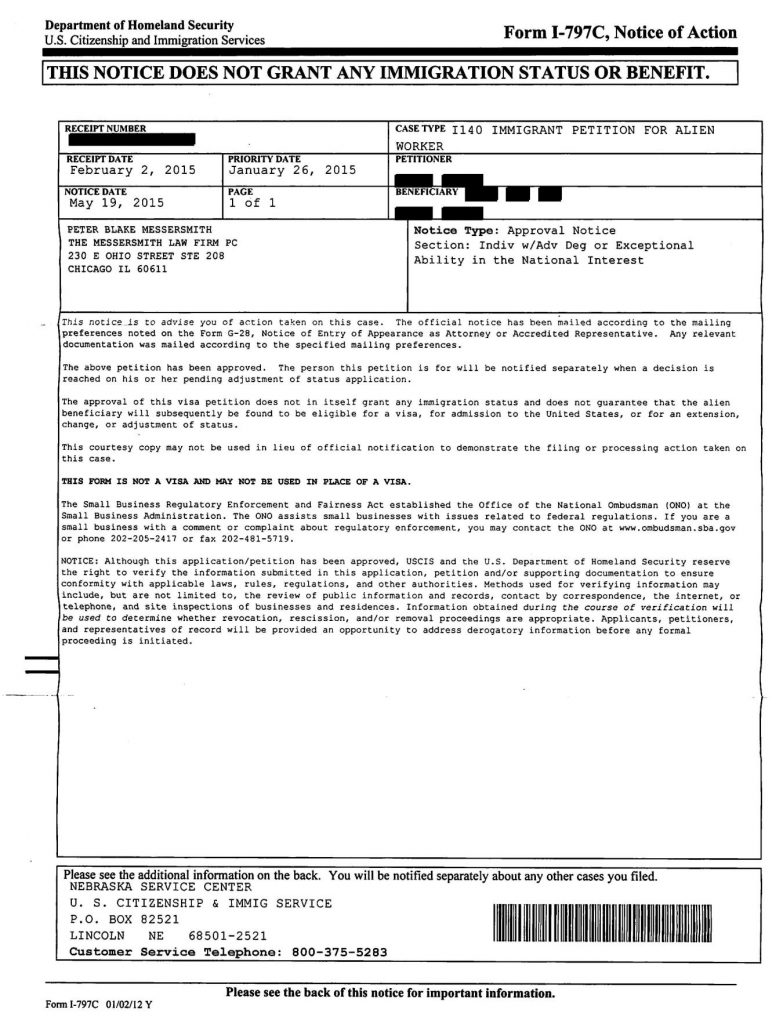
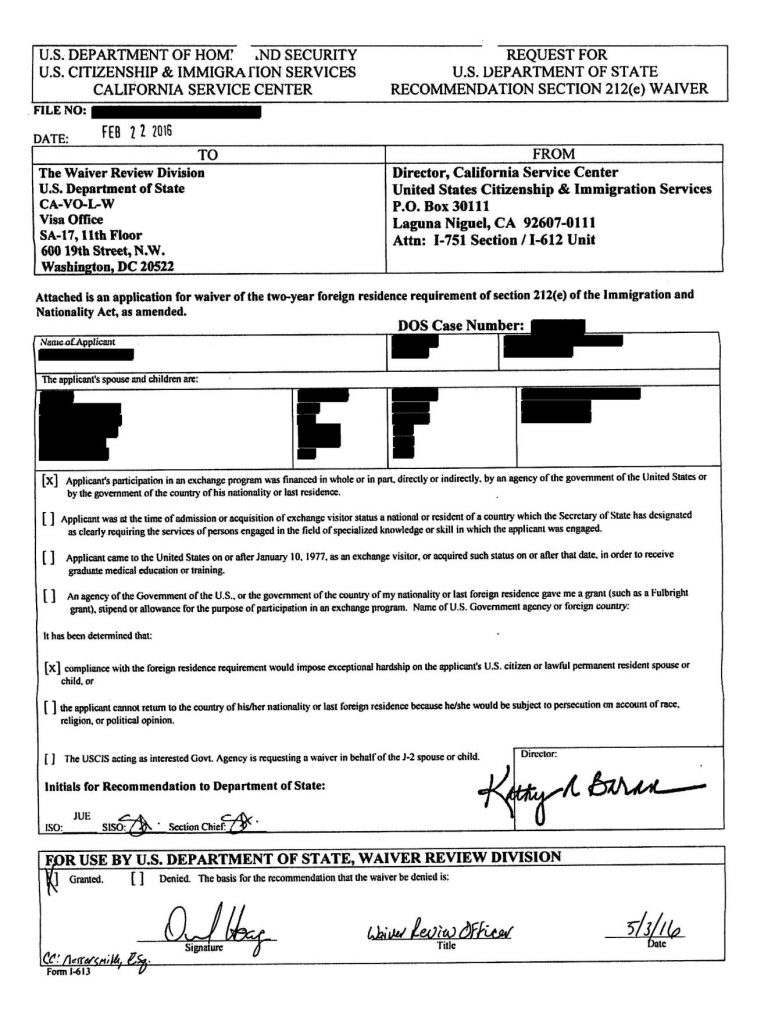
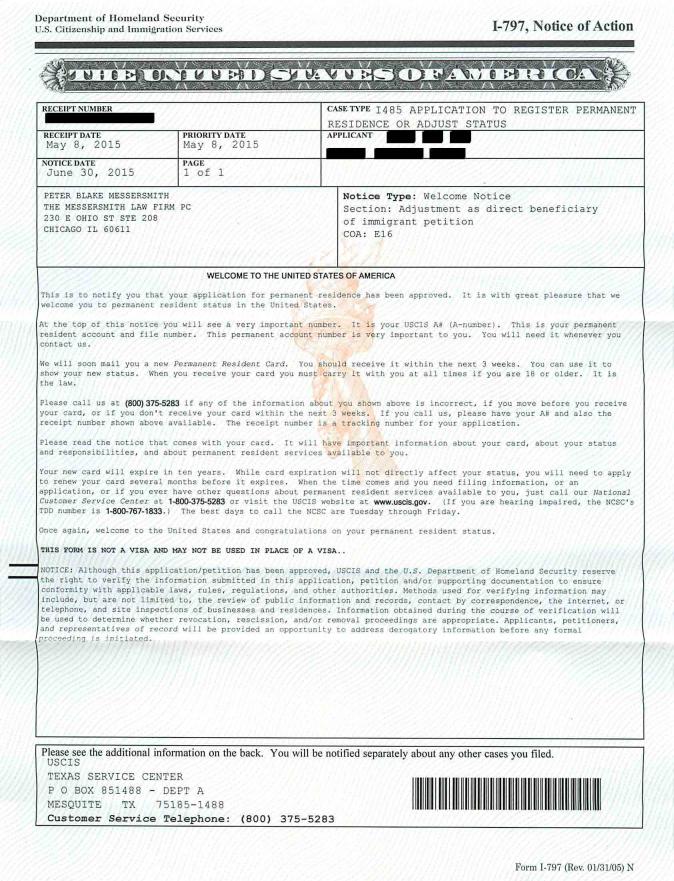
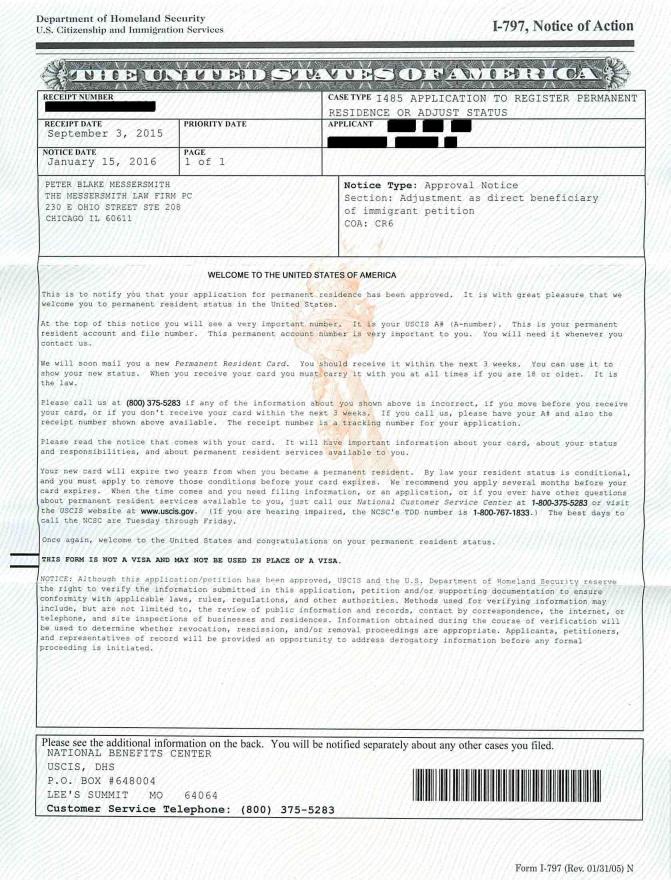
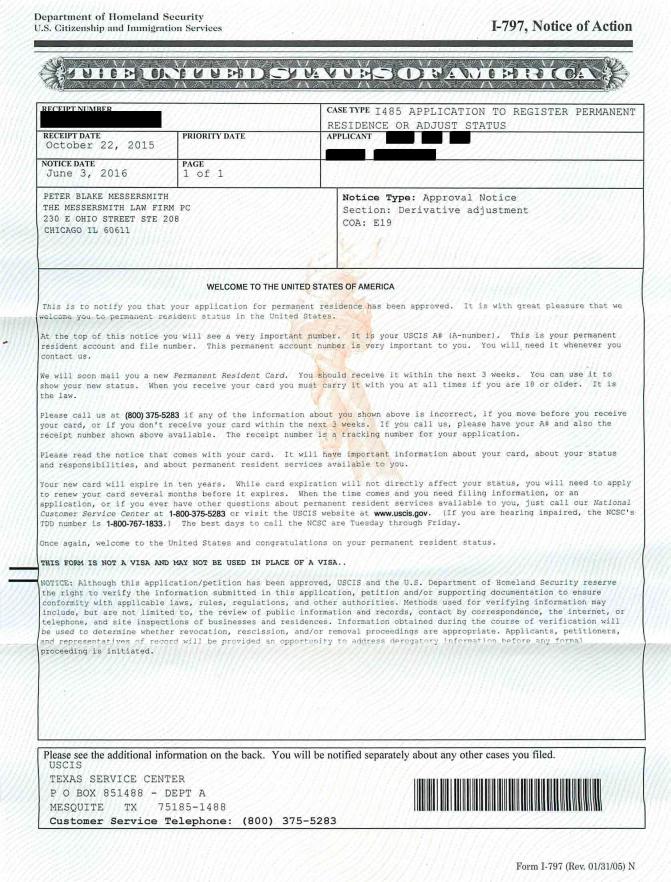
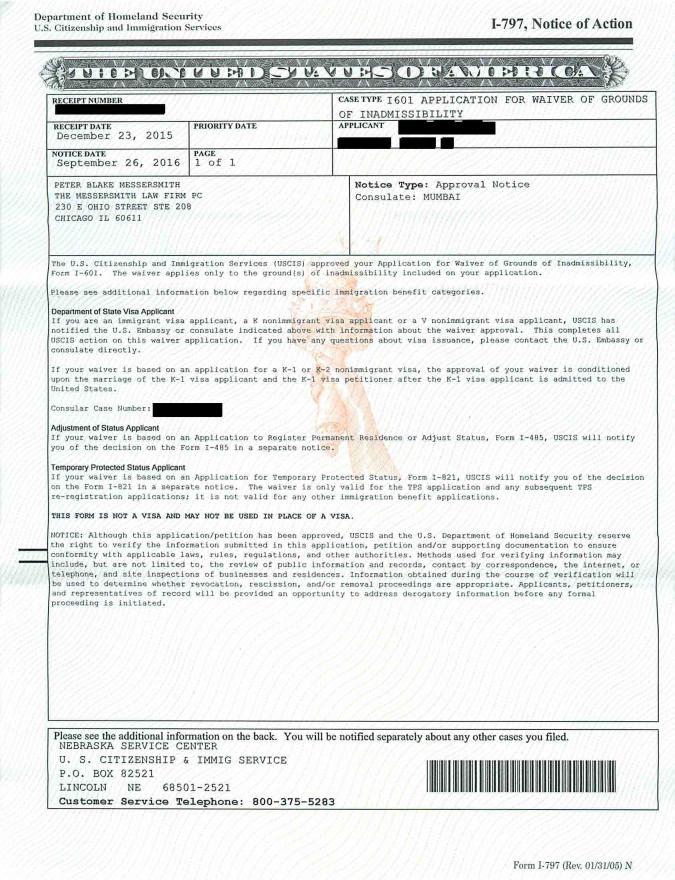
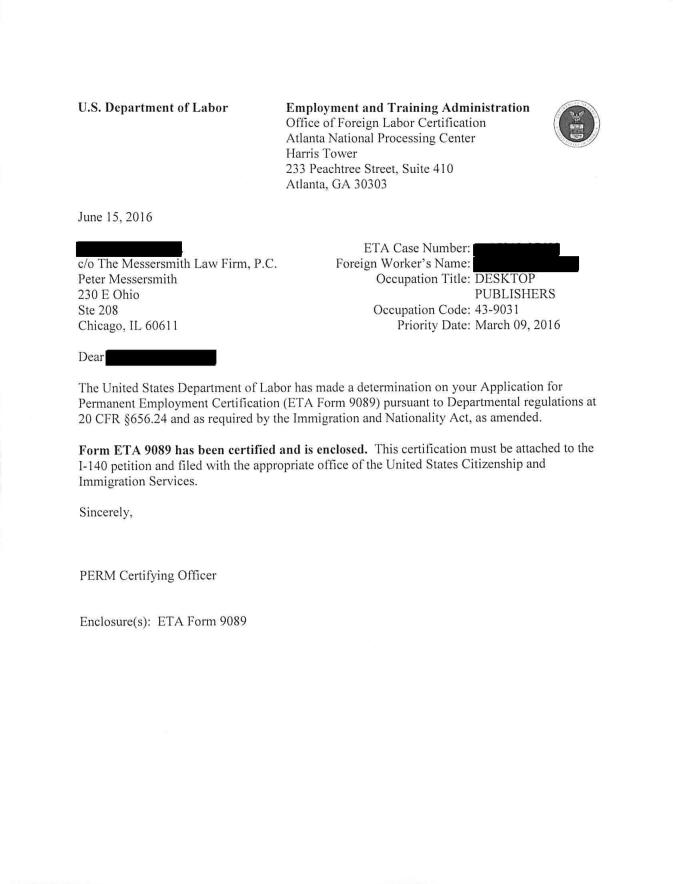
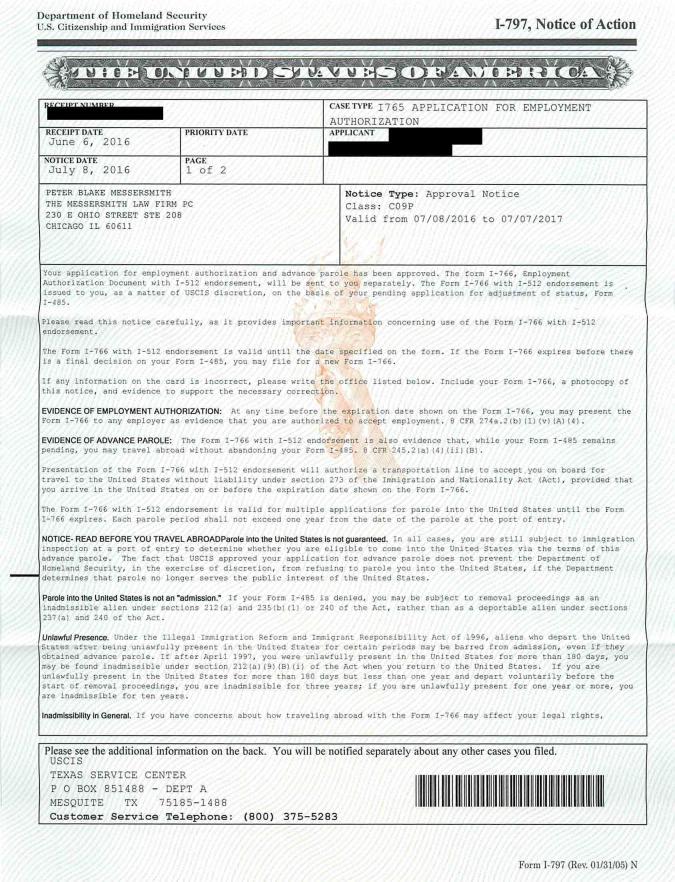
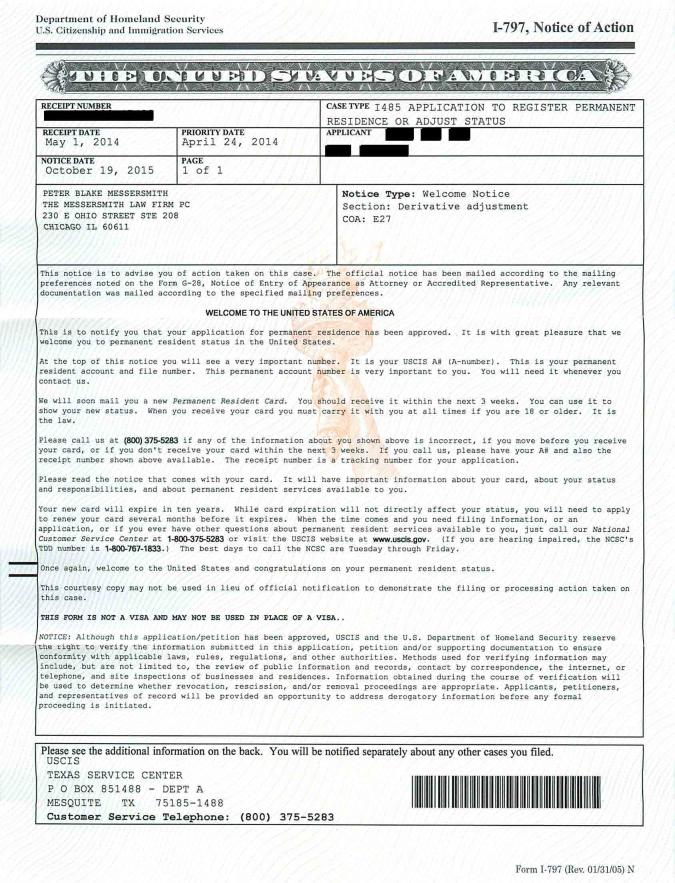
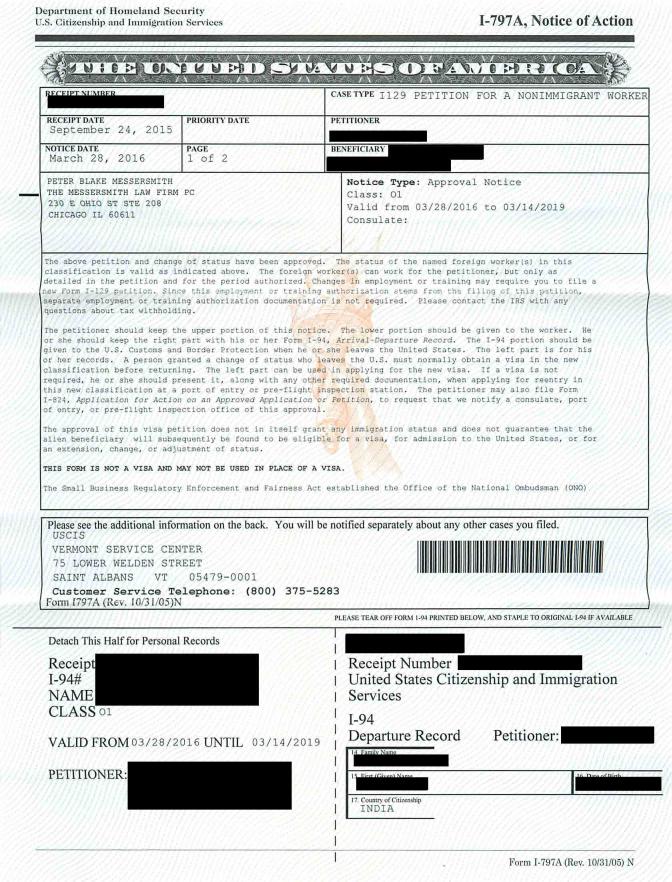
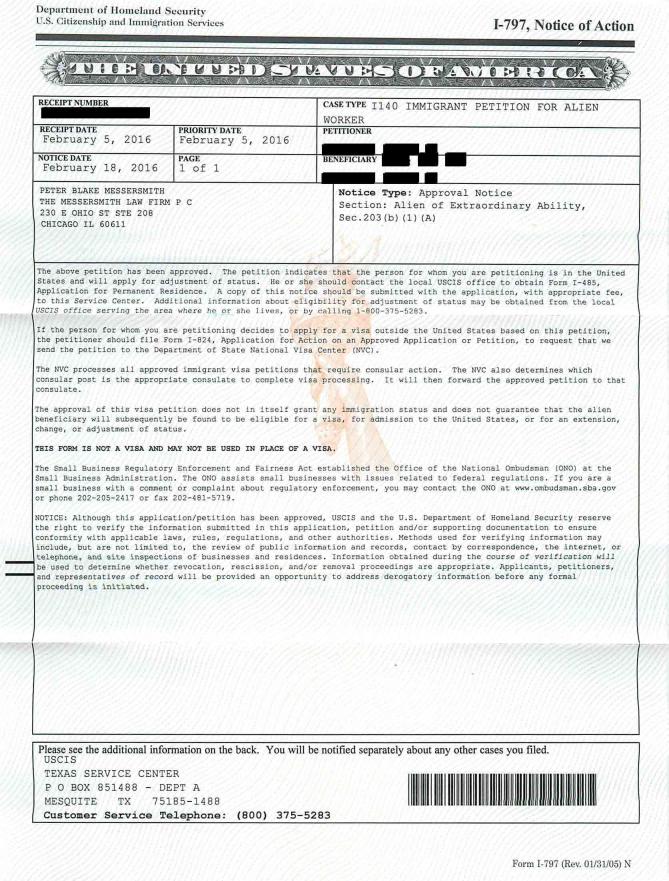
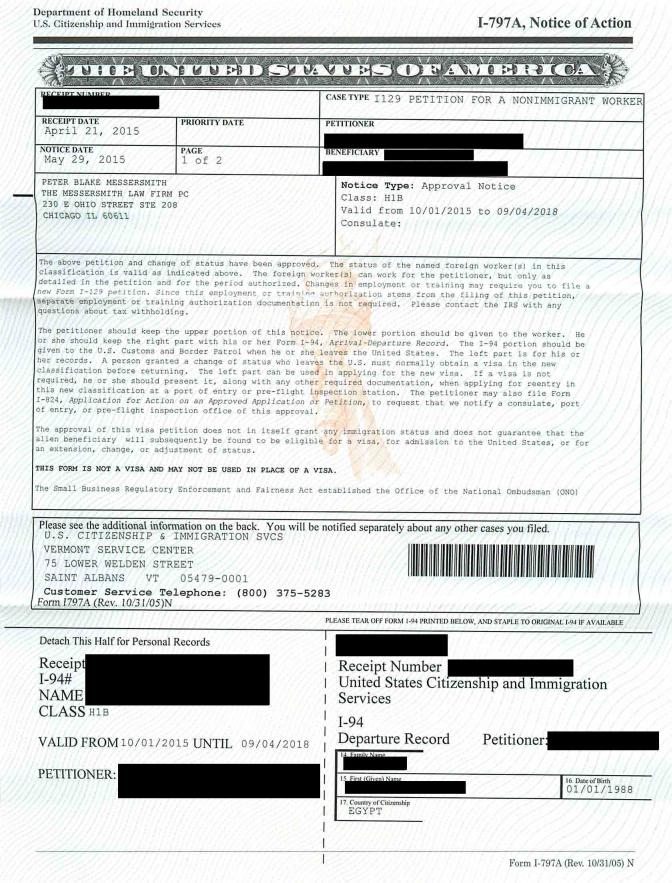
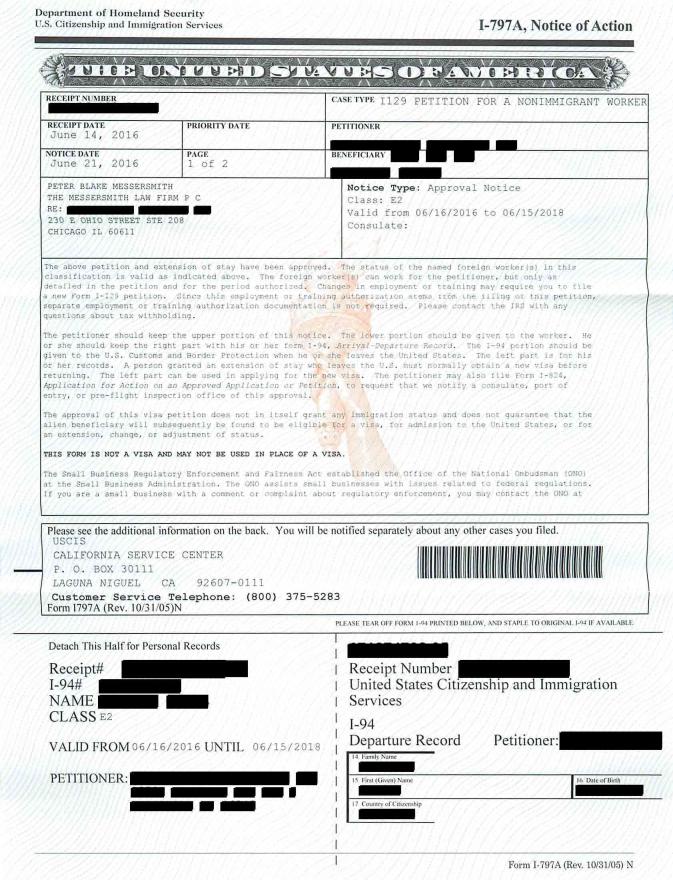
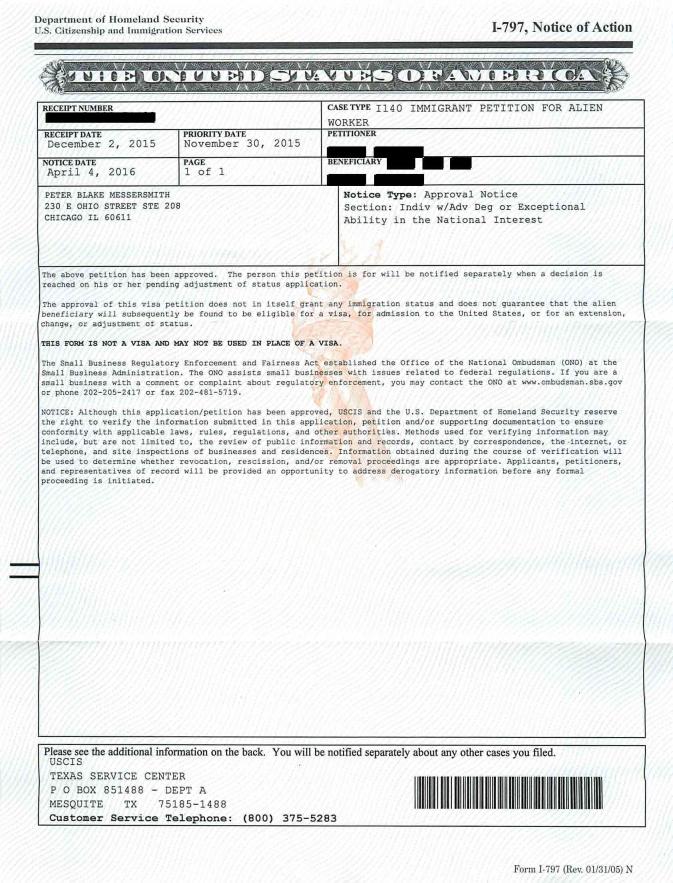
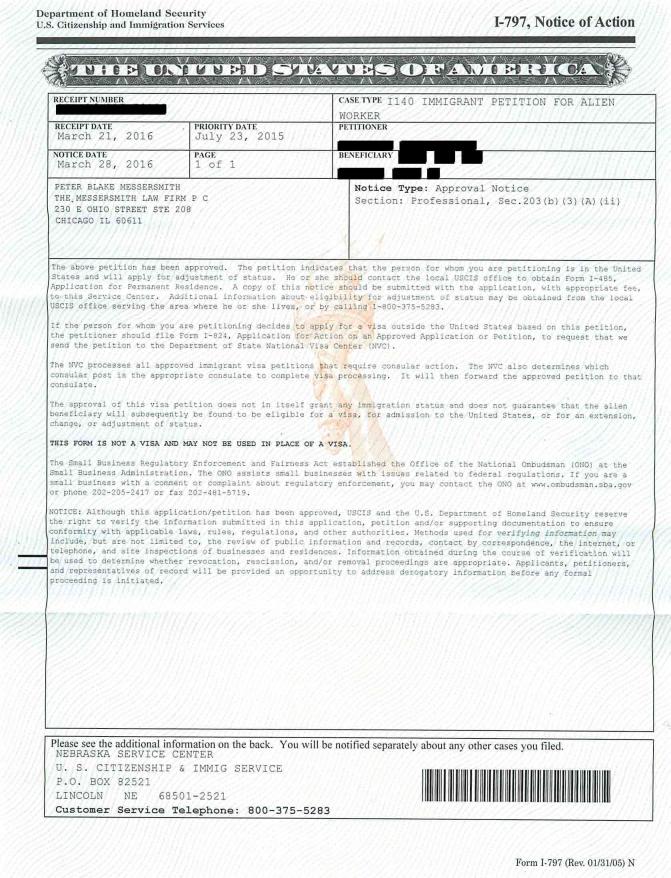
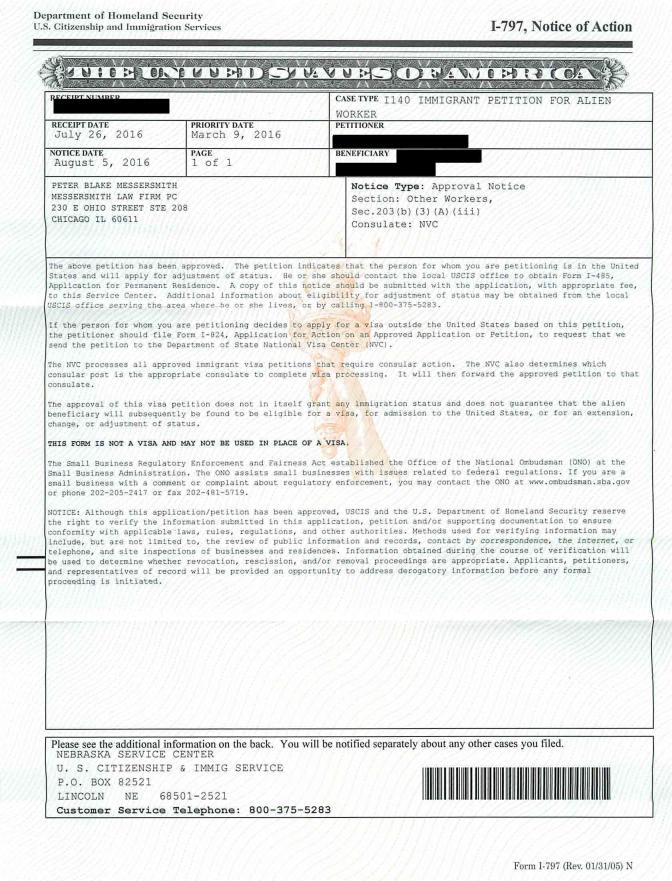
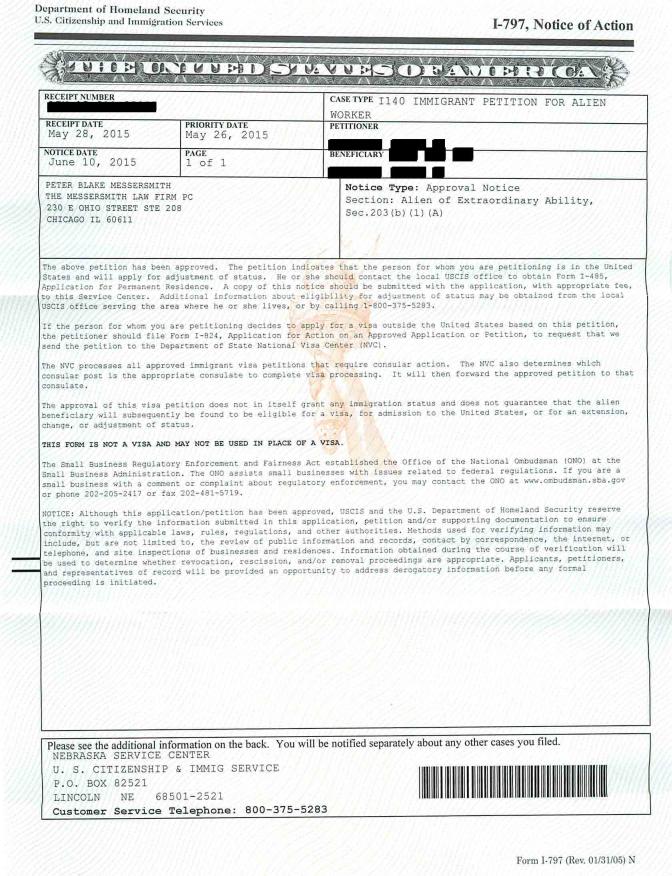
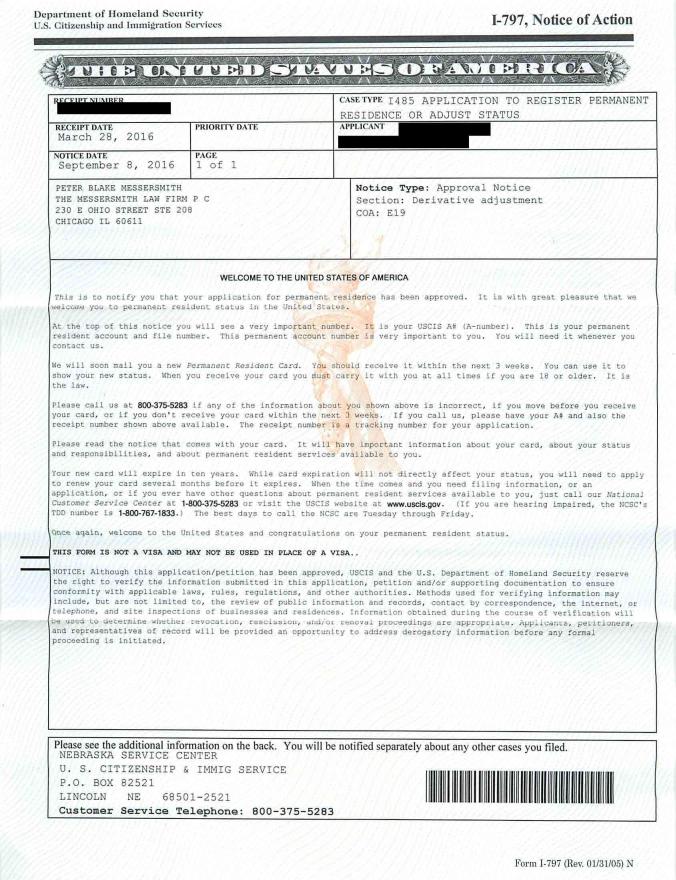
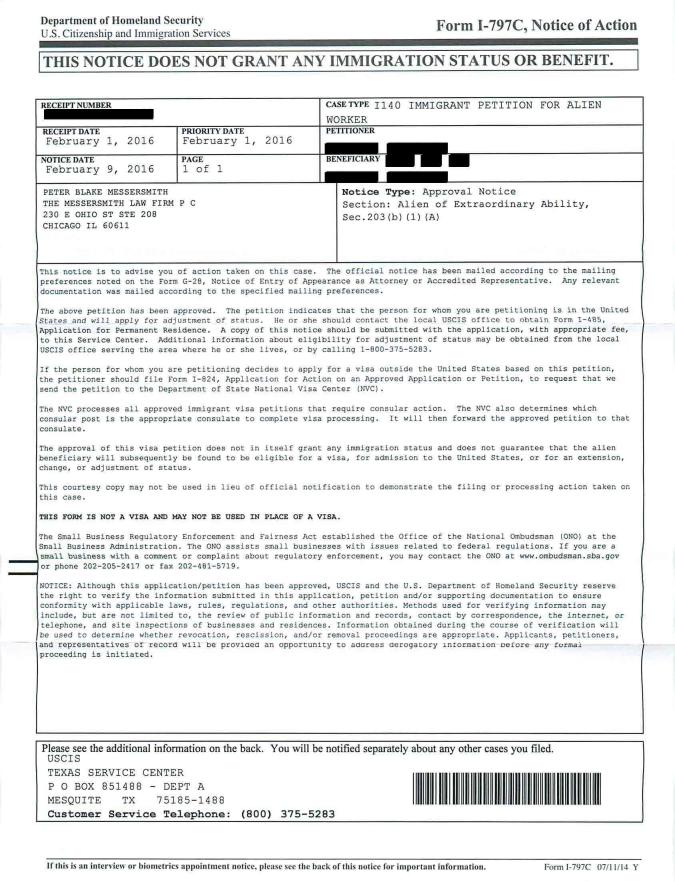
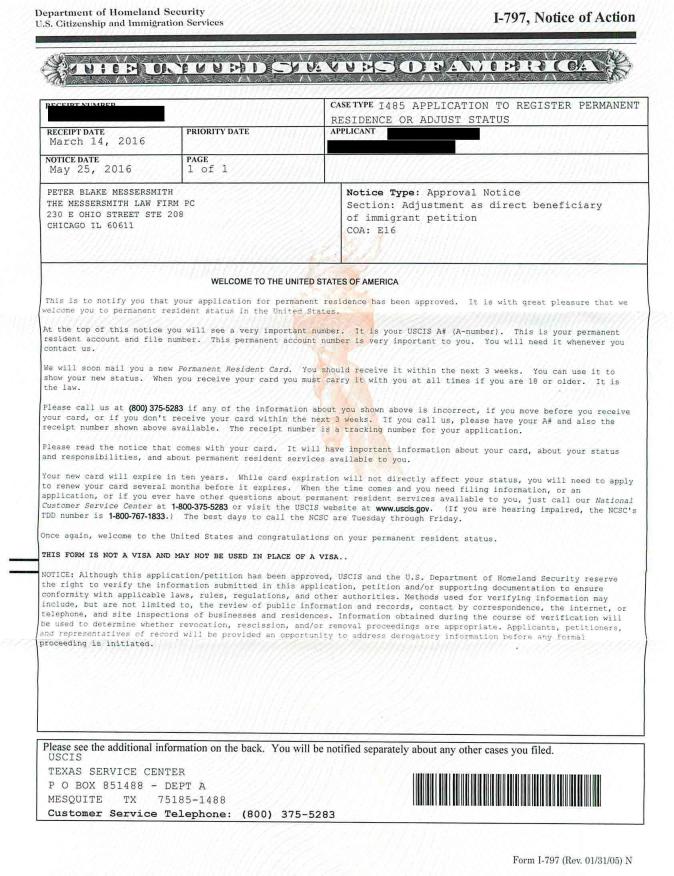
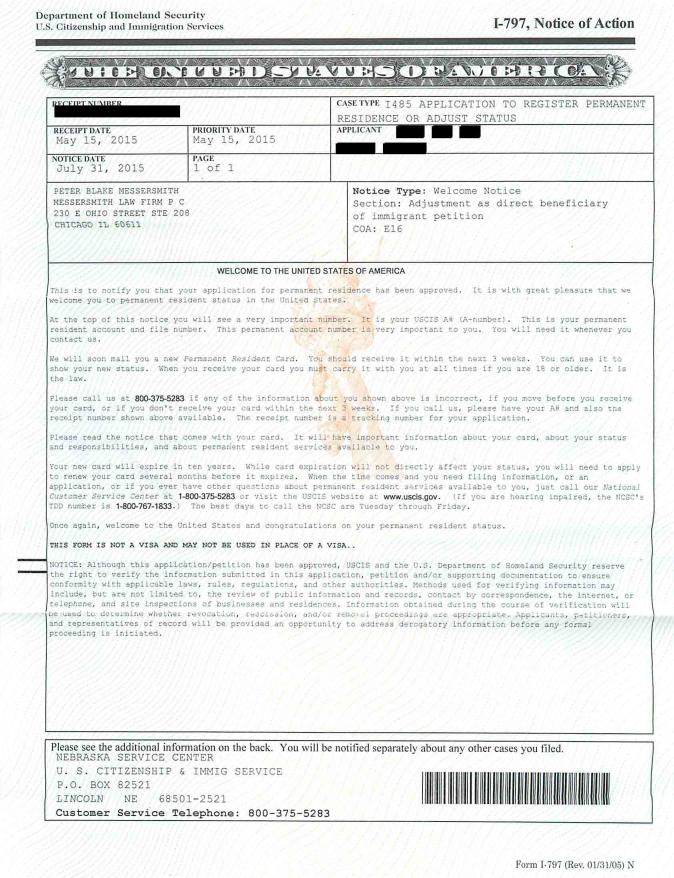
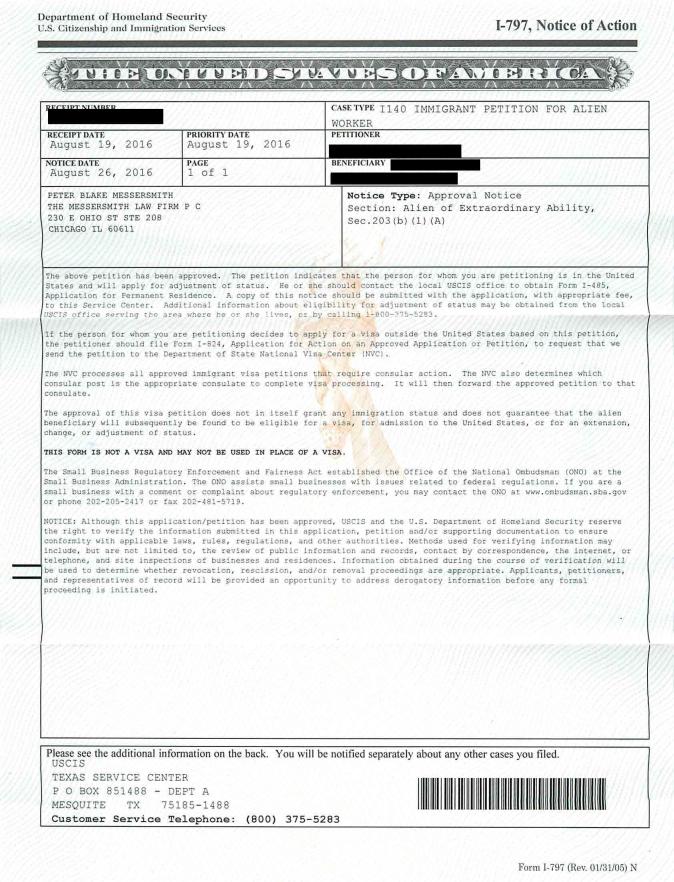
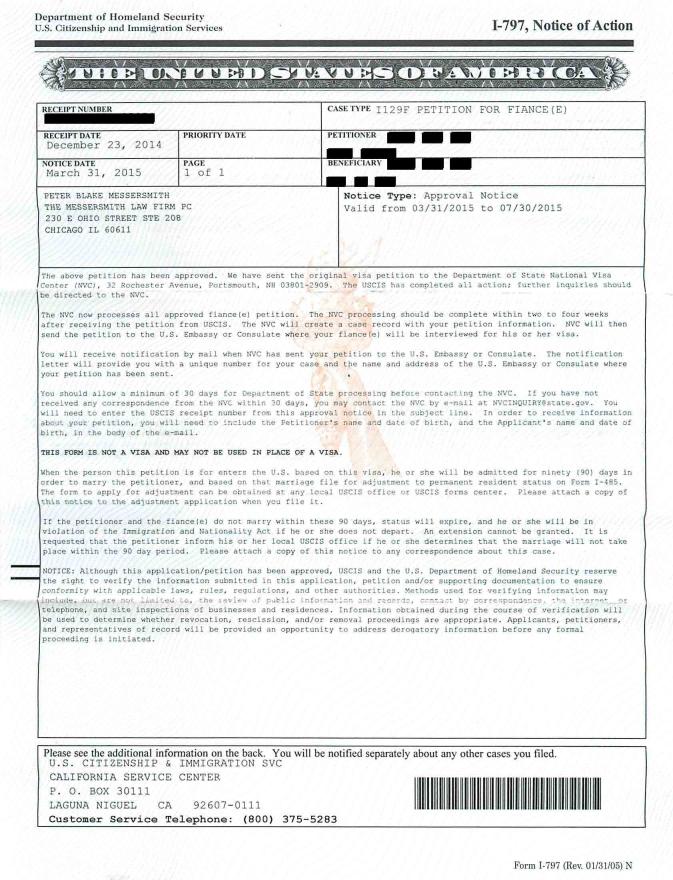
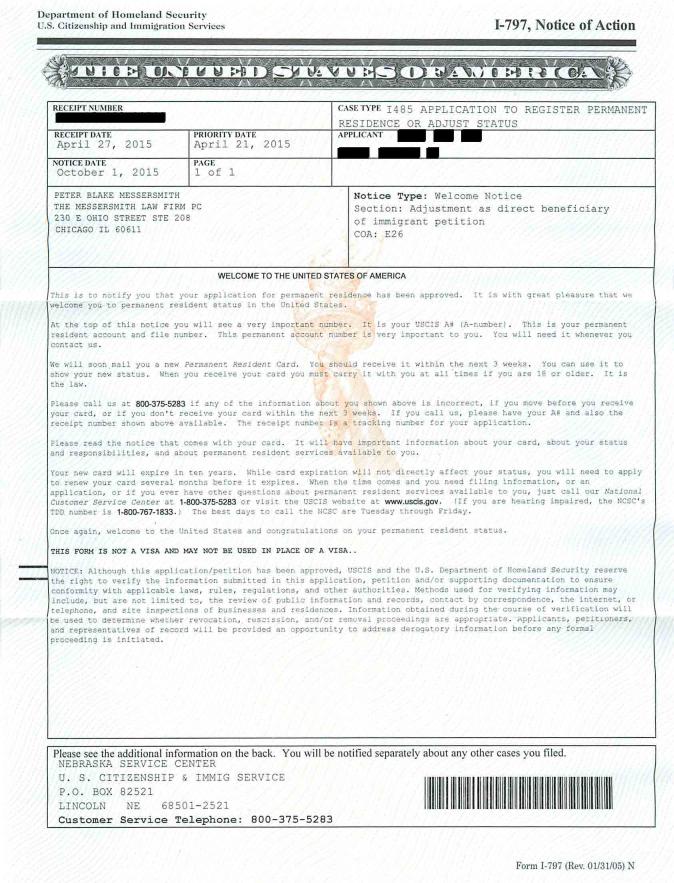
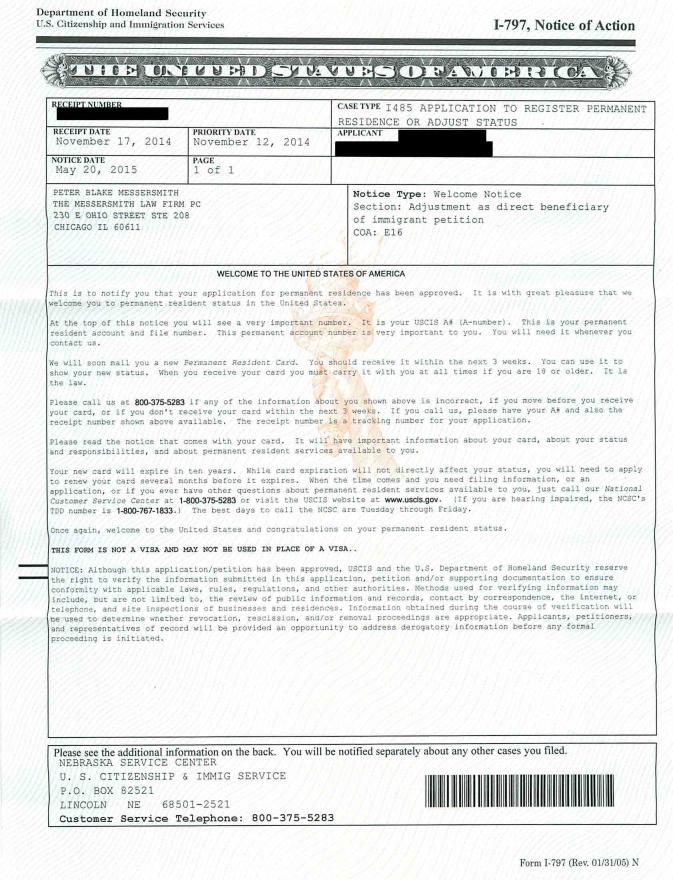
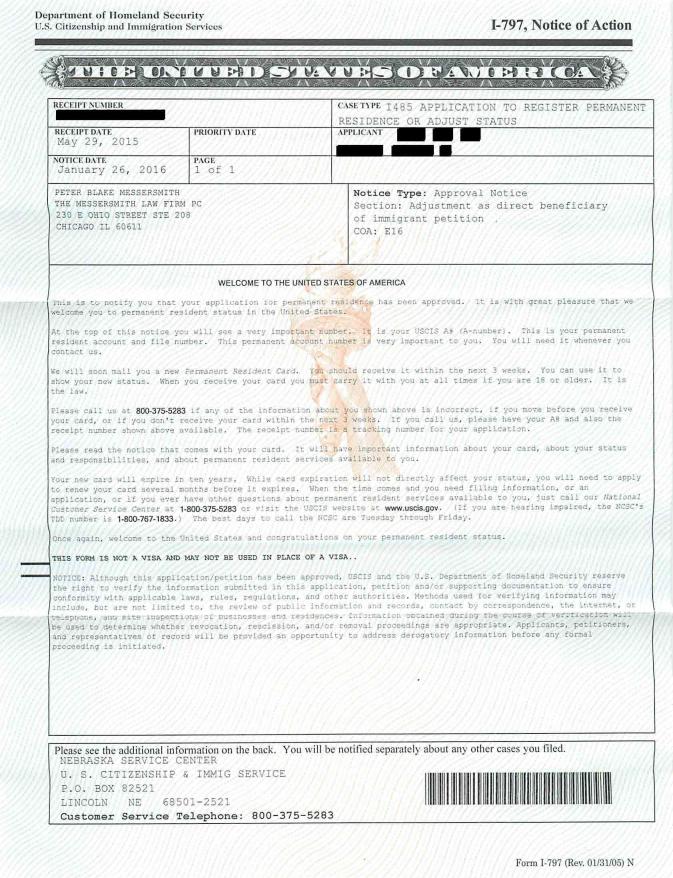
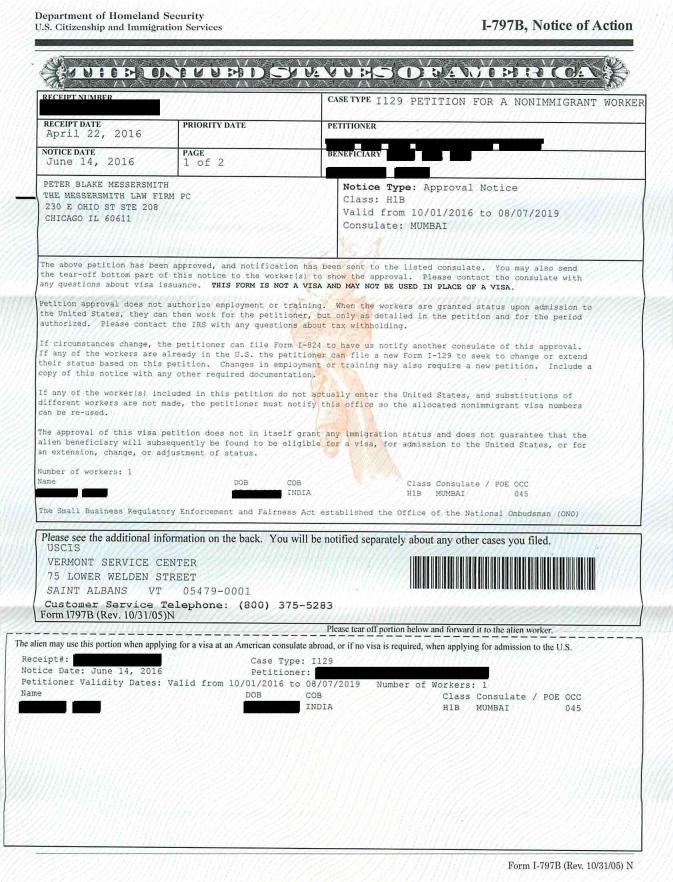
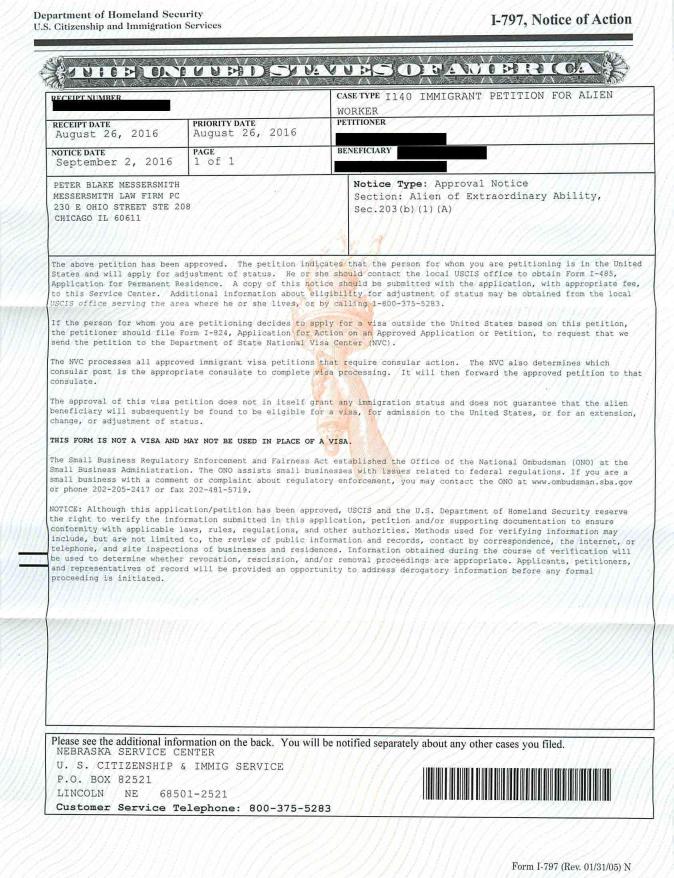
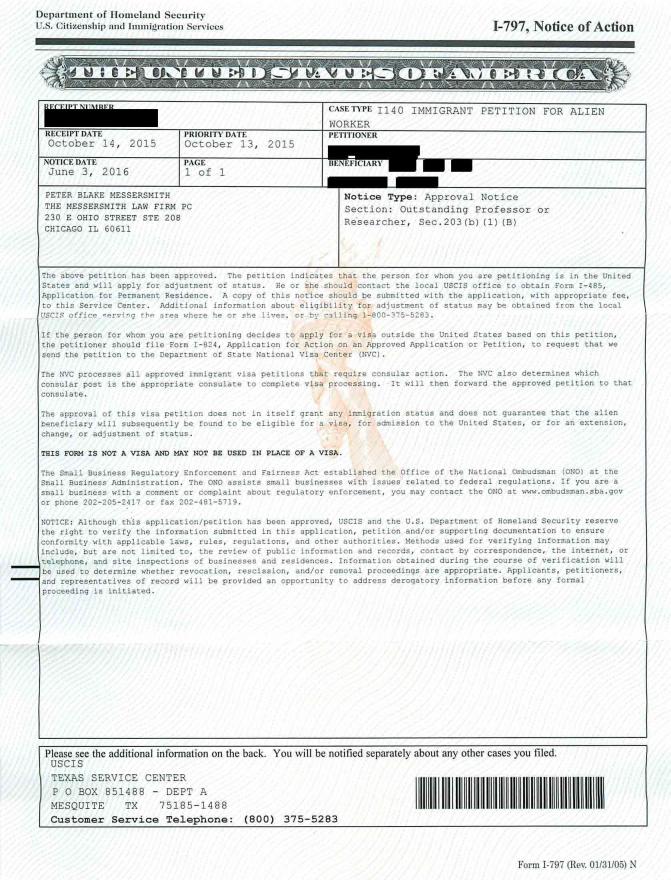
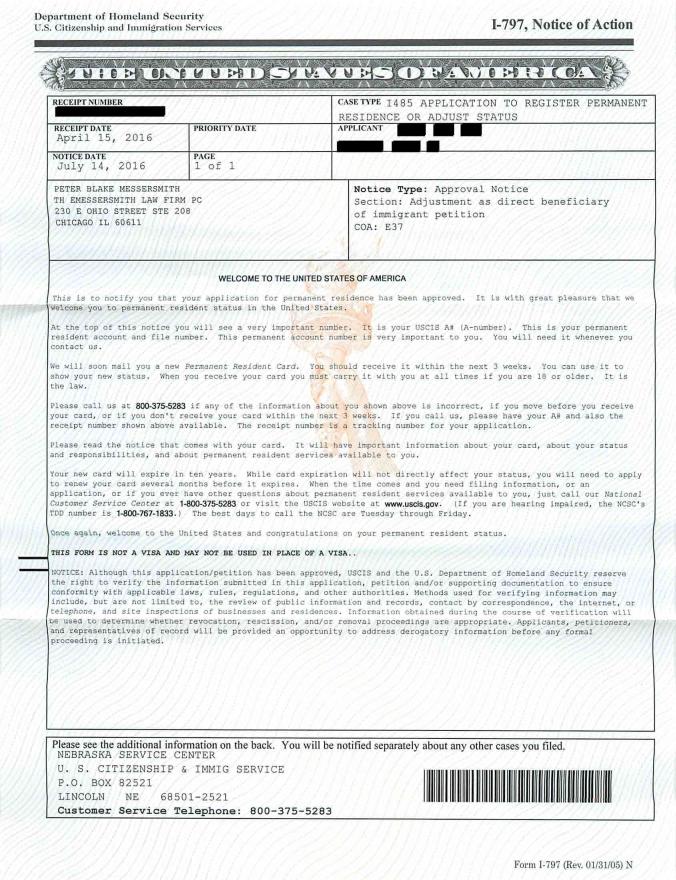
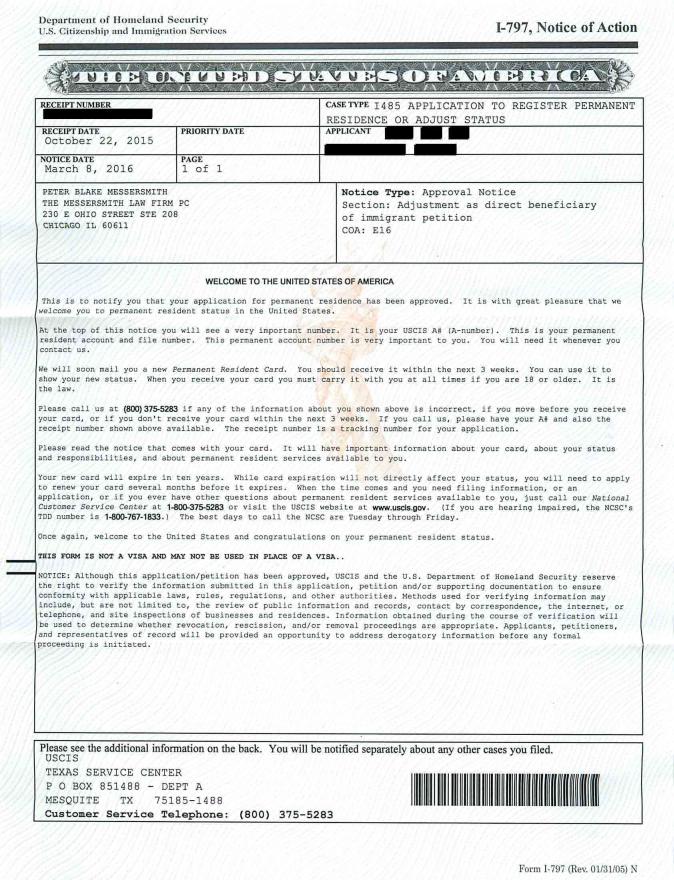
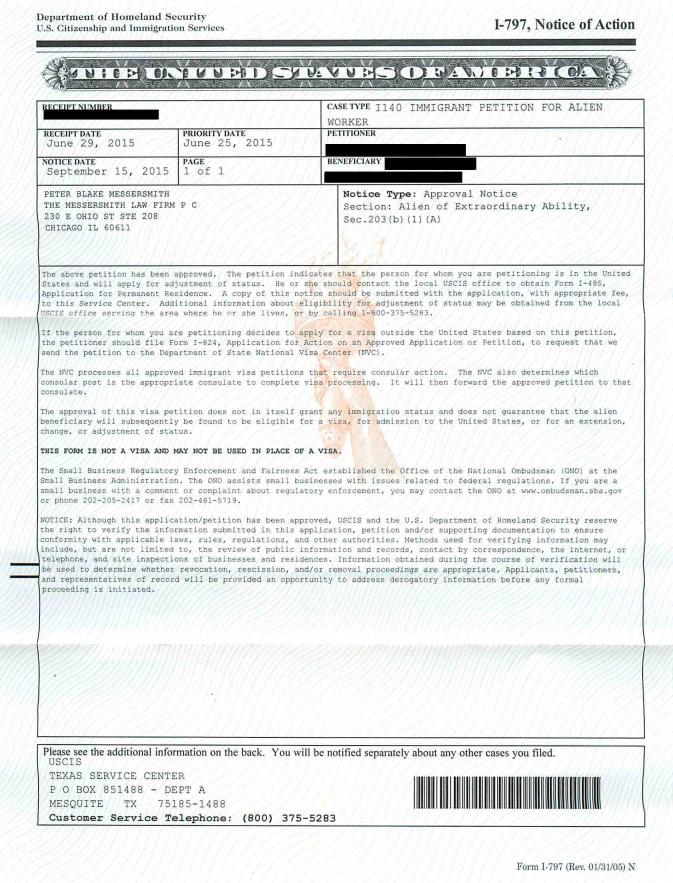
Scroll through fifty recent approval notices below or click here to view thousands.

Customer Testimonials

Real Testimonials from Past Clients