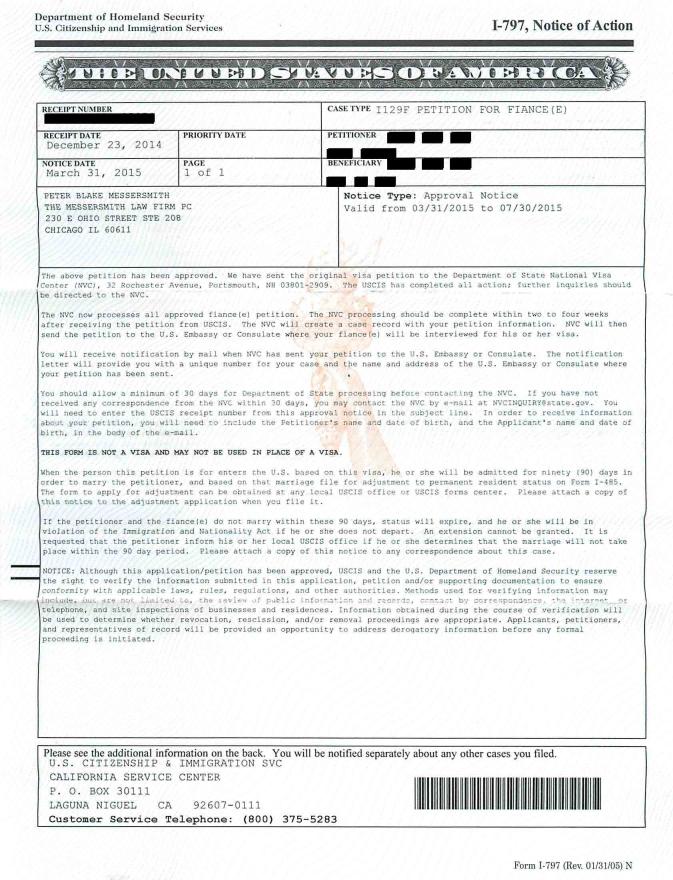
People often inquire about this issue as K-1 visa, fiancé visa, fiancée visa, Form I-129F, K-1 visa requirements, or 90 days to marry. The K-1 visa allows a U.S. citizen to bring a foreign fiancé(e) to the United States to marry within 90 days of entry, and eligible children may apply as K-2 dependents. Many cases turn on proving a real relationship, meeting the in-person meeting requirement, and preparing correctly for the consular interview.

K-1 Visa (Fiancé Visa) — Form I-129F, 90 Days to Marry, and K-2 Children
K-1 Visa (Fiancé Visa) — Form I-129F, 90 Days to Marry, and K-2 Children

K1 Visa Details
The K1 visa permits the K1 visa holder to enter the US for a 90-day period to marry the petitioner and apply for permanent residence (green card) and obtain an EAD. Once the visa is issued, the K1 visa holder has six months to enter the US for the purpose of marriage.
The K1 visa process is rather long and arduous. However, we will be happy to see you and your fiance through the process and make sure that things go as smoothly as possible. Mishandling of the K1 visa application may result in lost time, visa denials or arrest and deportation of the fiance where the USCIS suspects fraud. If you are already married, then you may want to apply for a K3 visa.
Children of the K1 visa applicant may obtain a K2 visa to enter the US together.

For Whom Is a K1 Visa Appropriate?
Fiance of a US citizen to enter the US and marry within 90 days.

K1 Visa Requirements
US citizens who will be getting married to a foreign national in the United States may petition for a fiance classification (K1) for their fiance. You and your fiance must be free to marry. This means that both of you are unmarried, or that any previous marriages have ended through divorce, annulment or death. You must also have met with your fiance in person within the last two years before filing for the fiance visa. This requirement can be waived only if meeting your fiance in person would violate long-established customs, or if meeting your fiance would create extreme hardship for you. You and your fiance must marry within 90 days of your fiance entering the United States.
You may also apply to bring your fiance’s unmarried children, who are under age 21, to the United States.
K-1 vs CR-1 (which is better?)
One of the most common questions is “K-1 vs CR-1.” A K-1 visa is a fiancé(e) visa that allows entry to marry in the U.S. within 90 days, followed by adjustment of status. A CR-1 is a spouse immigrant visa based on marriage, where the applicant enters the U.S. as a permanent resident.
In general:
- K-1 is often chosen when the couple is not yet married and wants to marry in the United States.CR-1 is often chosen when the couple is already married and wants the foreign spouse to enter with permanent resident status.
- The best option depends on timing, location of marriage, prior immigration history, and the couple’s goals.
Because strategy can change based on prior visa denials, inadmissibility issues, or complex histories, it is important to choose the pathway that fits the couple’s facts before filing.
K-1 visa interview and proof of relationship (what officers look for)
Many K-1 delays and denials come down to credibility and documentation. Consular officers typically focus on whether the relationship is real and whether the couple intends to marry within 90 days of entry.
Common evidence that supports a genuine relationship includes:
- Photos together across time, trips, and family events
- Travel records (boarding passes, passport stamps, itineraries)
- Communication logs (call logs, message history summaries)
- Proof of ongoing contact and shared plans
- Affidavits or letters from people who know the relationship (when helpful)
- A clear relationship timeline (how you met, key visits, engagement, wedding plan)
A strong interview strategy is consistency: the I-129F, DS-160, and interview answers should match the evidence and the timeline.
Frequently asked questions about the K-1 fiancé(e) visa
What is a K-1 visa?
A K-1 visa is a fiancé(e) visa that allows a U.S. citizen to bring a foreign fiancé(e) to the United States to marry within 90 days of entry.
What is Form I-129F?
Form I-129F is the petition filed by the U.S. citizen to start the K-1 fiancé(e) visa process.
Do we have to marry within 90 days?
Yes. The K-1 visa is based on the plan to marry within 90 days of the fiancé(e)’s entry to the United States.
What is the in-person meeting requirement?
K-1 cases commonly require proof the couple met in person within the required period before filing, with limited exceptions in some situations.
Can children come on a K-1 case?
Eligible children may apply as K-2 dependents.
What happens after entering on a K-1?
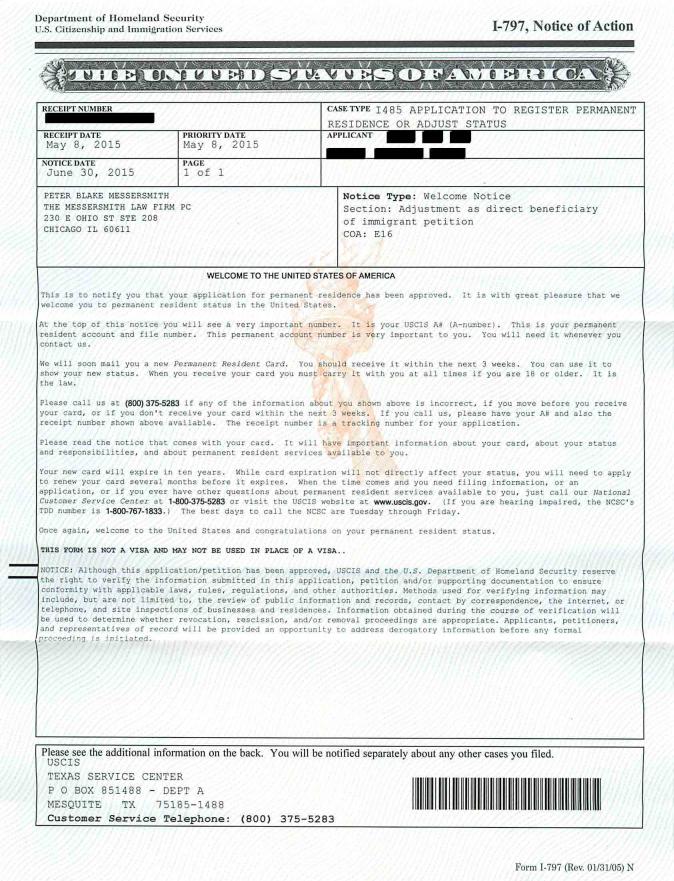
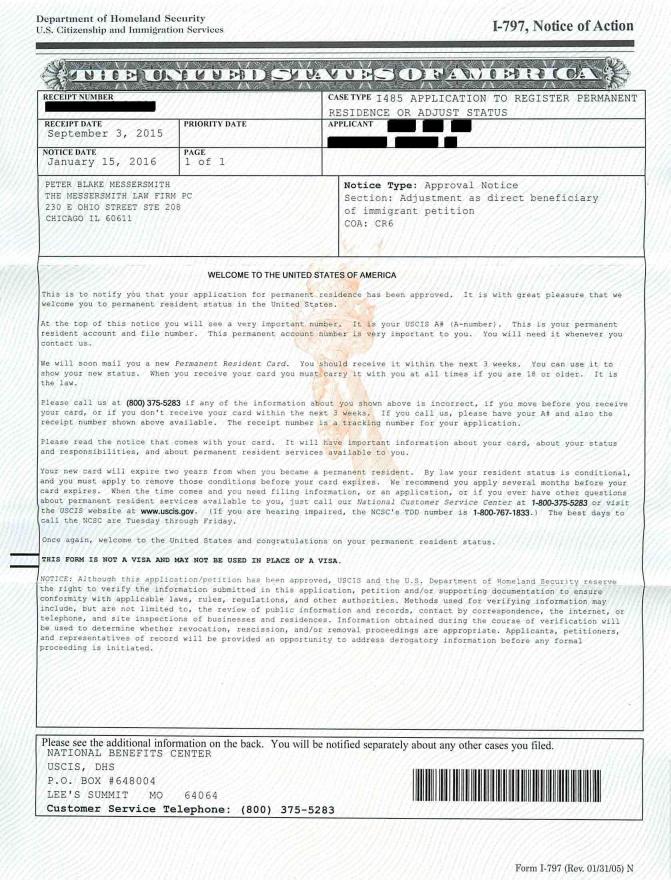
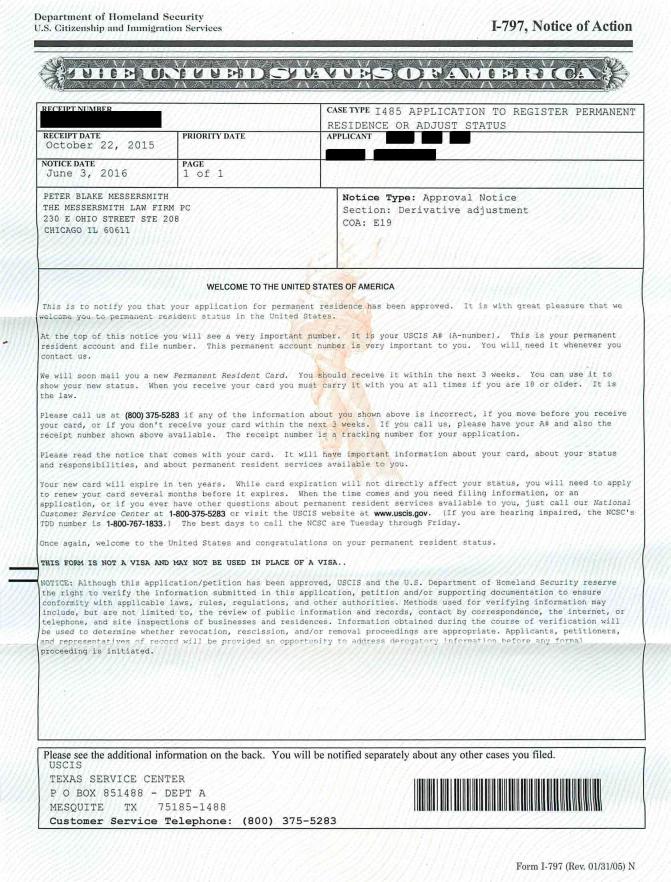
After the marriage, the foreign spouse typically applies for a green card through adjustment of status (Form I-485) and may also apply for a work permit (EAD).
K-1 vs CR-1: which is better?
K-1 is often used when the couple is not yet married and wants to marry in the U.S. CR-1 is typically used when the couple is already married and the spouse will enter as a permanent resident.
What documents help at the K-1 interview?
A clear relationship timeline, proof of in-person meetings, communication evidence, and consistent documents across the petition and interview are commonly important.
News Related to K1 VISA
| Date | Title | Details | ||
|---|---|---|---|---|
| February 10, 2021 | K Visa Processing Update | K-1 visa applicants who are named plaintiffs in Milligan v. Pompeo and subject to a geographic proclamation should contact their nearest Embassy or Consulate for guidance on scheduling a visa interview. | ||
| August 31, 2020 | Important Notice for K visa applicants affected by COVID-19 | ffective August 28, as it becomes safe to resume more consular operations at each U.S. mission, posts are authorized to give K visa cases high priority. |