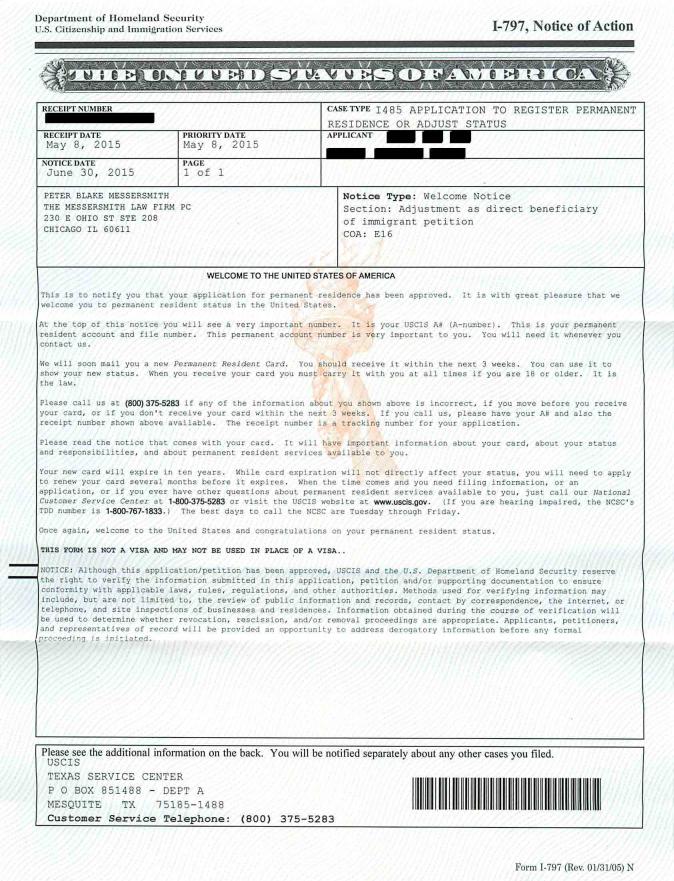
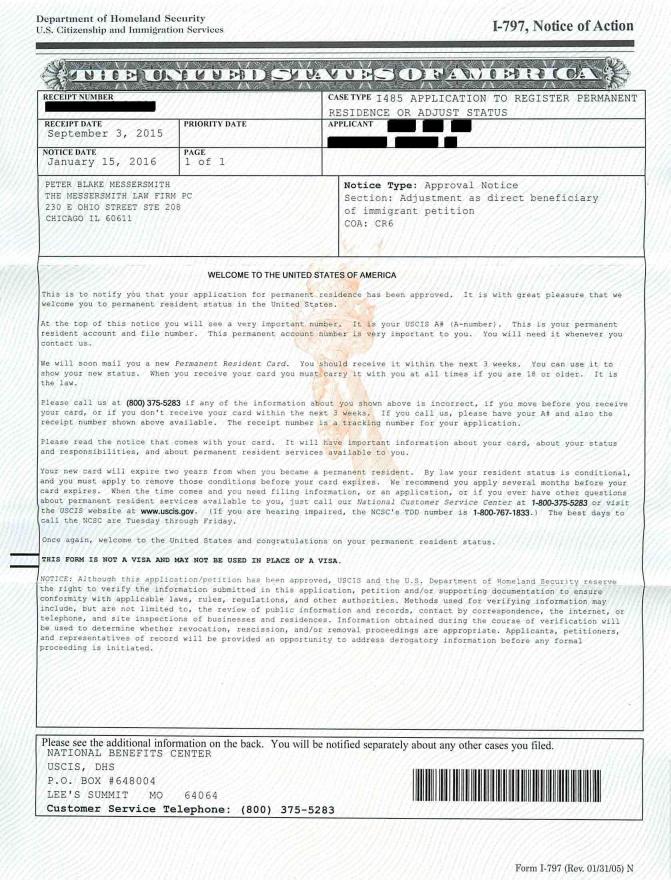
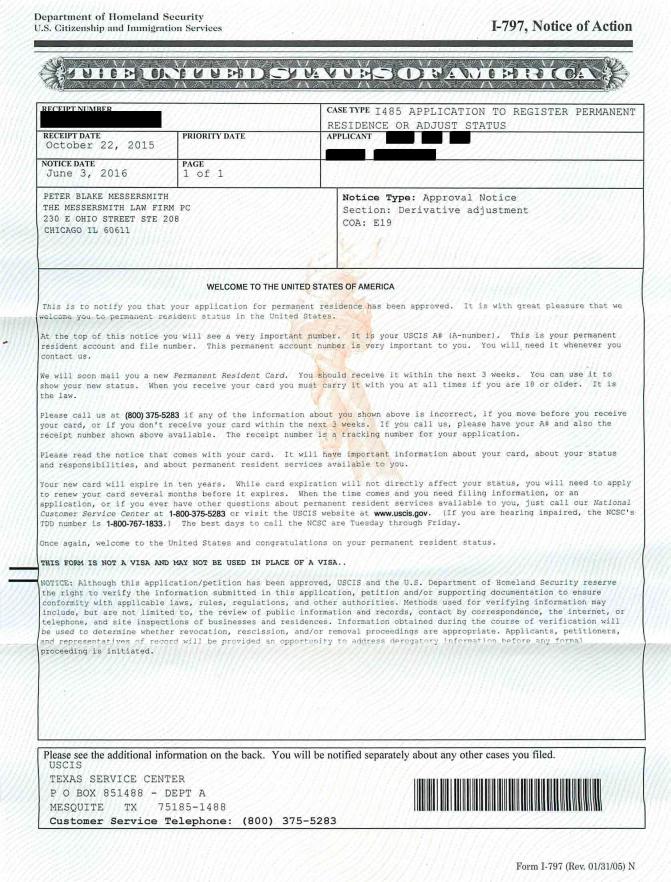
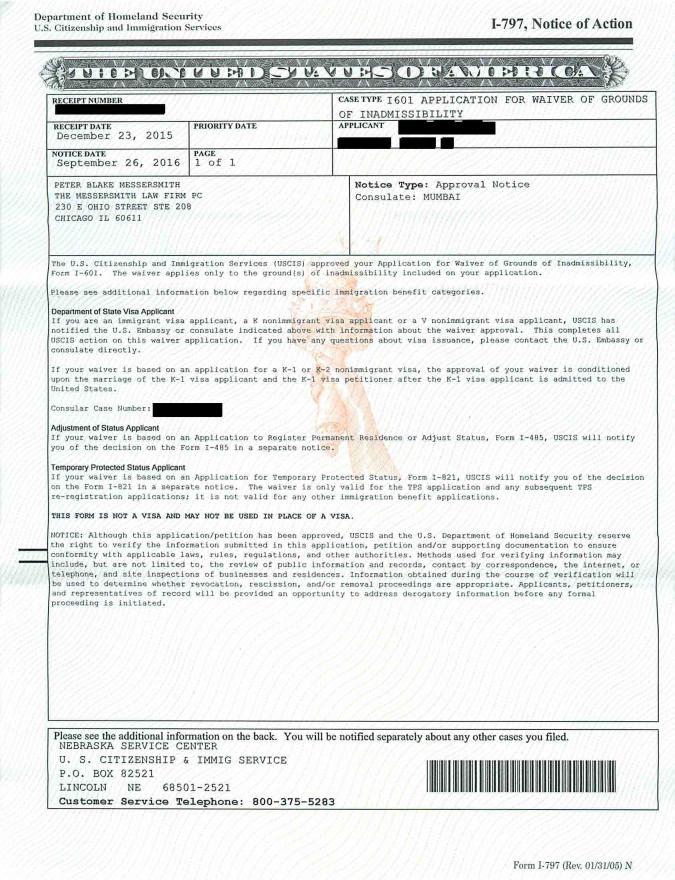
One of the most common family-based green card questions is whether the case is strong enough to file. Many families want to know whether the relationship evidence is clear enough, whether the affidavit of support is sufficient, whether the filing path is correct, and whether priority-date, adjustment-of-status, or consular-processing issues could affect the case. A strong filing depends on the full record, not just the existence of a family relationship.
Relationship evidence should be clear and organized
A strong family-based green card case should make it easy to understand the family relationship. The filing should clearly present the relationship history, the supporting civil documents, and any category-specific evidence in a way that is consistent and easy to follow.
The category should be clearly identified
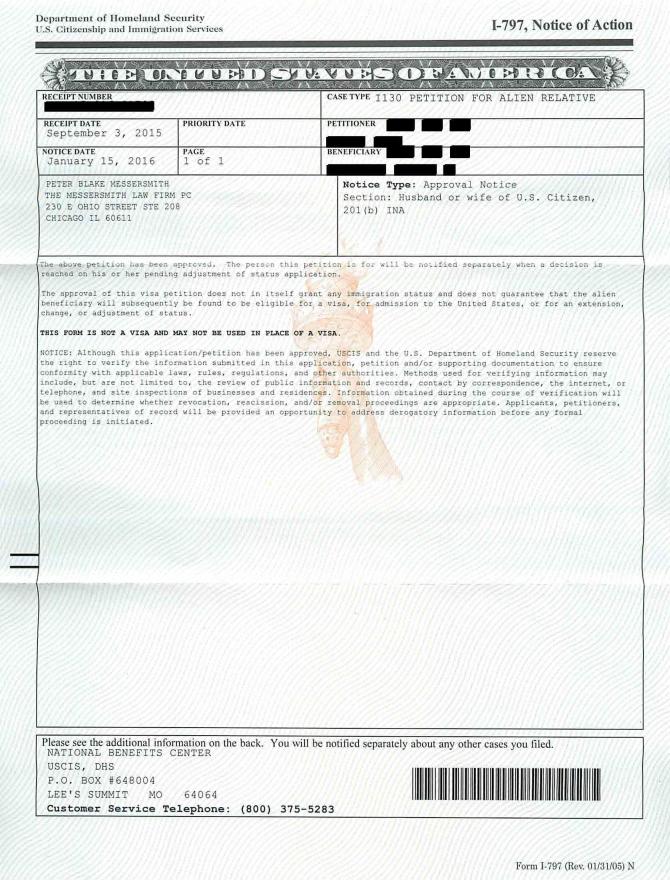
A strong filing should make clear whether the case is for an immediate relative of a U.S. citizen or for a family preference immigrant.
The petitioner’s status matters
A strong family-based case should clearly identify whether the petitioner is a U.S. citizen or a lawful permanent resident. The filing should show how the petitioner’s status affects the family category, visa availability, and next steps in the process.
Affidavit of support issues should be addressed early
A common weakness in family-based green card cases is incomplete or unclear financial sponsorship. A strong filing should address the affidavit of support clearly and should not leave financial eligibility questions unresolved.
The filing path should fit the facts of the case
A strong case should clearly explain whether the beneficiary is applying through adjustment of status or consular processing. The filing should match the beneficiary’s location, immigration history, and eligibility path.
Priority-date issues should be planned for when relevant
In family preference cases, a strong filing should be structured with priority-date realities in mind. Some family categories move differently depending on visa availability.
Interview concerns are common
Many people ask about family green card interview questions, family petition concerns, and how to prepare for a family-based case. A strong filing should make the relationship evidence, forms, and overall case structure easy to understand before the interview stage arrives.
Timing concerns are common in family-based cases
Many people are interested in family-based green card processing time, I-130 timeline, adjustment-of-status timing, and consular-processing timing. Timing is one of the biggest practical concerns for families planning an immigration case.
Stronger family-based green card cases usually show a clear family-side story
A strong filing usually makes it easy to understand:
- who the petitioner is
- who the beneficiary is
- what family category applies
- what documents prove the relationship
- how the beneficiary is applying
- how the financial and documentary parts of the case fit together
Common strength and timing questions
Common questions include:
- Is my family-based green card case strong enough?
- What documents prove the family relationship?
- How long does a family-based green card take?
- How long does an I-130 take?
- Is the affidavit of support strong enough?
- Will priority date delay this case?
- Is adjustment of status available?
- Is consular processing better for this case?
Common patterns in stronger family-based green card cases
Stronger cases often involve:
- clear and organized relationship evidence
- consistent forms and supporting documents
- a well-documented affidavit of support
- a filing path that clearly fits the facts
- a realistic understanding of timing, visa availability, and next steps
- a case structure that is ready for interview and later follow-up issues