Immigration Divorce — Conditional Green Card, I-751 Divorce Waiver, VAWA, and Dependent Visa Status

Immigration Divorce — Conditional Green Card, I-751 Divorce Waiver, VAWA, and Dependent Visa Status

Immigration Divorce — Conditional Green Card, I-751 Divorce Waiver, VAWA, and Dependent Visa Status

People often inquire about this issue as immigration divorce, divorce and immigration, divorce after marriage green card, divorce and green card, conditional green card divorce, I-751 divorce waiver, remove conditions after divorce, VAWA after divorce, or H-4 divorce immigration status. Divorce can affect immigration status in different ways depending on whether the case involves a marriage-based green card, conditional permanent residence, a pending green card interview, a VAWA self-petition issue, or derivative status based on a spouse’s visa. Immigration consequences after divorce often depend on the exact stage of the case, the type of immigration benefit involved, and whether the applicant can continue the process independently.

Immigration divorce cases often involve conditional permanent residents, marriage-based green card applicants, divorced spouses seeking an I-751 waiver, abuse-related immigration options, and people who lose derivative visa status after the marriage ends.

This page focuses on the immigration consequences of divorce, including marriage-based green cards, conditional residence, I-751 divorce waivers, VAWA-related issues, and dependent visa status after divorce.

Immigration Divorce Details

Through marriage, a spouse is able to obtain several immigration benefits. Divorce breaks the legal relationship between spouses and usually results in one spouse losing his or her status or application for permanent residence. This can often be an issue where an alien has obtained a conditional permanent resident card but gets divorced before he or she becomes a permanent resident based a marriage to a US citizen. This is also a serious issue where there is abuse in the marital relationship though there may be relief through VAWA regulations.  Divorce will also have impact on Children under 21 who obtained immigration benefit as derivatives.

In situations when one spouse has a work visa such as an H1B visa and their spouse holds a derivative visa such an H4 visa, a divorce would make the H4 visa holder ineligible for that status.  Therefore if your status is dependent on your spouse then it is in your best interest to obtain an immigration status that is not reliant on your marriage.  You must act quickly or you may find yourself out of status and unable to change your status in the United States.

Immigration consequences of divorce

Divorce can affect immigration status in different ways depending on the type of case involved. Some people are in the middle of a marriage-based green card process. Some already have conditional permanent residence. Others are in dependent nonimmigrant status through a spouse. In each of these situations, divorce can change the immigration path, the available filings, and the long-term strategy. USCIS confirms that conditional permanent residents may seek a waiver of the joint filing requirement on Form I-751 in certain situations, and USCIS policy also explains that derivative status depends on the qualifying family relationship continuing to exist.

Divorce in a marriage-based green card case

When a marriage-based green card case is still pending, divorce can affect whether the immigration case can continue in the same form. The exact result often depends on whether the case is still at the petition stage, the adjustment-of-status stage, or the interview stage.

Divorce after receiving a conditional green card

Conditional permanent residence is one of the most important immigration-divorce issues. A person who received a two-year conditional green card through marriage may still be able to continue toward permanent residence after divorce, but the case may need to move through a waiver path rather than a joint filing path. USCIS explains this through Form I-751 and the waiver framework.

I-751 divorce waiver

Many people ask about divorce and immigration because they need to know whether they can remove conditions after the marriage ends. USCIS states that a conditional resident may request a waiver of the joint filing requirement on Form I-751 in certain situations, including after divorce. This is one of the most important issues in immigration-divorce because it directly affects people with marriage-based conditional residence.

Divorce before the green card interview

If divorce happens before the green card interview in a marriage-based case, the immigration consequences can be serious because the underlying marriage-based path may no longer exist in the same way. Timing matters, and the available options depend on the exact posture of the case.

Divorce after green card approval

A person who already has lawful permanent residence may face different issues from a person whose case is still pending. For conditional residents, the next major issue is usually removal of conditions. For non-conditional permanent residents, the case may raise different long-term immigration questions rather than immediate loss of status.

VAWA and divorce-related immigration issues

Some divorce-related immigration cases involve abuse, battery, or extreme cruelty. In those situations, a person may be looking not only at divorce consequences, but also at whether a VAWA self-petition path may apply. USCIS separately provides relief for certain abused spouses, children, and parents through Form I-360.

Dependent visa status after divorce

Divorce can also affect people in derivative nonimmigrant status, such as H-4 and other dependent classifications. USCIS policy explains that when the underlying family relationship ends, the derivative relationship required for that status also ends. This makes divorce a major immigration issue even outside the green card context.

Immigration status after divorce from a U.S. citizen or green card holder

The immigration consequences of divorce specifically in the context of a U.S. citizen or lawful permanent resident spouse depends heavily on whether the person is a conditional resident, a permanent resident, a pending applicant, a VAWA self-petitioner, or a derivative visa holder.

Common immigration-divorce situations

Immigration-divorce cases often involve:

  • divorce before a marriage-based interview
  • divorce after a conditional green card
  • removal of conditions after divorce
  • I-751 waiver issues
  • VAWA-related divorce situations
  • H-4 or other dependent-status problems after divorce

Common records in immigration-divorce cases

These cases often involve:

  • marriage and divorce records
  • green card records
  • conditional residence records
  • Form I-751 records
  • immigration interview notices or filing receipts
  • evidence tied to abuse-related relief where relevant
  • records related to dependent visa status where relevant

How strong is an immigration case after divorce?

Divorce does not affect every immigration case in the same way. For some people, the main issue is whether a pending marriage-based green card case can continue. For others, the focus is on conditional residence, Form I-751, a possible VAWA path, or the loss of dependent visa status. The strength of the case after divorce usually depends on the exact immigration stage, the person’s current status, and whether there is an independent path forward.

The stage of the case matters

The immigration consequences of divorce often depend on when the divorce happens. A divorce before a green card interview can create very different issues from a divorce after approval of a conditional green card or a divorce after full permanent residence has already been granted.

Conditional residents face a different problem from pending applicants

A person with a two-year conditional green card is usually focused on removing conditions after divorce. A person with a pending marriage-based case is usually focused on whether the original immigration path still exists at all. These are different legal and strategic situations and should not be treated as the same issue.

Timing can change the available options

The timing of the divorce can shape which immigration options still exist. In some situations, the person may still be able to move forward independently. In others, the original marriage-based route may no longer work and a different immigration strategy may be necessary.

The immigration record should be clear and organized

Divorce-related immigration cases often depend on a clear timeline. Marriage dates, separation history, filing dates, interview notices, green card approval dates, conditional residence dates, and divorce dates can all become important. A clear timeline makes the case easier to understand.

I-751 waiver cases depend heavily on the record

When the issue is removal of conditions after divorce, the filing usually depends on the person’s immigration history, the marriage history, and the evidence submitted with the waiver request. These cases often rise or fall on how clearly the record explains the marriage and the reason joint filing is no longer possible.

Abuse-related cases require a different analysis

When divorce overlaps with abuse, battery, or extreme cruelty, the immigration strategy may shift away from the original marriage-based route and toward a VAWA-based path. These cases often depend on the relationship history, the abuse evidence, and whether the person qualifies to self-petition independently.

Dependent visa status can change quickly after divorce

For people in H-4 or other derivative nonimmigrant categories, divorce can create urgent status issues. Once the marriage ends, the person may no longer have the qualifying derivative relationship, and immigration planning may become time-sensitive.

Long-term status planning matters

Many people focus first on the divorce itself, but the larger immigration question is often what comes next. Depending on the case, that may involve a conditional-residence filing, an independent self-petition path, a change to another visa category, or another strategy to maintain lawful immigration status.

Common timing and status questions

Common questions include:

  • What happens to my immigration status after divorce?
  • Can I keep my green card after divorce?
  • What happens if I divorce before the green card interview?
  • Can I remove conditions after divorce?
  • What happens to H-4 or dependent visa status after divorce?
  • Do I need to file something immediately after divorce?
  • Does divorce cancel my immigration case automatically?
  • Can I still qualify independently after the marriage ends?

Common patterns in stronger immigration-divorce cases

Cases are often easier to evaluate when they involve:

  • a clear timeline of the marriage, filing history, and divorce
  • immigration records that match the actual stage of the case
  • a clear explanation of current status
  • the correct post-divorce filing strategy
  • organized records for conditional residence, abuse-related relief, or dependent status where relevant
  • a realistic plan for the next immigration step after divorce

Frequently asked questions about immigration divorce

Does divorce automatically cancel a green card case?

Not every immigration case ends automatically after divorce, but divorce can change the case significantly. The effect depends on the stage of the case and the type of status involved.

What happens if I divorce before the green card interview?

If divorce happens before the green card interview in a marriage-based case, the immigration consequences can be serious because the original marriage-based path may no longer continue in the same way.

What happens if I divorce after getting a conditional green card?

A person with a two-year conditional green card may still be able to continue toward permanent residence after divorce, but the filing path usually changes. These cases often involve a waiver-based removal-of-conditions strategy rather than a joint filing.

Can I remove conditions after divorce?

Yes, in some cases. A person with conditional permanent residence may still be able to seek removal of conditions after divorce through the appropriate filing path.
What is an I-751 divorce waiver?

An I-751 divorce waiver is the process used when a conditional permanent resident cannot file jointly with the petitioning spouse because the marriage ended.

What if I divorce before removing conditions?

Divorce before removing conditions is a major immigration issue for conditional residents. The main question is usually whether the person still qualifies to continue the case independently through the correct waiver strategy.

Can I keep my green card after divorce?

The answer depends on the type of green card and the stage of the immigration case. Conditional residents and full lawful permanent residents often face different issues after divorce.

Can divorce affect full permanent residence?

A person who already has full lawful permanent residence may face different issues from a person whose case is still pending or still conditional. The immigration consequences depend on the exact status already held.

Can divorce affect a pending marriage-based green card case?

Yes. A pending marriage-based case can be affected significantly by divorce because the immigration path may depend on the marriage relationship continuing through the case.

Can VAWA help after divorce?

In some cases, yes. If the marriage involved abuse, battery, or extreme cruelty, the person may need to explore whether a VAWA-based self-petition path exists.

What is the connection between divorce and VAWA?

Some immigration-divorce cases involve abuse-related facts. In those situations, divorce and immigration issues may overlap with a possible VAWA self-petition strategy.

What happens to H-4 status after divorce?

Divorce can affect H-4 status because H-4 is derivative status based on the spouse relationship. When the marriage ends, the immigration consequences may become urgent.

What happens to dependent visa status after divorce?

Derivative nonimmigrant status often depends on the qualifying spousal relationship. When the marriage ends, the person may need to identify another lawful immigration path quickly.

Does divorce affect every spouse visa the same way?

No. The immigration consequences depend on the exact type of status, the stage of the case, and whether the person is a conditional resident, permanent resident, pending applicant, or derivative visa holder.

What records matter in an immigration-divorce case?

Important records often include marriage certificates, divorce decrees, green card records, conditional residence records, interview notices, visa records, and other documents showing the exact stage of the immigration case.

Does timing matter in an immigration-divorce case?

Yes. The timing of the divorce can change the available options. Divorce before interview, divorce after conditional residence, and divorce after full permanent residence can all raise different issues.

Can I still qualify independently after divorce?

Some people may still have an independent path forward after divorce, but that depends on the exact immigration category, the status already held, and whether another filing strategy is available.

What makes an immigration case after divorce stronger?
A clearer case usually has an organized timeline, accurate immigration records, a clear explanation of current status, and the correct post-divorce filing strategy for the person’s actual situation.
How do I know what immigration option applies after divorce?

The answer usually depends on the exact stage of the case, whether the person has conditional residence, whether abuse is involved, and whether the person holds derivative visa status through the marriage.

Top Notch Immigration Services

You will receive top notch immigration services at The Messersmith Law Firm. We guarantee personalized legal services, a high rate of success, and very reasonable fees. At The Messersmith Law Firm, you will always get more than what you pay for. While the majority of our clients are referred to our law firm, we are open to take new cases if we feel we can help you achieve your goals. We have no doubt that you will refer everyone you know to us once your case is approved! Our goal is to get your case approved in the shortest amount of time possible yet strive to keep our fees reasonable!
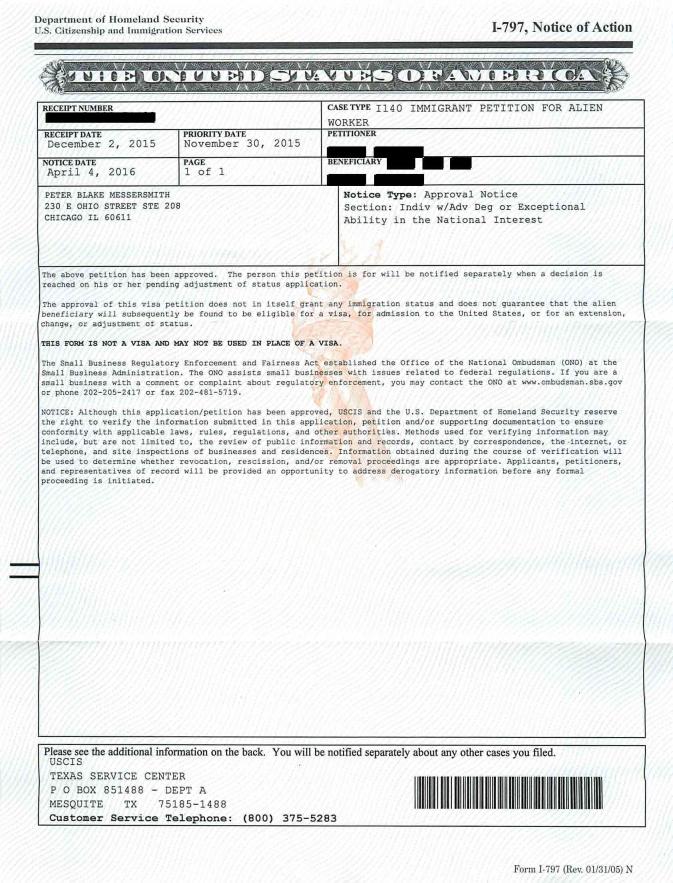
Thousands of Approved Cases

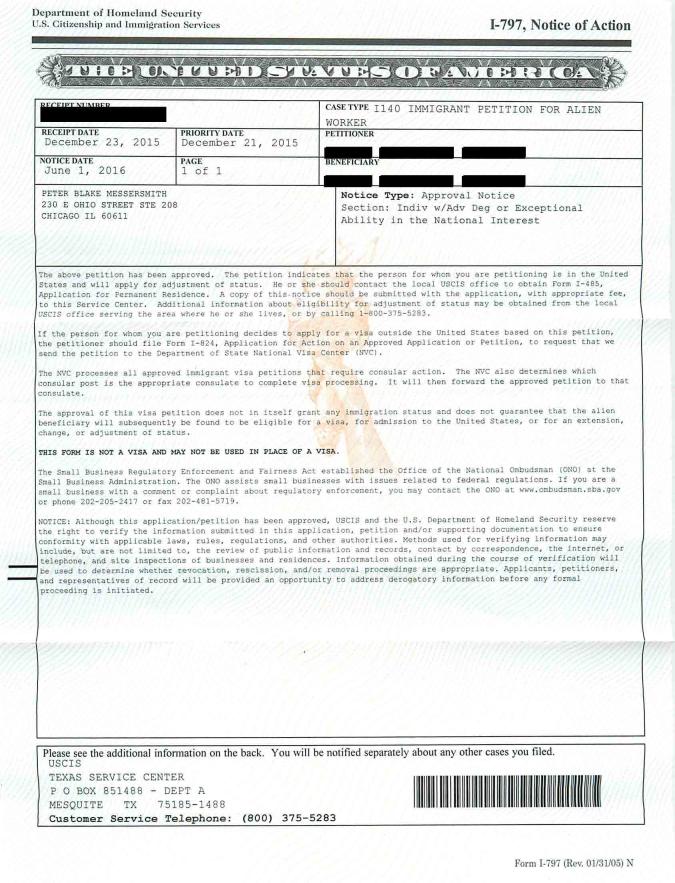
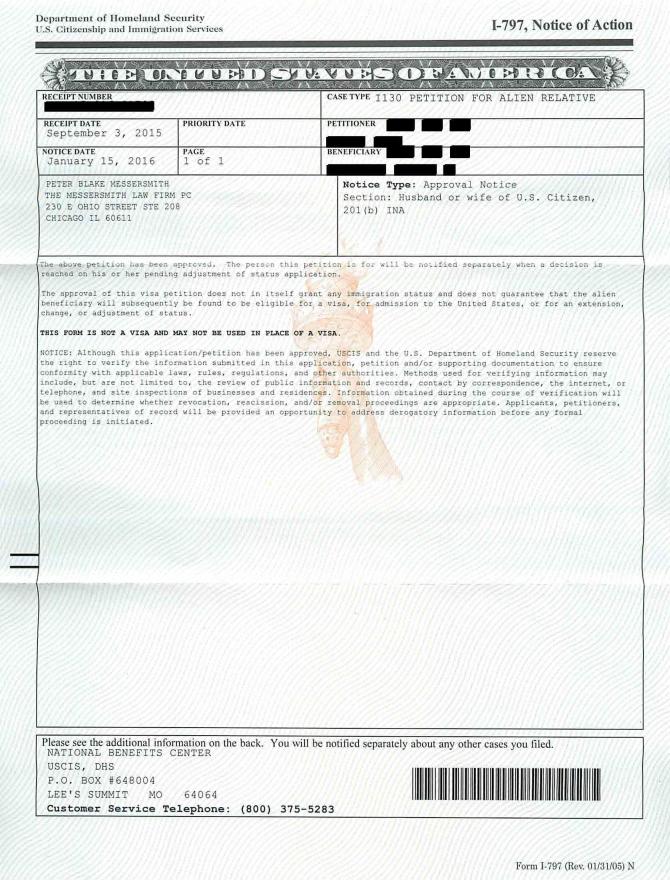
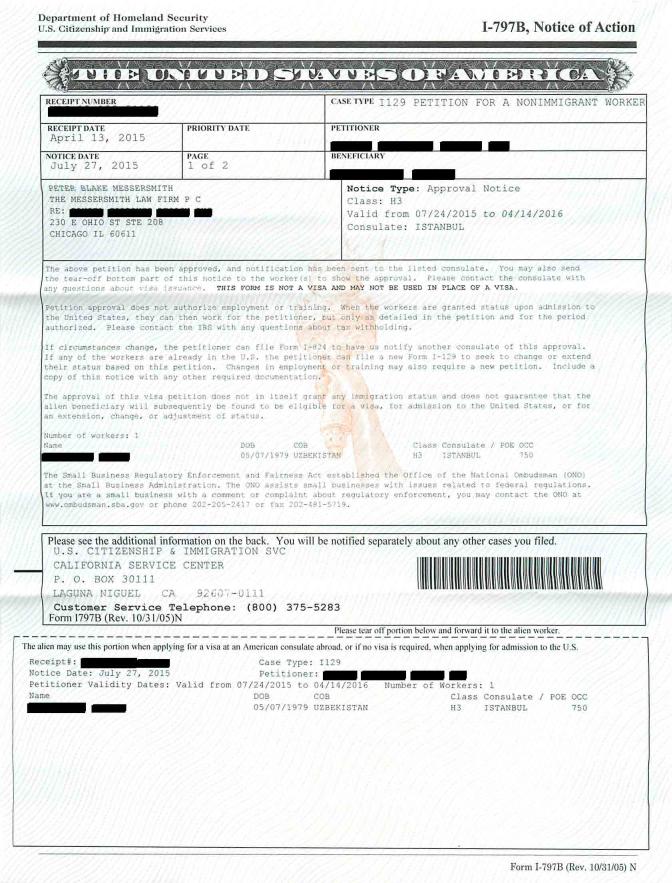
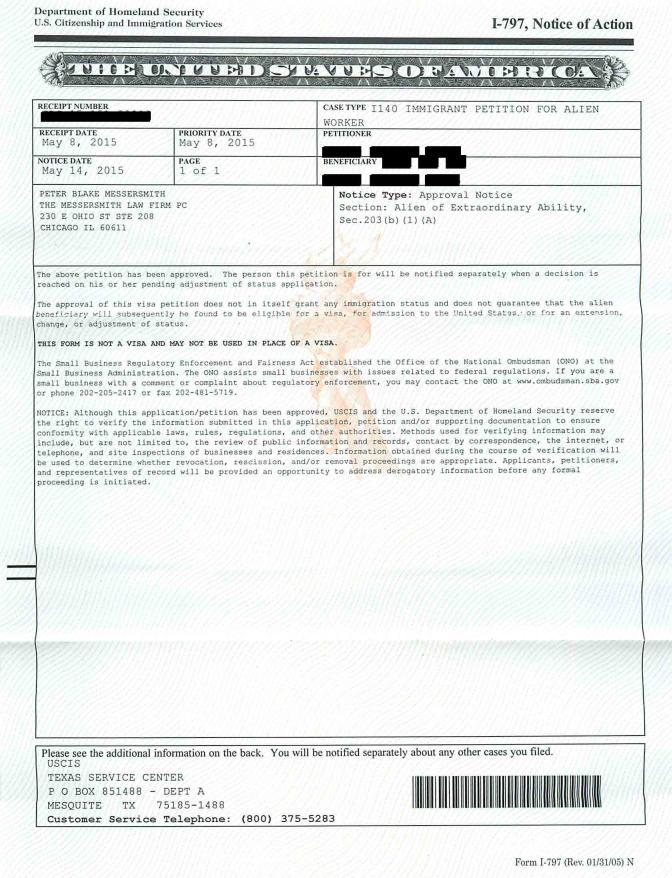
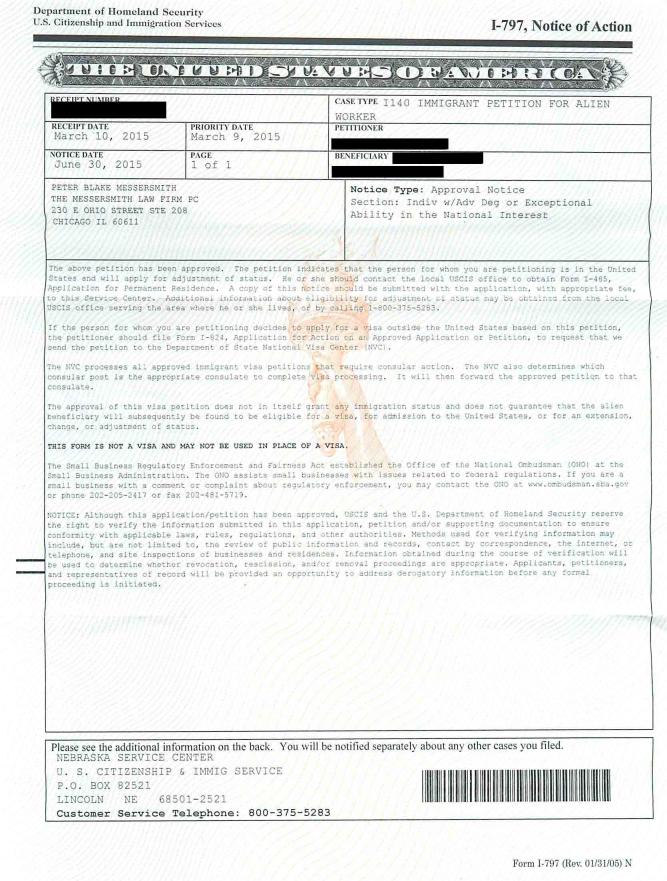
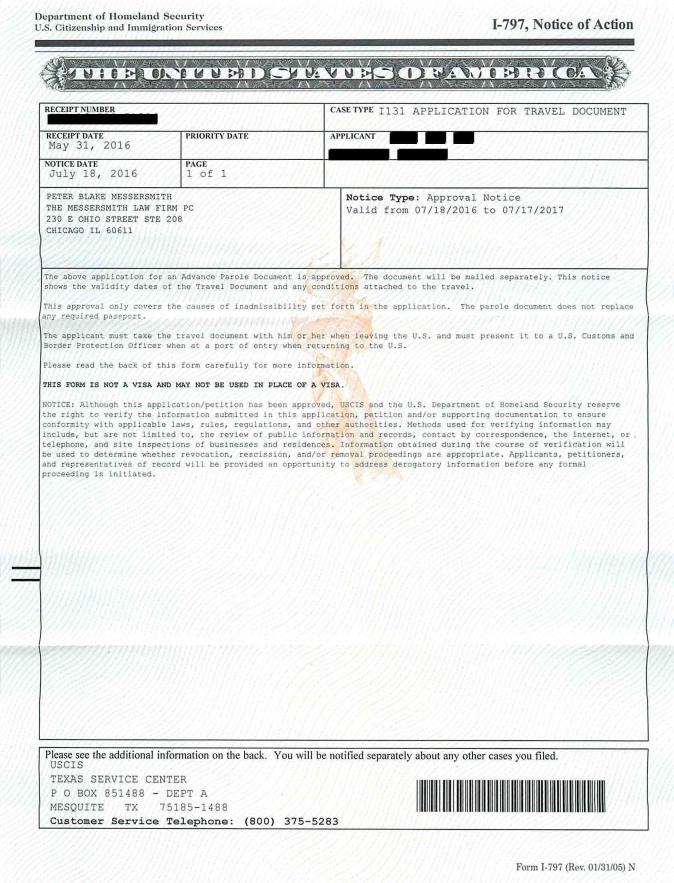
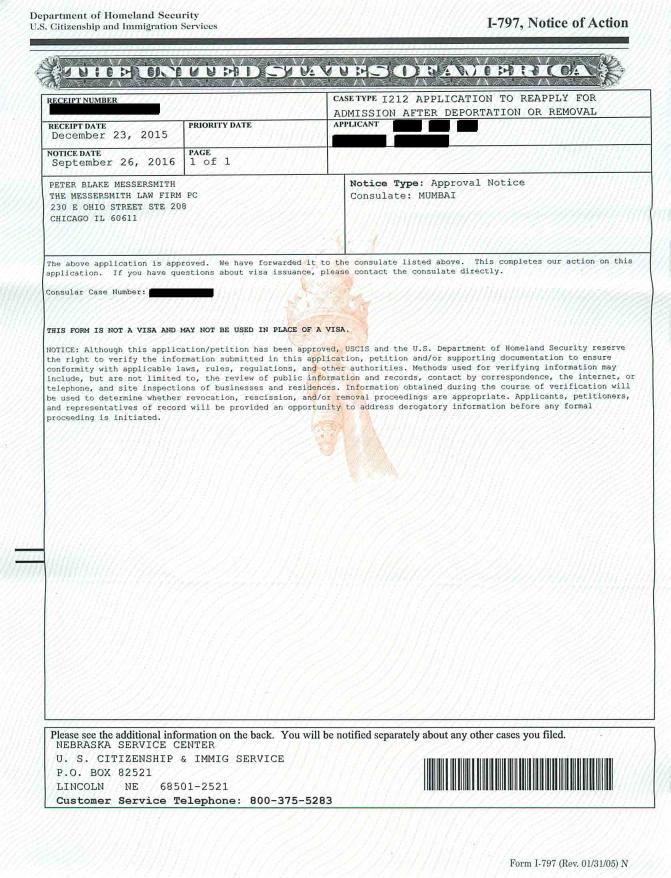
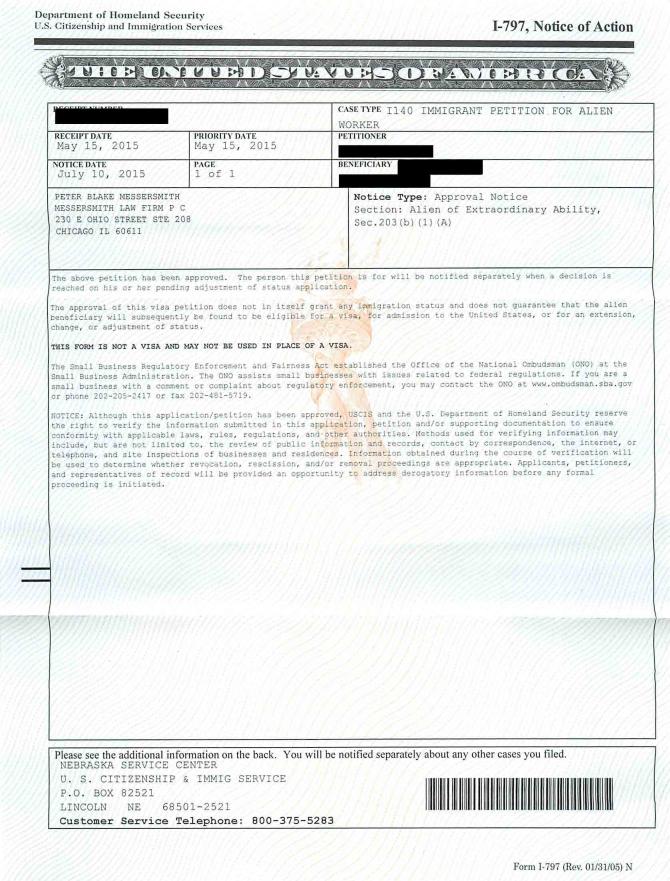
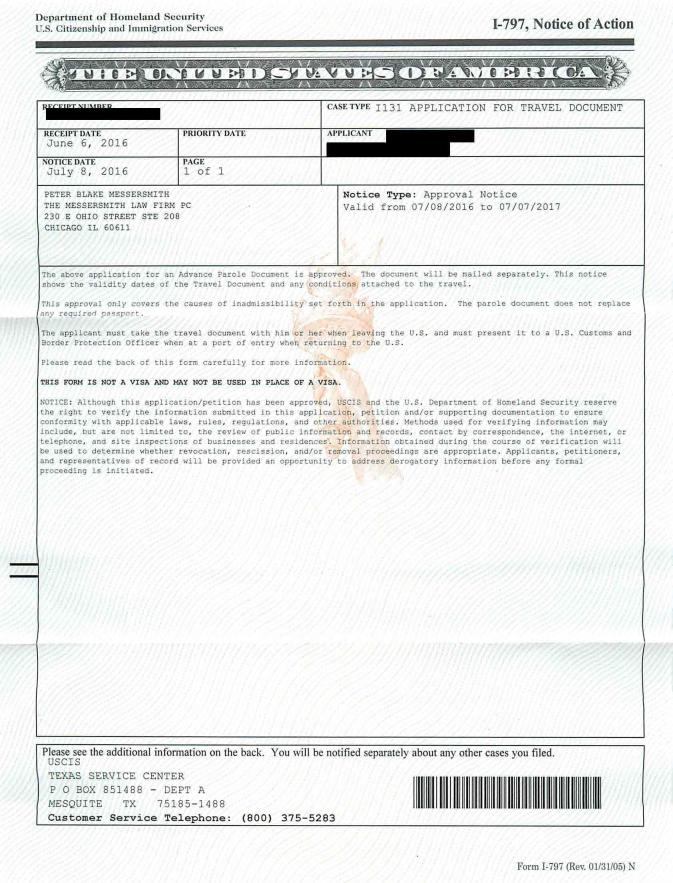
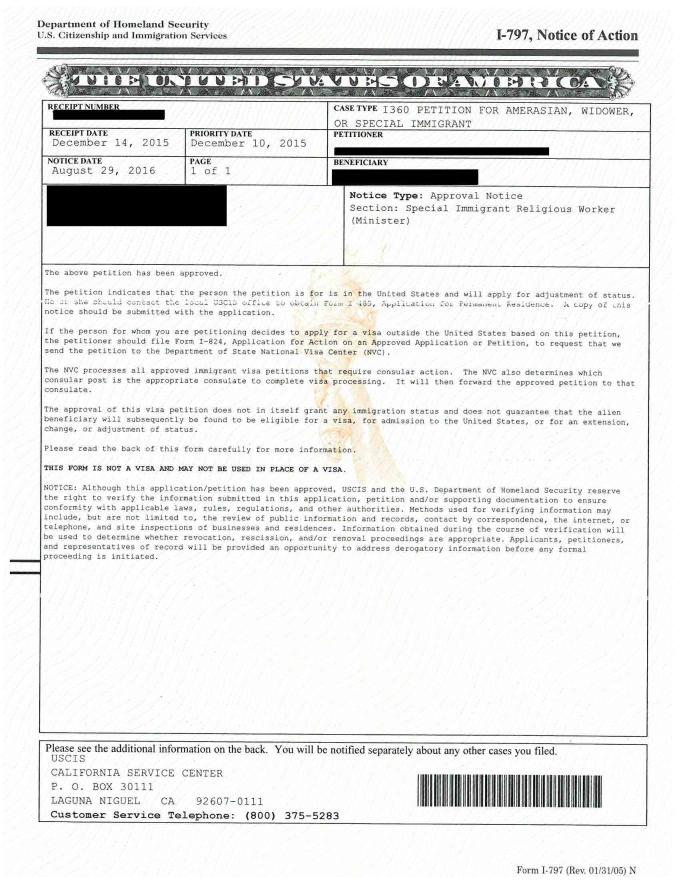
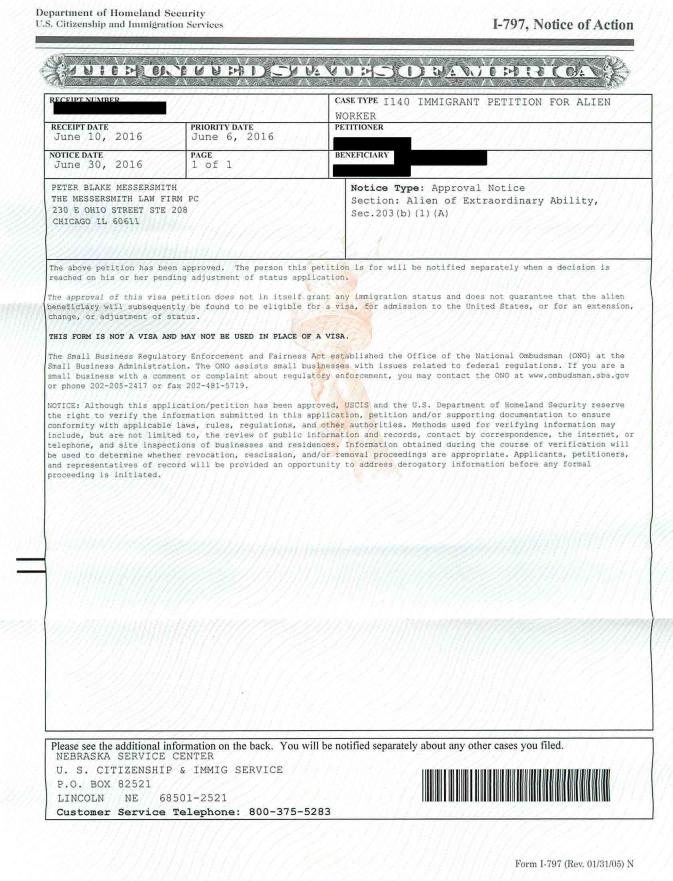
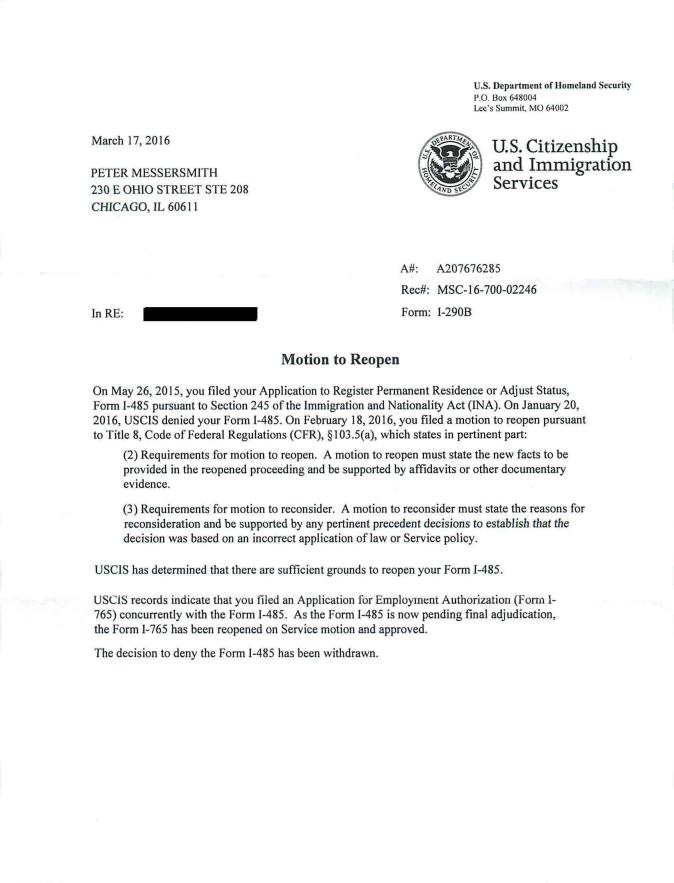
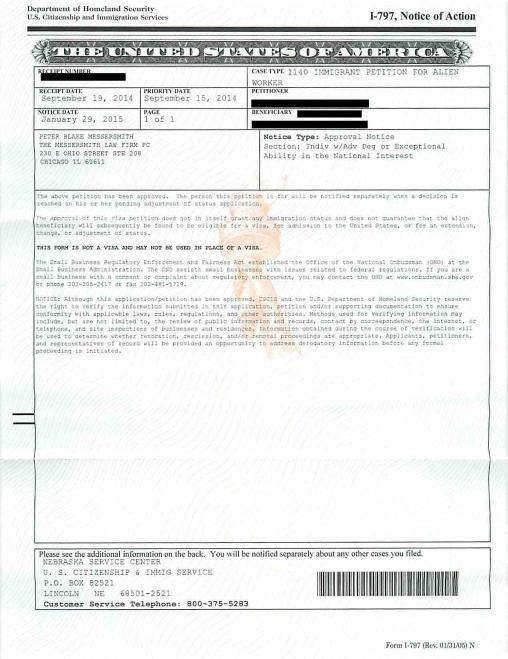
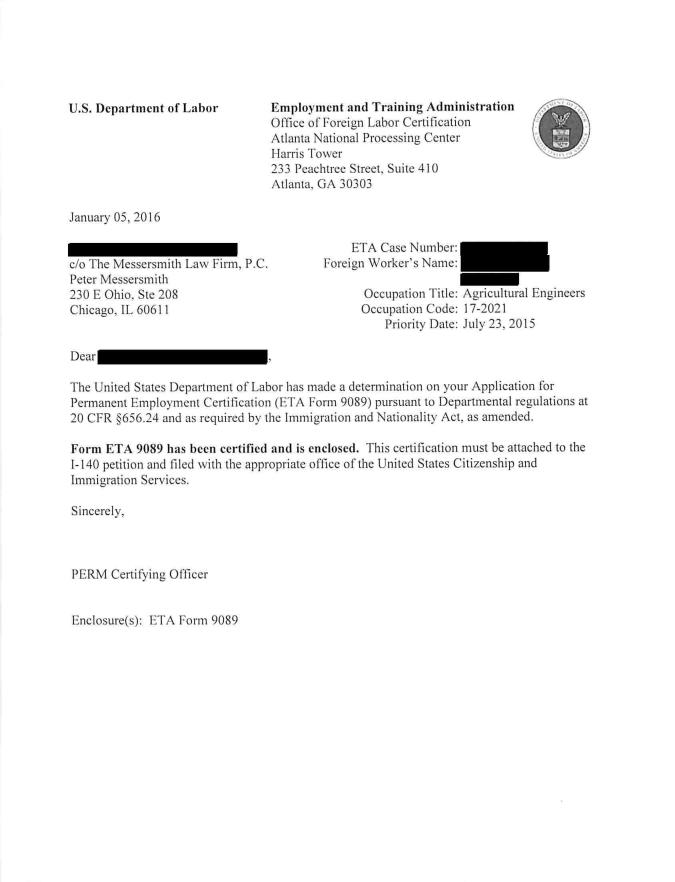
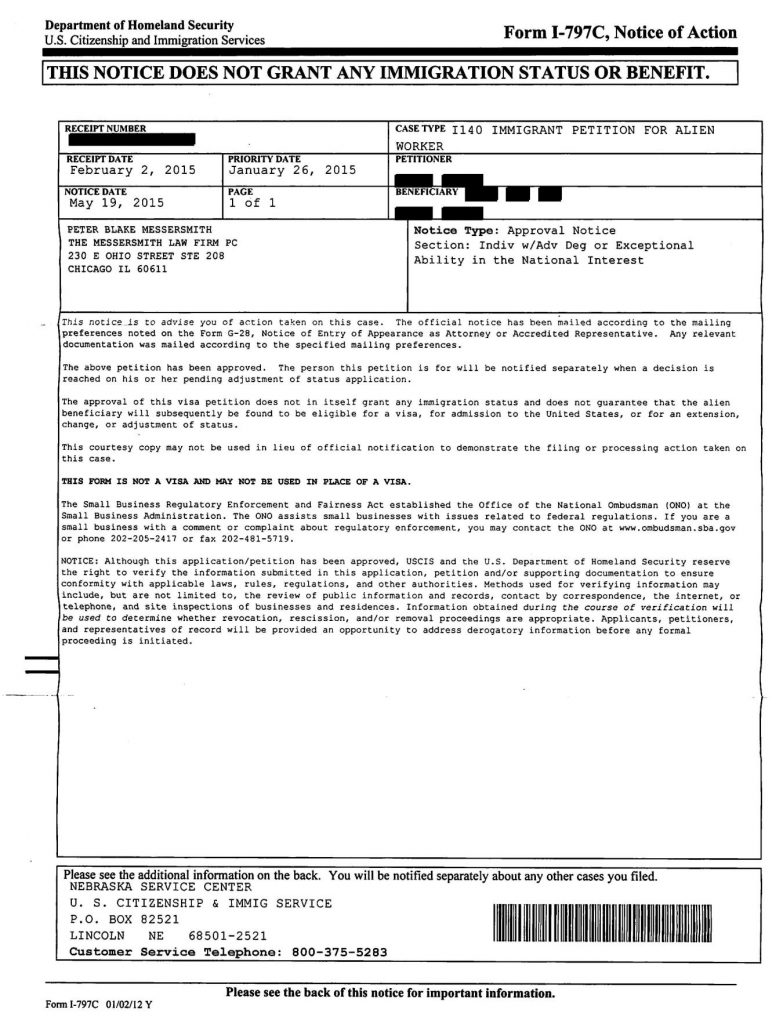
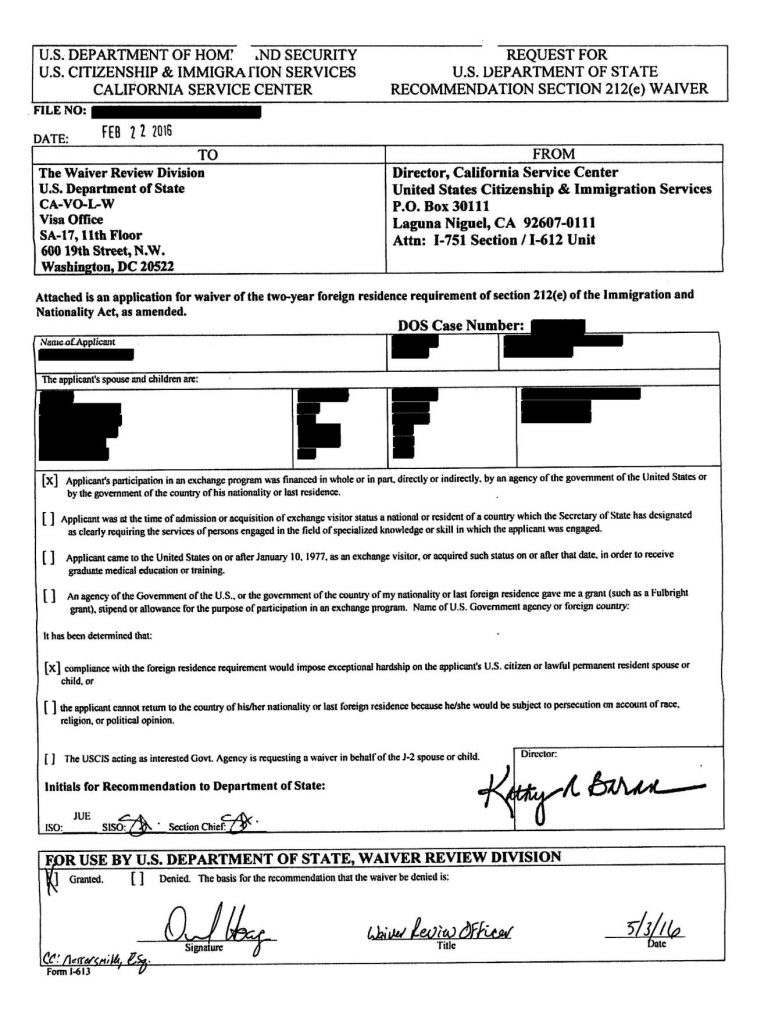
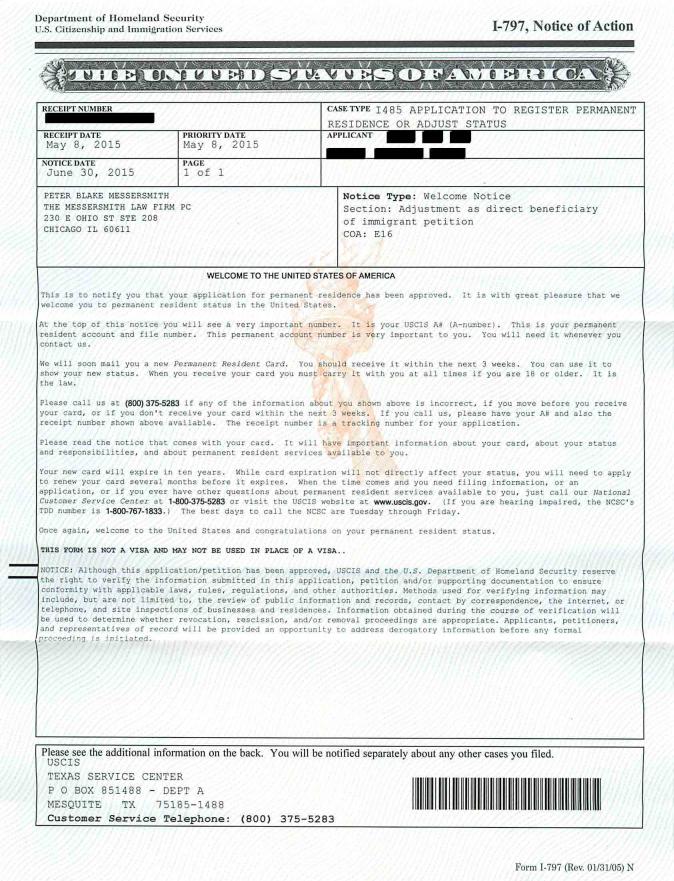
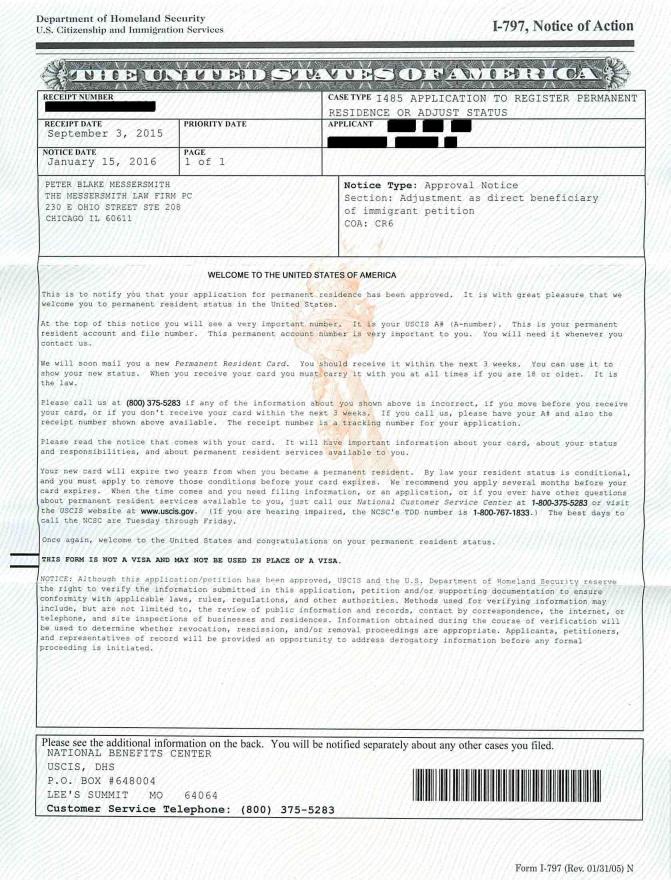
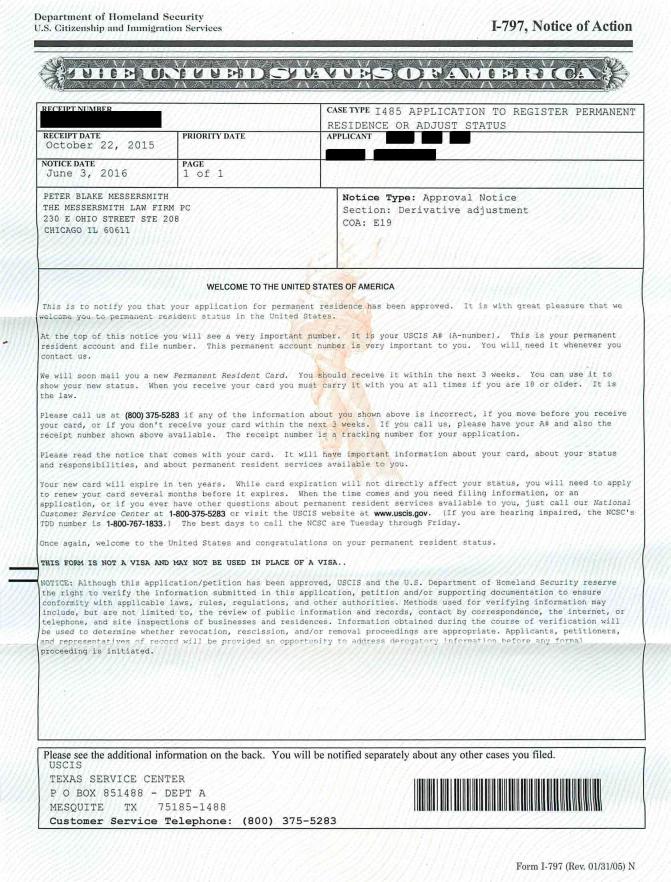
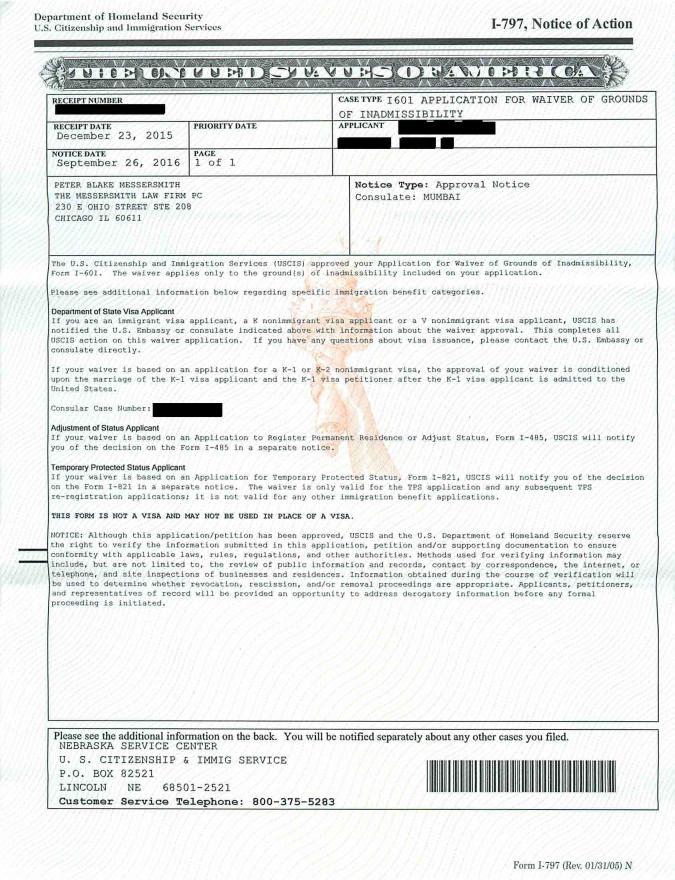
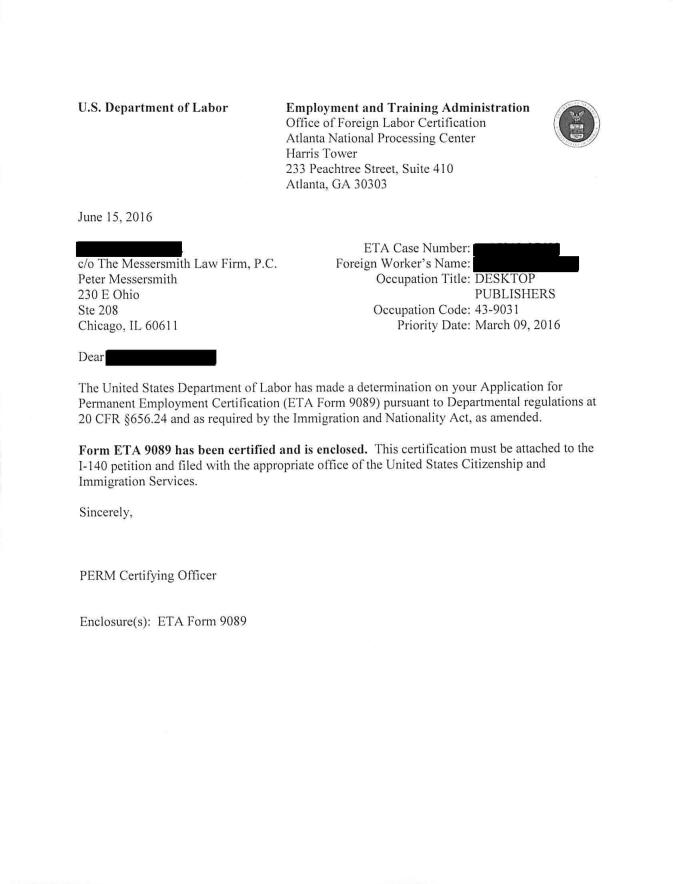
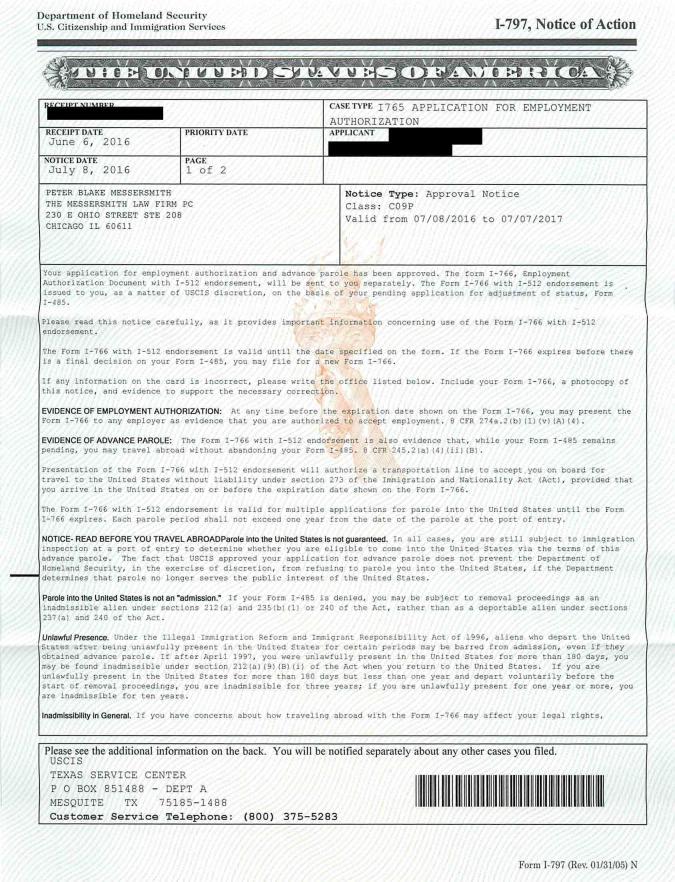
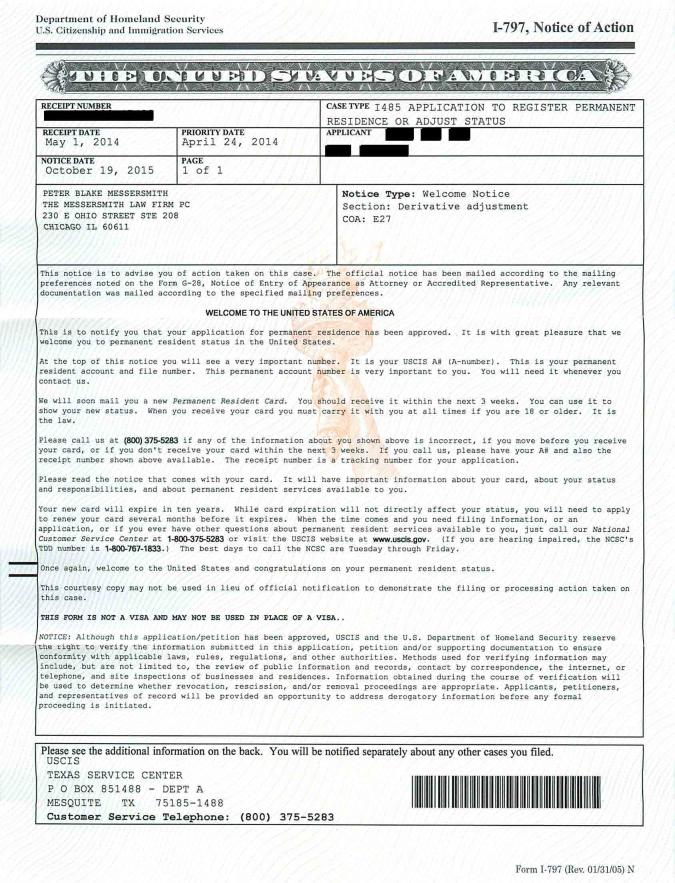
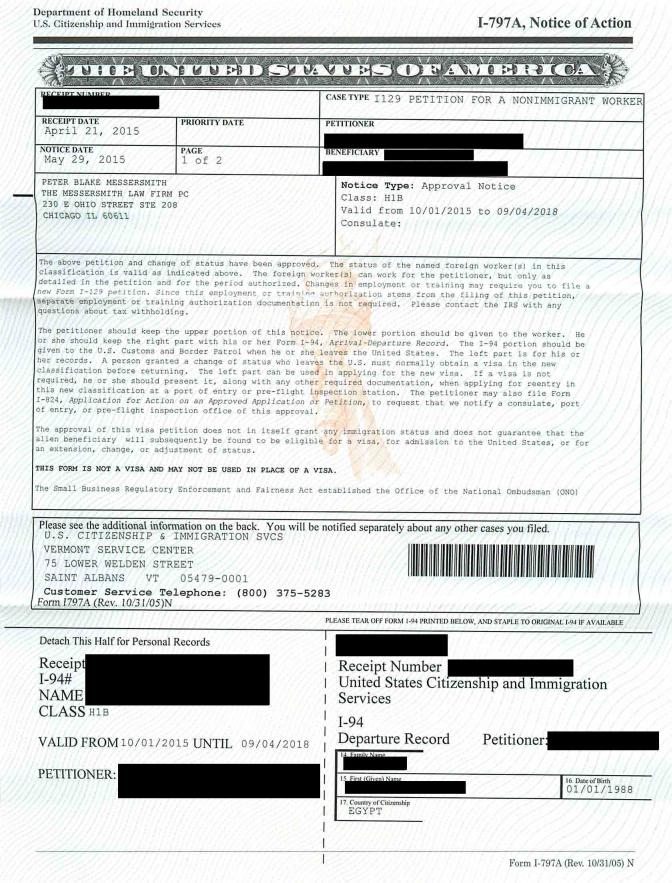
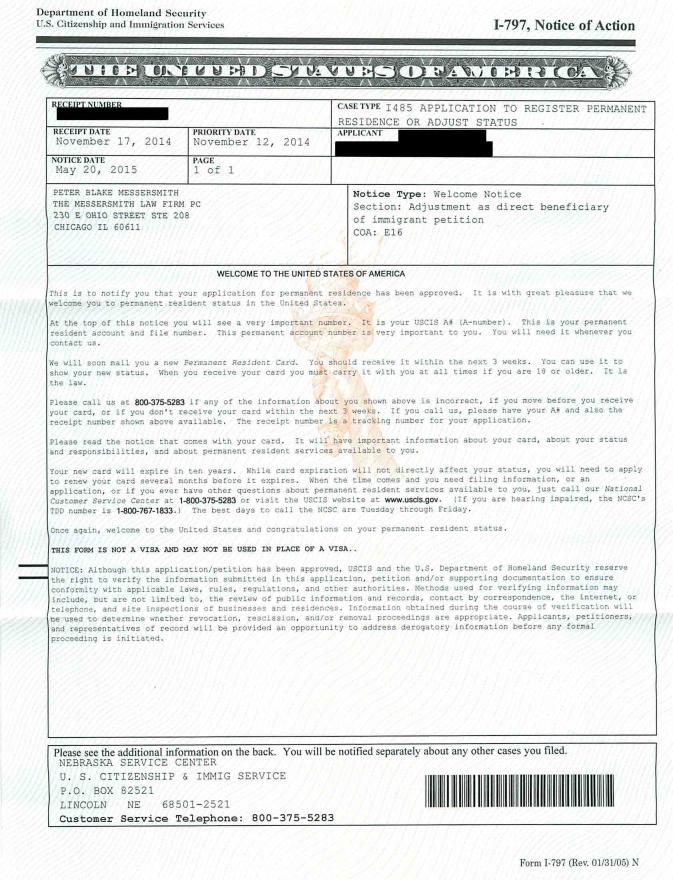
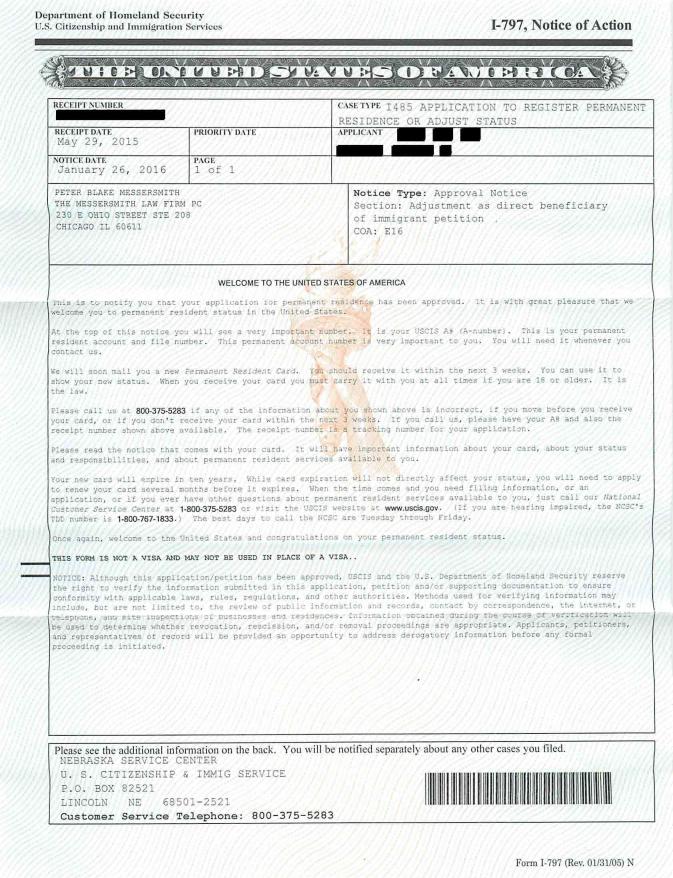
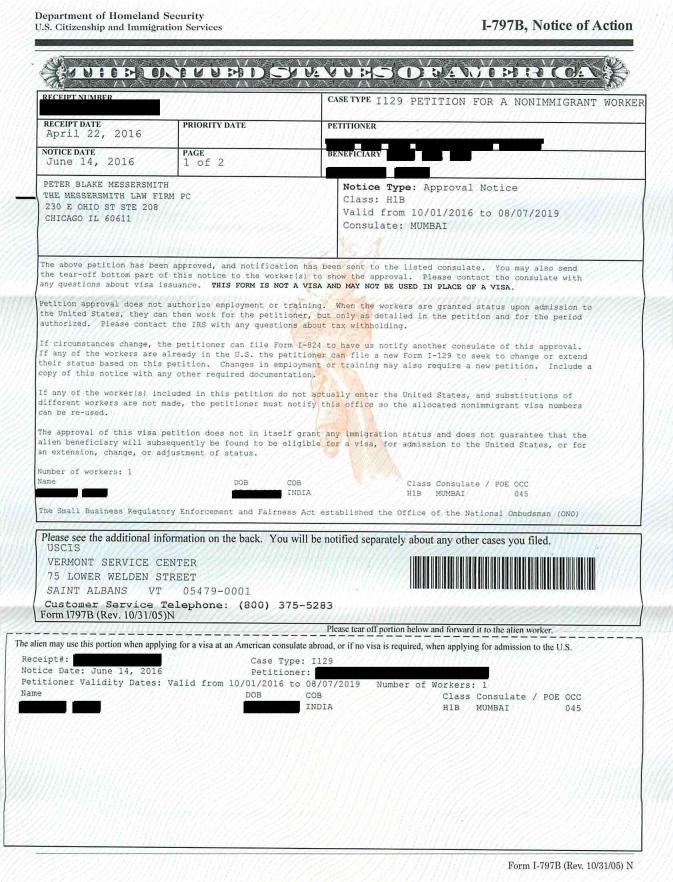
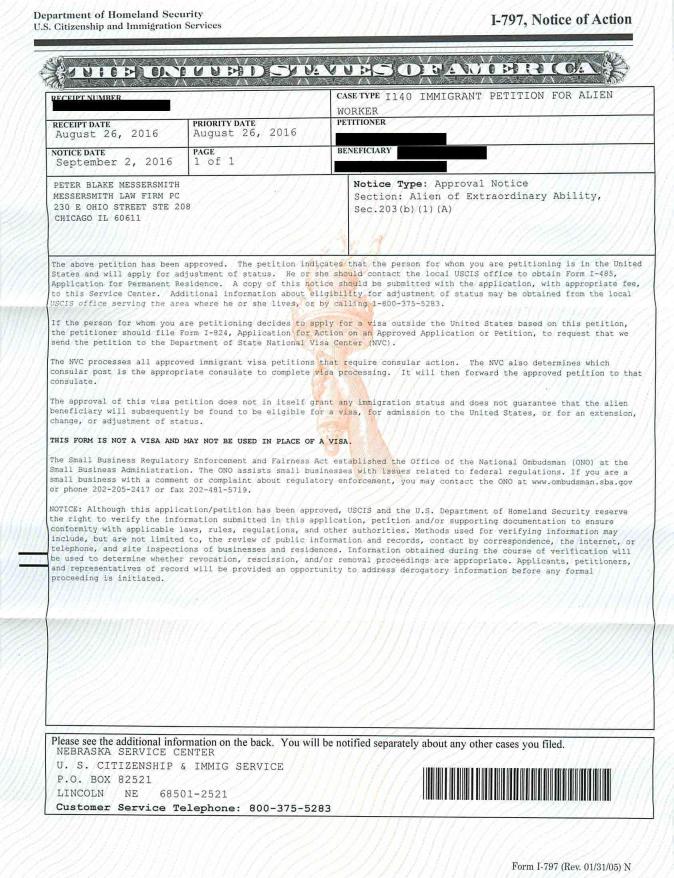
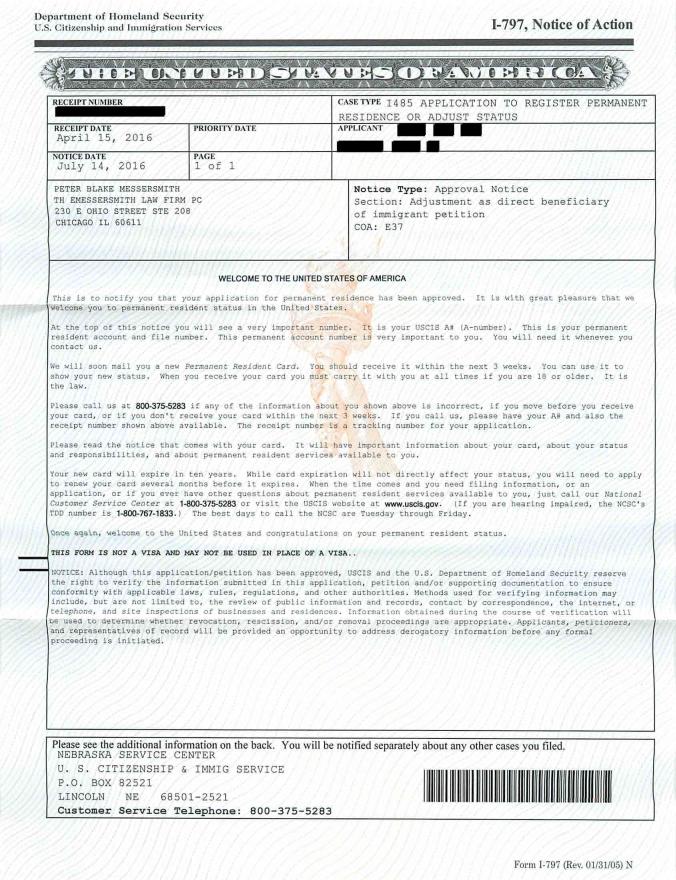
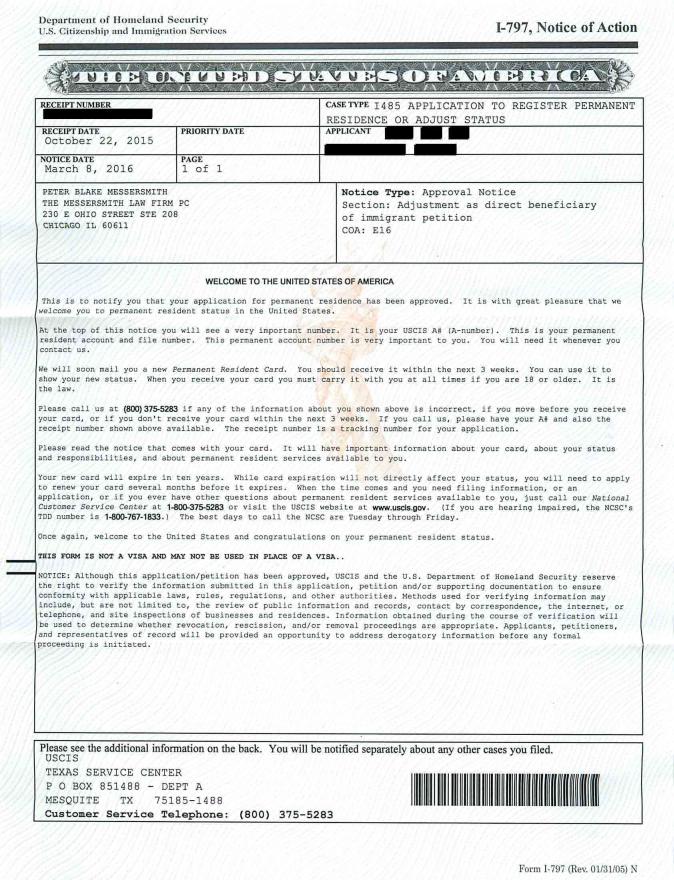
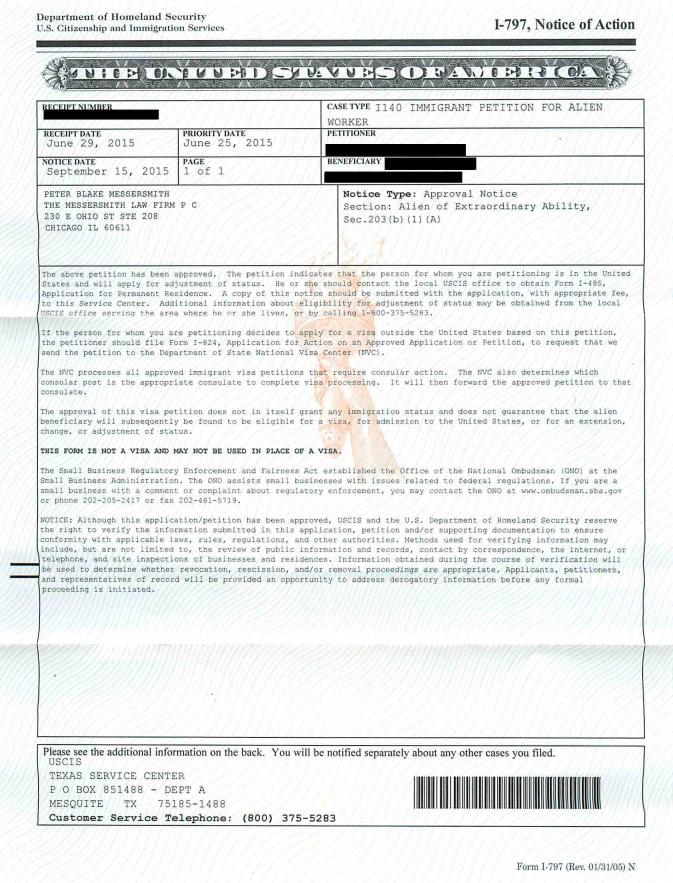
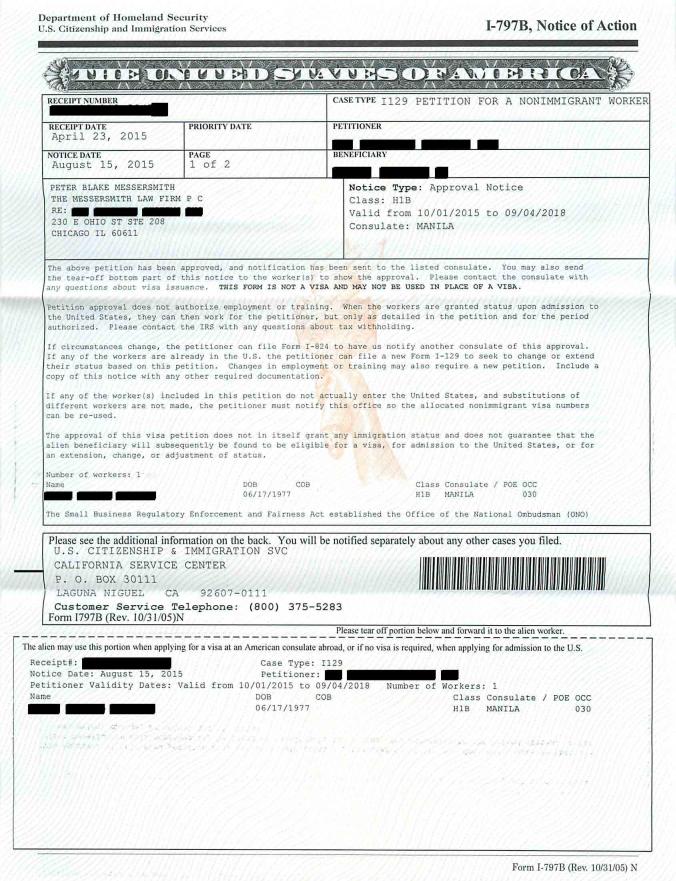
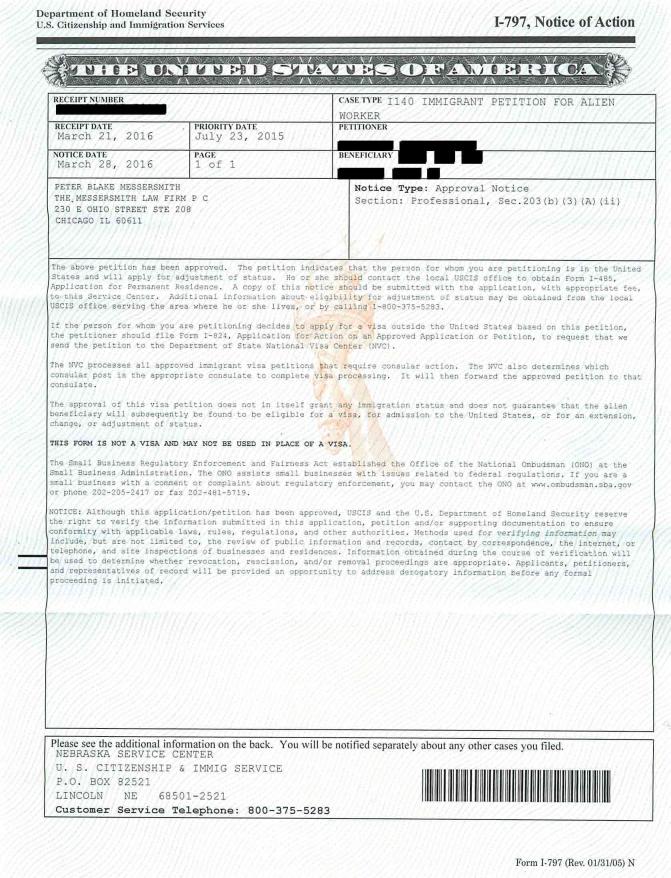
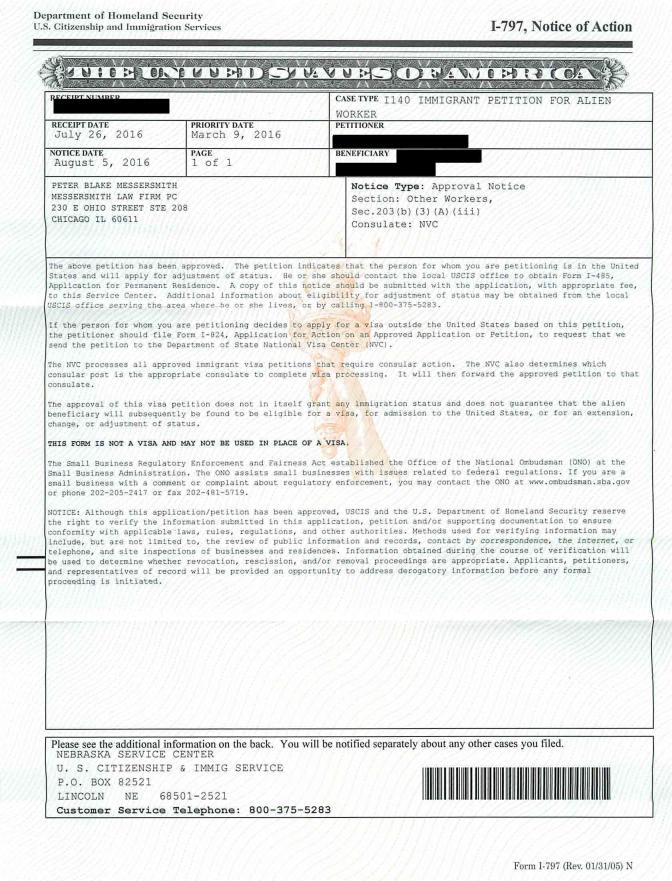
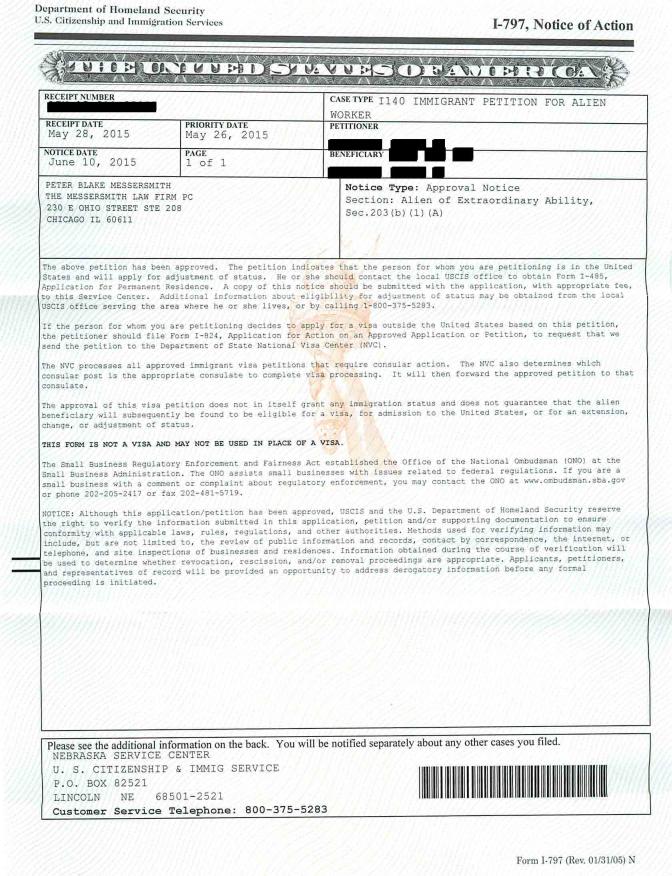
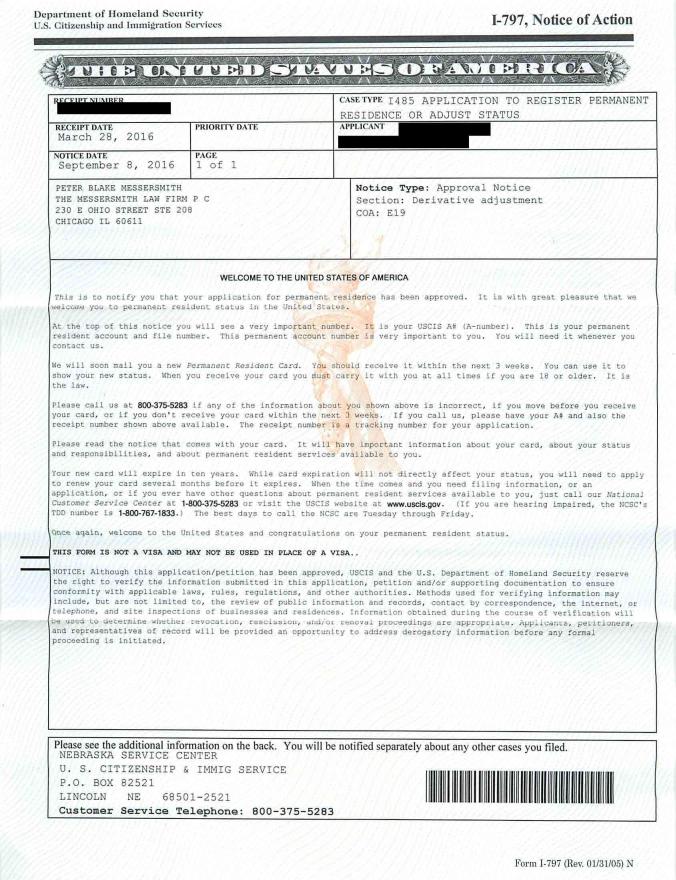
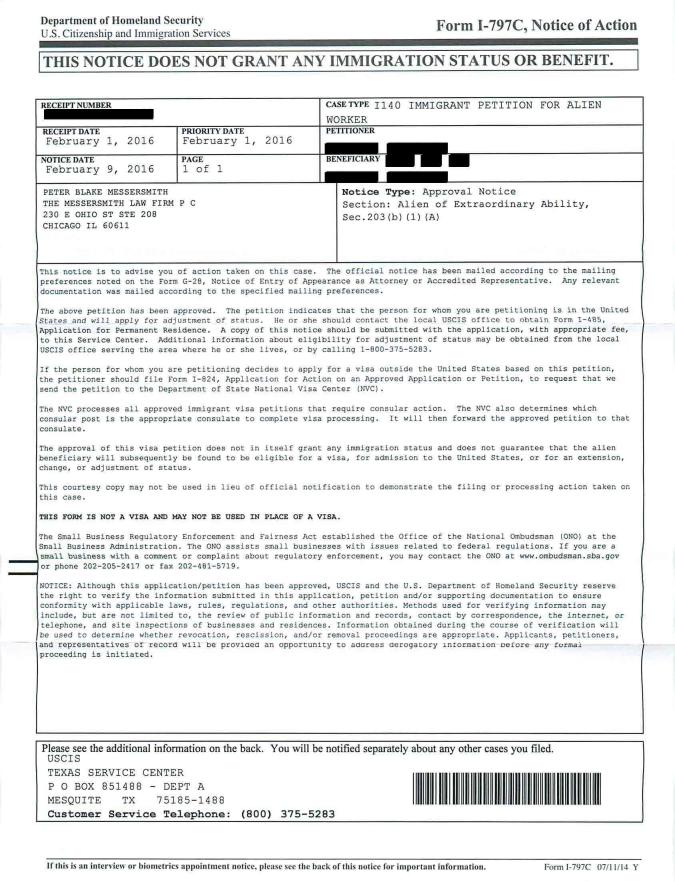
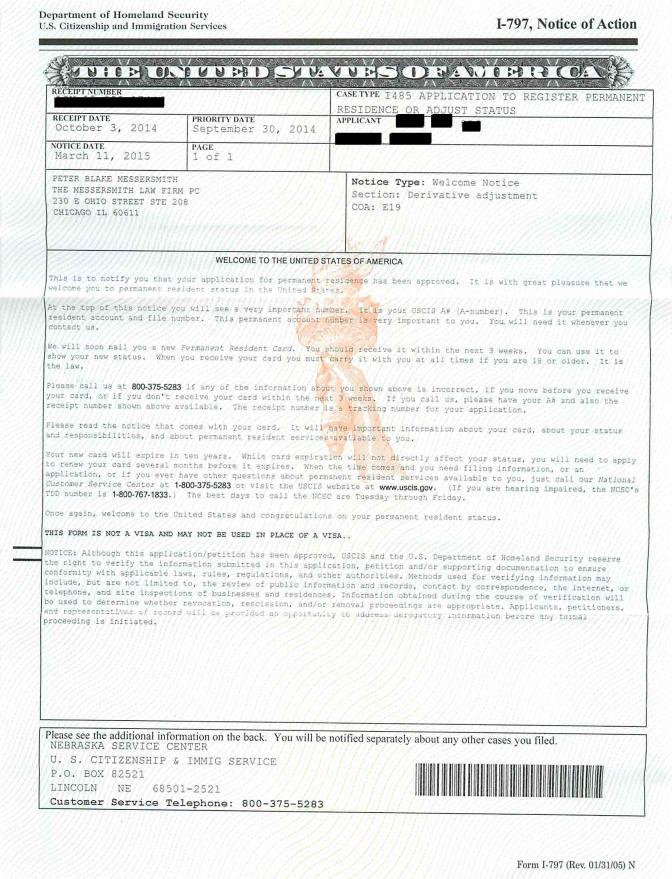
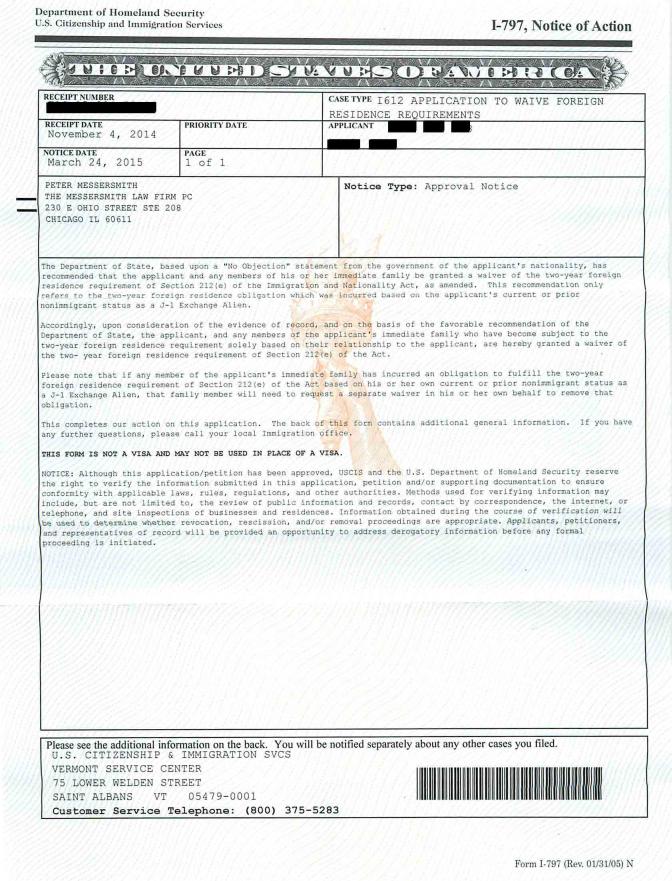
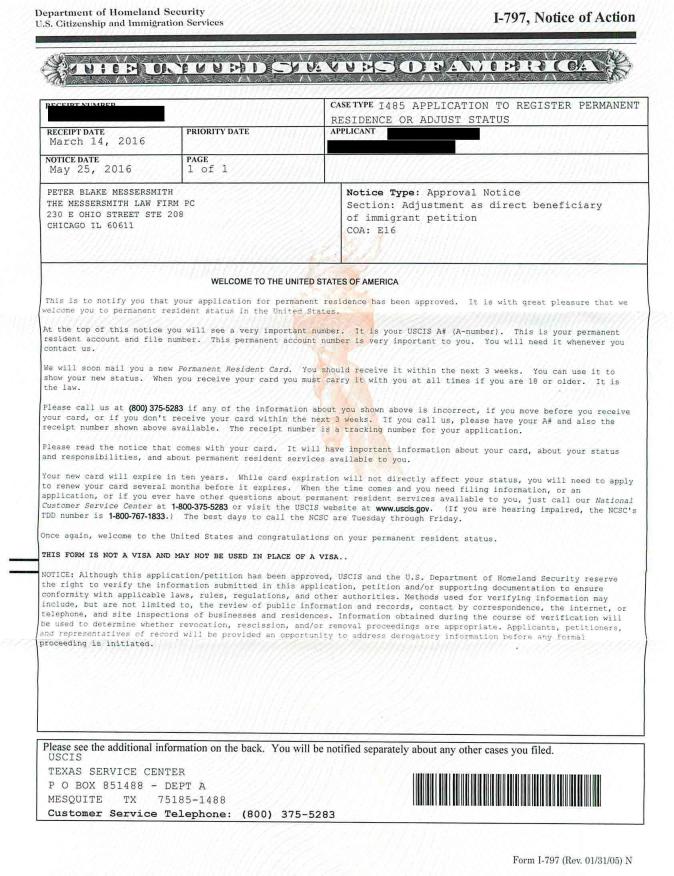
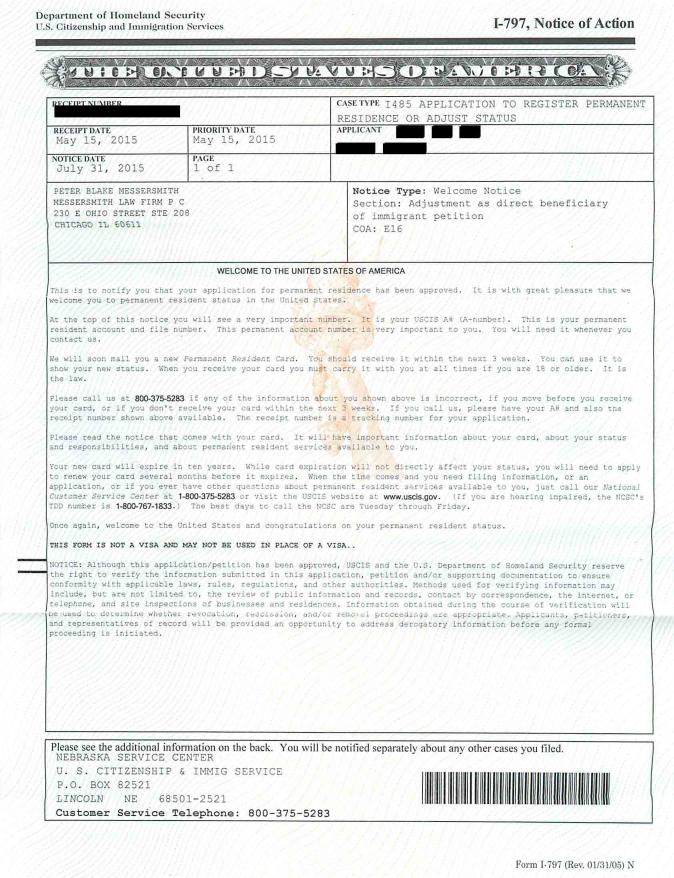
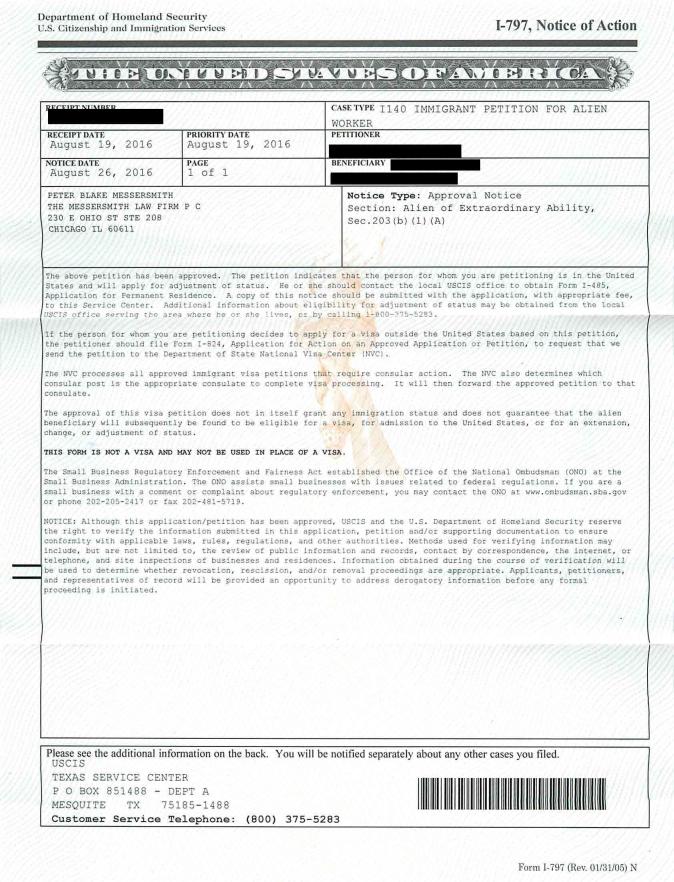
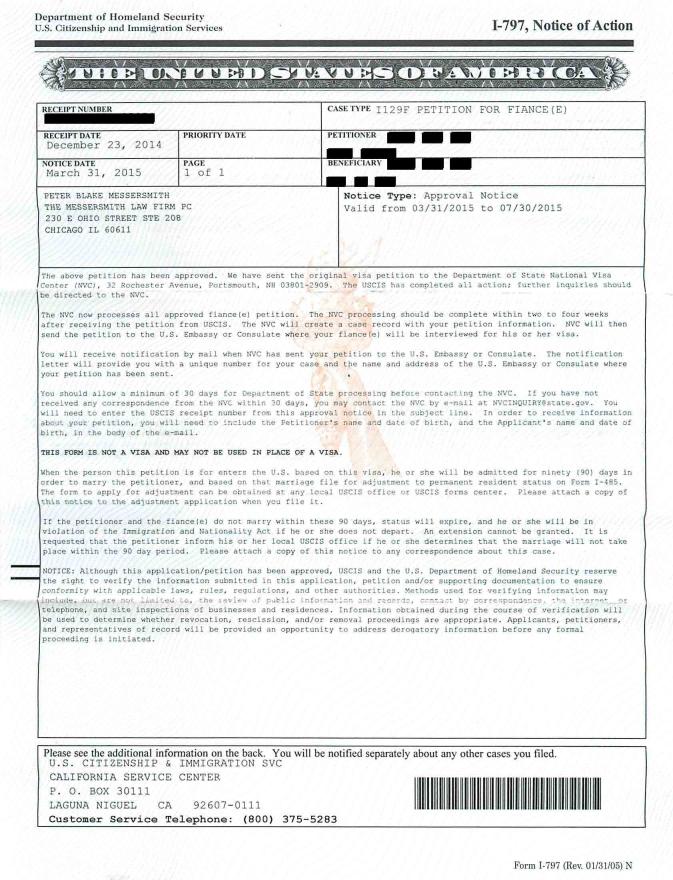
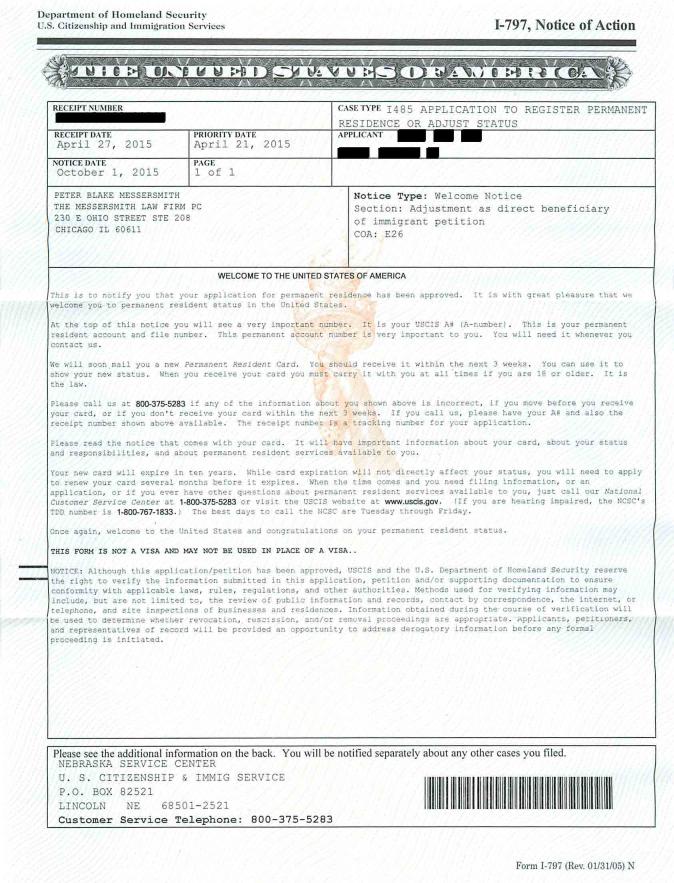
Scroll through fifty recent approval notices below or click here to view thousands.

Customer Testimonials

Real Testimonials from Past Clients