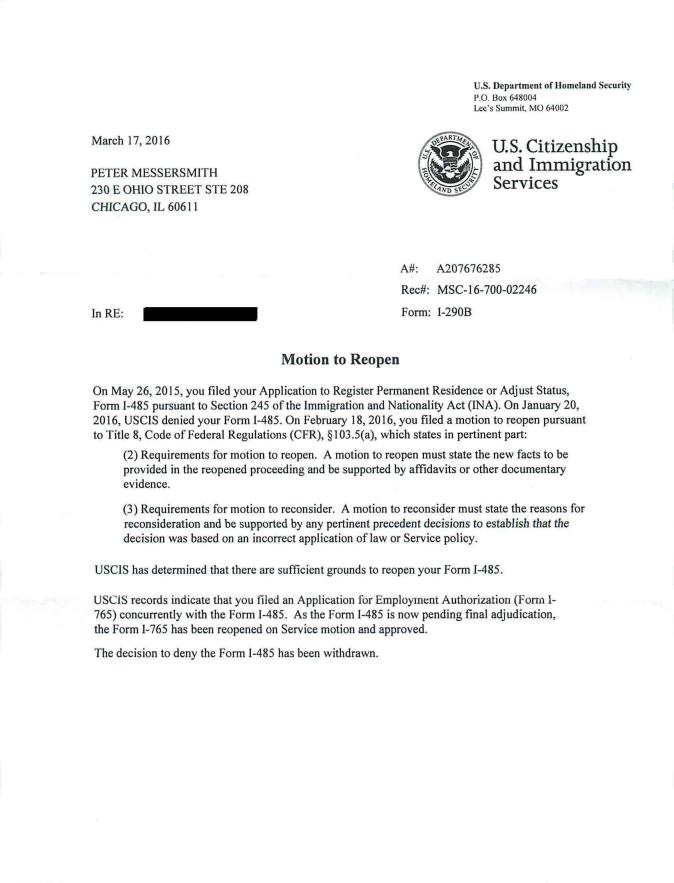
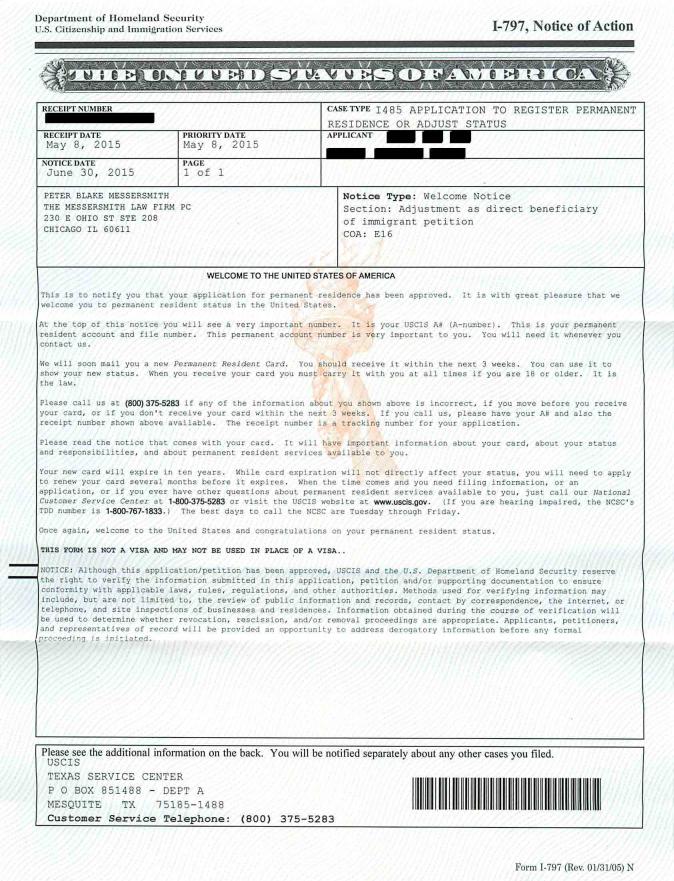
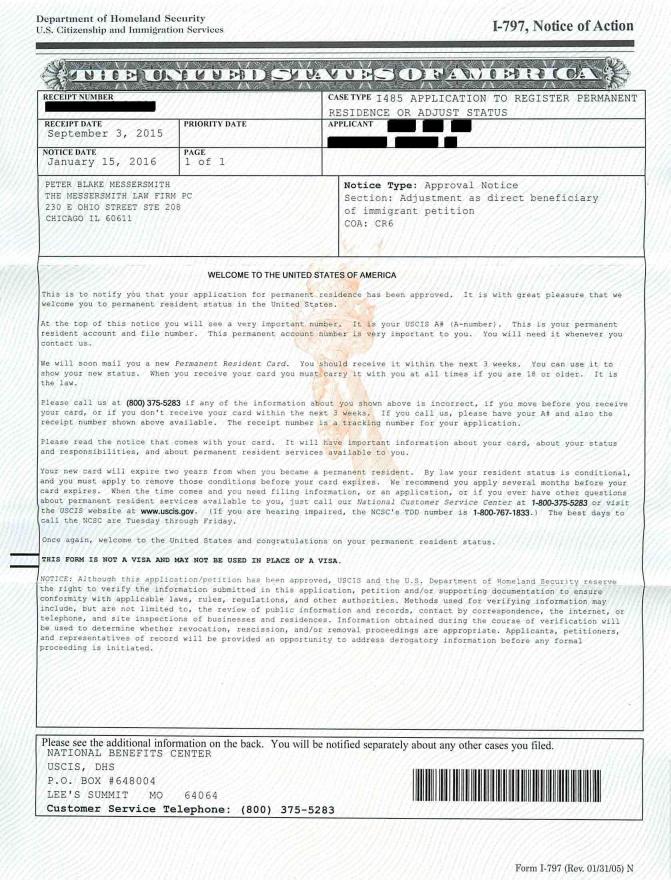
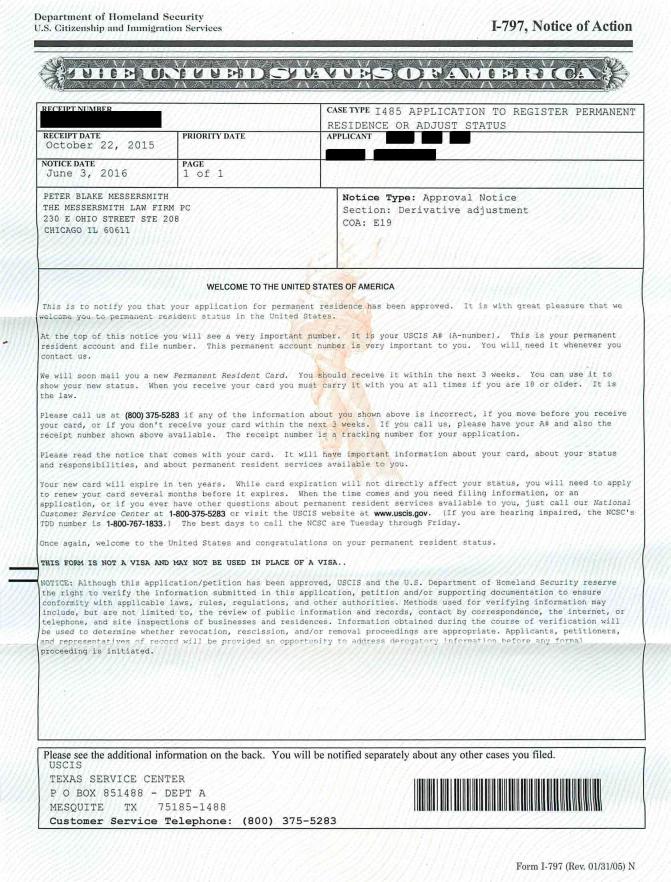
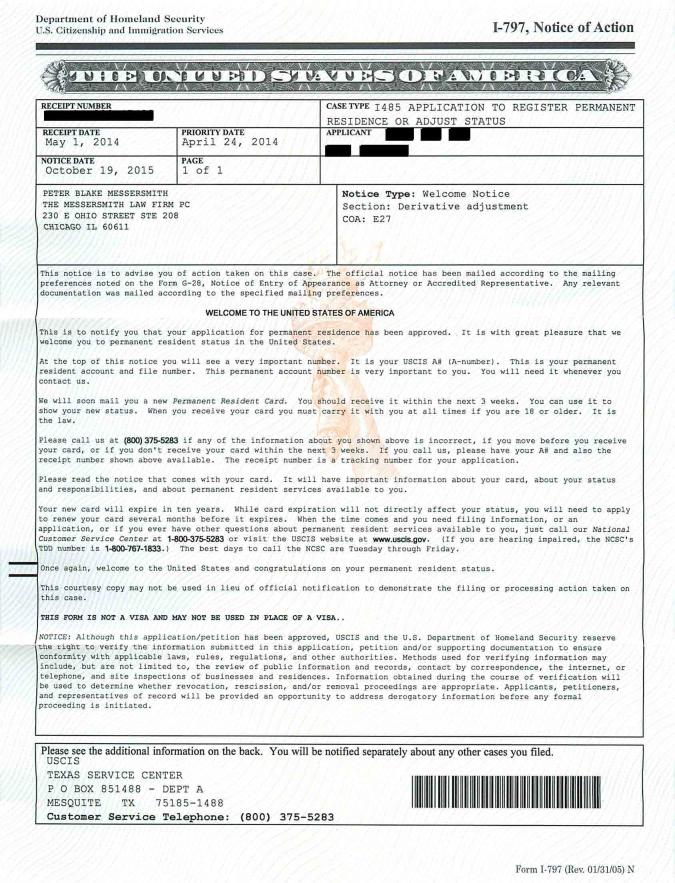
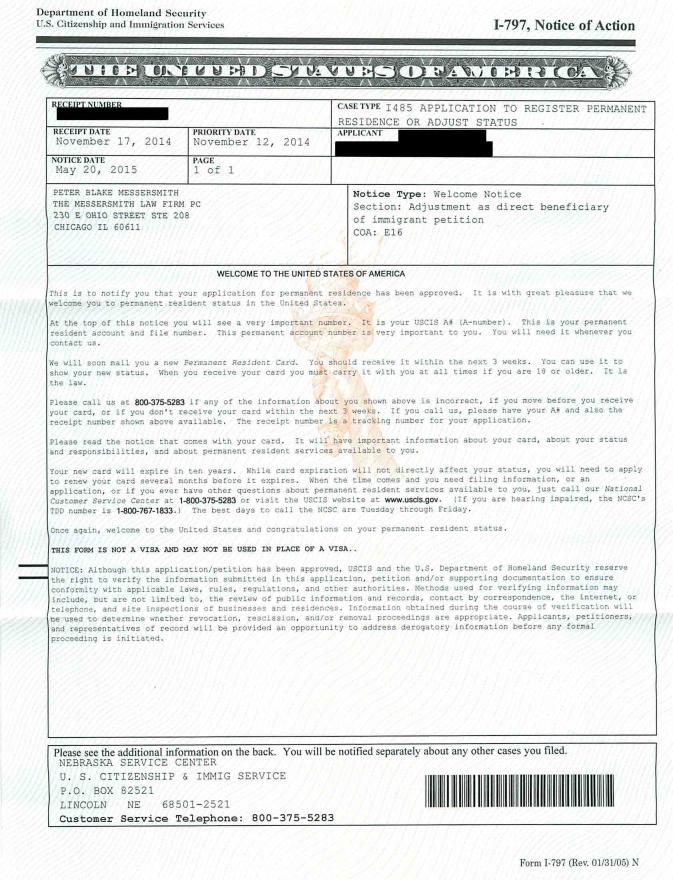
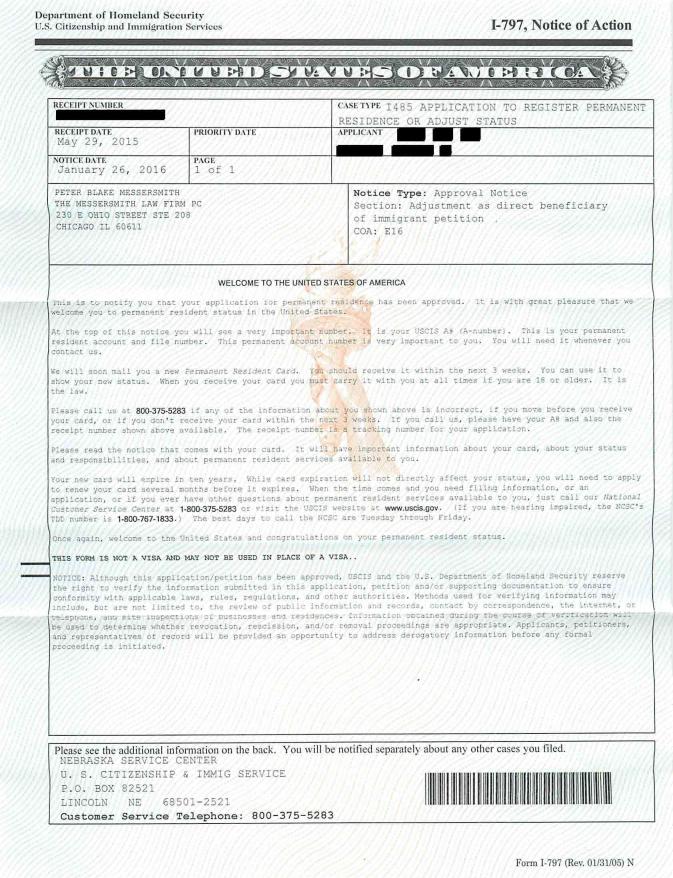
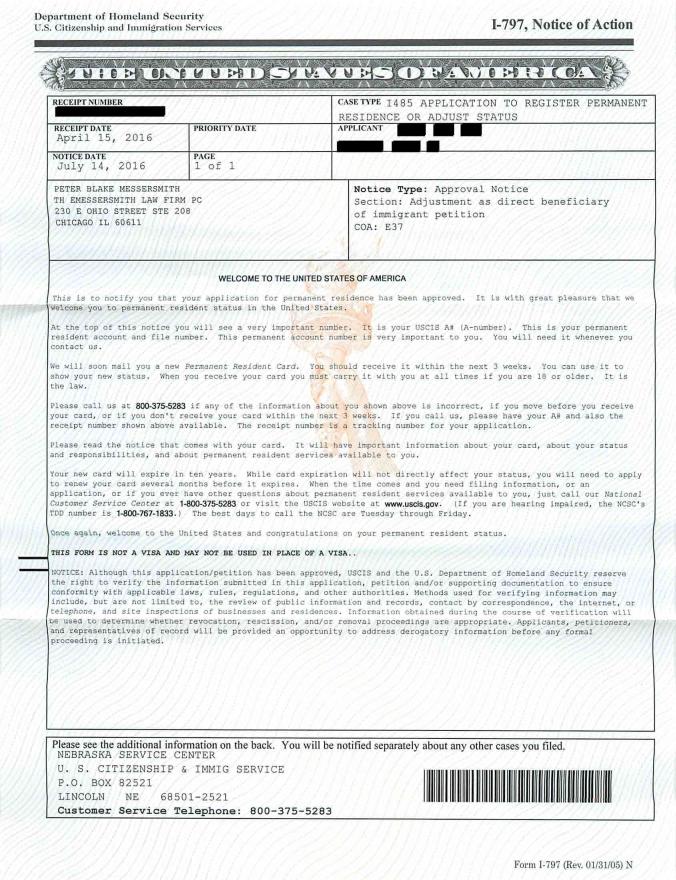
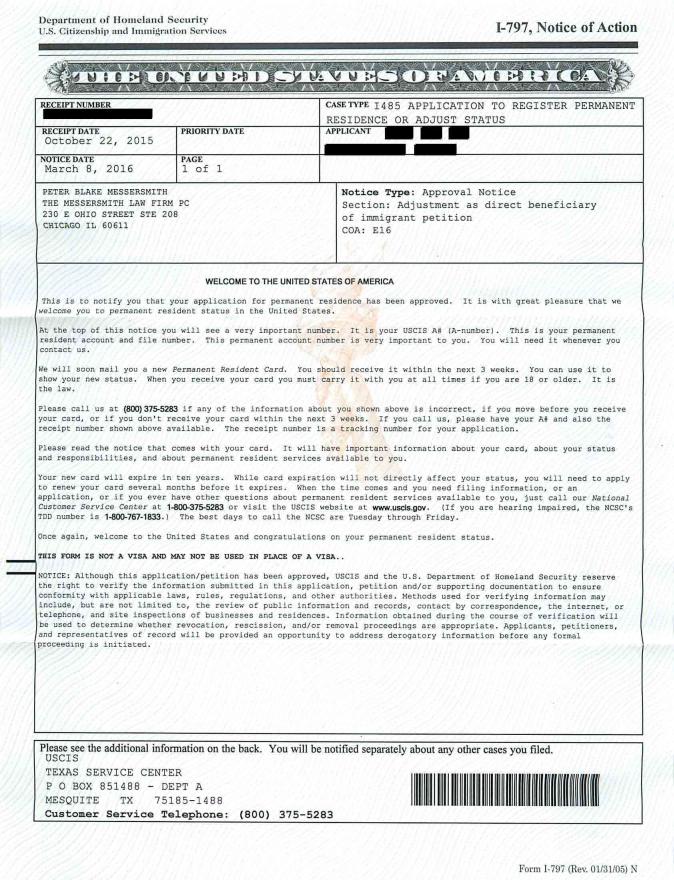
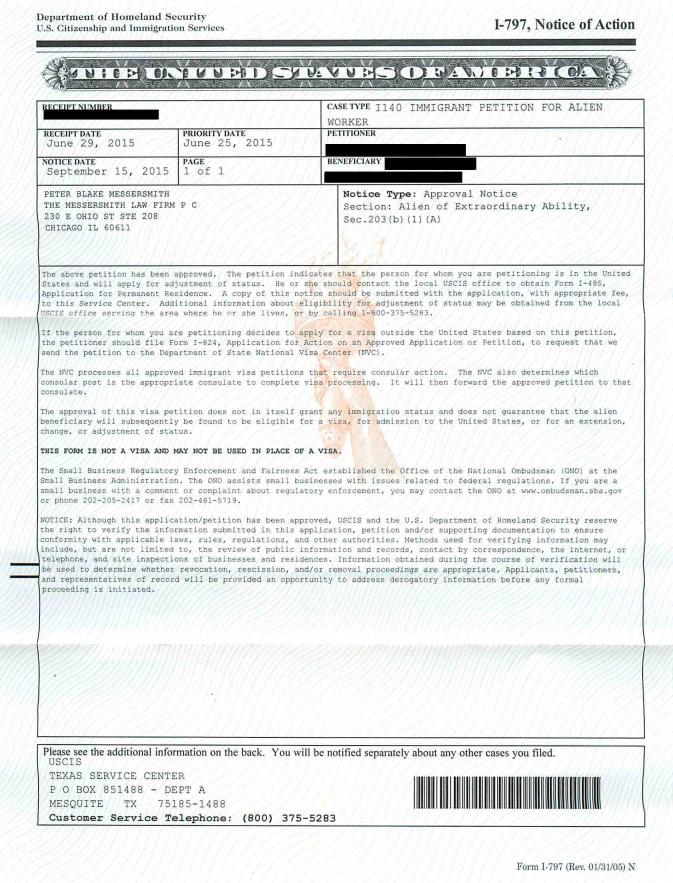
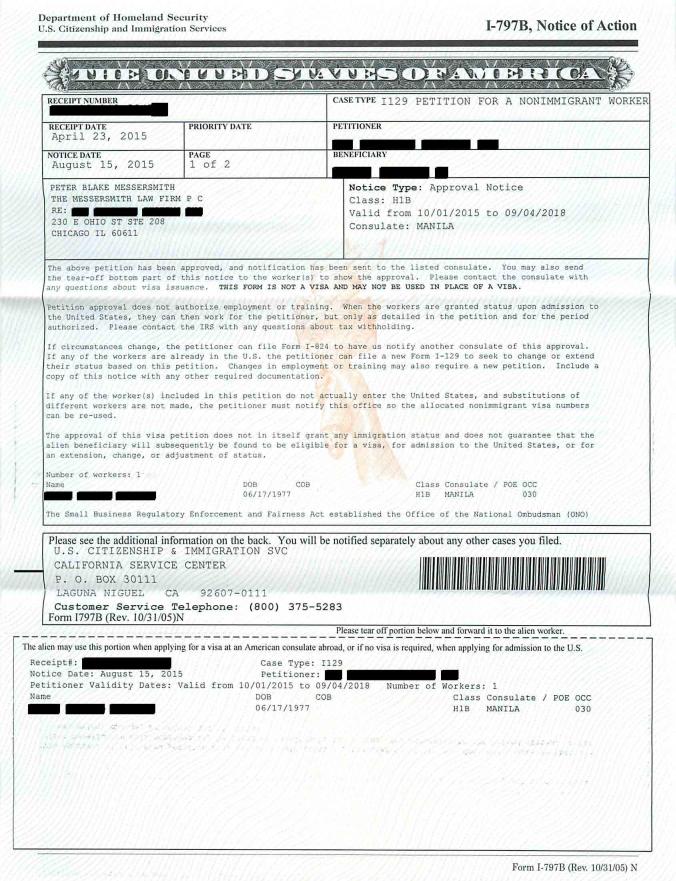
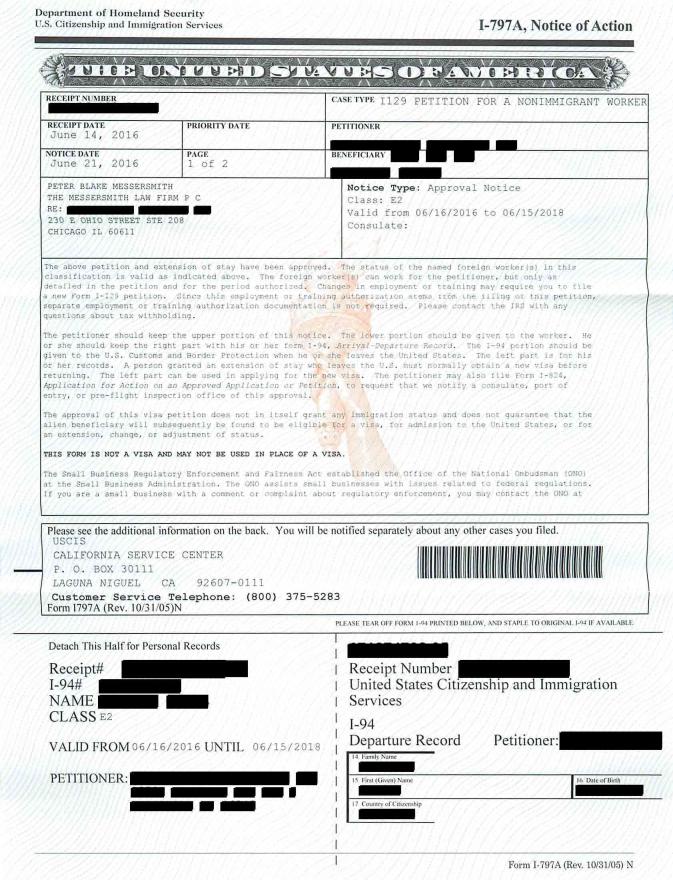
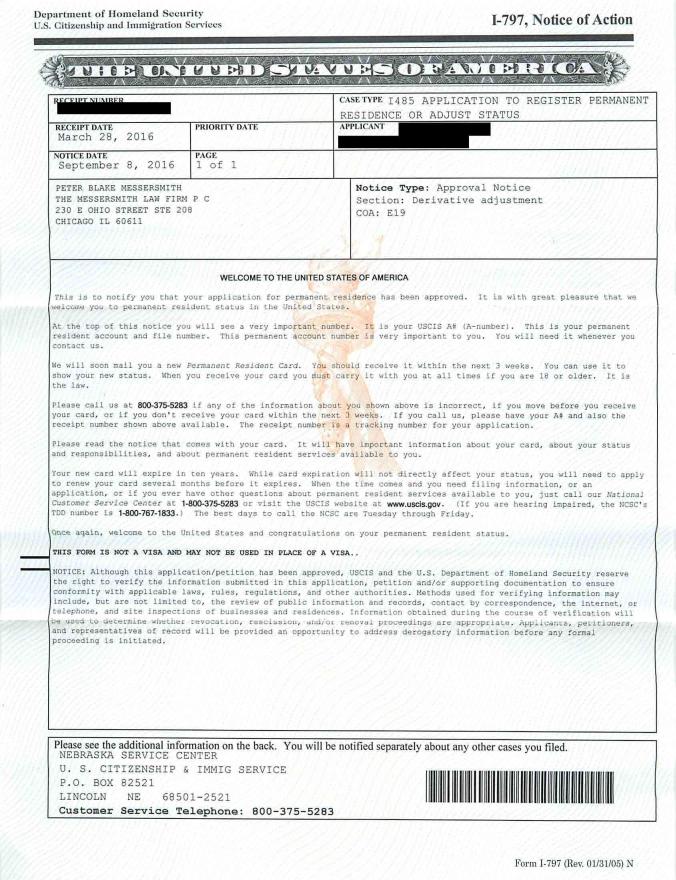
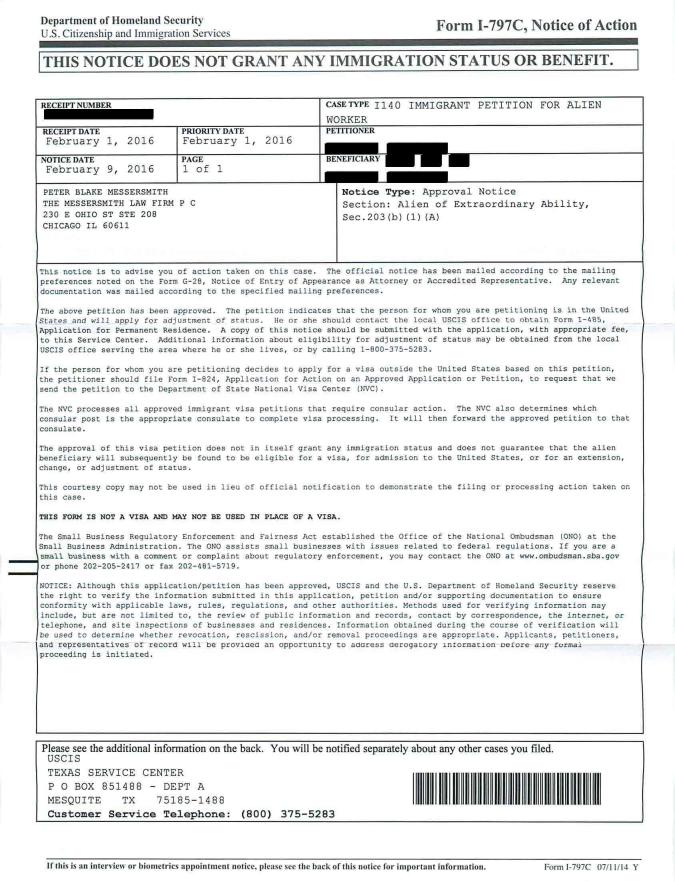
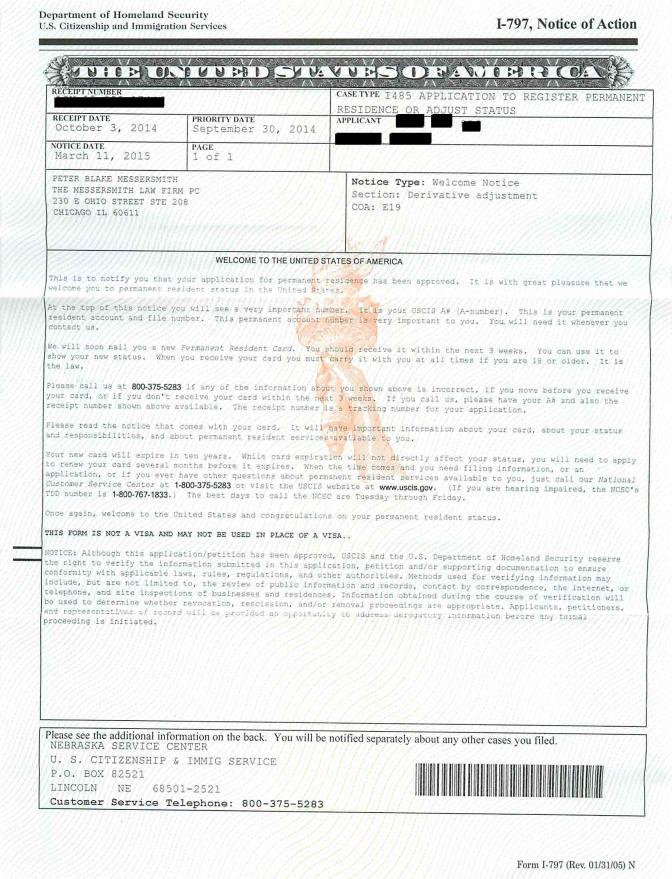
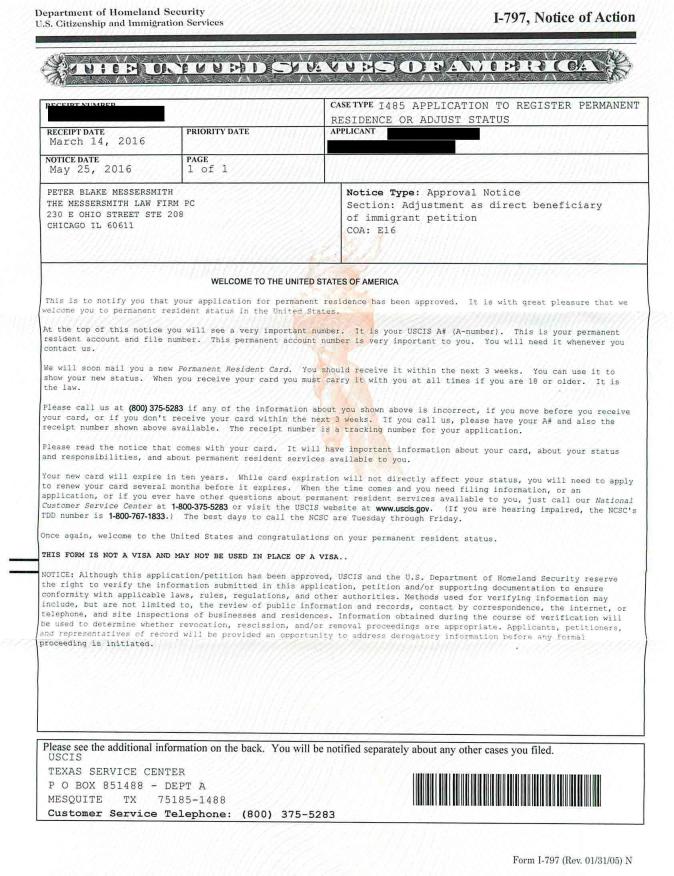
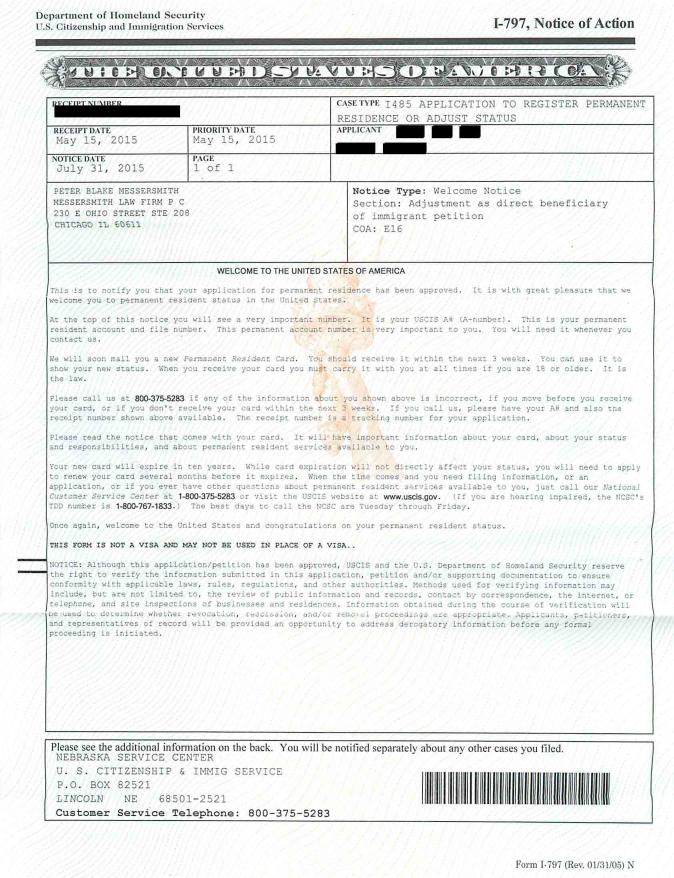
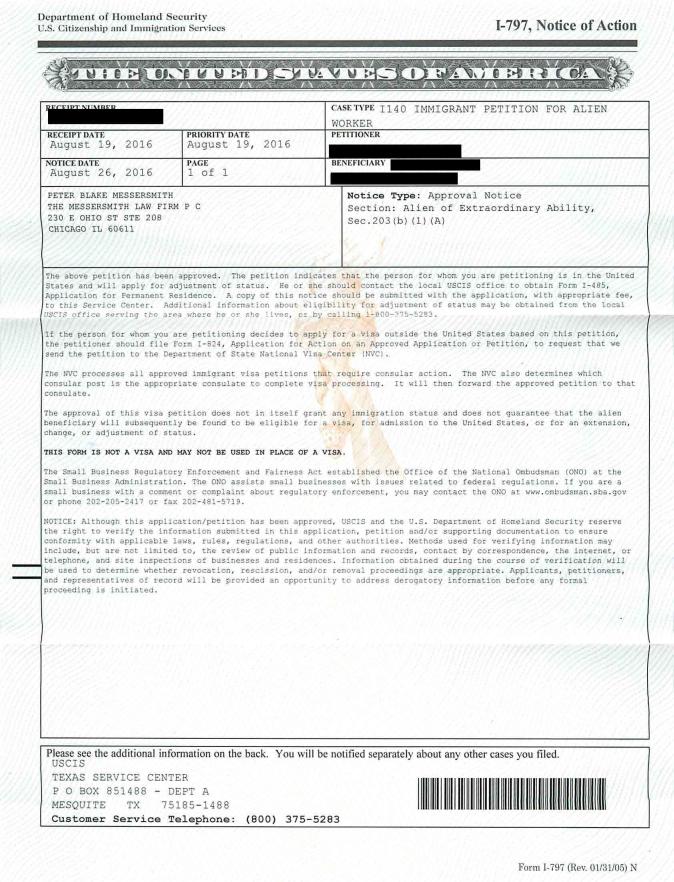
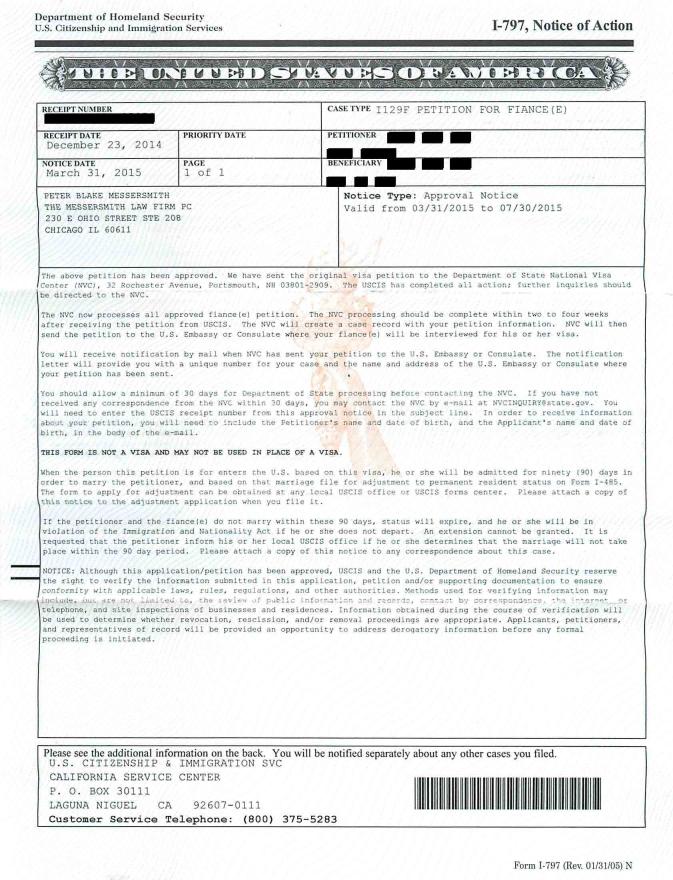
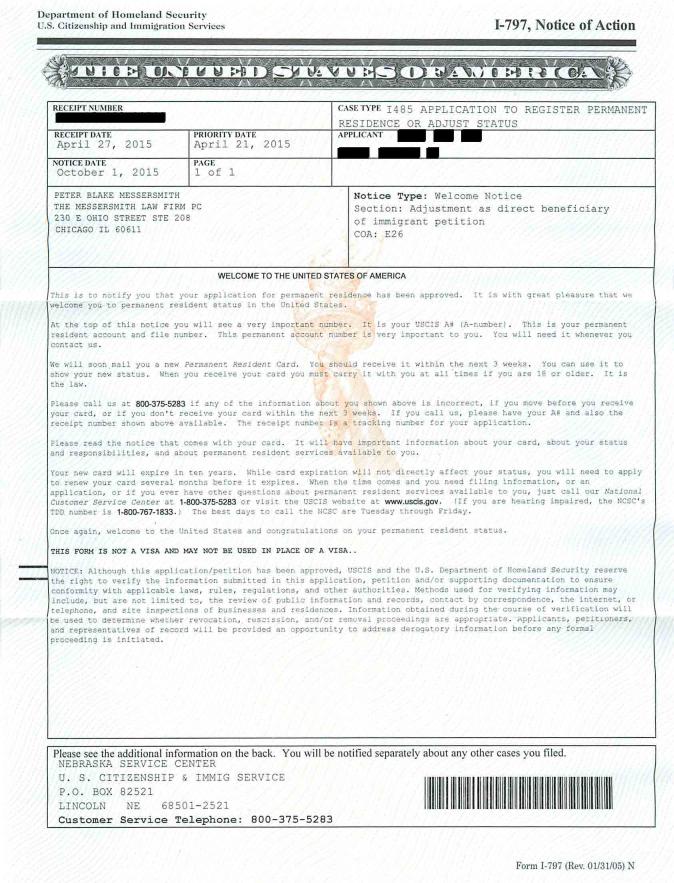
Adjustment of status is not a single-track process. The filing path depends on the immigration category, whether an immigrant visa is immediately available, and whether the applicant is eligible to submit Form I-485 inside the United States. In many cases, the most important question is not only whether the person qualifies for a green card category, but whether the case is actually ready for adjustment of status now. USCIS explains that Form I-485 is used to apply for lawful permanent resident status from inside the United States, but filing depends on eligibility and visa availability when required.
Family-based adjustment of status
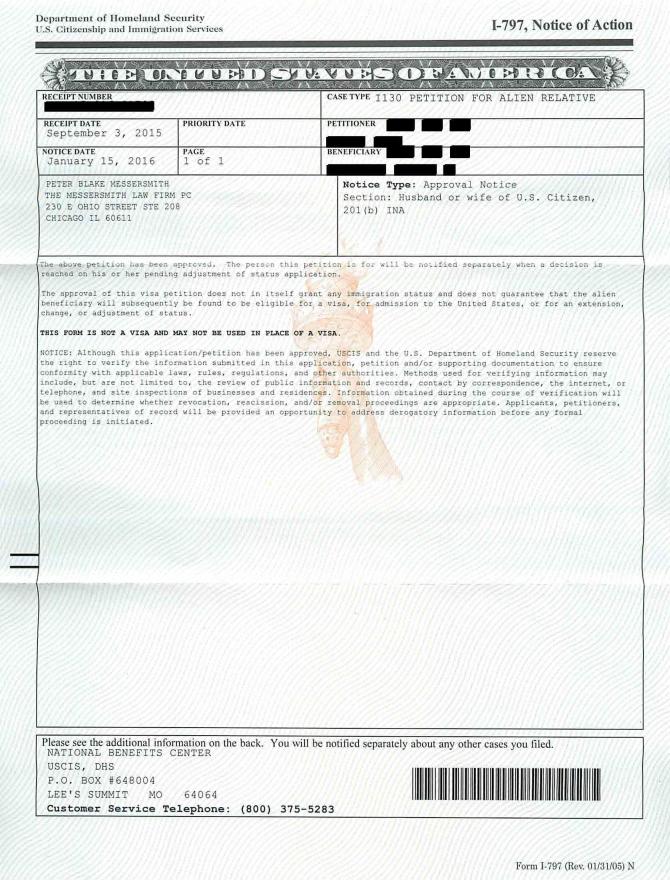
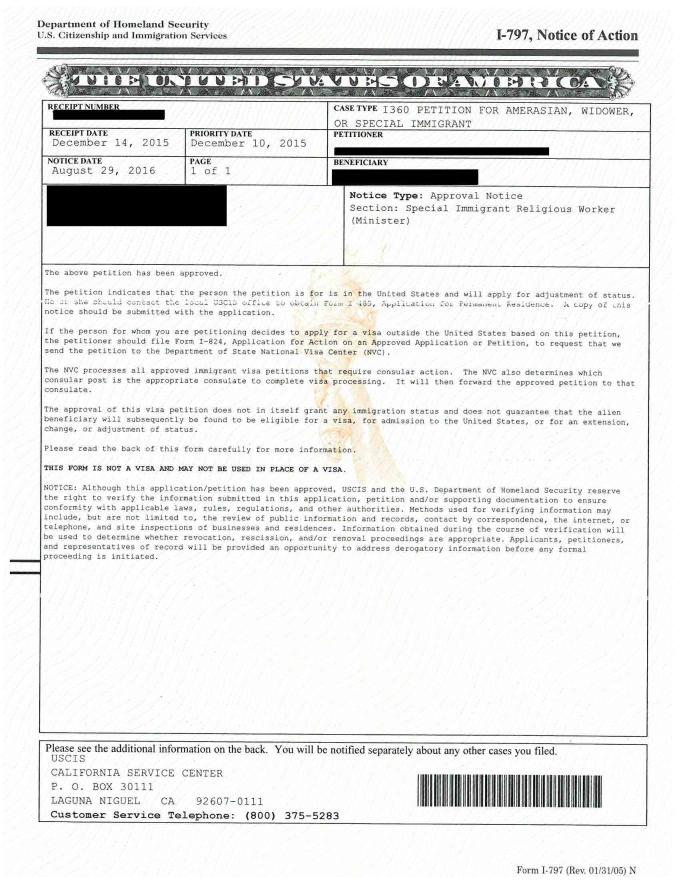
Many adjustment-of-status filings are based on family relationships. Some cases involve immediate relatives of U.S. citizens, while others fall into family-preference categories. In family-preference cases, visa availability often controls when Form I-485 may be filed. USCIS states that for family-preference immigrants, an immigrant visa must be immediately available when Form I-485 is filed and when USCIS makes a final decision.
Employment-based adjustment of status
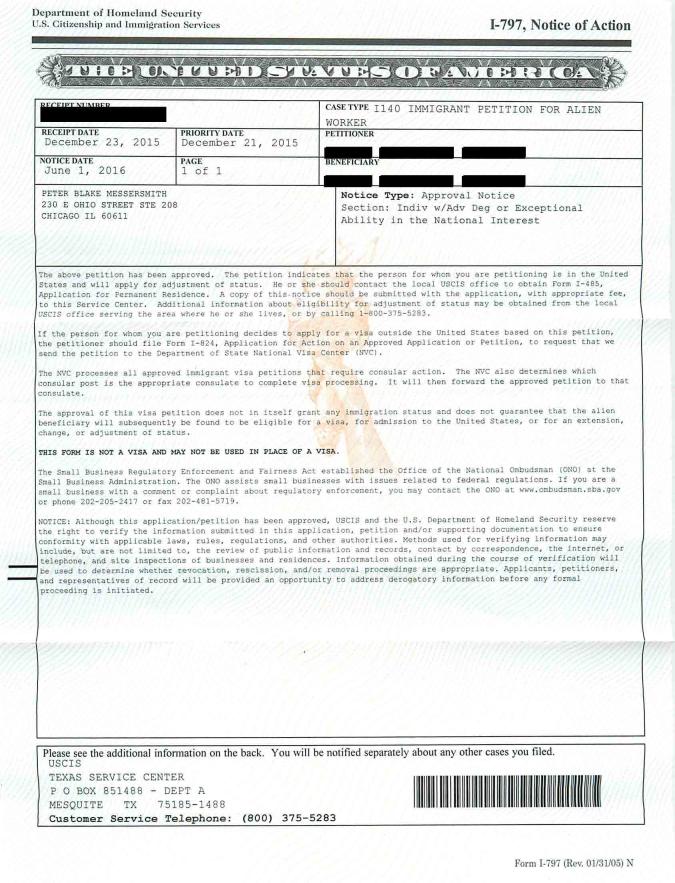
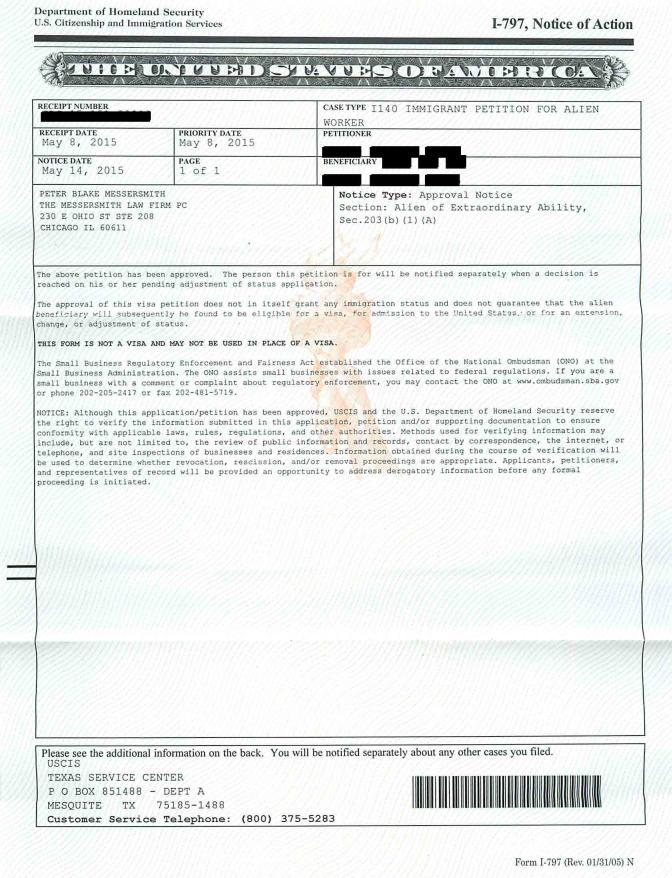
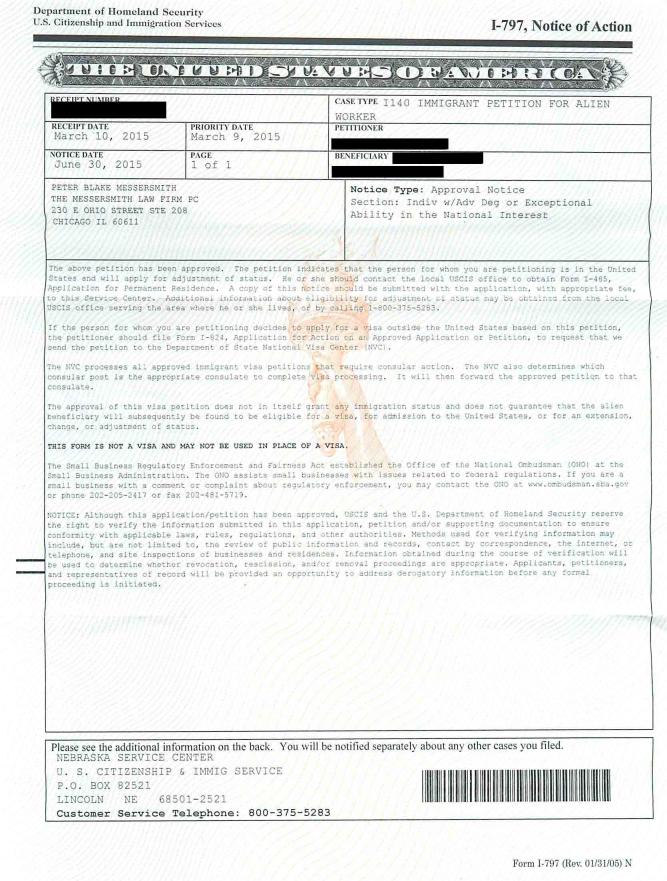
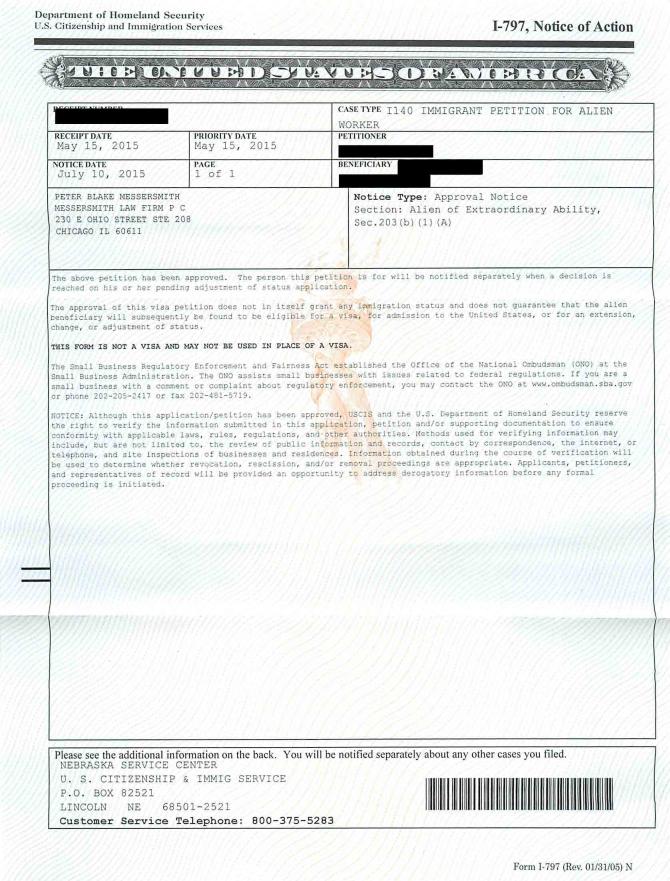
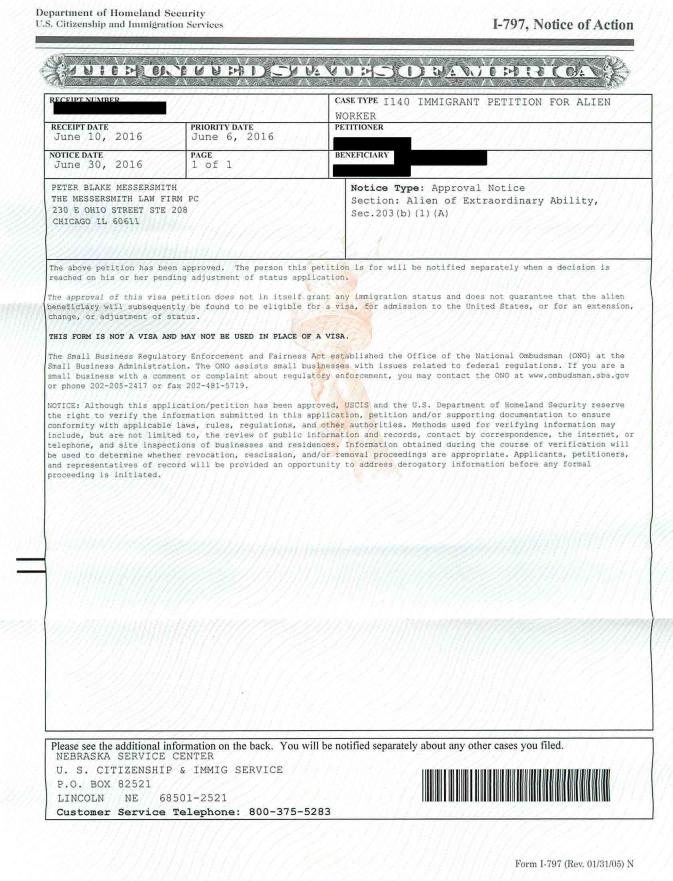
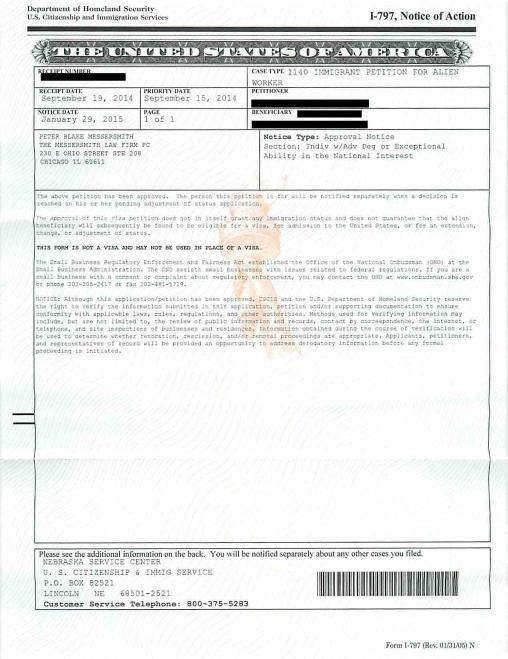
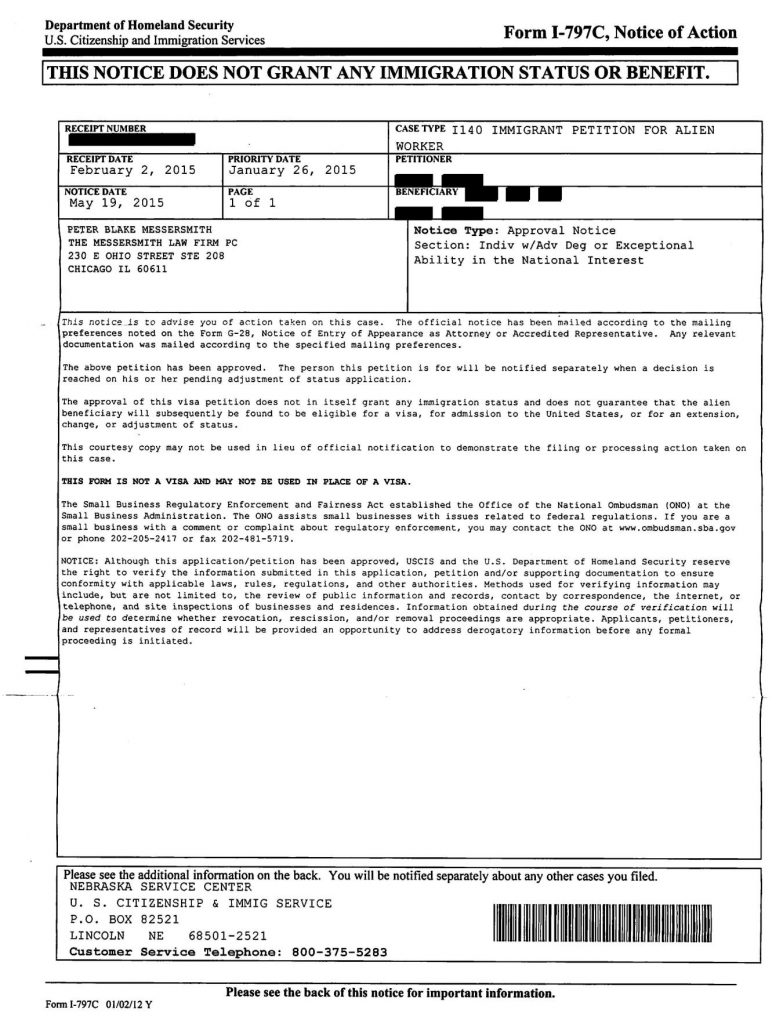
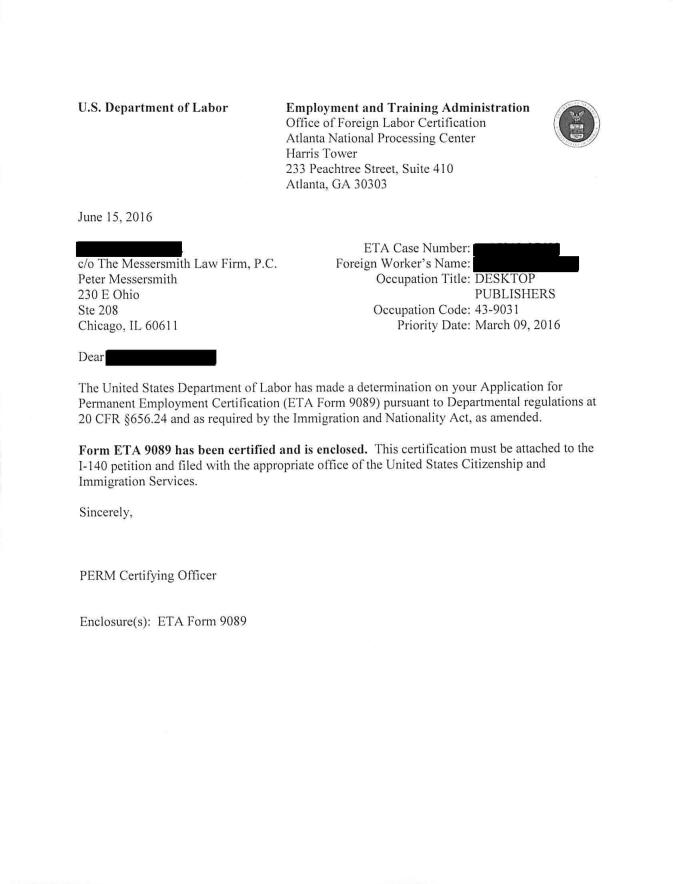
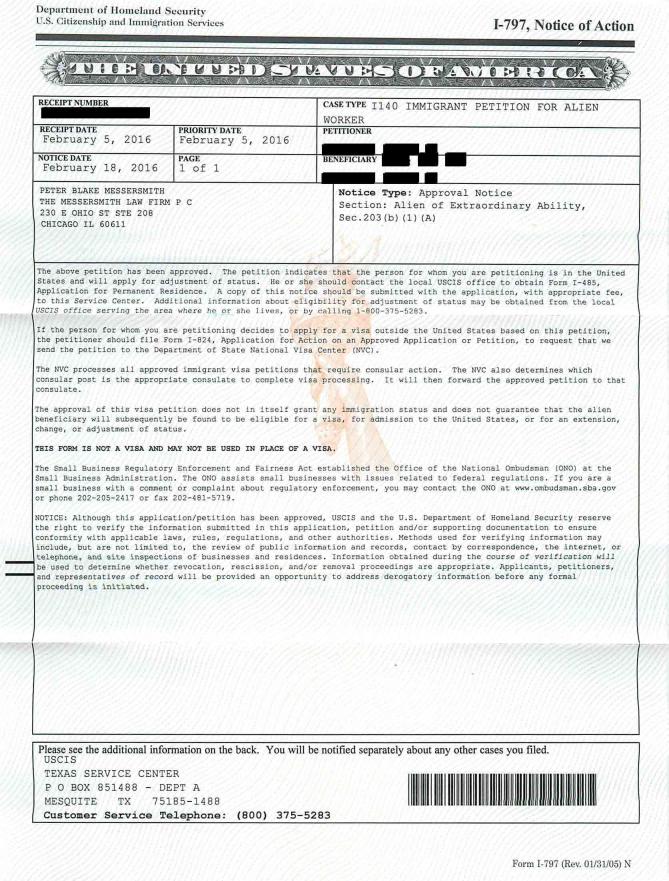
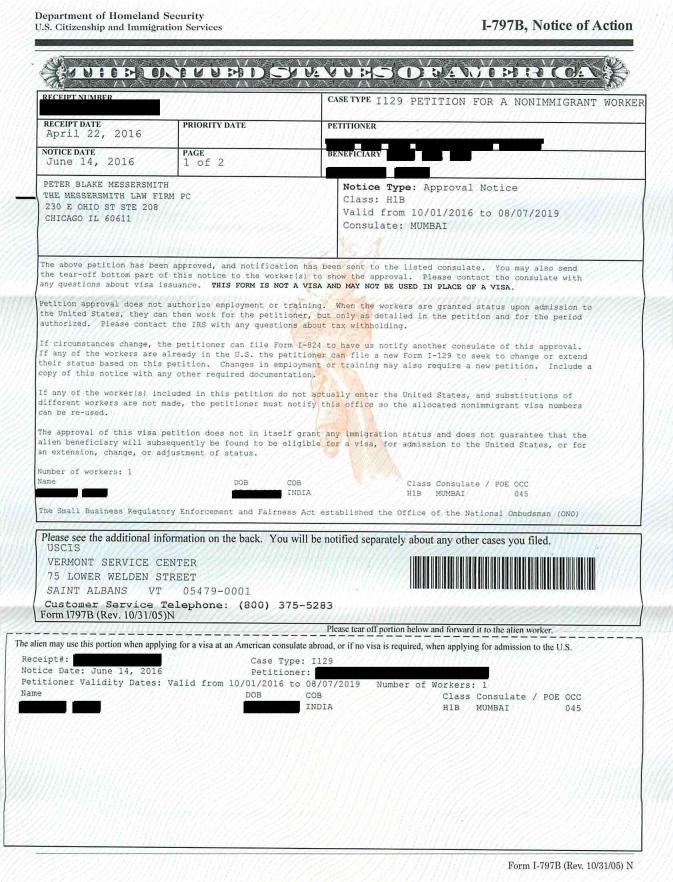
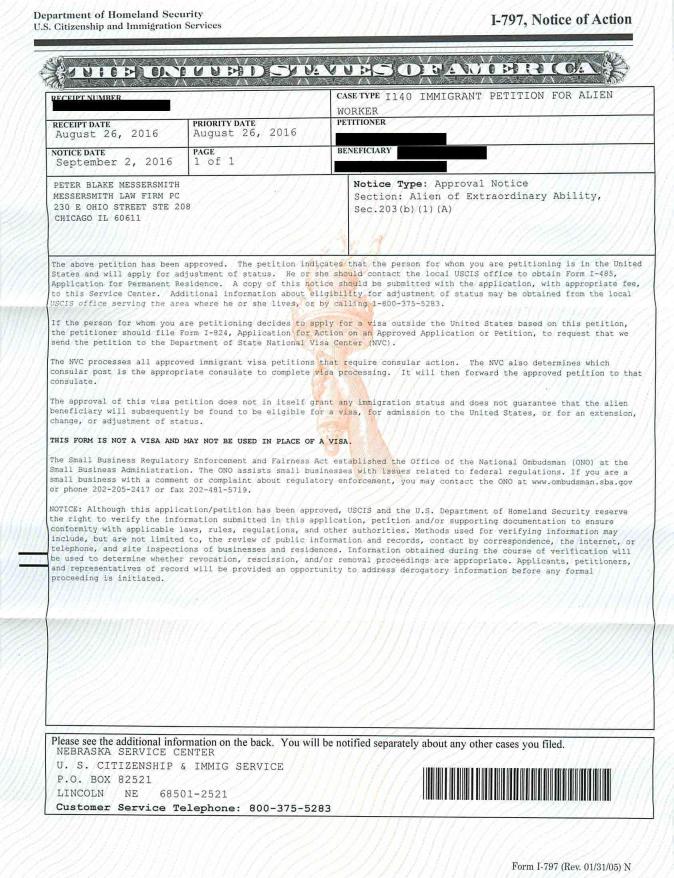
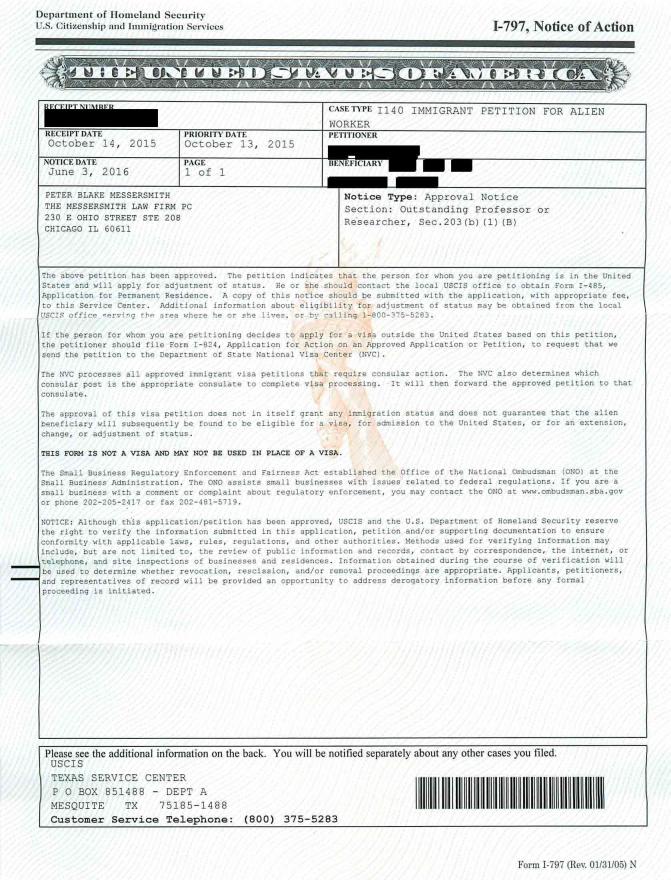
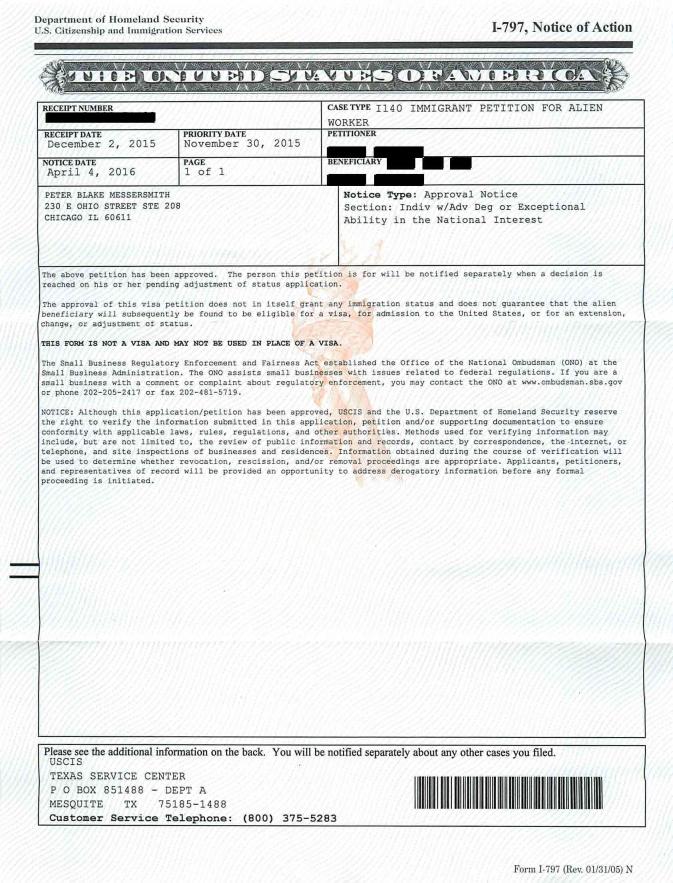
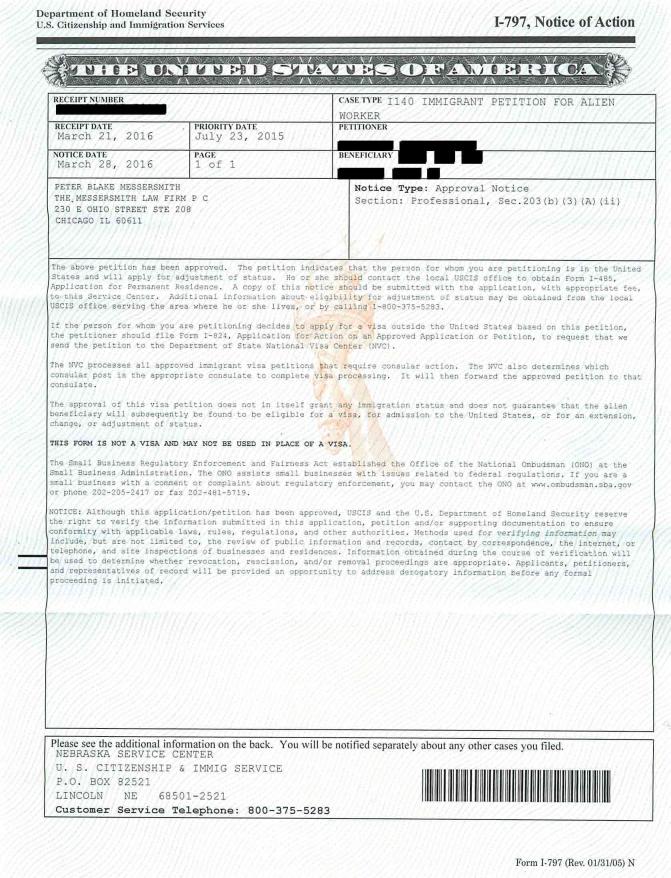
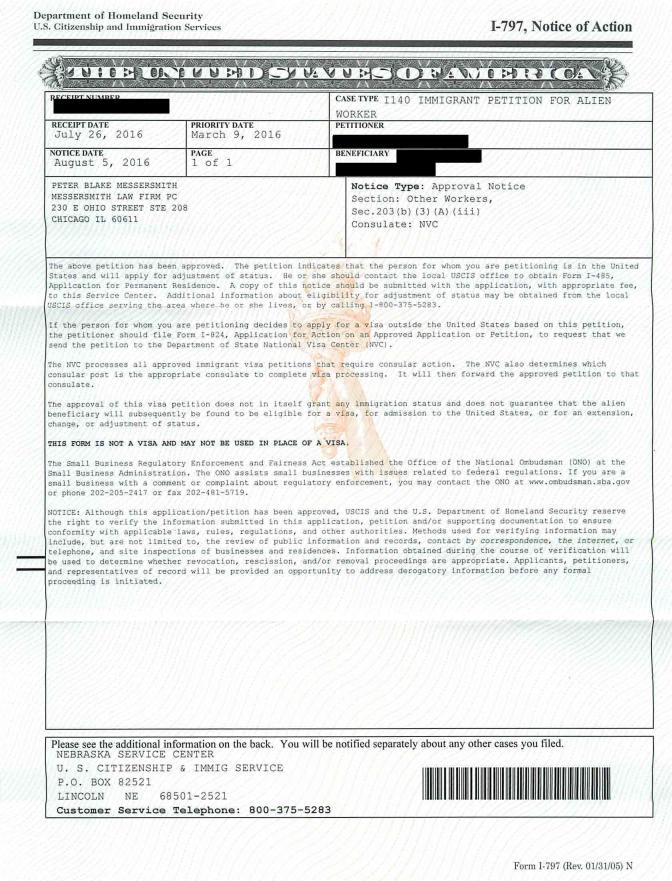
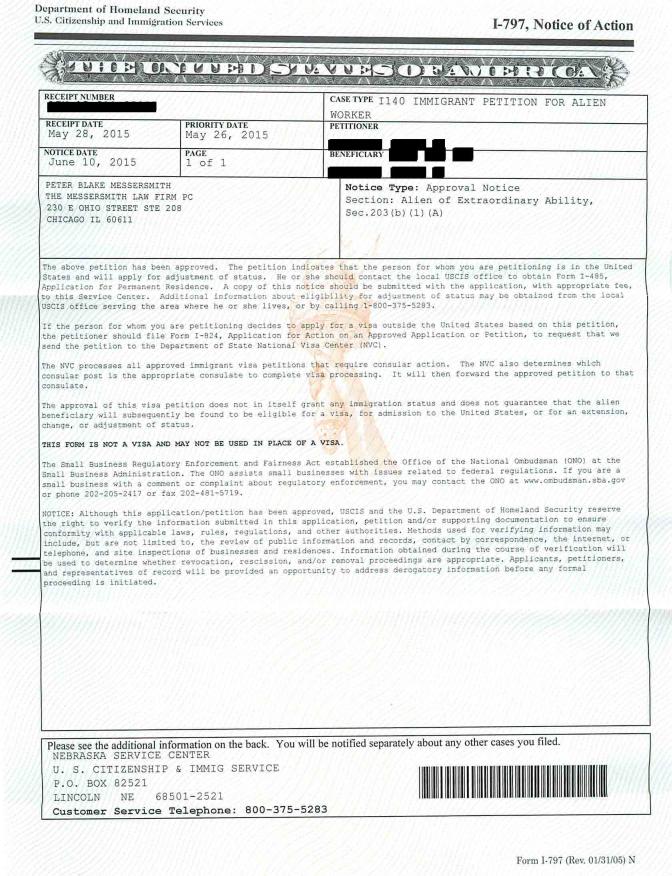
Some adjustment-of-status cases are based on employment. These filings are often tied to an approved immigrant petition or a petition that may be filed concurrently in qualifying cases. Employment-based adjustment of status is often affected by visa bulletin movement, visa availability, and the specific employment-based category being used. USCIS treats employment-based adjustment of status as a category where timing and filing eligibility are closely connected to the monthly visa-availability rules.
Immediate relatives and preference categories do not work the same way
Immediate-relative cases are different from preference-category cases. Some applicants may file without waiting for a priority date to become current, while others must wait for visa availability before filing Form I-485. This is one of the most important practical differences in adjustment-of-status planning and affects both family-based and employment-based cases.
Visa availability
Visa availability is one of the most important issues in many adjustment-of-status filings. In categories where visa numbers are limited, Form I-485 cannot be filed unless a visa is available under the applicable chart and filing rules. USCIS publishes monthly guidance on when applicants may file adjustment-of-status applications for family-sponsored and employment-based preference visas.
Priority dates
Priority dates often control timing in preference-category cases. Applicants frequently ask about adjustment of status together with priority-date questions because the case may be ready in every other respect but still not be fileable until the priority date is current under the applicable USCIS filing chart. USCIS specifically directs applicants to monthly visa-availability guidance and filing-chart instructions for Form I-485 timing.
When Form I-485 can be filed
The question of when to file is often one of the most important issues in the whole case. USCIS updates its filing guidance monthly and indicates whether applicants should use the Final Action Dates chart or the Dates for Filing chart for family-sponsored and employment-based adjustment-of-status cases. This means the answer can change from month to month, and filing strategy often depends on the current USCIS monthly announcement.
Concurrent filing in qualifying cases
Some adjustment-of-status cases may involve concurrent filing, while others require the immigrant petition to be approved first. Whether concurrent filing is available depends on the immigration category and visa-availability rules at the time of filing. This is an important planning issue in both family-based and employment-based cases.
Work authorization and travel documents during a pending I-485
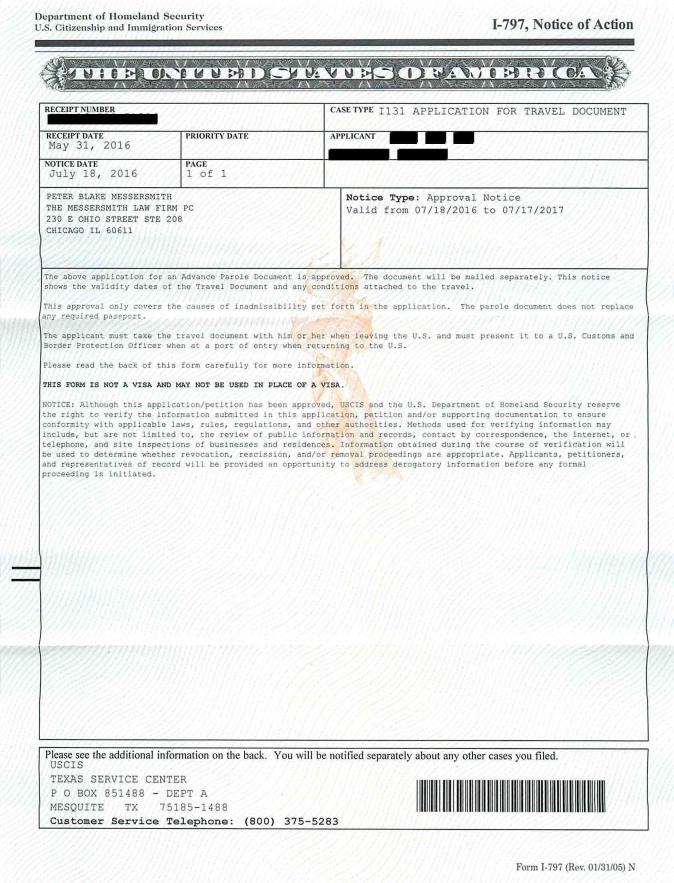
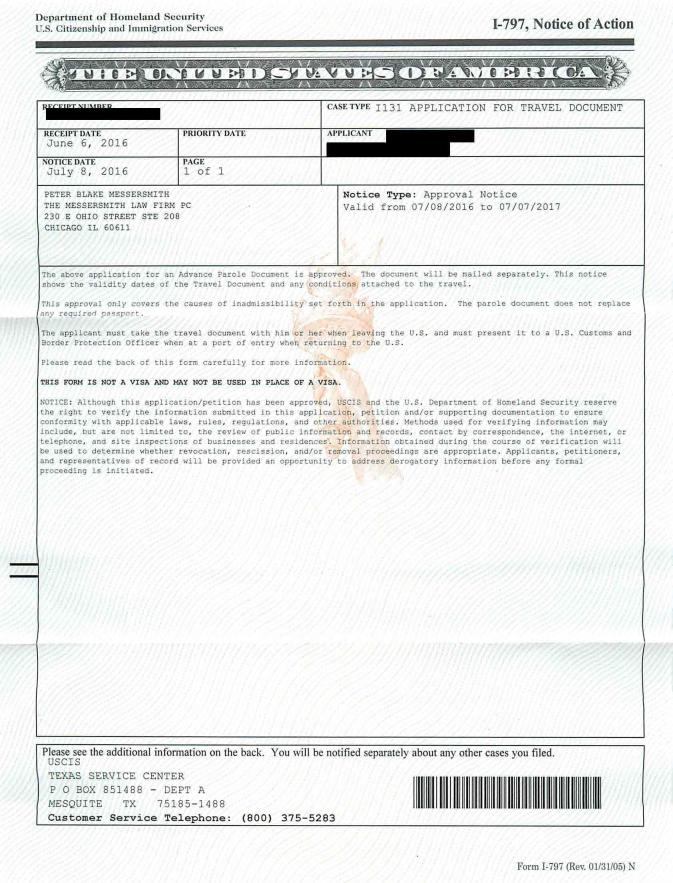
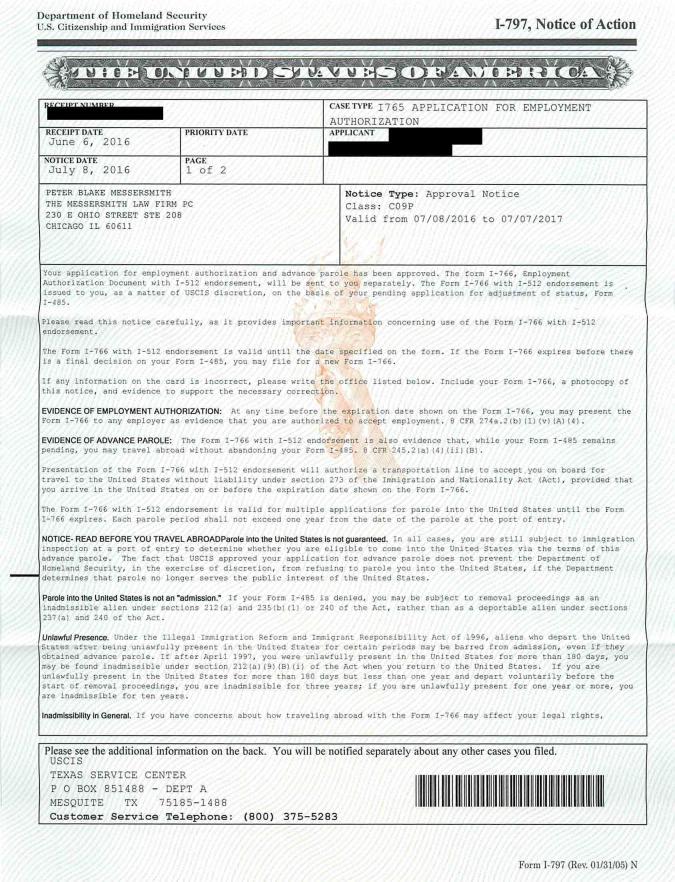
Many applicants also file for employment authorization or advance parole while the adjustment-of-status case is pending. These filings are often part of the overall strategy because applicants want to understand not only how to file Form I-485, but what can happen while the case remains pending inside the United States.
Common questions in adjustment-of-status cases
Common questions include:
- Can I file Form I-485 now?
- Is a visa immediately available in my category?
- What is the difference between immediate-relative adjustment and preference-category adjustment?
- How do priority dates affect adjustment of status?
- When does USCIS allow the Dates for Filing chart?
- Can I file adjustment of status through family sponsorship?
- Can I file adjustment of status through employment sponsorship?
- What documents are required with Form I-485?
Common documents in adjustment-of-status cases
Adjustment-of-status filings often include:
- Form I-485
- immigrant petition records or category-based eligibility documents
- identity and civil records
- visa-availability support where relevant
- medical examination records
- financial sponsorship documents where required
- employment authorization or travel document forms where relevant
- category-specific initial evidence