Green Card Options for Employment-Based and Family-Based Immigration

Green Card Options for Employment-Based and Family-Based Immigration

Green Card Options for Employment-Based and Family-Based Immigration

People often inquire about this issue as green card, U.S. green card, permanent residency, permanent resident card, employment-based green card, family-based green card, green card lawyer, green card through employment, or green card through family. This page provides an overview of major green card categories for people seeking permanent residence in the United States, including employment-based green cards, family-based green cards, religious worker and other special immigrant categories, and adjustment of status options. Green card cases often involve employer sponsorship, extraordinary ability, national interest waiver strategy, PERM labor certification, family relationships, marriage-based residency, and long-term immigration planning.

Explore green card options by category to find the permanent residence path that best fits your employment, family, humanitarian, or case-strategy needs.


Employment-based green cards

These green card categories are commonly used by professionals, researchers, executives, managers, skilled workers, religious workers, and investors seeking permanent residence through employment, business activity, or qualifying work in the United States. USCIS groups permanent-worker cases into employment-based categories such as EB-1, EB-2, EB-3, and EB-4, and investor cases like EB-5 are also part of the broader green card system.

EB1A for Researchers and Scientists

Extraordinary Ability

EB1A for Other Fields

Extraordinary Ability

EB1B

Outstanding Professors and Researchers

EB1C

Multinational Managers and Executives

NIW for Researchers and Scientists

National Interest Waiver

NIW for Other Fields

National Interest Waiver

EB2

Advanced Degree and Exceptional Ability

Schedule A

Pre-Certified Occupations

EB3

Skilled Workers and Professionals

PERM

Labor Certification

EB4

EB4 Religious Green Card

EB5

Investment Immigration

Family-based green cards

These green card categories are commonly used by spouses, relatives, and adoptive families seeking permanent residence through a qualifying family relationship. USCIS separately treats family-based green card eligibility as one of the main paths to permanent residence.

Marriage Green Card

Spouses of U.S. Citizens and Residents

Family Based Green Card

Qualifying Family Relationships

Adoption

Green Card Through Adoption

Humanitarian and protective green card options

These green card categories are commonly used by applicants seeking permanent residence through humanitarian protection or other special forms of relief, including certain violence-based and asylum-based pathways. USCIS includes humanitarian-based and special-protection categories among the broader green card eligibility options.

VAWA

Abused Spouses, Children, and Parents

Asylum

Protection-Based Permanent Residence

Green card process and case strategy

These pages focus on the permanent residence process itself, including adjustment of status, case transitions, and issues that can affect eligibility, timing, or case strategy. USCIS treats adjustment of status as one of the main processes used to obtain permanent residence from within the United States.

AOS

Adjustment of Status

Immigration Divorce

Family-Based Case Issues

Green card options for the United States

Choosing the right green card path depends on the applicant’s background, family relationships, work history, professional qualifications, immigration goals, and the category that best fits the case. Some green card categories are based on employment, extraordinary ability, national interest, labor certification, or investment. Others are based on marriage, family relationships, humanitarian protection, religious work, or other special immigrant rules.

This page is designed to help applicants, families, employers, professionals, researchers, executives, entrepreneurs, and investors find the green card category that best fits their situation. Some cases focus on employment-based immigration and long-term career planning. Others focus on marriage, family relationships, humanitarian relief, or permanent residence process strategy.

If you are not sure which green card category fits your situation, start with the sections above and review the individual category pages for more detailed eligibility rules, filing strategy, and process guidance.

Common green card categories

Common options on this page include:

  • employment-based green cards
  • family-based green cards
  • extraordinary ability and national interest waiver cases
  • marriage and family green cards
  • PERM and employer-sponsored green cards
  • EB-5 investor immigration
  • adjustment of status
  • religious worker and humanitarian green card options

Find the right permanent residence path

Use this page as a starting point for:

  • employment-based green cards
  • family-based green cards
  • investor green cards
  • humanitarian and protective green card options
  • green card process and case strategy

Frequently asked questions about green card options

What is a green card?

A green card is proof of lawful permanent resident status in the United States. It allows a person to live and work permanently in the country if they qualify under an approved immigration category.

What is the difference between an employment-based green card and a family-based green card?

An employment-based green card is based on work, professional qualifications, business activity, investment, or a qualifying employment category. A family-based green card is based on a qualifying relationship with a U.S. citizen or lawful permanent resident.

What are the main employment-based green card categories?

Common employment-based categories include EB1A, EB1B, EB1C, NIW, EB2, Schedule A, EB3, PERM, EB4, and EB5.

What is the difference between EB1A and NIW?

EB1A is based on extraordinary ability. NIW is a national interest waiver category within EB2. The two categories use different legal standards, evidence strategies, and filing structures.

What is PERM labor certification?

PERM is the labor certification process used in many employer-sponsored green card cases. It is commonly part of the path for EB2 and EB3 cases when a waiver or exempt category does not apply.

What is adjustment of status?

Adjustment of status is the process used by many applicants who are already in the United States and want to apply for permanent residence without leaving the country for consular processing.

Can a green card be based on marriage or family relationships?

Yes. Many applicants obtain permanent residence through marriage to a U.S. citizen or lawful permanent resident, through other qualifying family relationships, or through adoption-based immigration cases.

Can humanitarian cases lead to a green card?

Yes. Some applicants may qualify for permanent residence through humanitarian or protective categories, including asylum-based and certain abuse-based immigration options.

Can an investor qualify for a green card?

Yes. Some applicants may qualify for permanent residence through investment-based immigration, including EB5, if the legal requirements for that category are met.

How do I know which green card category is right for me?

The right category depends on the applicant’s qualifications, family relationships, work history, immigration goals, and the specific facts of the case. Some applicants qualify through employment, some through family, some through investment, and others through humanitarian or special immigrant categories.

Thousands of Approved Cases

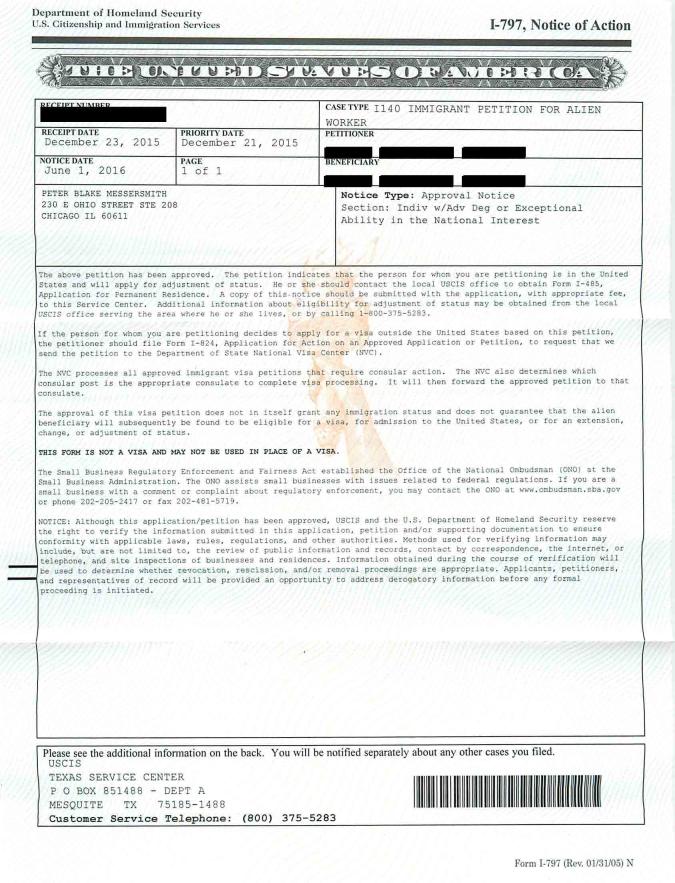
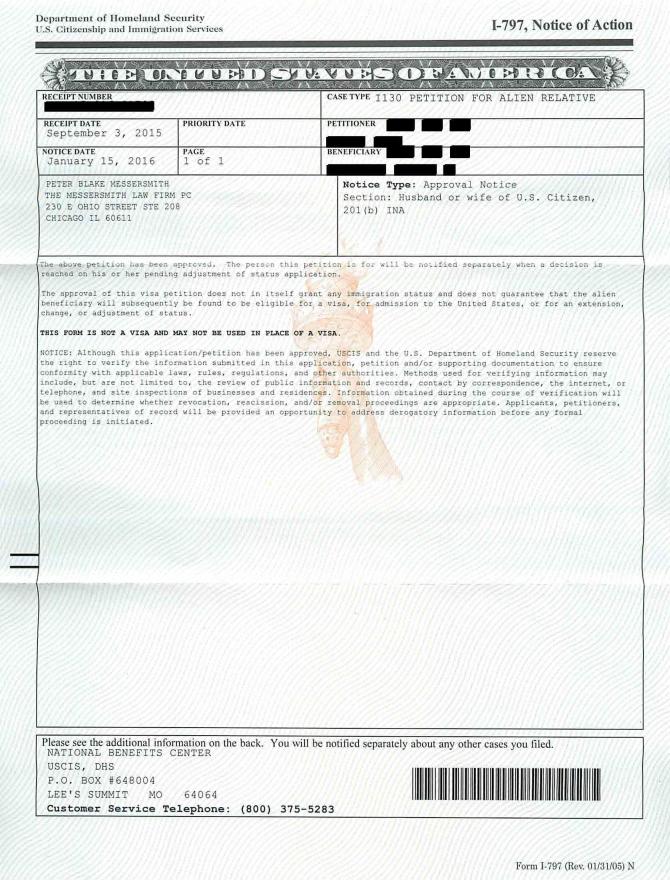
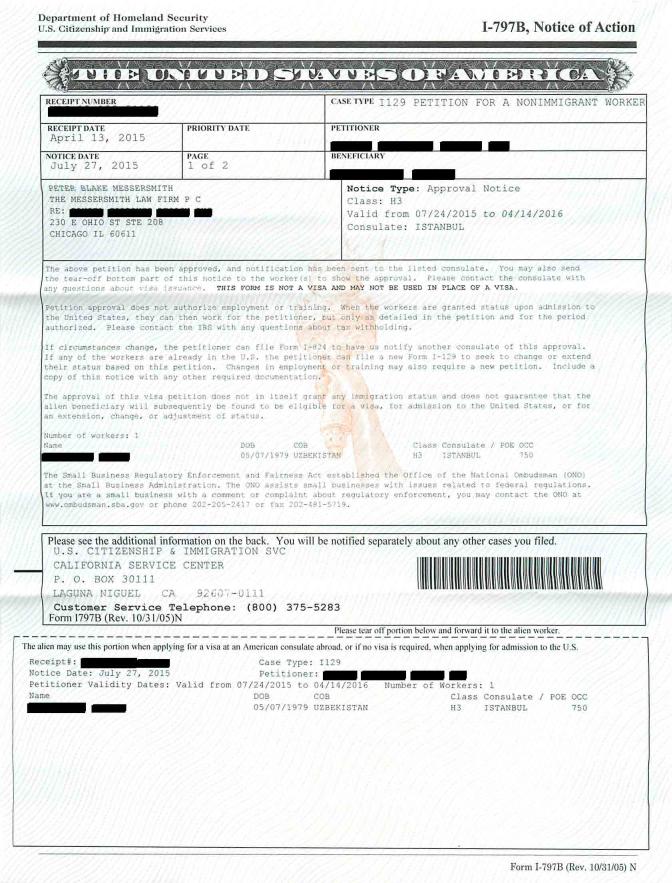
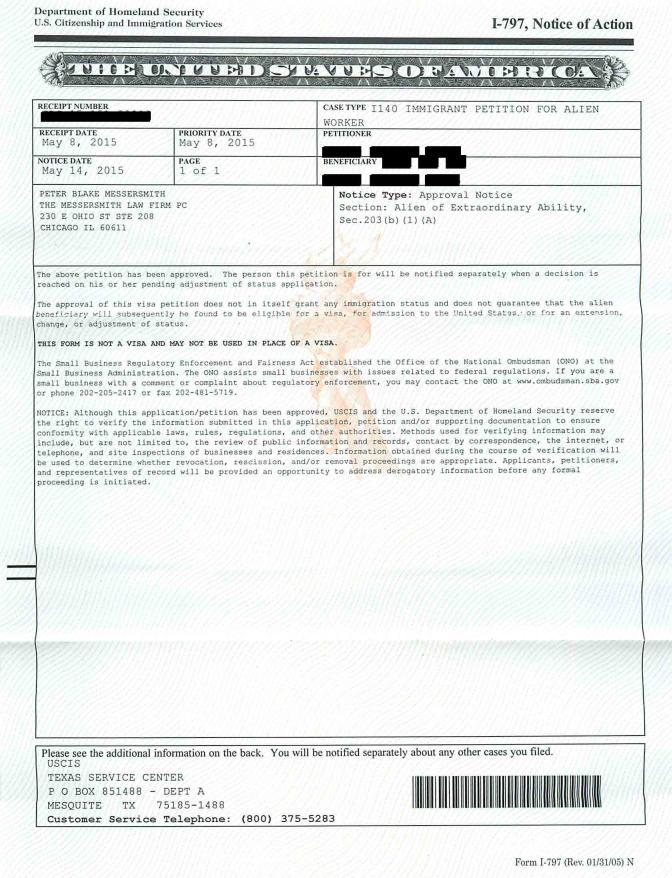
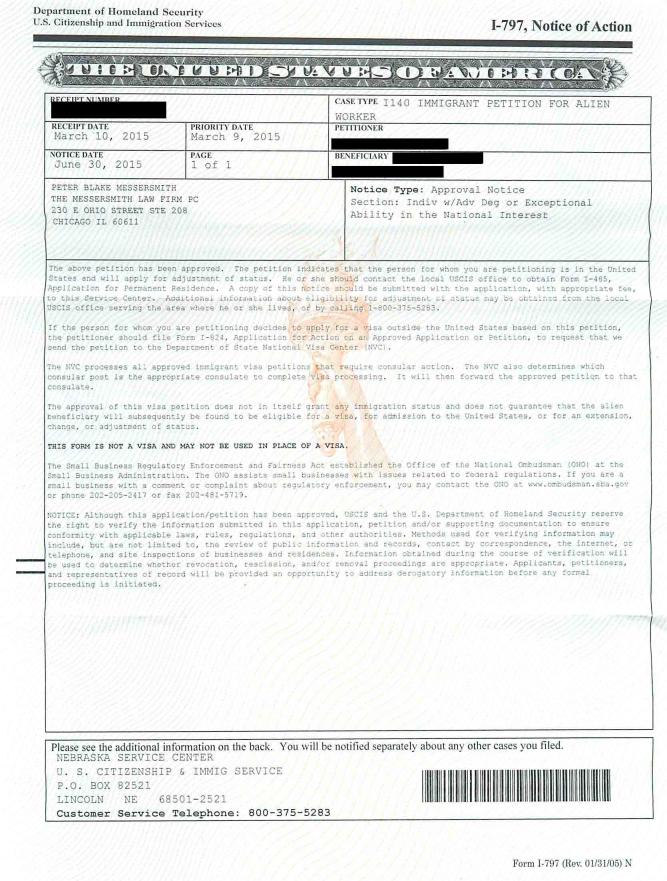
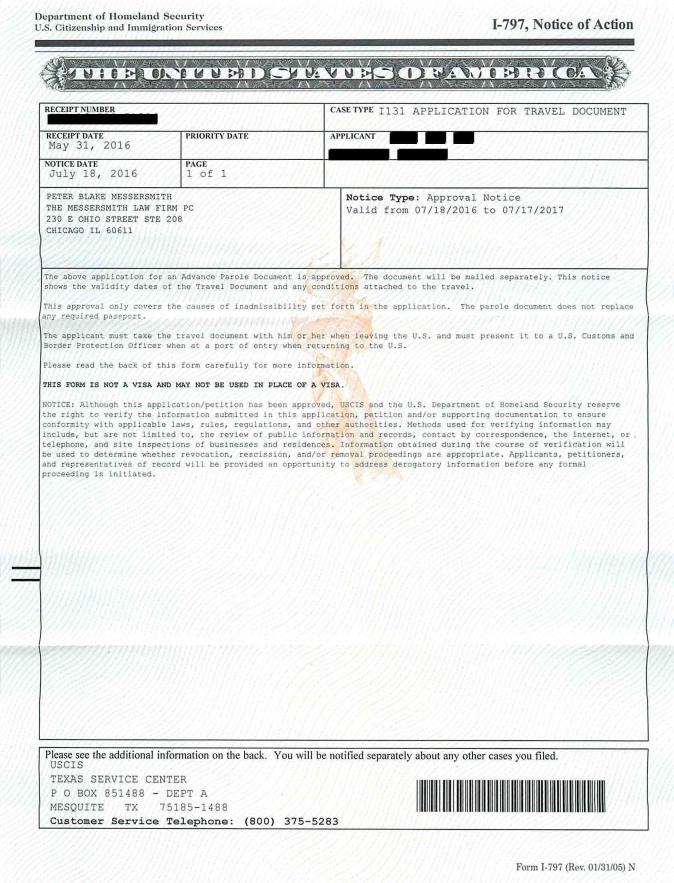
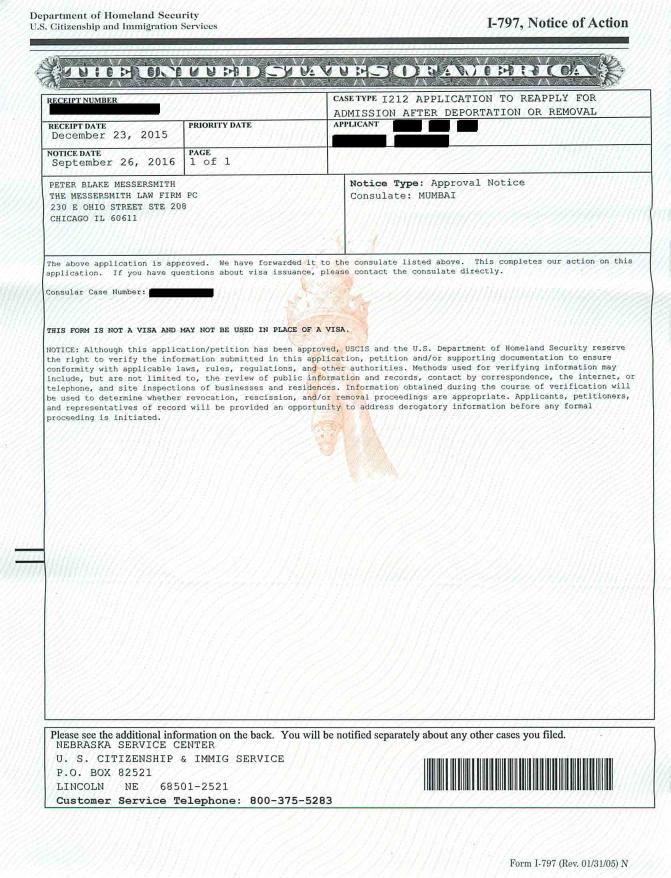
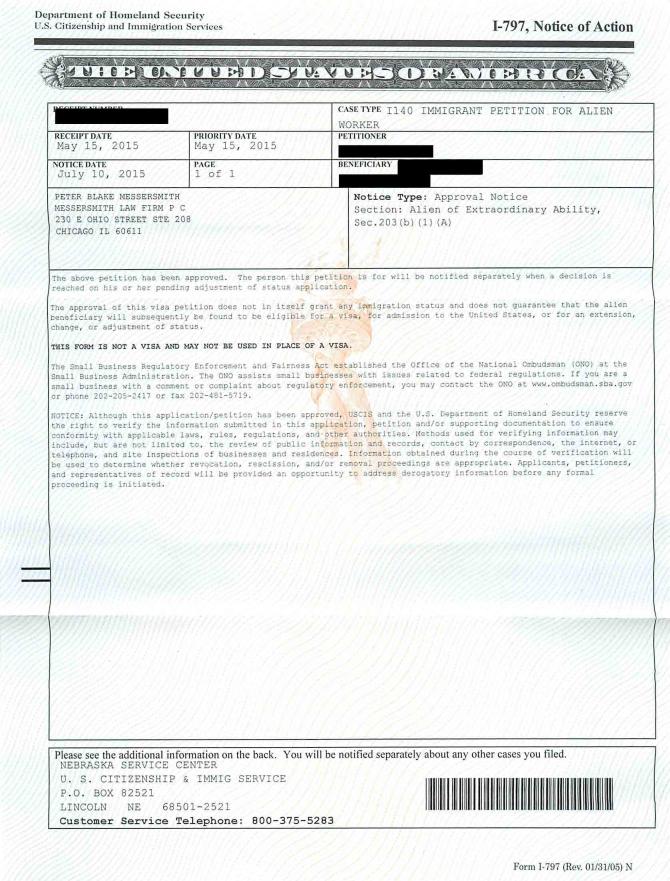
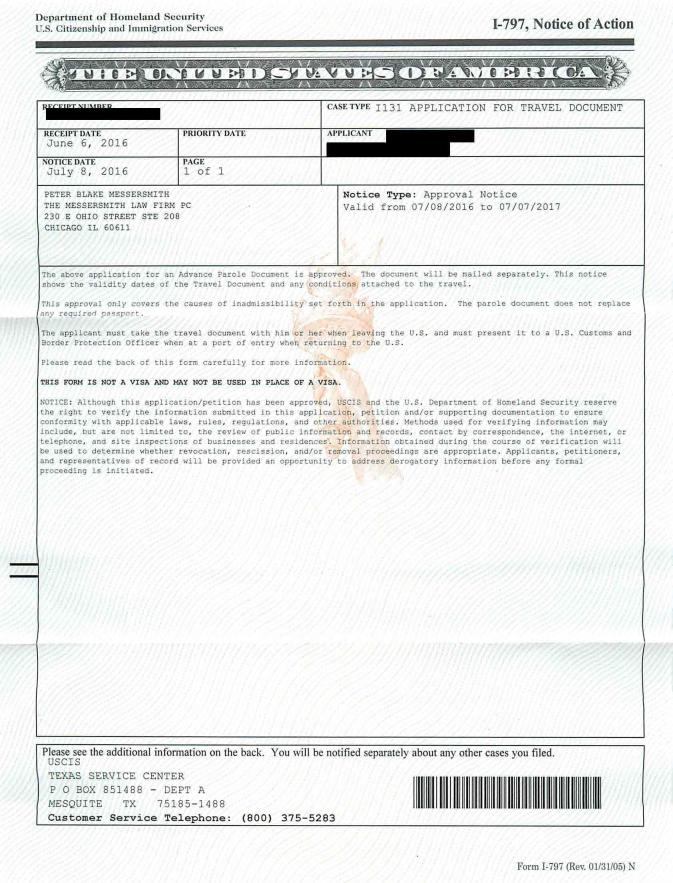
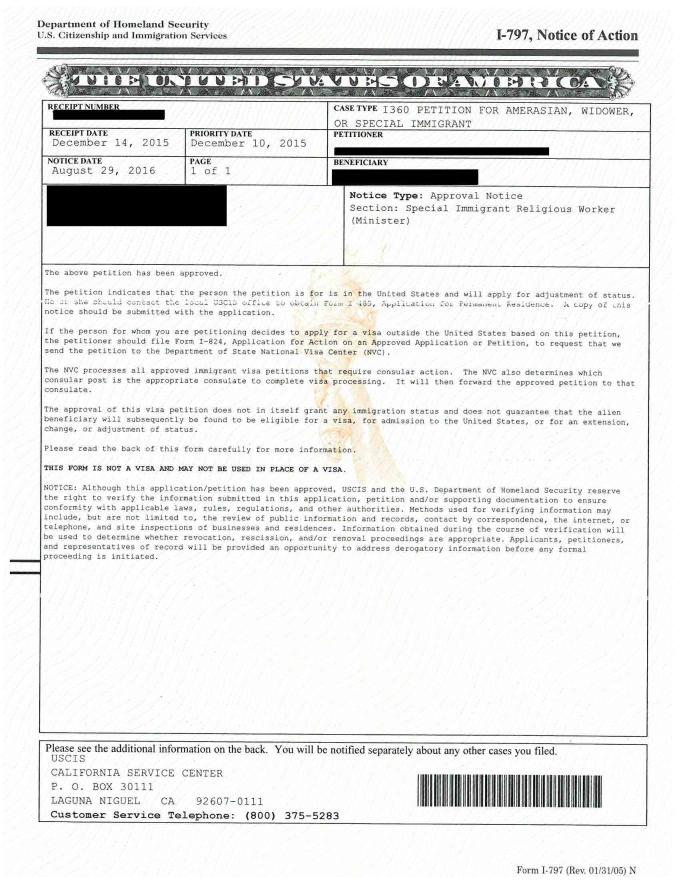
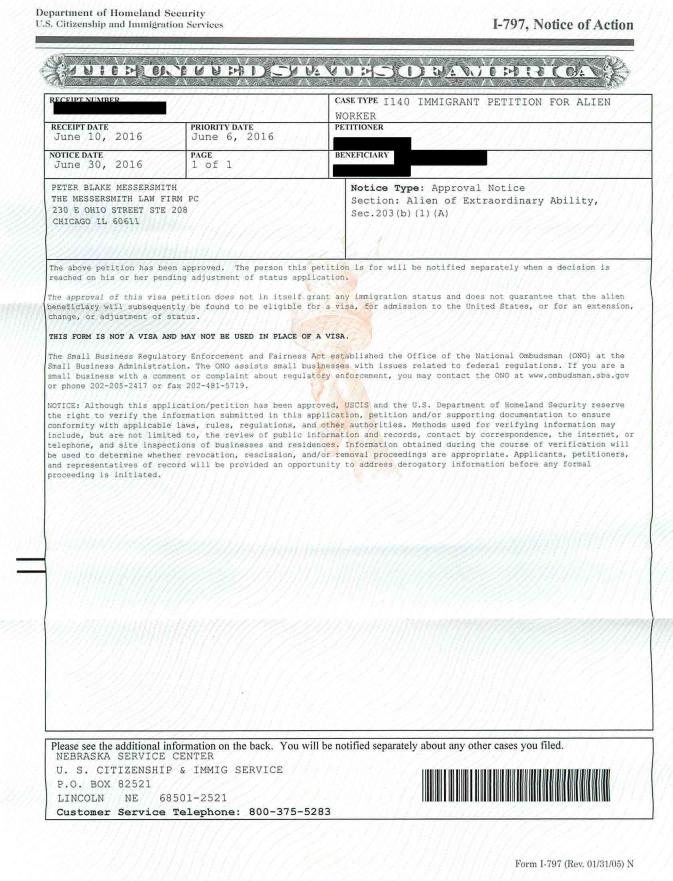
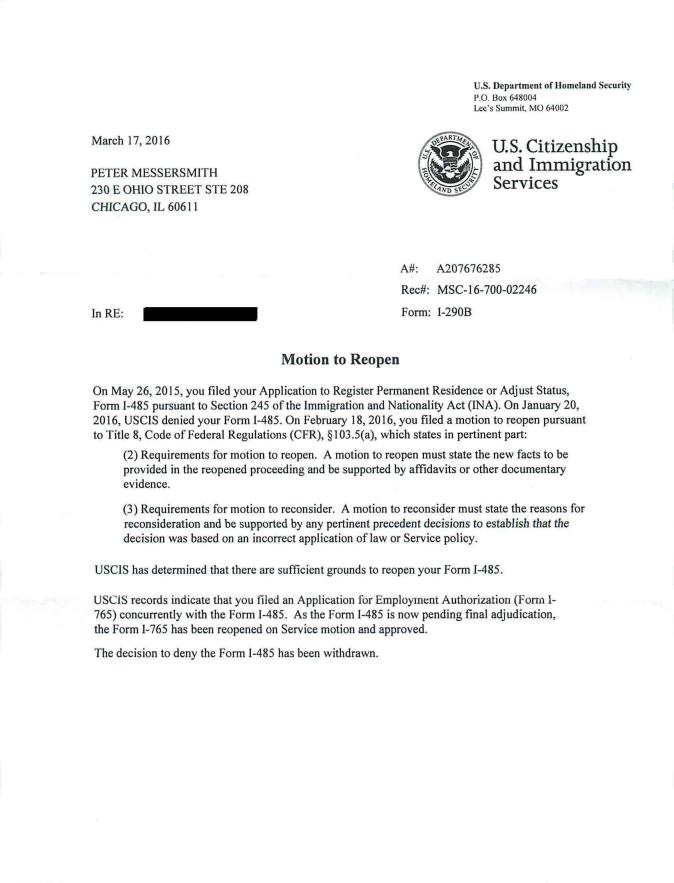
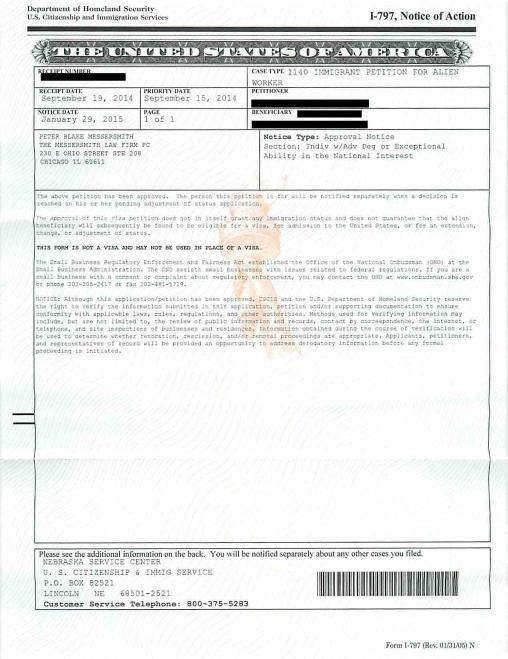
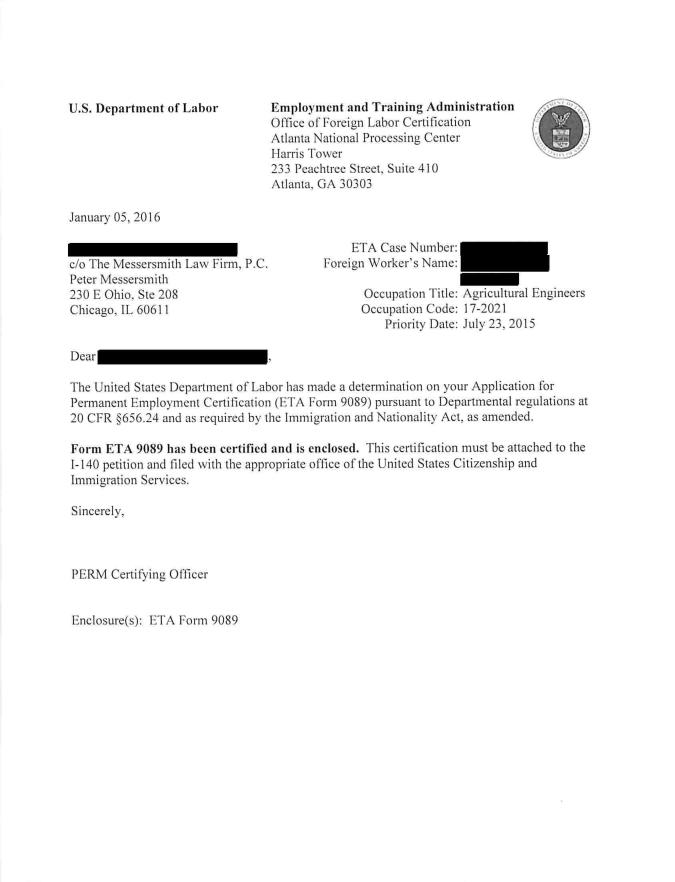
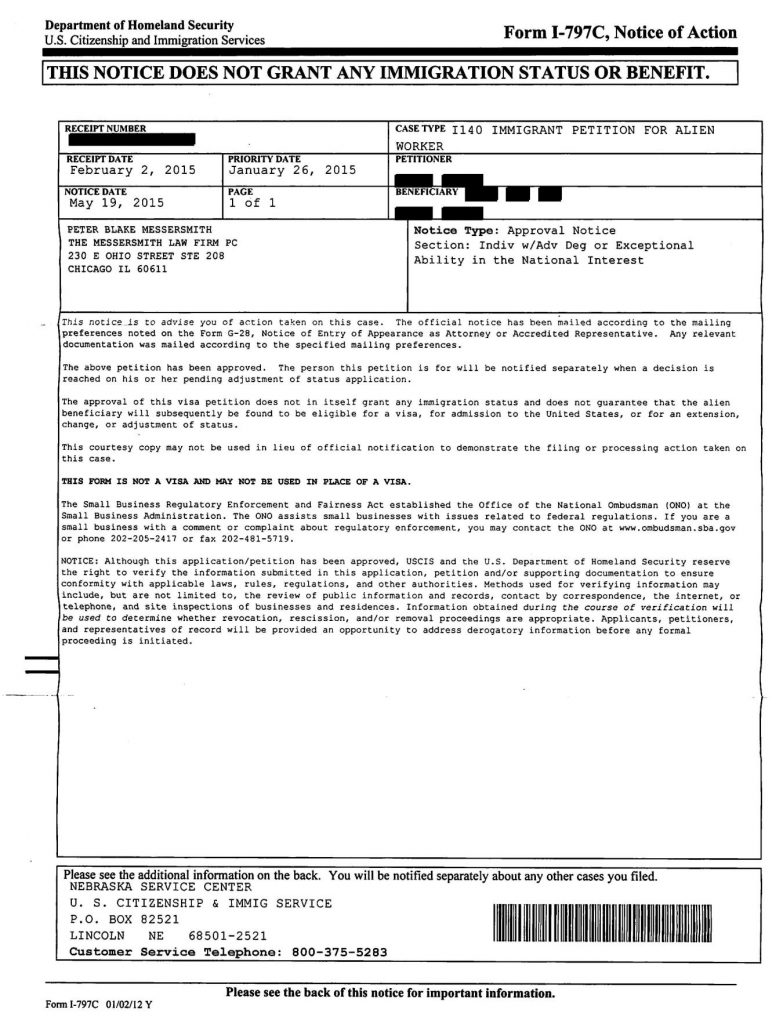
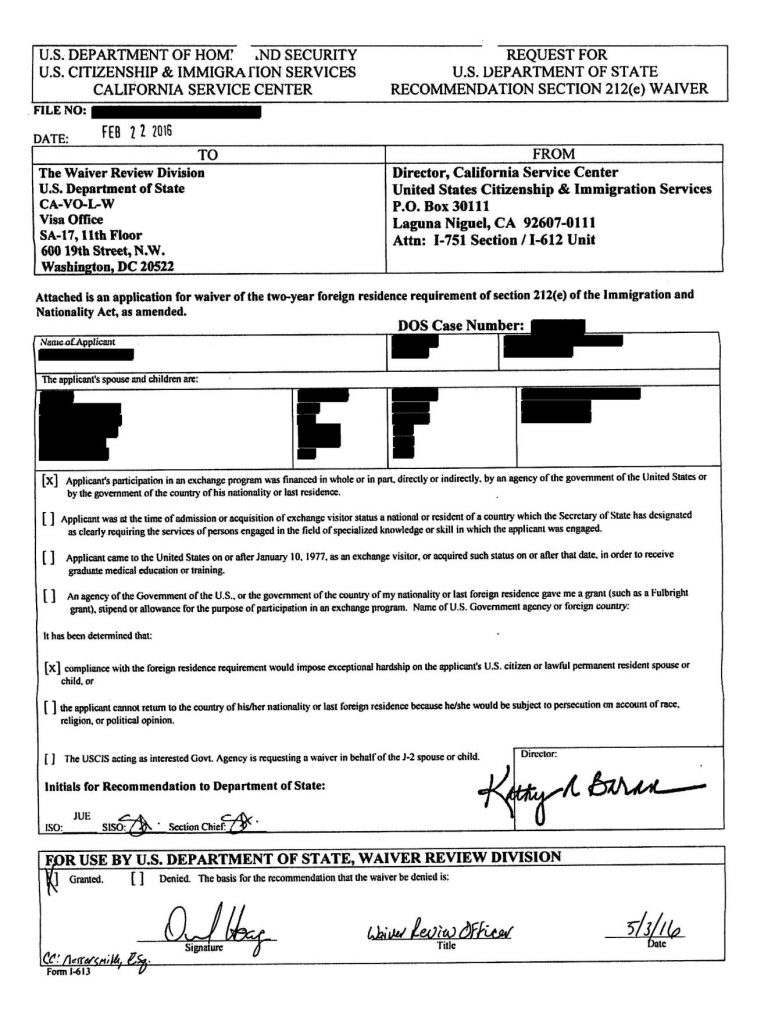
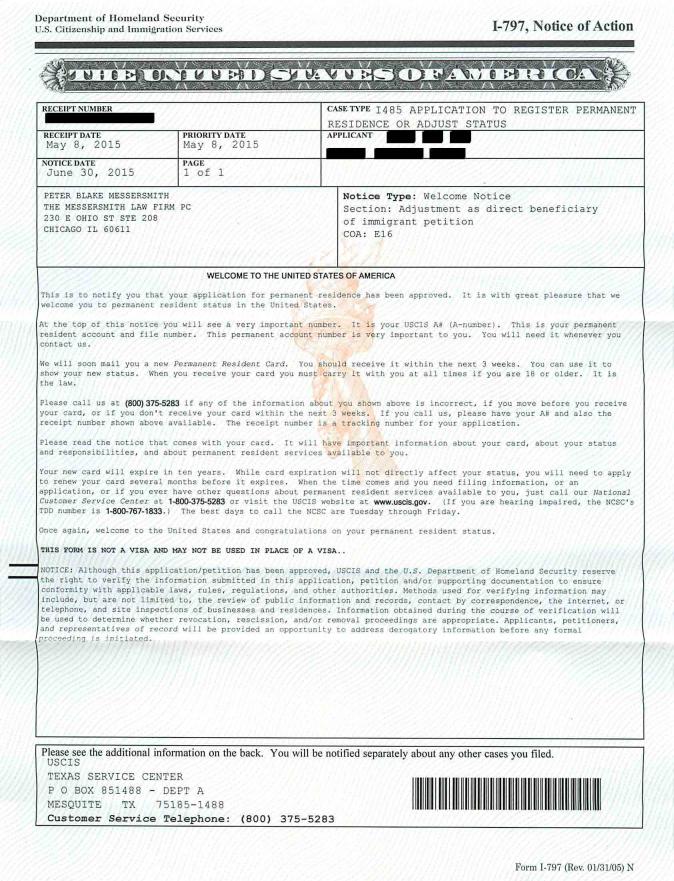
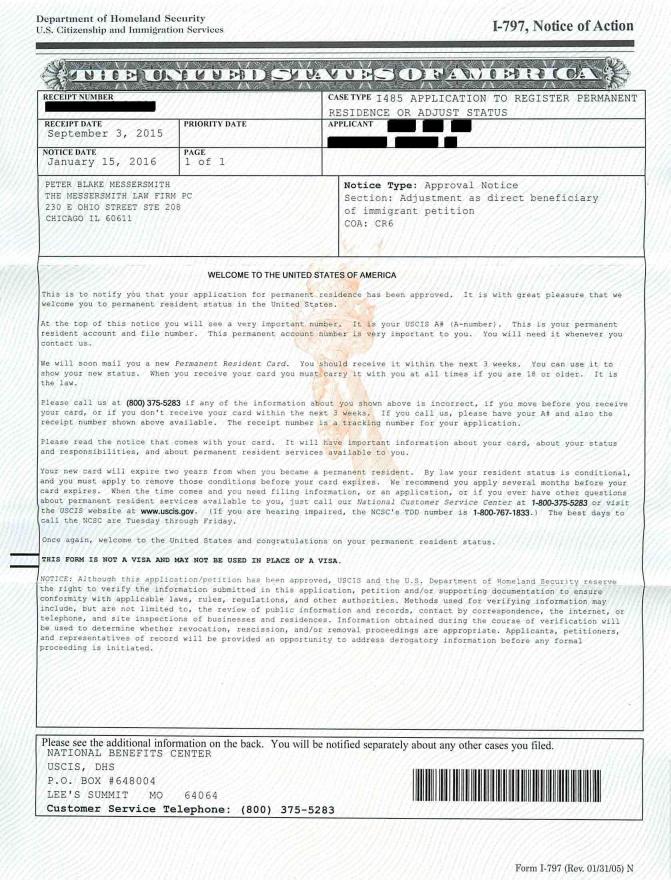
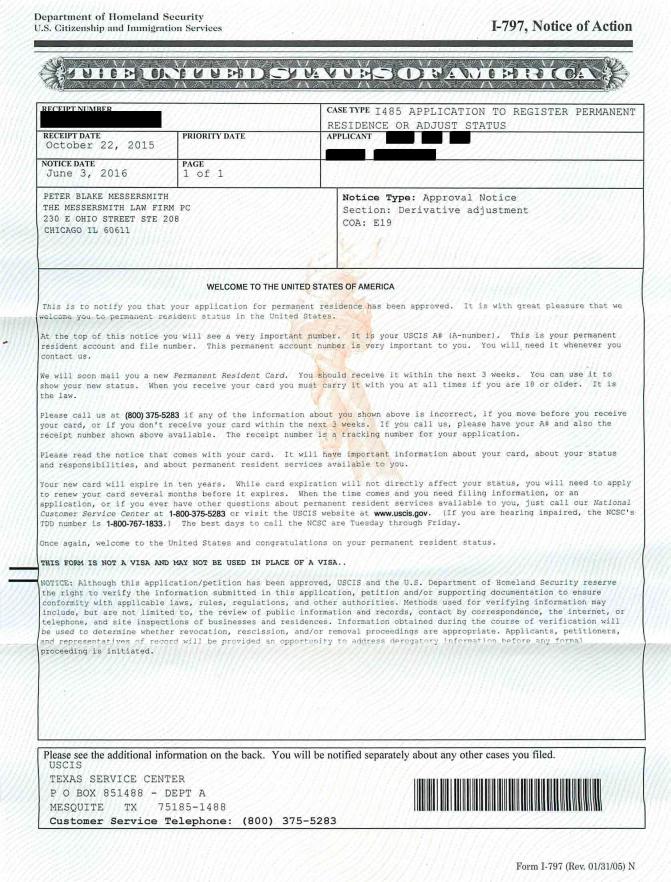
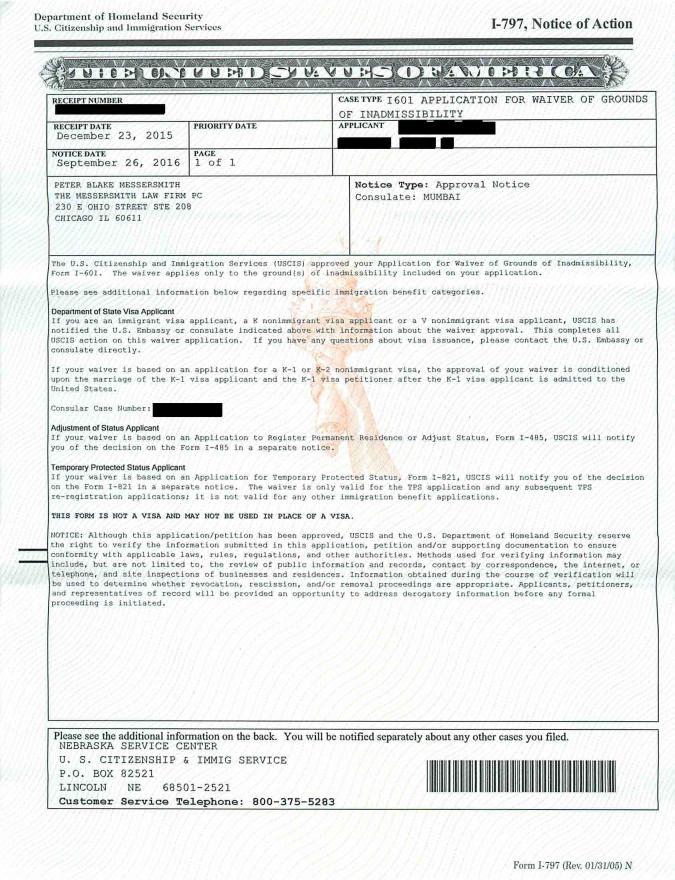
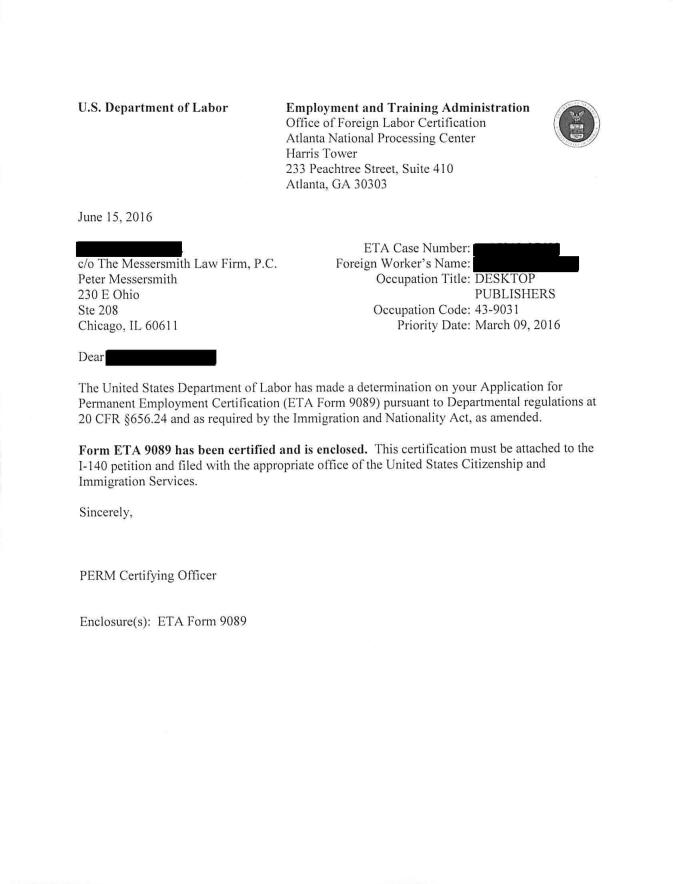
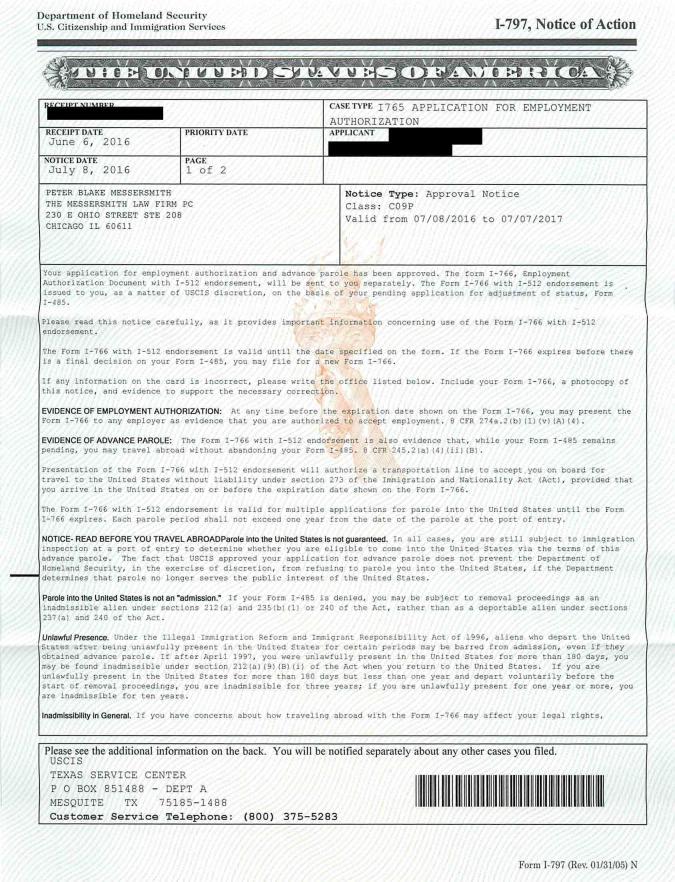
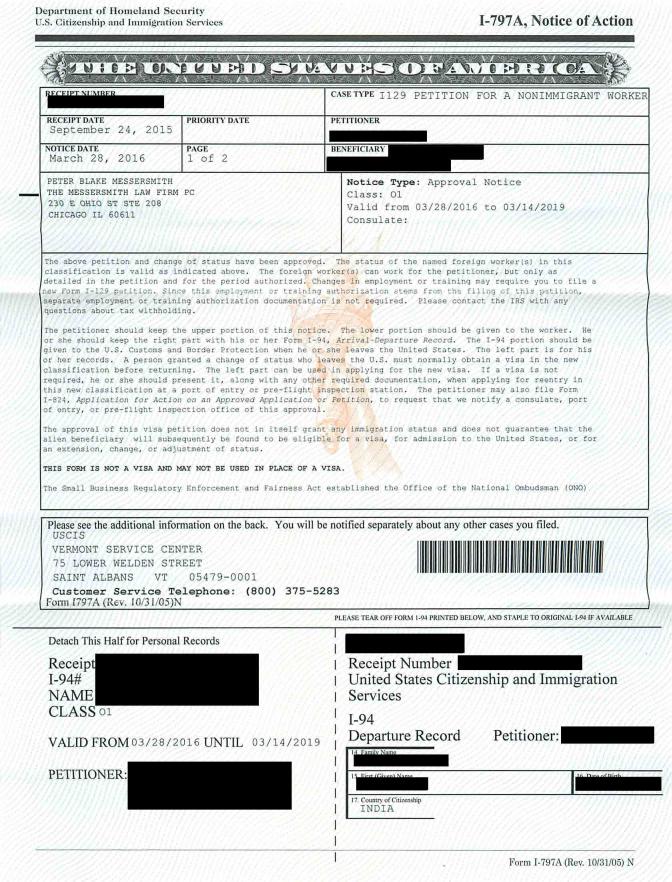
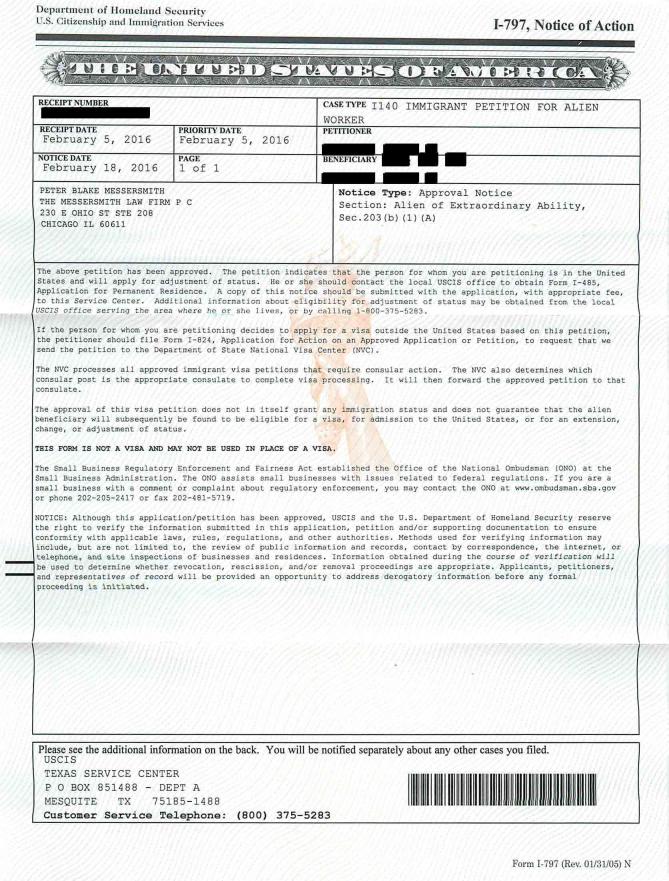
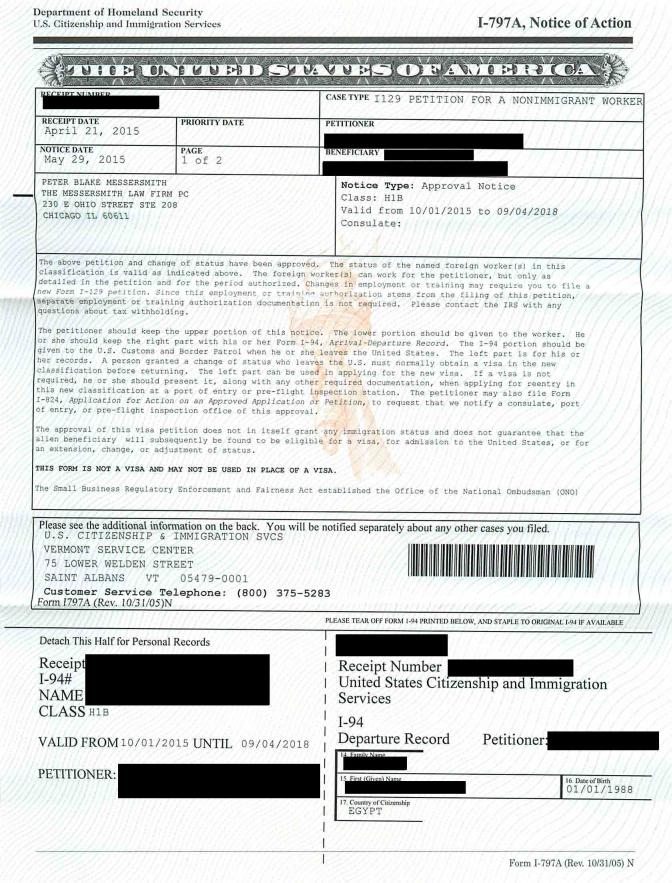
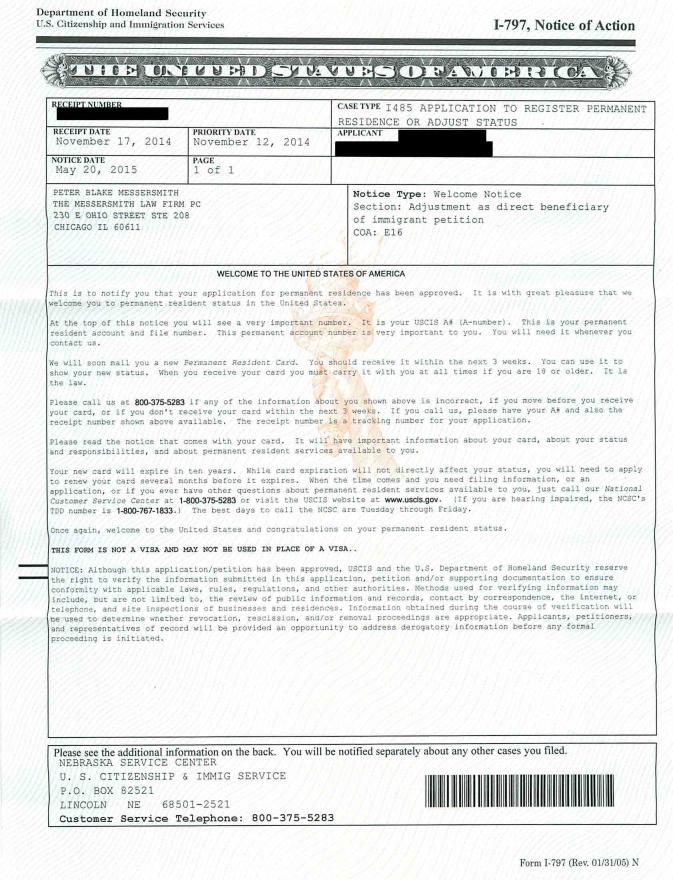
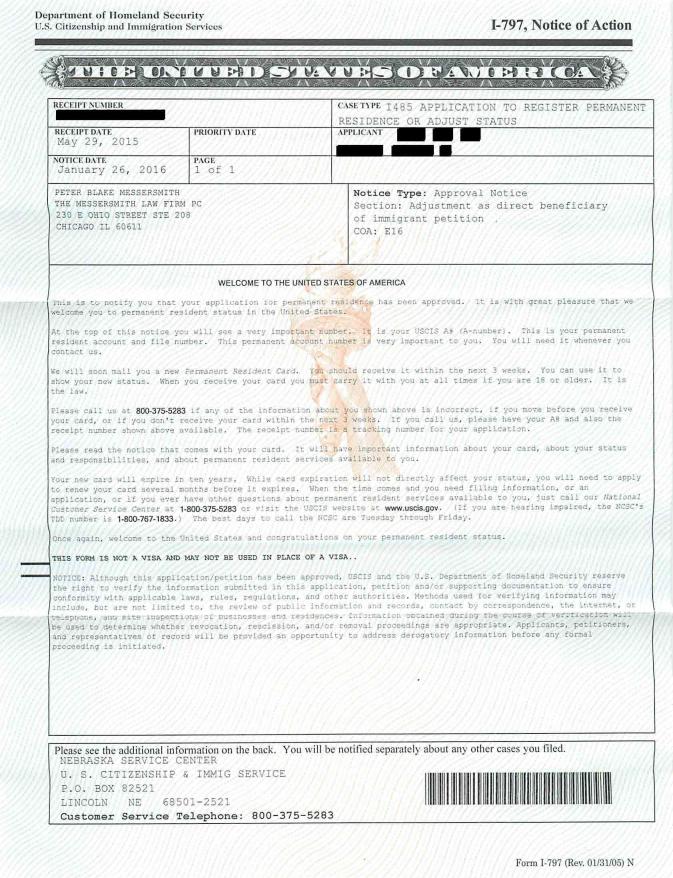
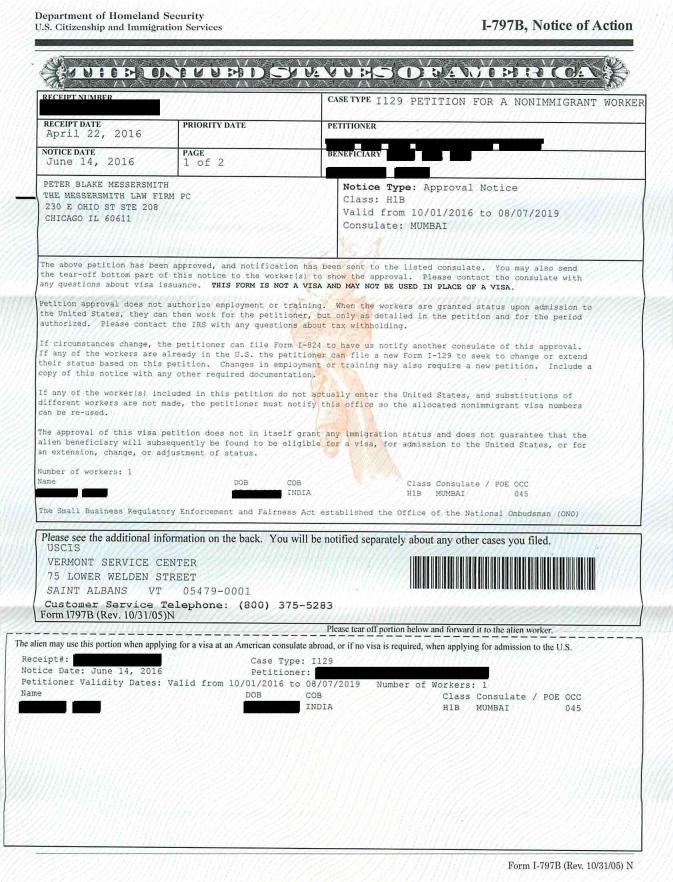
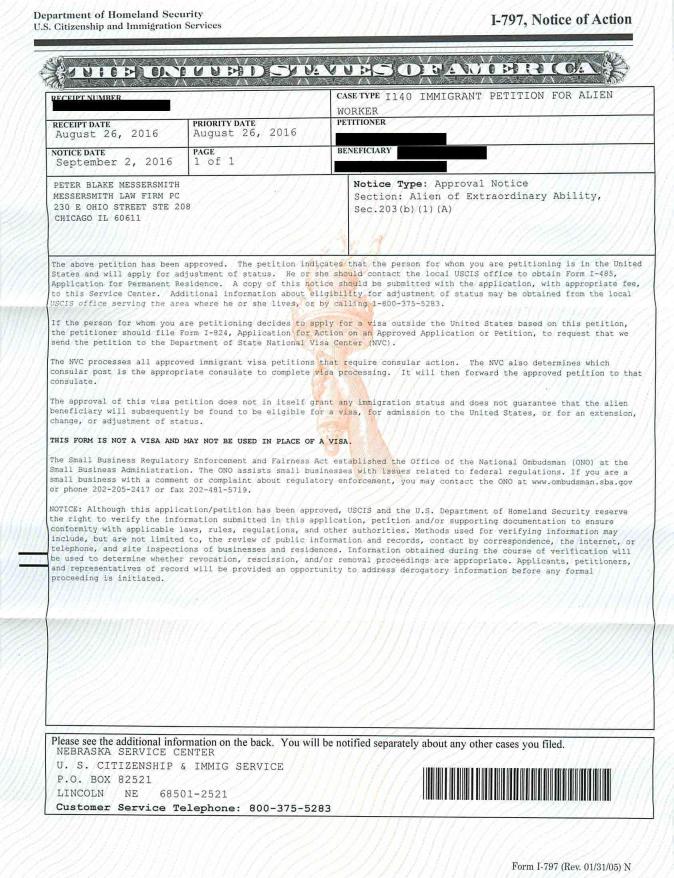
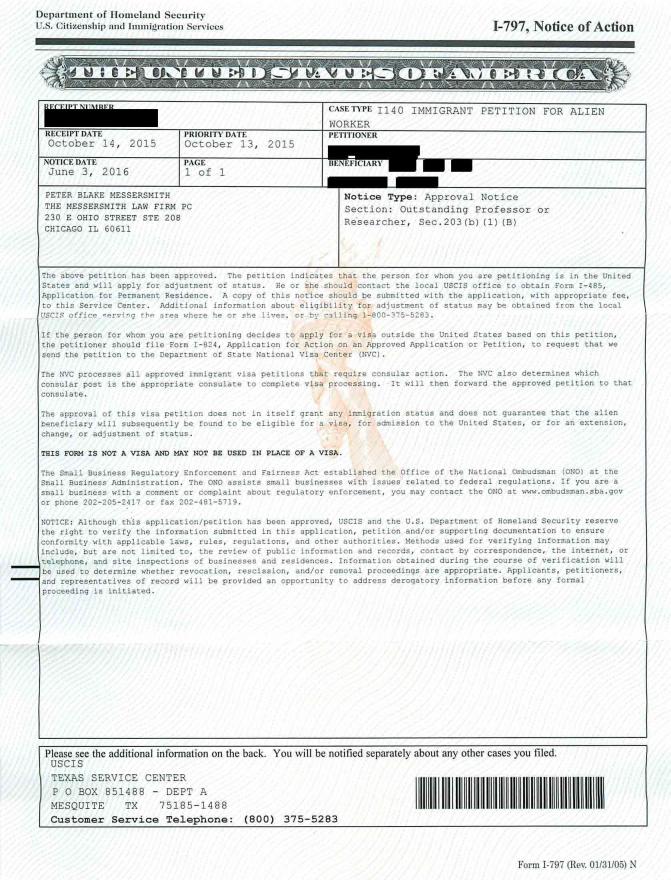
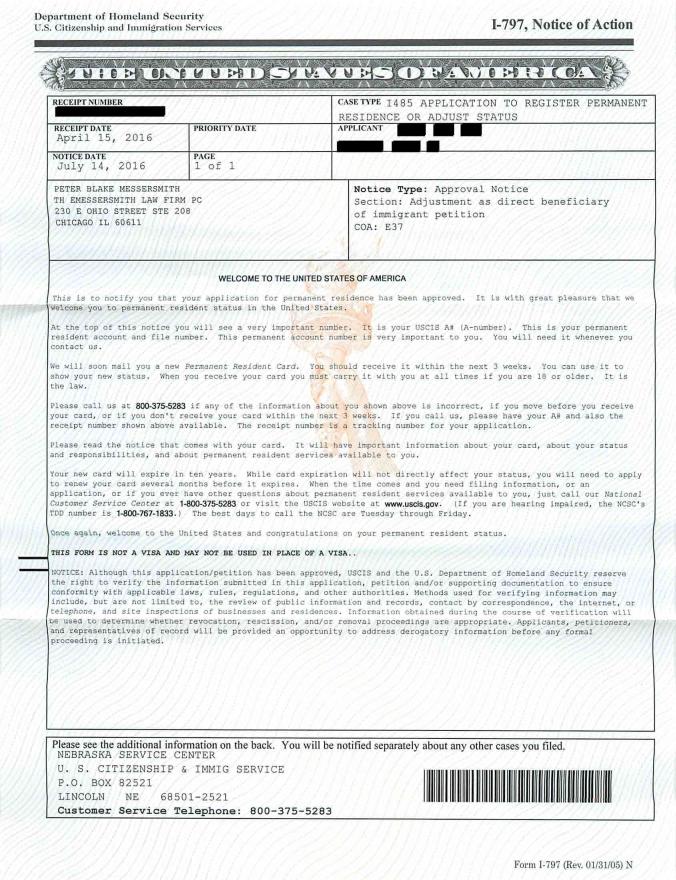
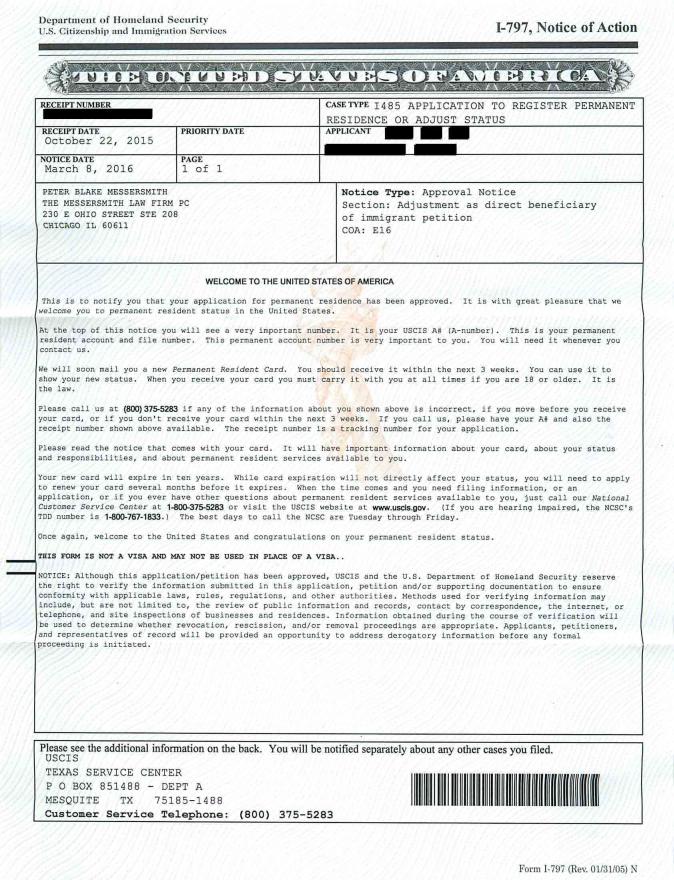
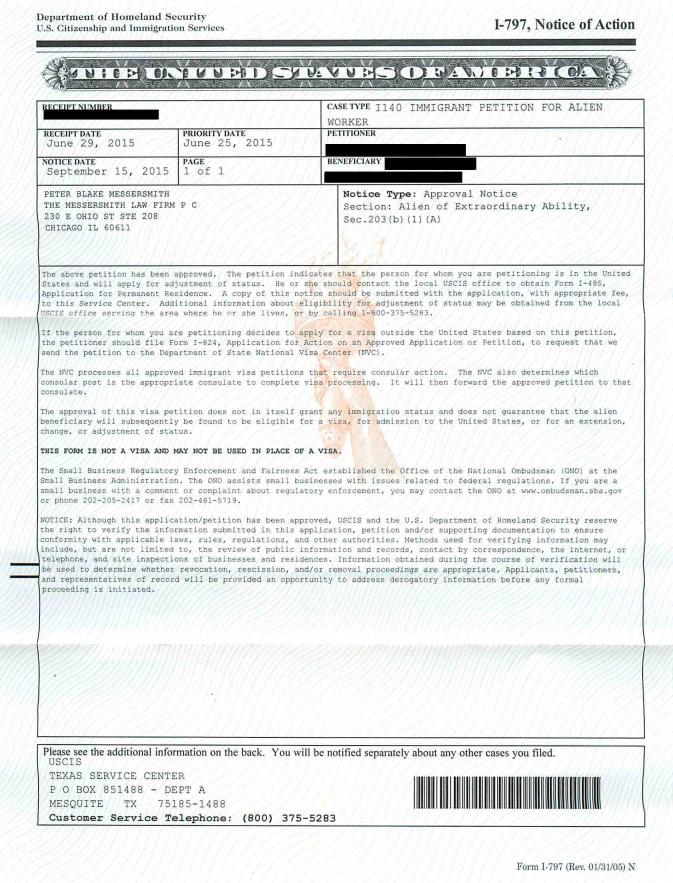
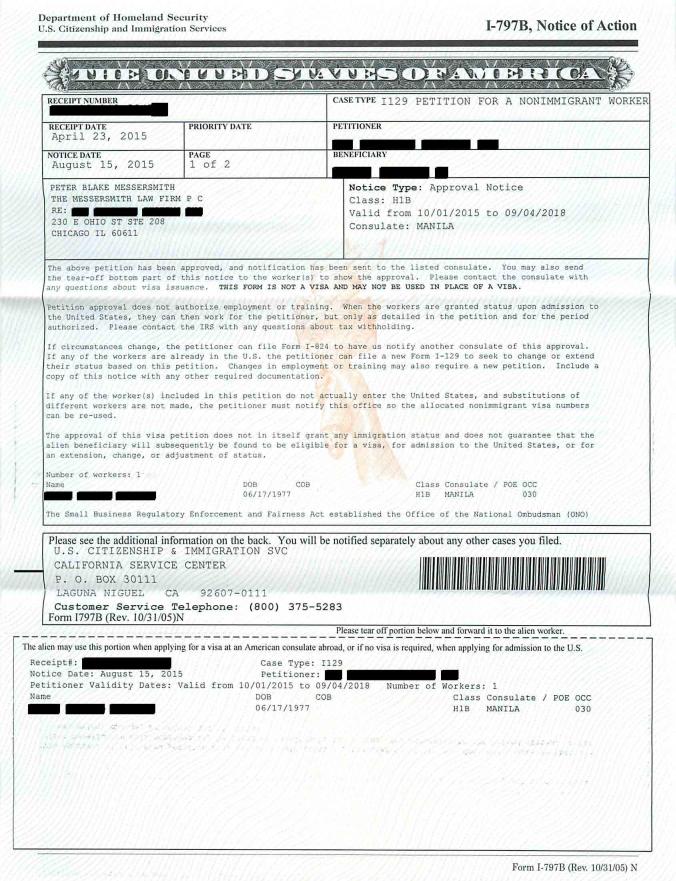
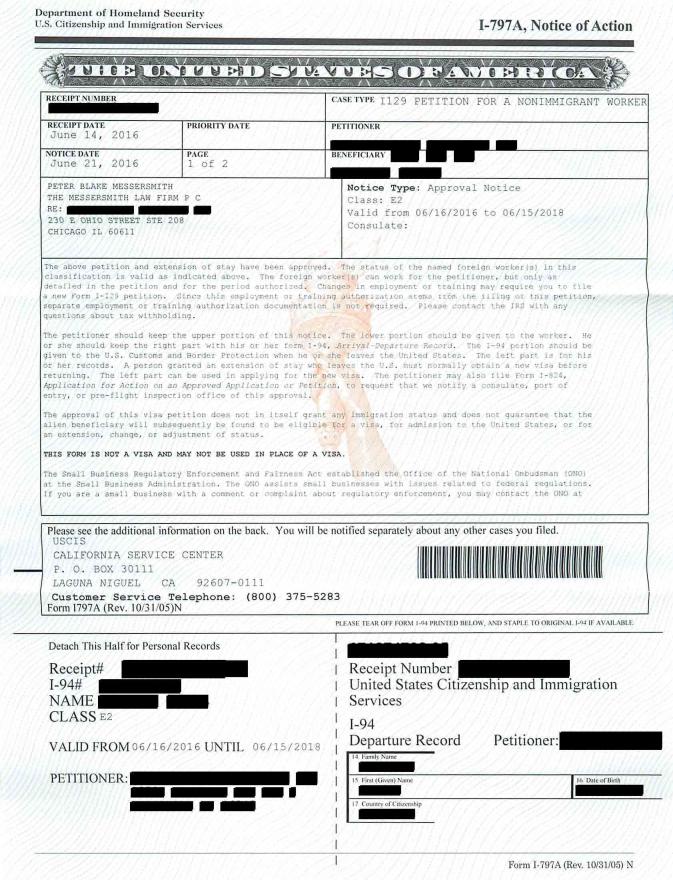
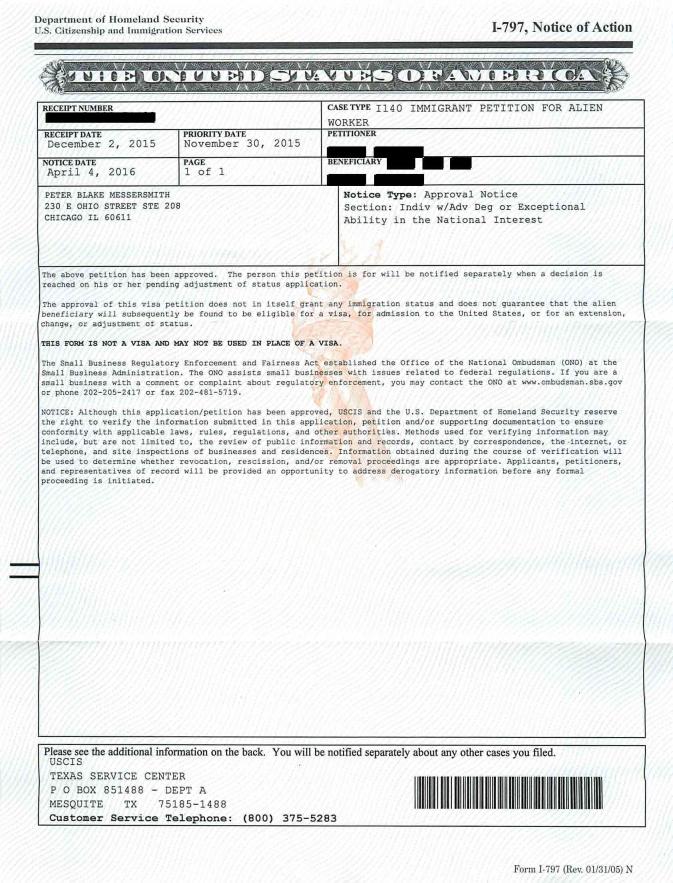
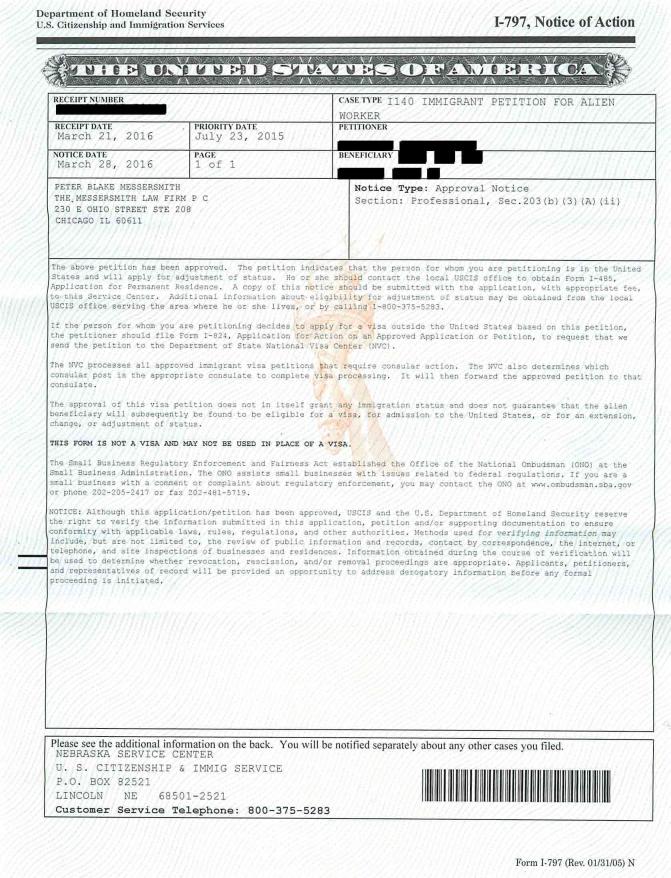
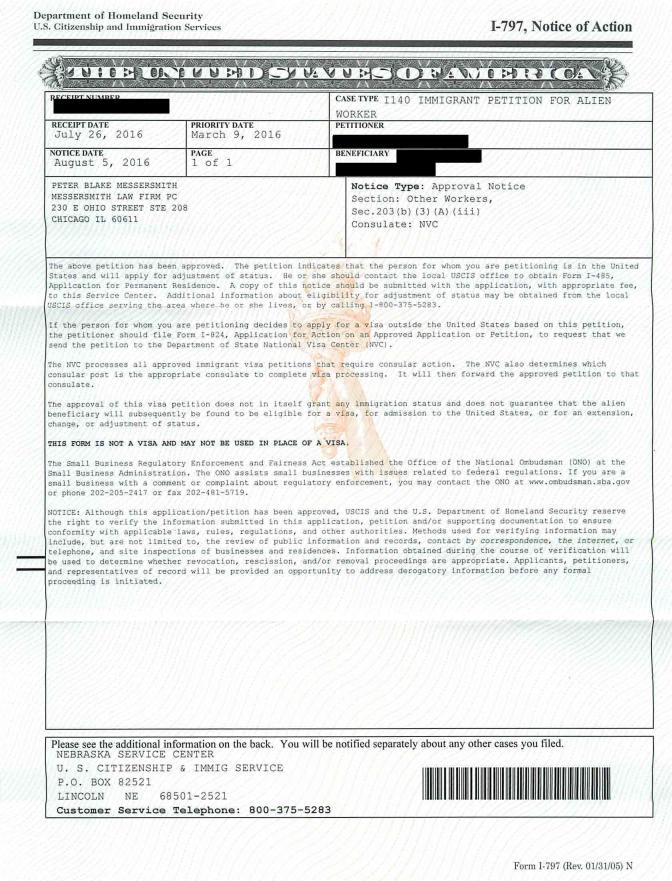
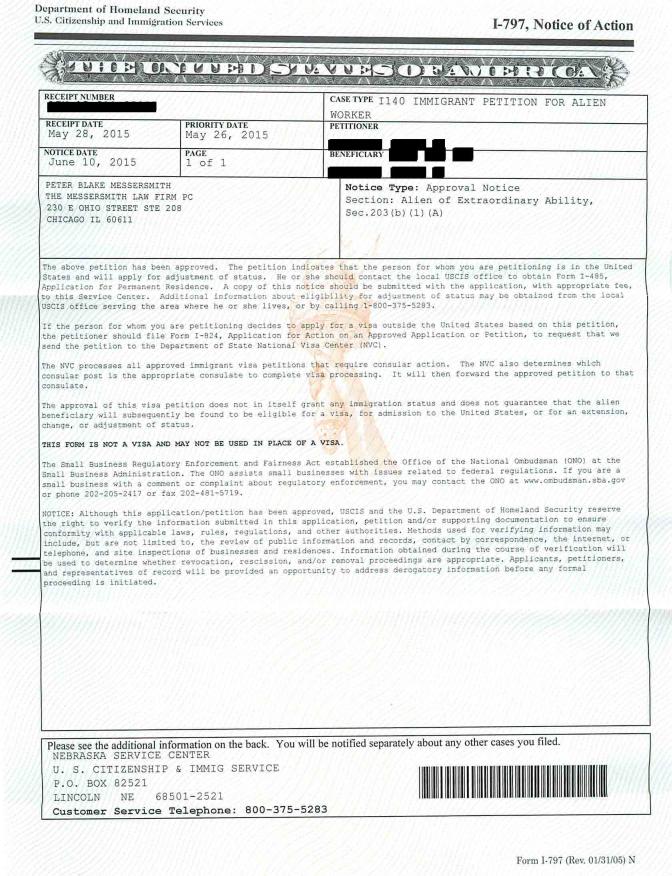
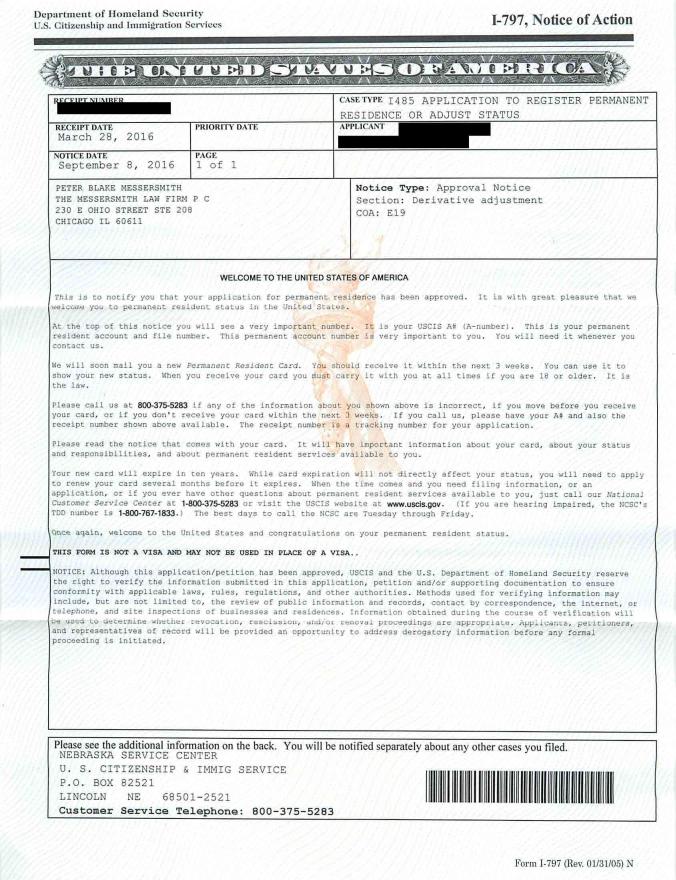
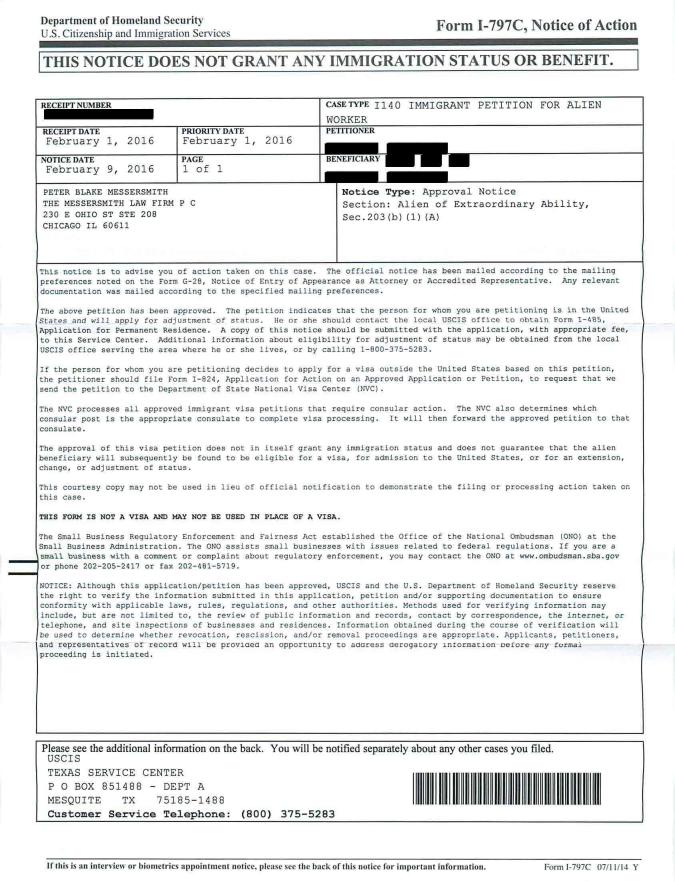
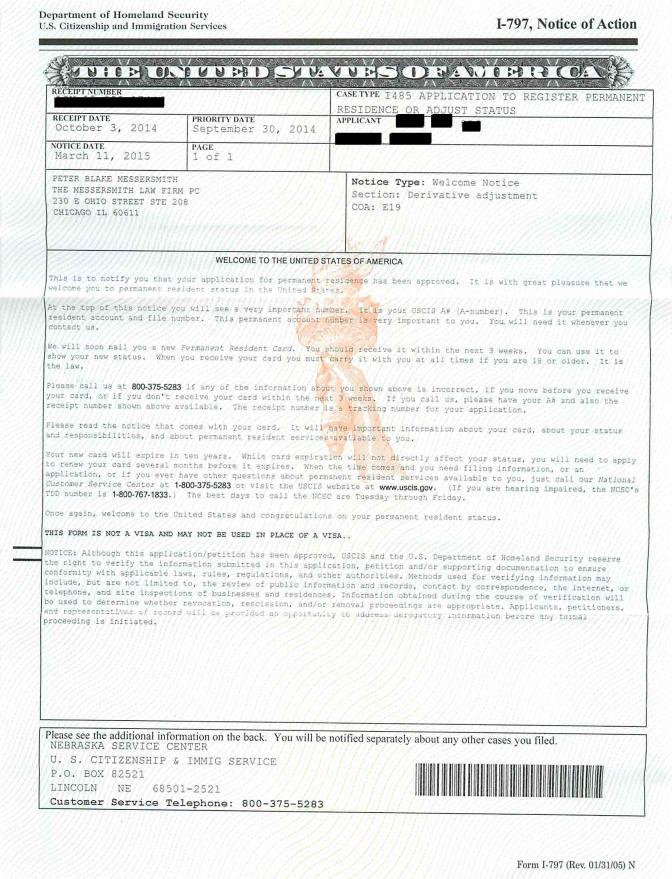
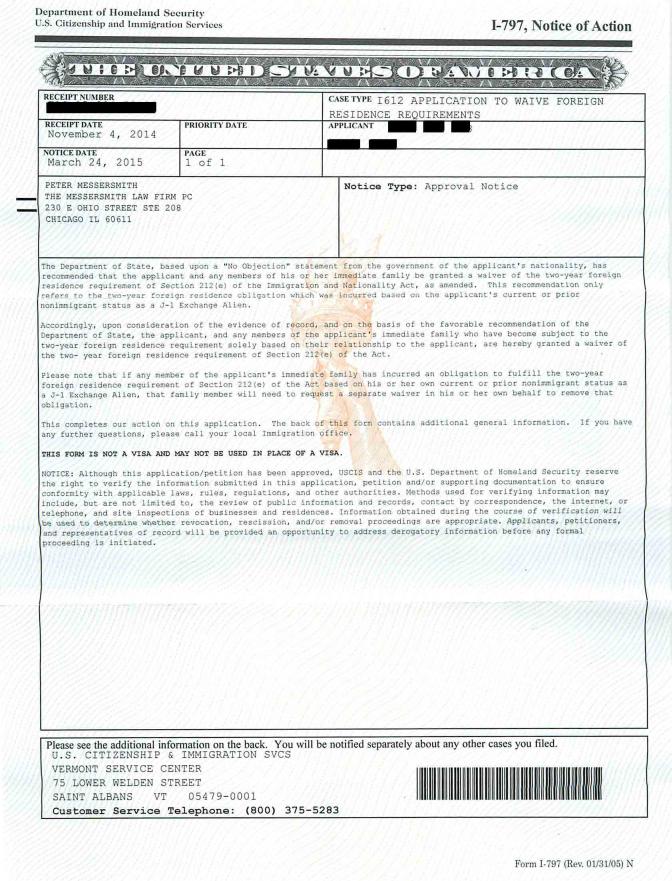
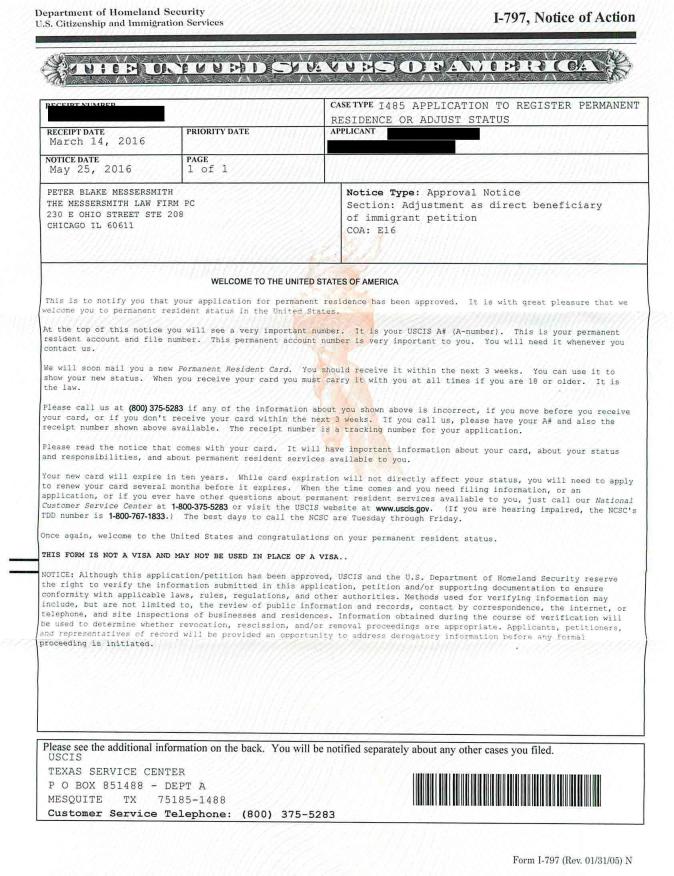
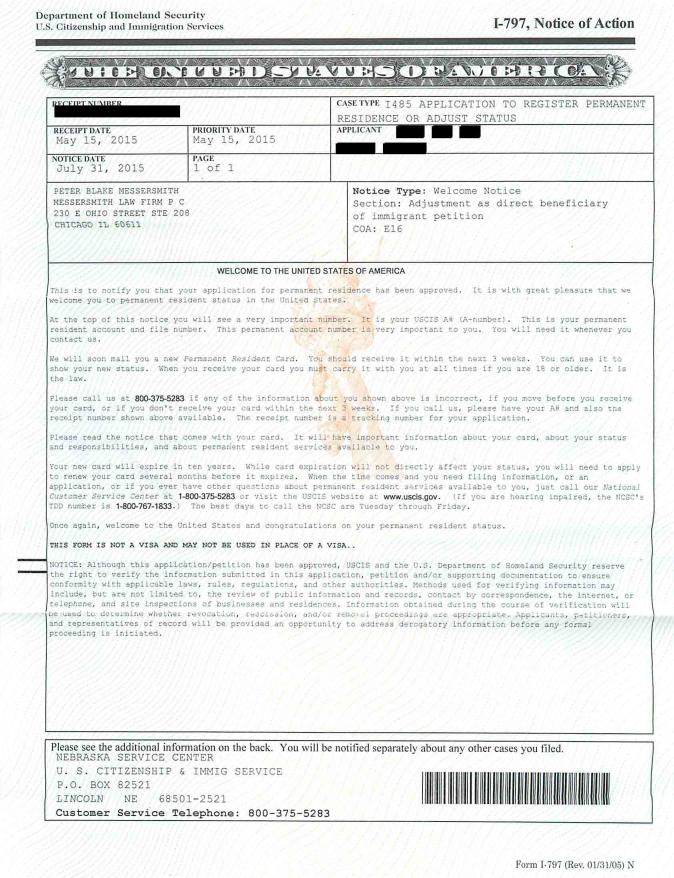
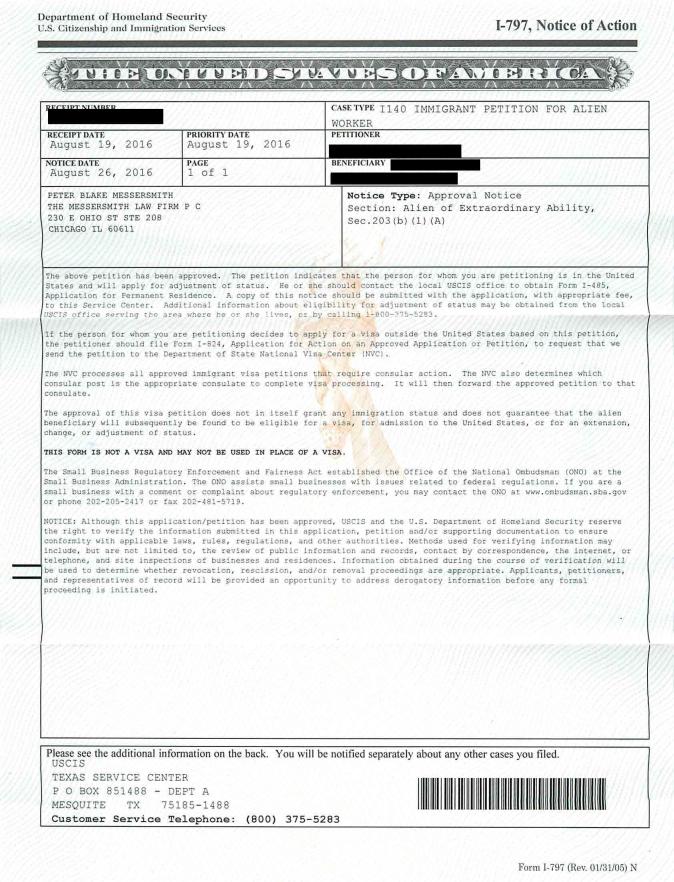
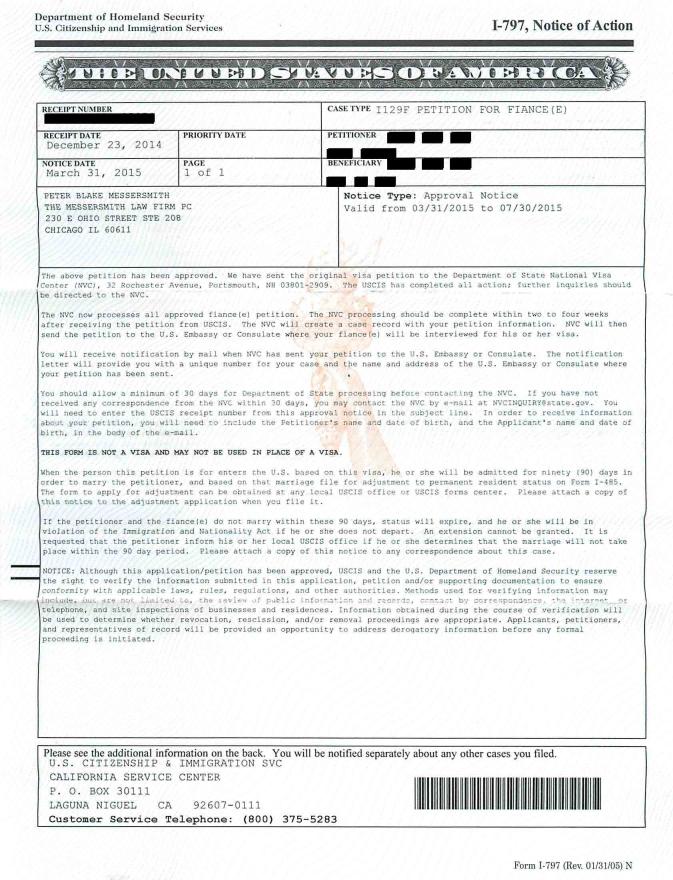
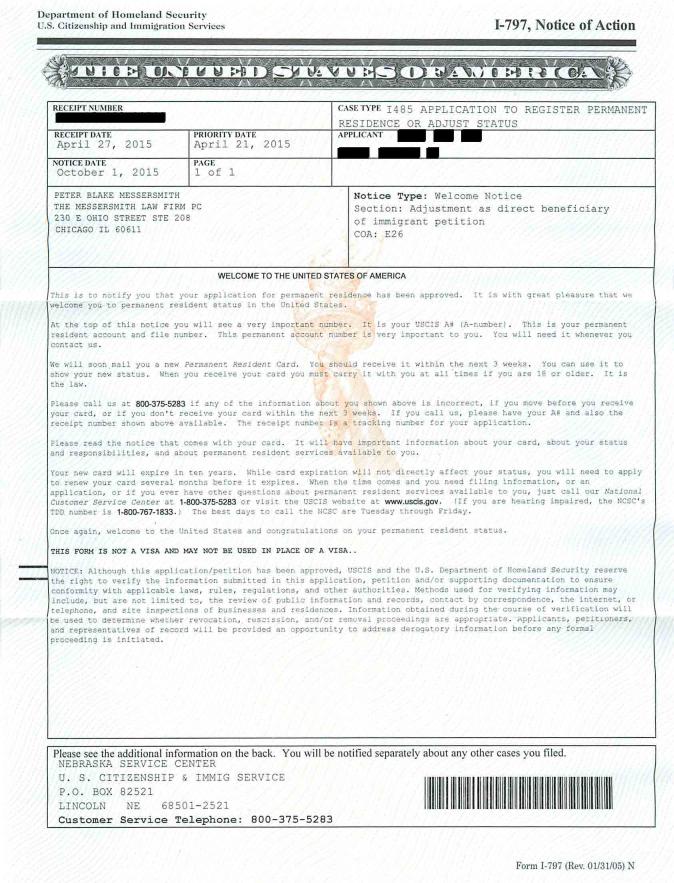
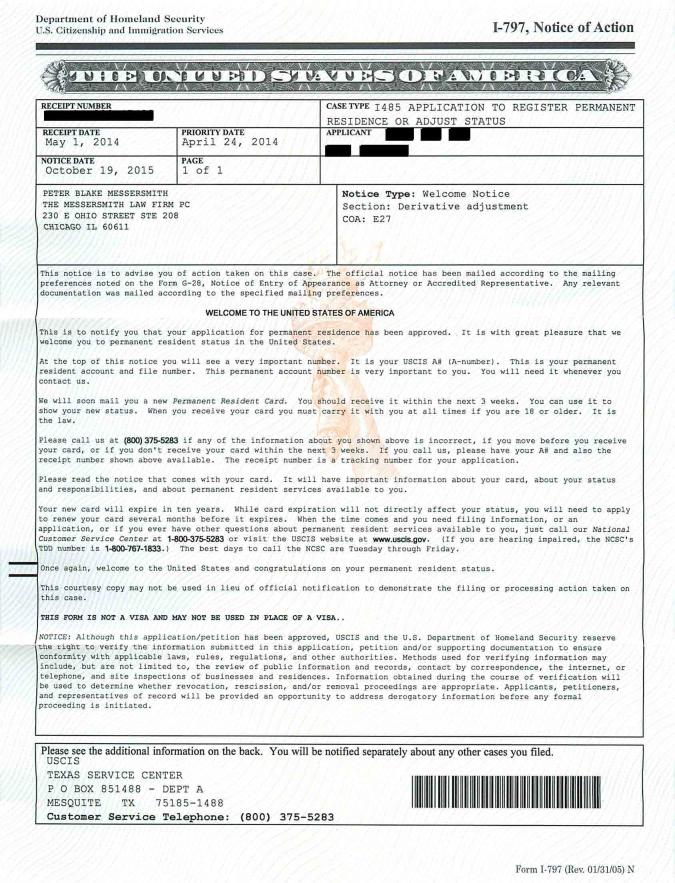
Scroll through fifty recent approval notices below or click here to view thousands.
Customer Testimonials

Real Testimonials from Past Clients