People often inquire about this issue as family visa, dependent visa, derivative visa, visa for spouse and children, or dependent visa work permit (EAD). This page links to common dependent/derivative visa categories such as F-2 (F-1 dependents), H-4 (H-1B dependents), J-2 (J-1 dependents), and L-2 (L-1 dependents). The most common questions involve whether dependents can work, whether they can study full time, how to extend or change status in the U.S. (often using Form I-539), and how to plan follow-to-join travel.

Family Dependent Visas — Derivative Visas for Spouses and Children (Work Permits, Study, I-539)
Family Dependent Visas — Derivative Visas for Spouses and Children (Work Permits, Study, I-539)
Dependent visa work permits (EAD): which family visas allow employment?
A top question is “can a dependent visa holder work?” Many dependent categories do not allow employment, but some spouses may qualify for employment authorization depending on the visa type and eligibility.
Work authorization pages to start with:



Dependent visa work permits (EAD): which family visas allow employment?
Dependent categories that commonly do NOT allow work (status-specific—confirm before working):





Can a dependent visa holder study full time?
Another major question is “can a dependent visa holder study?” Many spouses and children can study, but the rules vary by category and by whether the dependent is a spouse or a child.
Study rules and planning pages:
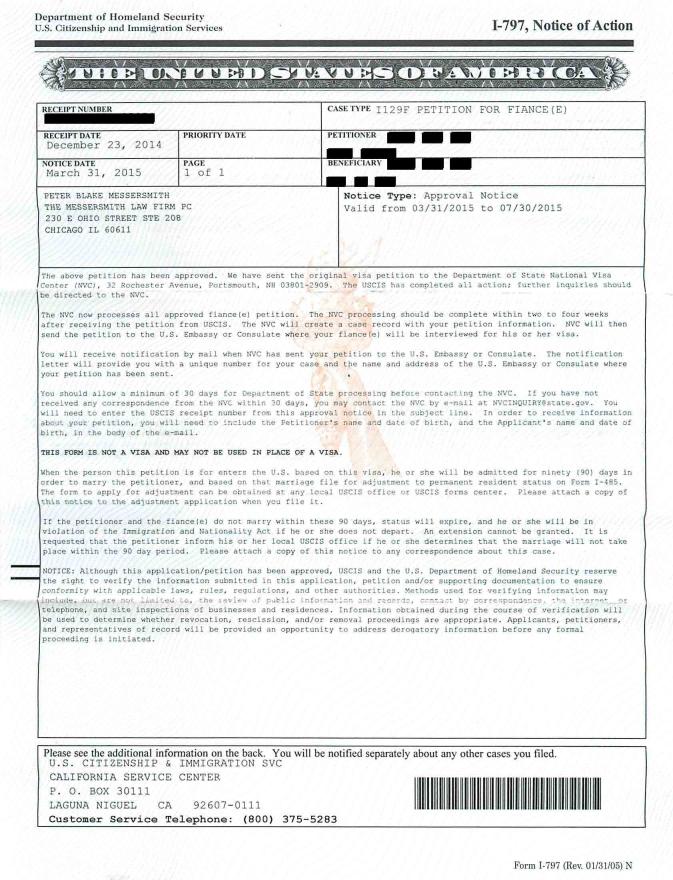
Fiancé(e) and spouse family visas (K visas): K-1, K-2, K-3, K-4
Many “family visa” inquiries are actually related to the K-visa. These categories are different from “dependent visas” like F-2/H-4 because they are tied to fiancé(e) and spouse pathways.
Start here:




Extensions and change of status for dependents (Form I-539 and timing issues)
Another major question is “change status to a dependent visa.” Many dependent extensions and changes of status inside the U.S. are handled through Form I-539 depending on the person’s current status and case posture.
Extensions/change of status guidance:
Frequently asked questions about family and dependent visas (derivative visas)
What is a dependent (derivative) visa?
A dependent (derivative) visa is a family category for a spouse or child based on the principal visa holder’s status (for example, F-2 for F-1 dependents, H-4 for H-1B dependents, J-2 for J-1 dependents, L-2 for L-1 dependents, TD for TN dependents, O-3 for O-1 dependents, P-4 for P visas, and R-2 for R-1 dependents).
Which dependent visas allow a work permit (EAD)?
Work authorization depends on the visa type and eligibility. Many families focus on H-4 EAD, J-2 EAD, and L-2 spouse work authorization. Other dependent categories often do not allow work authorization, so confirm the rules before working.
Can dependent visa holders study in the U.S.?
Many dependent spouses and children study in the United States, but the rules vary by visa category and school/program type. Planning early helps avoid status problems.
How do I extend or change status to a dependent visa in the U.S.?
Many dependent extensions or changes of status are handled through Form I-539 depending on the person’s current status and case posture. Timing matters because missing an I-94 expiration date can create serious problems.
Are K visas (K-1, K-2, K-3, K-4) the same as dependent visas?
K visas are family visa categories tied to fiancé(e) and spouse processes. K-1 is for a fiancé(e), K-2 is for the child of a K-1, K-3 is a spouse category, and K-4 is the child of a K-3.
What is the first step if I don’t know which family visa applies?
Start with the principal’s visa type (F-1, H-1B, J-1, L-1, TN, O-1, P, R-1) or the family pathway (K visas). Then confirm whether your goal is work authorization, study, extension/change of status, or travel.