USCIS Processing Times, Delays, and What to Do If Your Case Is Taking Too Long

USCIS Processing Times, Delays, and What to Do If Your Case Is Taking Too Long

USCIS Processing Times, Delays, and What to Do If Your Case Is Taking Too Long

People often inquire about this issue as USCIS processing times, how long USCIS takes, case processing time USCIS, USCIS delay, outside normal processing time, USCIS case delayed, or how to speed up a USCIS case. USCIS processing times vary by form, category, service center, and field office, and the official posted time does not always answer the most important question: what can be done when a case is delayed, stuck, or moving far slower than expected. This page explains USCIS processing times, delay problems, outside-normal-processing-time issues, and the legal options that may be available when a case has been pending too long.

USCIS updates its case-processing information by form type and office, and it also provides a separate path for case inquiries when a filing is outside normal processing time, which is why delay analysis often depends on the exact form, category, and office handling the case.

Many people do not need help just because a case is pending. They need help because the case has become unusually delayed, the posted processing time does not make sense, an inquiry has not fixed the problem, an interview has not been scheduled, an RFE response has gone unanswered, or the delay is affecting work, travel, family, or immigration status. This is where legal strategy matters.

Common delay situations include:

  • case pending outside normal processing time
  • no decision after interview
  • no update after RFE response
  • green card case stalled for months
  • naturalization case delayed
  • work permit delayed
  • family petition delayed
  • immigration case delayed without explanation

Is your case taking too long?

If your USCIS case has been delayed longer than expected, the next step may depend on the exact form, filing category, service center or field office, and what has already been done to try to move the case forward. Some delayed cases can be addressed through a case inquiry. Others may require a more aggressive legal strategy.

Contact our office to evaluate:

  • whether your case is truly outside normal processing time
  • whether a USCIS inquiry is likely to help
  • whether the delay suggests a deeper problem
  • whether stronger legal action should be considered

USCIS Processing Times

California Service Center has jurisdiction over the following states: Arizona, California, Guam, Hawaii and Nevada.

Nebraska Service Center has jurisdiction over the following states: Alaska, Colorado, Idaho, Illinois, Indiana, Iowa, Kansas, Michigan, Minnesota, Missouri, Montana, Nebraska, North Dakota, Ohio, Oregon, South Dakota, Utah, Washington, Wisconsin, and Wyoming.

Texas Service Center has jurisdiction over the following states: Alabama, Arkansas, Florida, Georgia, Kentucky, Louisiana, Mississippi, New Mexico, North Carolina, Oklahoma, South Carolina, Tennessee and Texas.

Vermont Service Center has jurisdiction over the following states: Connecticut, Delaware, Maine, Maryland, Massachusetts, New Hampshire, New Jersey, New York, Pennsylvania, Rhode Island, Vermont, Virginia, Washington DC., and West Virginia.

Vermont Service Center also has jurisdiction over the following CIS offices: Puerto Rico, Bermuda, Toronto, Montreal, Virgin Islands and the Dominican Republic.

California Service Center - CSCNebraska Service Center - NSCTexas Service Center - TSCVermont Service Center - VSCNational Benefits Center - NBC
Visa Status Applications
E1 Visa / E2 Visa 10 months
E3 Visa4 months
F1 Visa13.5 months19.5 months18.5 months11.5 months
H1B Visa2.5 months2.5 months2 months2.5 months
H2B Visa1 month2.5 months
H3 Visa2.5 months3 months
H4 Visa5 months5.5 months4.5 months4 months
J1 Visa13.5 months19.5 months18.5 months11.5 months
K1 Visa / K3 Visa 15.5 months4 months15.5 months8 months
L1 Visa2.5 months4.5 months
O1 Visa1 month2.5 months
P1 Visa1 month2.5 months
R1 Visa2 months
TN Visa3 months
Green Card Petitions
EB1 Extraordinary Ability20 months22 months
EB1 Outstanding Researcher13.5 months11 months
EB1 Manager / Executive12 months13 months
National Interest Waiver15.5 months16.5 months
EB2 Green Card9.5 months9.5 months
EB3 Green Card15.5 months21 months
Family Based10.5 months10.5 months11.5 months16 months
Marriage Green Card10.5 months10.5 months11.5 months16 months
Other
Advance Parole14 months13.5 months16.5 months7 months11.5 months
Re-entry Permit16 months
EAD12 months8 months10 months11 months7.5 months
J1 Waiver10.5 months
I-601 Waiver27.5 months
I-212 Waiver26 months

The Visa Bulletin summarizes the availability of immigrant visas.

Visa appointment and processing wait times at US Embassies abroad can be found here.
When USCIS processing times are normal, delayed, outside normal processing time, or legally actionable

Not every pending case requires legal action. Some cases are still moving within the posted USCIS time range. Others are delayed but still technically within the agency’s published window. Some are outside normal processing time and may qualify for a formal USCIS inquiry. A smaller group may be delayed enough to require a stronger legal strategy.

Cases that are still within normal USCIS processing time

Some cases are simply pending within the current time range posted by USCIS for the form type and office handling the filing. In these situations, the issue is often uncertainty, anxiety, or confusion about what the posted number actually means.

Cases that feel delayed but are still within the posted range

Many people seek help because the case feels stalled even though it is still technically within the posted processing window. This often happens when there has been no update for months, no interview notice, no biometrics movement, or no action after a response was submitted.

Cases that are outside normal processing time

USCIS has a separate inquiry path for cases that are outside normal processing time. These cases are often the first point where a delay becomes more than just frustrating and begins to require a specific response strategy.

Cases delayed after an interview

Some of the most troubling delay situations happen after an interview. Applicants often expect a decision shortly after appearing for the interview, but some cases remain pending for months with no clear explanation. This is one of the most common reasons people stop simply checking processing times and start looking for legal help.

Cases delayed after an RFE response

Another major delay category involves cases where an RFE response was submitted but USCIS does not issue a decision for a long period afterward. These cases often create uncertainty because the applicant has already answered the agency’s request but still receives no final action.

Cases delayed with no update at all

Some cases remain pending with little or no visible movement. This includes situations where the receipt exists, but there is no meaningful update, no transfer explanation, no decision, and no clear timeline for action.

Cases where a USCIS inquiry may help

For some applicants, the first practical step is determining whether the case qualifies for an outside-normal-processing-time inquiry and whether that inquiry is likely to move the case forward. In some situations, an inquiry is worthwhile. In others, it produces little or no useful result.

Cases where an inquiry is not enough

Some delays continue even after a USCIS inquiry, service request, congressional inquiry, or other follow-up effort. At that point, the focus often shifts from simply checking the posted processing time to evaluating whether the delay has become unreasonable enough to justify stronger legal action.

Cases that may require a stronger legal strategy

Some delayed cases call for more than passive waiting. This may include a deeper case review, a focused delay analysis, a structured follow-up plan, or a more aggressive legal approach depending on the form type, filing history, and length of the delay.

The posted processing time is only the starting point

USCIS processing times help show the agency’s published range, but they do not answer every important question. The real issue is often whether the case is moving normally, whether the delay is unusual, whether an inquiry is available, and whether the delay has reached the point where legal intervention should be considered.

Common delay questions

Common questions include:

  • Is my case actually outside normal processing time?
  • Why is my case delayed with no update?
  • Why is there no decision after my interview?
  • Why is there no decision after my RFE response?
  • Should I file a USCIS inquiry?
  • When is a delay serious enough for legal action?
  • Is my case just slow, or is something wrong?
  • What can be done if USCIS keeps delaying the case?

Delayed USCIS cases by form type

Some delay problems are more likely than others to turn into serious case concerns. People often inquire by form number because they are not just asking how long USCIS takes in general. They are asking why their specific case is still pending and what can be done now.

Delayed N-400 naturalization case

Naturalization delays often become urgent when the interview has already happened and no decision follows. USCIS policy states that the agency has 120 days after the initial naturalization examination to make a decision. That is why N-400 delay cases often move from simple status-check questions to legal-strategy questions.

Delayed I-485 adjustment of status case

I-485 delay cases are some of the highest-concern green card matters because they often affect work authorization, travel, family stability, and long-term immigration status. These cases become especially important when there is no decision after interview, no update after an RFE response, or no meaningful movement despite long pending time. USCIS treats Form I-485 as the main adjustment-of-status filing for lawful permanent residence from inside the United States.

Delayed I-130 family petition

I-130 delays often affect family separation and long-term case planning. A delayed family petition may slow down the entire immigration process, especially when a spouse, parent, or child is waiting for the next step to begin. USCIS identifies Form I-130 as the petition used to establish a qualifying family relationship for immigration purposes.

Delayed I-765 work permit

I-765 delays often create the fastest conversion to consultations because the problem becomes immediate. A delayed work permit can affect income, job offers, job continuity, and overall case planning. USCIS uses Form I-765 for employment authorization, which is why delays in this category often become urgent very quickly.

Delayed I-751 removal of conditions

I-751 delays create a different kind of stress because they affect conditional permanent residents who are trying to secure long-term status after a marriage-based green card. These cases may also overlap with divorce issues, interview delays, and evidence concerns. USCIS uses Form I-751 for removal of conditions on residence.

Delayed N-600 or citizenship proof case

Citizenship-related delay cases create stress because applicants are often waiting on proof of citizenship for passports, school, travel, employment, or family reasons. These cases can feel especially serious when the person believes citizenship should already be recognized but no final action arrives.

Delayed asylum or humanitarian case

Humanitarian delay cases often involve added urgency because the applicant may be dealing with safety concerns, work-permit issues, family instability, or immigration-court pressure. These cases often need closer analysis than a simple processing-time check.
Delayed employment-based case

Employment-based delays often affect job stability, work authorization, promotions, travel planning, and long-term residence strategy. These cases may involve I-140, I-485, PERM-related timing, or post-interview delay concerns, depending on where the filing is stuck.

Delayed family-based green card case

Family-based delays often affect marriages, children, family reunification, travel, and emotional stability. These are often the cases where people stop treating USCIS processing times as a general information issue and start looking for direct legal help.

Which delayed cases most often become legal matters

The cases most likely to need legal review are often:

  • N-400 with no decision after interview
  • I-485 with no decision after interview
  • I-485 delayed after RFE response
  • I-130 delayed far beyond posted time
  • I-765 delay affecting employment
  • I-751 delay with added complications
  • family-based delay causing long separation
  • employment-based delay affecting work and status planning

Common form-specific delay questions

Common questions include:

  • Why is my N-400 still pending after interview?
  • Why is my I-485 still pending with no decision?
  • Why is my I-130 taking so long?
  • Why is my I-765 work permit delayed?
  • Why is my I-751 still pending?
  • What can I do about a delayed family petition?
  • What can I do about a delayed green card case?
  • When does a form-specific USCIS delay become serious enough for legal help?

Frequently asked questions about USCIS processing times and delays

What are USCIS processing times?

USCIS processing times are the agency’s posted estimates for how long it is taking to complete different types of immigration cases by form type and office.
How do I check USCIS processing times?

USCIS provides an online processing-times tool that allows users to search by form type and office. The posted number is a starting point, but it does not always explain whether a specific case delay is ordinary or unusual.
What does outside normal processing time mean?

Outside normal processing time generally means the case has been pending longer than the period USCIS currently shows for that form and office. USCIS provides a separate inquiry path for these cases.

Can I contact USCIS if my case is outside normal processing time?

Yes. USCIS allows case inquiries for matters that are outside normal processing time. This is often the first formal step when a case has moved beyond ordinary waiting.

Why is my USCIS case taking so long with no update?

Some cases remain pending without meaningful updates for long periods. This can happen in family-based cases, employment-based cases, naturalization cases, work permit cases, green card cases, and other filings. The reason for the delay is not always clear from the online status alone.

What if there is no decision after my interview?

A post-interview delay is one of the most common reasons people seek legal help. This is especially serious when the case should be near the end of the process but no decision is issued for months afterward.

What if there is no decision after I responded to an RFE?

A case can remain pending even after an RFE response is submitted. These delays often raise concern because the applicant has already answered the agency’s request and still receives no final action.

Can a congressional inquiry help with a delayed USCIS case?

Sometimes. A congressional inquiry can help bring attention to a delayed case, especially when ordinary follow-up has not produced movement.

Can I request expedited processing from USCIS?

Possibly, but an expedite request is different from a normal delay inquiry. Expedite treatment depends on specific urgency factors and is not granted simply because a case has been pending for a long time.

Can the Ombudsman help with a delayed USCIS case?

In some situations, yes. Ombudsman case assistance may be considered when a case remains stuck and ordinary channels have not resolved the problem.

What types of delayed cases most often need legal review?

The most common delay situations that lead to legal review include no decision after interview, no decision after an RFE response, work permit delays, family petition delays, stalled green card cases, and naturalization cases that remain pending too long.

Why is my N-400 still pending after interview?

Naturalization delays after interview are a major concern because the case is already near decision stage. In naturalization matters, USCIS policy states that the agency has 120 days after the initial examination to make a decision.

Why is my I-485 still pending?

I-485 delays are common and can affect work authorization, travel, family stability, and long-term immigration planning. These cases often become more serious when there is no decision after interview or no action after an RFE response.

Why is my I-130 taking so long?

I-130 delays often affect family reunification and the timing of the whole immigration process. A delayed family petition can keep the next stage of the case from moving forward.

Why is my I-765 work permit delayed?

I-765 delays often create immediate problems because they affect employment, income, and job continuity. Work permit delays are one of the most common reasons people move from checking processing times to seeking legal help.

Does the posted USCIS processing time guarantee a decision by that date?

No. The posted processing time is a published estimate, not a guarantee. USCIS explains that the website figure reflects how long it took to complete 80 percent of adjudicated cases over the prior six months.

When does a USCIS delay become serious enough for legal action?

A delay becomes more serious when the case is outside normal processing time, follow-up efforts have failed, the delay is affecting work or family, or there is still no action after interview or after an RFE response.

What does a lawyer look at in a delayed USCIS case?

Delay review often focuses on the form type, filing category, office handling the case, posted processing time, case history, prior inquiries, interview history, RFE history, and whether a more aggressive legal response should be considered.

Can a delayed USCIS case still be normal?

Yes. Some cases are slow but still within the posted range. The key question is whether the case is simply pending or whether the delay has become unusual enough to justify further action.

How do I know whether my USCIS delay is just frustrating or legally significant?

The best way to evaluate a delay is to look at the form type, the current USCIS posted range, the office handling the case, what has already happened in the case, whether the matter is outside normal processing time, and whether prior efforts have failed to move the case.

What is an H-4 visa?

The H-4 visa is the dependent category for certain spouses and children of H-1B workers.

What is an H-4 visa?

The H-4 visa is the dependent category for certain spouses and children of H-1B workers.

What is an H-4 visa?

The H-4 visa is the dependent category for certain spouses and children of H-1B workers.

What is an H-4 visa?

The H-4 visa is the dependent category for certain spouses and children of H-1B workers.

What is an H-4 visa?

The H-4 visa is the dependent category for certain spouses and children of H-1B workers.

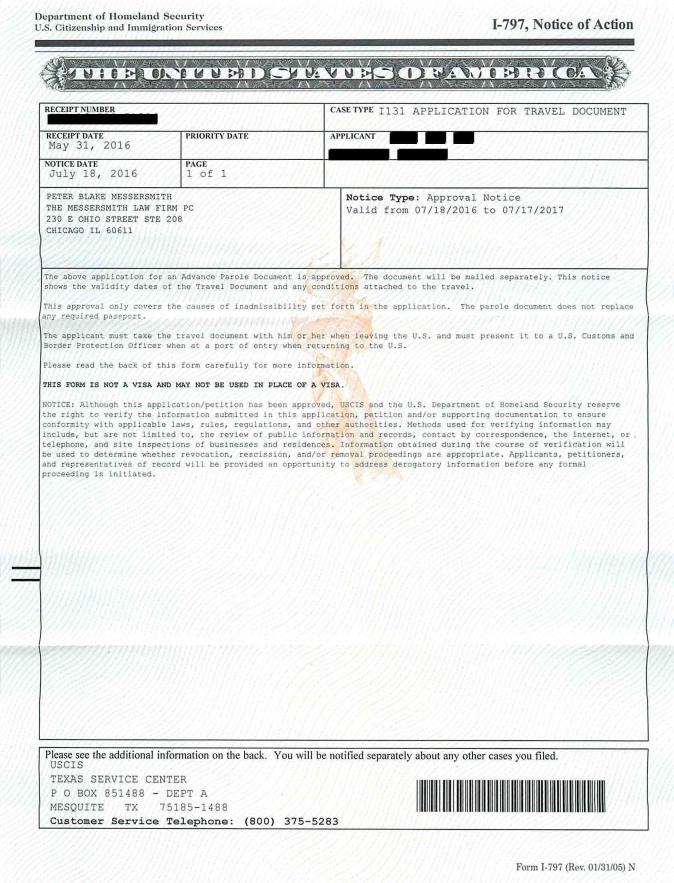
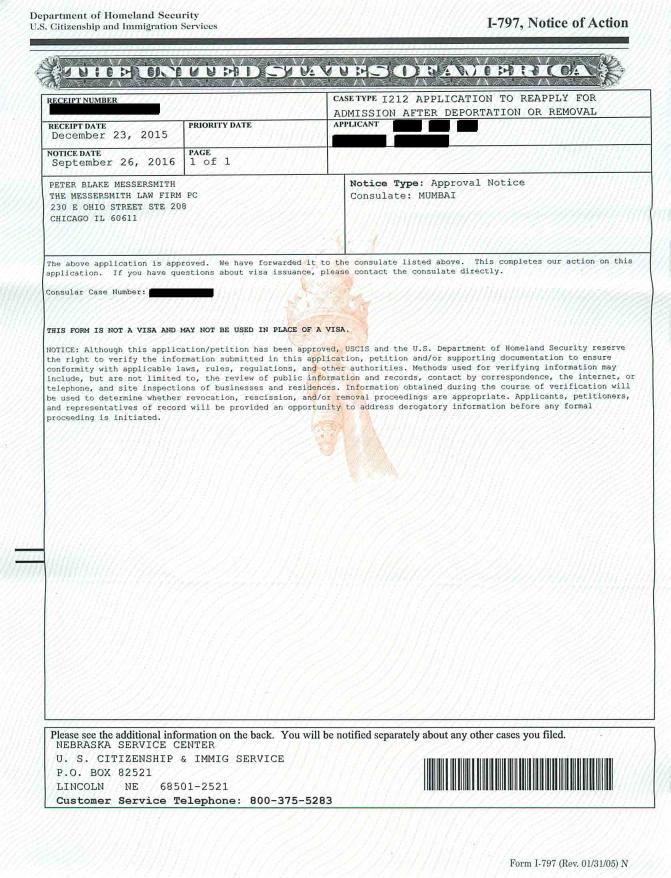
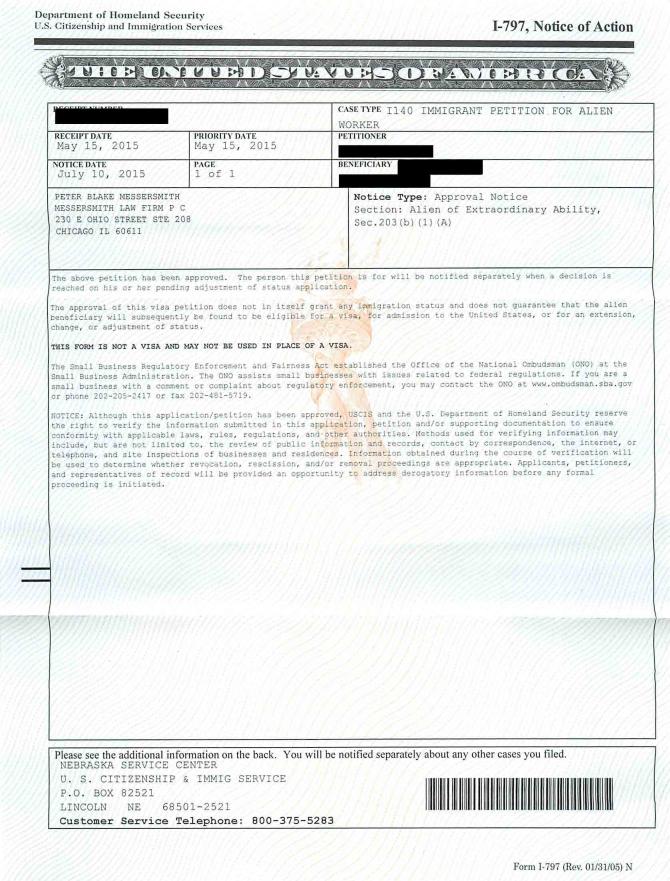
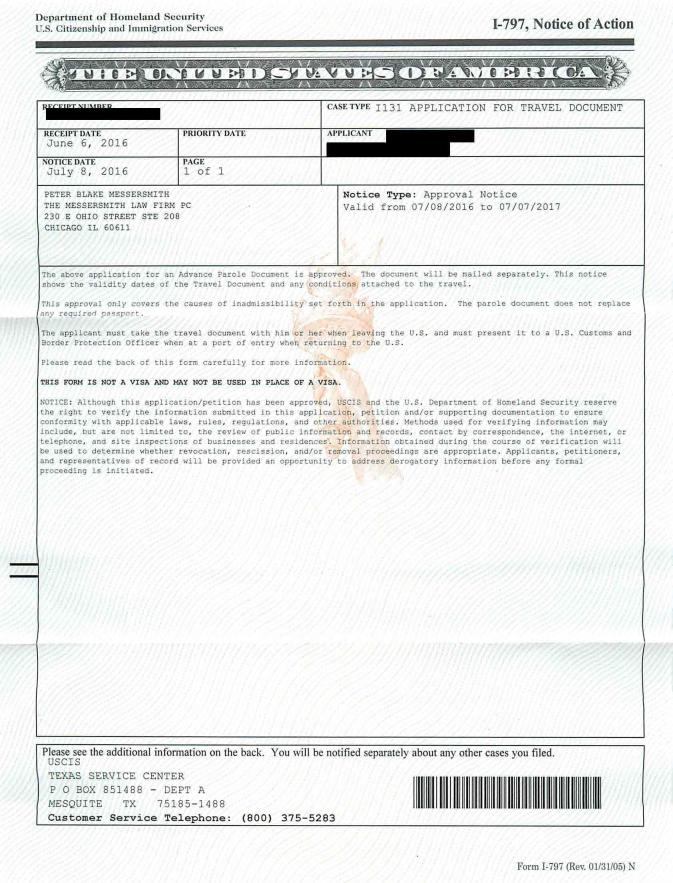
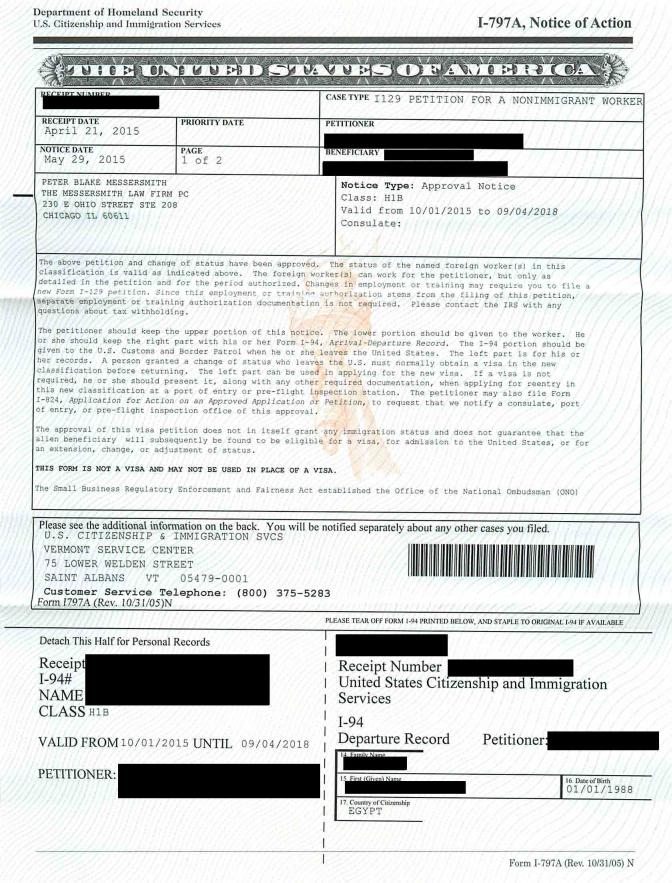
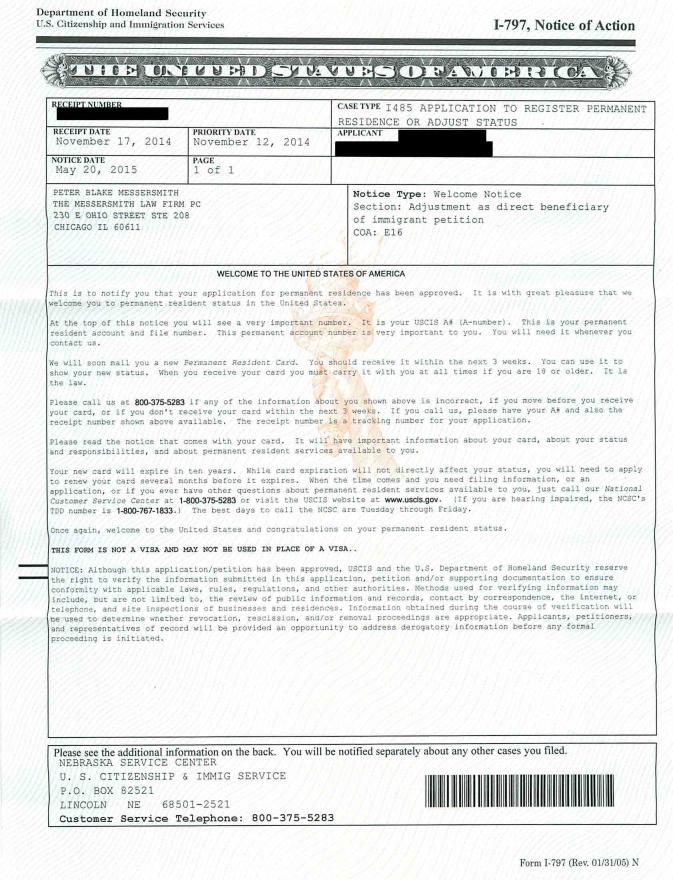
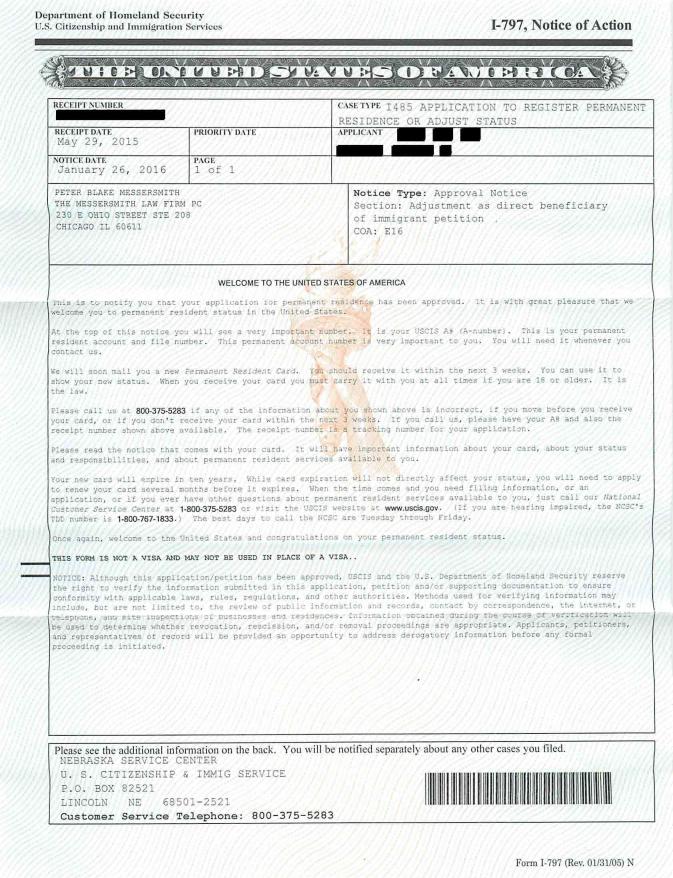
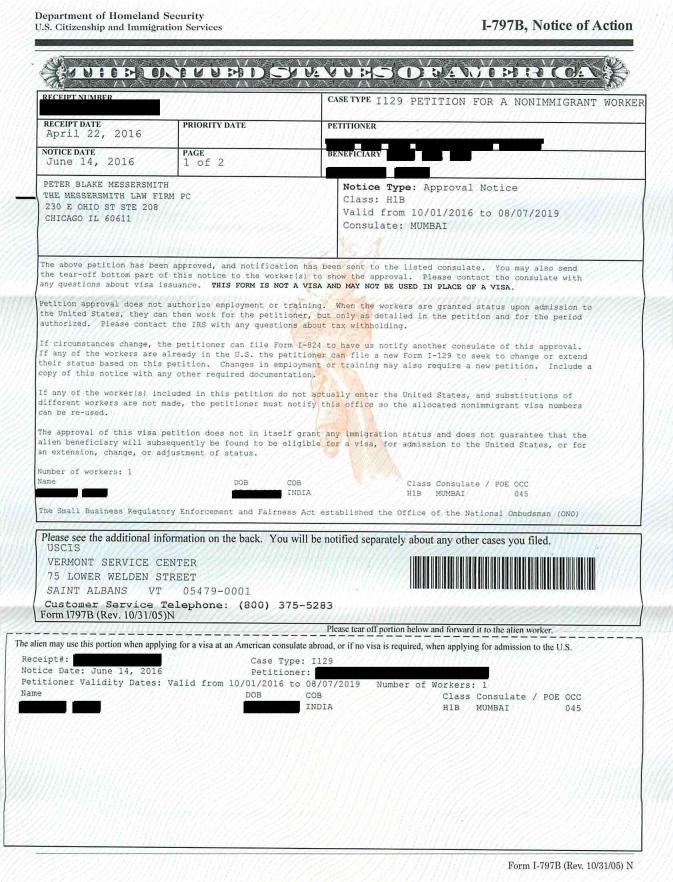
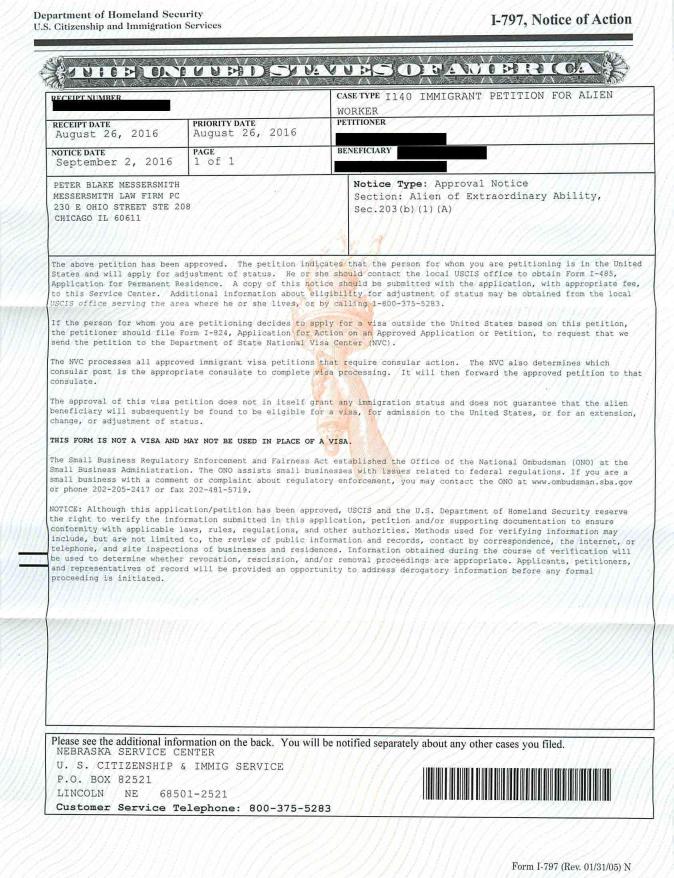
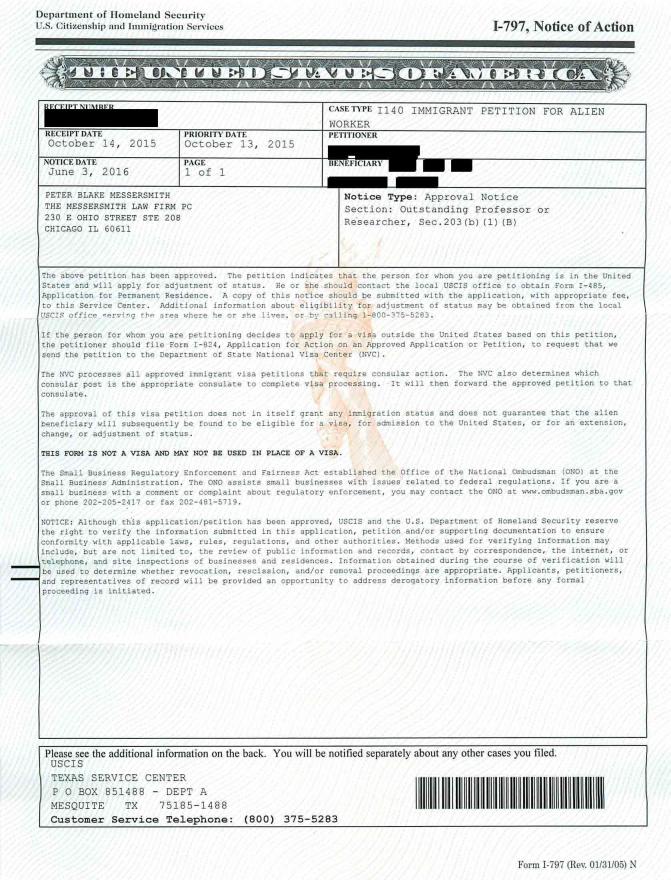
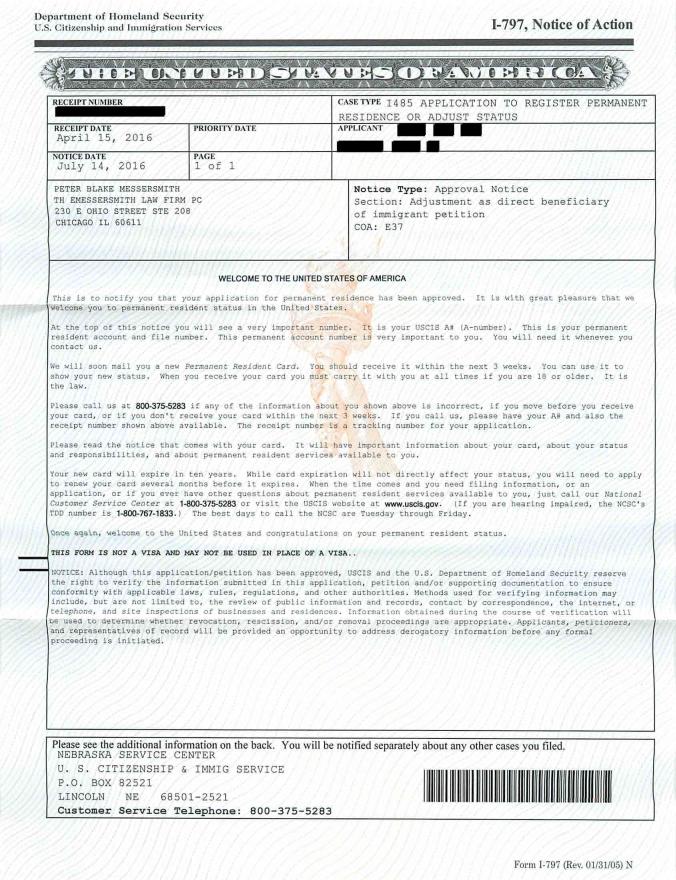
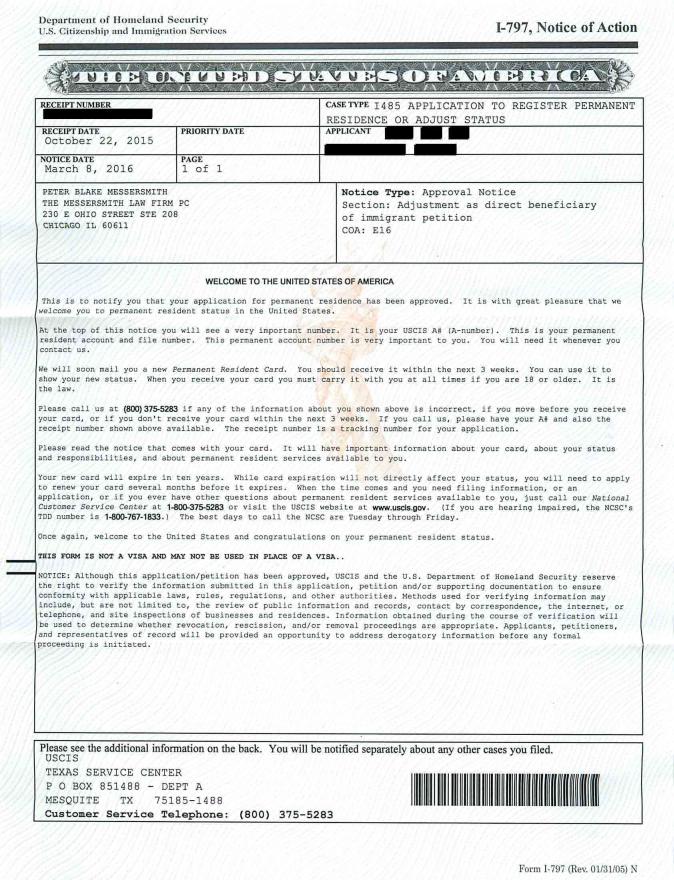
Thousands of Approved Cases

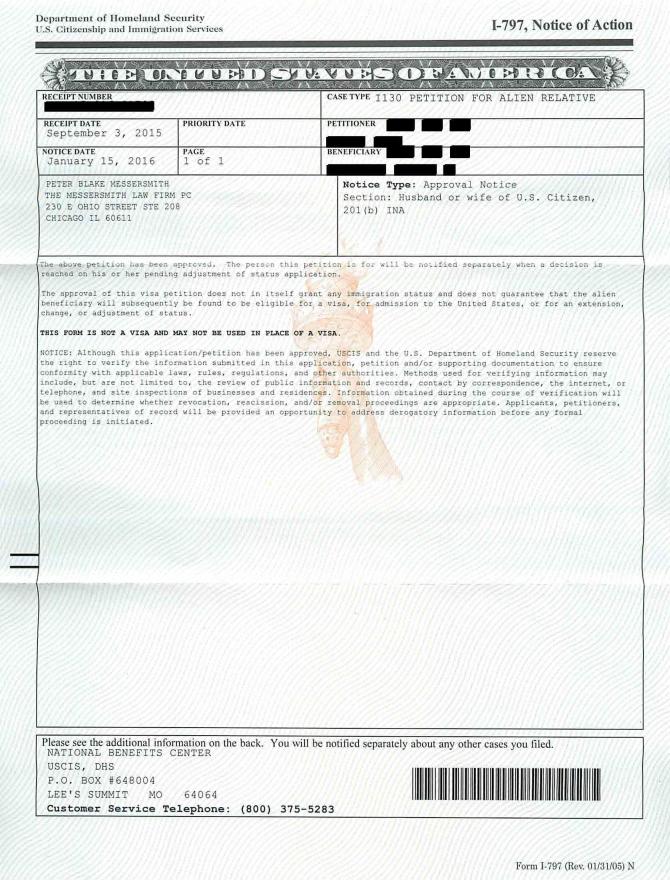
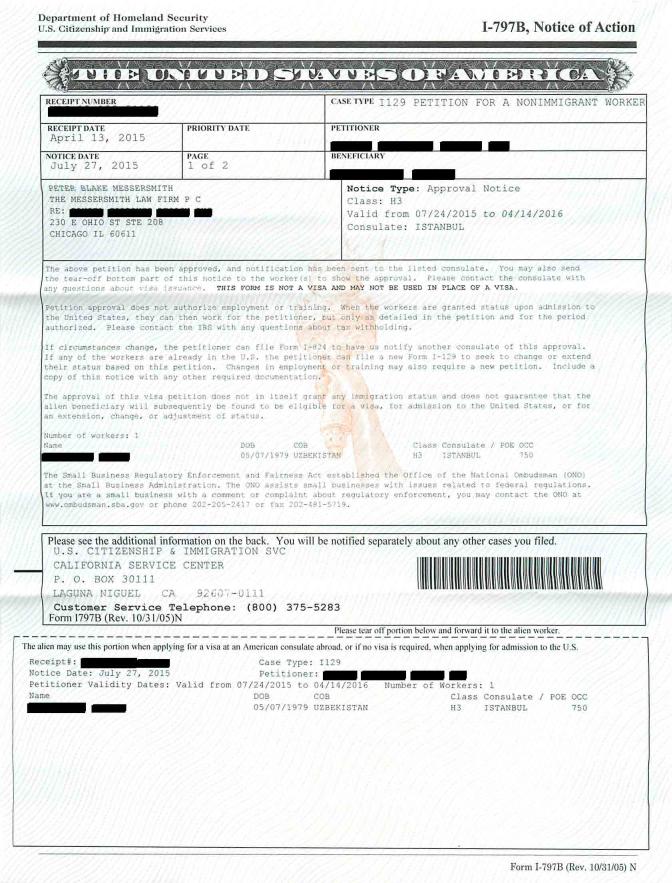
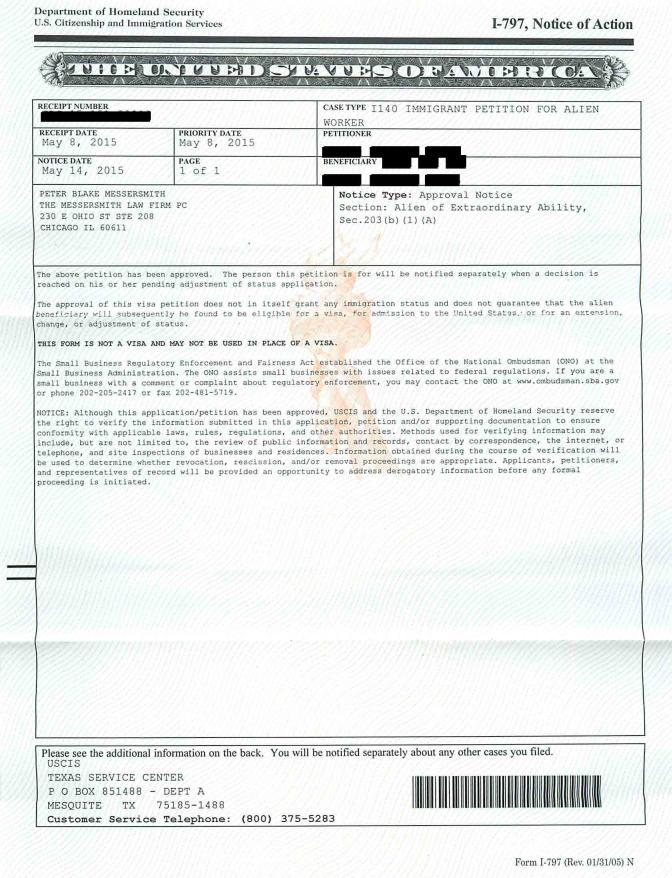
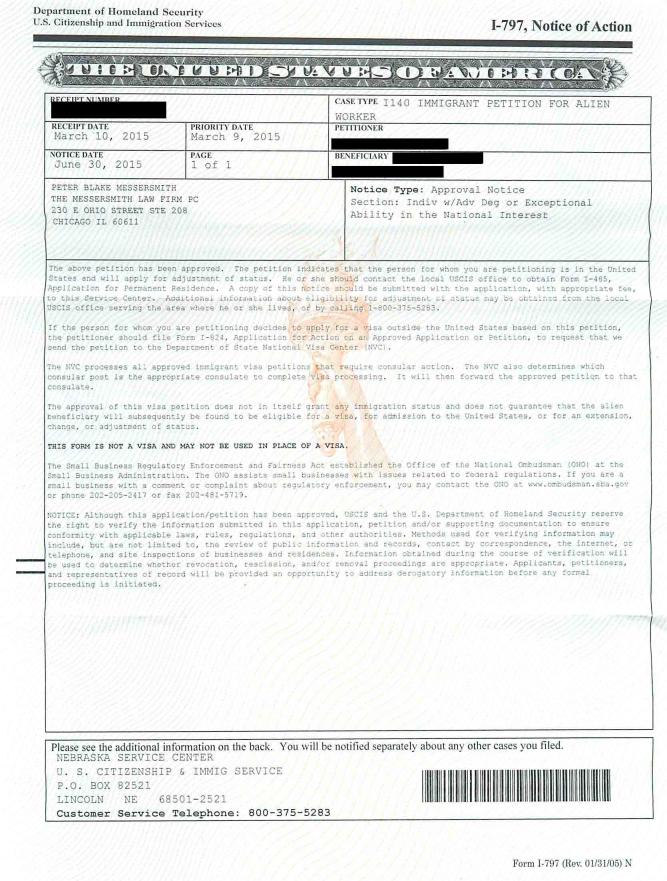
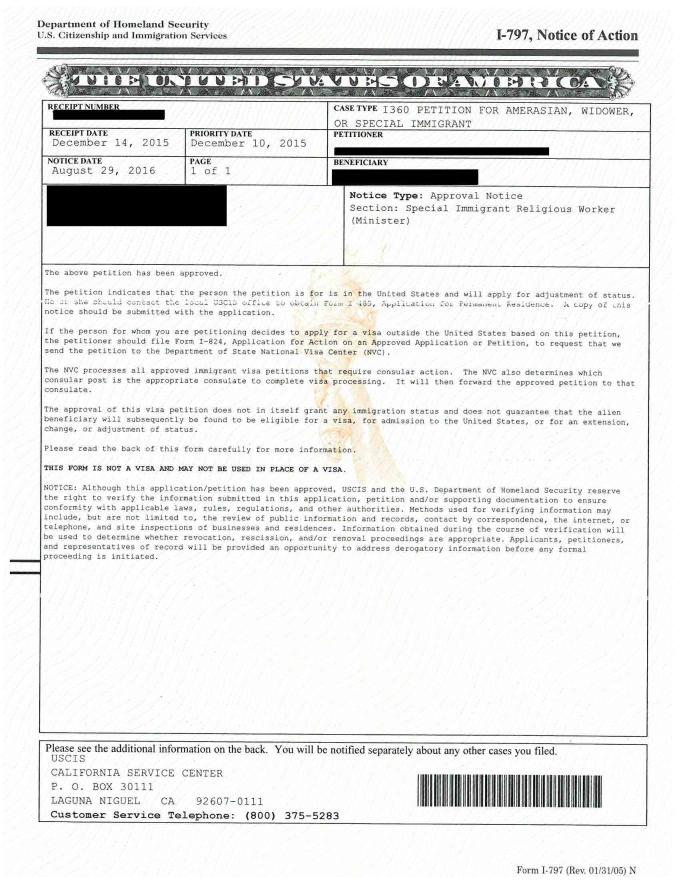
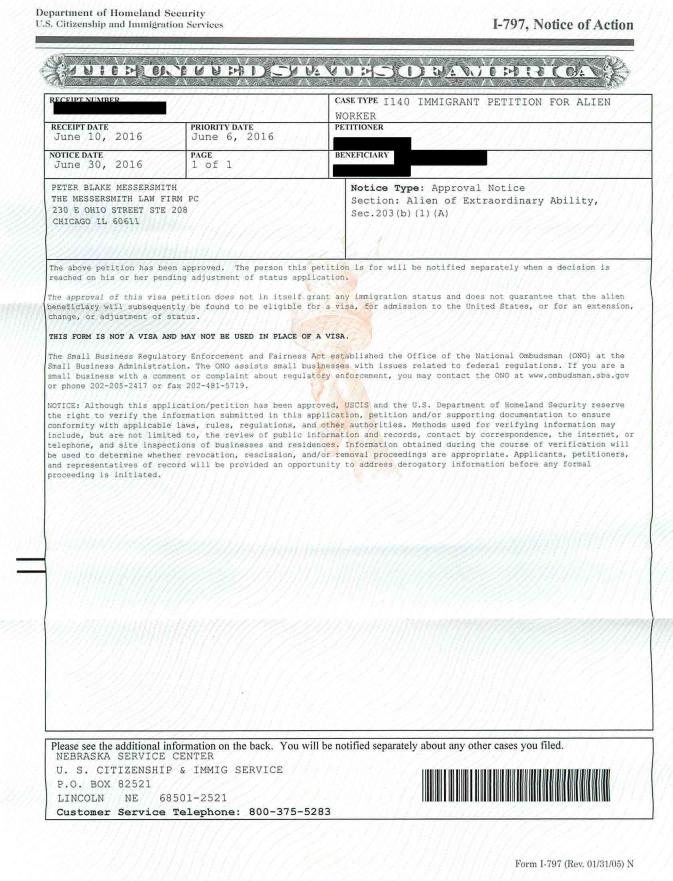
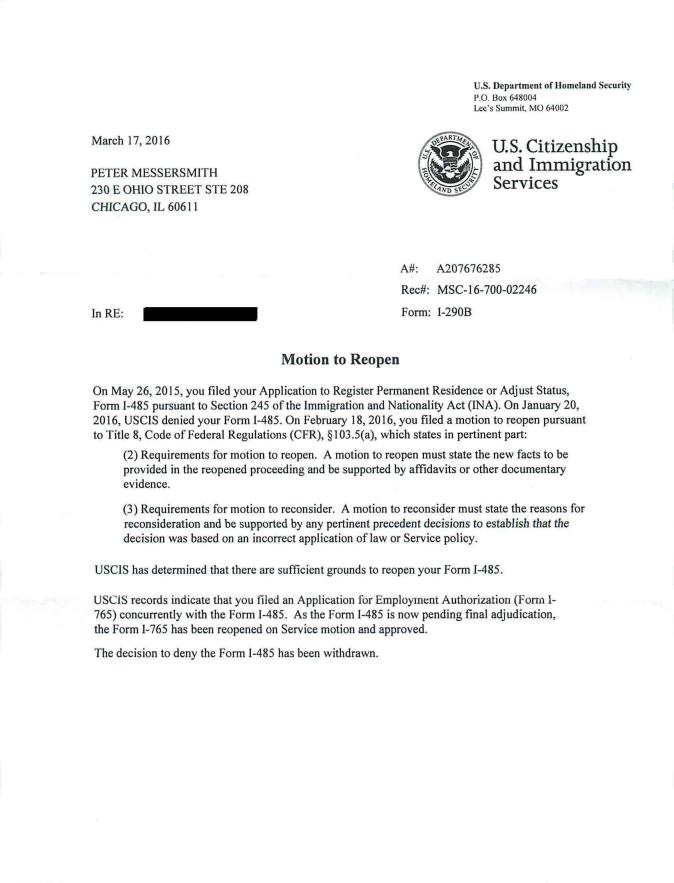
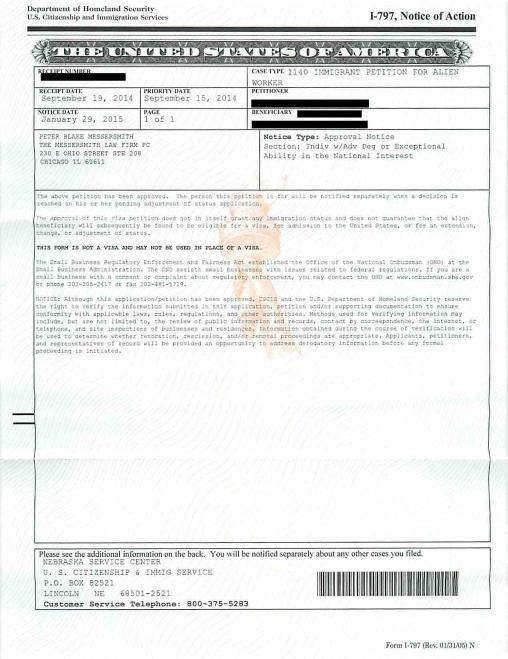
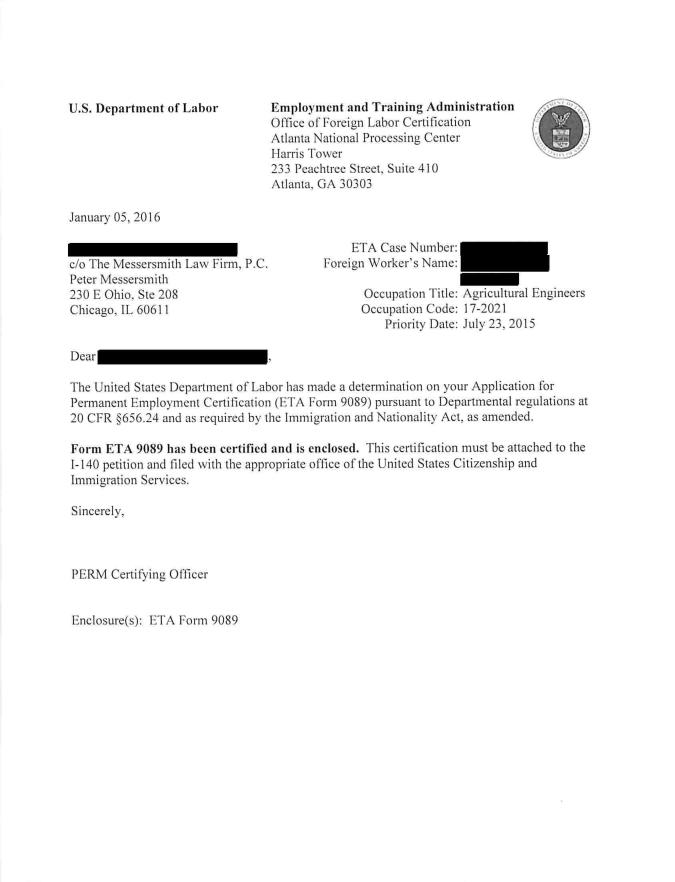
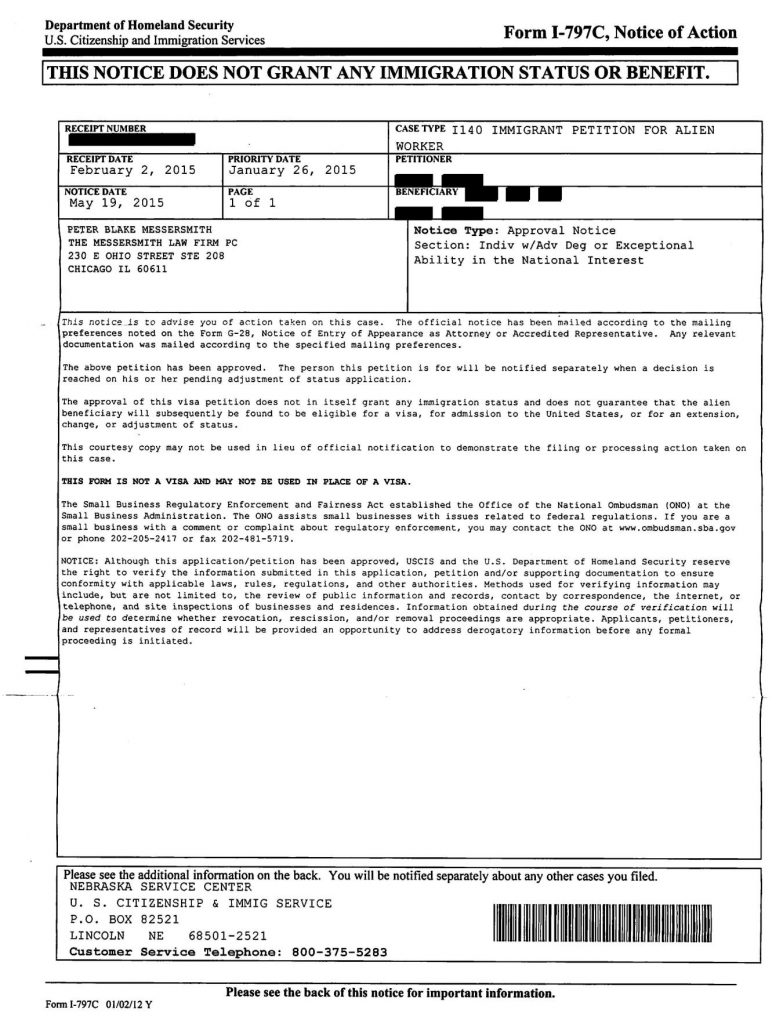
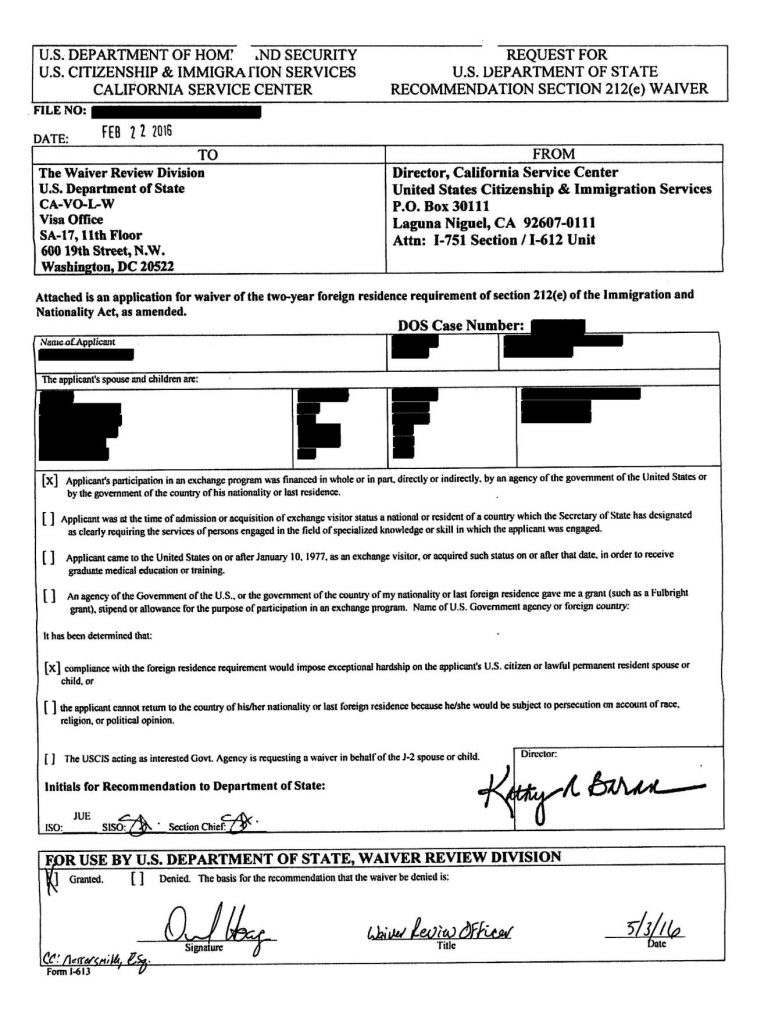
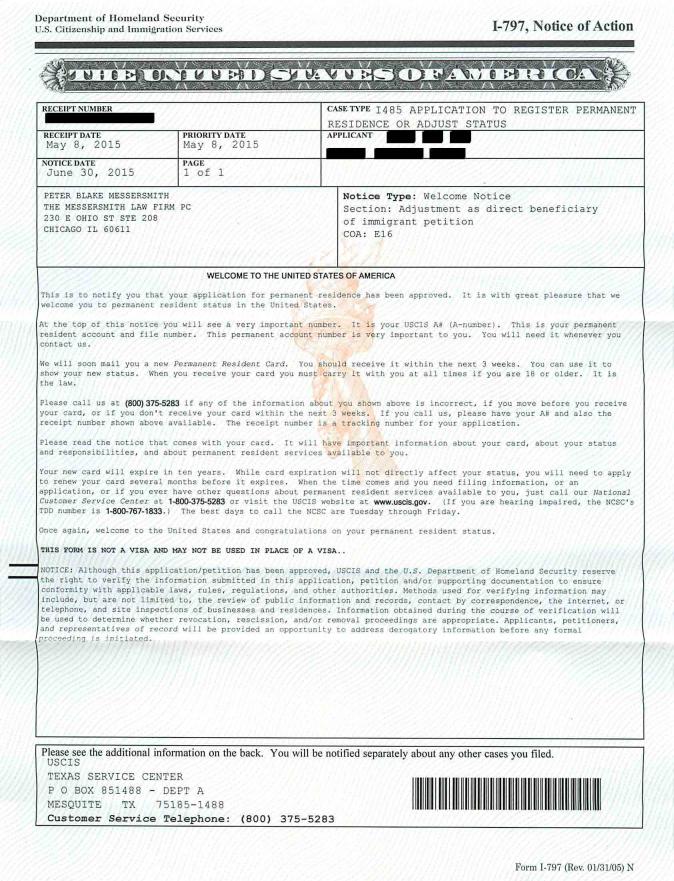
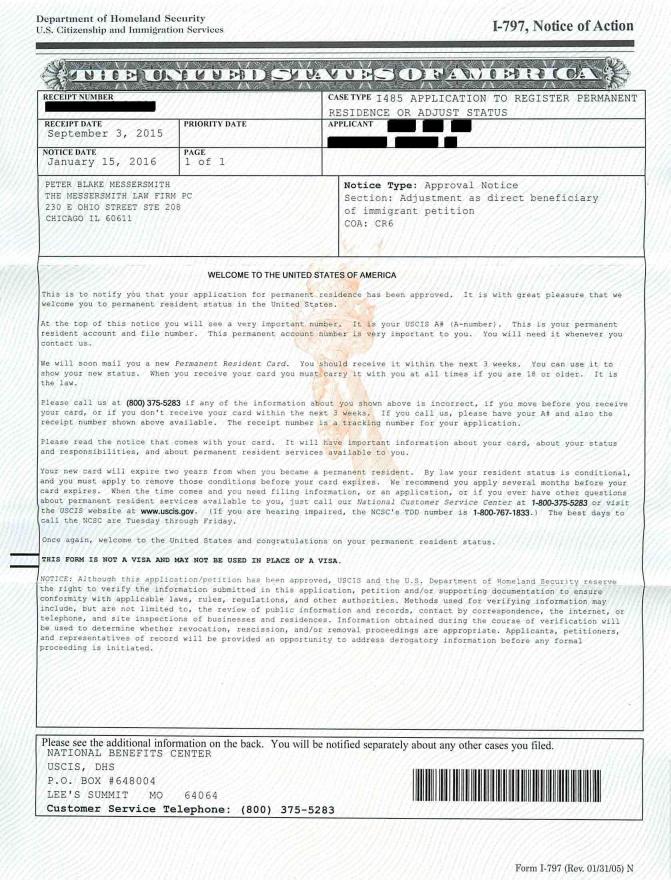
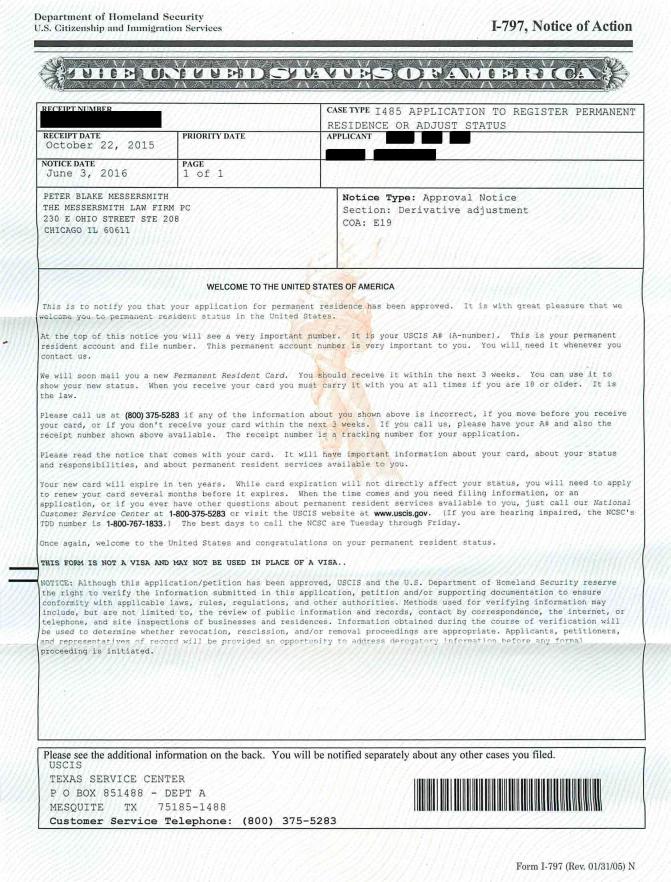
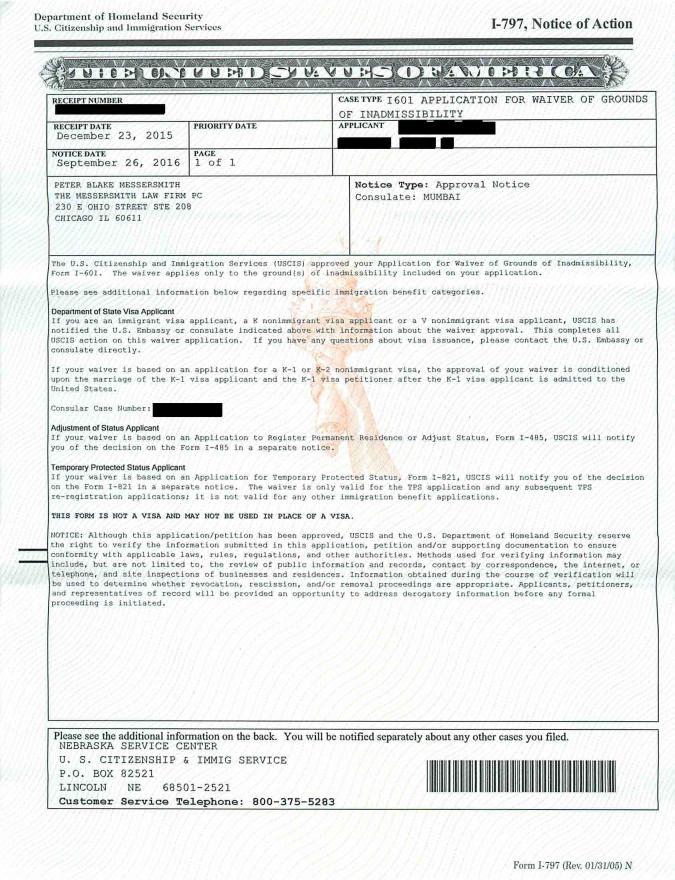
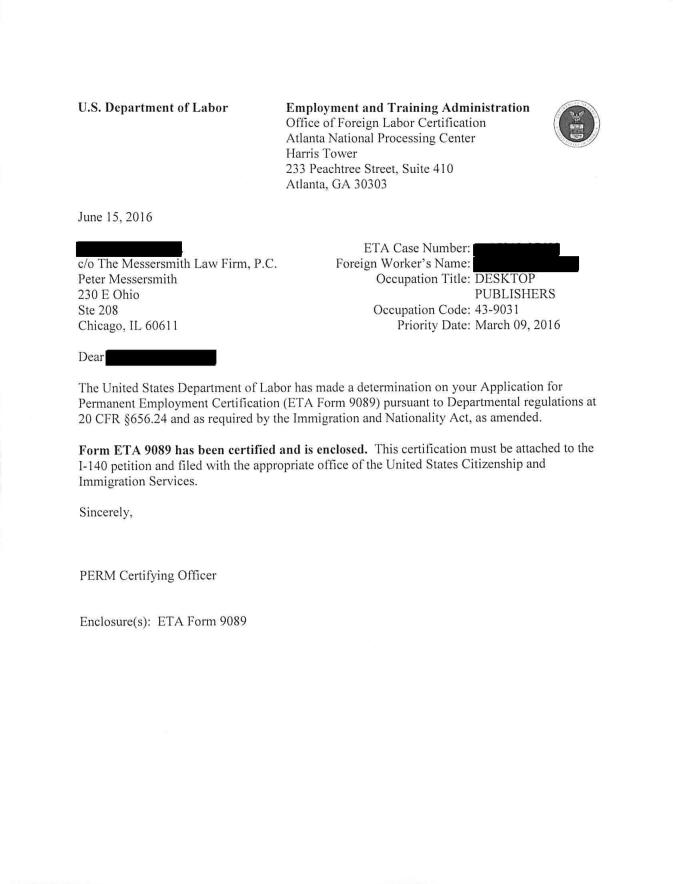
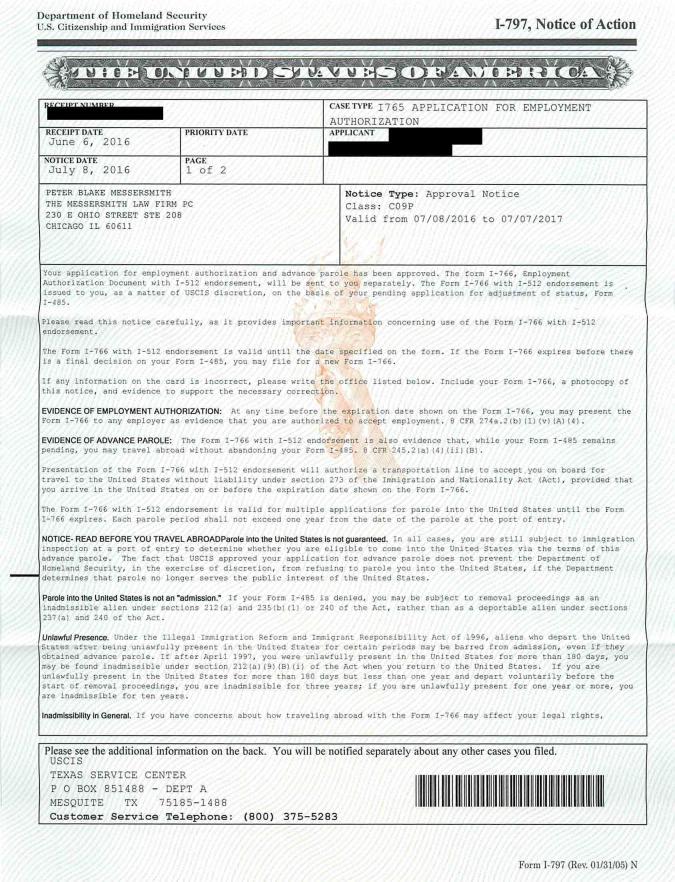
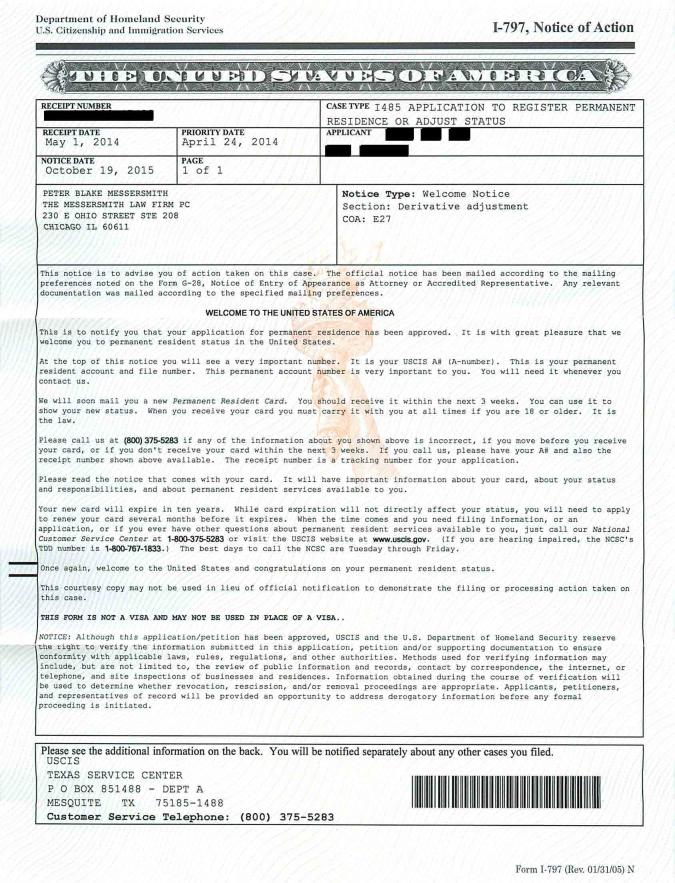
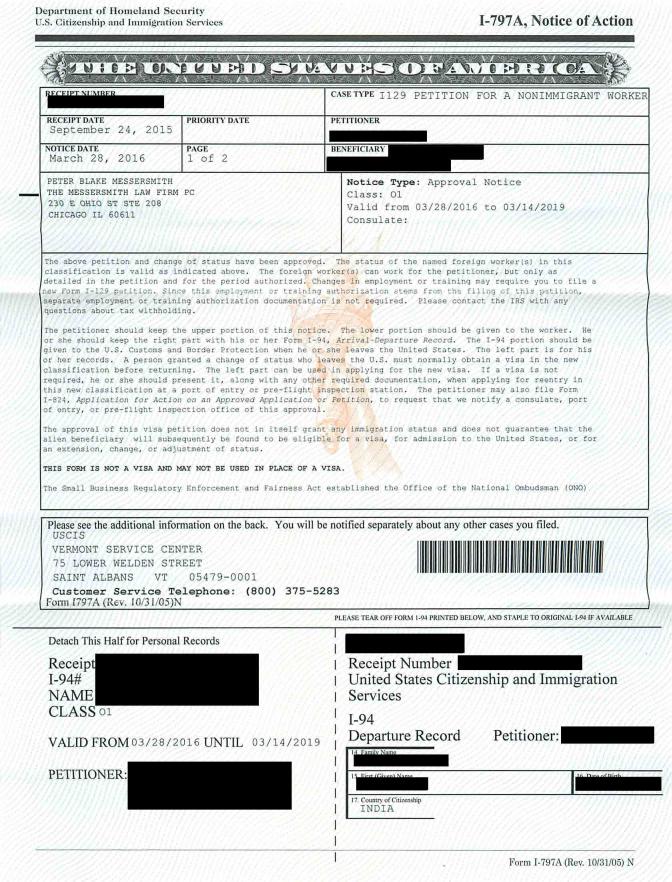
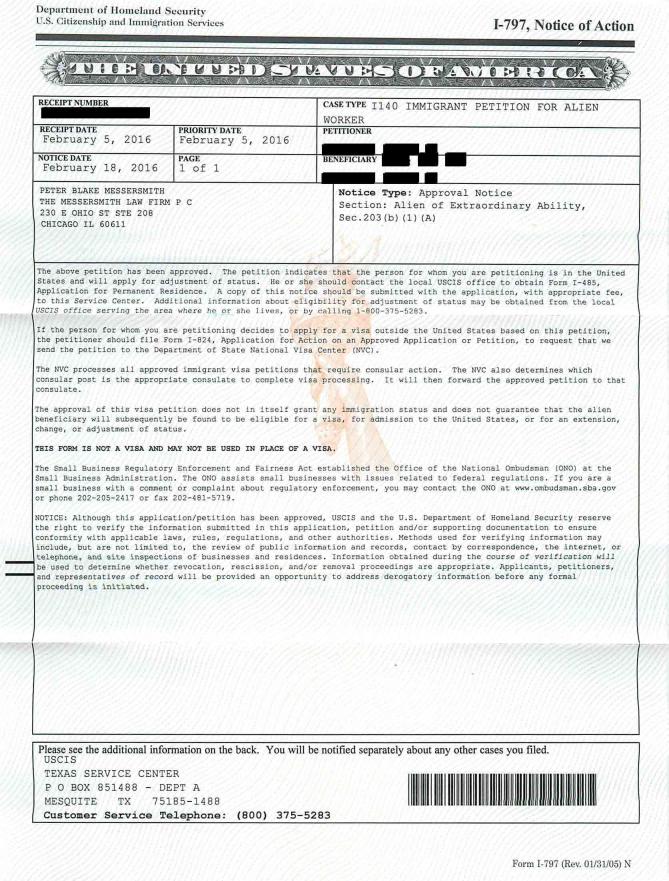
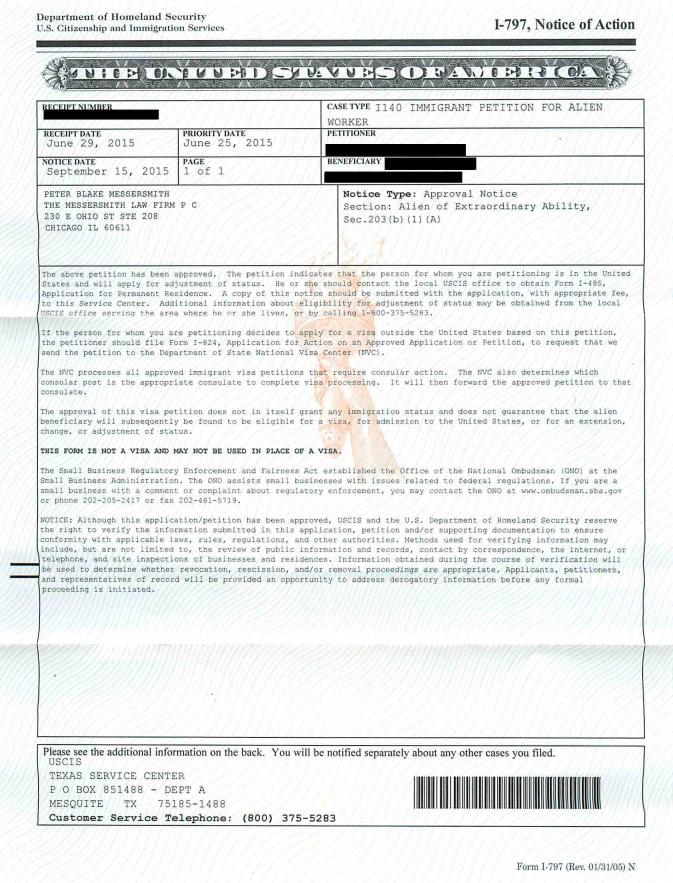
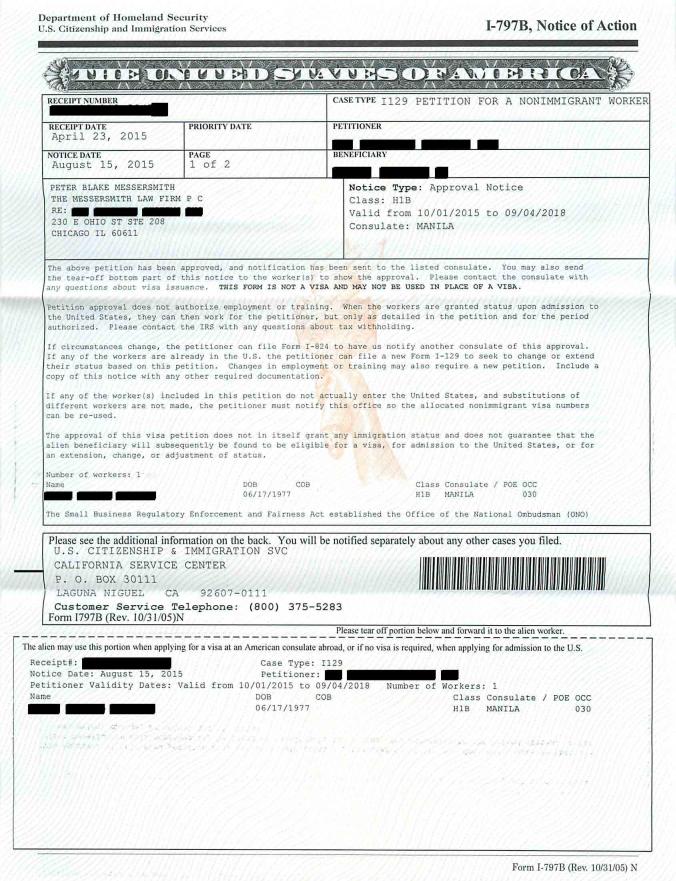
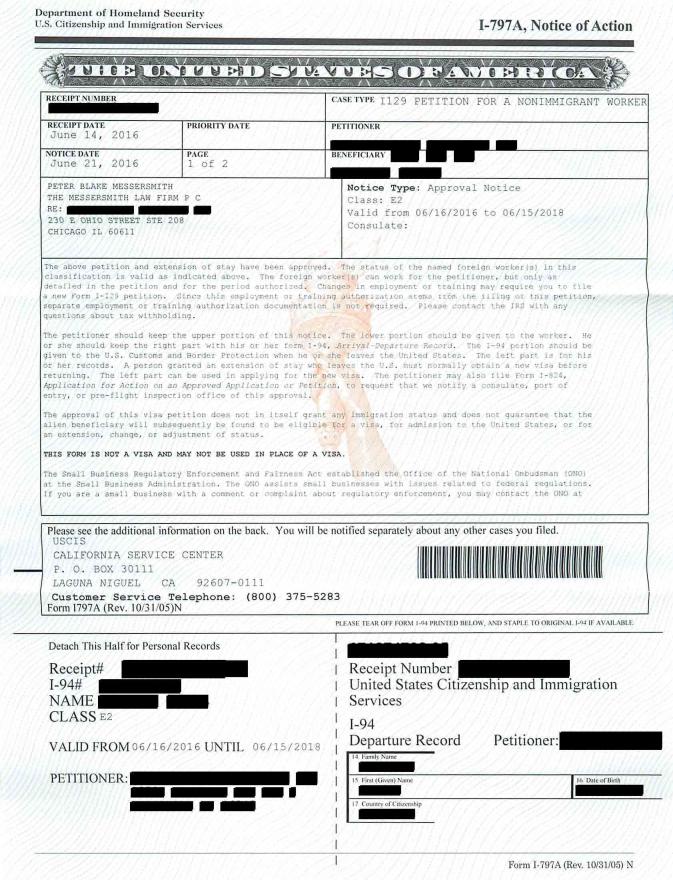
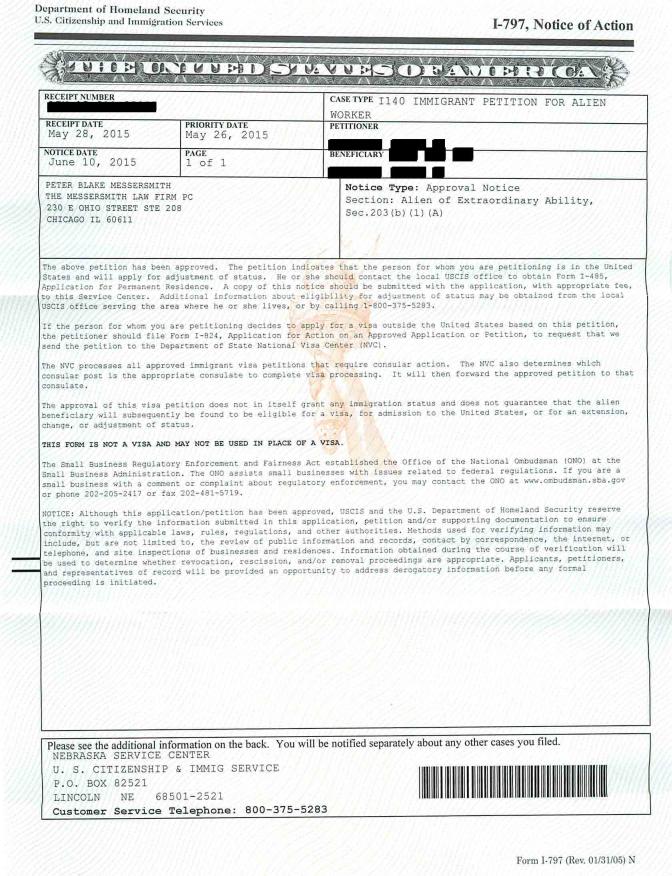
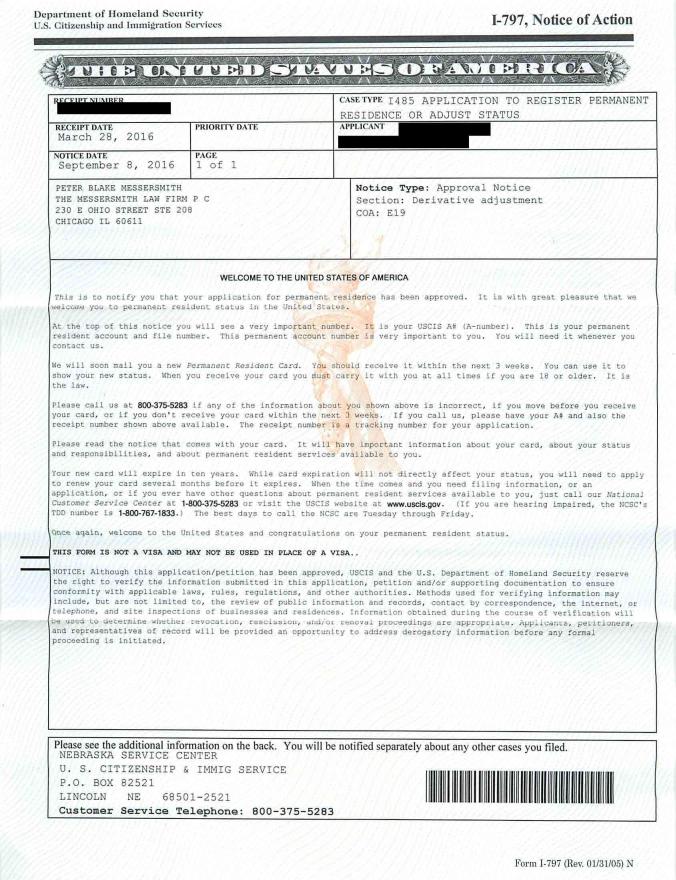
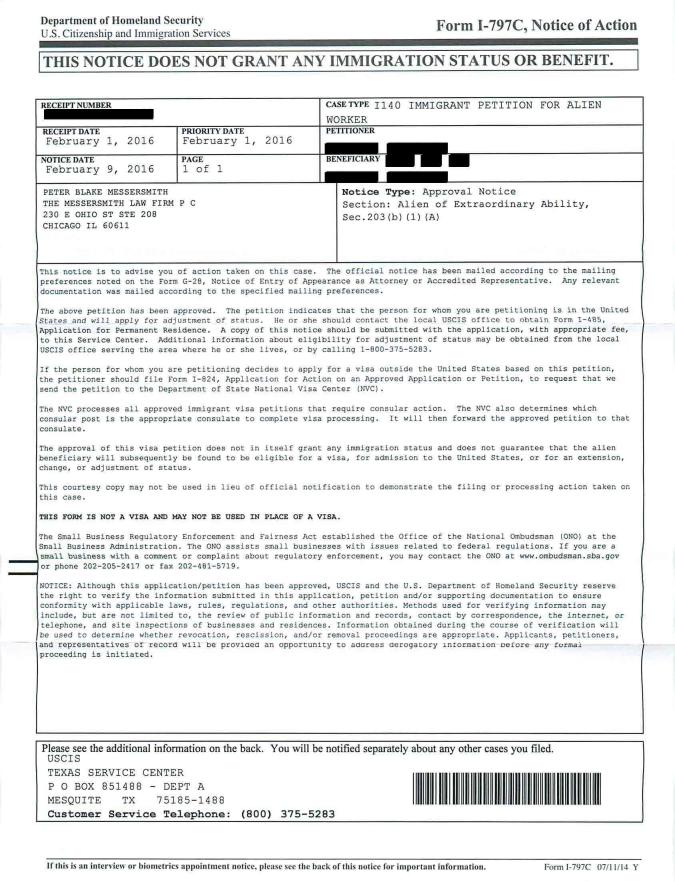
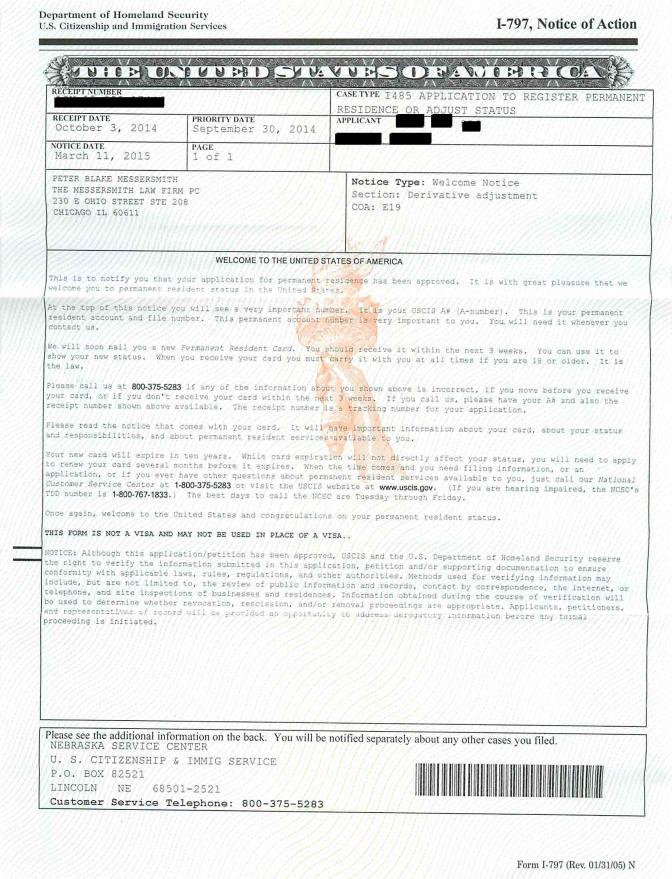
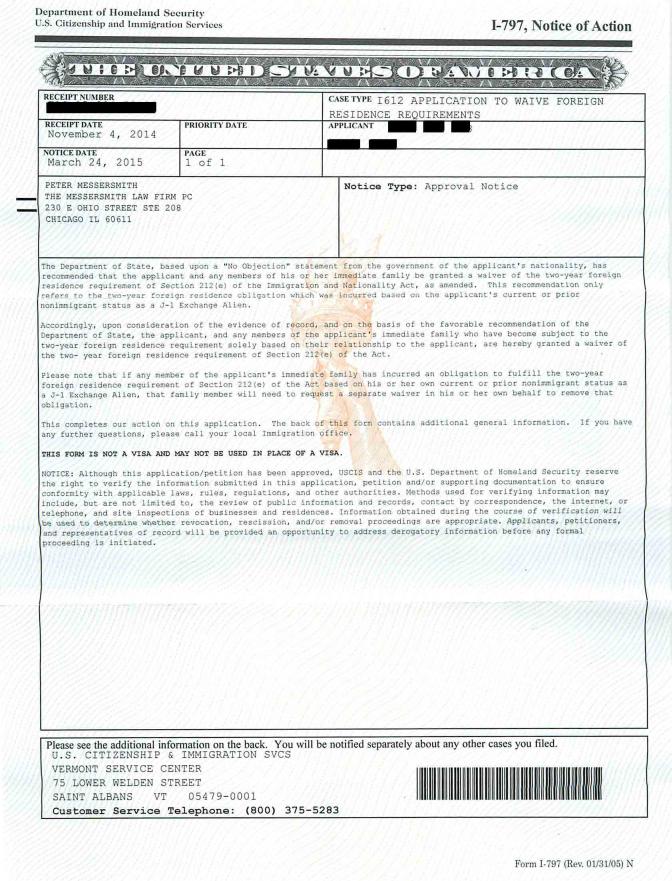
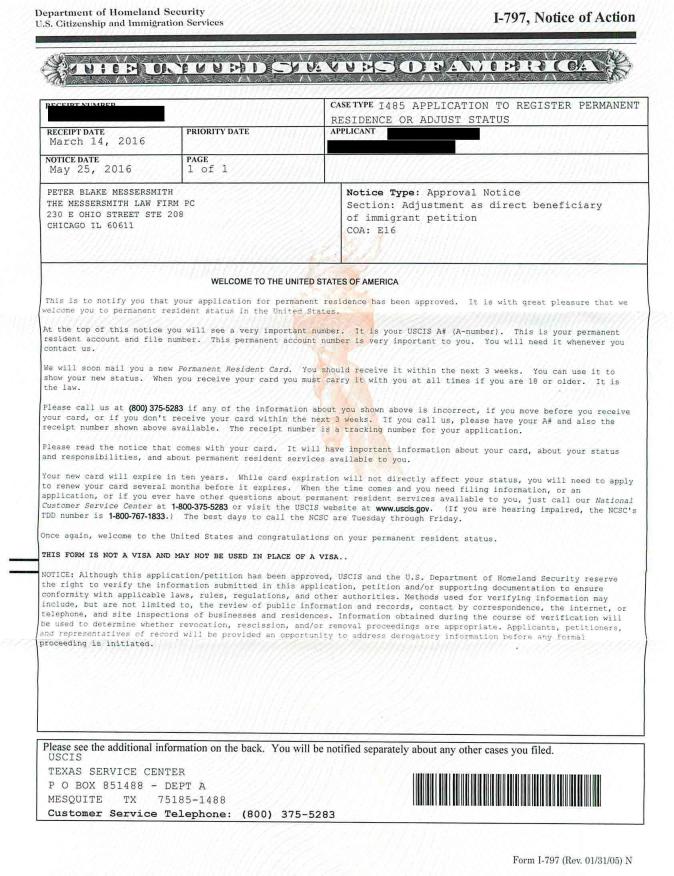
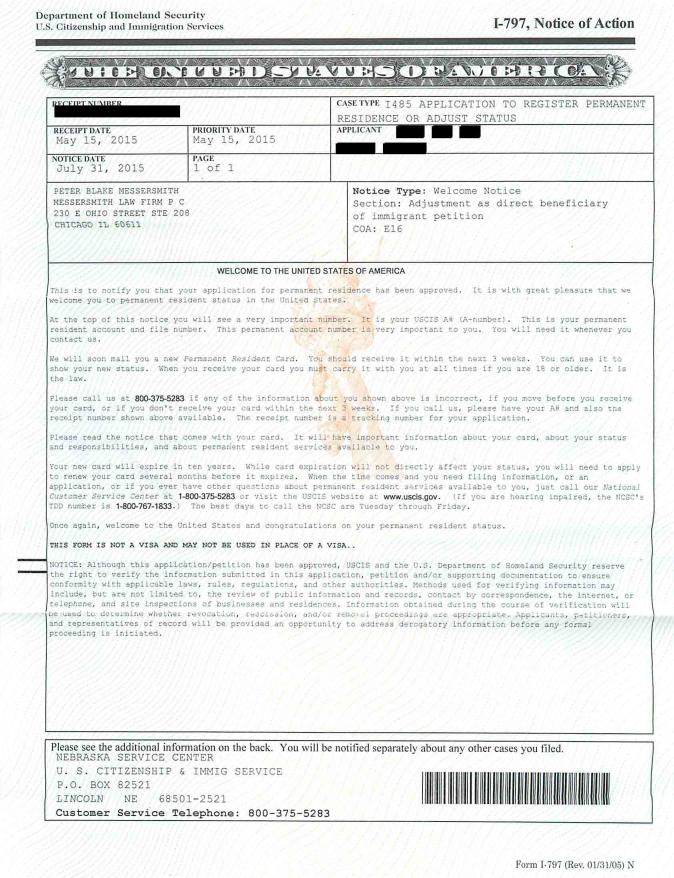
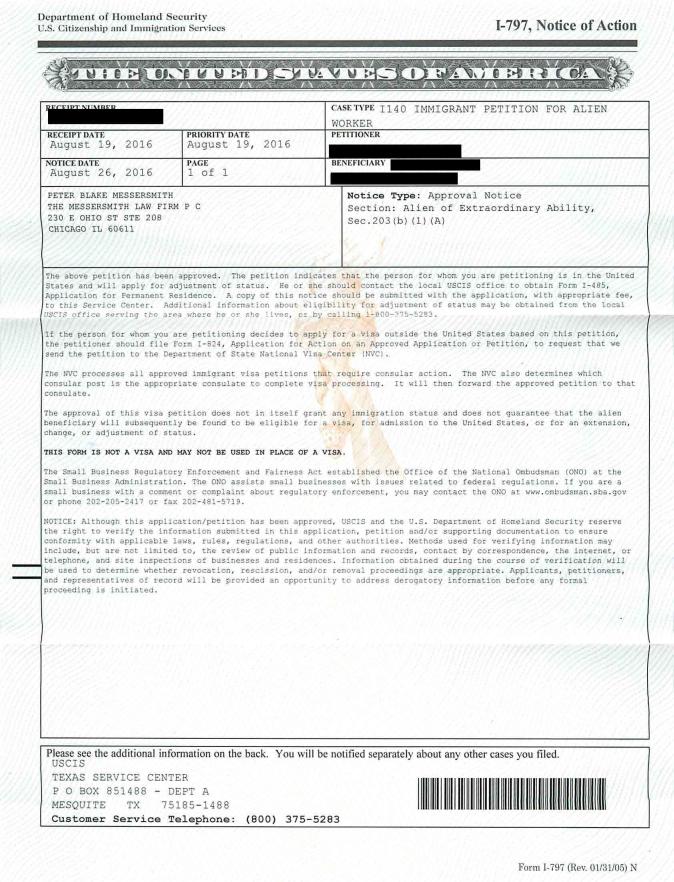
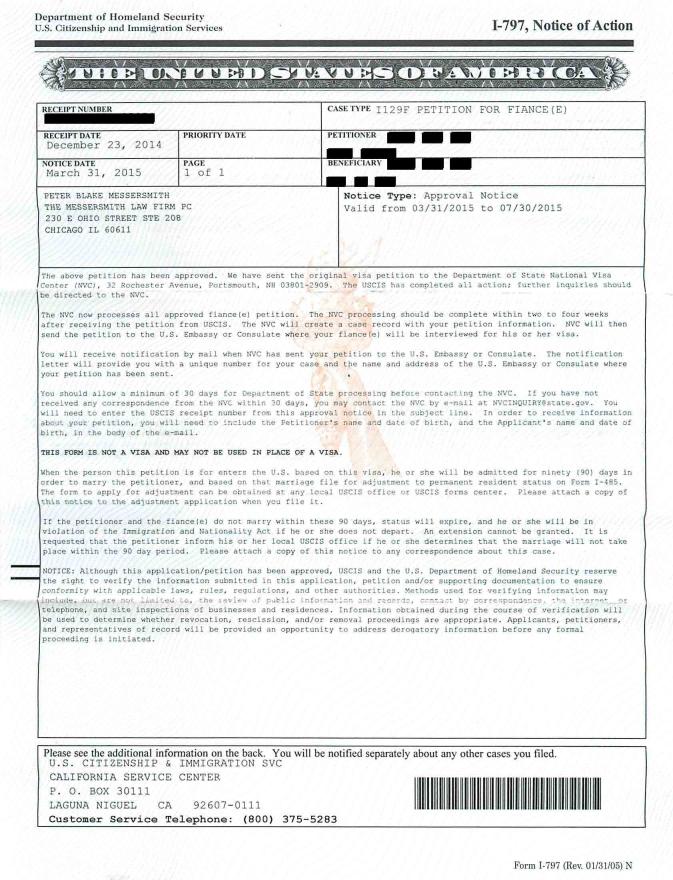
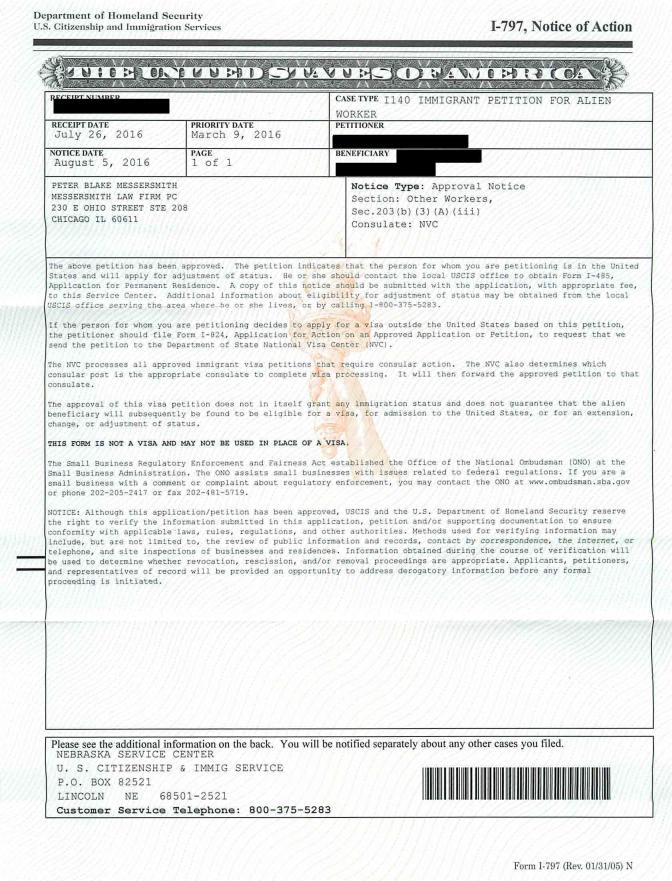
Scroll through fifty recent approval notices below or click here to view thousands.

Customer Testimonials

Real Testimonials from Past Clients